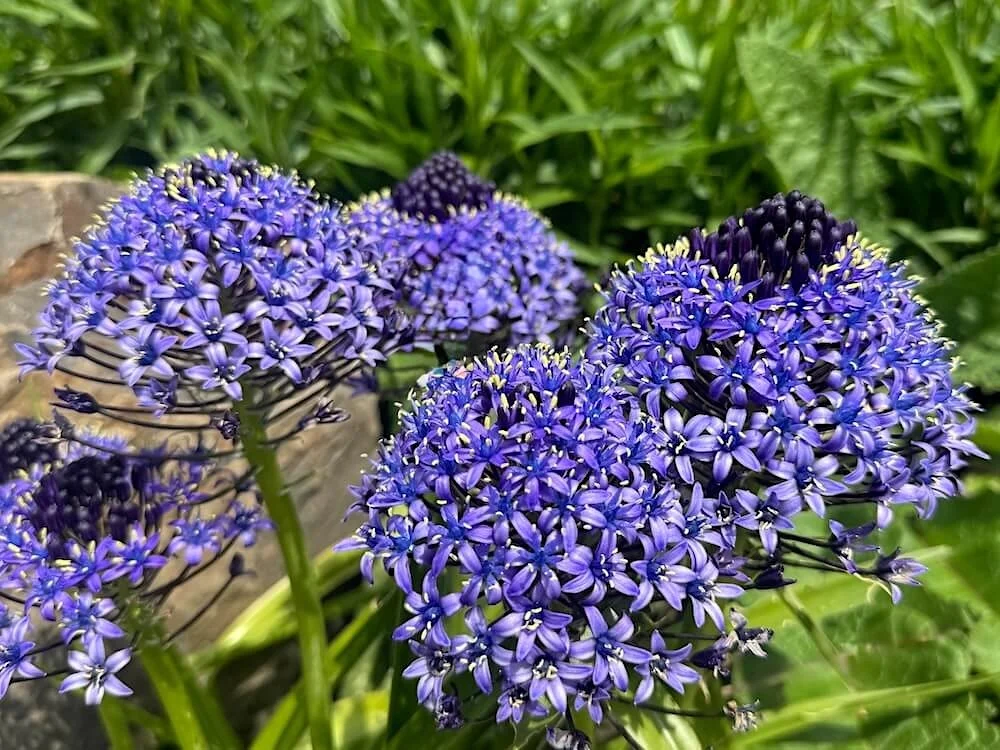
Scilla Peruviana | Portuguese Squill

$0.00

DESCRIPTION
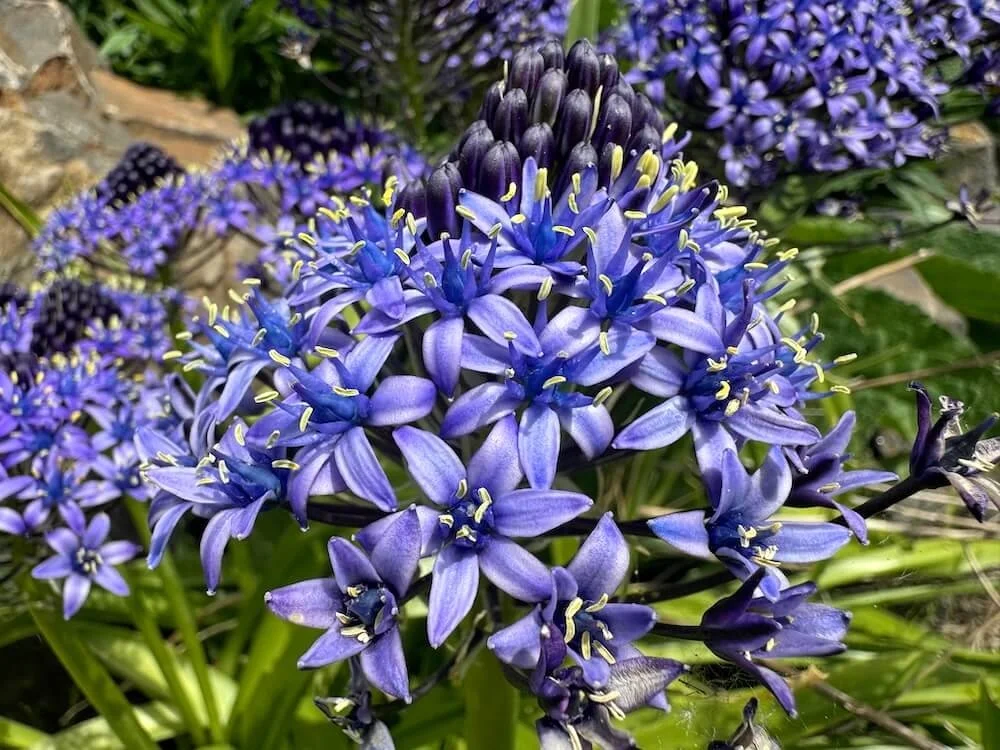
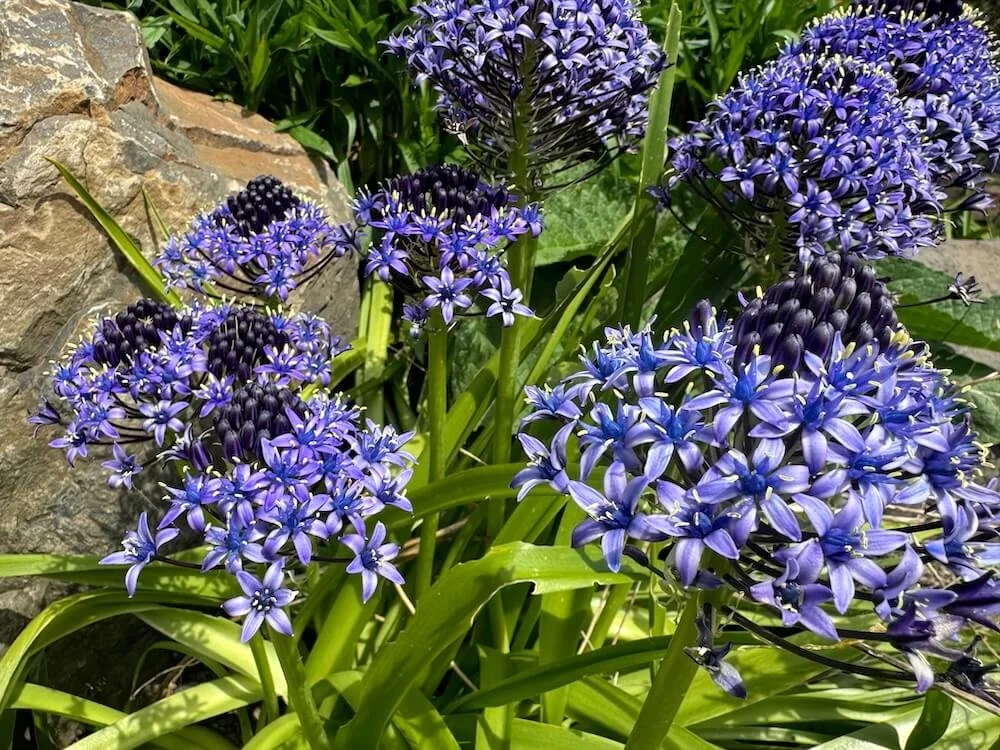
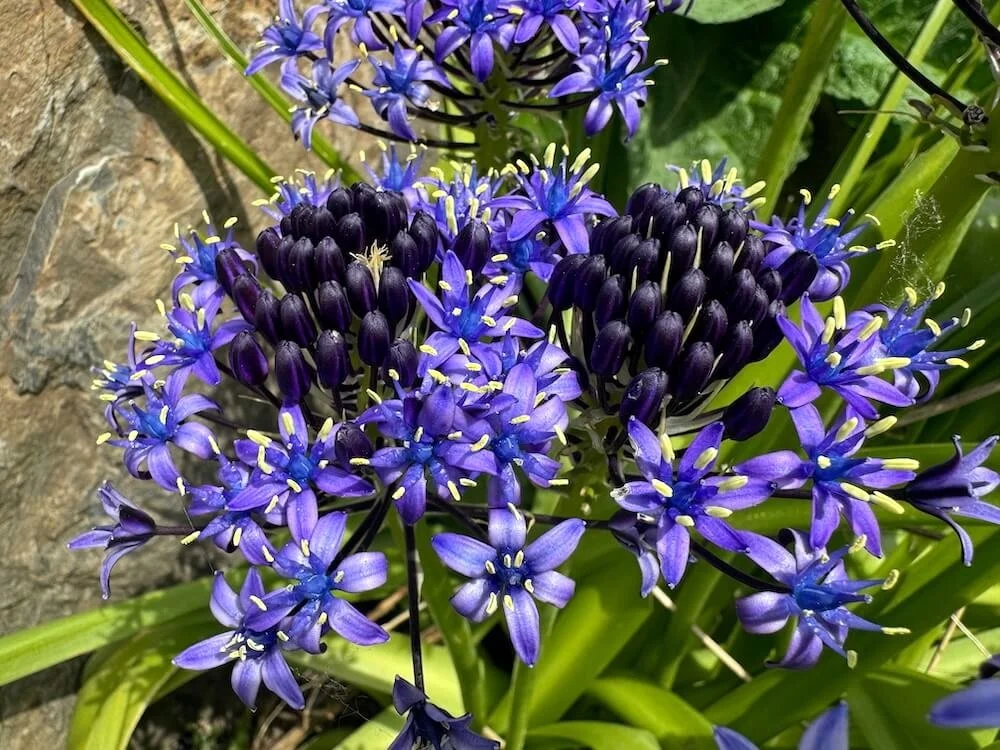
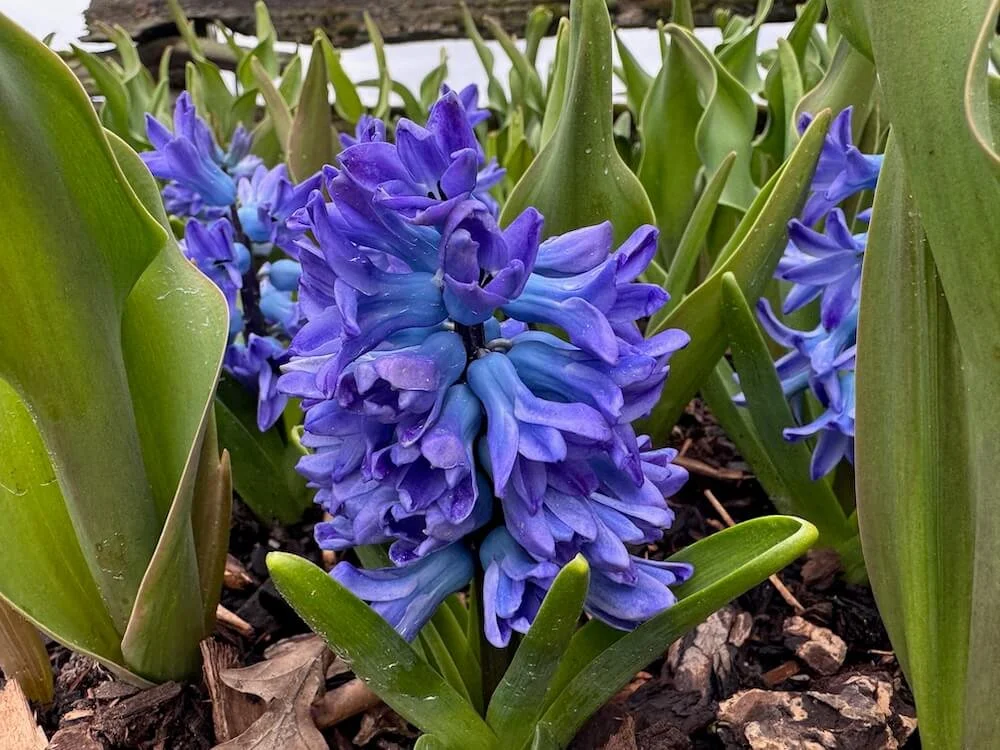
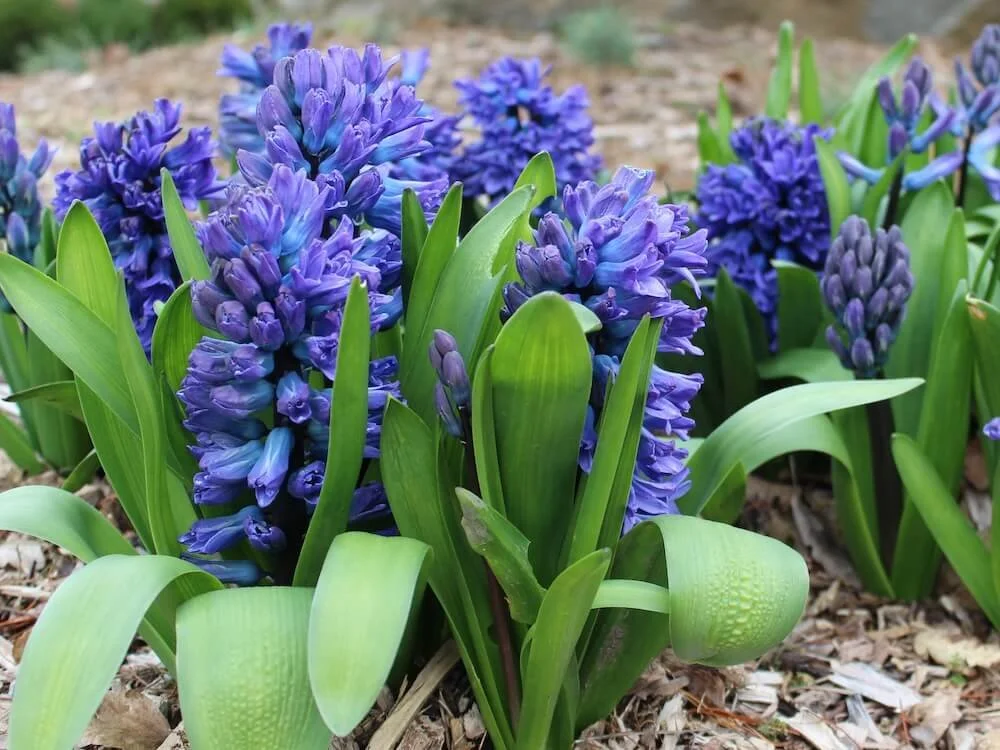
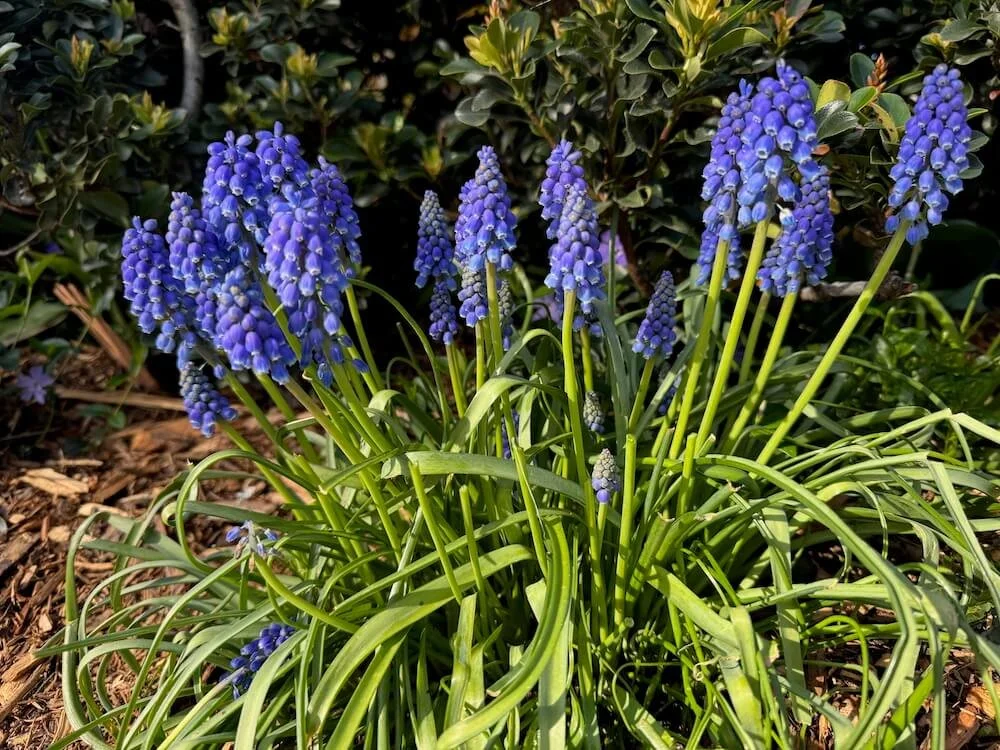
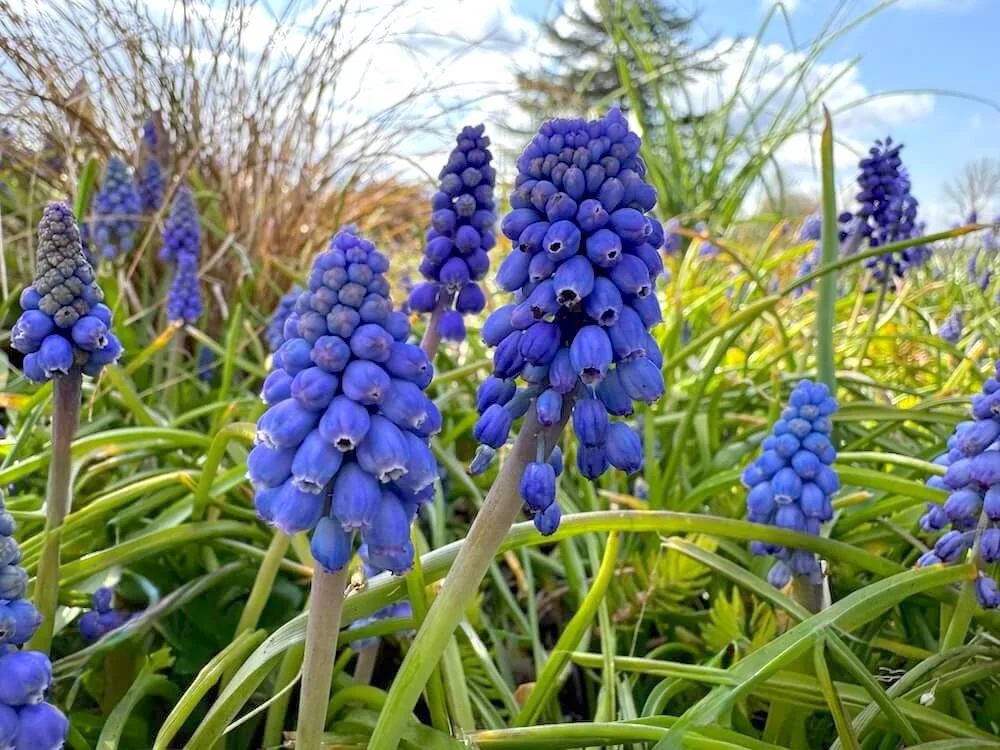
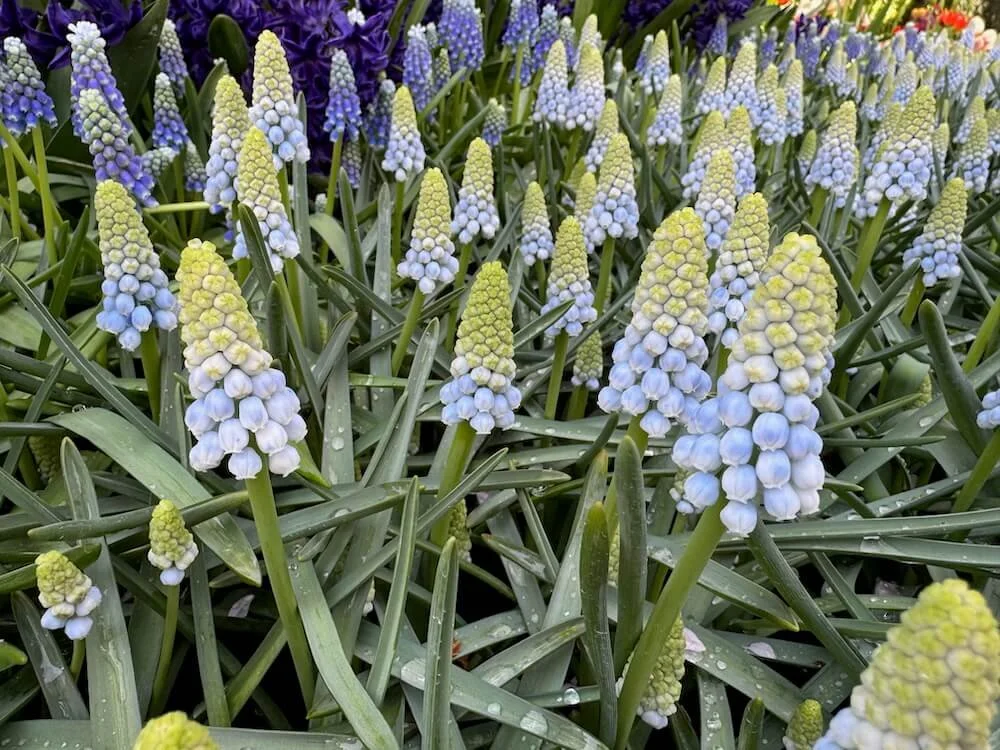
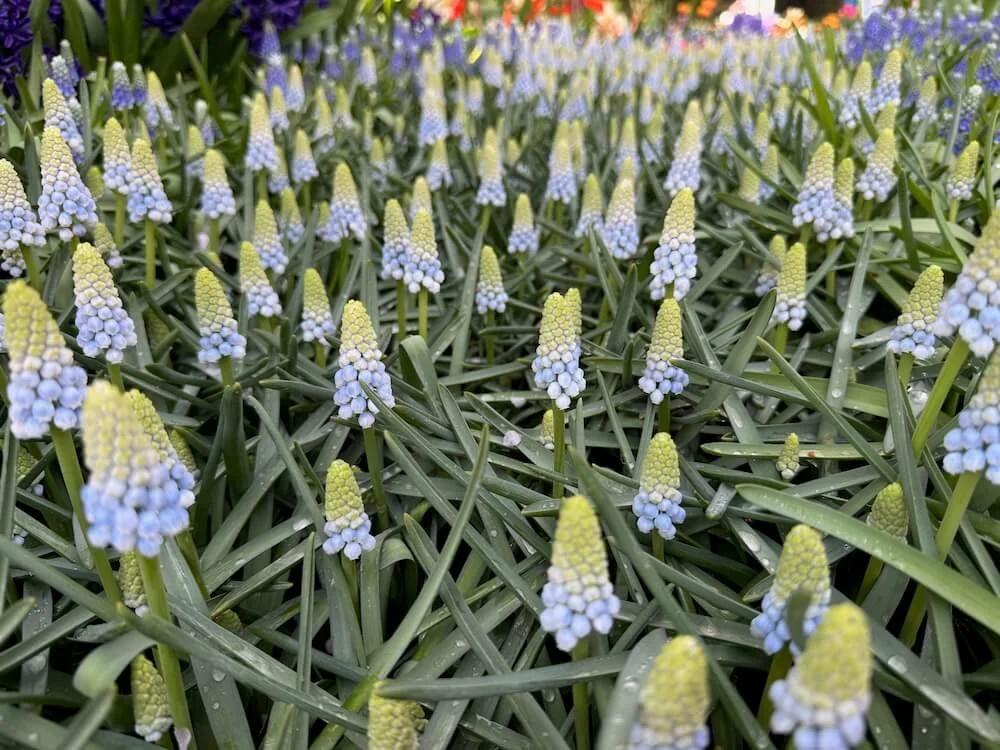
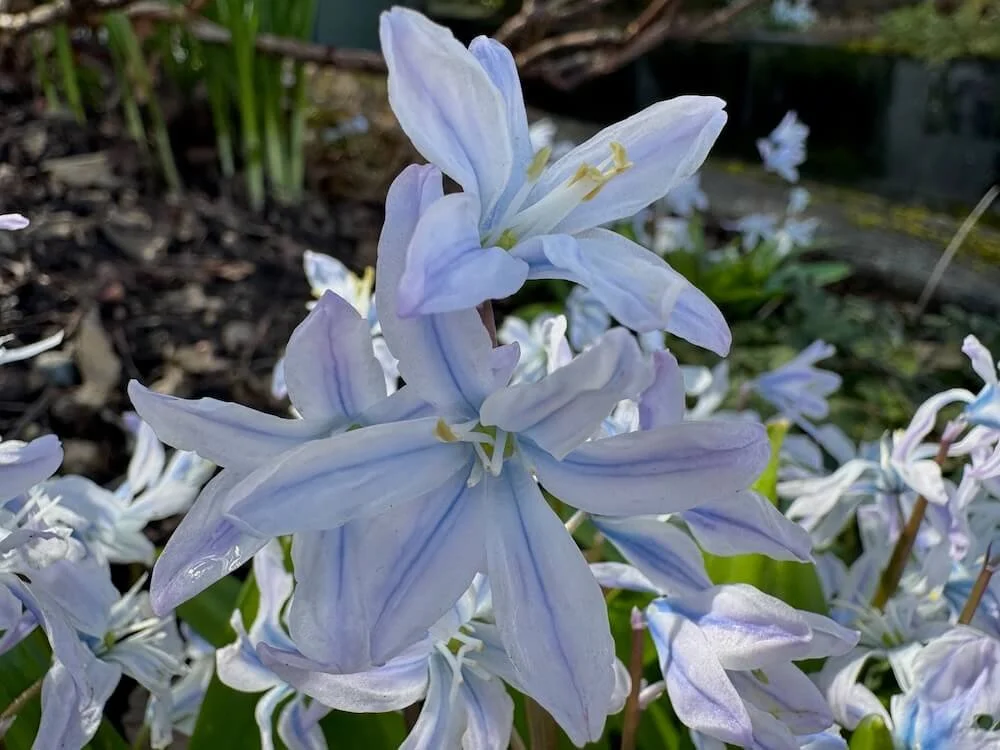
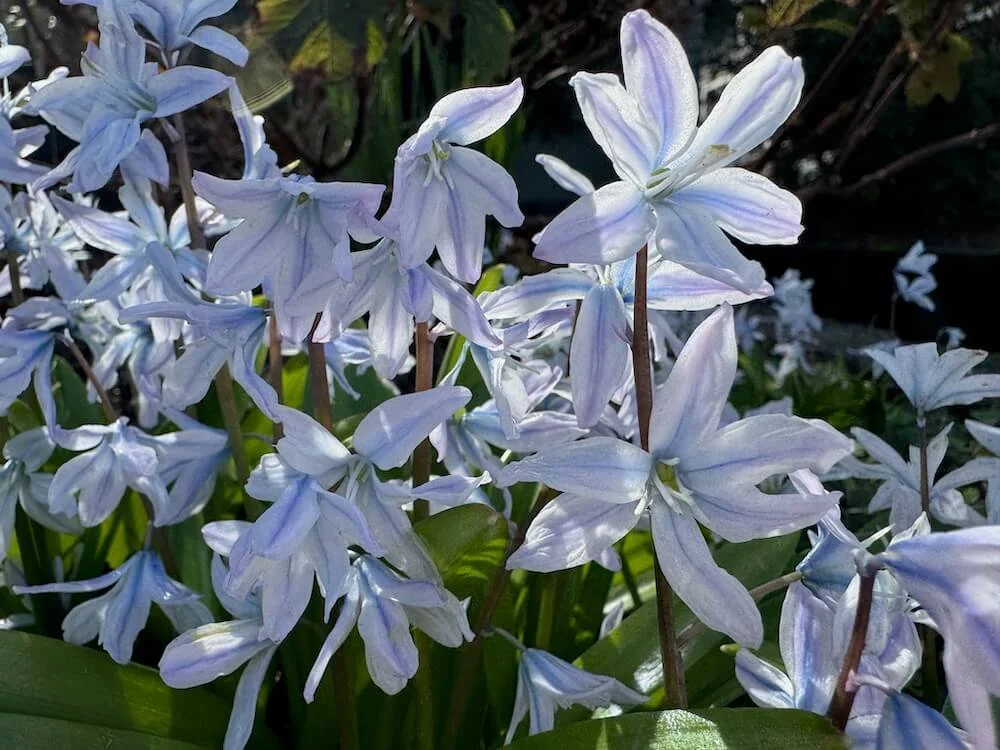
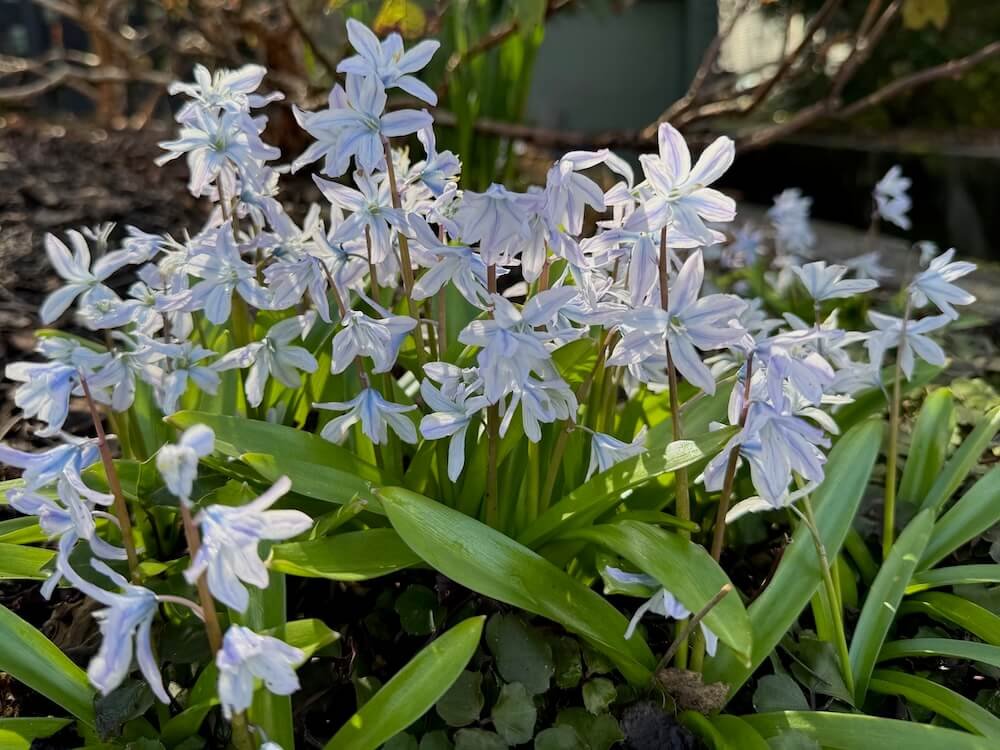
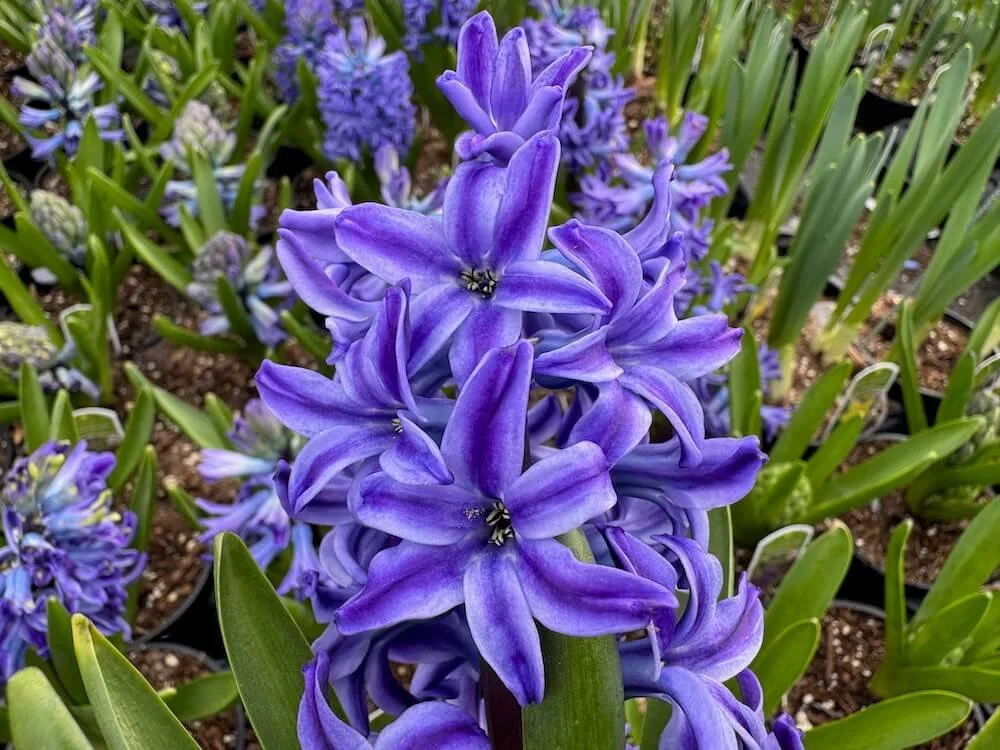
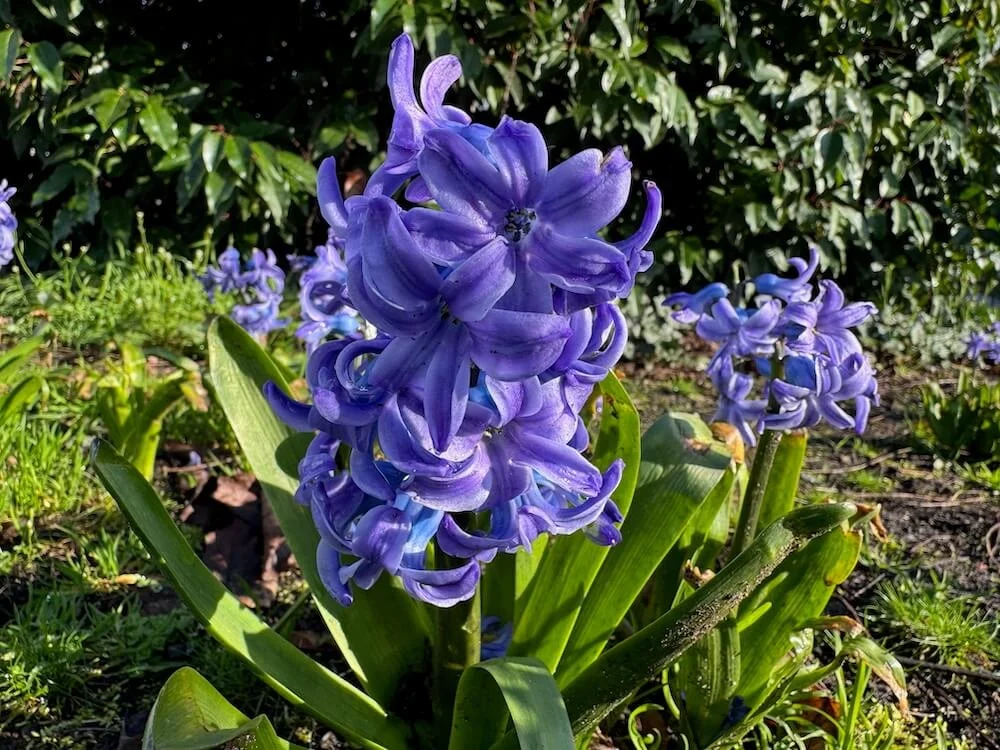
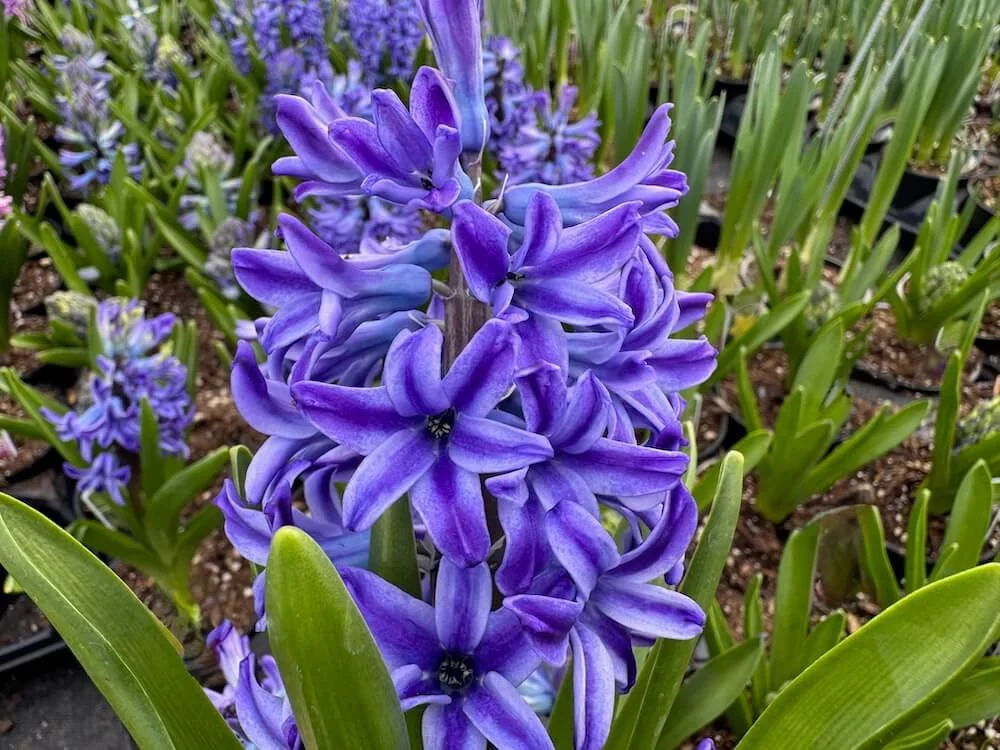
Scilla peruviana produces dense, dome-shaped clusters of starry violet-blue flowers in mid to late spring, creating a bold focal point during the flowering season. Broad, strap-like leaves are deep green and glossy, that provides texture during bloom. Each flower cluster is composed of dozens of individual florets packed tightly together that attracts bees and other pollinators.

Native to the western Mediterranean region, particularly Spain, Portugal, and North Africa, this species has long been cultivated for its ornamental appeal. It is well suited to borders, rock gardens, containers, and Mediterranean-style plantings, where its distinctive flower heads and evergreen foliage provide seasonal interest and architectural form.

DESCRIPTION
Scilla peruviana produces dense, dome-shaped clusters of starry violet-blue flowers in mid to late spring, creating a bold focal point during the flowering season. Broad, strap-like leaves are deep green and glossy, that provides texture during bloom. Each flower cluster is composed of dozens of individual florets packed tightly together that attracts bees and other pollinators.

Native to the western Mediterranean region, particularly Spain, Portugal, and North Africa, this species has long been cultivated for its ornamental appeal. It is well suited to borders, rock gardens, containers, and Mediterranean-style plantings, where its distinctive flower heads and evergreen foliage provide seasonal interest and architectural form.

 
  • Family: Asparagaceae
    Height: 1 ft to 2 ft
    Width: 1 ft to 1.5 ft
    Foliage color: Broad strap like deep green leaves forming a dense basal clump
    Flower color: Dense spherical clusters of violet blue star shaped flowers with dark stamens
    Bloom time: Late spring to early summer
    Light requirements: Full sun to partial shade
    Water requirements: Moderate
    Maintenance: Low; remove spent flower stalks and allow foliage to die back naturally
    Growing zone: USDA zones 8 to 10
    Wildlife attractors: Bees, butterflies and pollinators attracted to nectar and pollen rich flowers

    Read more about planting and growing bulbs.
    Print Information

    Buy Plants