Tulipa 'Finola' | Finola Double Tulip

$0.00

DESCRIPTION
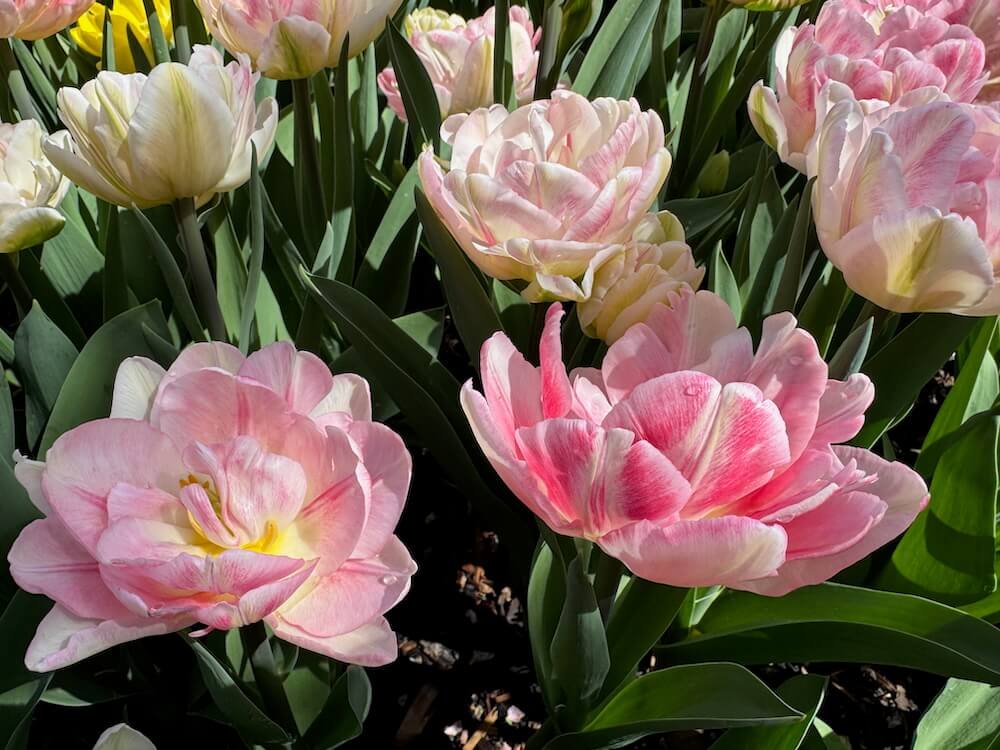
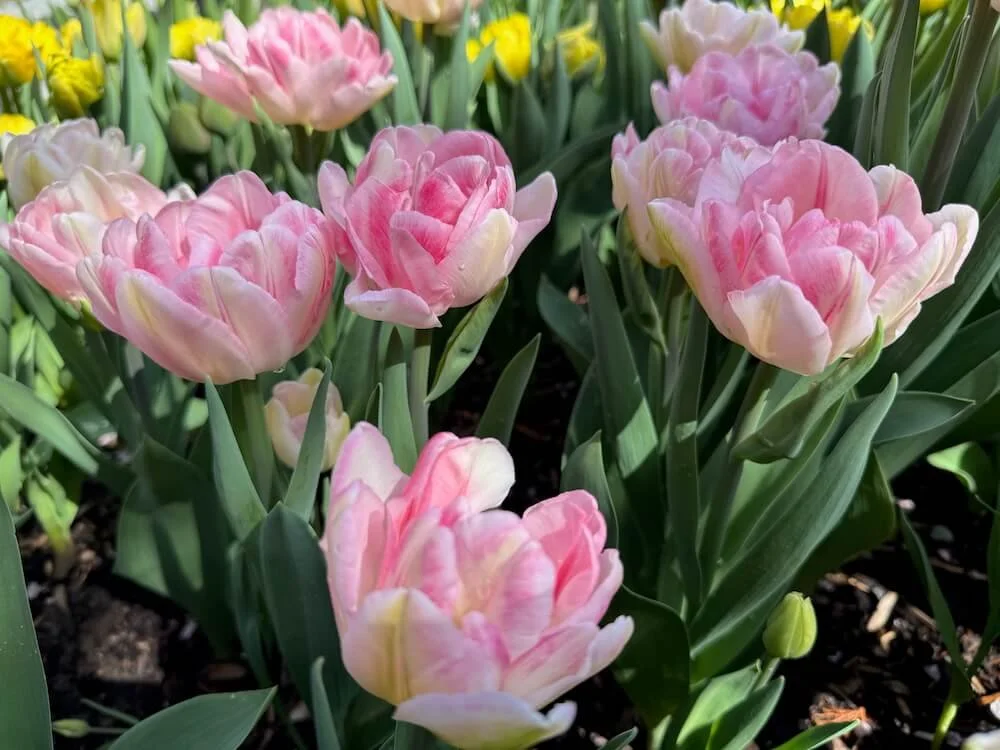
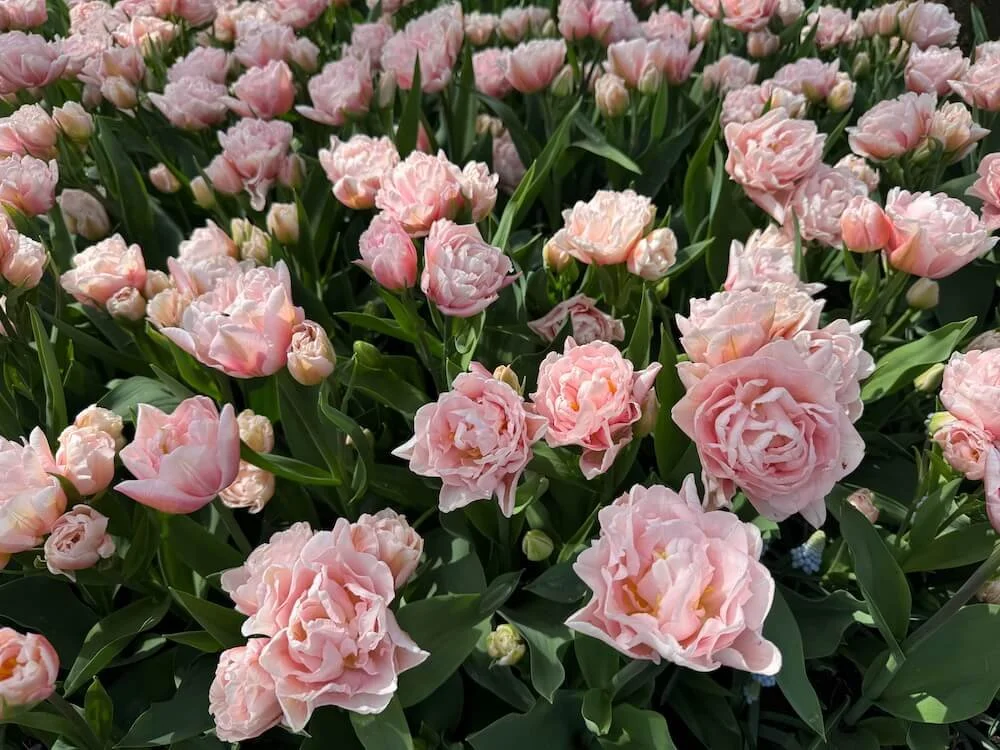
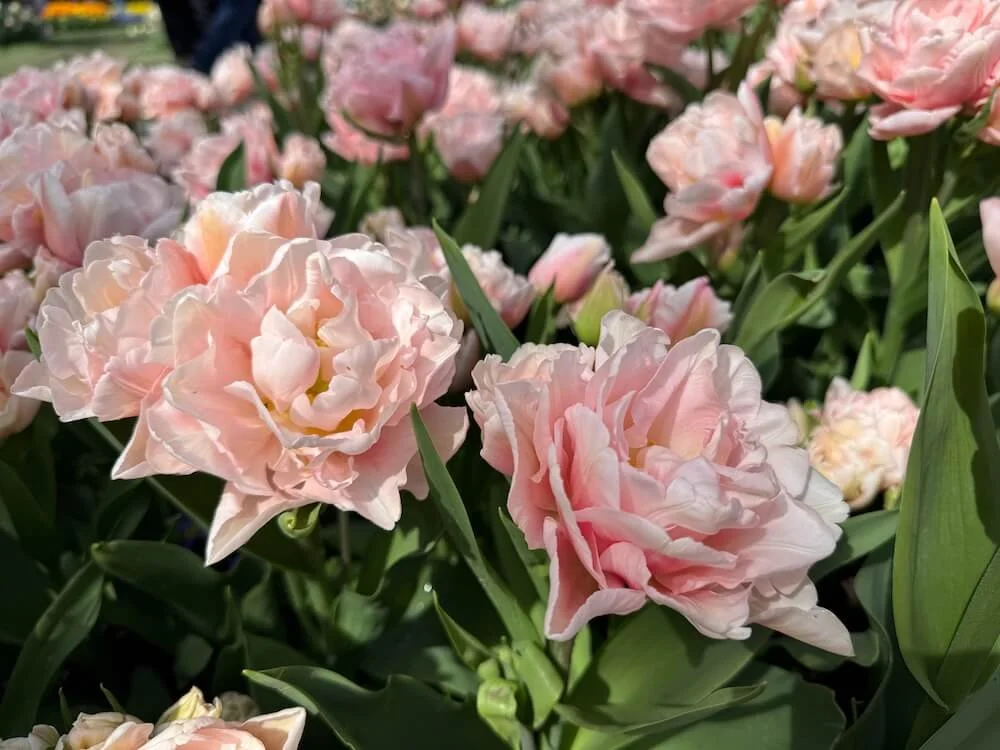
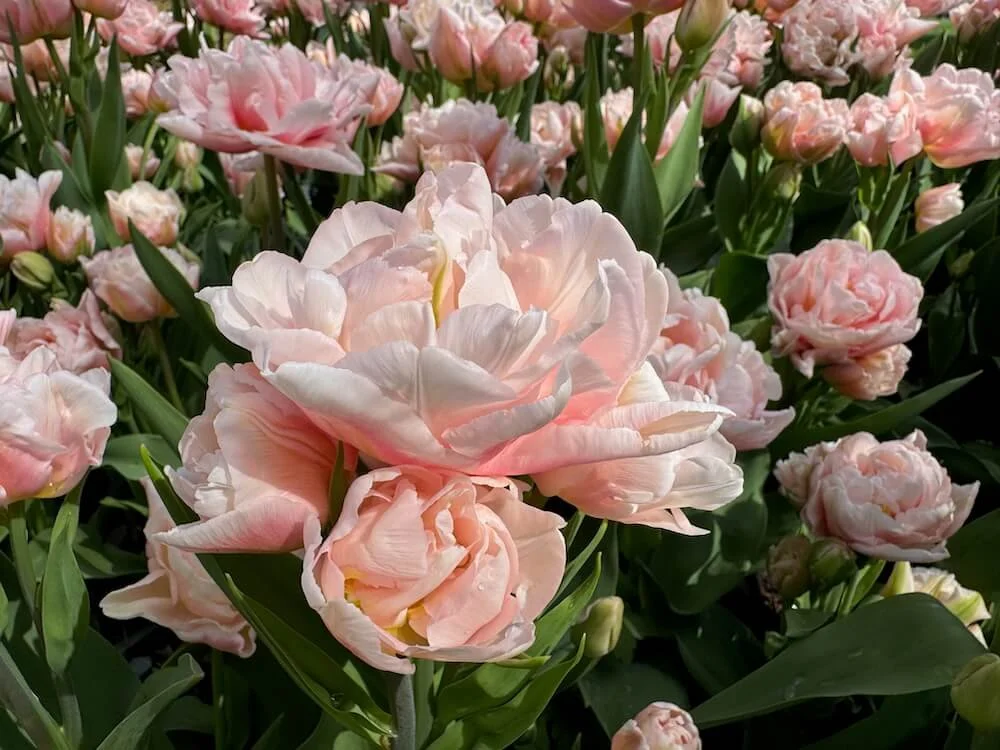
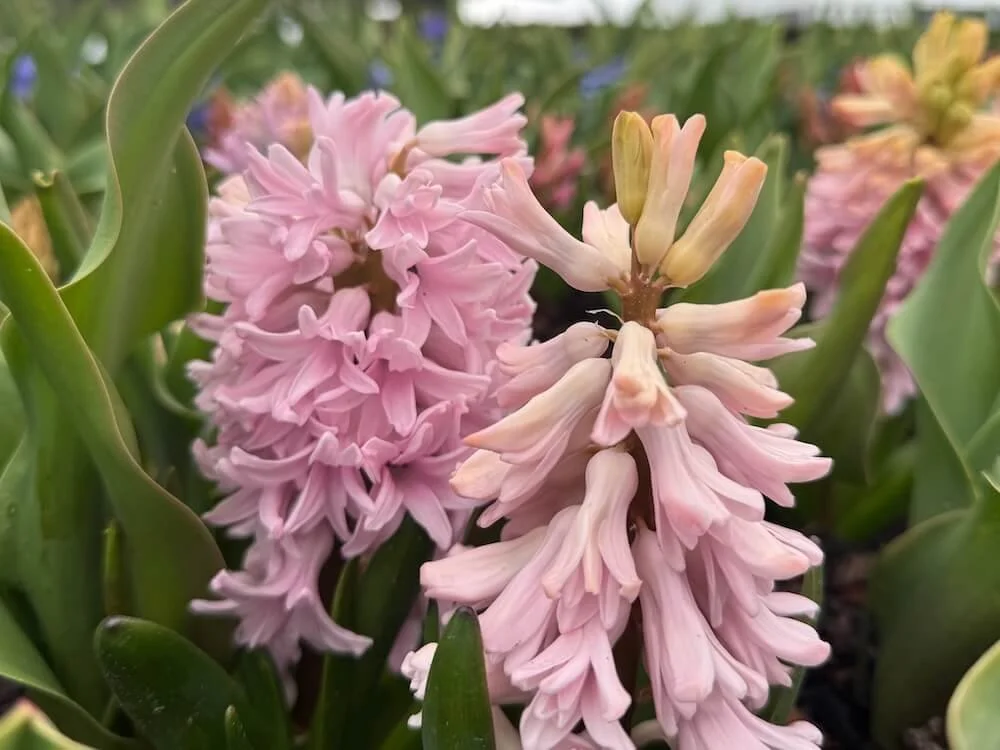
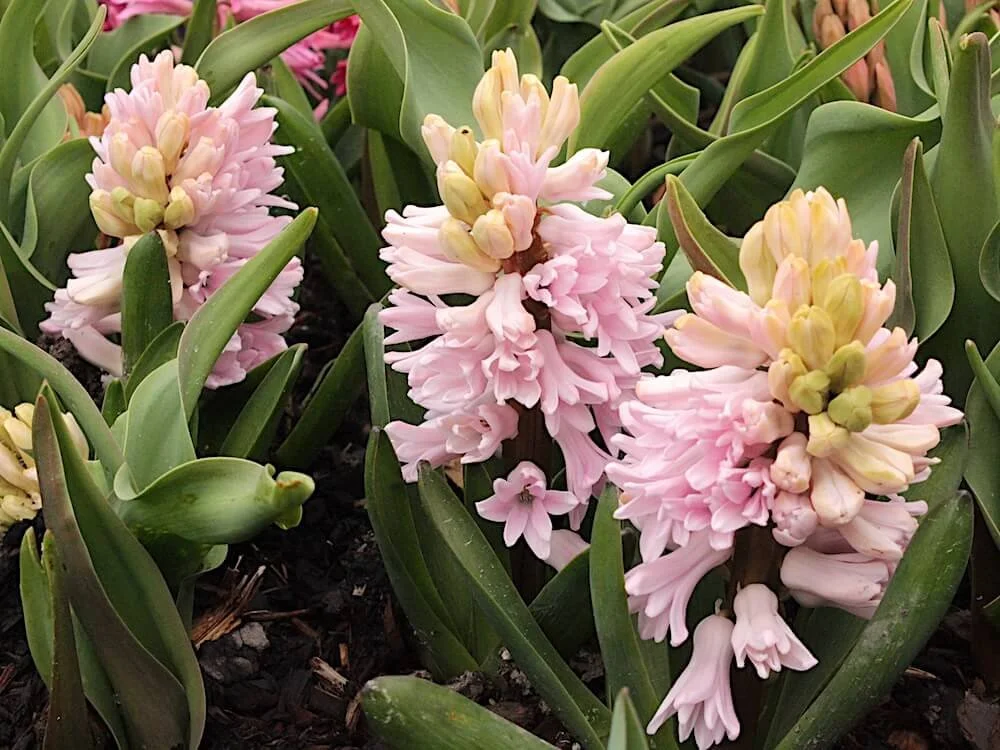
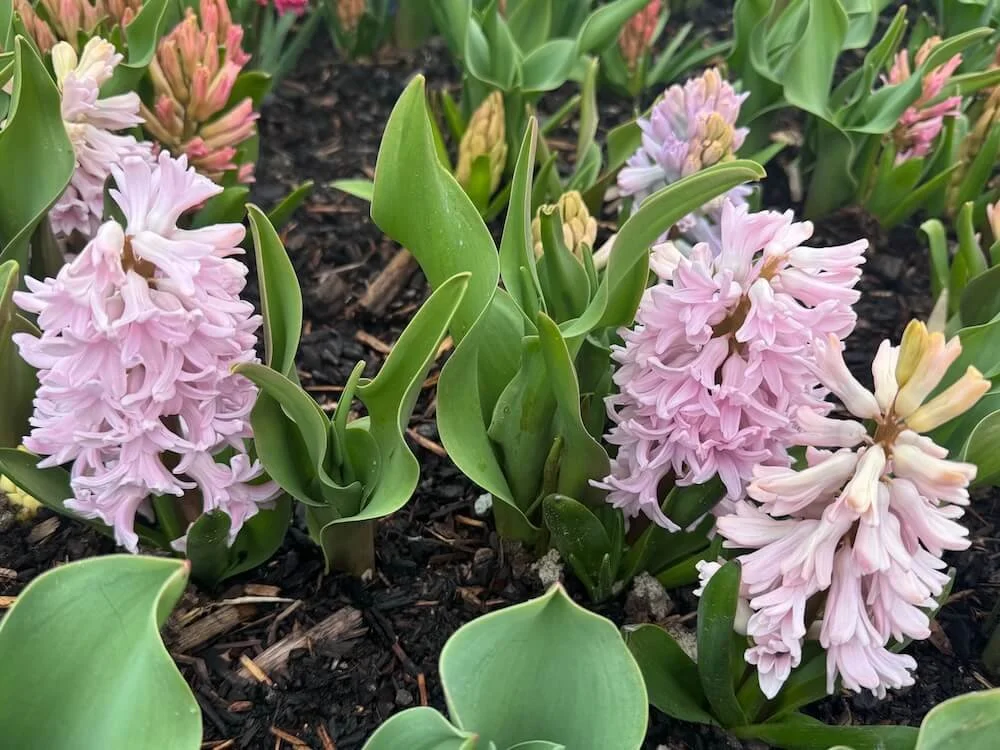
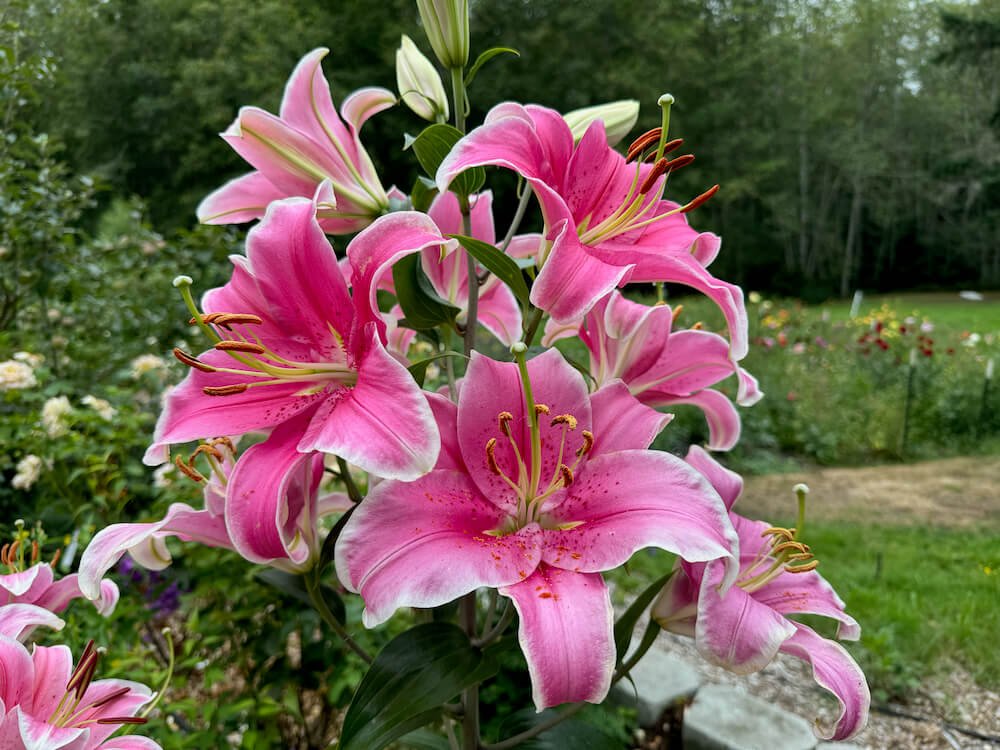
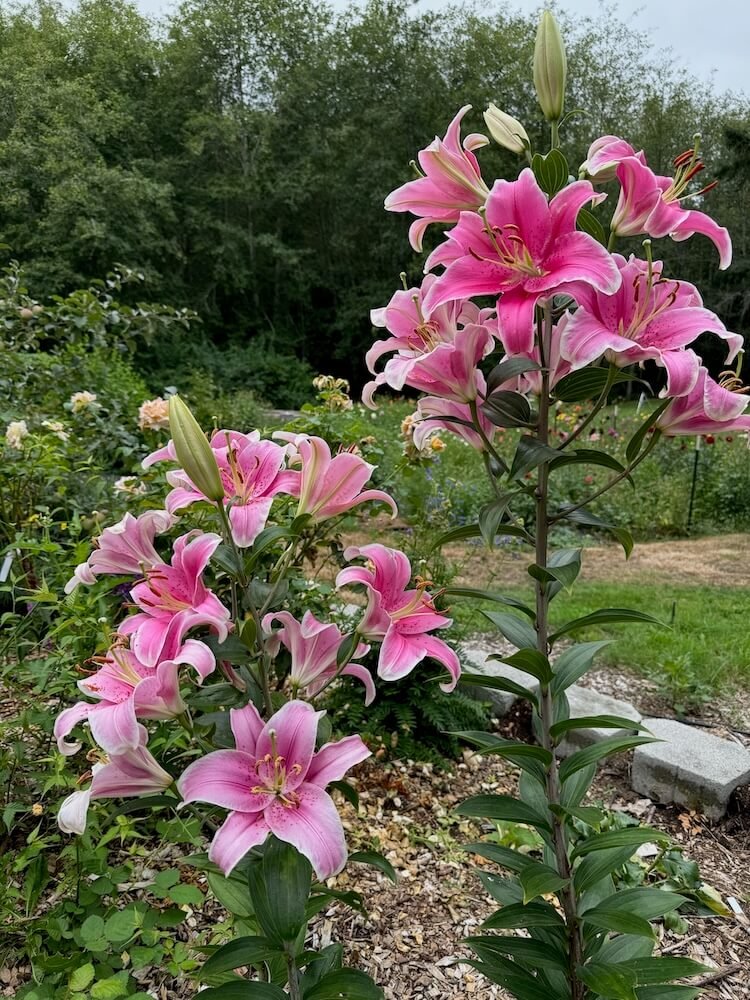
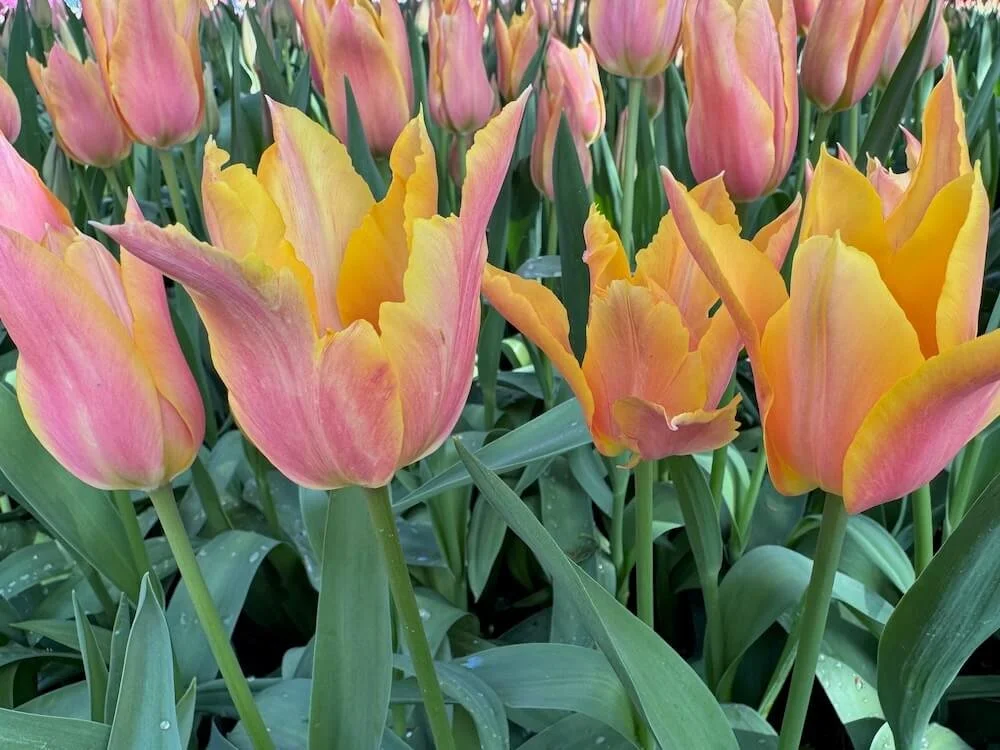
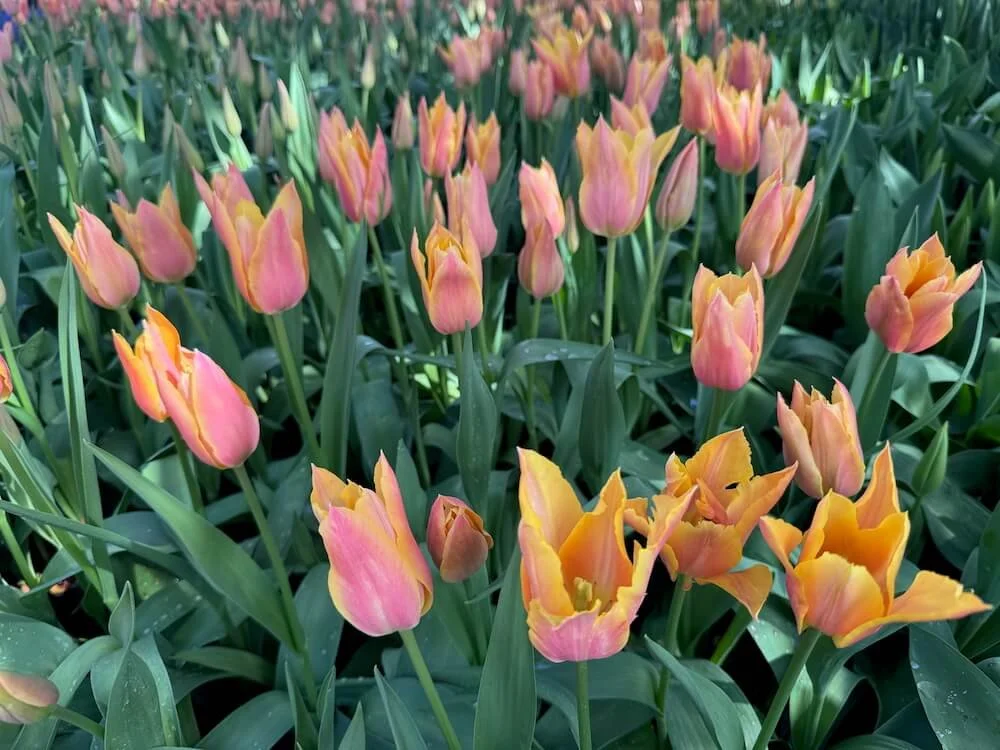
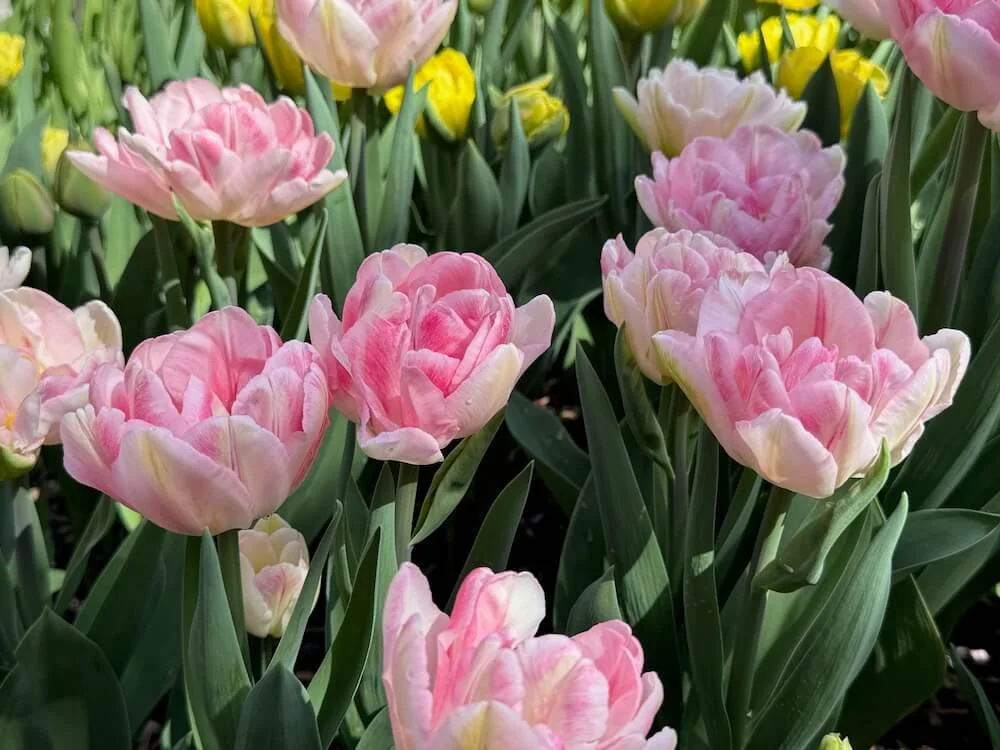
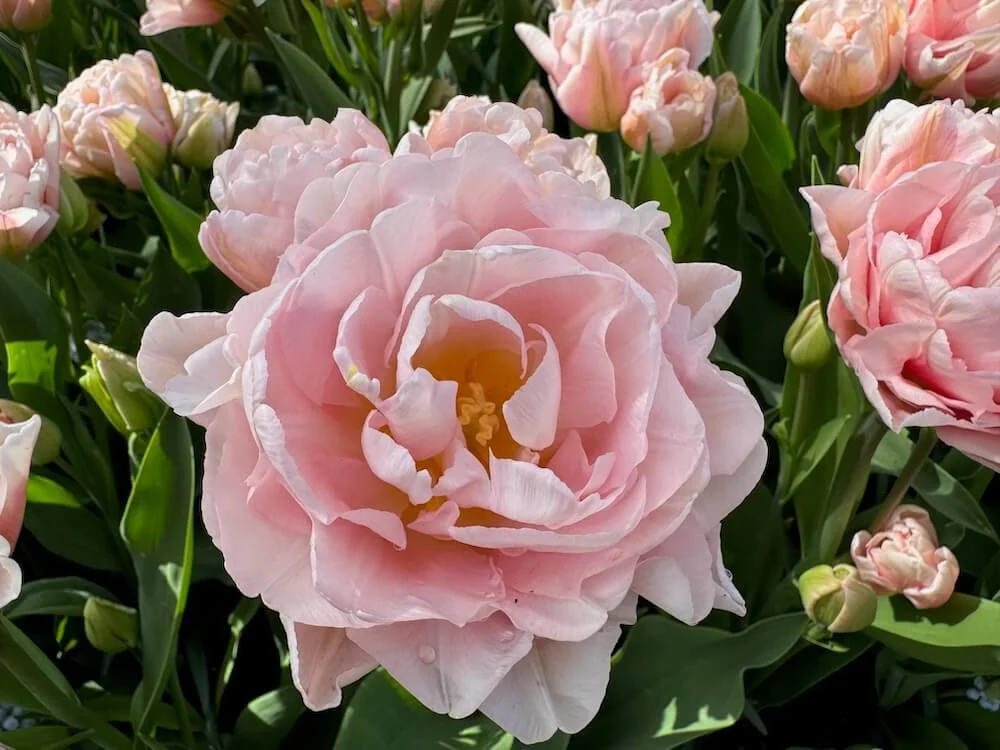
Tulipa ‘Finola’ opens soft blush pink with creamy white and green-infused undertones, forming a fully double, peony-style blossom with densely layered petals. The flowers appear in late spring, gradually expanding into broad, rounded blooms that show subtle tonal variation as they mature. Green feathering and gentle marbling often remain visible toward the petal bases, adding depth as the flower reaches full size.

This cultivar is classified within the Double tulip group, known for lush, many-petaled flowers and a prolonged end-of-season display. ‘Finola’ originated through Dutch bulb breeding and is commonly grown for garden plantings and cut-flower use, where its substantial flower form and late bloom timing are especially valued.

DESCRIPTION
Tulipa ‘Finola’ opens soft blush pink with creamy white and green-infused undertones, forming a fully double, peony-style blossom with densely layered petals. The flowers appear in late spring, gradually expanding into broad, rounded blooms that show subtle tonal variation as they mature. Green feathering and gentle marbling often remain visible toward the petal bases, adding depth as the flower reaches full size.

This cultivar is classified within the Double tulip group, known for lush, many-petaled flowers and a prolonged end-of-season display. ‘Finola’ originated through Dutch bulb breeding and is commonly grown for garden plantings and cut-flower use, where its substantial flower form and late bloom timing are especially valued.

 
  • Family: Liliaceae
    Height: 18 to 22 in
    Width: 4 to 6 in
    Foliage color: Medium green, strap-shaped leaves
    Flower color: Soft blush pink to pale shell pink with creamy white outer petals and subtle green accents on the exterior
    Tulip form: Double Late
    Bloom time: Late spring
    Light requirements: Full sun
    Water requirements: Moderate
    Maintenance: Low, remove spent flowers to prevent seed formation, allow foliage to yellow naturally before removal
    Growing zone: USDA zones 3 to 8
    Wildlife attractors: Occasional visits from bees

    This plant can be seen at Roozengaarde.

    Read more about planting and growing bulbs.
    Print Information

    Buy Plants