Tulipa 'Spryng Break' | Spryng Break Triumph Tulip

$0.00

DESCRIPTION
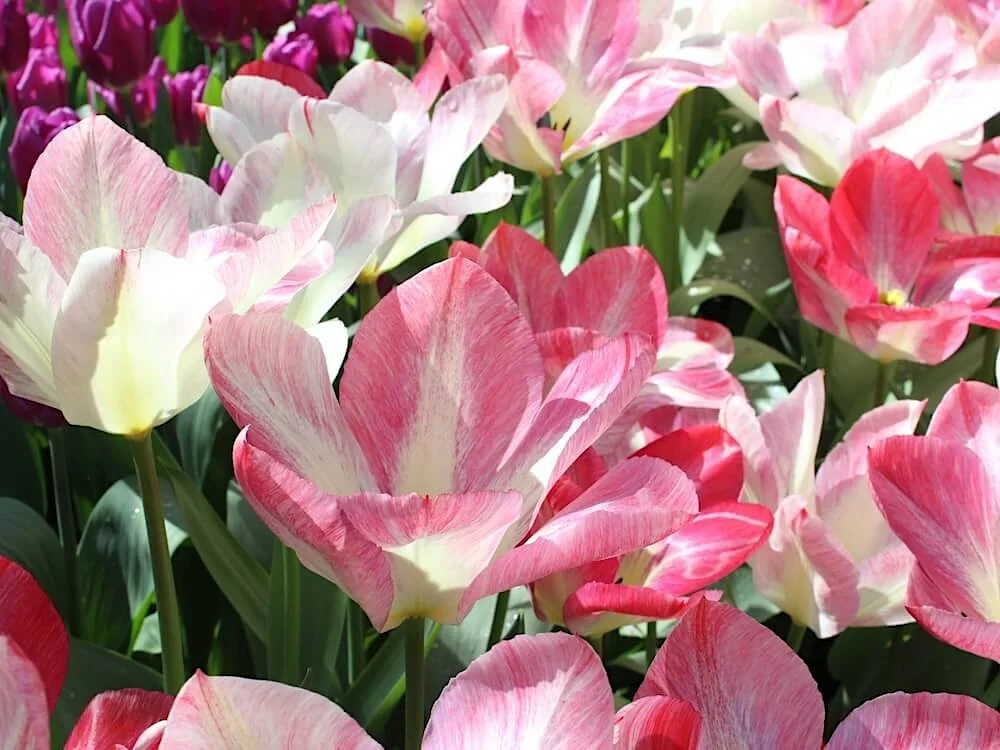
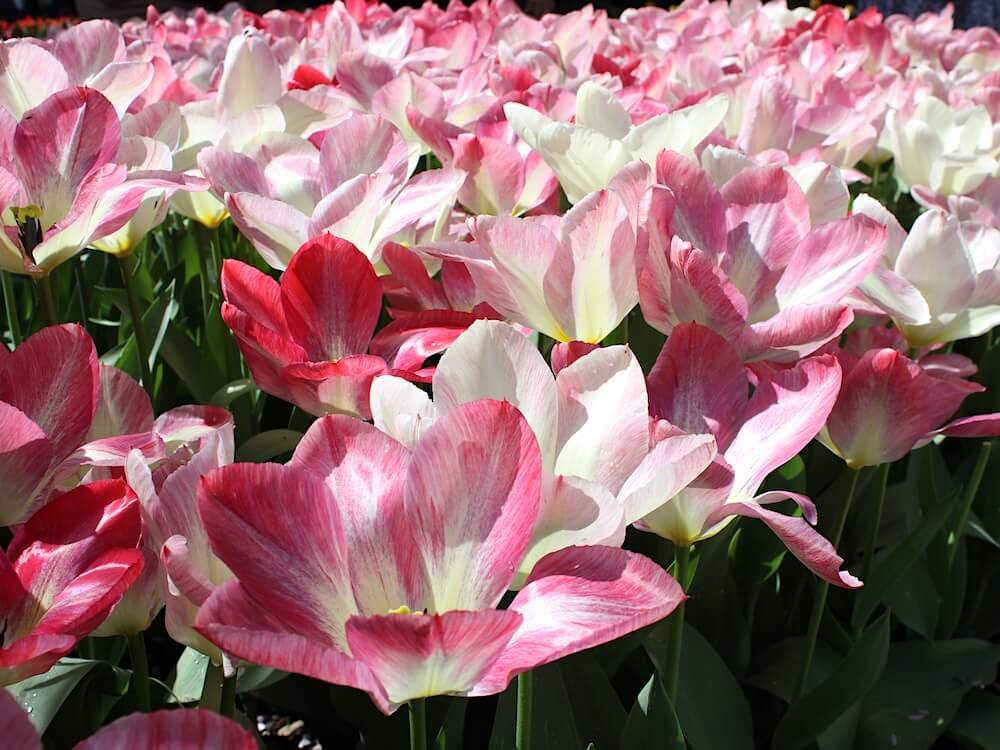
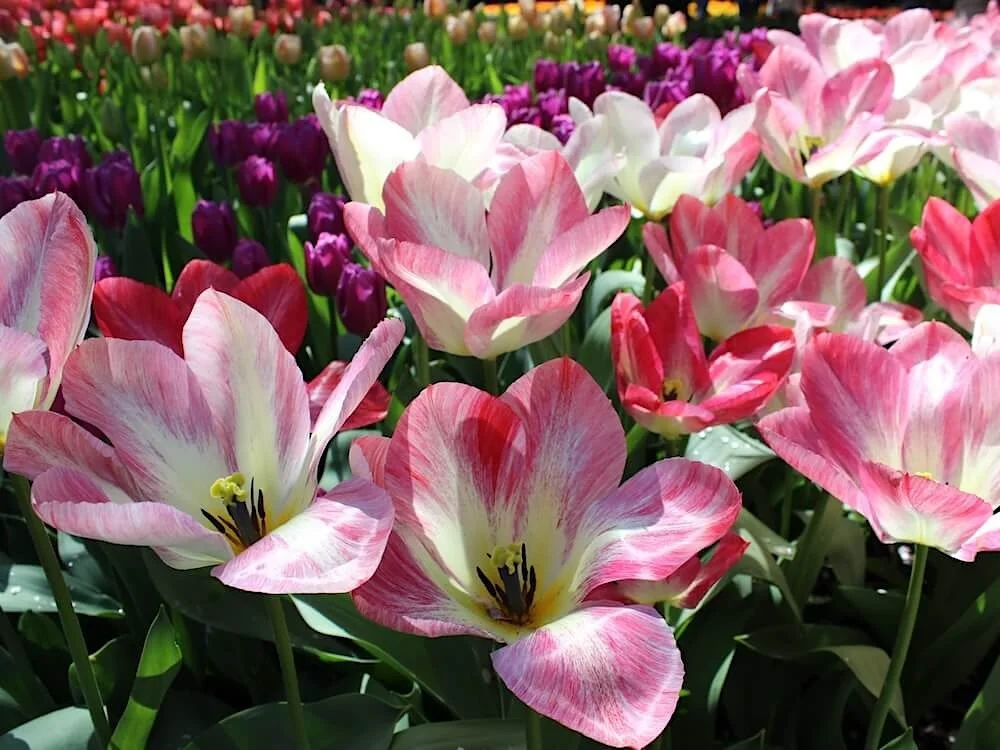
Tulipa ‘Spryng Break’ produces classic Triumph-form, rounded goblet flowers on sturdy stems. Buds open creamy white, painted with bold cherry-to-fuchsia red flames, and a yellow-toned interior glows as the bloom widens. As flowers age, the background warms toward buttery cream while the red coloration spreads, creating a constantly shifting pattern. The flowers often close again toward evening.

Blooming midseason in spring, it is valued for holding its shape in wind and rain and for dependable performance in beds, borders, and cutting. ‘Spryng Break’ originated in the Netherlands as a sport of the Triumph tulip ‘Spryng’ and has been marketed since the 2000s for both garden display and forcing.

DESCRIPTION
Tulipa ‘Spryng Break’ produces classic Triumph-form, rounded goblet flowers on sturdy stems. Buds open creamy white, painted with bold cherry-to-fuchsia red flames, and a yellow-toned interior glows as the bloom widens. As flowers age, the background warms toward buttery cream while the red coloration spreads, creating a constantly shifting pattern. The flowers often close again toward evening.

Blooming midseason in spring, it is valued for holding its shape in wind and rain and for dependable performance in beds, borders, and cutting. ‘Spryng Break’ originated in the Netherlands as a sport of the Triumph tulip ‘Spryng’ and has been marketed since the 2000s for both garden display and forcing.

 
  • Family: Liliaceae
    Height: 15 to 22 in
    Width: 4 to 6 in
    Foliage color: Medium green, broad strap-shaped leaves
    Flower color: White to creamy white petals dramatically flamed with cherry-red to fuchsia-red, with warm yellow tones inside the cup
    Tulip form: Triumph
    Bloom time: Mid spring
    Light requirements: Full sun to part sun
    Water requirements: Moderate
    Maintenance: Low, remove spent flowers to prevent seed formation, allow foliage to yellow naturally before removal
    Growing zone: USDA zones 3 to 8
    Wildlife attractors: Occasional visits from bees

    This plant can be seen at Roozengaarde.

    Read more about planting and growing bulbs.
    Print Information

    Buy Plants