Anemone blanda 'Violet Star' | Violet Star Grecian Windflower

$0.00

DESCRIPTION
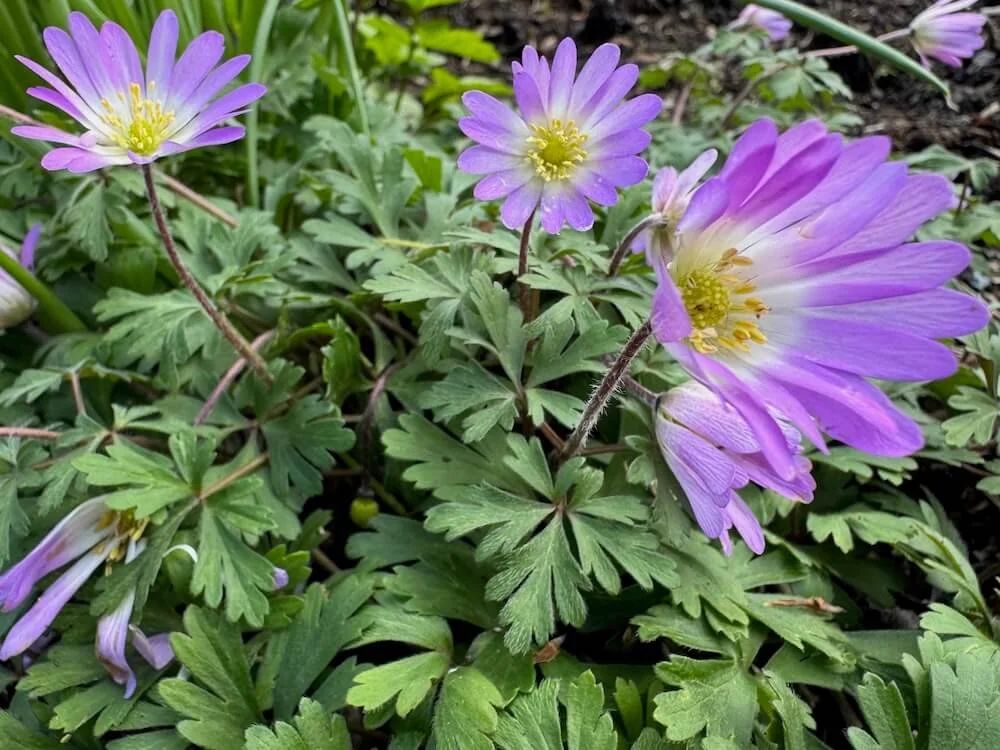
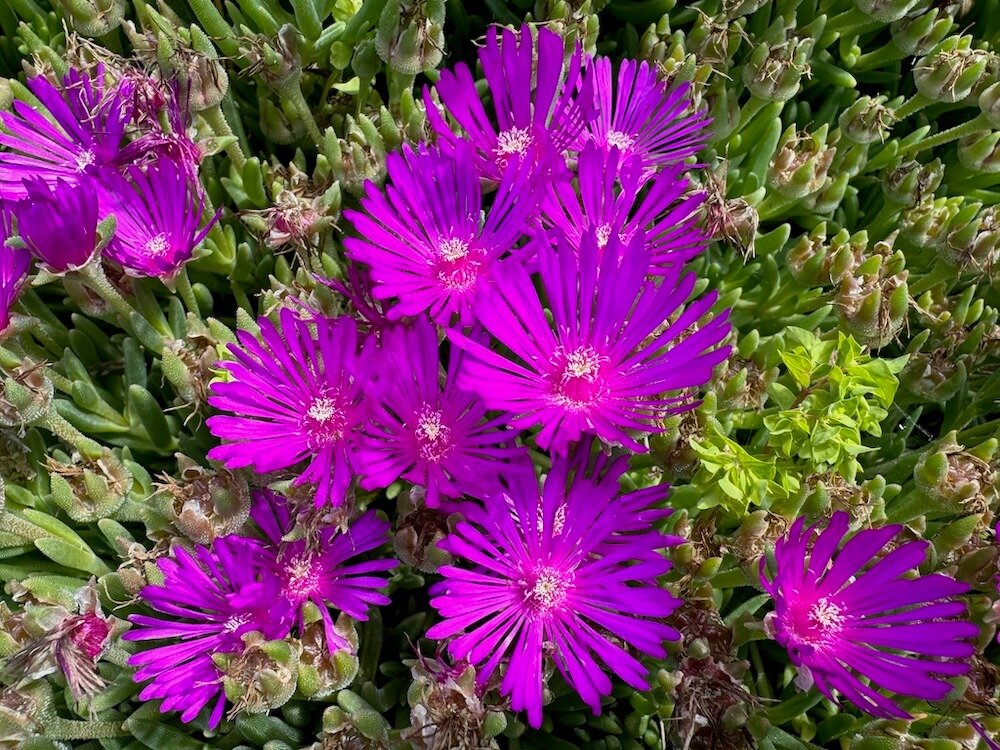
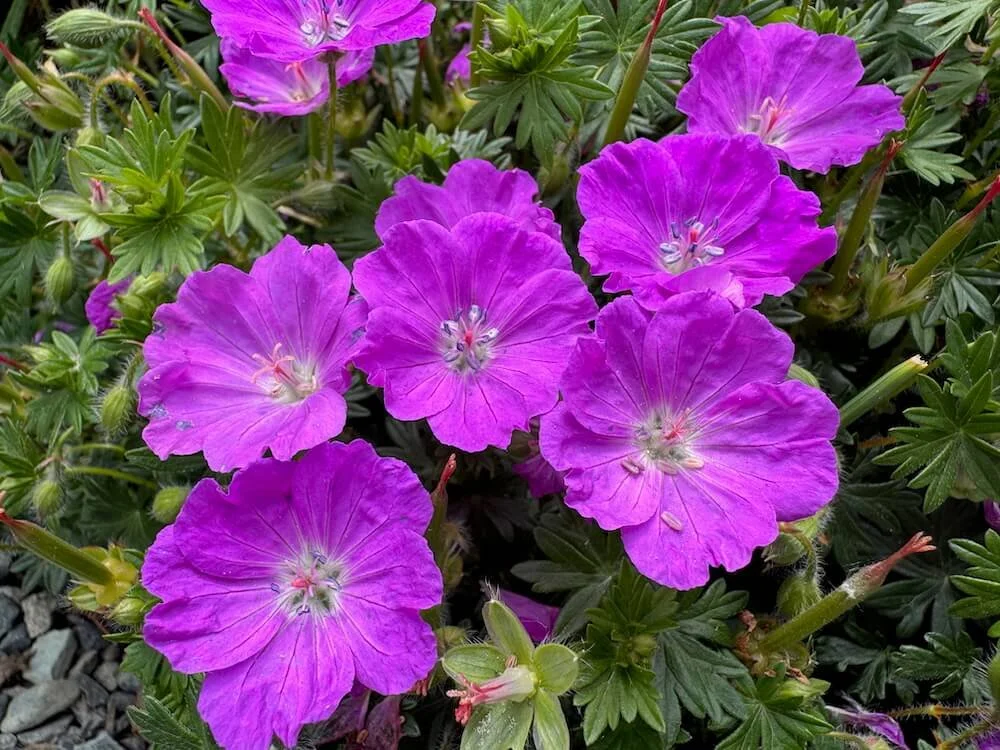
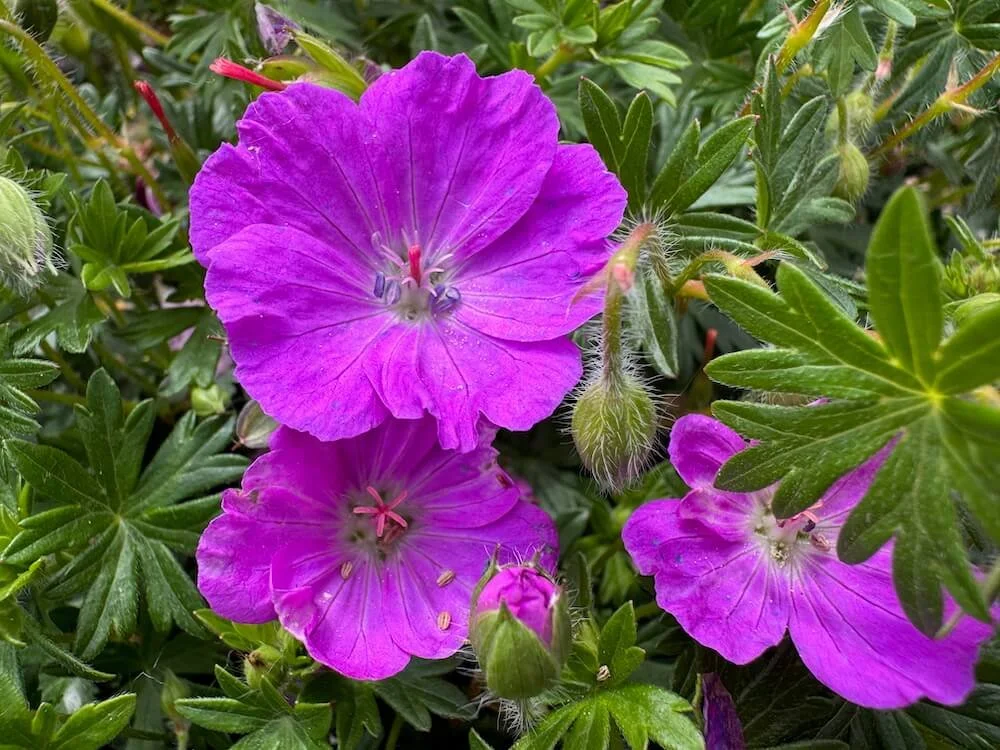
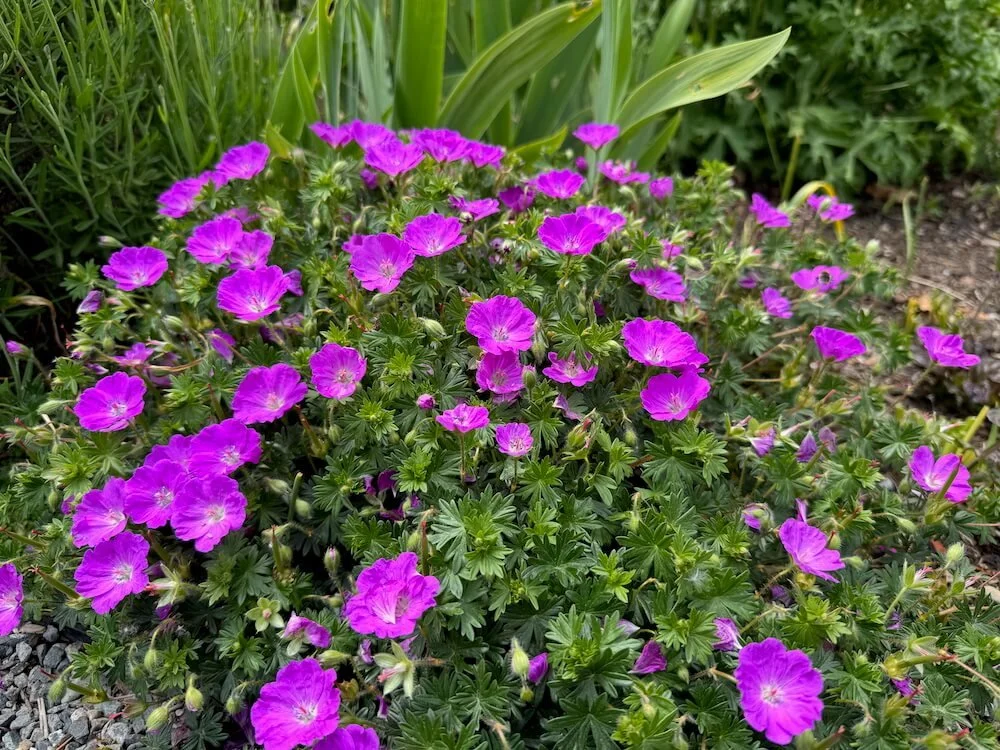
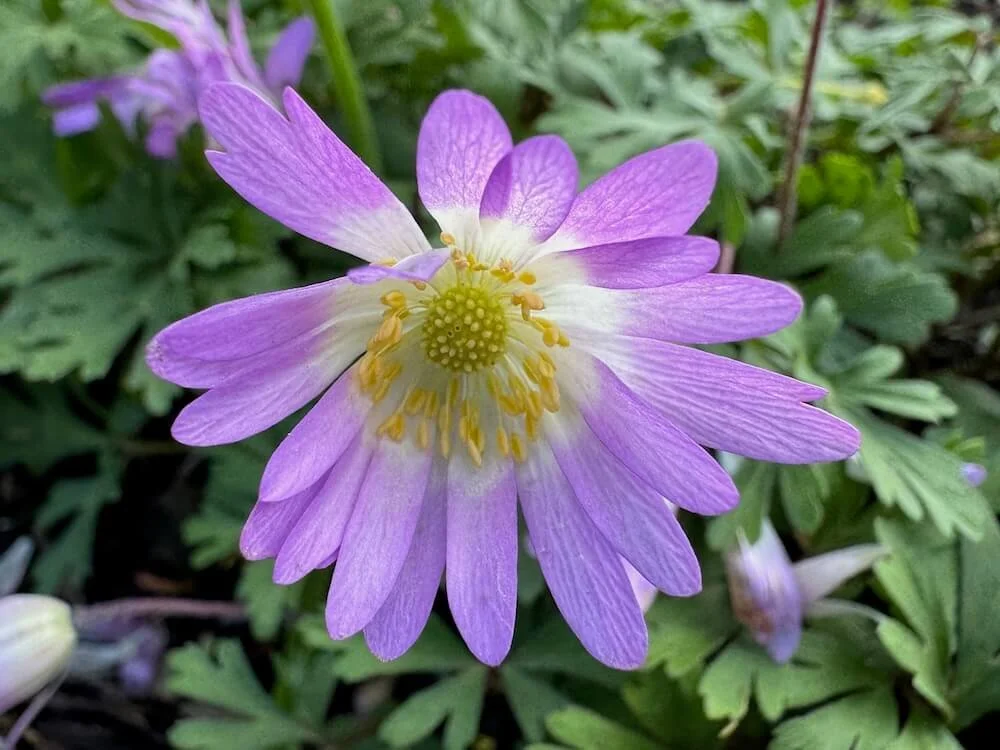
Anemone blanda ‘Violet Star’ produces daisy-like flowers in rich violet-blue shades, each bloom highlighted by a bright white central eye. The blossoms appear in early to mid spring, opening wide on slender stems above finely divided, fernlike green foliage. As temperatures rise, the foliage gradually fades, allowing the plant to complete its seasonal cycle naturally.

Native to southeastern Europe and western Asia, this cultivar has long been valued for early garden color. It performs well in woodland borders, beneath deciduous trees, and in naturalized drifts where colonies develop over time. ‘Violet Star’ also suits rock gardens and spring bulb plantings, bringing vivid color and soft texture to early-season displays.

DESCRIPTION
Anemone blanda ‘Violet Star’ produces daisy-like flowers in rich violet-blue shades, each bloom highlighted by a bright white central eye. The blossoms appear in early to mid spring, opening wide on slender stems above finely divided, fernlike green foliage. As temperatures rise, the foliage gradually fades, allowing the plant to complete its seasonal cycle naturally.

Native to southeastern Europe and western Asia, this cultivar has long been valued for early garden color. It performs well in woodland borders, beneath deciduous trees, and in naturalized drifts where colonies develop over time. ‘Violet Star’ also suits rock gardens and spring bulb plantings, bringing vivid color and soft texture to early-season displays.

 
  • Family: Ranunculaceae
    Height: 4 to 8 in
    Width: 6 to 10 in
    Foliage color: Medium green, deeply divided fern-like leaves that form a low carpet
    Flower color: Violet-purple with white center “star” flares on each petal
    Bloom time: Early to mid spring
    Light requirements: Full sun to partial shade
    Water requirements: Moderate moisture
    Maintenance: Low; remove spent flowers to tidy appearance
    Growing zone: USDA zones 4 to 8
    Wildlife attractors: Bees and other early-season pollinators

    This plant can be seen at the Bellevue Botanical Garden.

    Print Information

    Buy Plants