Anemone nemorosa 'Green Dragon' | Green Dragon Wood Anemone

$0.00

DESCRIPTION
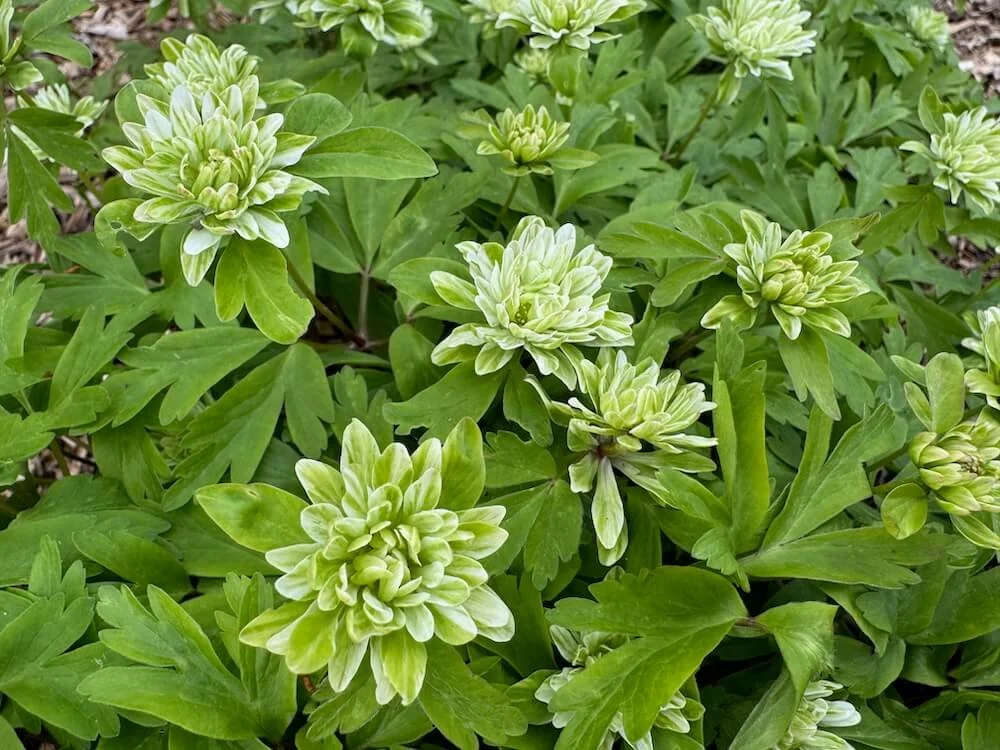
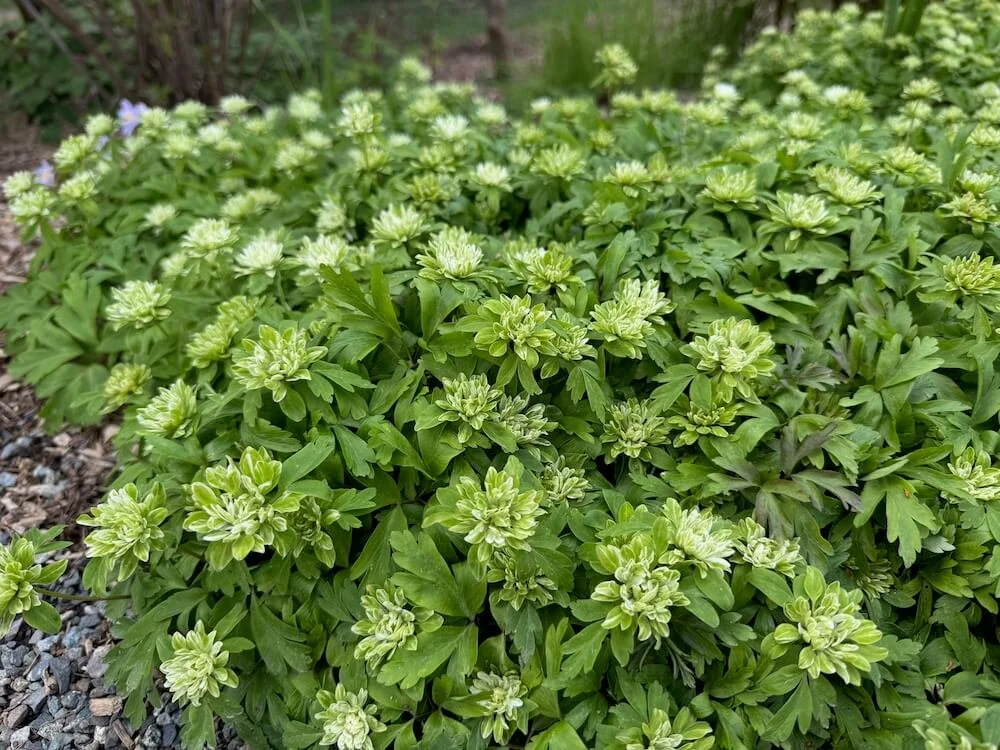
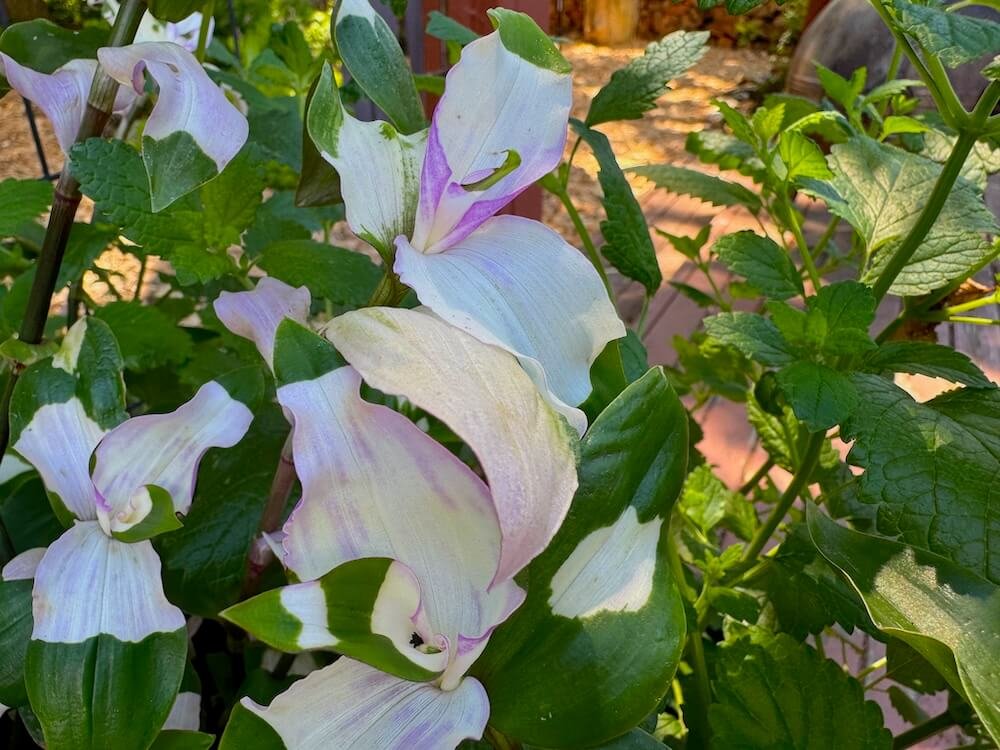
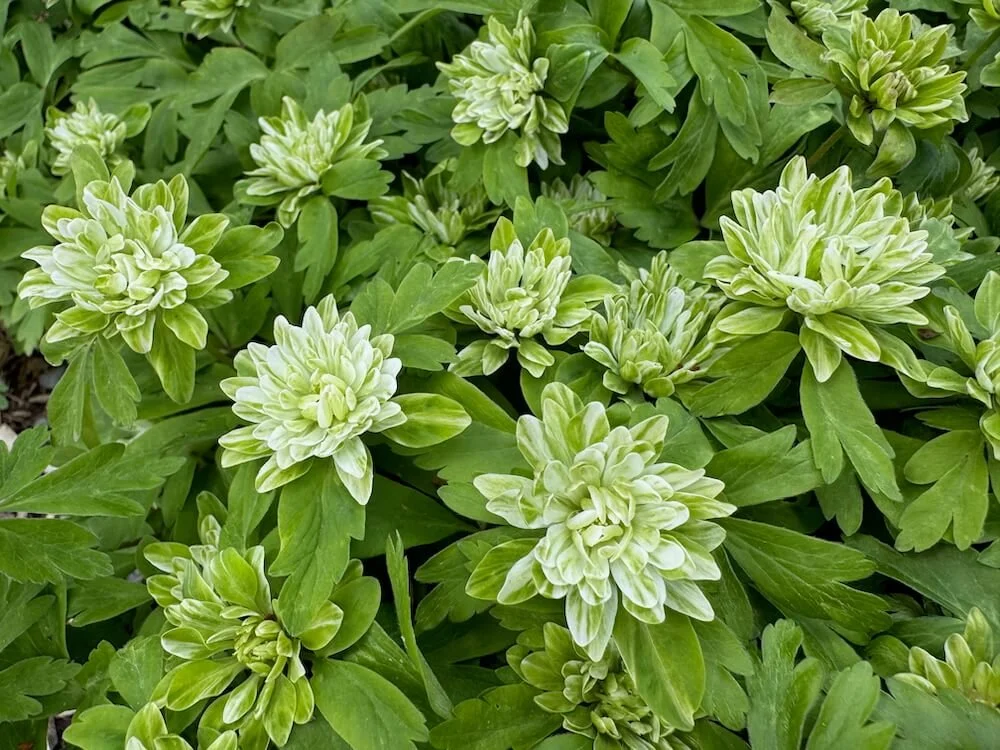
Anemone nemorosa ‘Green Dragon’ features unusual green and white flowers formed from tightly packed, irregular segments. Blossoms emerge in early to mid spring, held above deeply divided medium-green foliage that forms low, spreading colonies. Flowers often show subtle variation in shape, adding visual texture as plants mature through the season.

This selection originated in European woodland gardens during the nineteenth century. It performs well in naturalized drifts, shaded borders, and along paths where its unusual flowers can be viewed up close. It creates seasonal ground-level interest and combines naturally with other spring-flowering woodland plants, including early bulbs and companion perennials.

DESCRIPTION
Anemone nemorosa ‘Green Dragon’ features unusual green and white flowers formed from tightly packed, irregular segments. Blossoms emerge in early to mid spring, held above deeply divided medium-green foliage that forms low, spreading colonies. Flowers often show subtle variation in shape, adding visual texture as plants mature through the season.

This selection originated in European woodland gardens during the nineteenth century. It performs well in naturalized drifts, shaded borders, and along paths where its unusual flowers can be viewed up close. It creates seasonal ground-level interest and combines naturally with other spring-flowering woodland plants, including early bulbs and companion perennials.

 
  • Family: Ranunculaceae
    Height: 6 to 10 in
    Width: 6 to 12 in
    Foliage color: Medium to deep green, finely divided foliage forming a low, attractive groundcover
    Flower color: Soft green-tinged white blossoms with a subtle hint of green at the petal bases, creating a “greenish” floral cast
    Bloom time: Early to mid spring
    Light requirements: Part shade
    Water requirements: Moderate moisture
    Maintenance: Low; remove spent flowers to tidy appearance
    Growing zone: USDA zones 4 to 8
    Wildlife attractors: Bees and other early-season pollinators

    Print Information

    Buy Plants