 Image 1 of 3
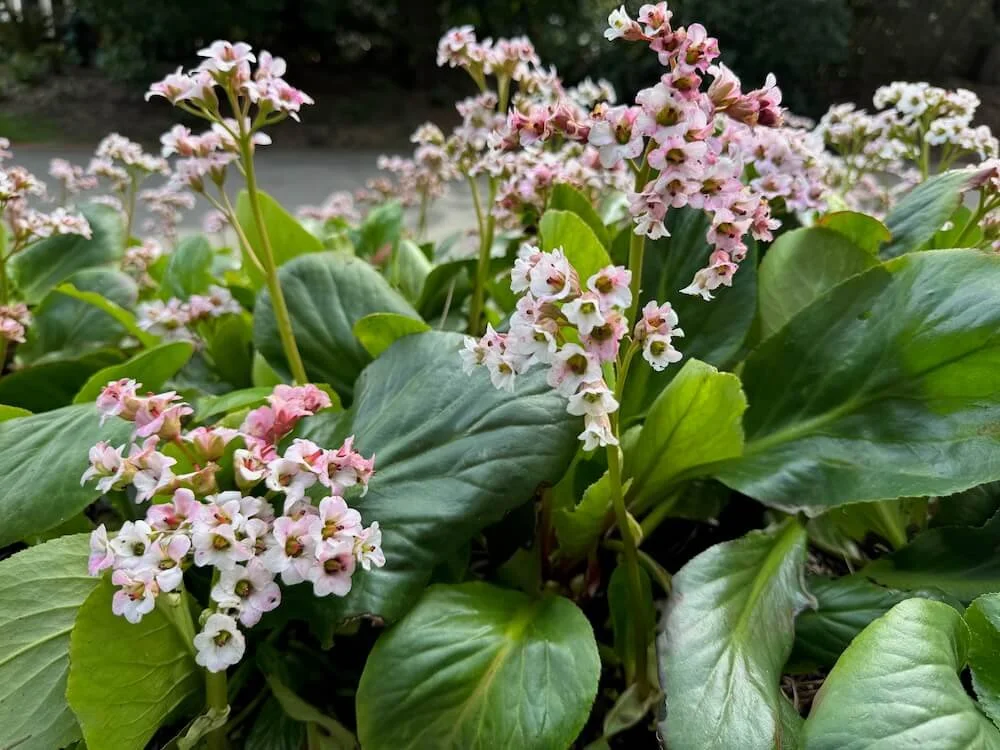 Image 2 of 3
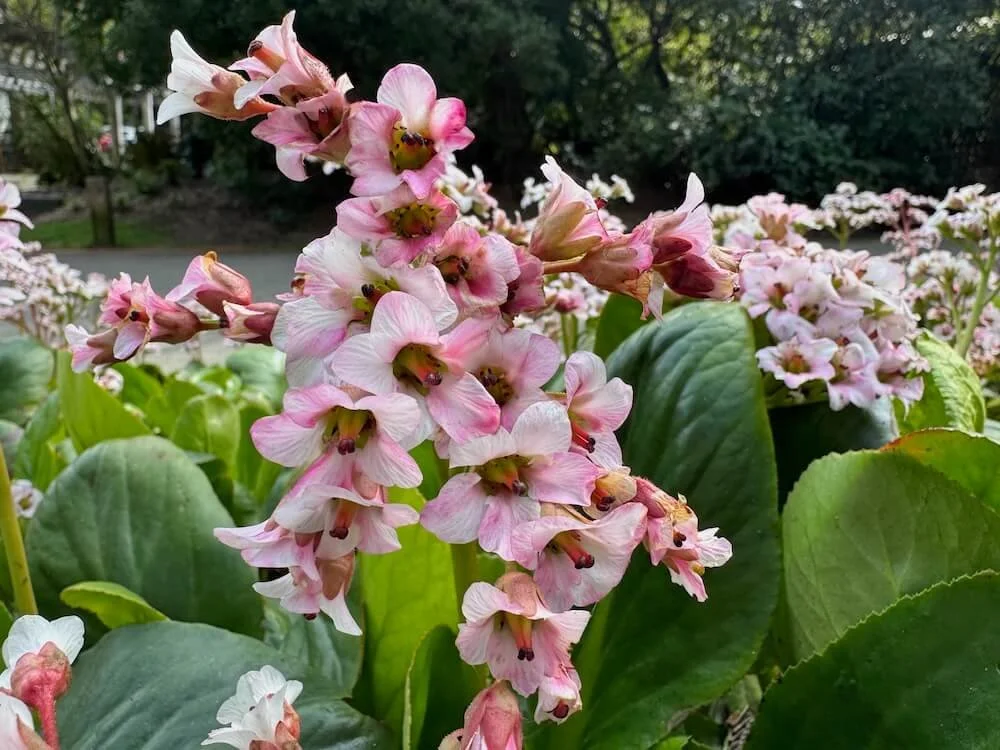 Image 3 of 3
-
Family: Saxifragaceae
Height: 12 to 18 in
Width: 18 to 24 in
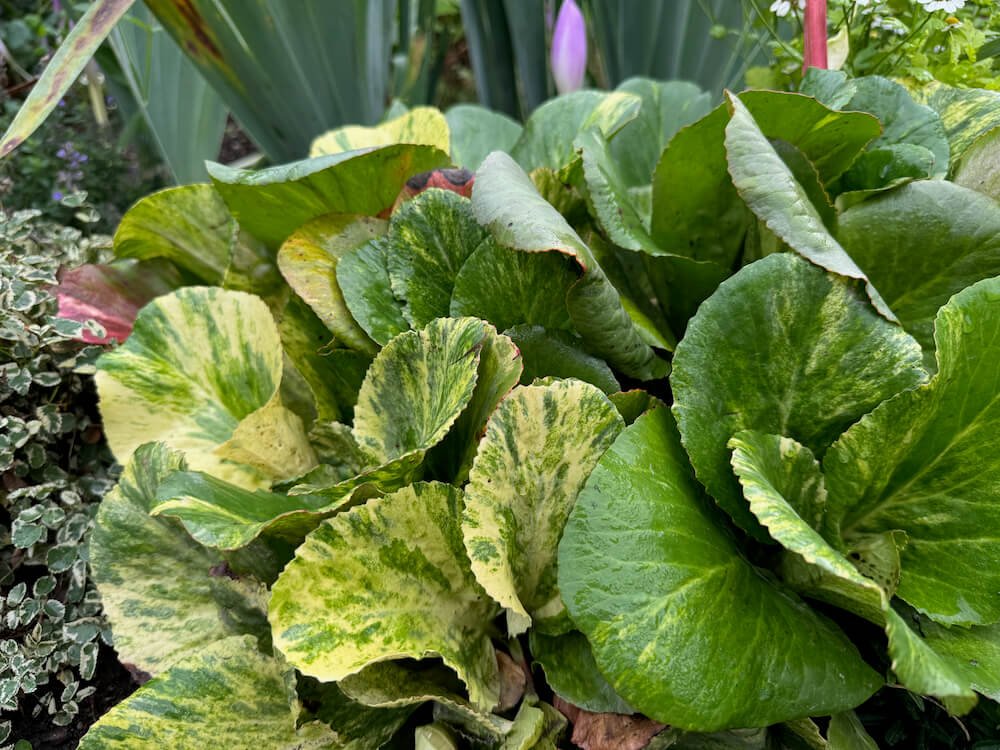
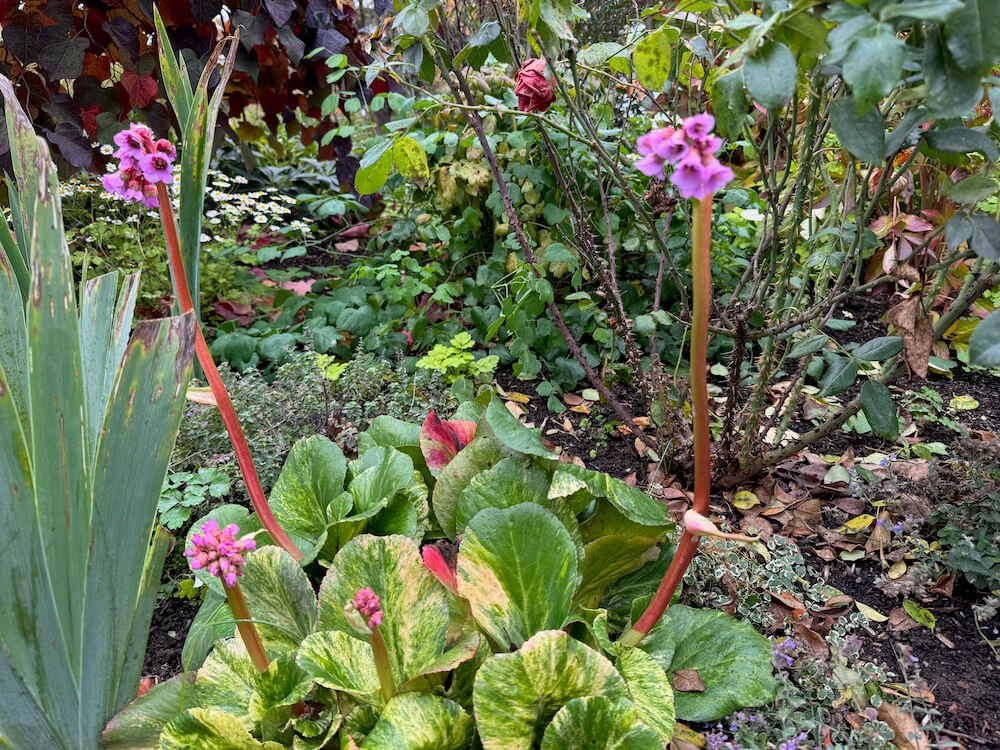
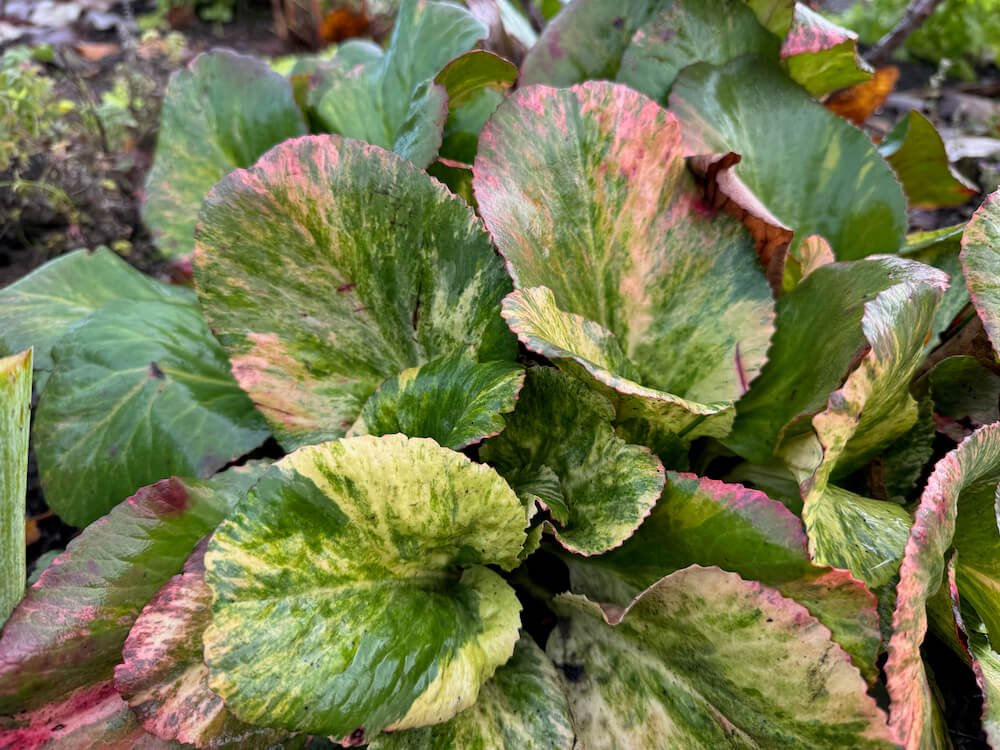
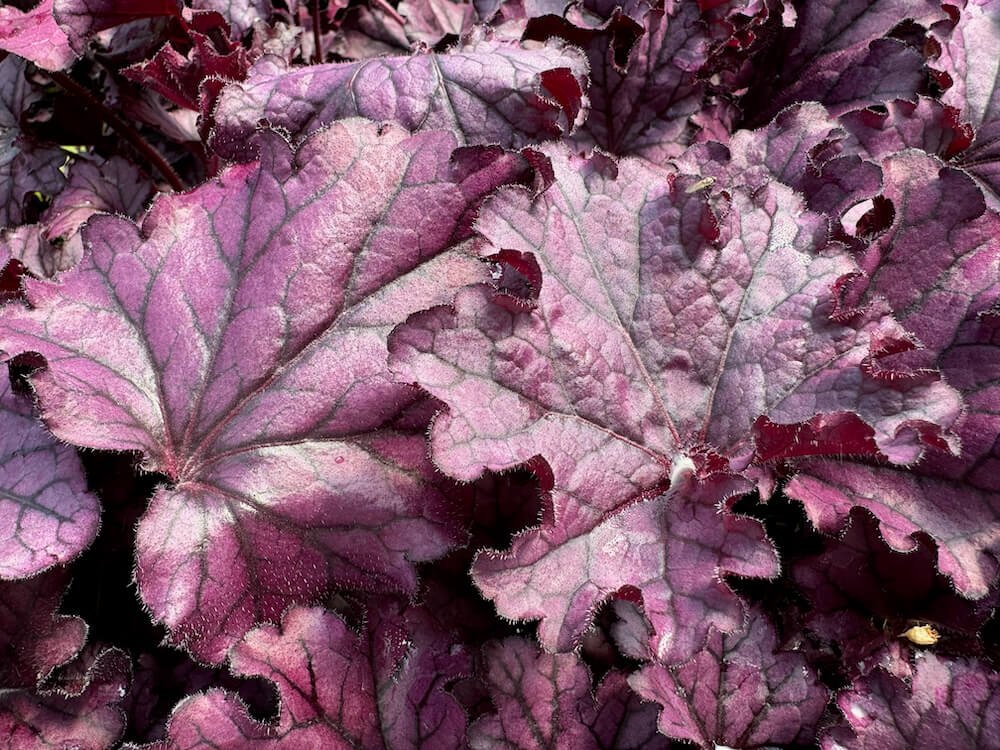
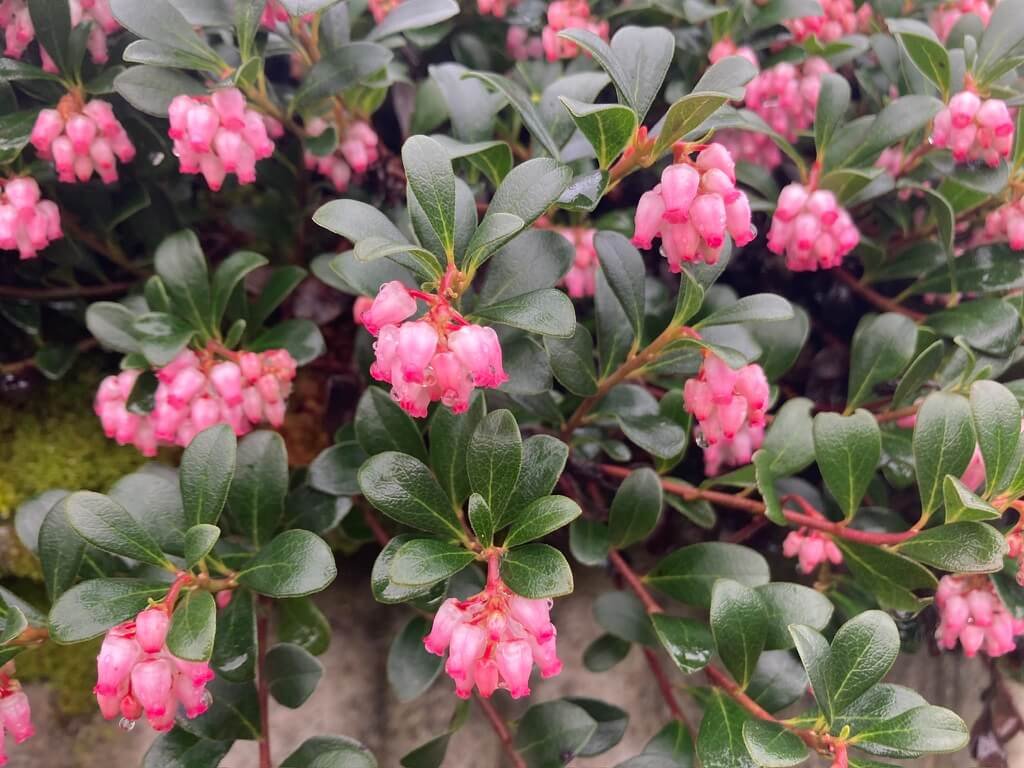
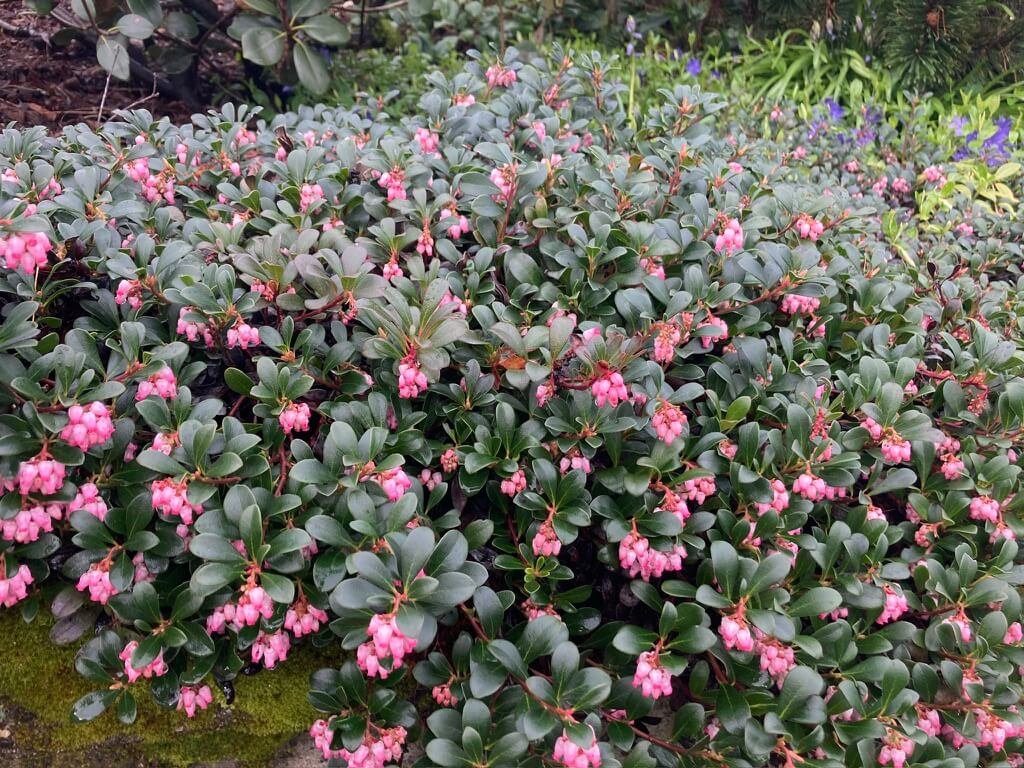
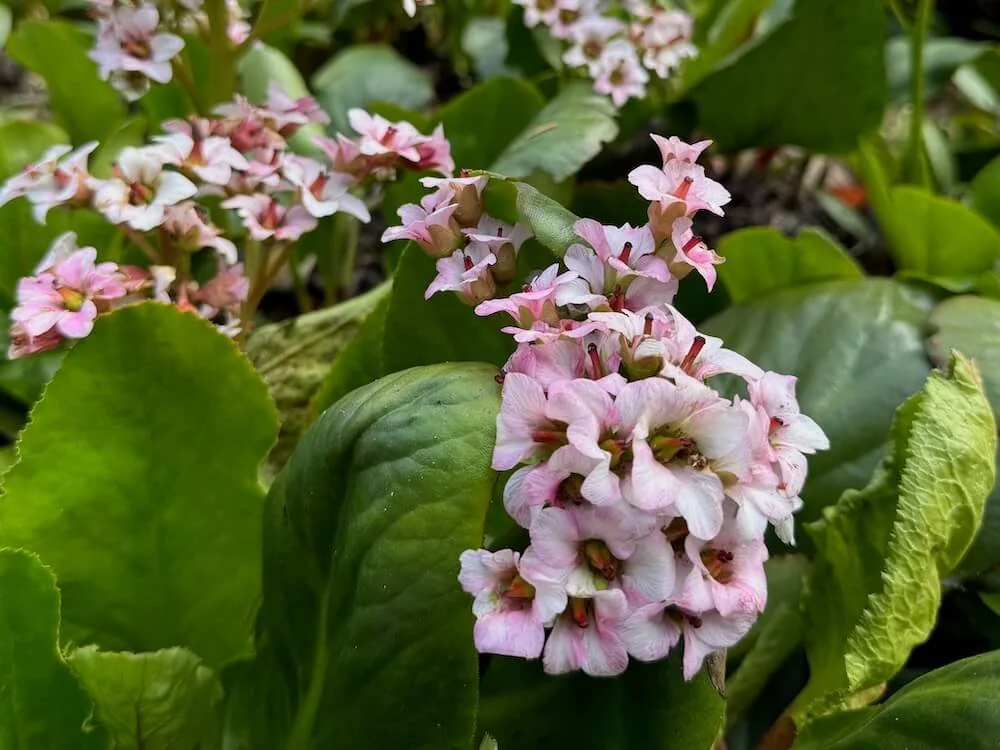
Foliage color: Glossy medium to dark green leaves that may develop bronze or red tones in cool weather; broad, leathery, oval leaves
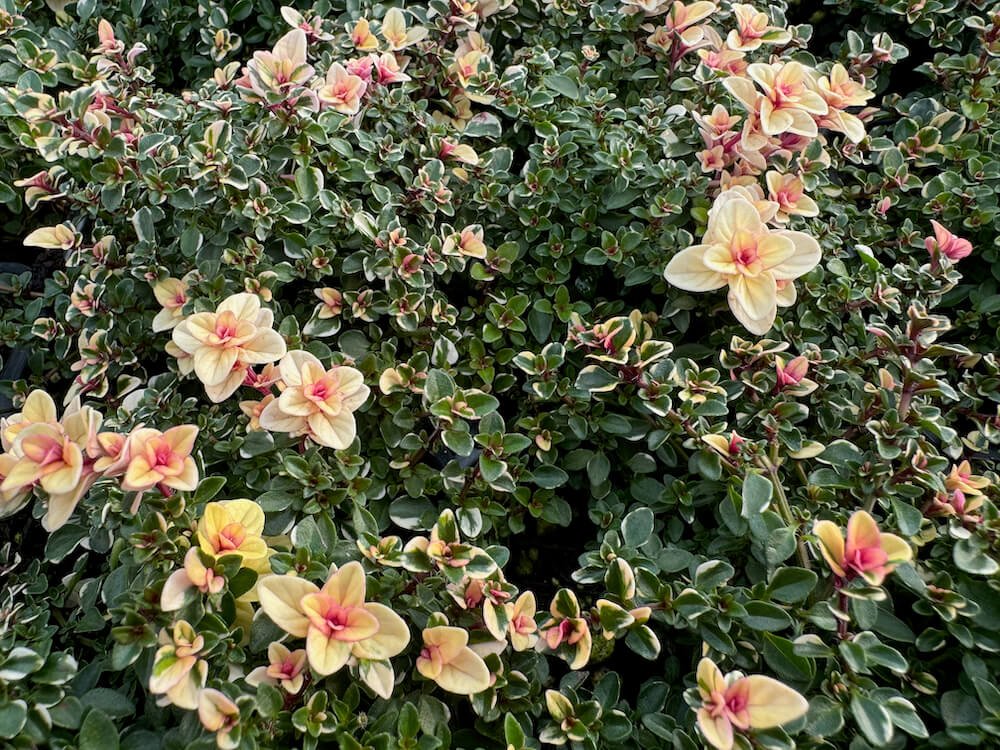
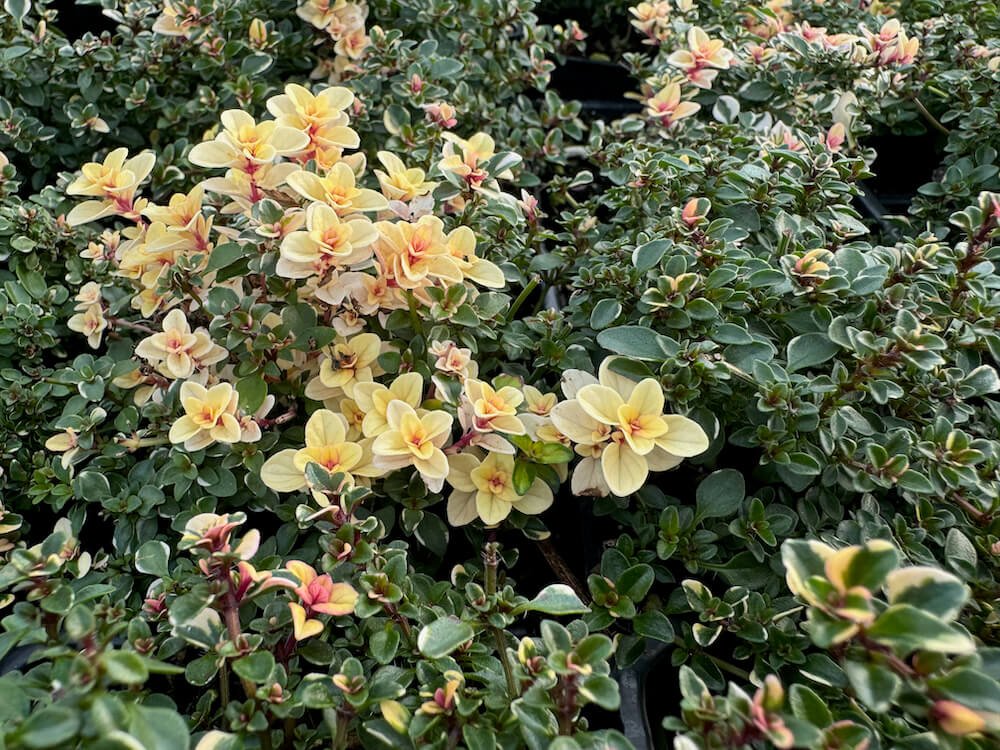
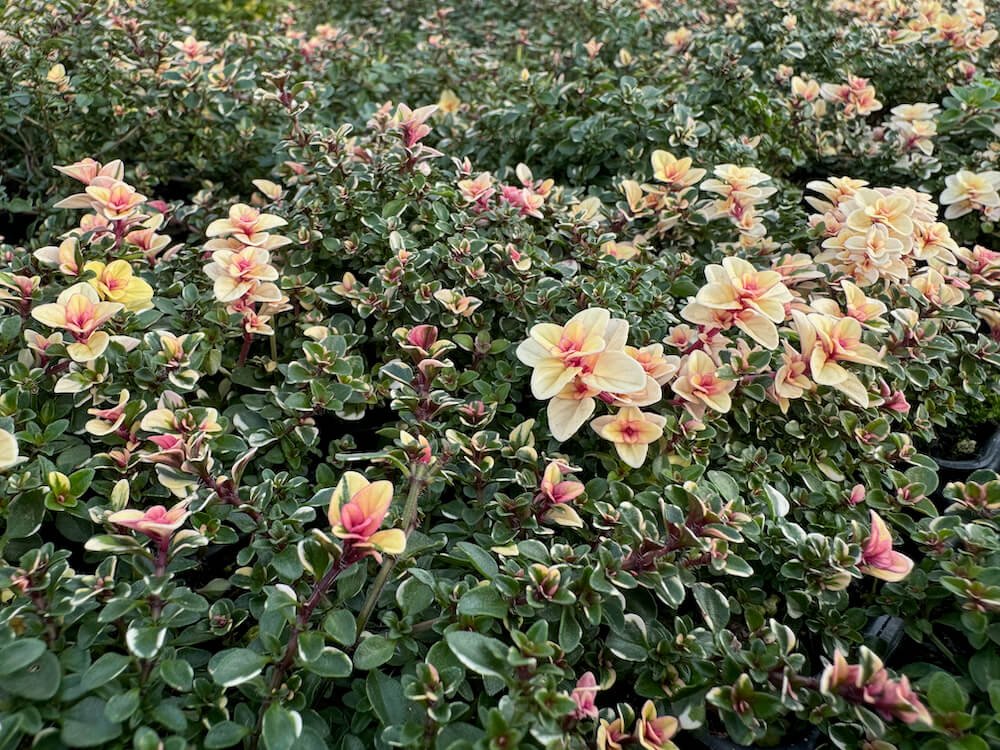
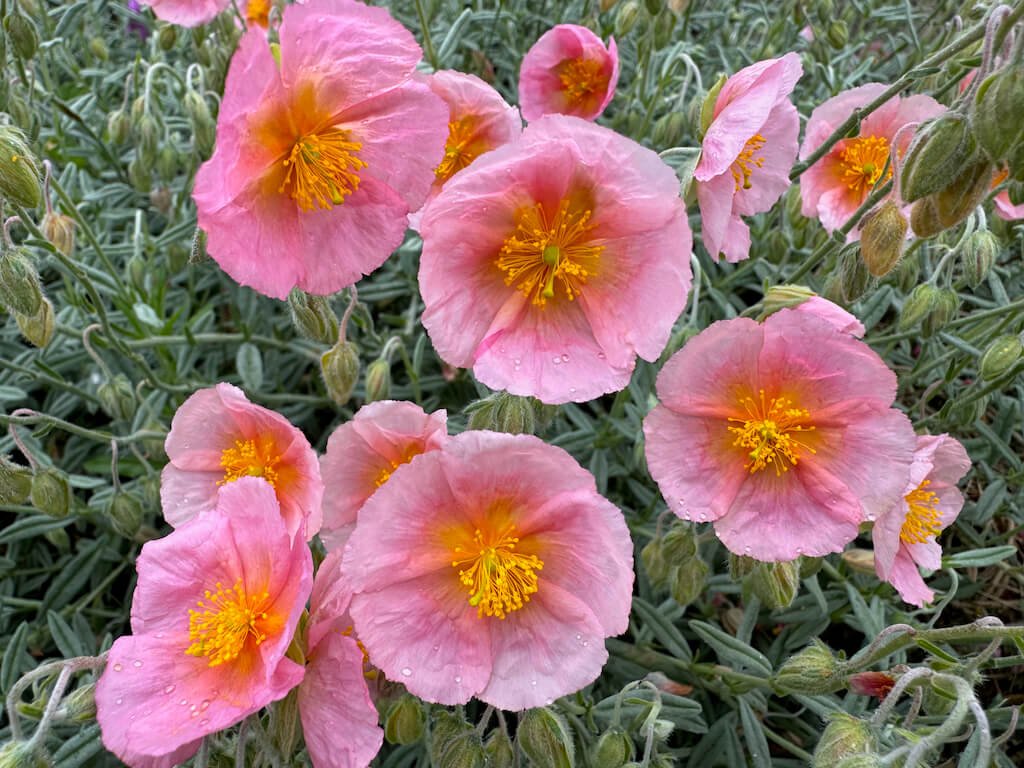
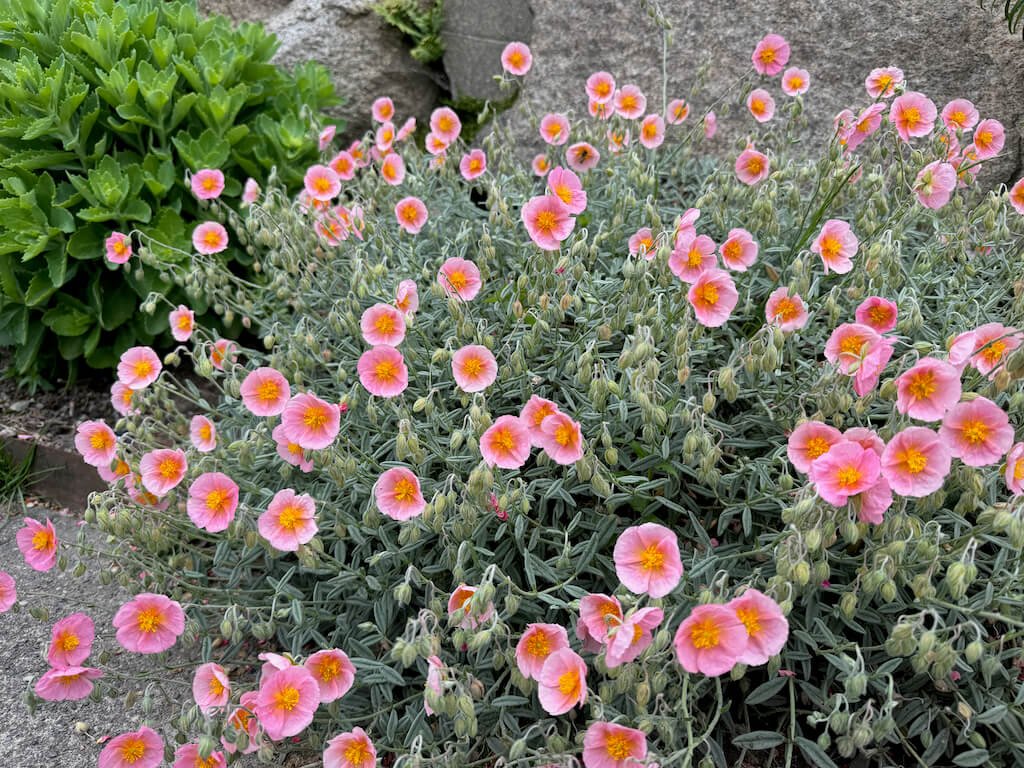
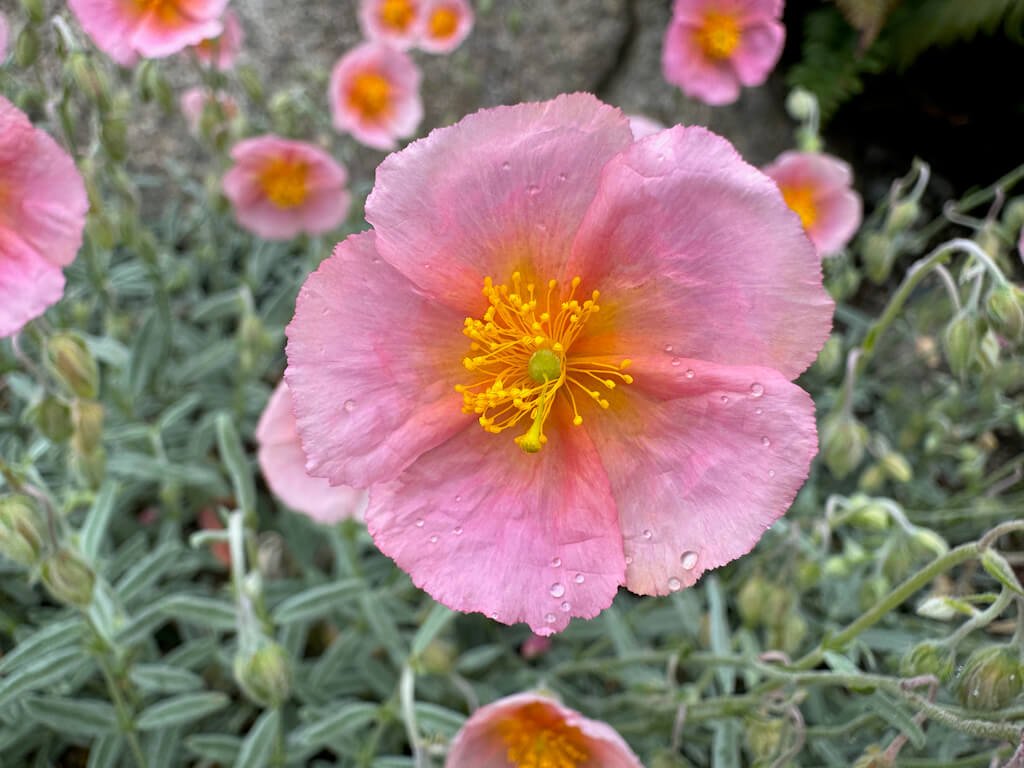
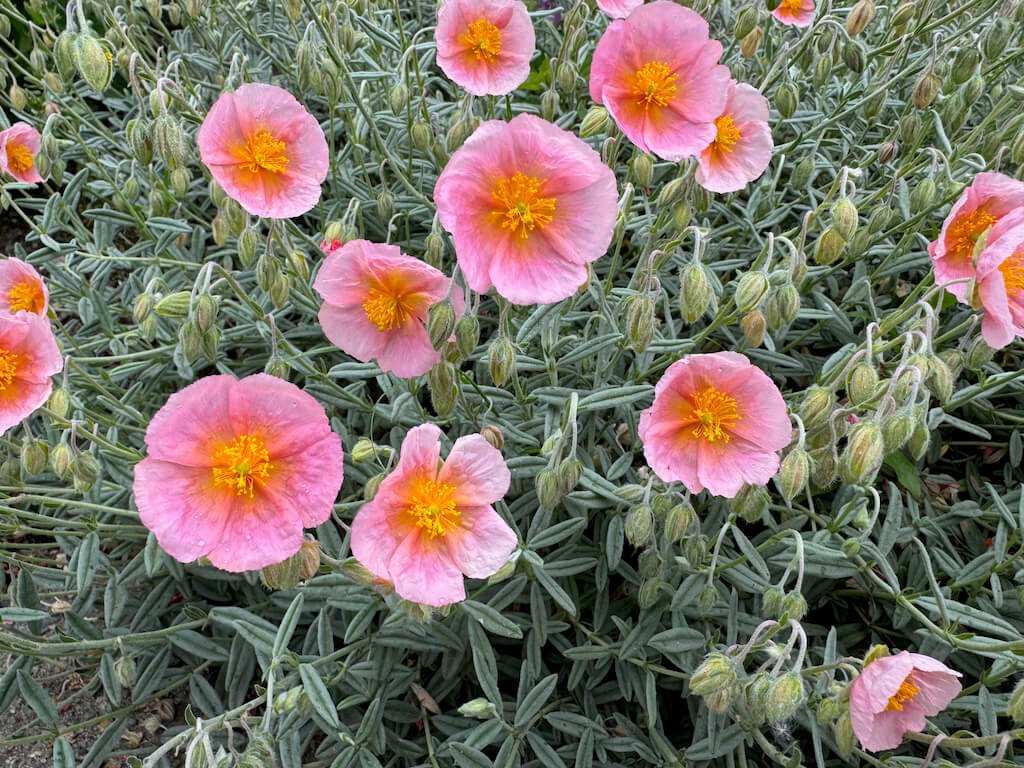
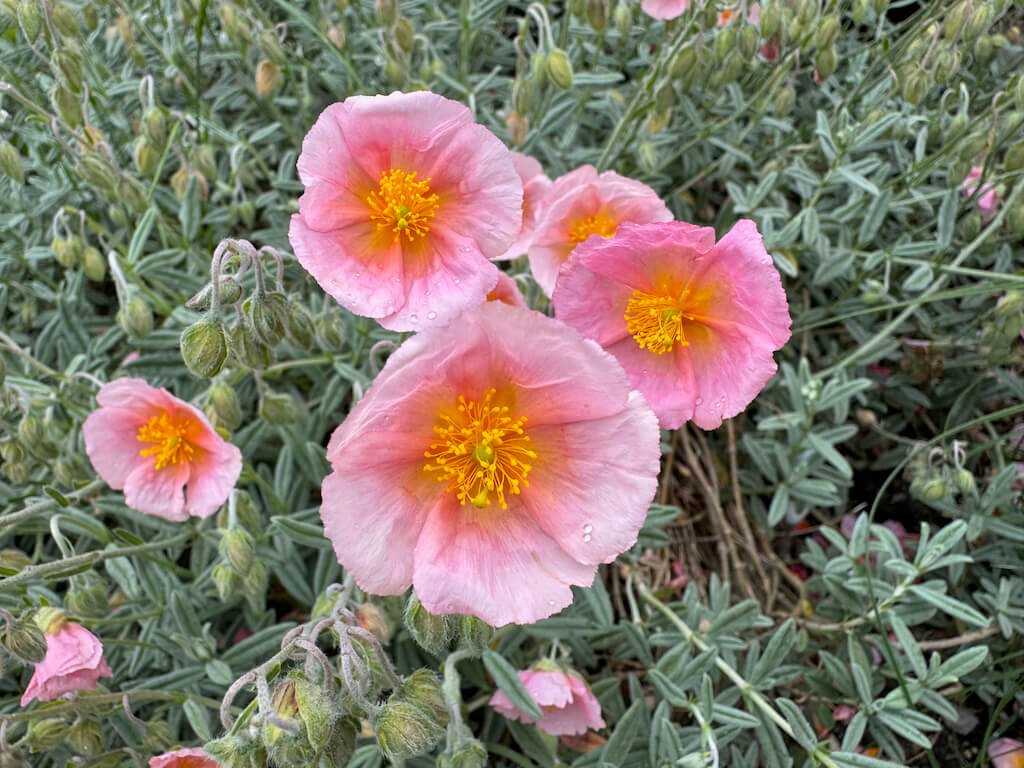
Flower color: Salmon-pink to soft coral salmon hues on sturdy upright flower stems above the foliage
Bloom time: Early to mid spring
Light requirements: Partial shade to full shade
Water requirements: Moderate moisture
Maintenance: Low; remove spent flower stalks, tidy damaged foliage in early spring, divide clumps every few years if overcrowded
Growing zone: USDA zones 3 to 8
Wildlife attractors: Bees and other early-season pollinatorsThis plant can be seen at the Washington Park Arboretum.
-
Works Well In:
● Pollinator Gardens
● Woodland Gardens
● Borders
● Deer-Prone AreasCompanion Plants:
Hellebores Japanese forest grass
Brunneras Hostas
Ferns PulmonariasDesign Tip:
Introduce this cultivar where spring flower colors transition from warm to cool throughout the garden. Its soft salmon-pink blooms blend comfortably with peaches, creams, and lavenders, creating a gradual shift that feels balanced and naturally harmonious.