 Image 1 of 4
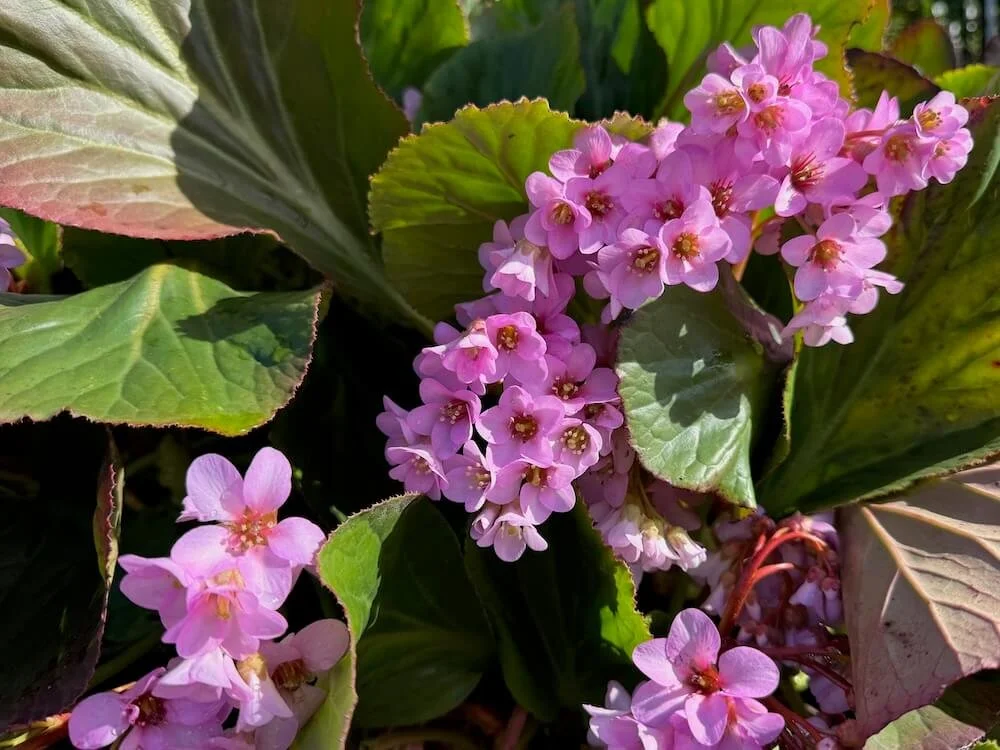 Image 2 of 4
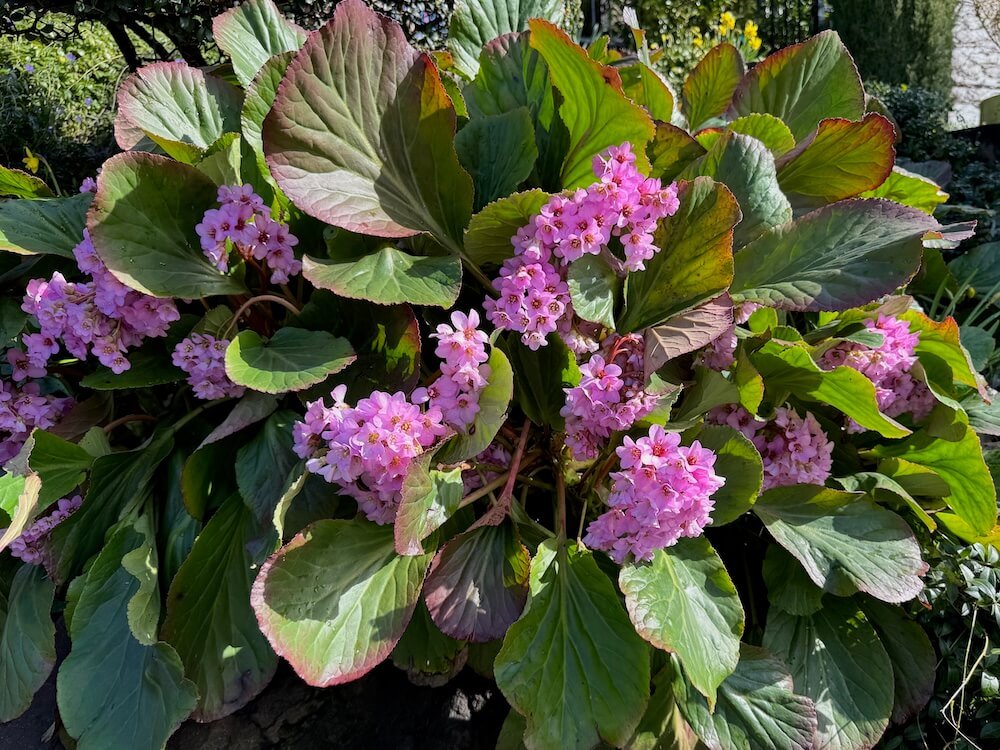 Image 3 of 4
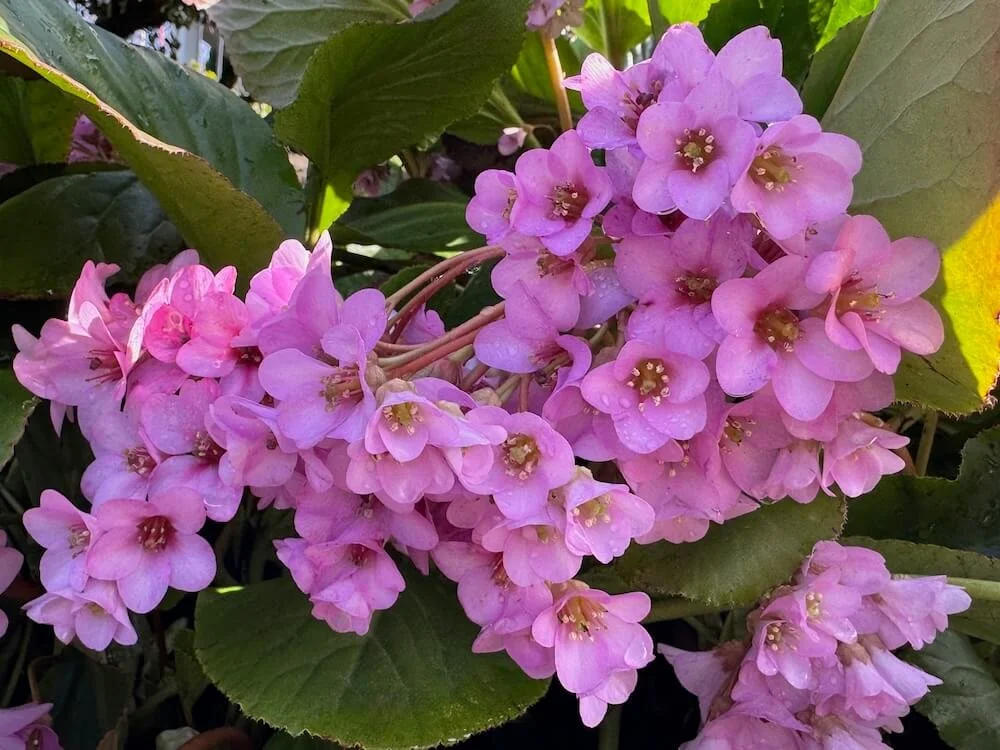 Image 4 of 4
-
Family: Saxifragaceae
Height: 10 to 18 in
Width: 18 to 24 in
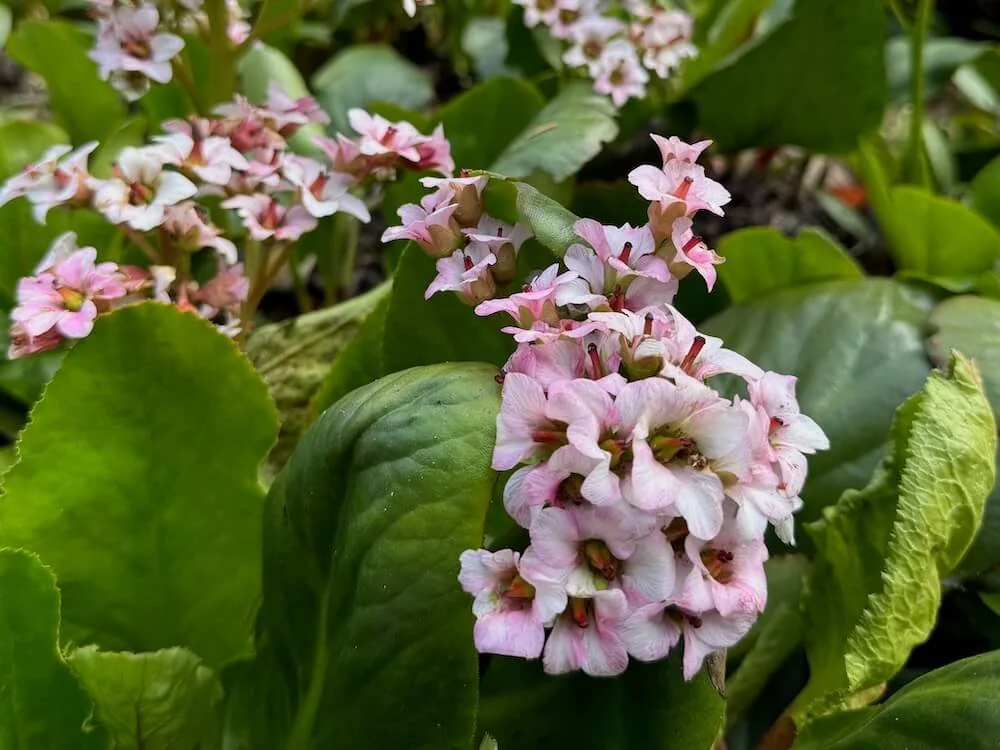
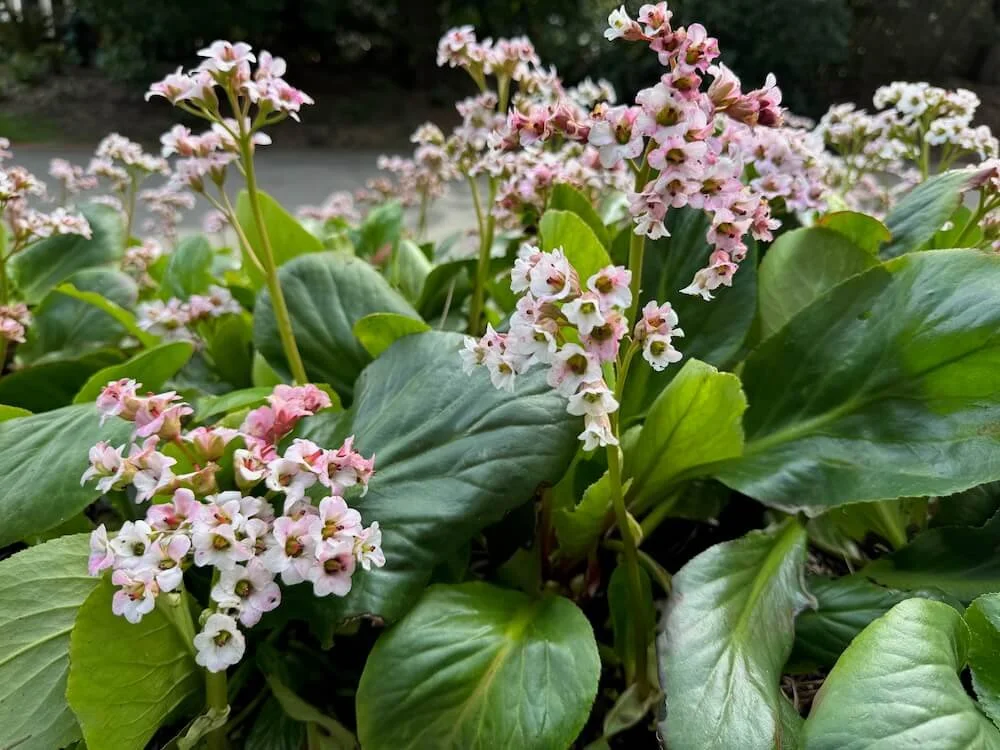
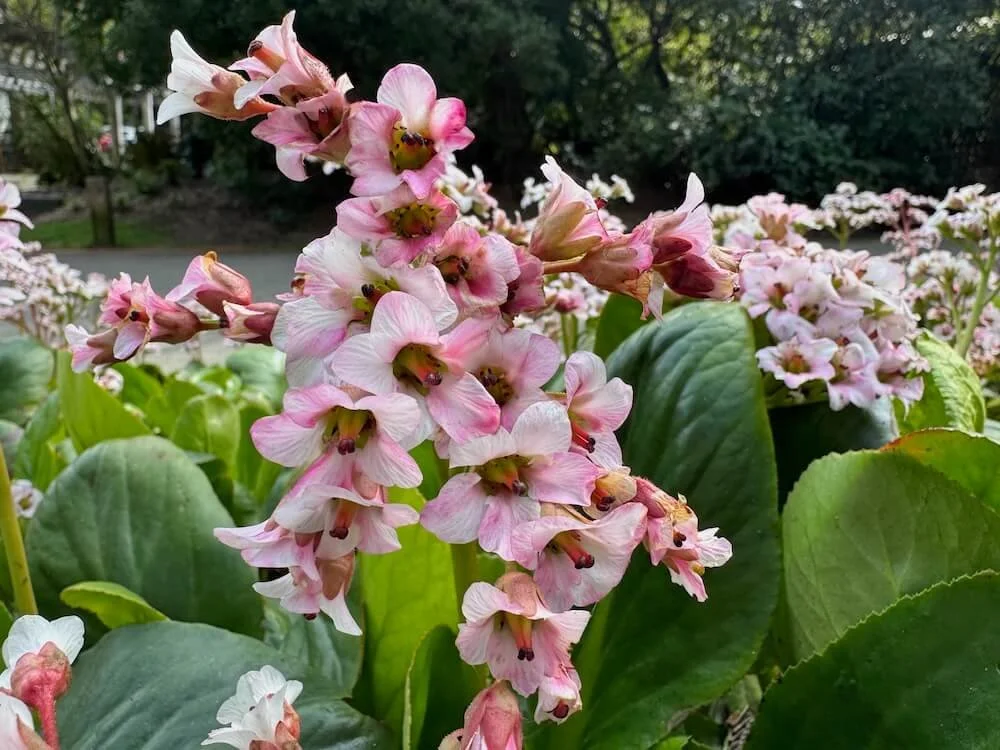
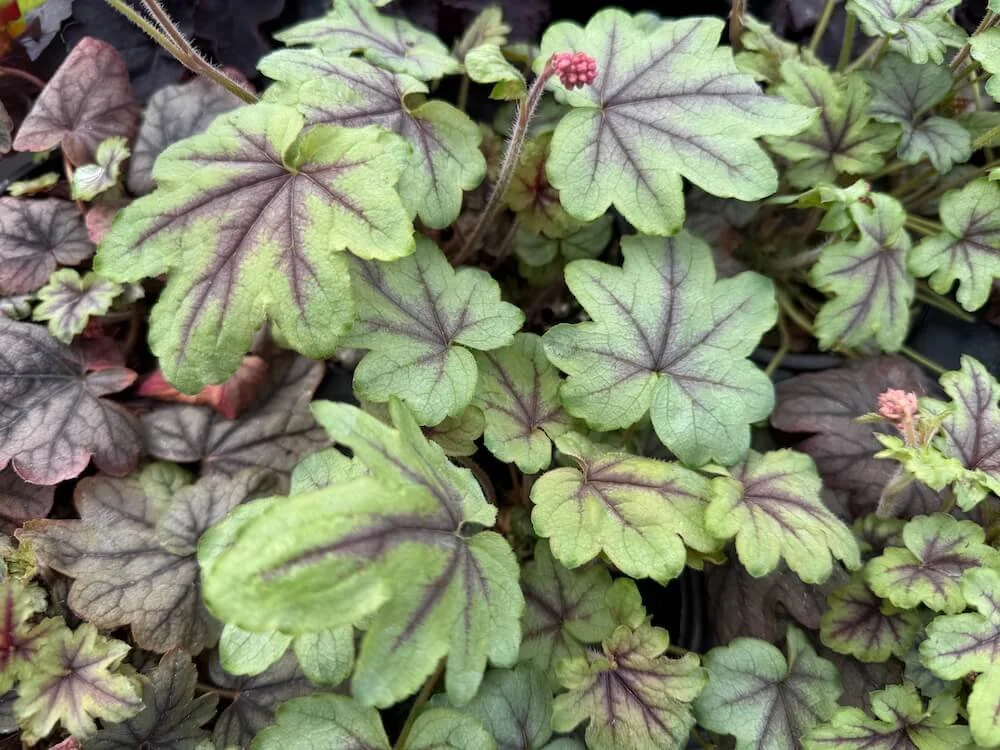
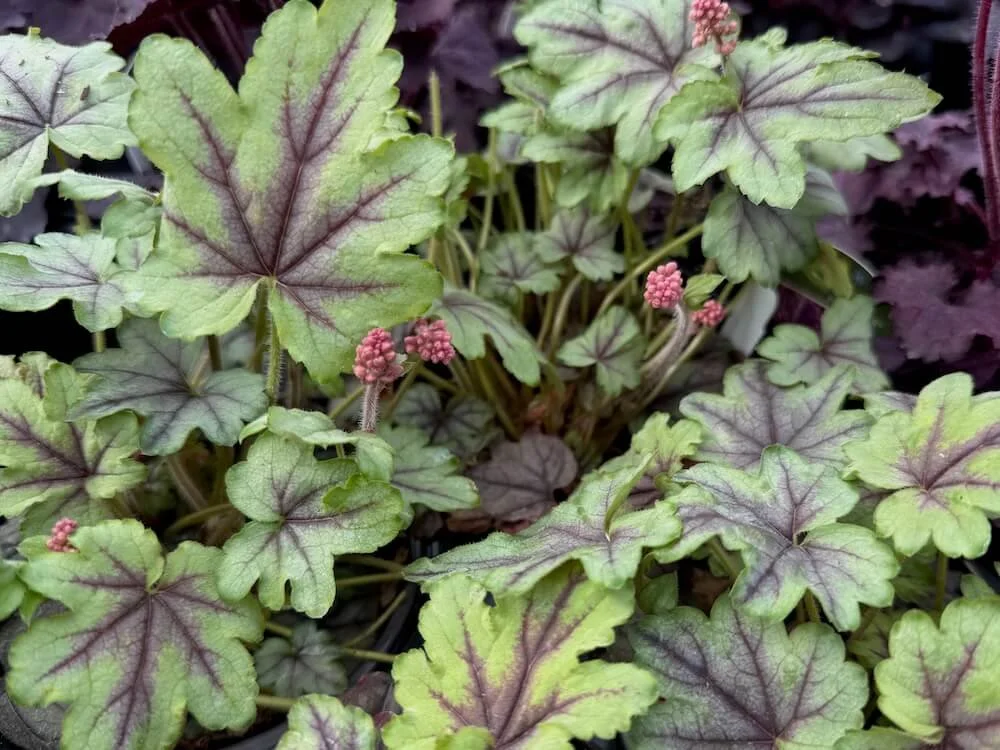
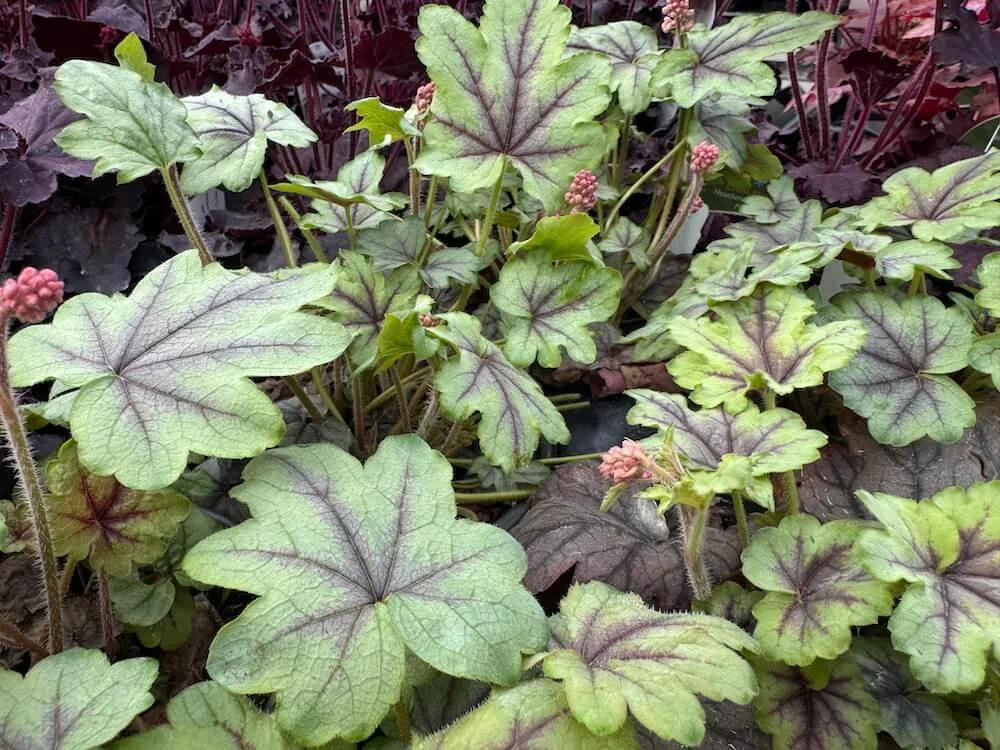
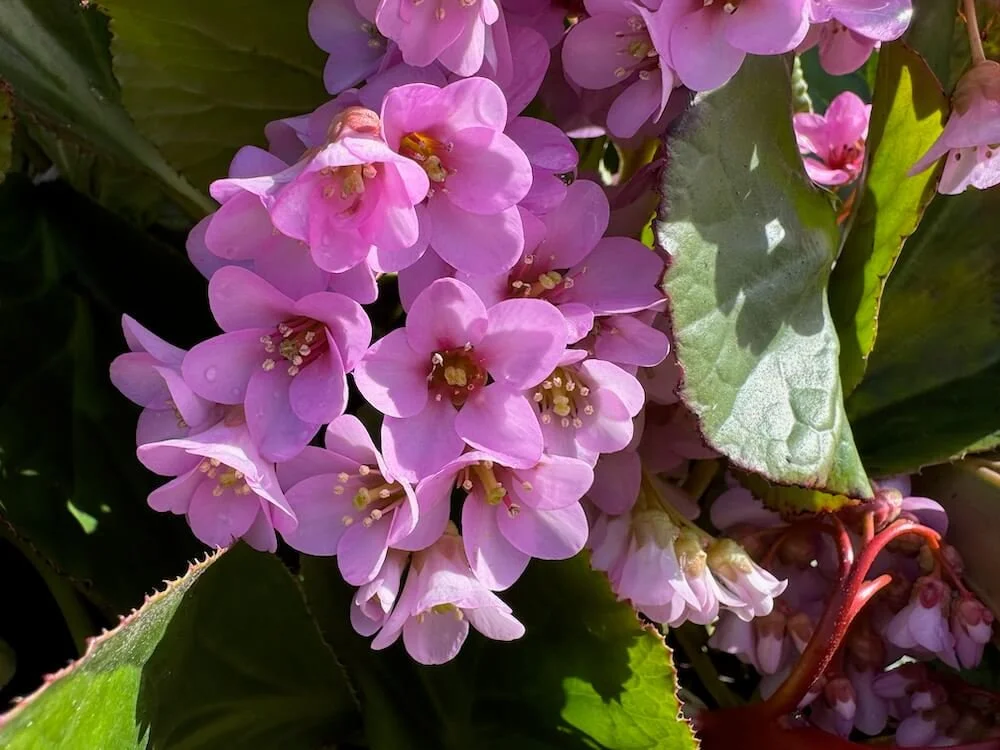
Foliage color: Medium green, large heart-shaped leathery leaves that may develop bronze or reddish tones in cool weather
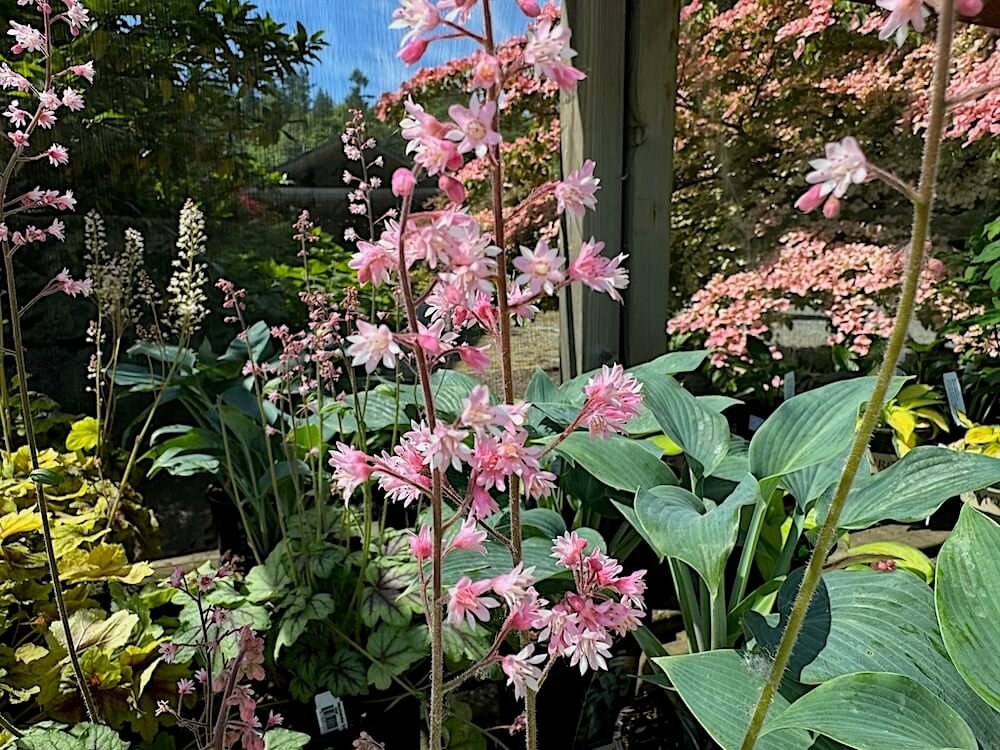
Flower color: Rosy-pink to magenta flowers on sturdy upright stems above the foliage
Bloom time: Early to mid spring
Light requirements: Partial shade to full shade
Water requirements: Moderate moisture
Maintenance: Low; remove spent flower stalks, tidy damaged foliage in early spring, divide clumps every few years if overcrowded
Growing zone: USDA zones 3 to 8
Wildlife attractors: Bees and other early-season pollinators
-
Works Well In:
● Pollinator Gardens
● Woodland Gardens
● Borders
● Deer-Prone AreasCompanion Plants:
Astilbes Japanese painted ferns
Pulmonaria Solomon's seal
Primroses FoamflowersDesign Tip:
Arrange this bergenia in broad sweeps that echo the curves of pathways or planting beds rather than straight rows. The flowing layout creates a more natural rhythm, helping shaded landscapes feel relaxed, cohesive, and thoughtfully composed.