Cornus canadensis | Canadian Bunchberry

$0.00

DESCRIPTION
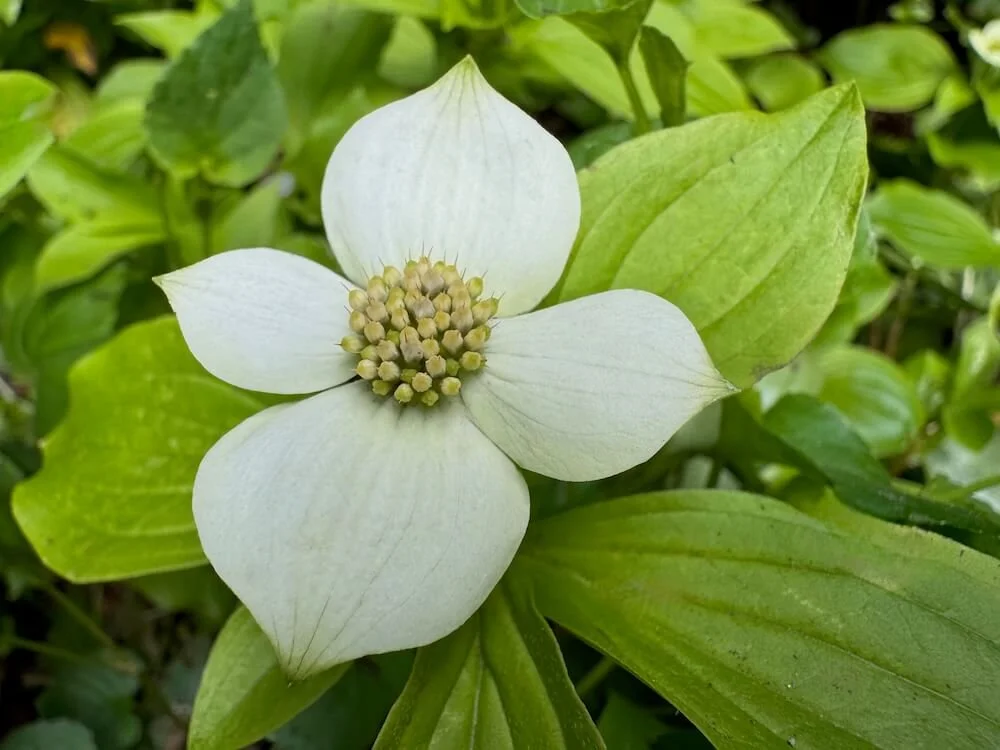
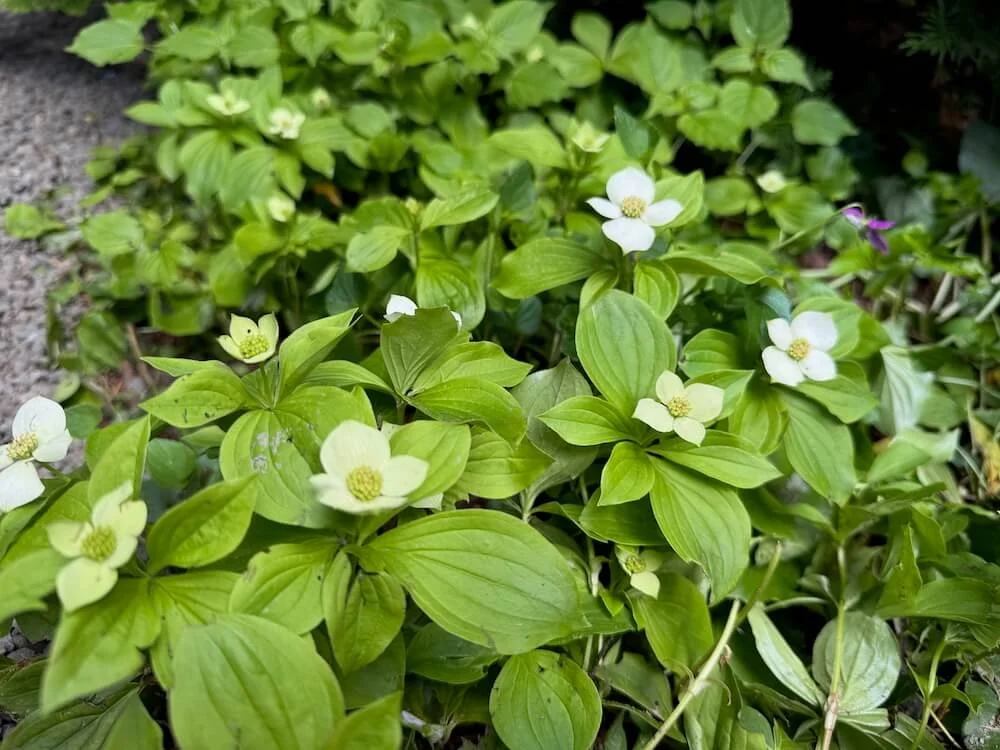
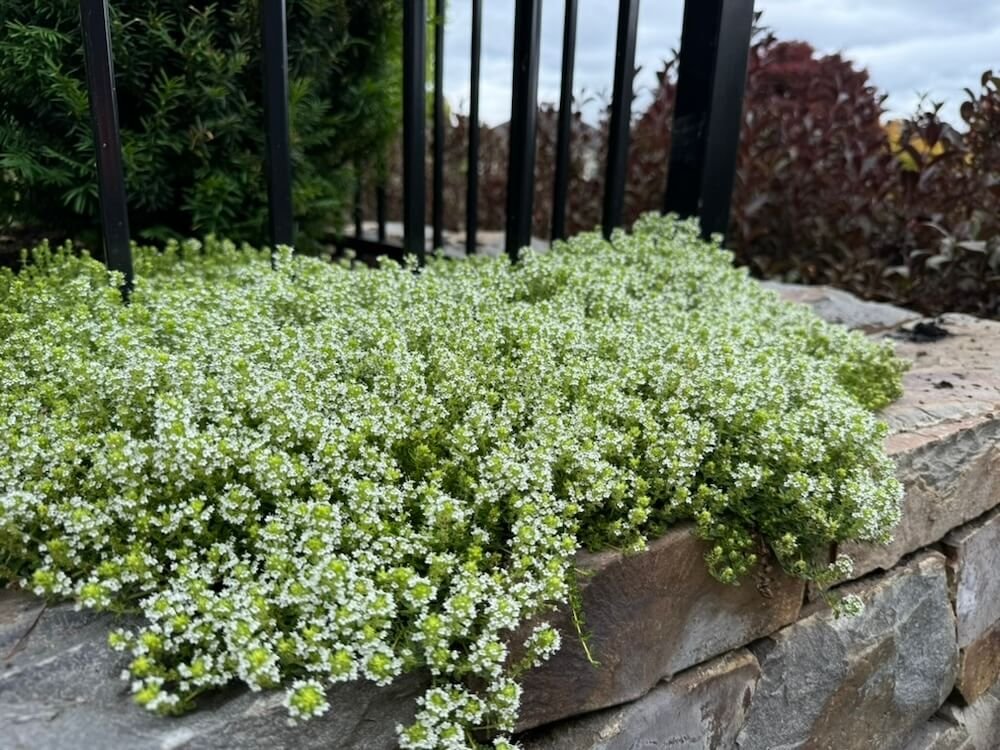
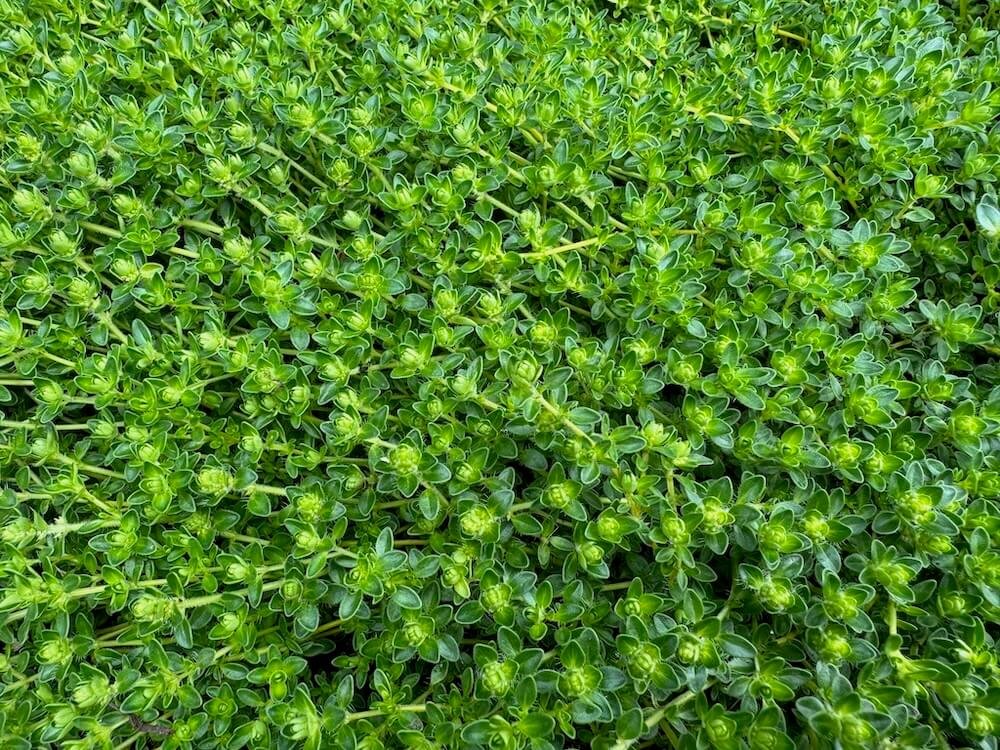
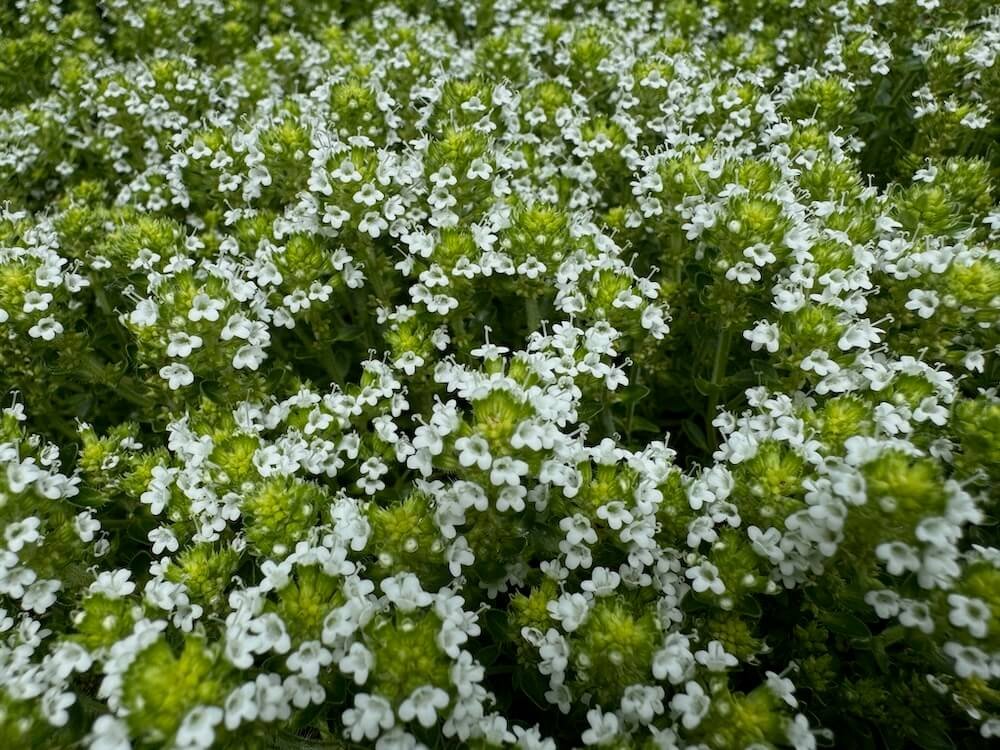
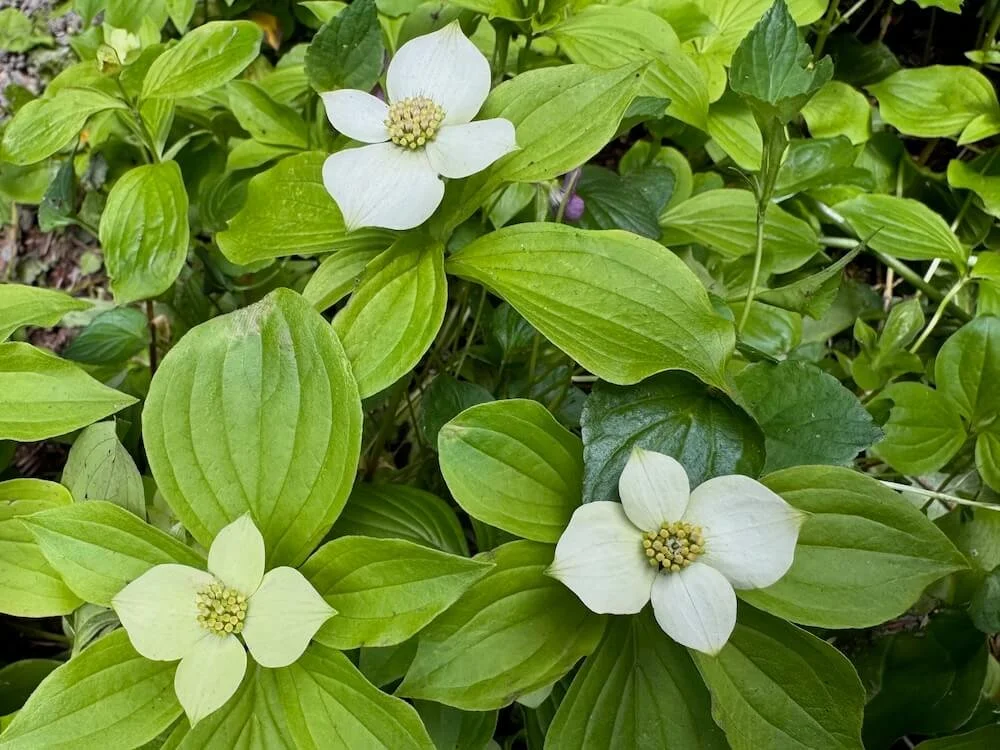
Cornus canadensis forms a low, spreading mat of slender stems topped with whorls of deep green leaves that often develop reddish tones as seasons change. In late spring, small greenish flowers are surrounded by four white petal-like bracts, creating a clean, star-shaped display above the foliage.

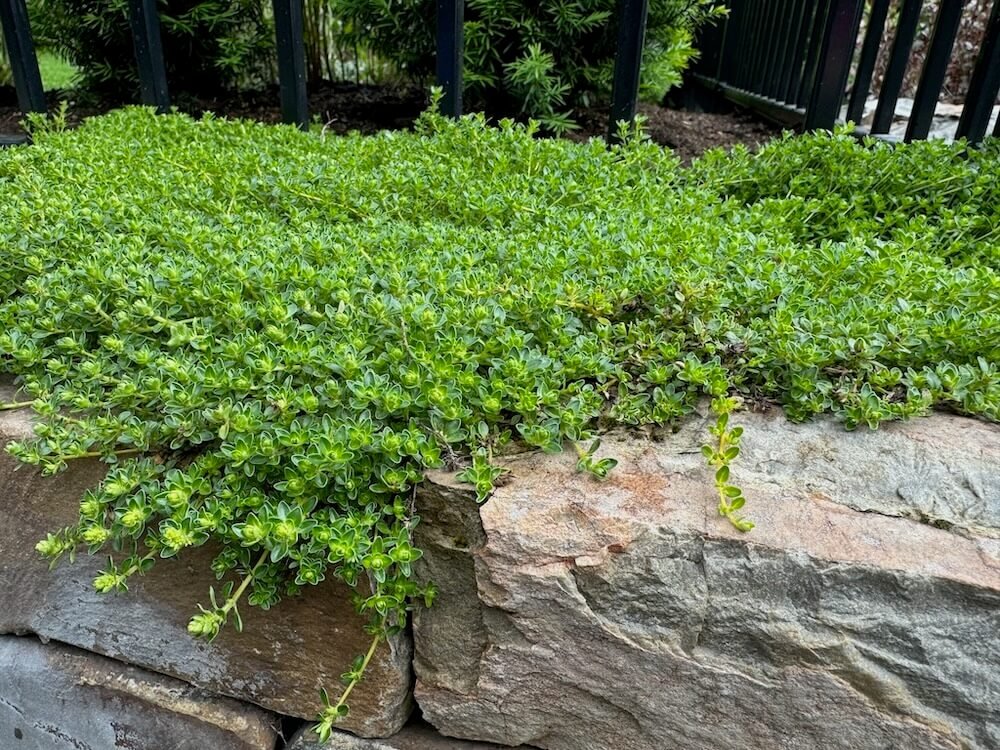
Blooming in late spring to early summer, this species is native to cool woodlands of northern North America. It works well as a groundcover in shaded gardens, woodland paths, and beneath shrubs, later producing bright red berries that extend ornamental interest into summer. The plant spreads gently and supports pollinators while creating a cohesive carpet effect.

DESCRIPTION
Cornus canadensis forms a low, spreading mat of slender stems topped with whorls of deep green leaves that often develop reddish tones as seasons change. In late spring, small greenish flowers are surrounded by four white petal-like bracts, creating a clean, star-shaped display above the foliage.

Blooming in late spring to early summer, this species is native to cool woodlands of northern North America. It works well as a groundcover in shaded gardens, woodland paths, and beneath shrubs, later producing bright red berries that extend ornamental interest into summer. The plant spreads gently and supports pollinators while creating a cohesive carpet effect.

 
  • Family: Cornaceae
    Height: 4 to 8 in
    Width: 12 to 18 in (spreads to form a groundcover)
    Foliage color: Bright to medium green, elliptic leaves arranged in whorls, turning red to bronze in fall in cooler climates
    Flower color: White “petals” (bracts) surrounding a cluster of tiny greenish-white true flowers
    Bloom time: Late spring to early summer
    Light requirements: Partial shade to full shade
    Water requirements: Moderate moisture
    Maintenance: Low; minimal pruning needed, remove old foliage in early spring
    Growing zone: USDA zones 2 to 7
    Wildlife attractors: Bees, butterflies, and other pollinators; birds eat the bright red ornamental berries later in the season

    This plant can be seen at PowellsWood Garden.
    Print Information

    Buy Plants