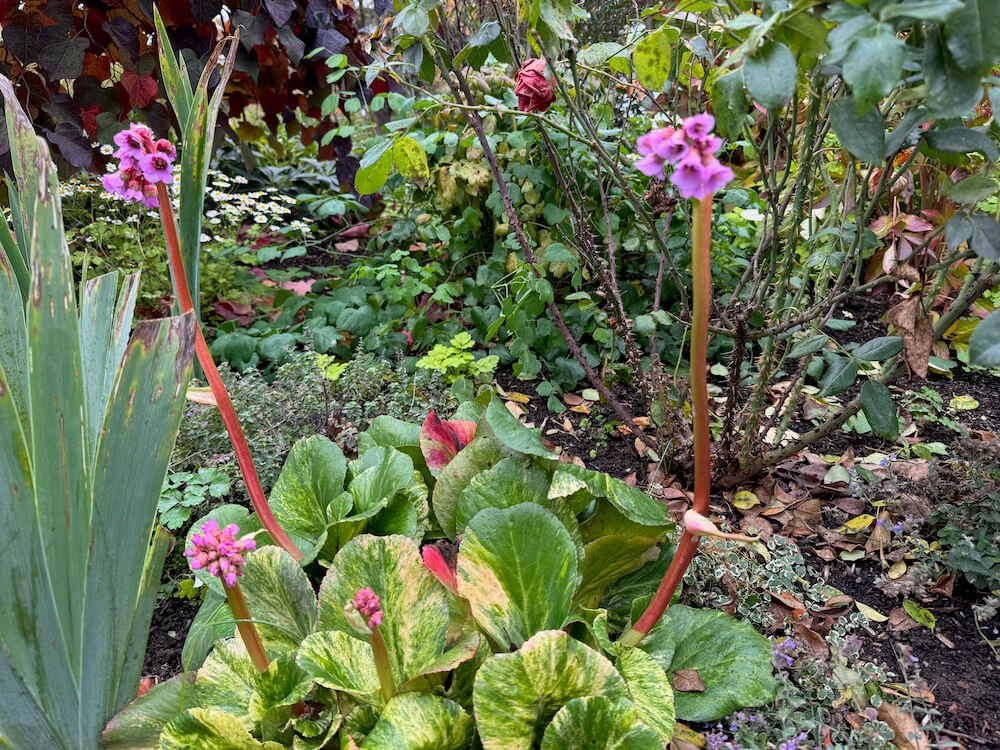
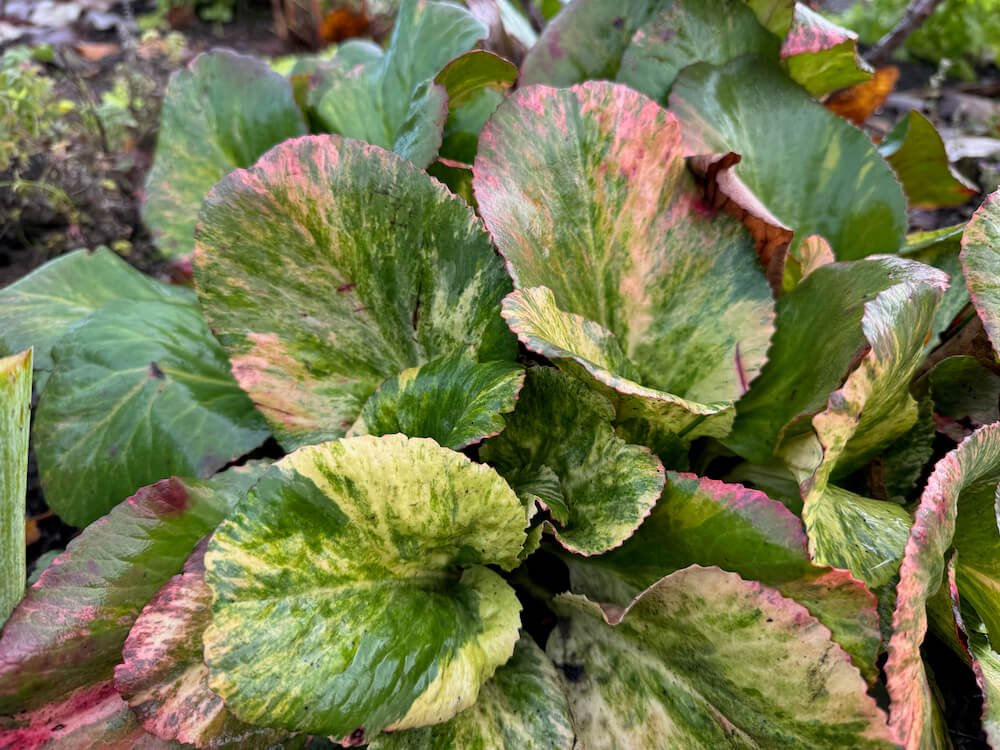
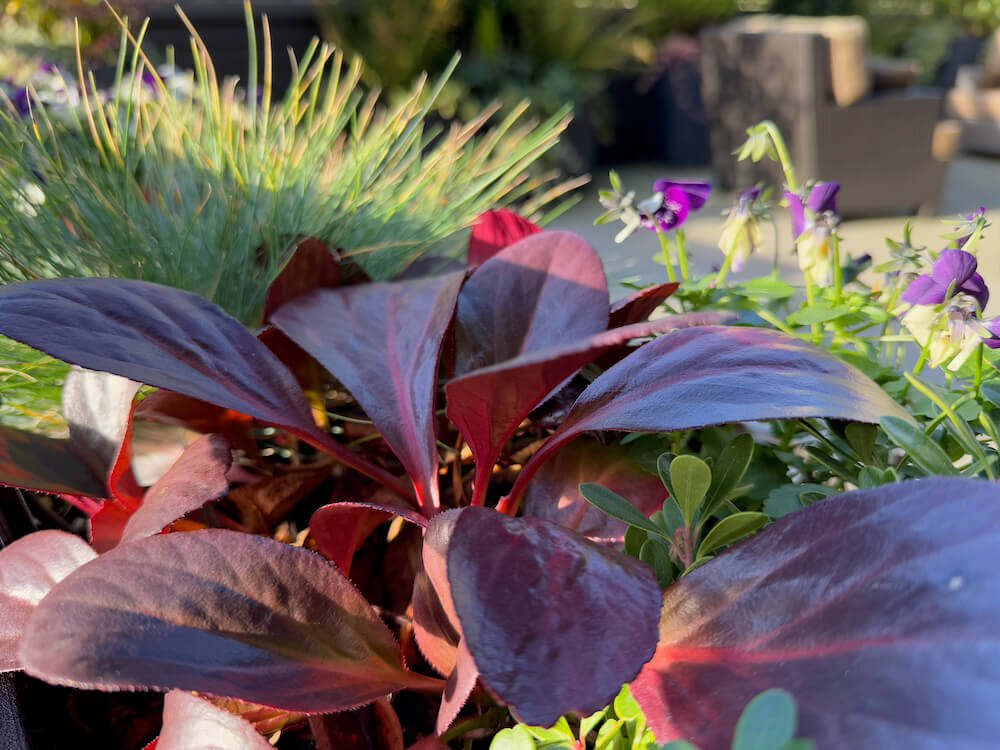
 Image 1 of 3
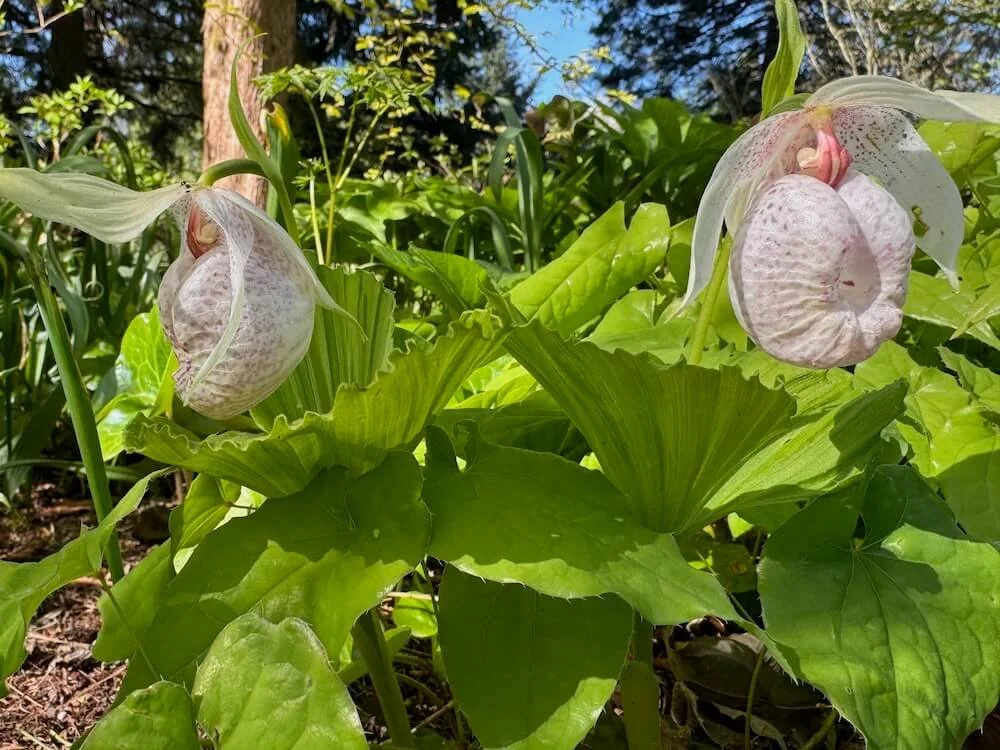 Image 2 of 3
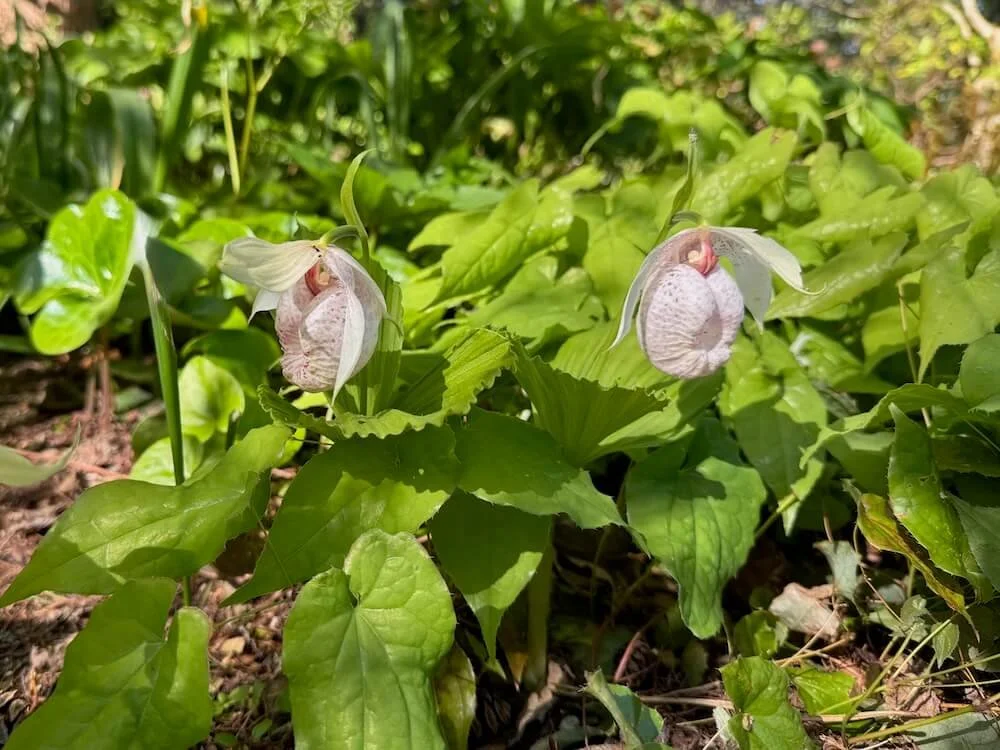 Image 3 of 3
-
Family: Orchidaceae
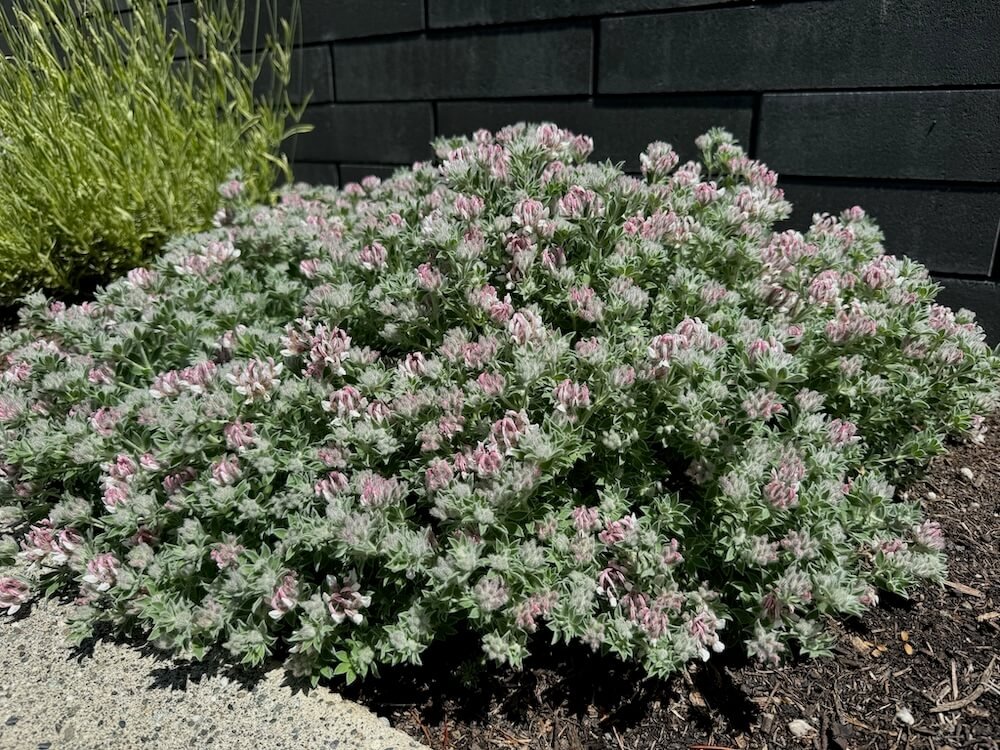
Height: 12 to 18 in
Width: 12 to 18 in
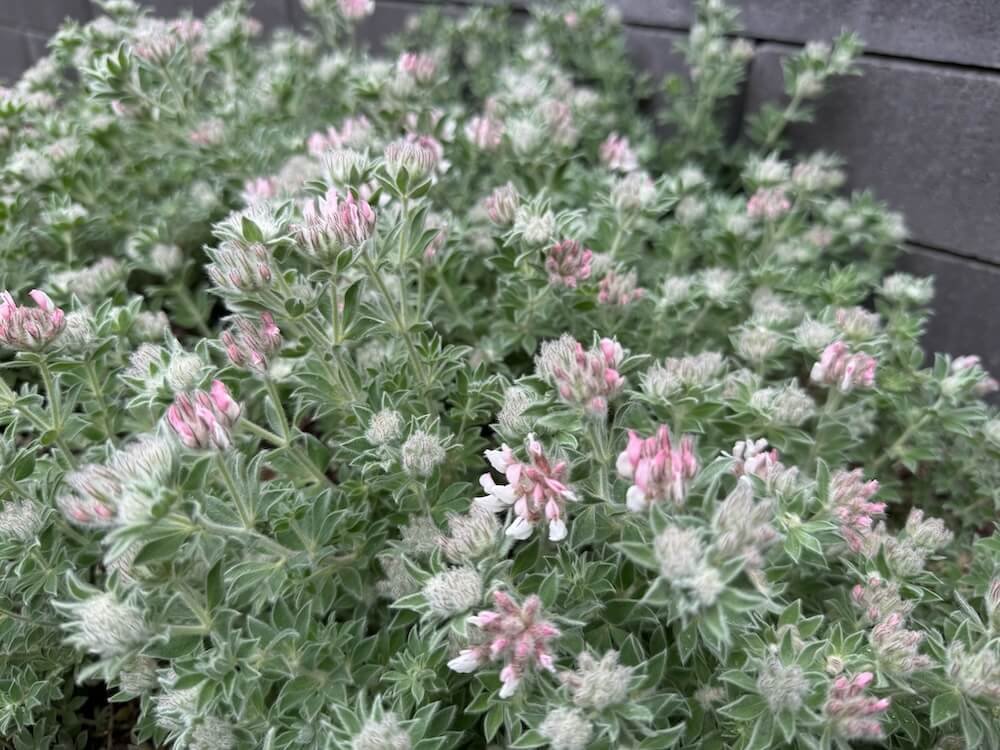
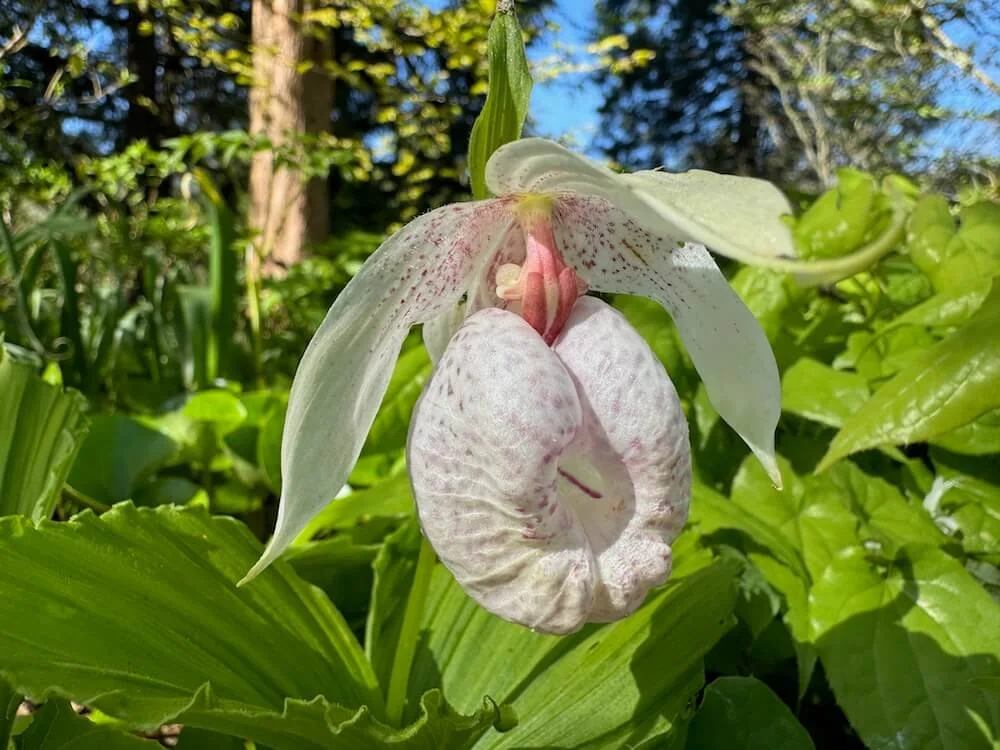
Foliage color: Medium green, pleated, elliptic leaves with prominent parallel veining
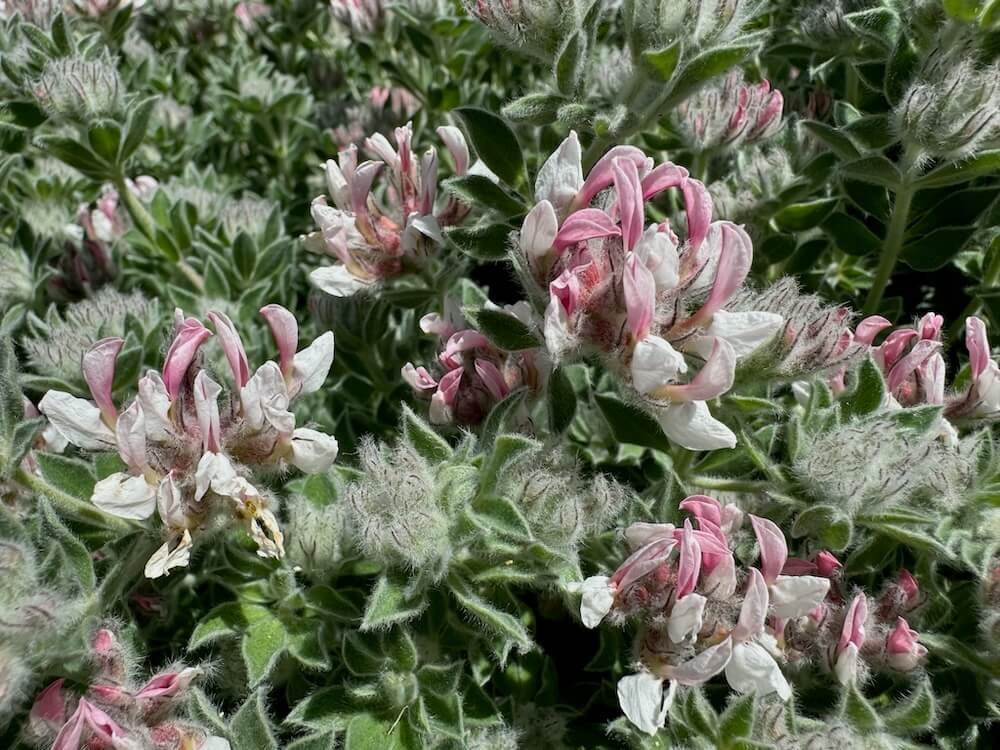
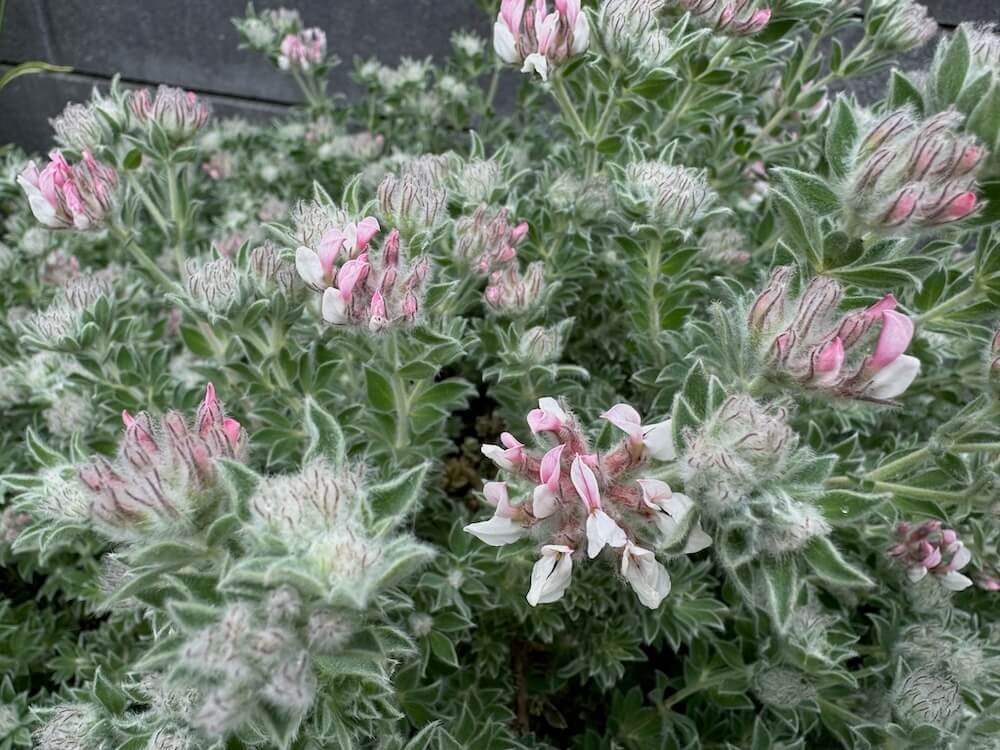
Flower color: Soft rose-pink pouch with darker veining and pale pink to white sepals and petals
Bloom time: Mid to late spring
Light requirements: Partial shade to bright filtered light
Water requirements: Consistent moisture
Maintenance: Moderate, avoid soil disturbance, remove spent flower stalks after bloom
Growing zone: USDA zones 6 to 9
Wildlife attractors: Occasional pollination by native bees and small insectsThis plant can be seen at the Bellevue Botanical Garden.
-
Works Well In:
● Woodland Gardens
● Pathways & Walkways
● Borders
● Under TreesCompanion Plants:
Trilliums Primroses
Hostas Siberian buglosses
Hellebores Japanese anemonesDesign Tip:
Reserve this orchid for intimate garden spaces where its unusual flowers can be appreciated without competing for attention. Surround it with restrained foliage textures that frame the blooms, allowing their distinctive form to become the quiet focal point of the planting.