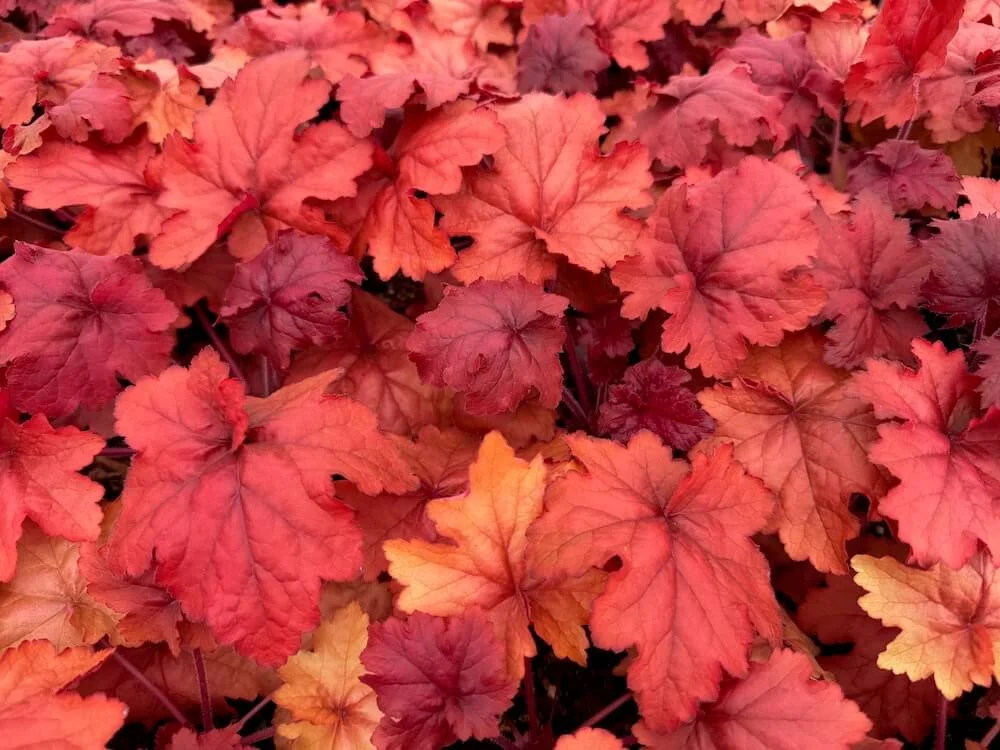
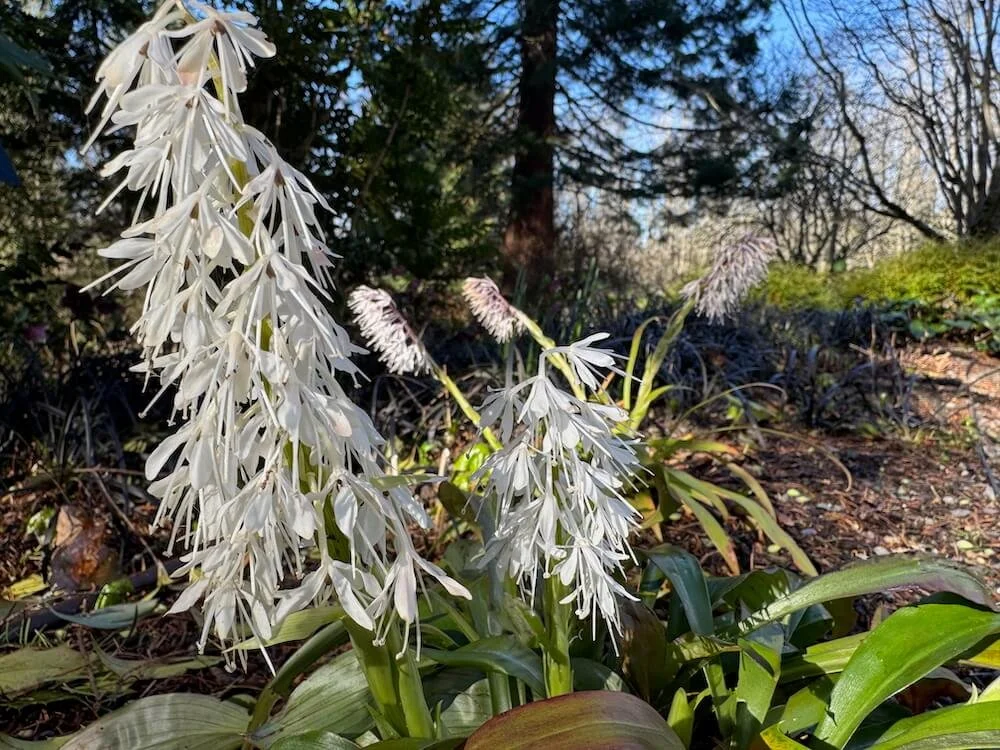
 Image 1 of 4
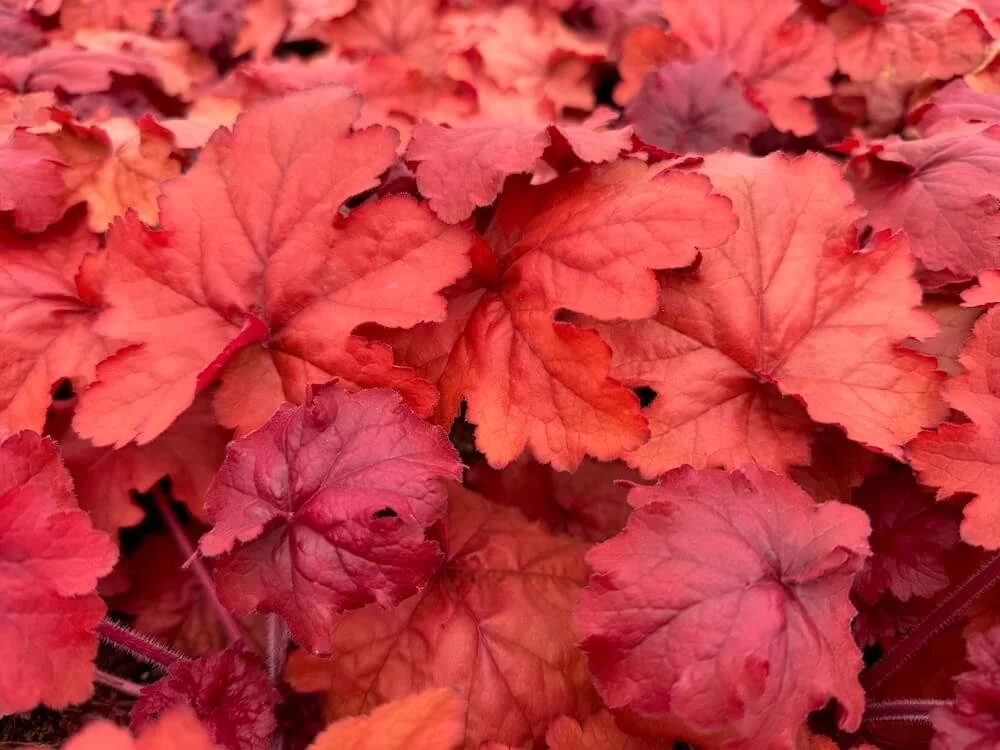
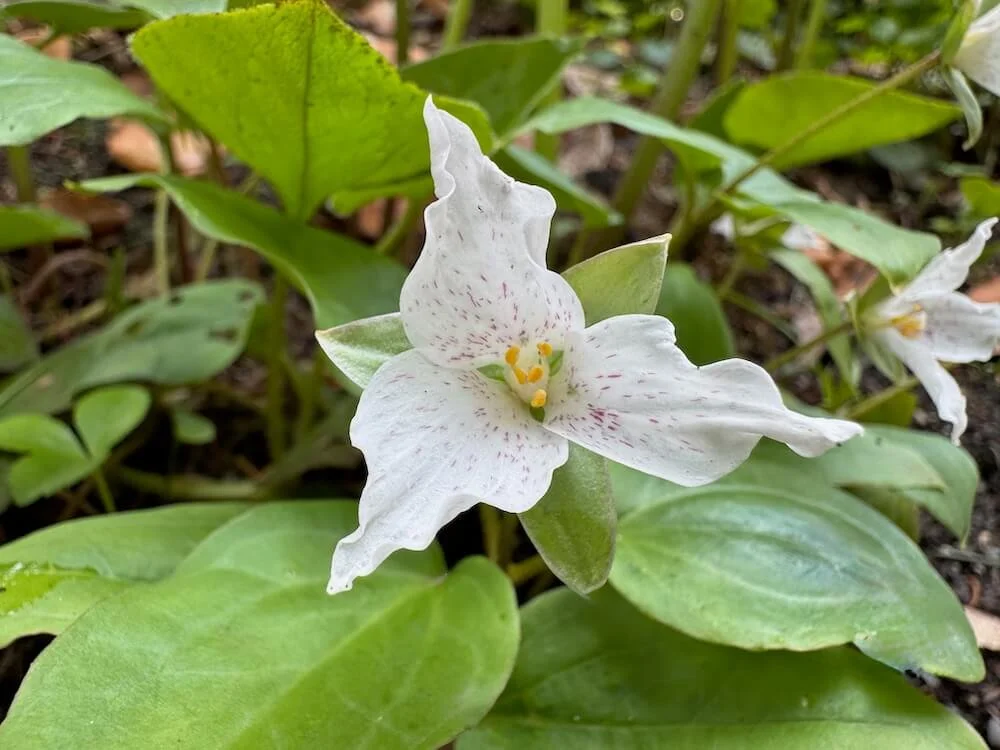
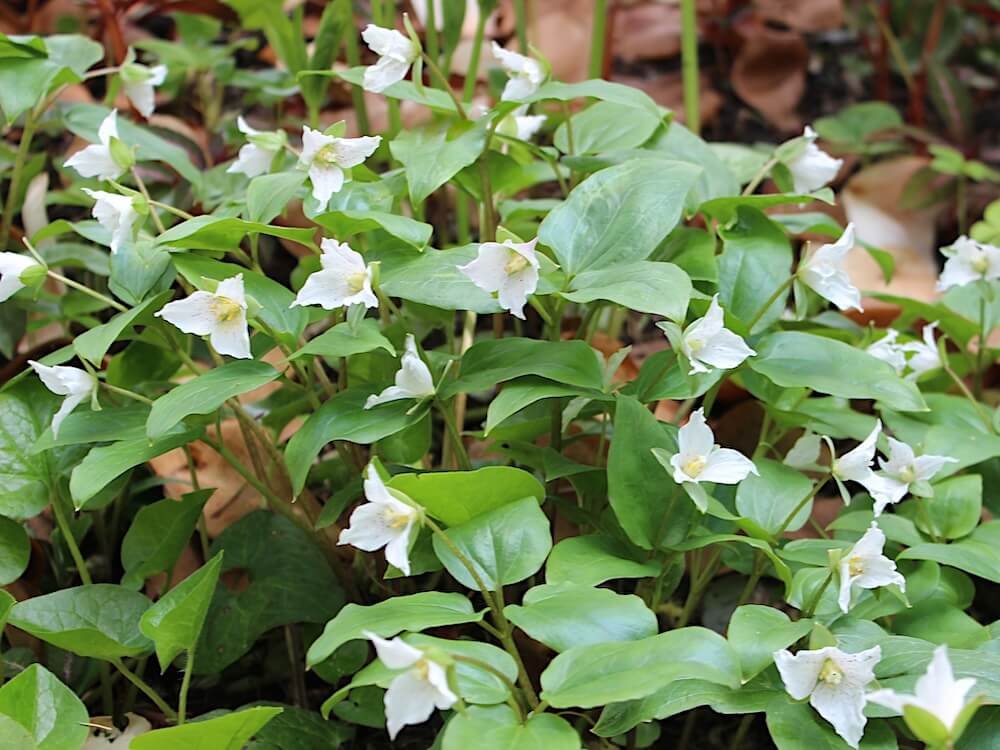 Image 2 of 4
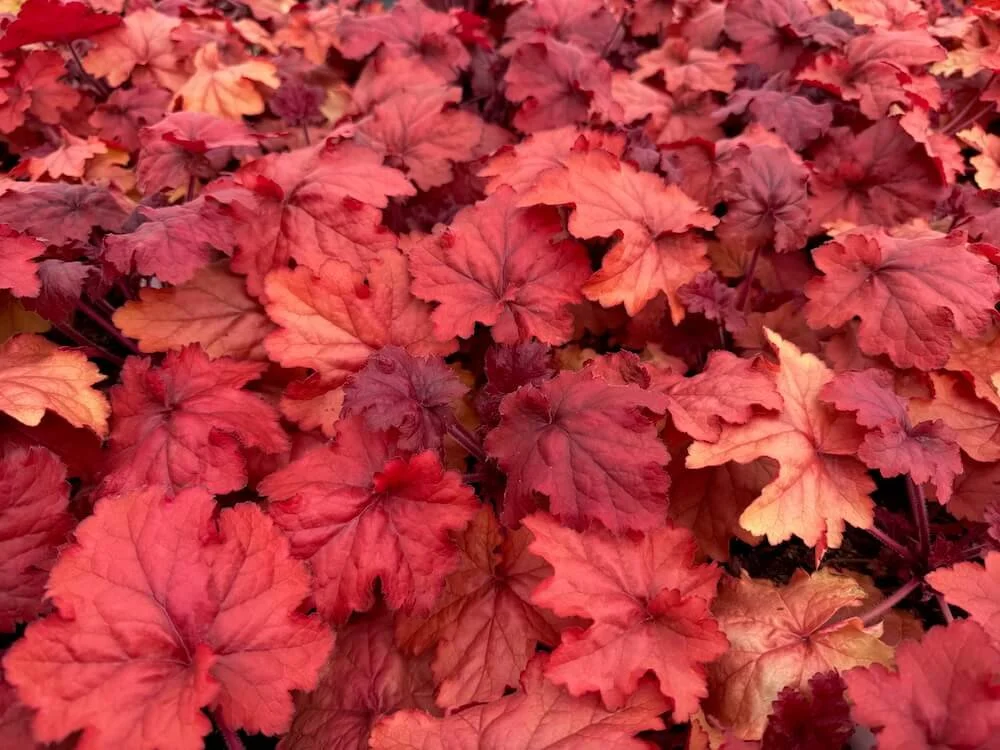
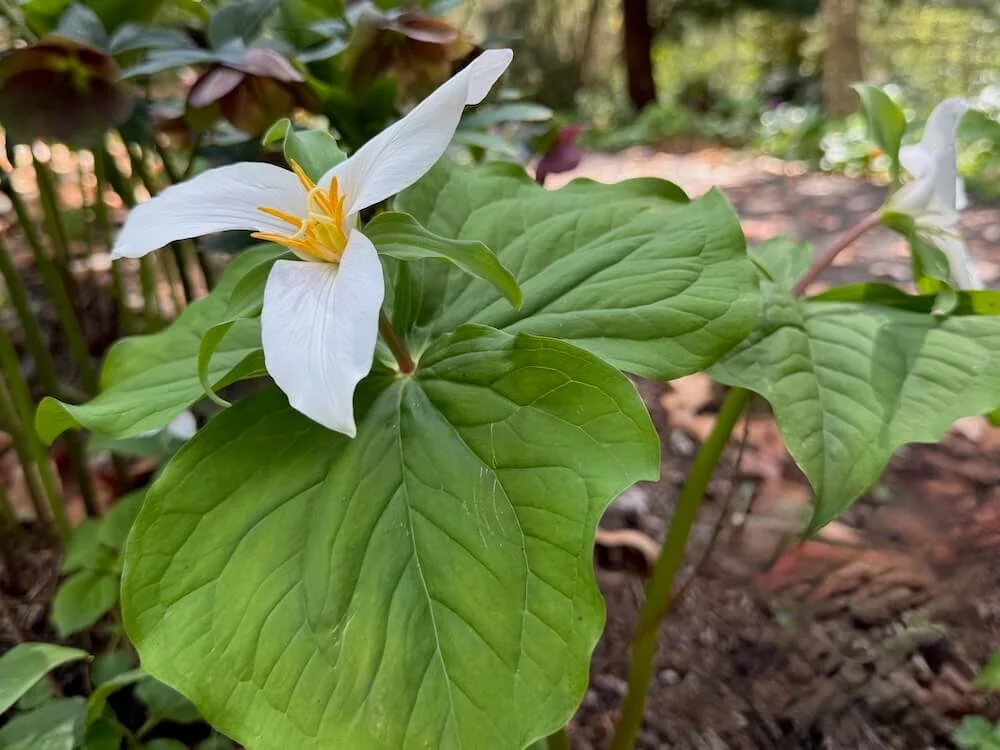 Image 3 of 4
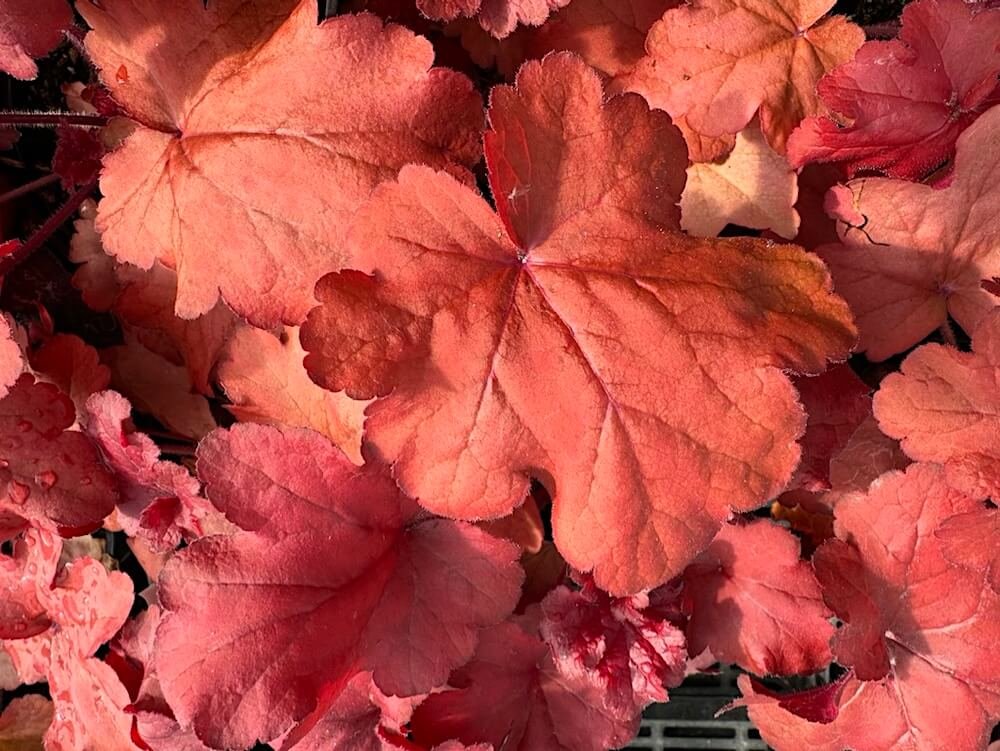
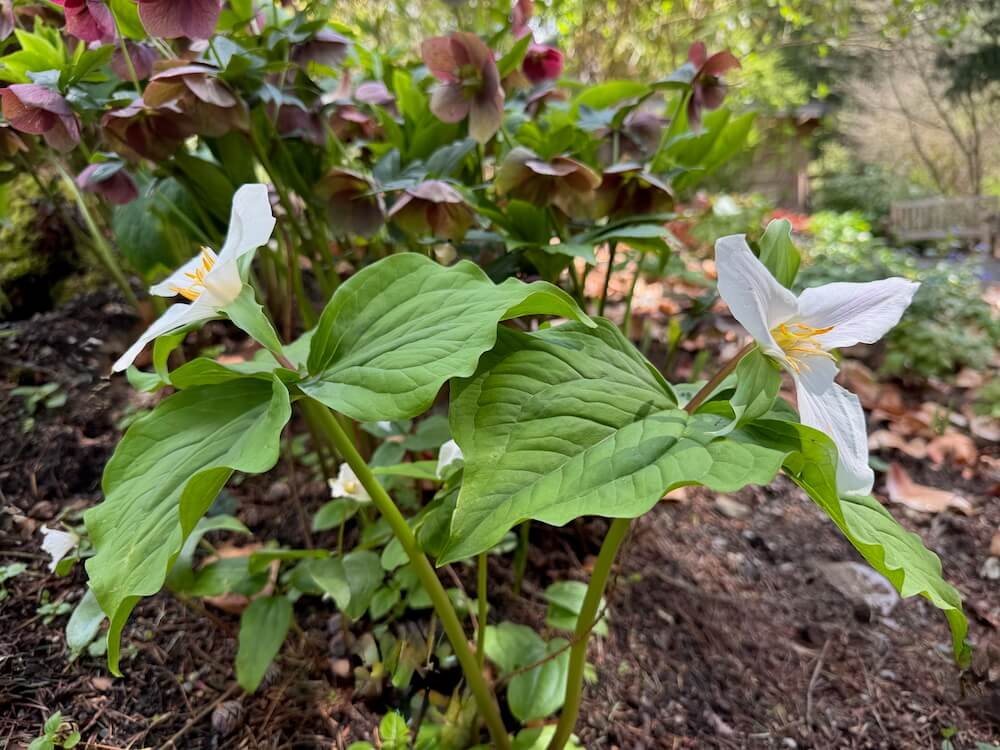 Image 4 of 4
-
Family: Melanthiaceae
Height: 6 to 10 in
Width: 6 to 12 in
Foliage color: Medium to deep green, three broadly ovate leaves arranged in a whorl, often lightly veined
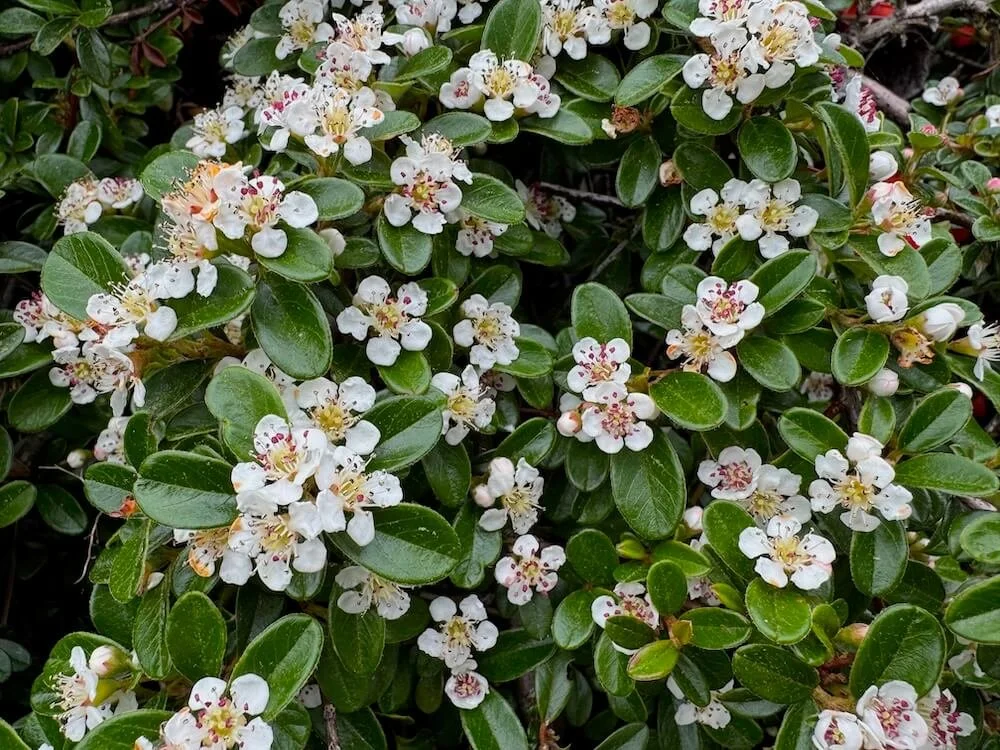
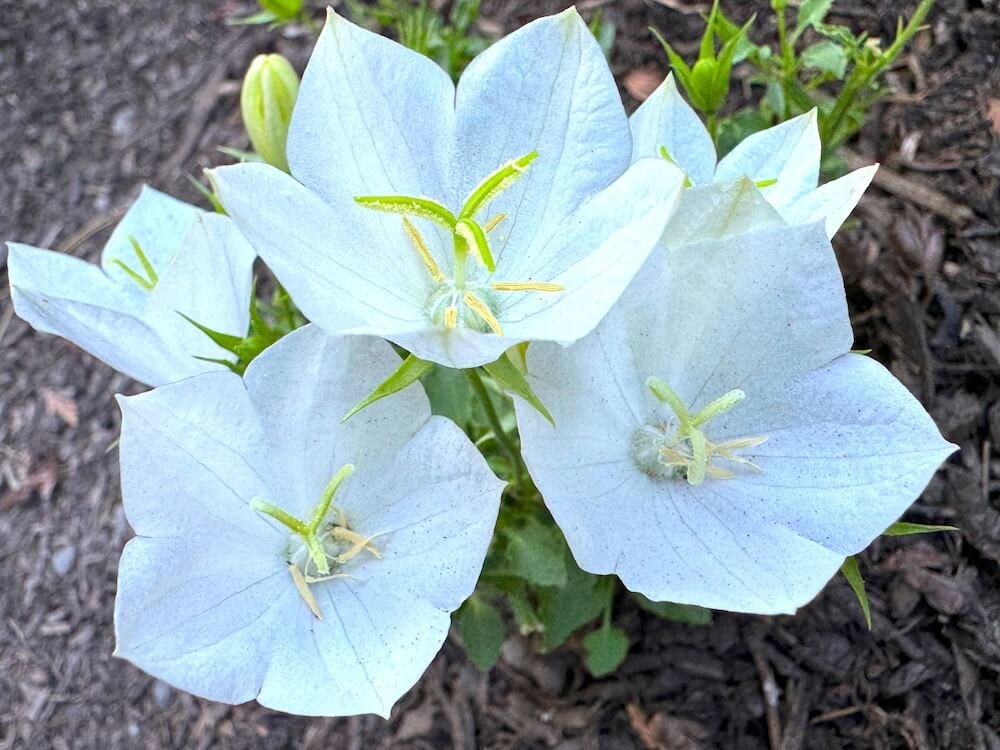
Flower color: White petals with purplish speckling, yellow center and prominent stamens
Bloom time: Early to mid spring
Light requirements: Partial shade to full shade
Water requirements: Moderate to high
Maintenance: Low; leave foliage undisturbed after flowering to allow natural dormancy
Growing zone: USDA zones 4 to 8
Wildlife attractors: Early pollinating insects, including beetles and small native pollinatorsThis plant can be seen at the Bellevue Botanical Garden.
-
Works Well In:
● Woodland Gardens
● Under Trees
● Pollinator Gardens
● Pathways & WalkwaysCompanion Plants:
Oxalis Kalmias
Trilliums Sword ferns
Violets RodgersiasDesign Tip:
Plant this Pacific Northwest native beside shaded paths or beneath deciduous trees where the intricate flowers can be admired up close. Layer native woodland companions, graceful ferns, and contrasting foliage to create a naturalistic planting rich in texture and seasonal character.