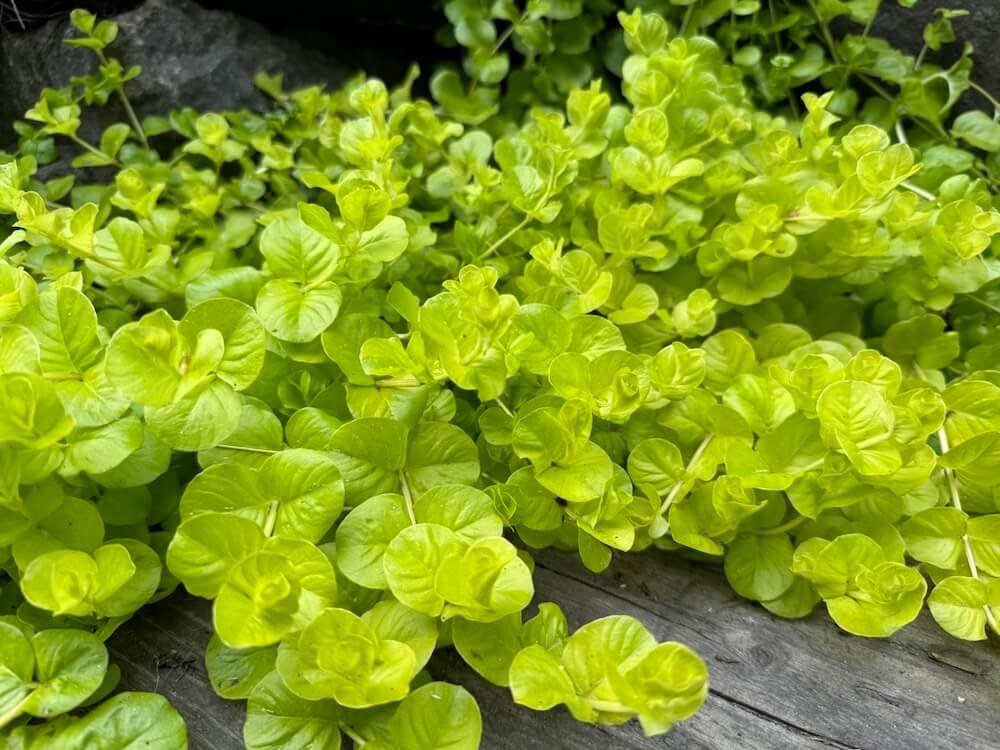
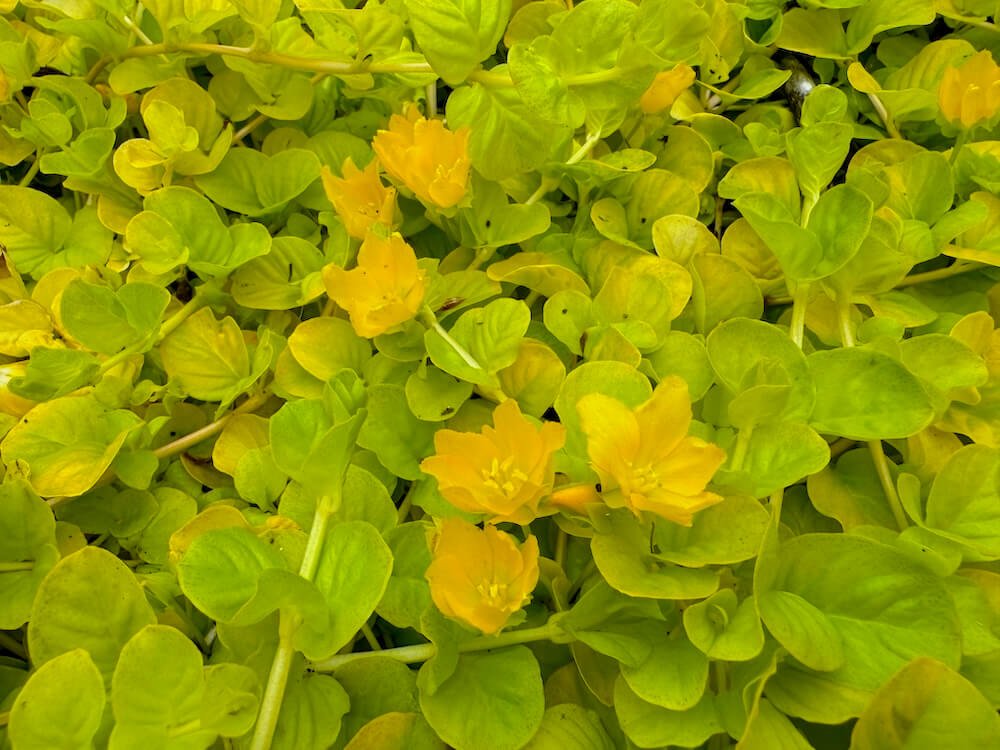
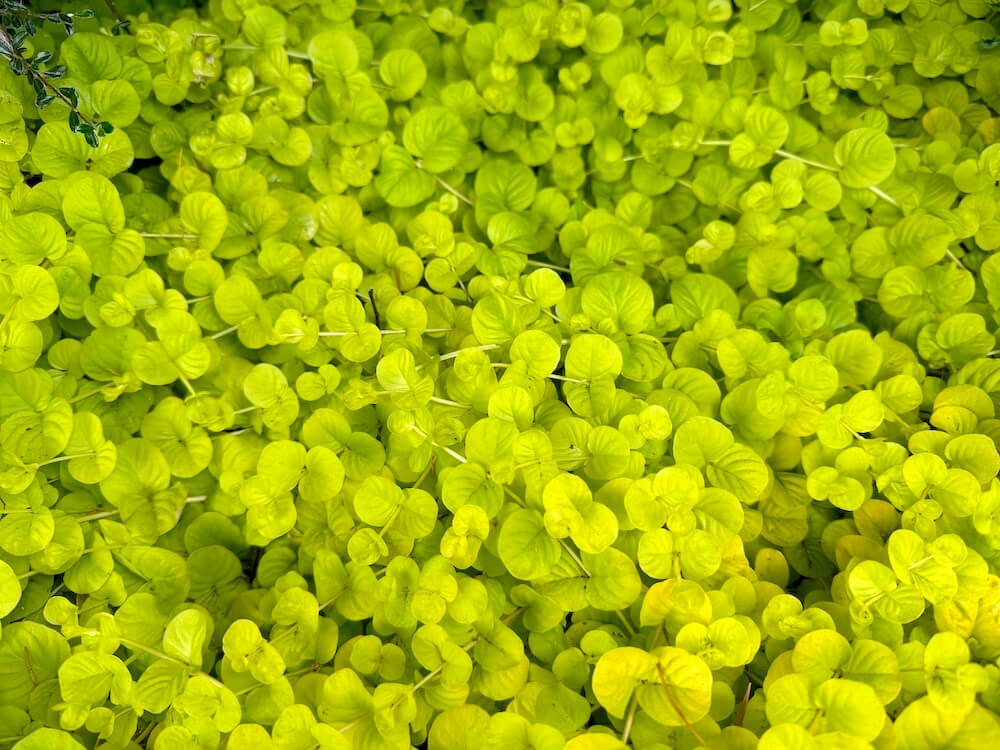
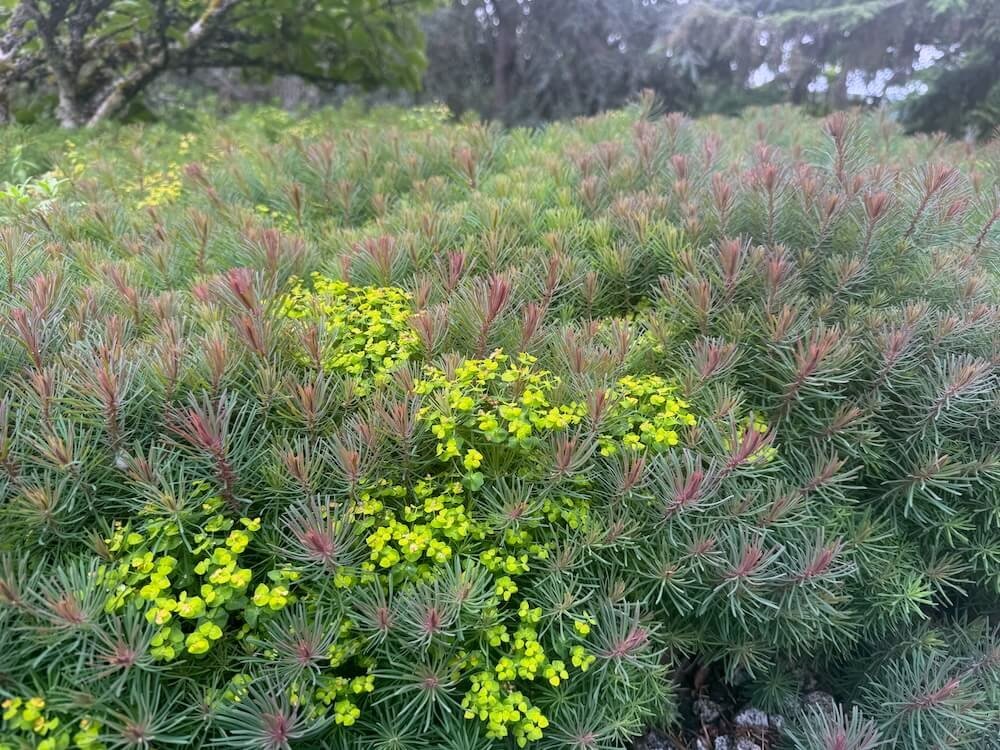
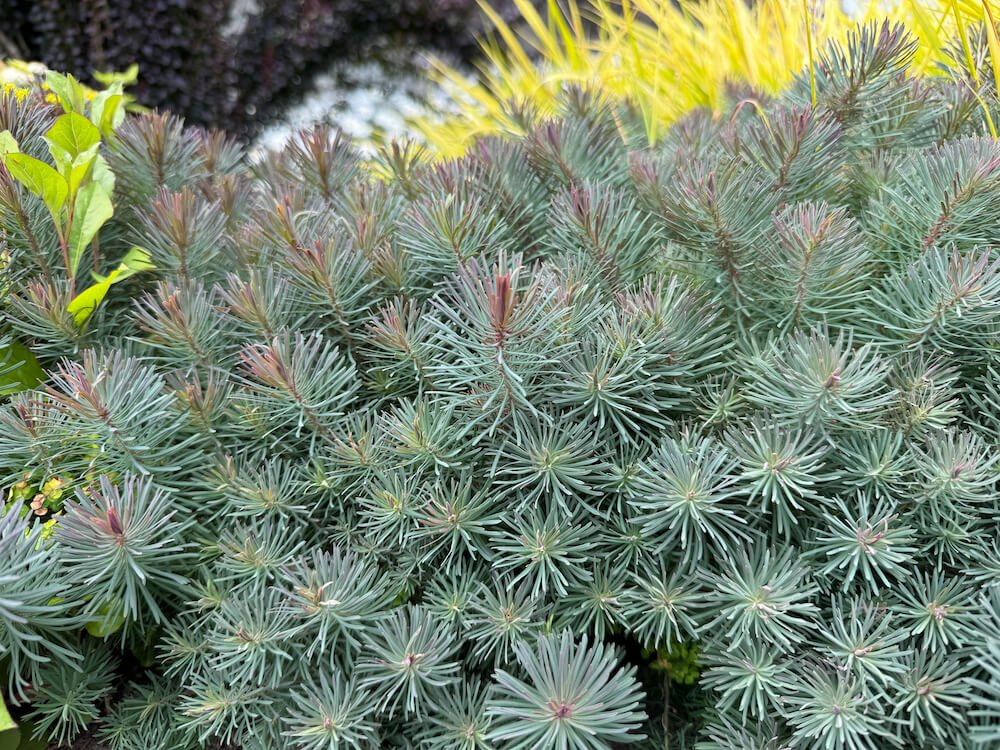
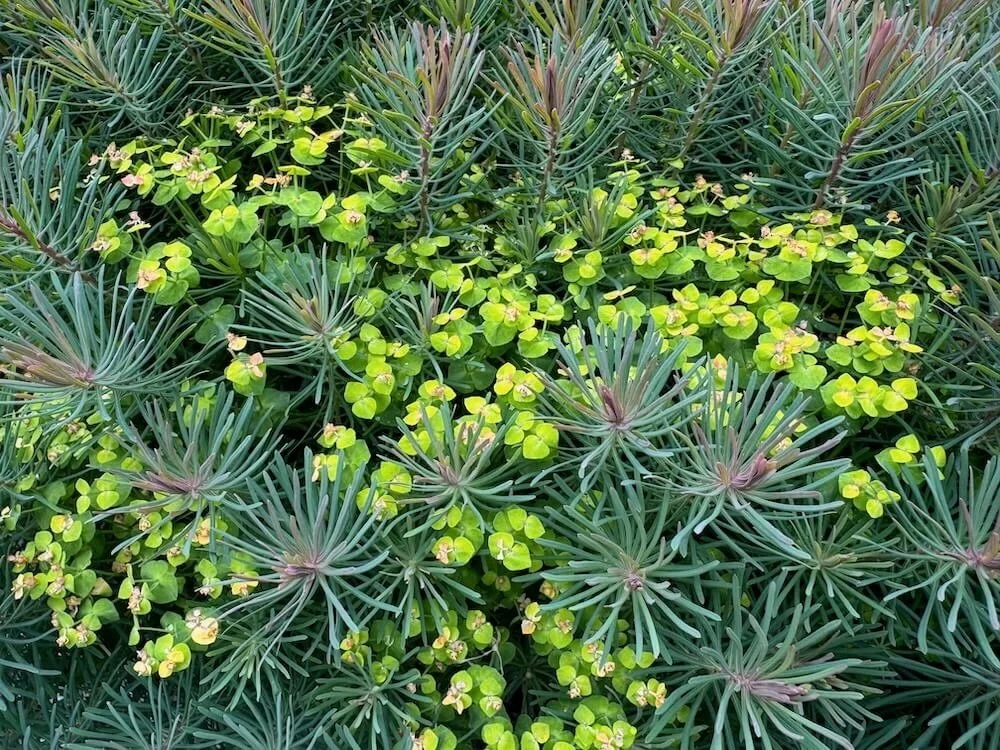
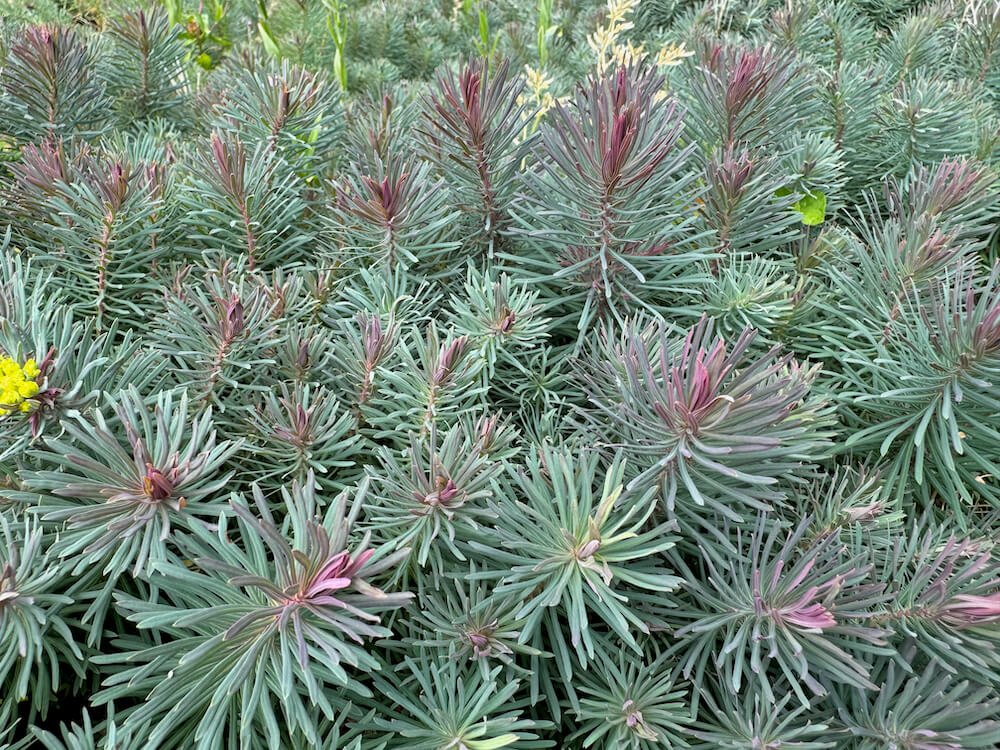
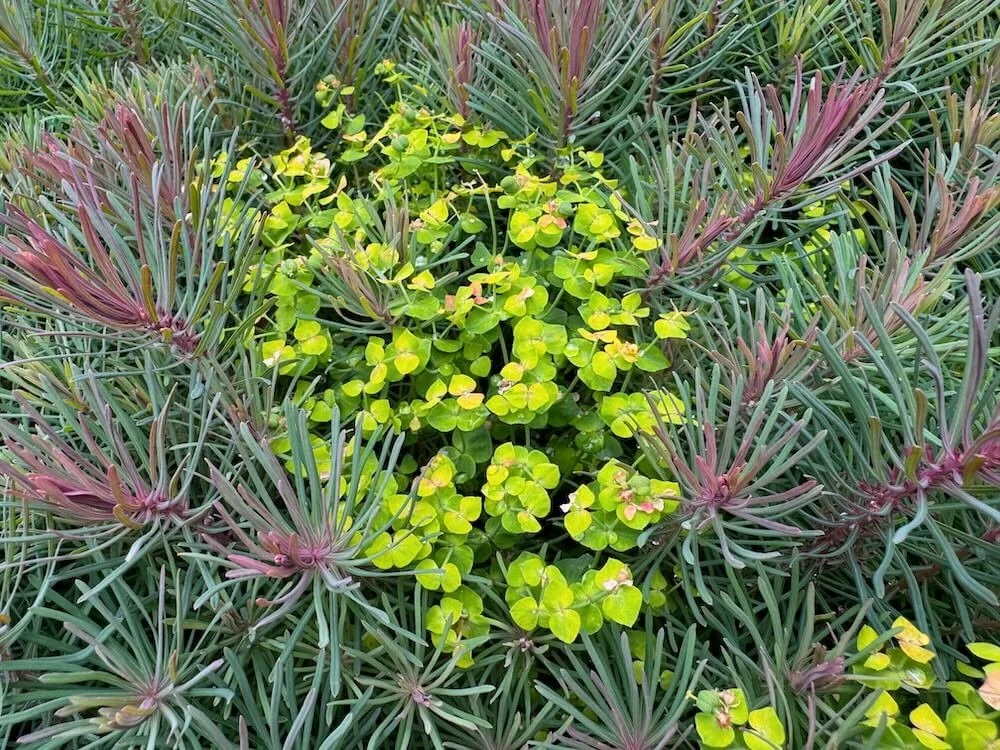
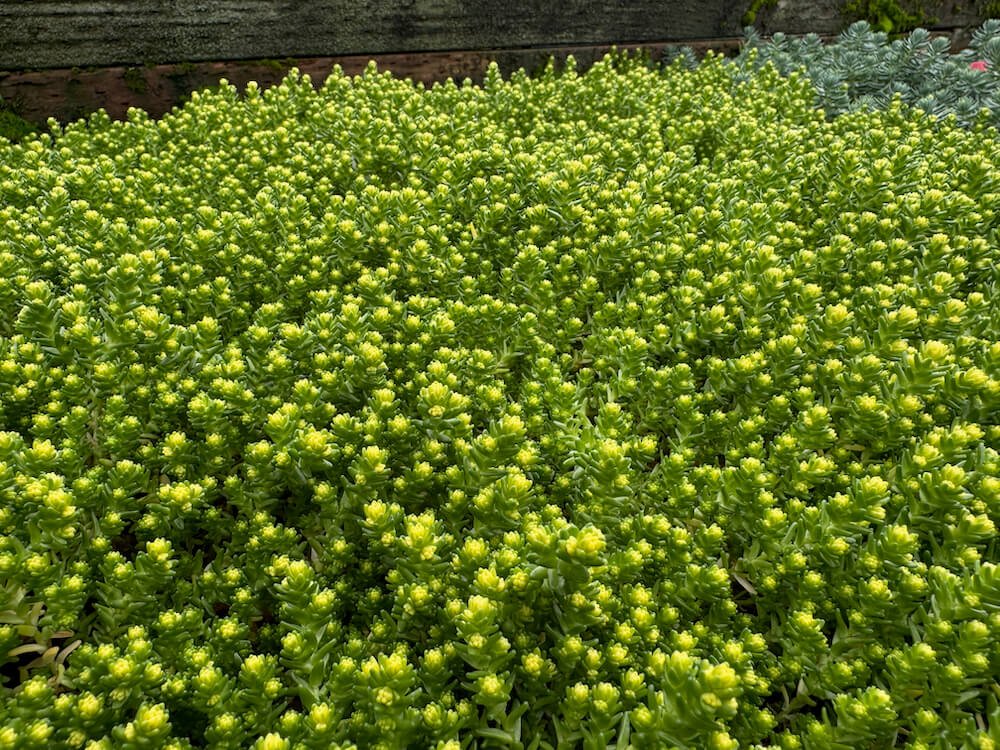
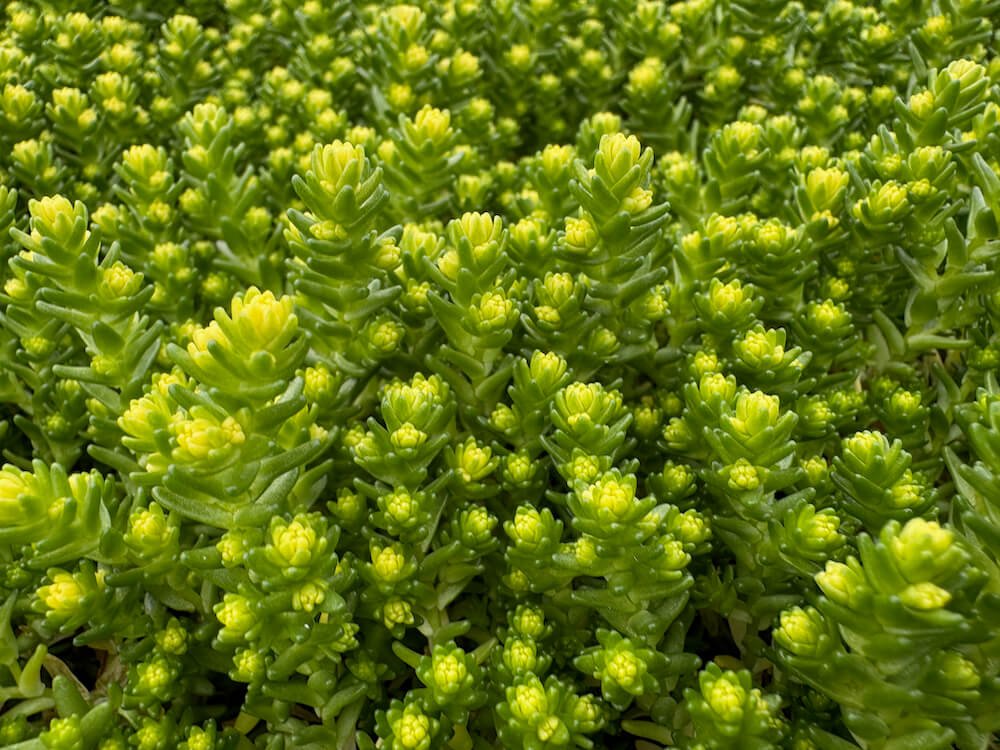
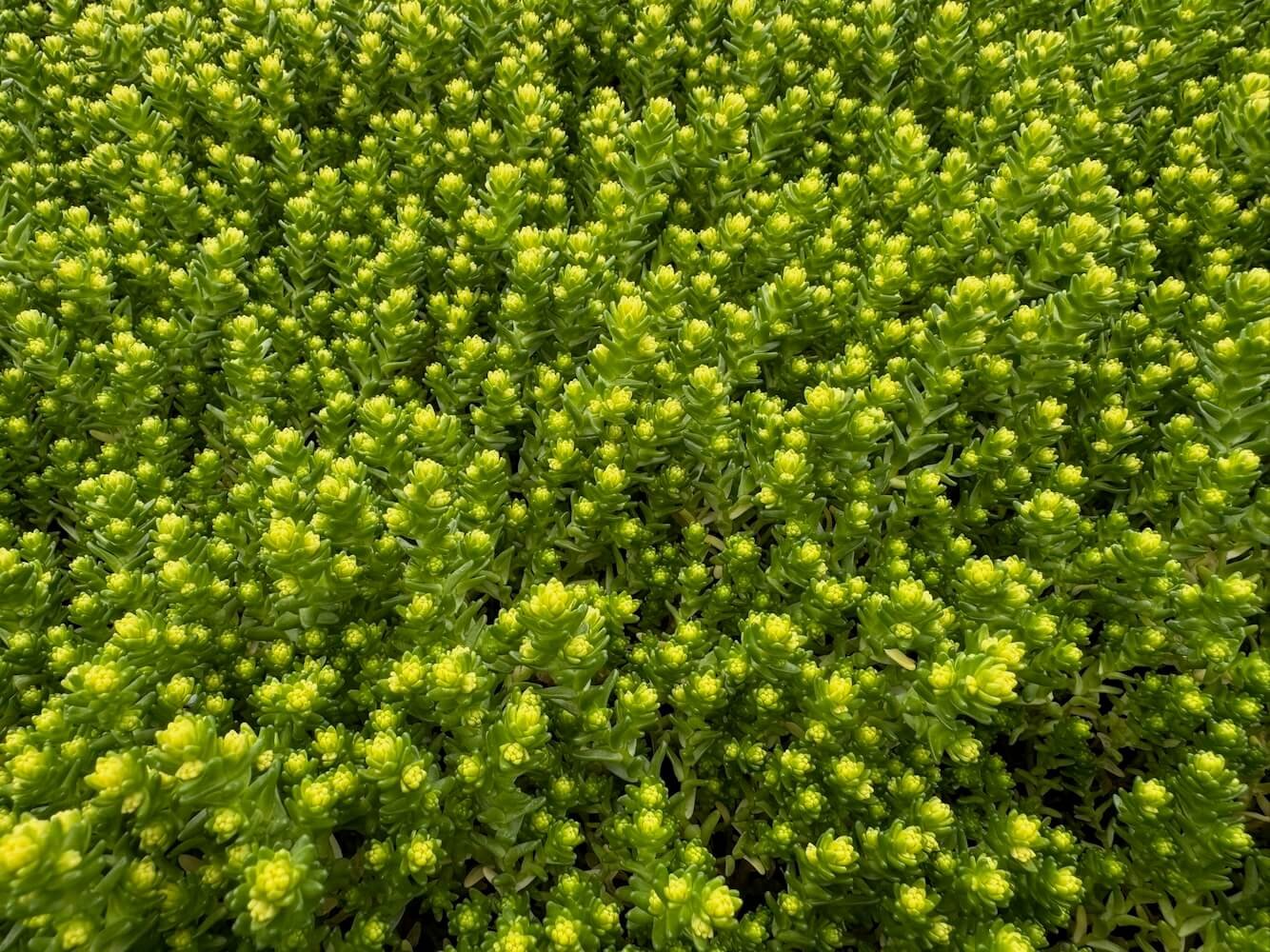
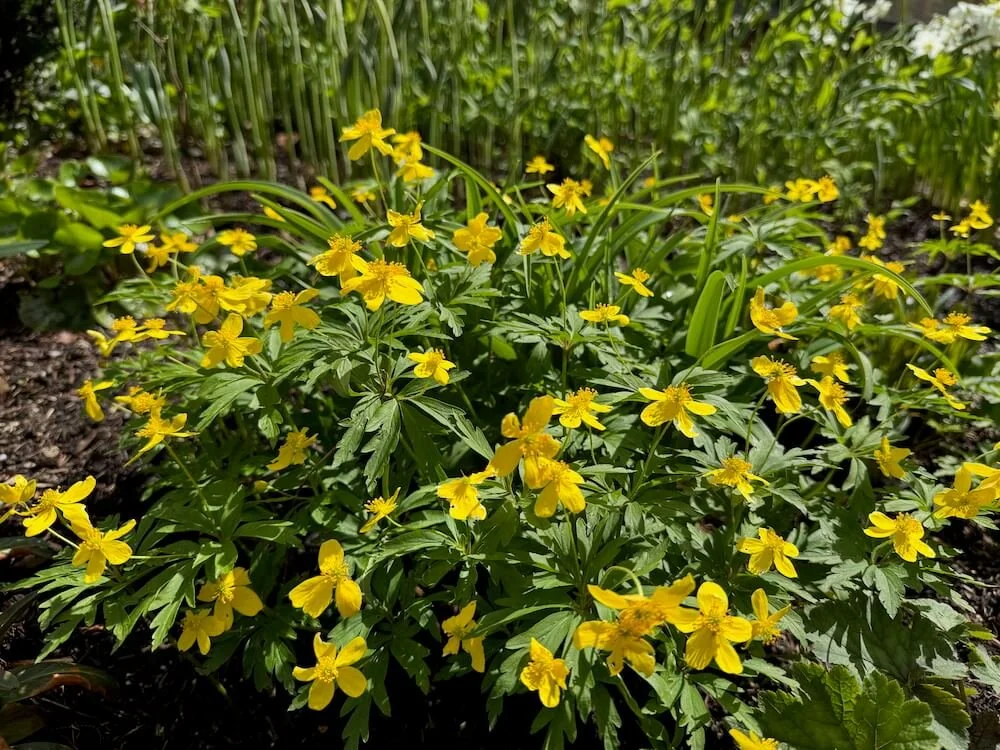
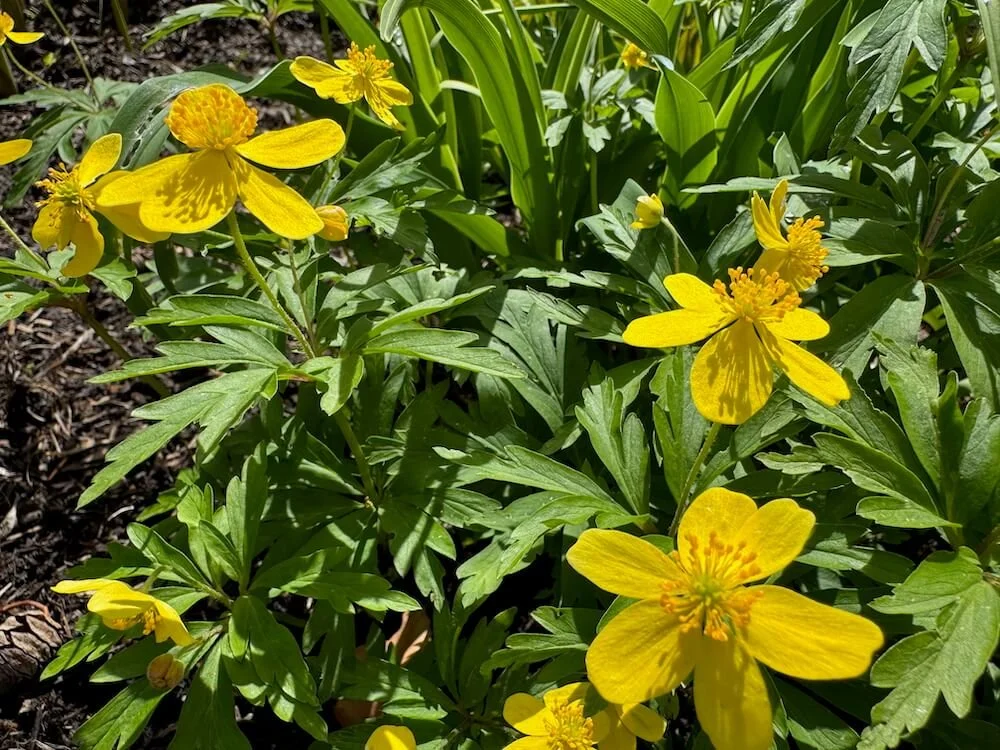
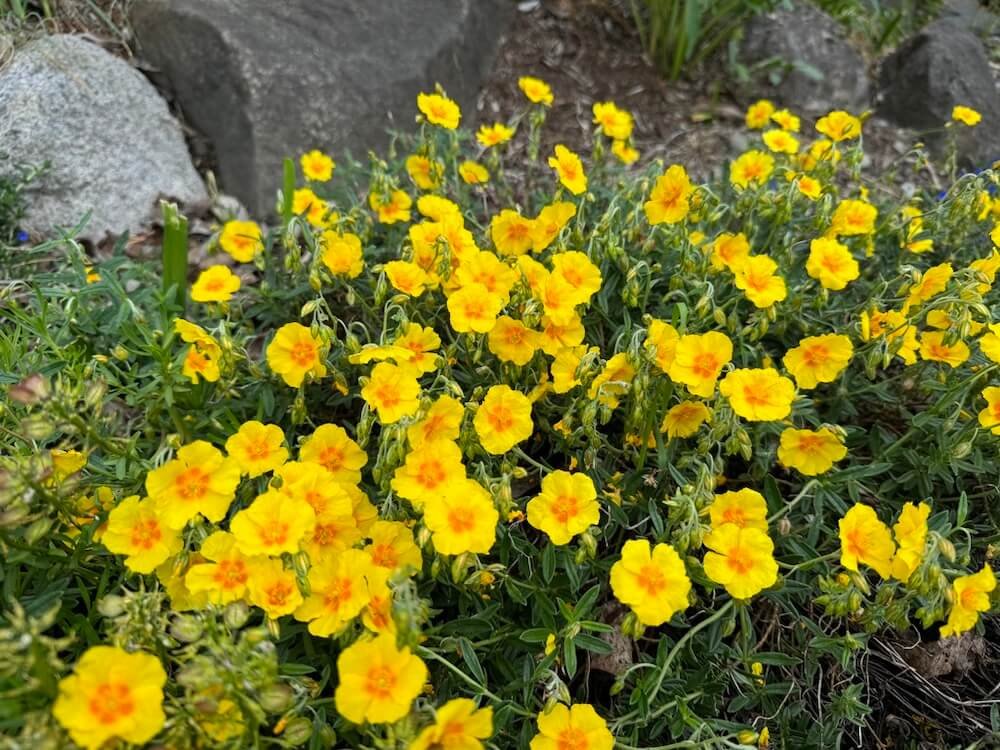
 Image 1 of 3
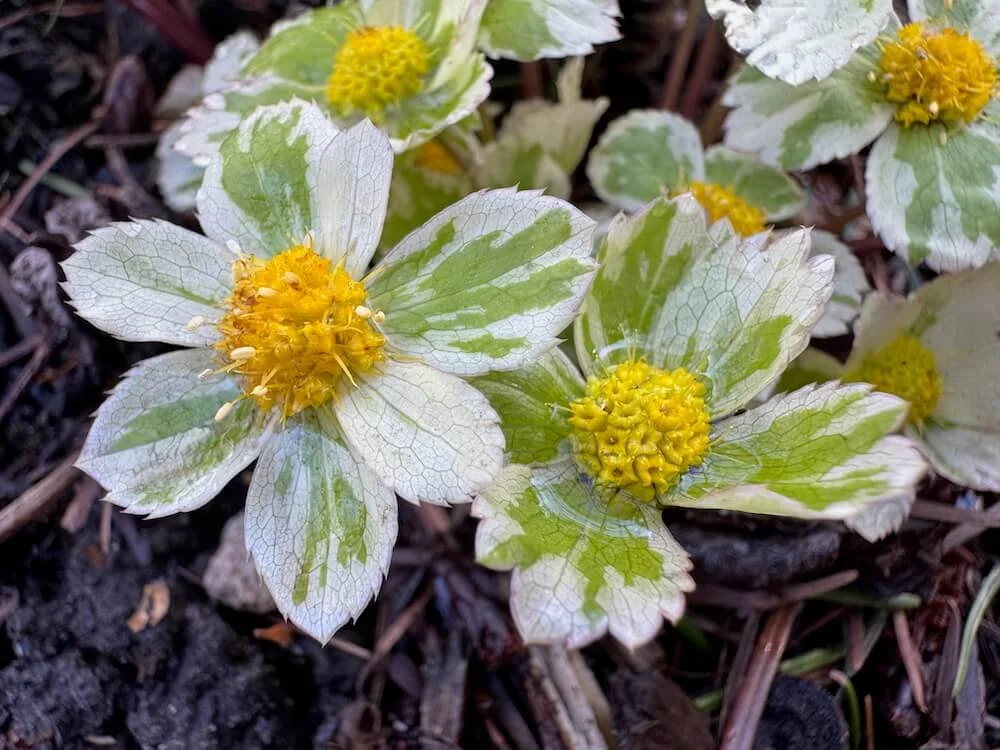 Image 2 of 3
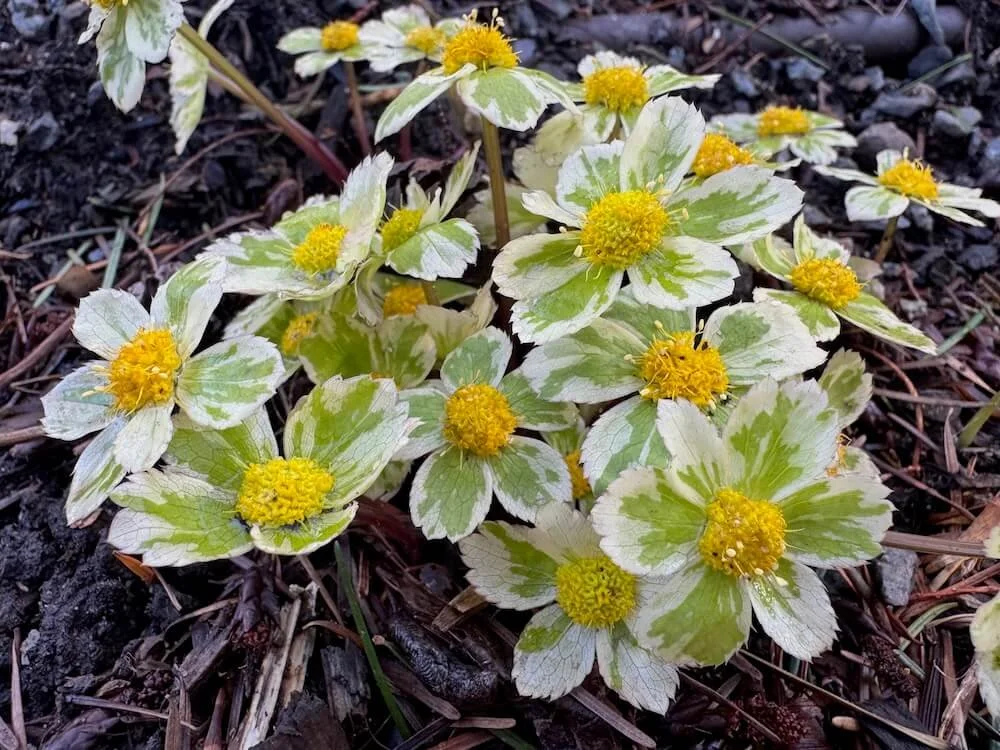 Image 3 of 3
-
Family: Apiaceae
Height: 6 to 10 in
Width: 10 to 14 in
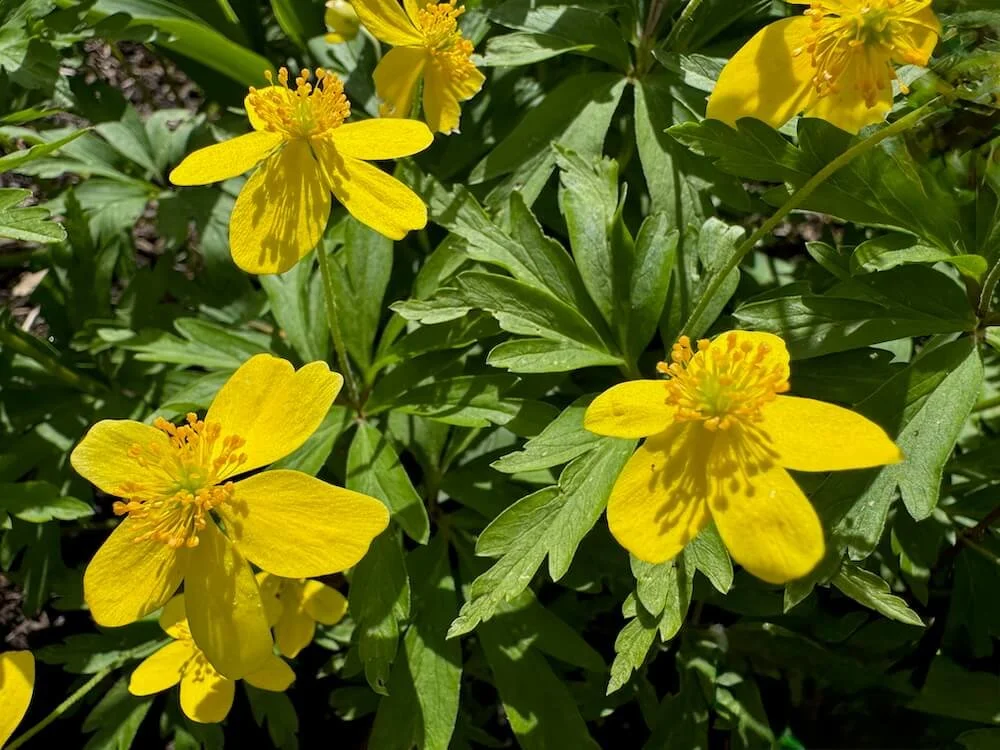
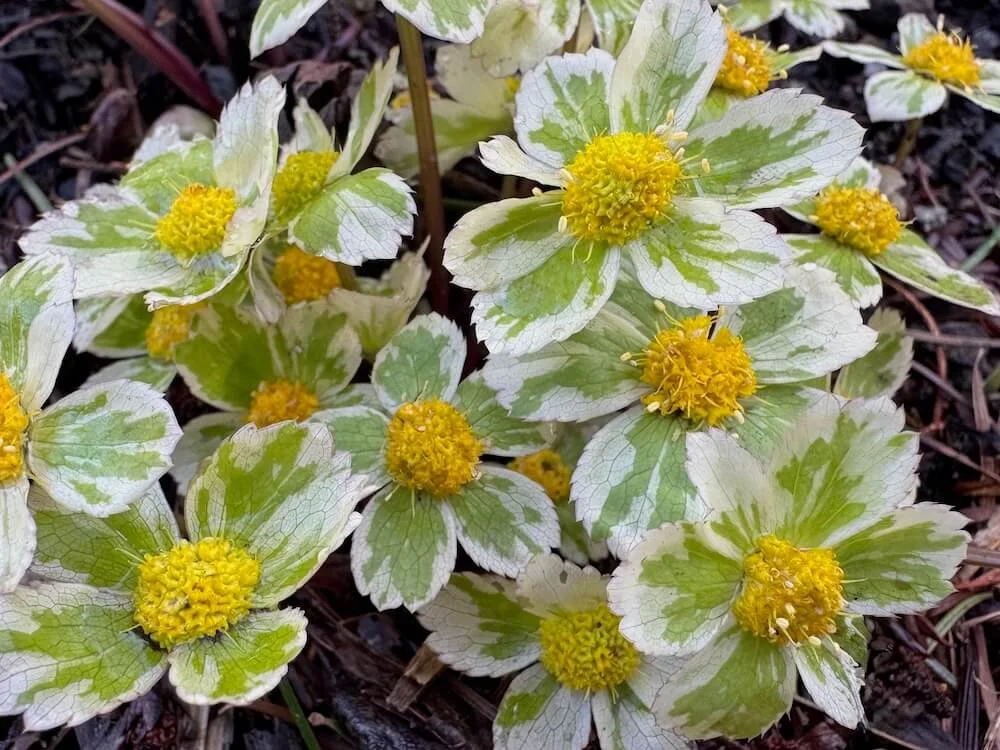
Foliage color: Glossy, medium green leaves, often with subtle mottling; foliage forms a low, spreading clump
Flower color: Small, true flowers are bright yellow and tightly clustered in rounded umbels, surrounded by large, daisy-like variegated cream-white bracts
Bloom time: Early to mid spring
Light requirements: Partial shade to full shade
Water requirements: Moderate
Maintenance: Low; remove spent flower stems after bloom to maintain appearance; spreads slowly by self-seeding
Growing zone: USDA zones 5 to 8
Wildlife attractors: Early-season pollinators, including bees and beneficial insectsThis plant can be seen at the Bellevue Botanical Garden.
-
Works Well In:
● Woodland Gardens
● Borders
● Pollinator Gardens
● Under TreesCompanion Plants:
Brunneras Skimmias
Epimedium Blechnums
Cyclamen HelleboresDesign Tip:
Position this distinctive woodland perennial where its patterned bracts can be admired up close along shaded paths or borders. Layer evergreen shrubs, contrasting foliage, and finely textured companions to create depth, visual rhythm, and a refined spring woodland display.