Sedum telephium 'Marina' | Marina Sedum

$0.00

DESCRIPTION
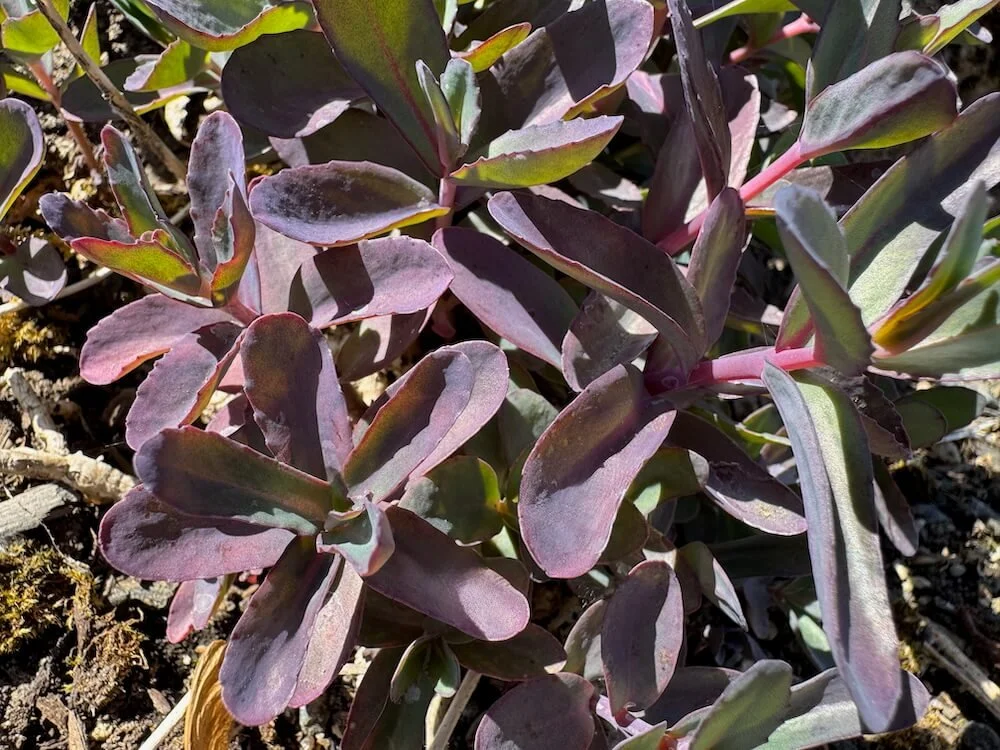
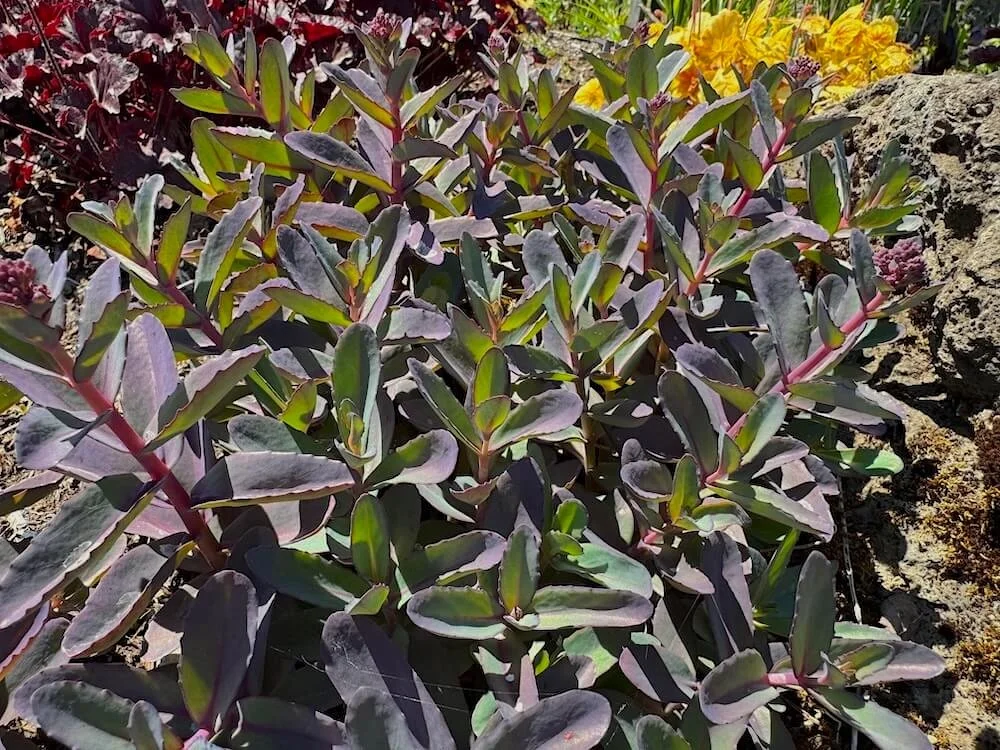
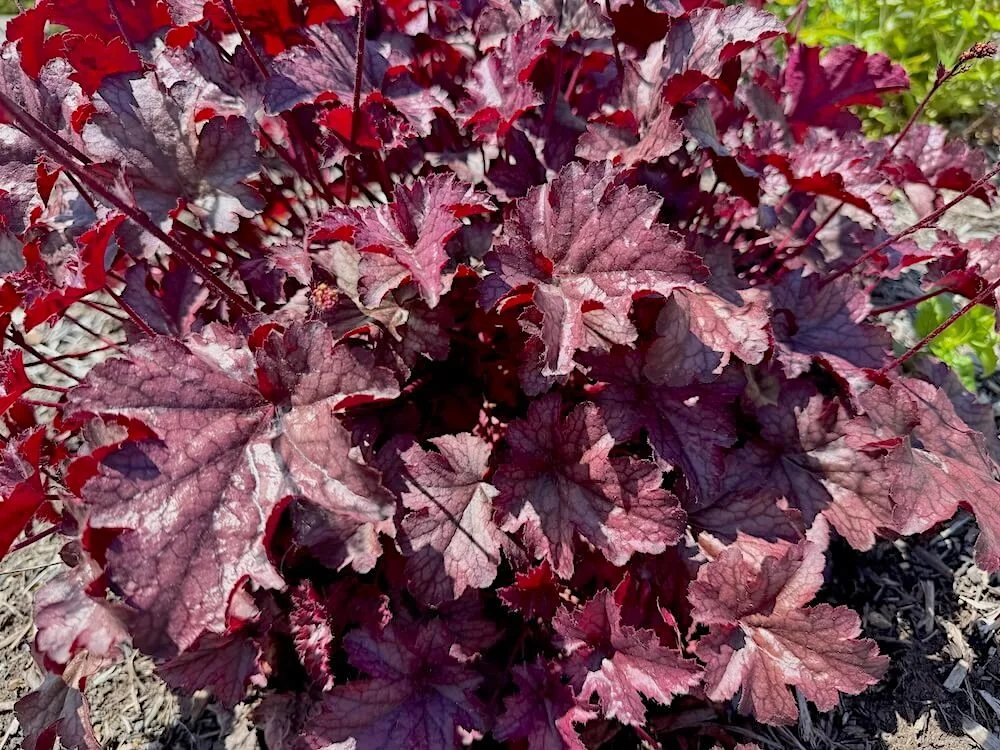
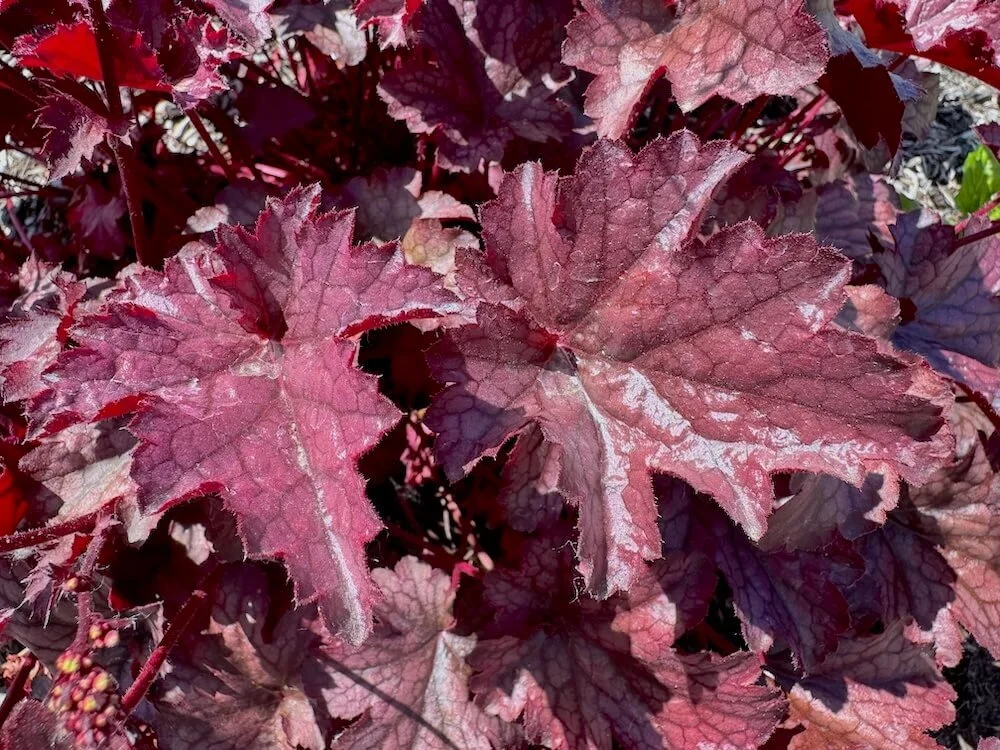
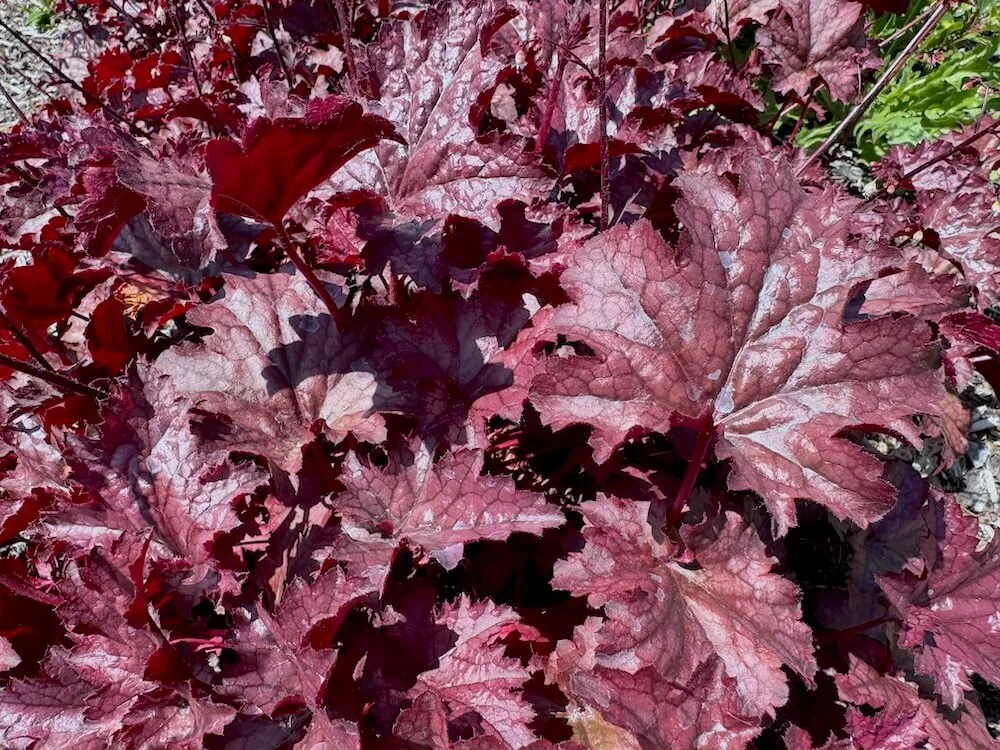
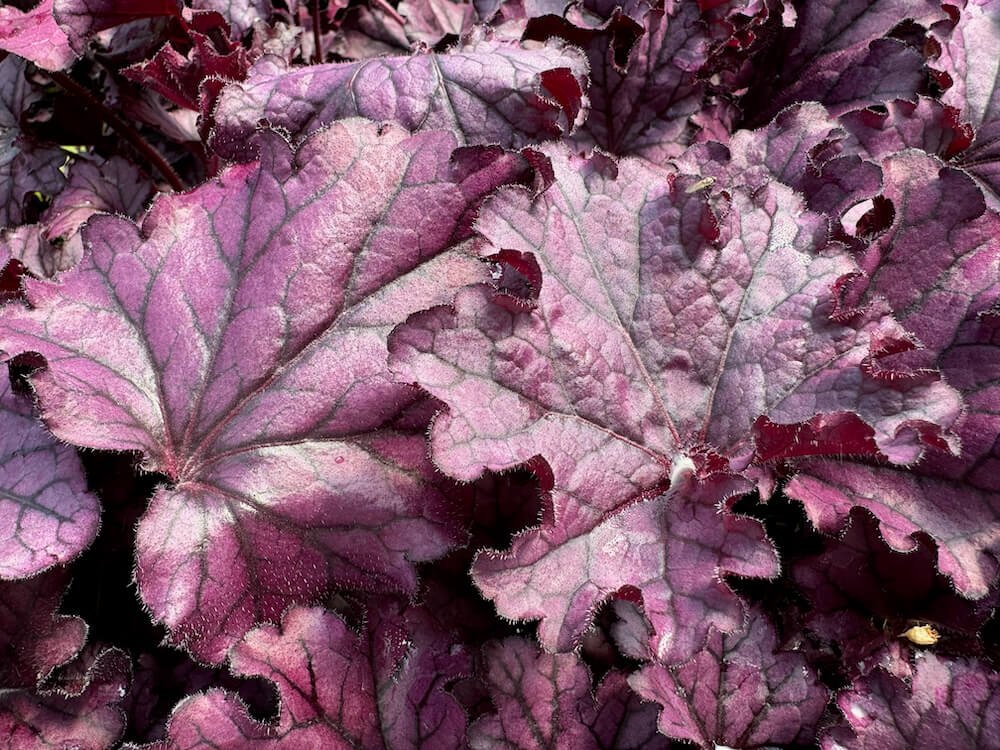
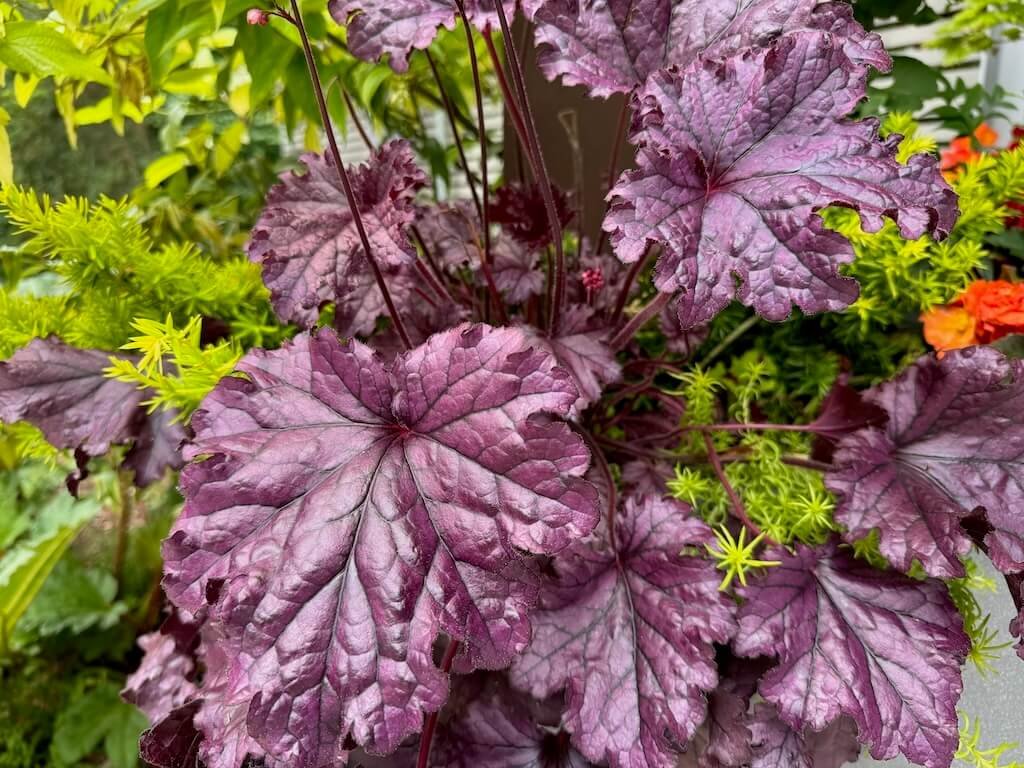
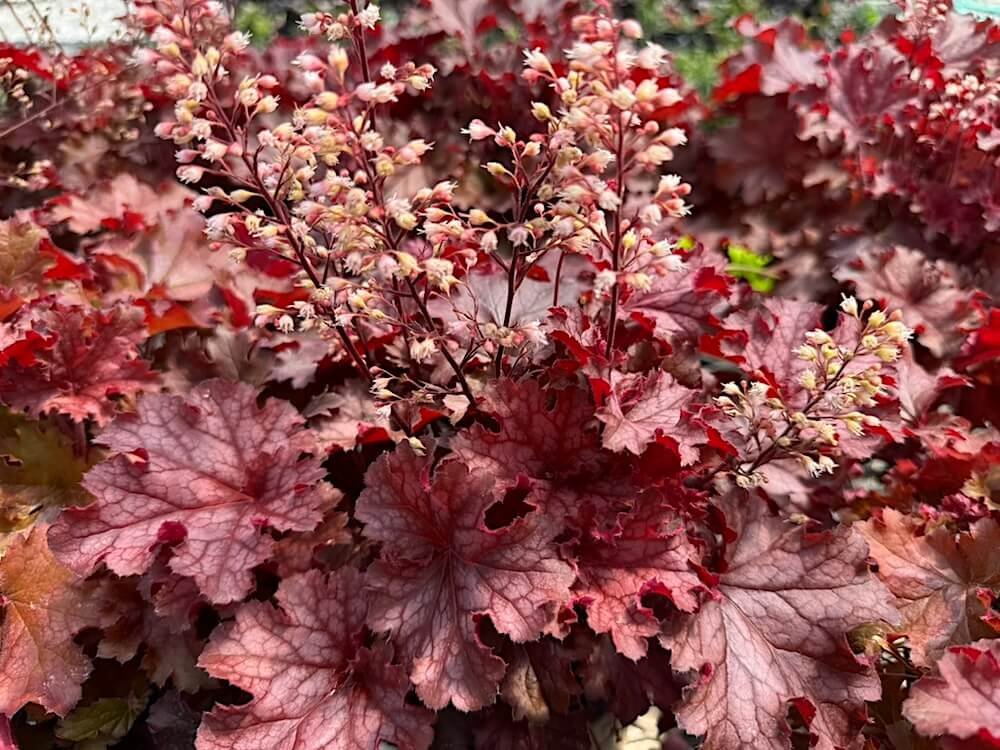
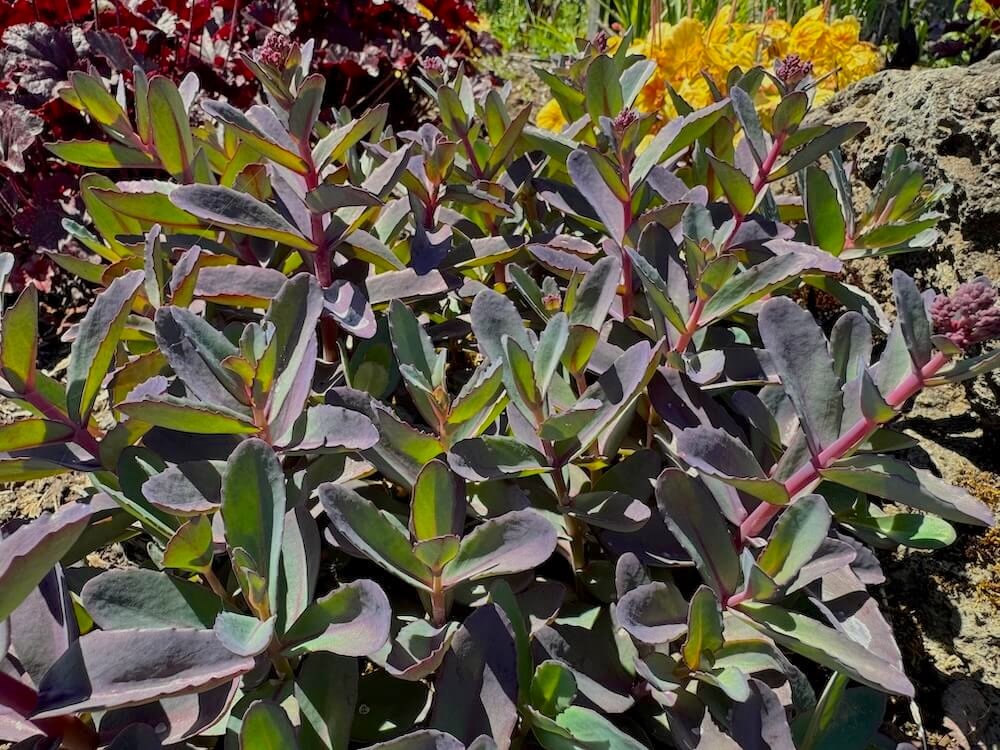
Sedum telephium ‘Marina’ develops sturdy stems topped with dense clusters of soft rose-pink flowers that open in late summer and continue into early fall. The broad, fleshy leaves emerge deep burgundy to purple and hold their rich color through the season, providing a strong visual anchor before the blooms appear. Bred in Europe as part of modern stonecrop selections, this cultivar is appreciated for dependable flowering and long-lasting ornamental appeal.

In garden settings, ‘Marina’ fits easily into borders, mixed perennial beds, and cutting gardens where its late-season flowers extend color well into autumn. It also works effectively in mass plantings and as a structural accent in sunny beds, bringing steady form and interest from midsummer onward.

DESCRIPTION
Sedum telephium ‘Marina’ develops sturdy stems topped with dense clusters of soft rose-pink flowers that open in late summer and continue into early fall. The broad, fleshy leaves emerge deep burgundy to purple and hold their rich color through the season, providing a strong visual anchor before the blooms appear. Bred in Europe as part of modern stonecrop selections, this cultivar is appreciated for dependable flowering and long-lasting ornamental appeal.

In garden settings, ‘Marina’ fits easily into borders, mixed perennial beds, and cutting gardens where its late-season flowers extend color well into autumn. It also works effectively in mass plantings and as a structural accent in sunny beds, bringing steady form and interest from midsummer onward.

 
  • Family: Crassulaceae
    Height: 18 to 24 in
    Width: 18 to 24 in
    Foliage color: Burgundy-purple to blue-gray, thick succulent leaves with a soft, powdery bloom
    Flower color: Dusky rose-pink to soft mauve flower clusters that deepen slightly as they mature
    Bloom time: Late summer to early fall
    Light requirements: Full sun
    Water requirements: Low to moderate moisture
    Maintenance: Very low, cut back spent flower stems in late fall or early spring, divide clumps if centers thin with age
    Growing zone: USDA zones 3 to 9
    Wildlife attractors: Bees, butterflies, late-season pollinators

    Print Information

    Buy Plants