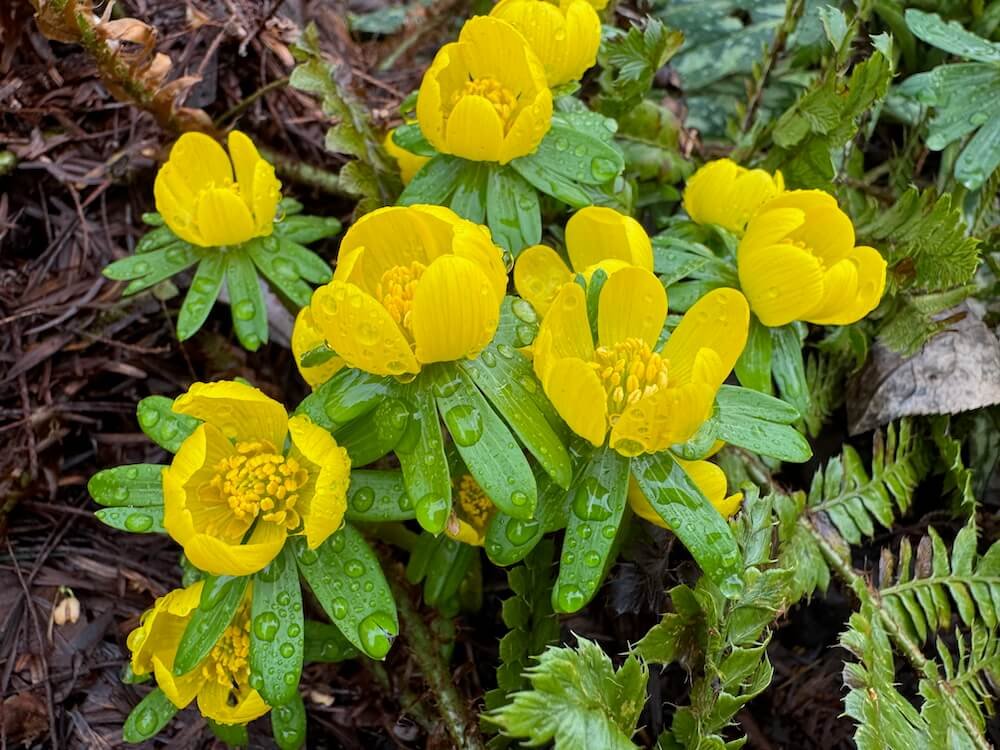
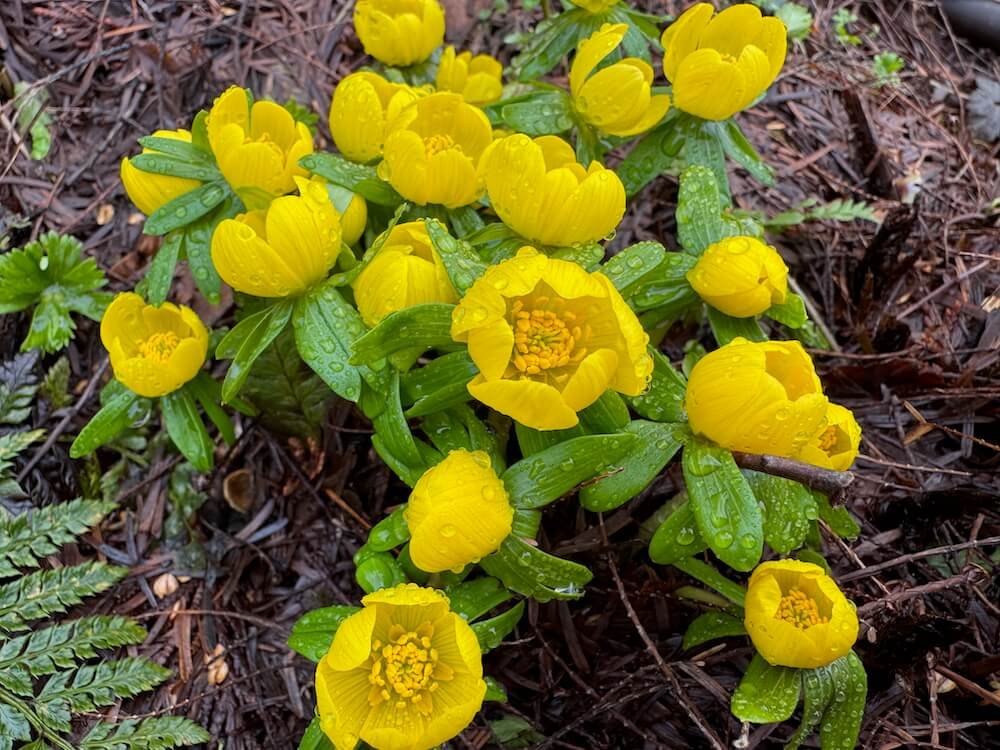
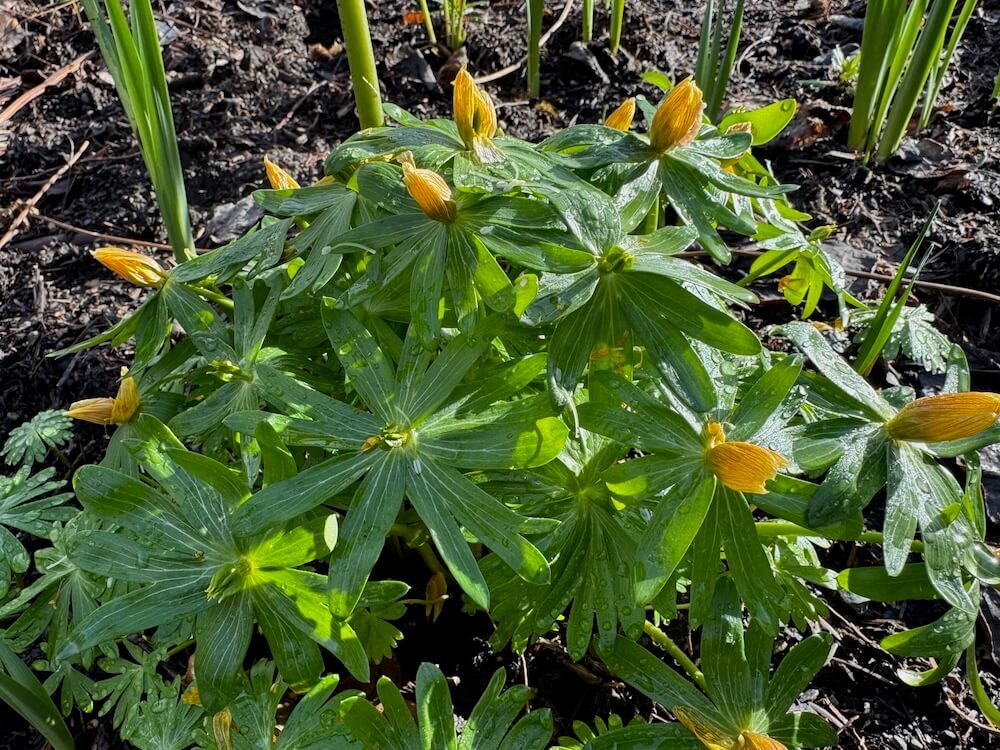
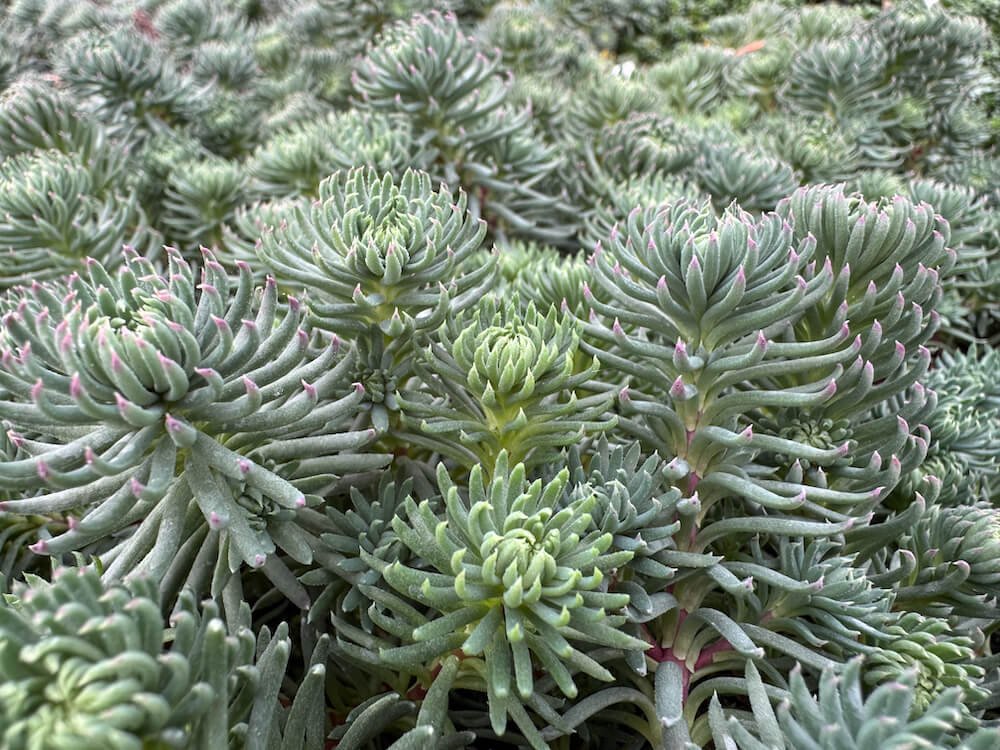
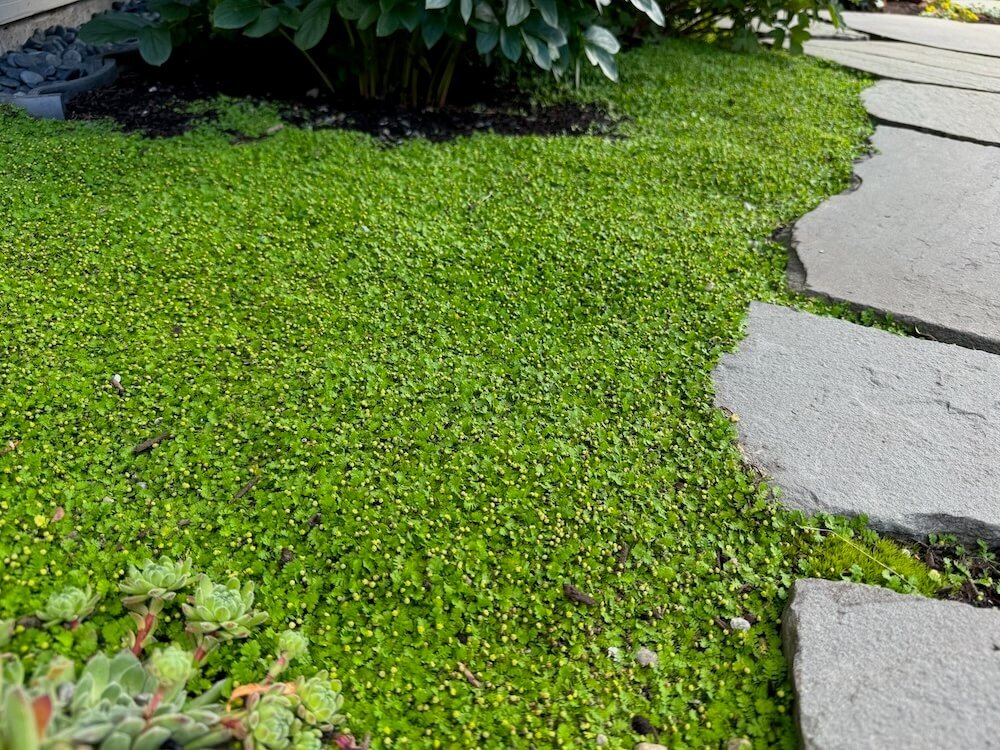
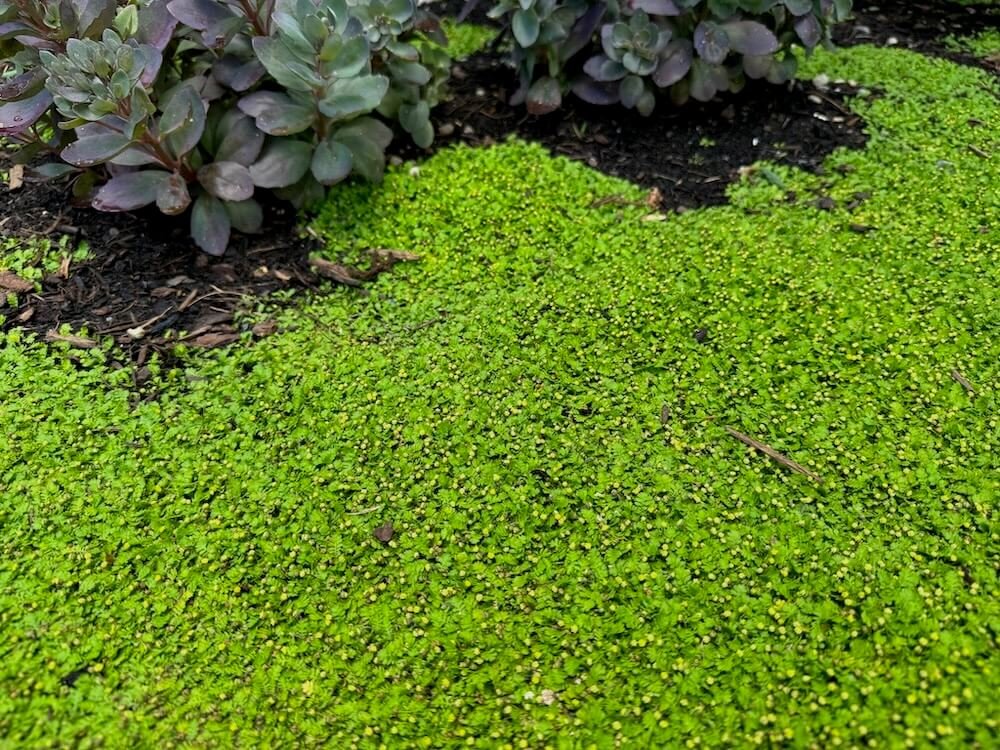
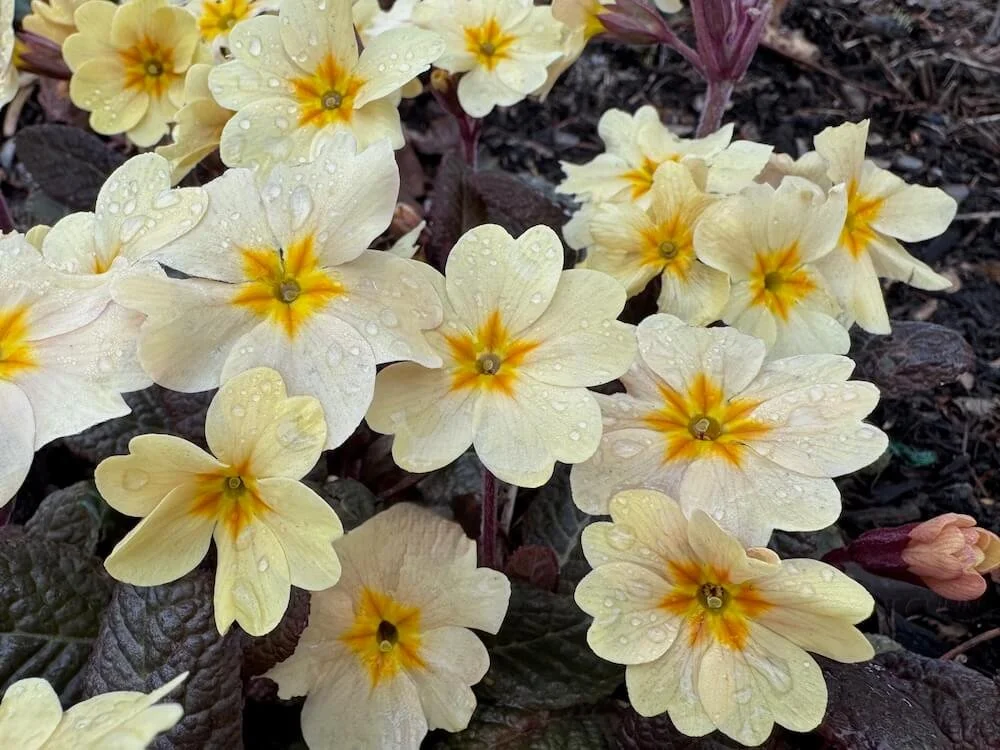
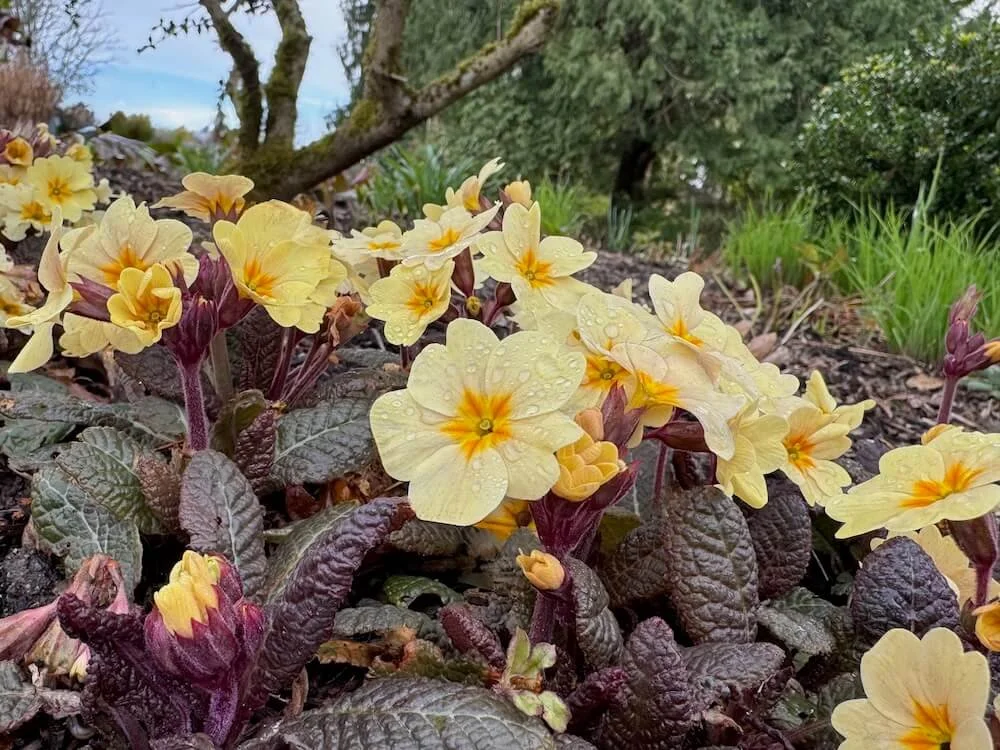
 Image 1 of 5
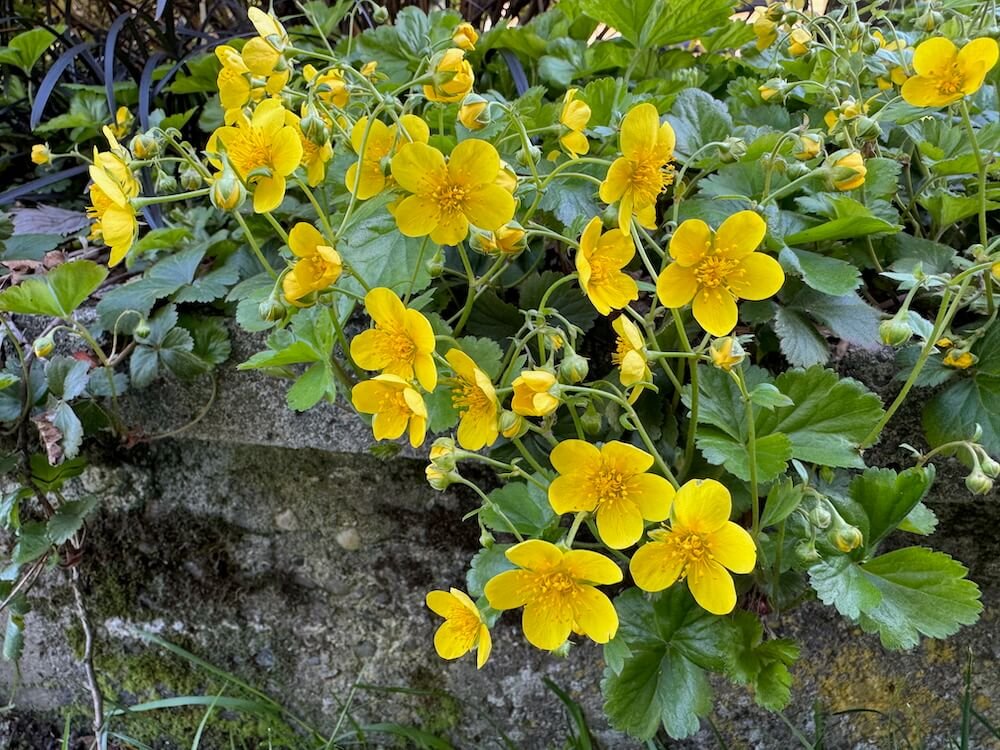 Image 2 of 5
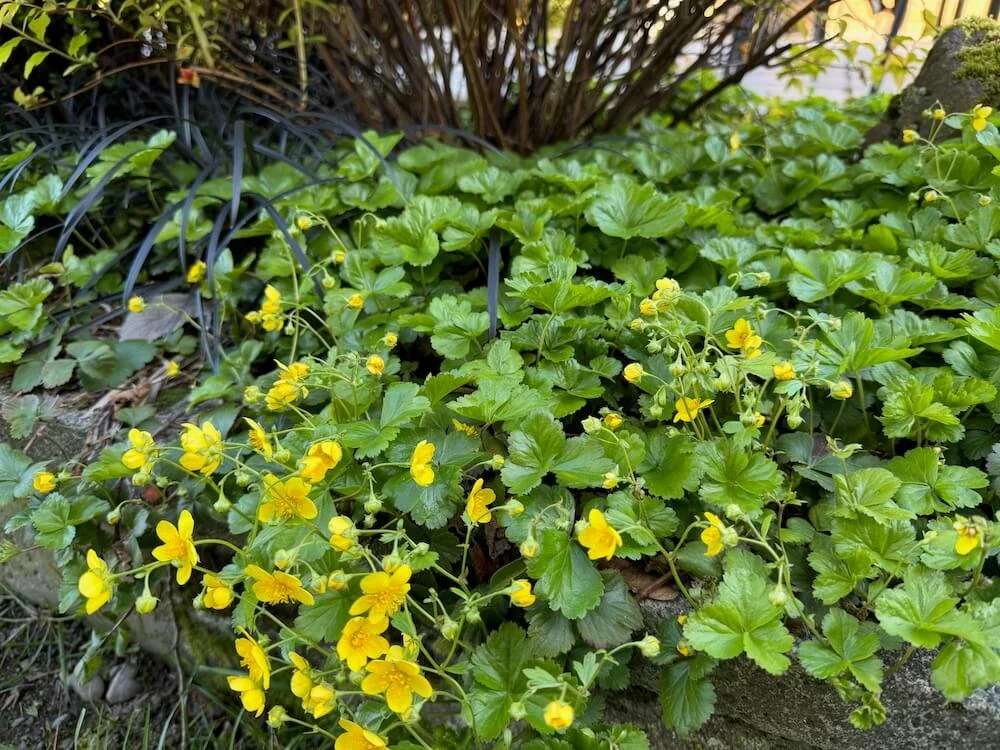 Image 3 of 5
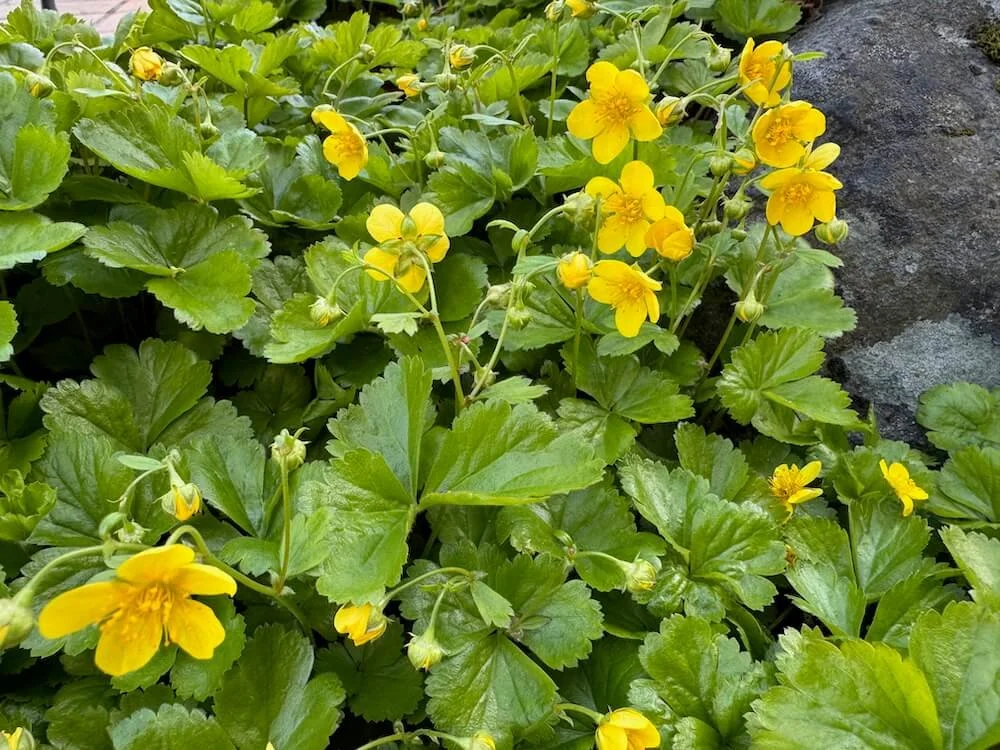 Image 4 of 5
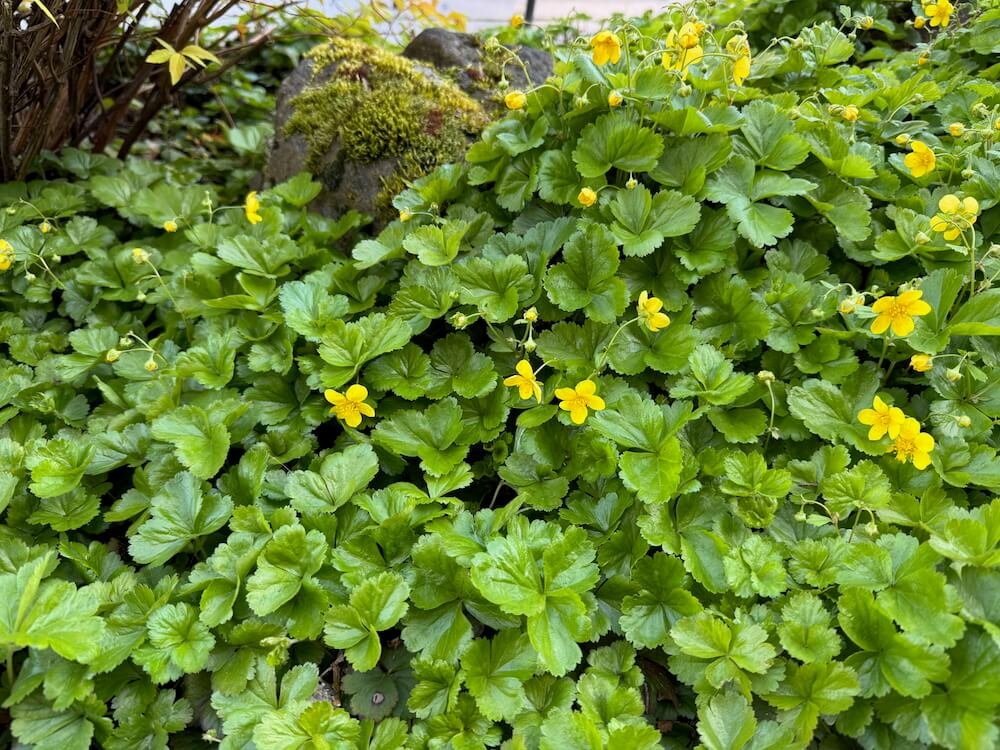 Image 5 of 5
-
Family: Rosaceae
Height: 4 to 6 in
Width: 12 to 24 in
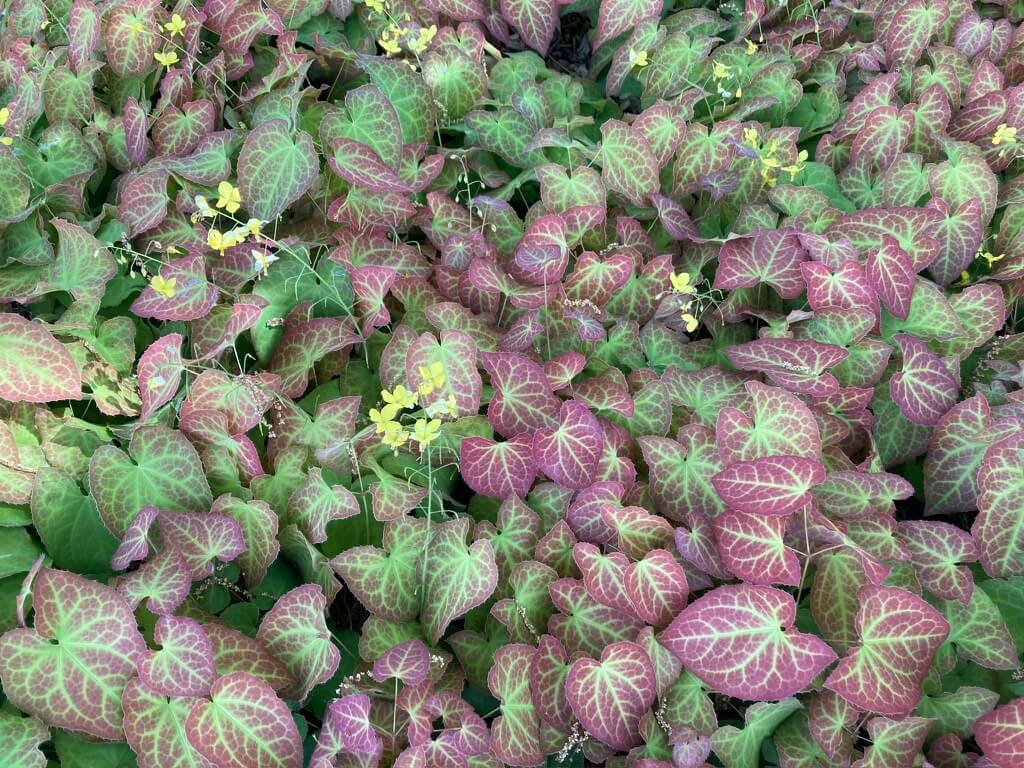
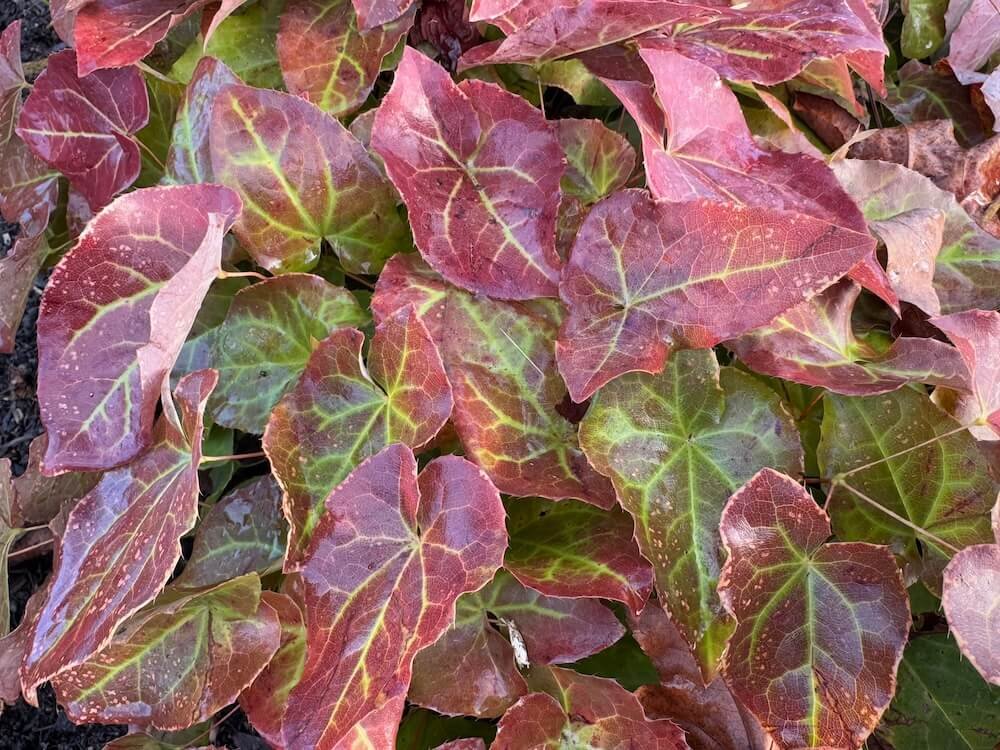
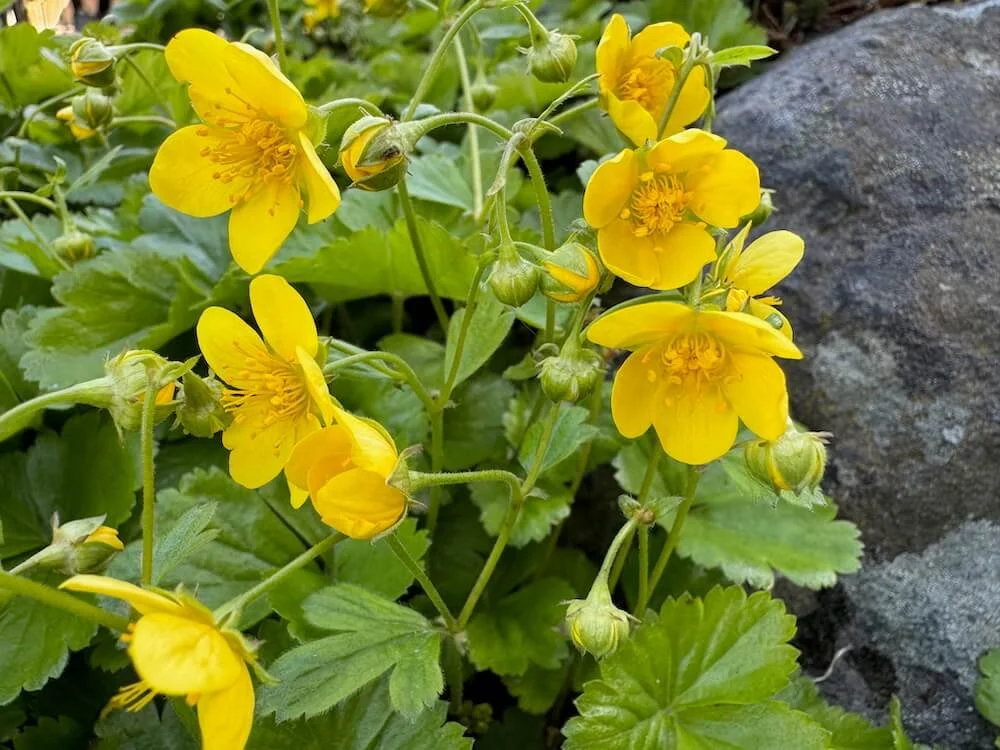
Foliage color: Glossy, trifoliate leaves in deep green, often remaining evergreen in mild climates and taking on bronze tones in winter
Flower color: Clear, bright yellow with five rounded petals surrounding a small golden center
Bloom time: Mid to late spring
Light requirements: Partial shade to full shade
Water requirements: Moderate
Maintenance: Low; spreads gradually by runners and benefits from occasional thinning
Growing zone: USDA zones 4 to 8
Wildlife attractors: Bees and other early-season pollinatorsThis plant can be seen at the Bellevue Botanical Garden.
-
Works Well In:
● Woodland Gardens
● Under Trees
● Pathways & Walkways
● Pollinator GardensCompanion Plants:
Acorus Skimmias
Astilbes Blechnums
Carexes HeucherasDesign Tip:
Use broad drifts to create a seamless transition between shrubs, trees, and taller woodland perennials. The glossy foliage provides a consistent foundation, while bright spring flowers illuminate shaded spaces and guide the eye naturally through the landscape.