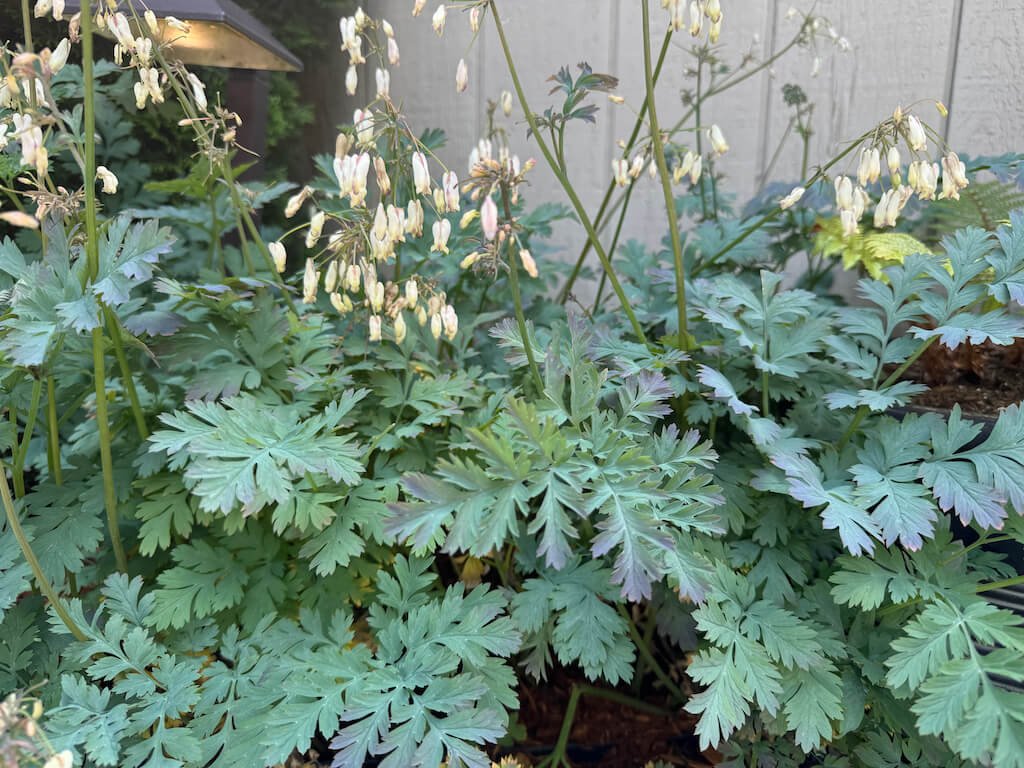
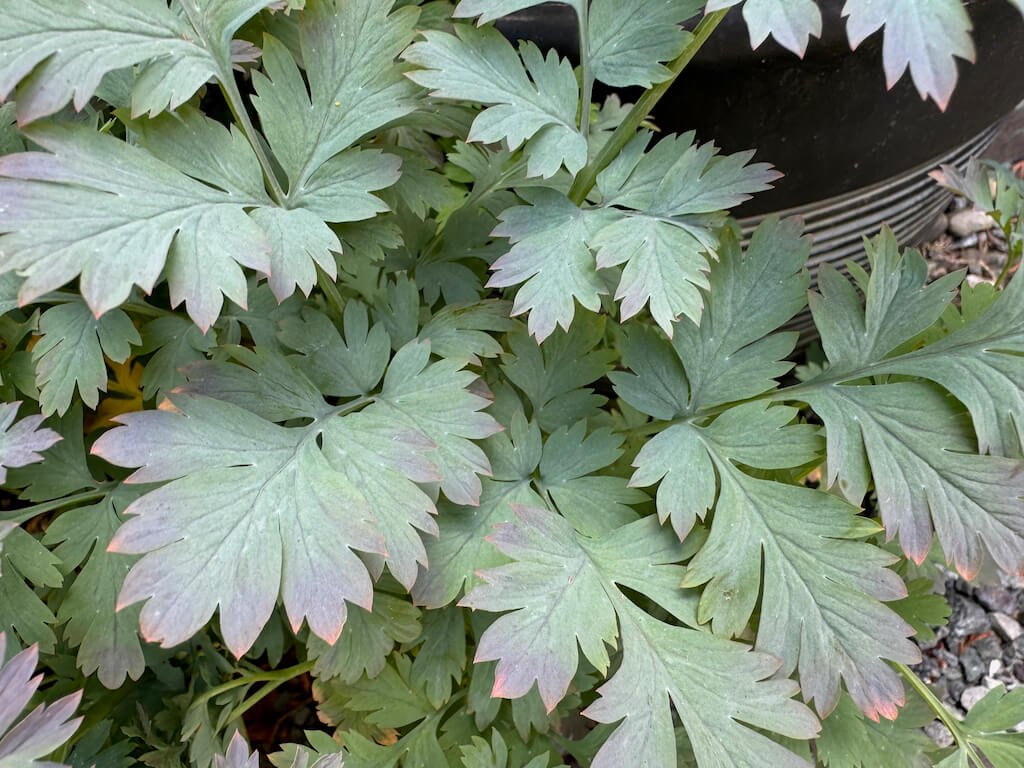
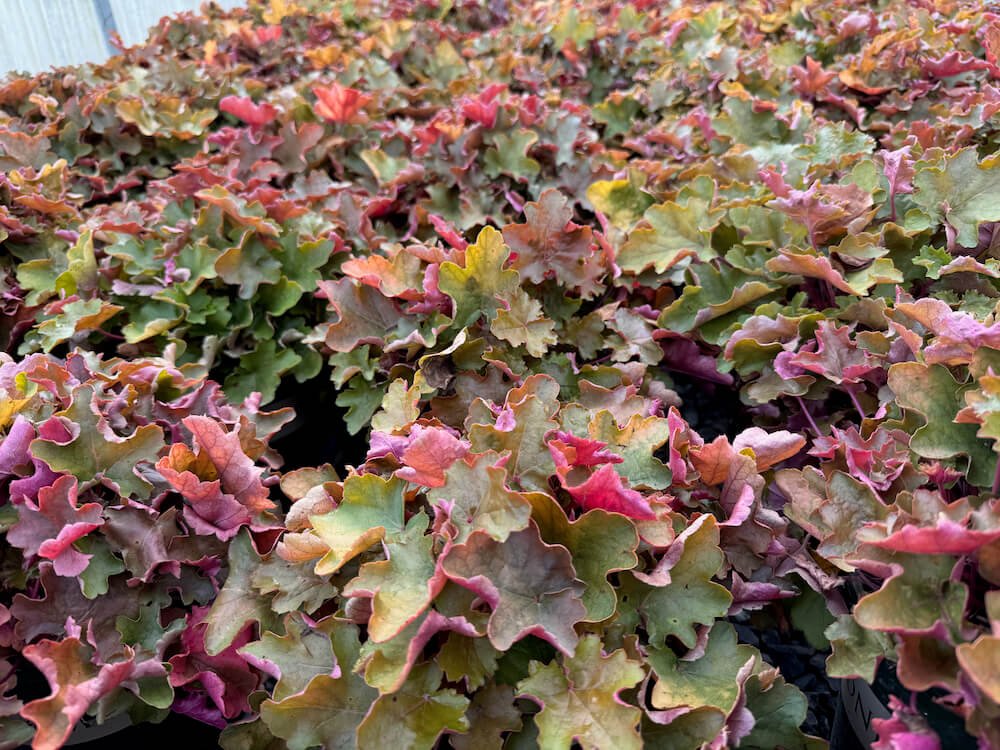
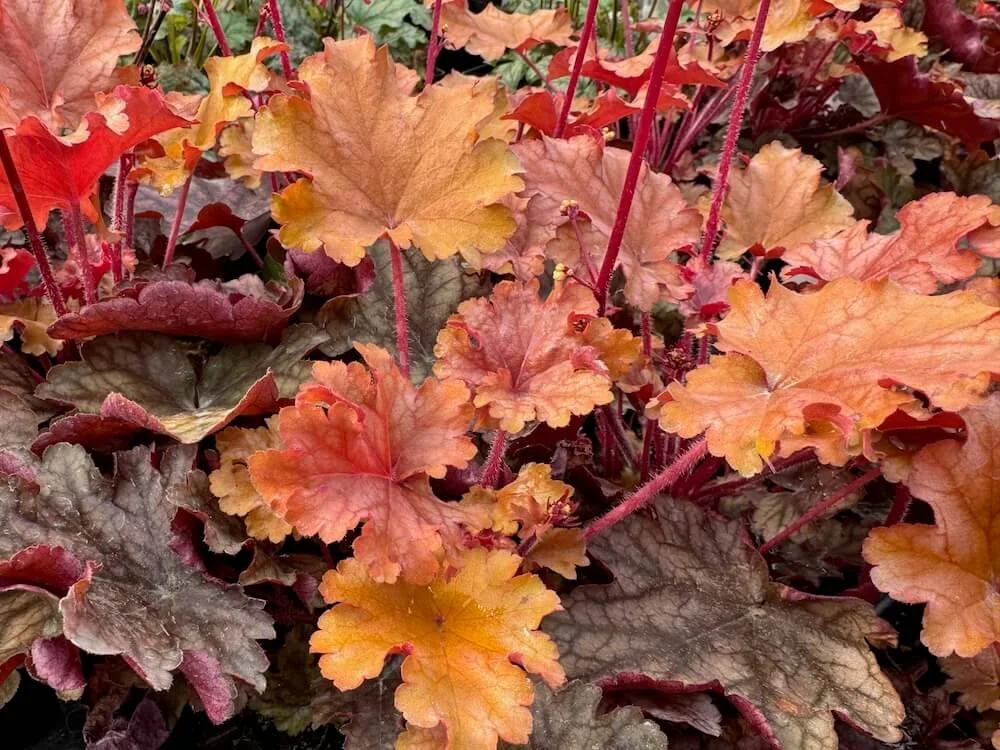
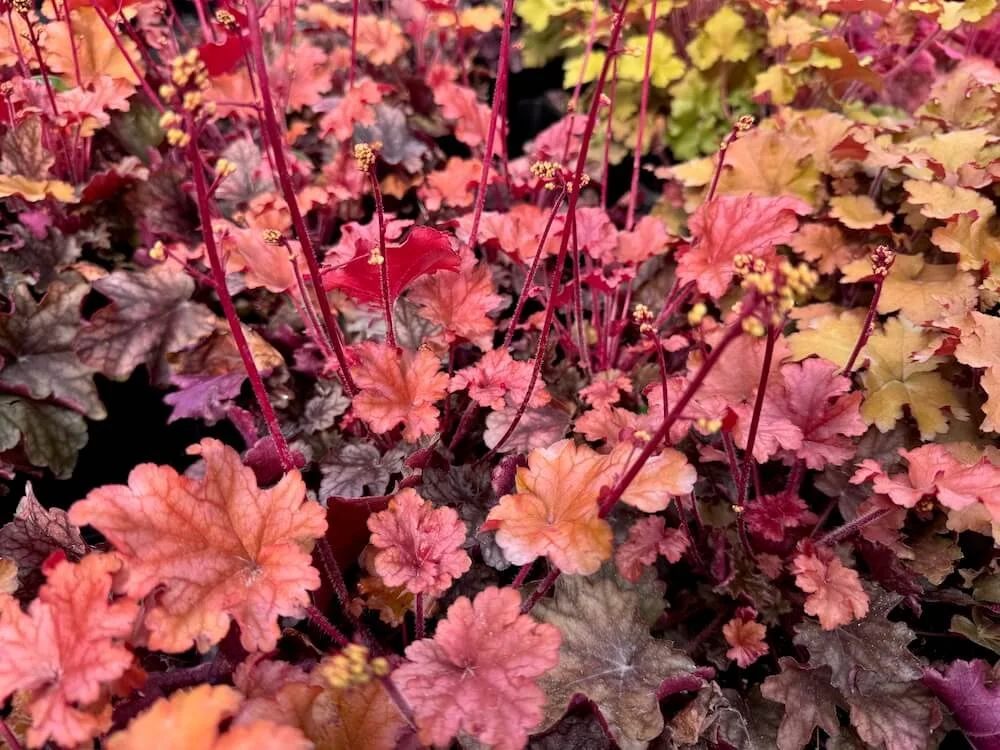
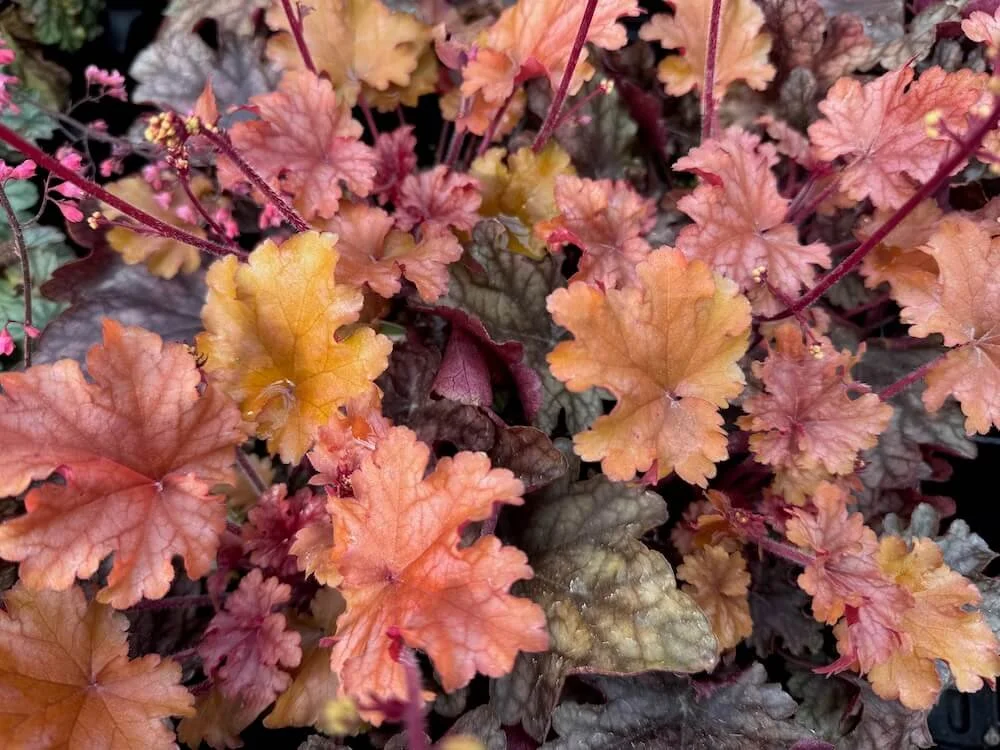
 Image 1 of 2
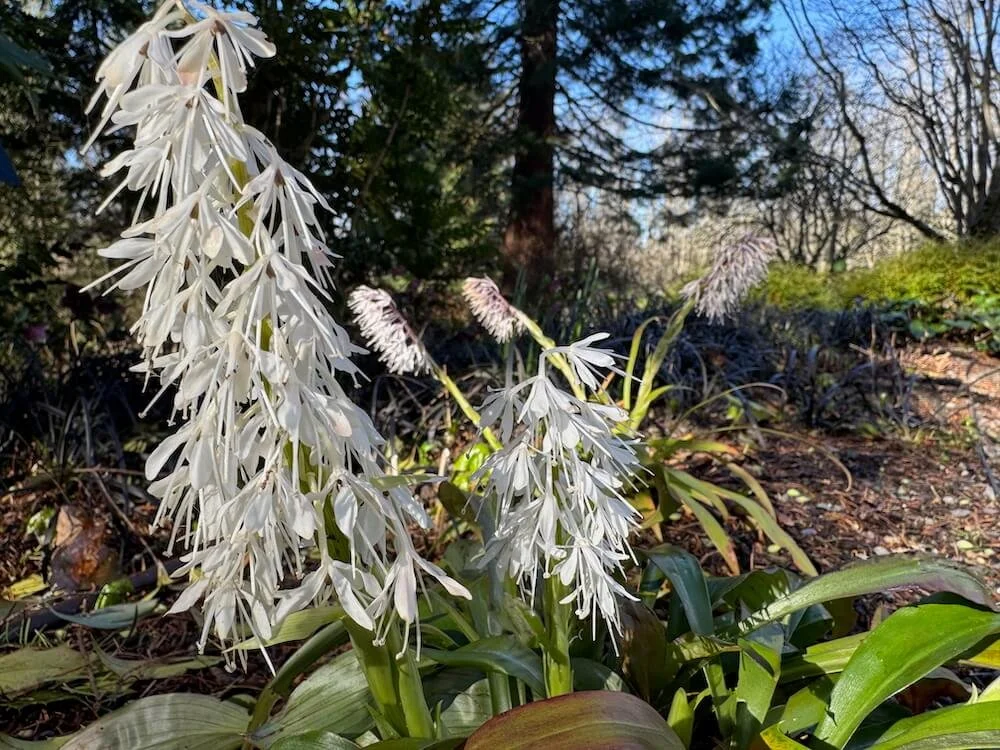 Image 2 of 2
-
Family: Asparagaceae
Height: 12 to 18 in
Width: 12 to 24 in
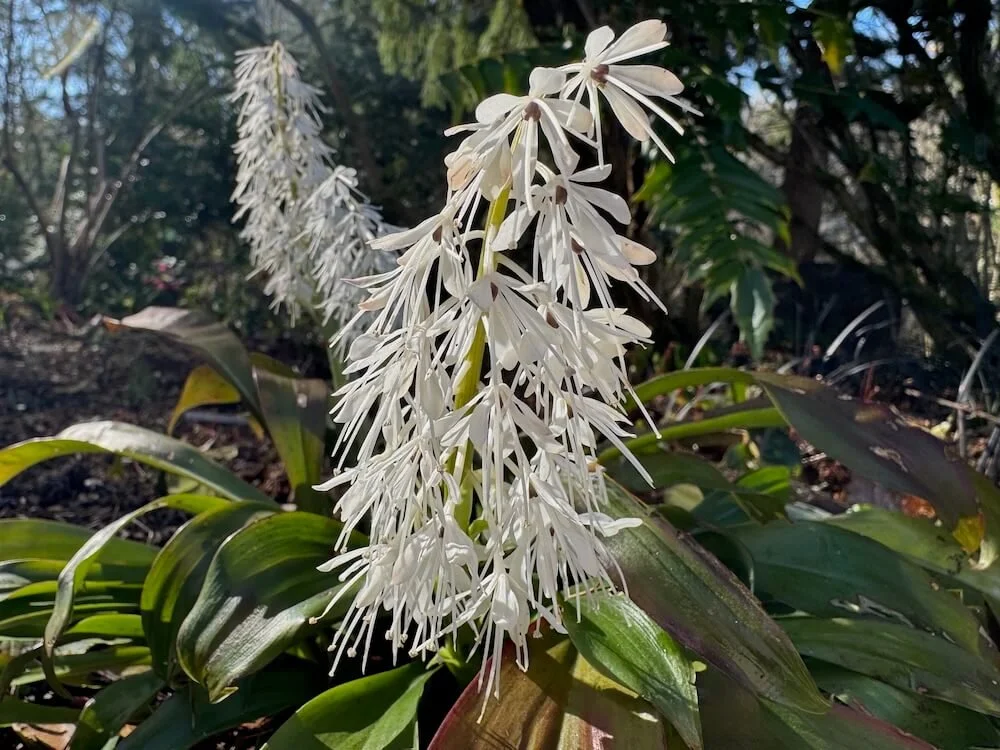
Foliage color: Evergreen, strap-like leaves in deep glossy green, forming a tidy clump
Flower color: Upright spikes of small, starry creamy white blossoms with subtle fragrance
Bloom time: Late winter to early spring
Light requirements: Partial shade to full shade
Water requirements: Moderate
Maintenance: Low; remove spent flower spikes and trim damaged foliage as needed
Growing zone: USDA zones 6 to 9
Wildlife attractors: Early pollinators such as small beesThis plant can be seen at the Bellevue Botanical Garden.
-
Works Well In:
● Woodland Gardens
● Under Trees
● Borders
● Pollinator GardensCompanion Plants:
Ajugas Leucothoes
Brunneras Autumn ferns
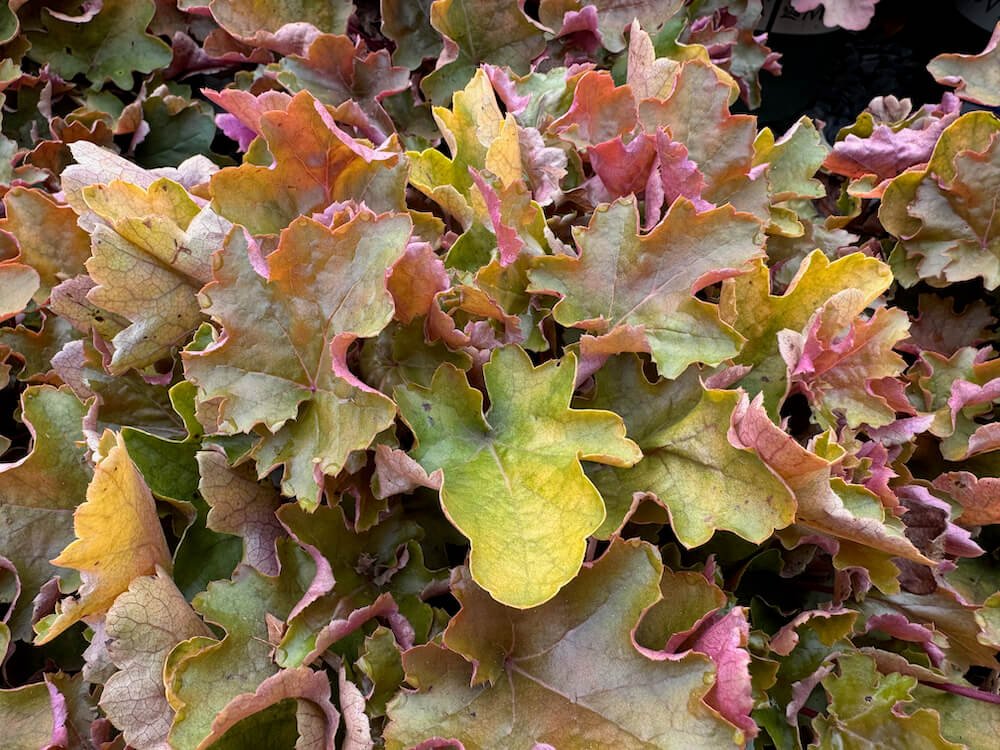
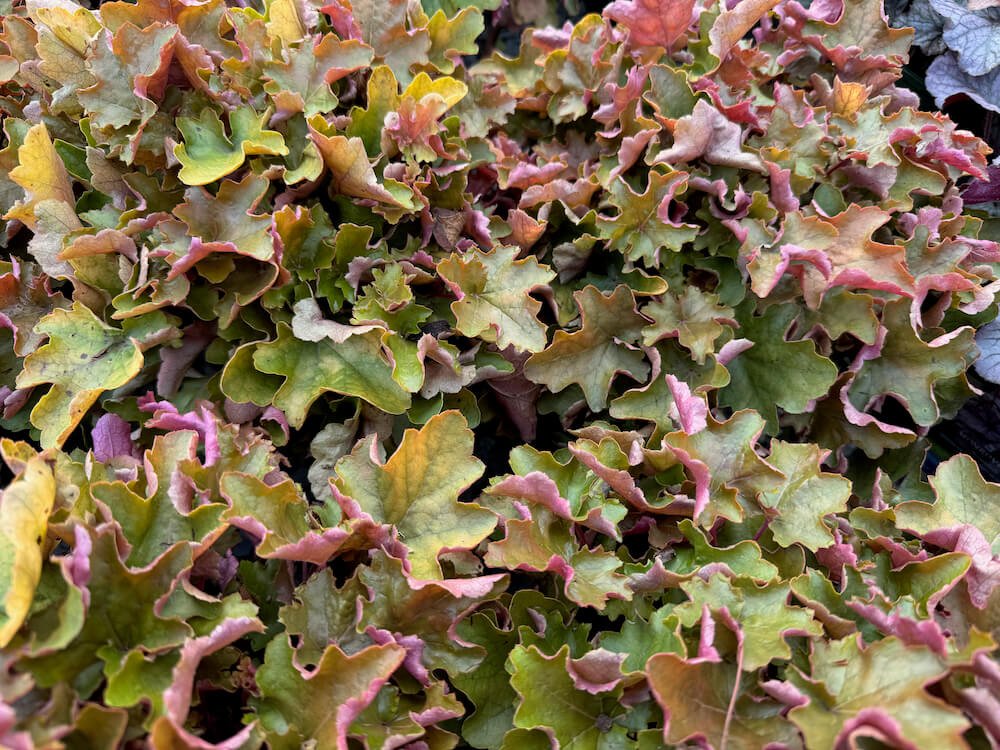
Tiarellas HelleboresDesign Tip:
Use upright flower spikes to introduce vertical rhythm among broad-leaved woodland perennials and low groundcovers. Repeat clumps along shaded pathways to create a graceful sequence that adds structure, texture, and subtle seasonal highlights without overwhelming neighboring plants.