COMPLETE GUIDE
TO DAHLIAS
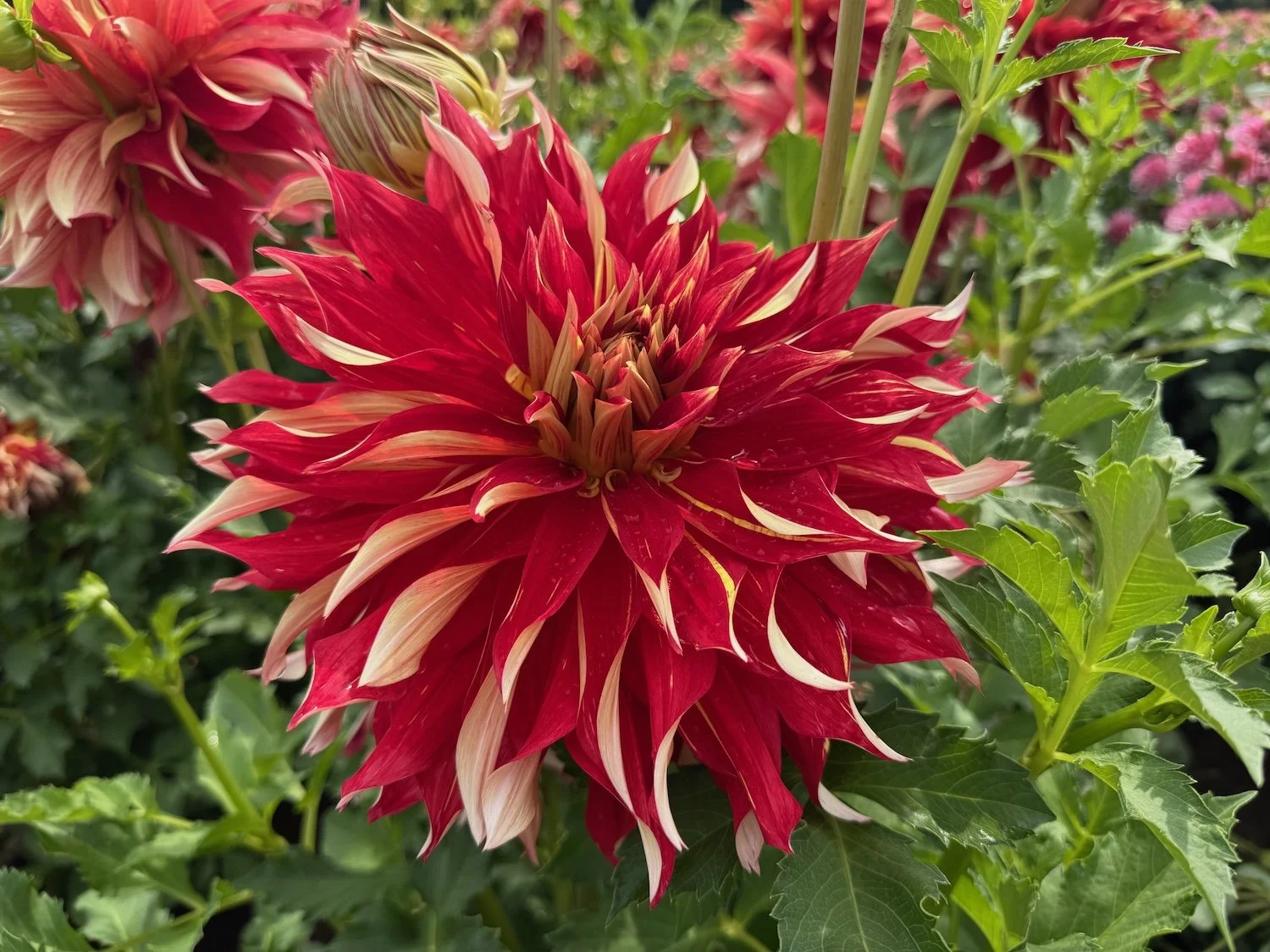
Dahlias are native to the mountainous regions of Mexico and Central America, where they were cultivated for ornamental and medicinal use. Introduced to Europe in the late 18th century, they quickly gained popularity for their vivid colors and wide range of flower forms, leading breeders to develop thousands of cultivars. Today, dahlias are valued for their diversity, with blooms ranging from compact pompons to expansive dinnerplate flowers, displaying petals in everything from soft pastels to bold color combinations. Their long blooming season and strong visual presence continue to secure their place among the most popular ornamental flowers.
GROWING DAHLIAS
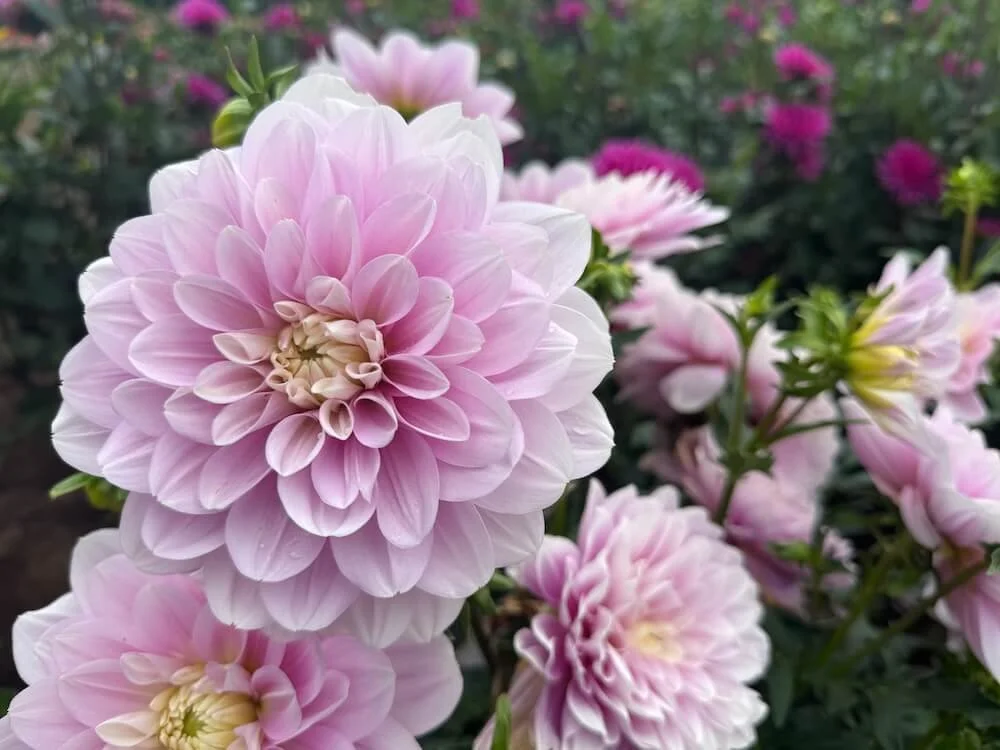
Dahlias reward gardeners with months of flowers, but strong performance begins with proper timing and planting conditions. Warm soil, abundant sunlight, and good drainage help establish healthy plants that produce stronger stems, larger flowers, and heavier bloom production. A little planning early in the season often makes a significant difference later.
When to plant:
Plant dahlia tubers after all danger of frost has passed and soil temperatures have warmed to approximately 60°F. In the Pacific Northwest and similar climates, planting often occurs from late April through early June, depending on weather and local conditions. Planting too early in cold, wet soil can delay growth and increase the risk of rot.
Where to plant:
Choose a location receiving 6–8 hours of direct sun daily, though additional sunlight often produces stronger stems and heavier flowering. Good airflow around plants helps reduce disease issues and promotes healthier growth throughout the season. Taller varieties also benefit from some protection from strong winds.
How to plant:
Plant tubers approximately 4–6 inches deep, positioning the eye upward or slightly angled. Space plants according to mature size and install support stakes at planting time for taller varieties to avoid disturbing roots later. Unless soil is unusually dry, avoid heavy watering immediately after planting, as cool wet conditions can encourage tuber rot.
Soil:
Dahlias perform best in fertile, organically rich soil with excellent drainage. Heavy clay soils may benefit from compost or organic matter to improve structure and prevent excess moisture around developing tubers. Soil with a pH around 6.5–7.0 supports good nutrient uptake and healthy growth.
Spacing:
Provide adequate spacing between plants to improve airflow and reduce overcrowding later in the season. Good circulation helps minimize fungal problems and allows plants room to fully develop.
Important note:
More tubers are often lost from planting in cold, wet soil than from waiting an extra week or two for warmer conditions.
Dinnerplate & Giant Flowered Dahlias
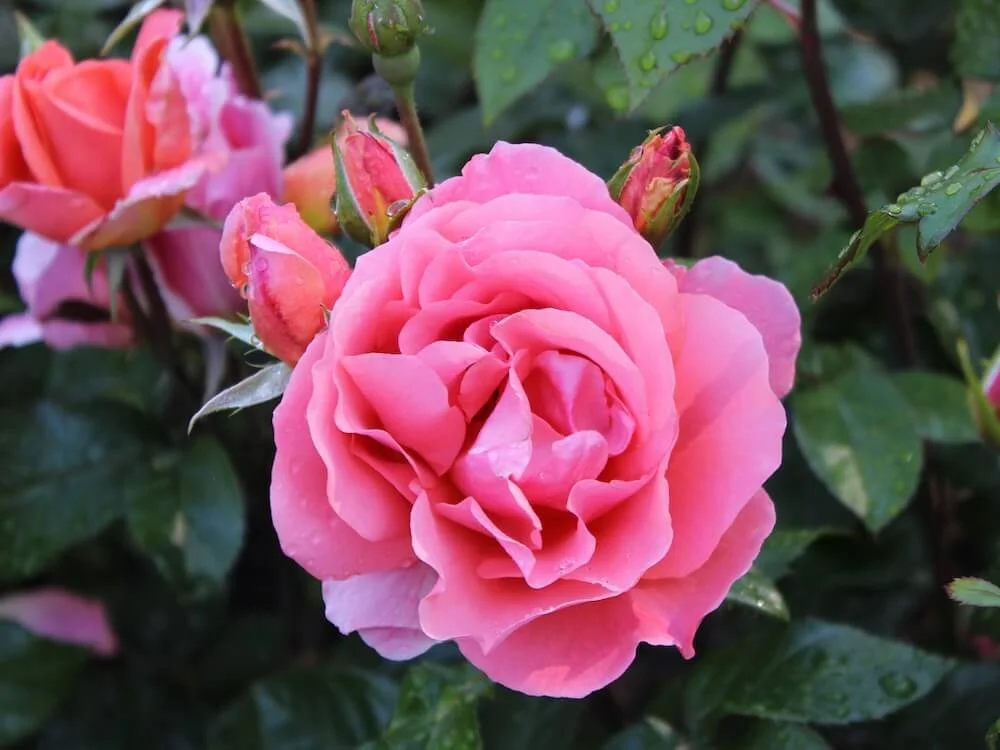
Rosa 'Sweet Fragrance'
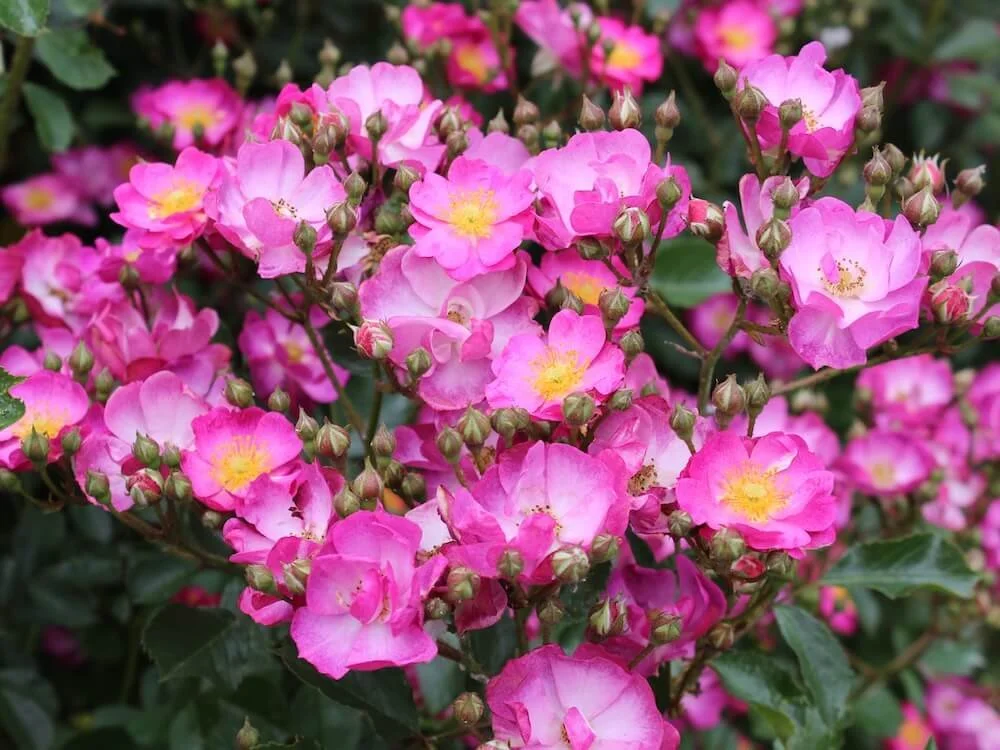
Deciduous shrub with glossy green foliage and richly fragrant soft pink blooms. Forms a rounded bushy habit and grows 3 to 5 feet tall. Ideal for borders, cottage gardens, and cutting gardens. Zones: 5 to 9.
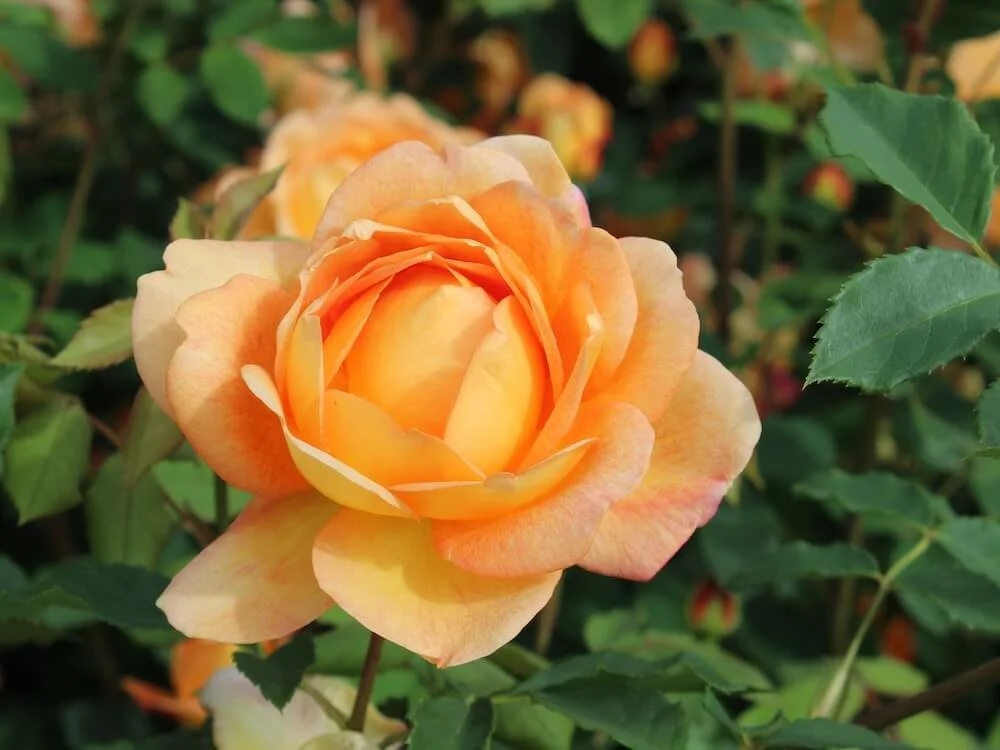
Rosa 'Lady of Shalott'
Deciduous shrub with blue green foliage and richly fragrant apricot blooms. Forms a graceful arching habit and grows 4 to 5 feet tall. Ideal for borders, cottage gardens, and mixed plantings. Zones: 5 to 9.
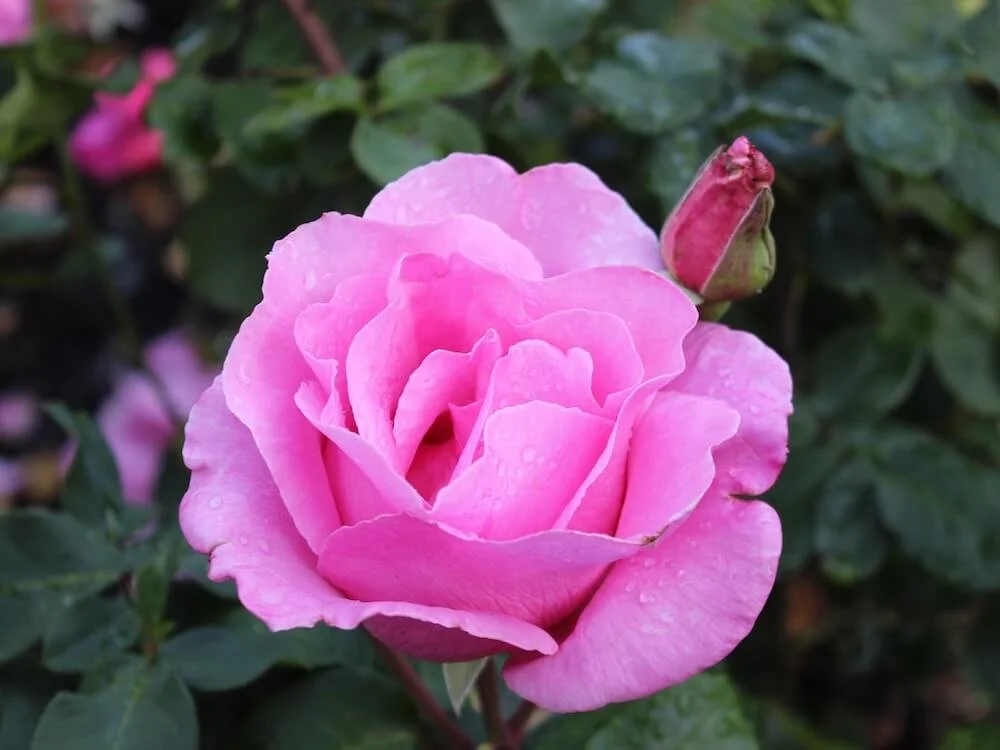
Rosa 'McCartney'
Deciduous shrub with deep green foliage and intensely fragrant rich pink blooms. Develops a full upright habit and grows 4 to 5 feet tall. Ideal for borders, cutting gardens, and cottage garden plantings. Zones: 5 to 9.
Other Notable Dinnerplate & Giant Flowered Dahlias
Rosa 'Perfume Factory': Richly fragrant lavender-purple blooms with an intense old rose scent
Rosa 'Fragrant Cloud': Large coral-red blooms producing one of the strongest fragrances
Rosa 'Honey Perfume': Clusters of apricot-yellow flowers with a sweet spicy fragrance
Rosa 'Sweetness': Elegant soft lavender blooms with a strong sweet fragrance and long stems
Rosa 'Olivia Rose Austin': Soft pink rosette flowers with a fruity fragrance; excellent repeat bloom
CARING FOR DAHLIAS
Once dahlias begin actively growing, regular maintenance encourages stronger plants, better branching, and a heavier flower display. Consistent watering, proper feeding, and a few simple seasonal tasks help plants remain vigorous and productive well into fall.
Watering:
Wait until foliage emerges before beginning regular watering. Once plants become established, deep watering encourages stronger root systems and helps plants tolerate summer heat more effectively. Dahlias prefer consistent moisture but dislike saturated conditions.
Fertilizing:
Dahlias benefit from fertilizers lower in nitrogen and higher in phosphorus and potassium, such as 5-10-10 or similar bloom-promoting formulas. Excess nitrogen can produce large amounts of foliage at the expense of flowers. Feeding every 3–4 weeks during active growth often supports stronger bloom production.
Pinching and branching:
When plants reach approximately 18–24 inches tall, cut or pinch the main stem back to roughly 12–18 inches, removing the dominant central growth point. This redirects energy away from maintaining a single heavy stalk and encourages branching, creating fuller plants with more flowering stems and significantly greater bloom production later in the season.
Staking and support:
Many taller dahlias benefit from support to prevent stems from bending or breaking beneath large flowers. Installing stakes early helps plants grow naturally around supports and minimizes root disturbance.
Deadheading and cutting:
Removing spent blooms encourages continued flowering and keeps plants looking tidy. Dahlias respond particularly well to cutting; harvesting long stems often stimulates additional blooms and encourages stronger branching.
Pests and diseases:
Slugs, earwigs, aphids, spider mites, and powdery mildew can occasionally affect dahlias. Good airflow, healthy soil, and regular observation help identify problems before they become severe.
Important note:
The more flowers you cut, the more blooms many dahlias produce. Frequent harvesting often results in longer stems and increased flowering.
Unusual & Distinctive Dahlias
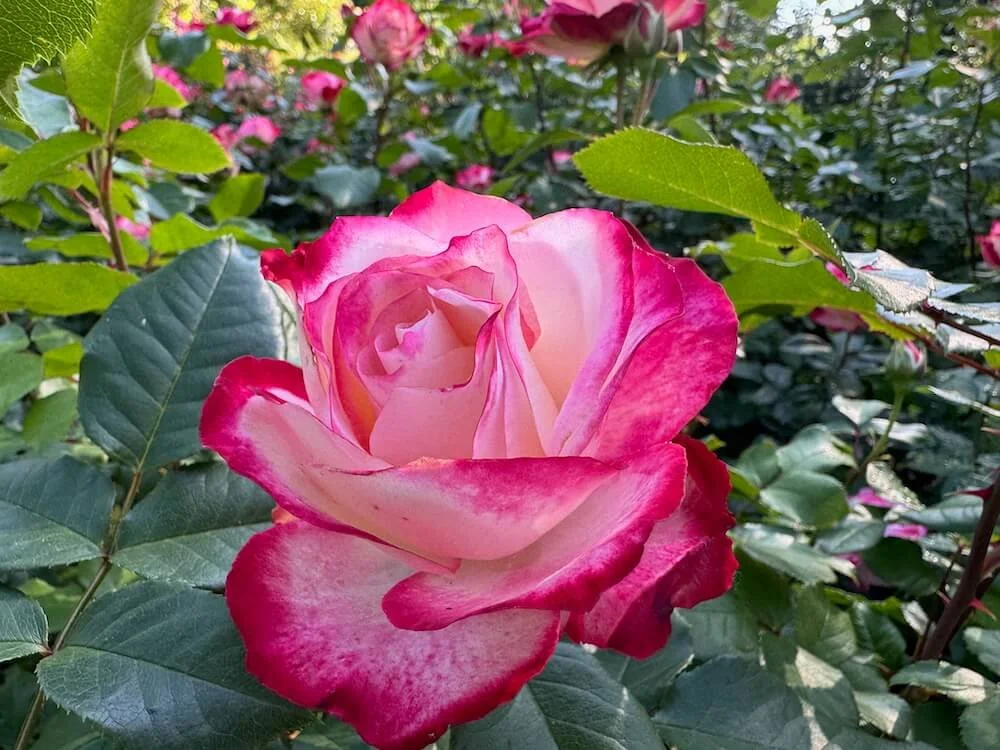
Rosa 'Cherry Parfait'
Deciduous shrub with glossy green foliage and creamy white blooms edged in cherry red adding bold two toned color. Forms a rounded bushy habit and grows 3 to 4 feet tall. Ideal for borders, cottage gardens, and cutting gardens. Zones: 4 to 9.

Rosa 'Peach Swirl'
Deciduous shrub with green foliage and richly blended yellow, apricot, and coral pink blooms creating a painted multicolored effect. Develops a rounded upright habit and grows 4 to 5 feet tall. Ideal for borders, and cutting gardens. Zones: 5 to 9.
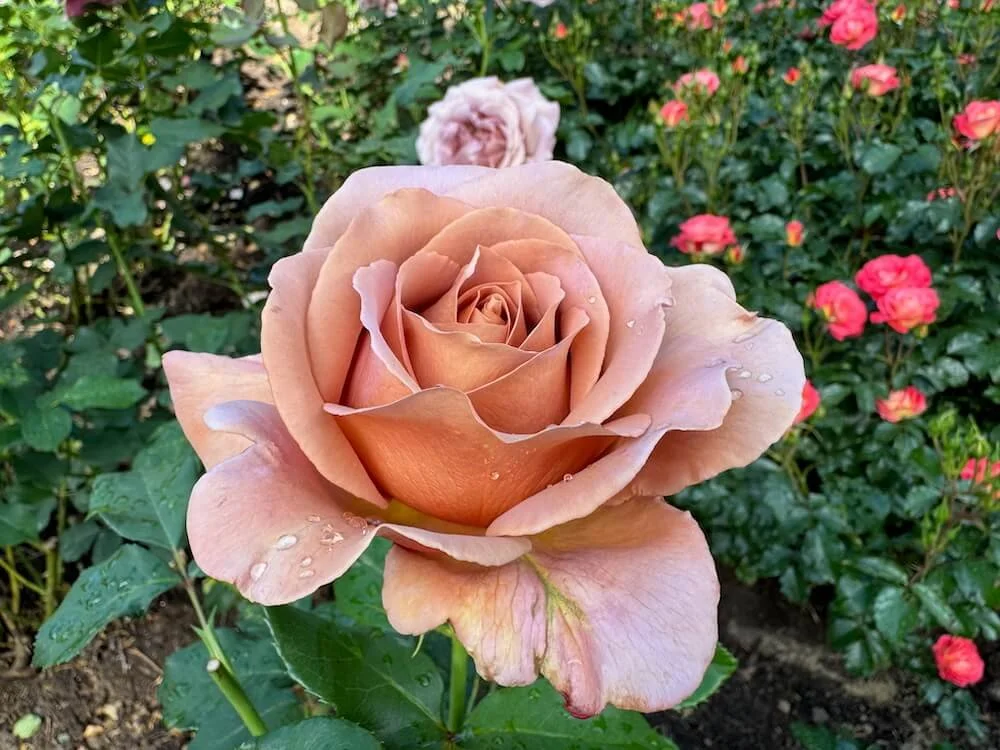
Rosa 'Koko Loko'
Deciduous shrub with smoky lavender beige blooms washed with mocha tones creating unusual antique color. Forms a rounded bushy habit and grows 3 to 4 feet tall. Ideal for borders, cottage gardens, and cutting garden plantings. Zones: 4 to 9.
Other Notable Unusual & Distinctive Dahlias
Rosa 'Scentimental': Fragrant red and cream striped blooms with dramatic peppermint-like patterning
Rosa 'Marc Chagall': Painterly pink and cream striped blooms with soft fragrance
Rosa 'Dick Clark': Velvety red flowers brushed with creamy white reverse petals
Rosa 'Twilight Zone': large velvety deep purple blooms with a strong clove and citrus fragrance
Rosa 'Maurice Utrillo': Bold red, yellow, and white striped flowers with a painterly appearance
DIGGING, DIVIDING & STORING DAHLIA TUBERS
For many gardeners, overwintering tubers becomes one of the most important parts of growing dahlias. In colder climates, tubers are often lifted and stored to protect them from freezing temperatures and excess winter moisture. Proper storage helps preserve favorite varieties and allows plants to return year after year.
When to dig:
Wait until frost blackens foliage and plants begin entering dormancy. Many gardeners allow plants to remain in the ground for an additional week or two afterward so tuber skins can mature and toughen before lifting.
How to dig:
Cut stems back to several inches above the ground and carefully loosen soil well outside the root zone to avoid damaging tubers. Lift the entire clump gently and remove excess soil. Label varieties immediately before they become mixed.
Dividing tubers:
Tubers may be divided in fall or spring depending on preference. Each division must contain a viable eye attached to a portion of crown tissue to produce growth the following season.
Storage:
Allow tubers to dry briefly before storing them in slightly moist vermiculite, peat, wood shavings, or similar materials. Store in a cool, dark location around 40–50°F, avoiding freezing temperatures or overly warm conditions that encourage premature sprouting.
Monitoring during winter:
Check tubers periodically throughout storage. Remove any showing signs of rot and lightly mist excessively dry tubers if shriveling becomes severe.
Important note:
Label tubers immediately after digging. Once stored, many varieties become nearly impossible to distinguish from one another.
Compact & Border Dahlias
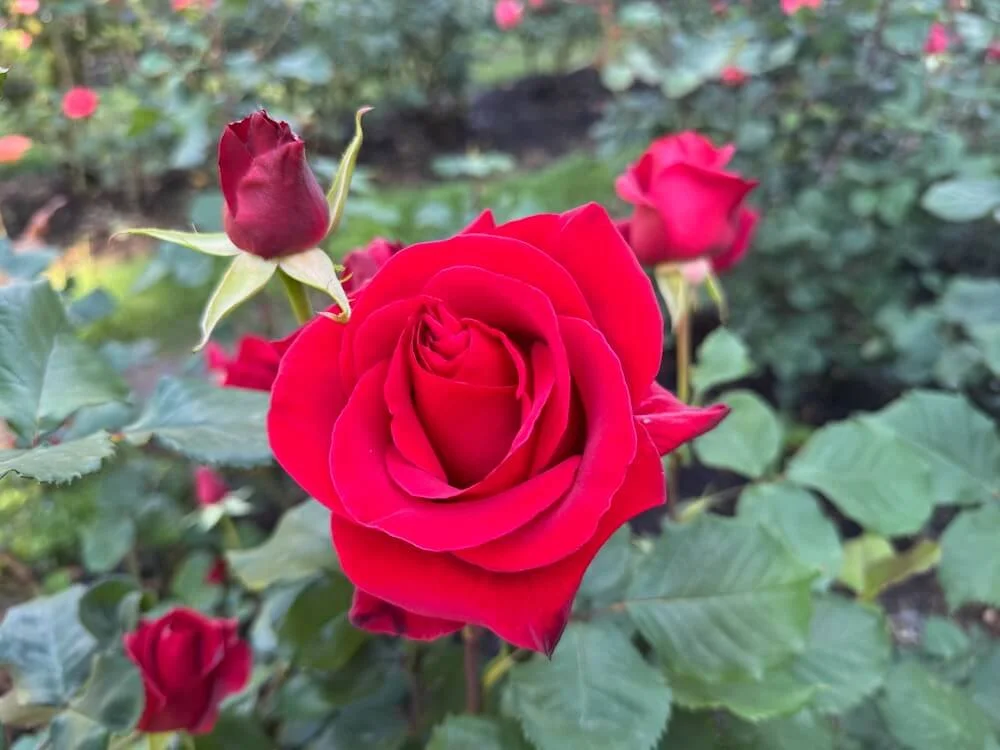
Rosa 'Veterans' Honor
Deciduous shrub with velvety deep red blooms creating rich classic color throughout the season. Develops a tall upright habit and grows 4 to 6 feet tall. Ideal for borders, cutting gardens, and formal rose plantings. Zones: 5 to 10.
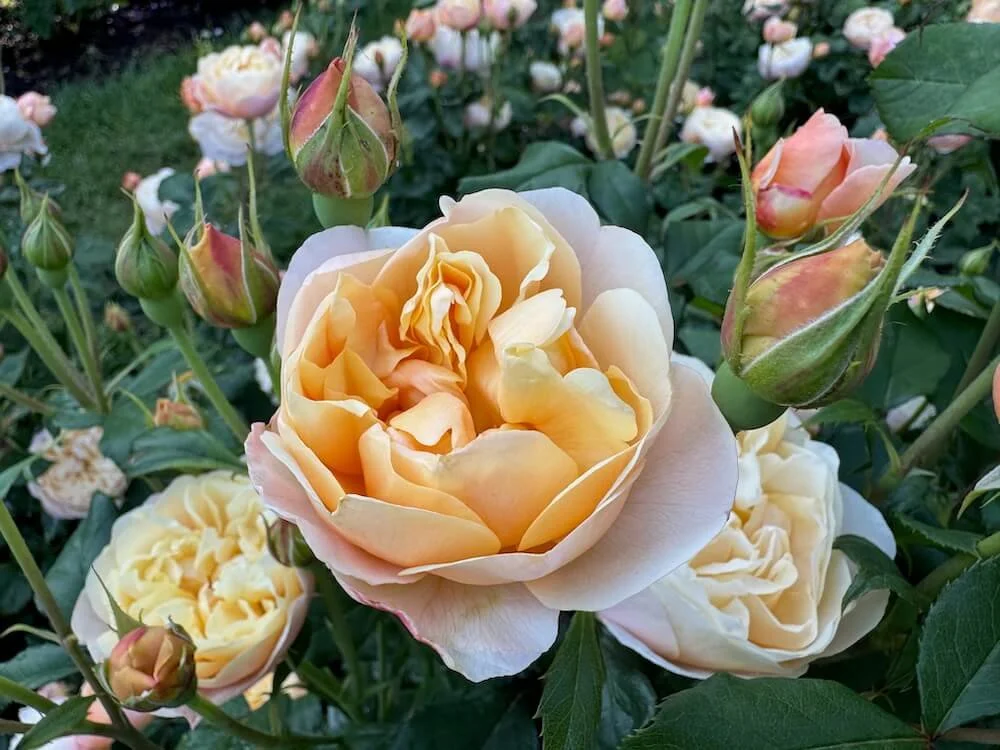
Rosa 'Roald Dahl'
Deciduous shrub with fresh green foliage and soft apricot peach blooms fading to lighter tones. Forms a rounded bushy habit and grows 4 to 5 feet tall. Ideal for borders, cottage gardens, and mixed plantings. Zones: 5 to 11.

Rosa 'Boscobel'
Deciduous shrub with blue green foliage and richly petaled rosy pink blooms creating luminous color. Forms a full upright habit and grows 4 to 5 feet tall. Ideal for borders, cutting gardens, and cottage garden plantings. Zones: 5 to 11.
Other Notable Compact & Border Dahlias
Rosa 'Queen Elizabeth': Elegant tall growth with abundant soft pink blooms
Rosa 'Mr. Lincoln': Large deep red flowers with rich fragrance and classic hybrid tea form
Rosa 'Iceberg': Masses of clean white flowers produced continuously
Rosa 'Eden': Romantic old-fashioned flowers with soft pink centers and climbing growth
Rosa 'Golden Celebration': Large deeply cupped golden flowers with strong fragrance
GARDEN TOURS • OREGON
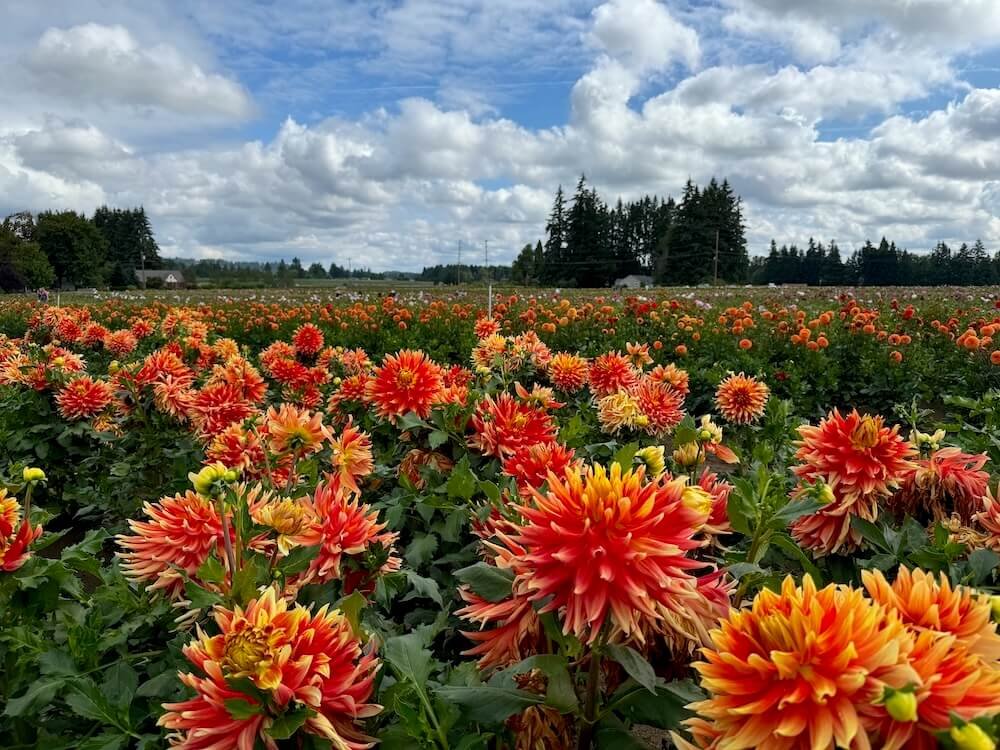
Swan Island
Dahlias
Swan Island Dahlias showcases expansive fields filled with thousands of blooming dahlias in every color and form, set within a working flower farm environment that offers sweeping views, seasonal displays, and a vibrant late-summer destination for garden enthusiasts and photographers.
Dahlia Flower Forms
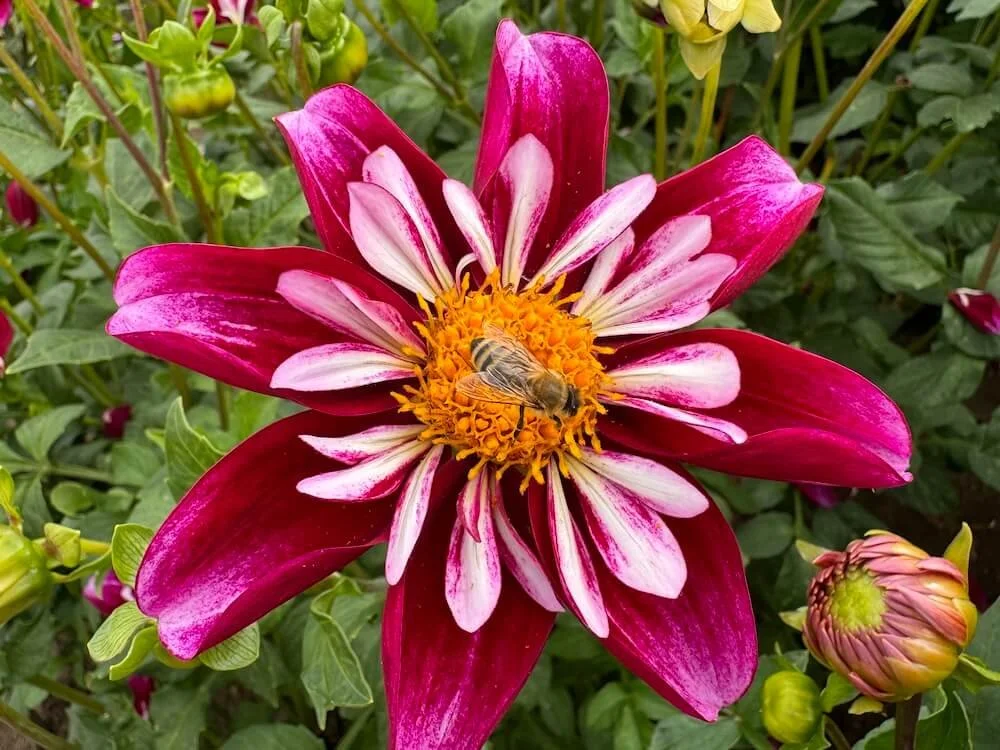

Dahlias display an impressive range of flower forms. From small, tightly patterned blooms to large, fully layered blossoms, these forms create varied visual effects in the garden. This diversity allows dahlias to suit many planting styles, providing bold focal points, soft texture, and abundant color in borders, cutting gardens, and seasonal displays.