GROWING & CARING
FOR ROSES
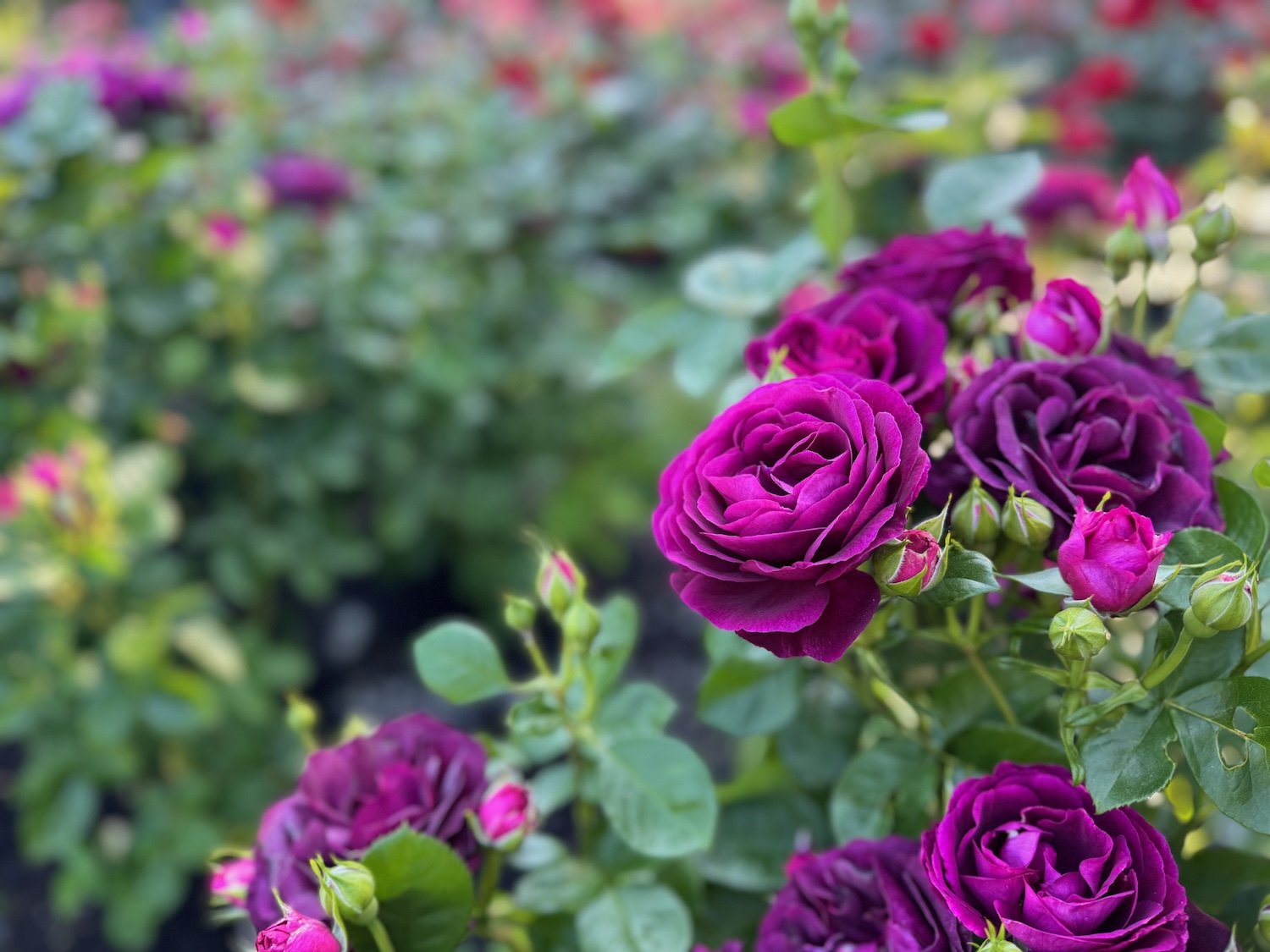
Roses are among the most beloved flowers in the world, and have been cultivated for thousands of years. These long-lived flowering shrubs are valued for their ornamental blooms, fragrance, and seasonal presence in the landscape. Modern breeding has produced thousands of cultivars adapted to a wide range of climates, growth habits, and garden uses. With proper site selection and routine care, roses can thrive for decades.

SITE SELECTION
Proper site selection is critical for rose health. Roses require a minimum of six hours of direct sunlight daily, with eight or more hours producing optimal flowering. Morning sun is especially important because it dries foliage quickly, helping prevent fungal diseases. Good air circulation further reduces disease pressure, while protection from strong winds prevents cane damage. Roses should not be planted in low-lying frost pockets or overly enclosed spaces.
SOIL REQUIREMENTS
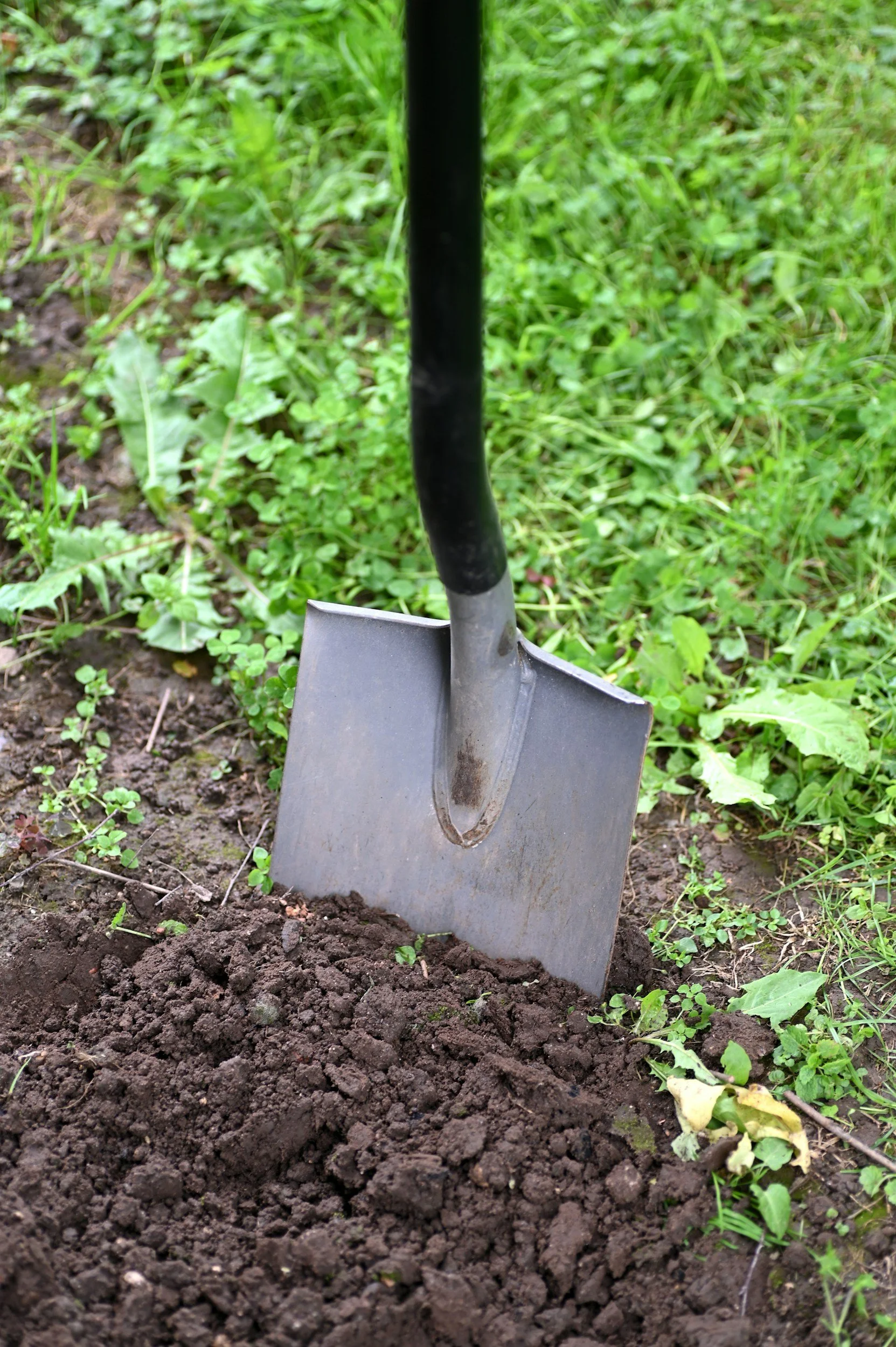
Roses grow best in well-drained soil enriched with organic matter. Loamy soil provides ideal structure, though clay soils can be improved through the addition of compost. Poor drainage is one of the most common causes of failure. Slightly acidic soil with a pH between 6.0 and 6.8 allows efficient nutrient uptake. When preparing planting areas, native soil should be amended rather than replaced entirely to encourage deep root establishment.
PLANTING ROSES
Planting time depends on rose type and climate. Bare-root roses are planted in early spring while dormant, while container roses may be planted from spring through early fall. In cold climates, the graft union should be positioned one to two inches below soil level for winter protection, while mild climates allow planting at soil level. Proper spacing is essential to maintain airflow and prevent disease, with most bush roses spaced two to three feet apart and climbers given substantially more room.
WATERING
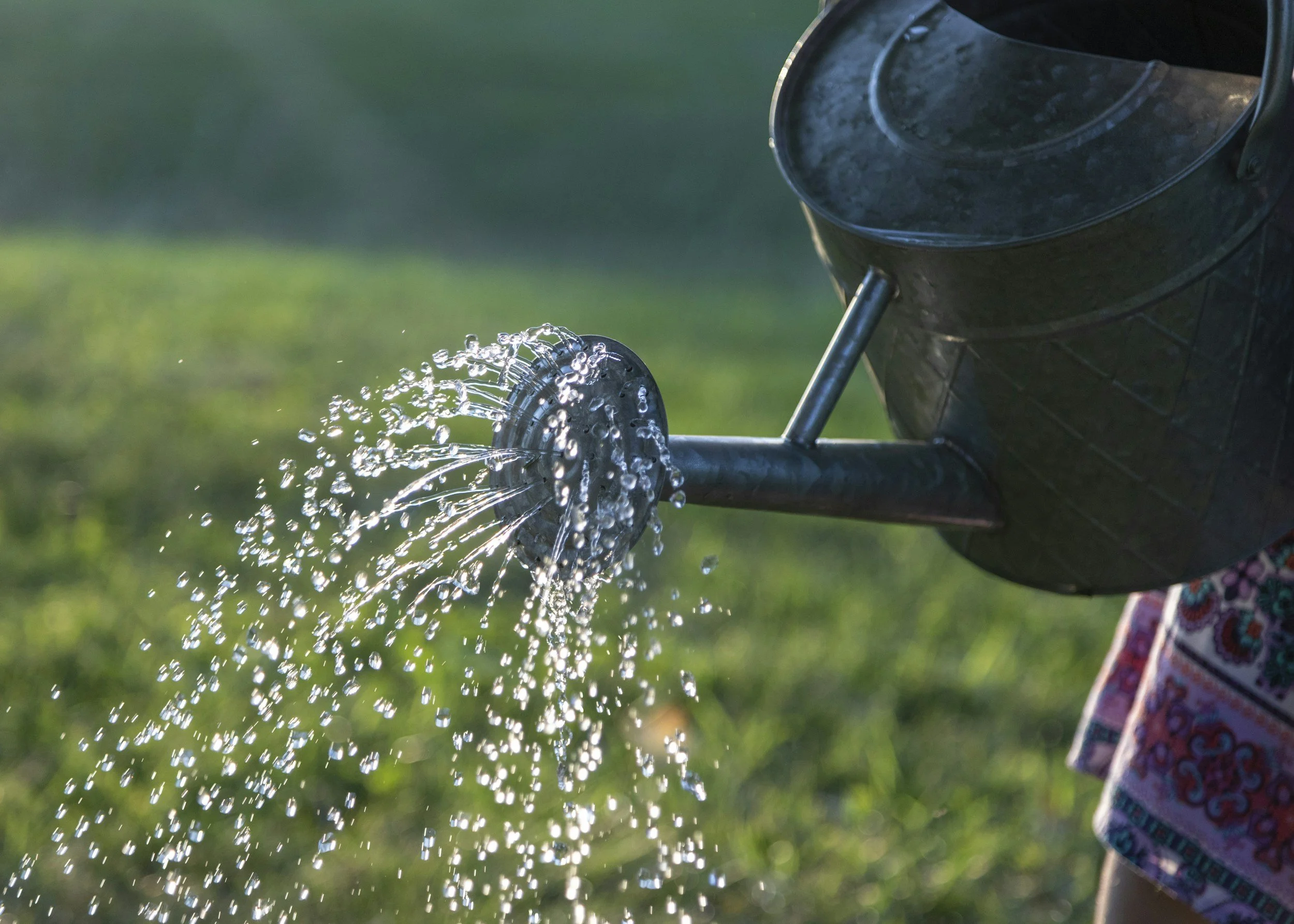
Consistent moisture is essential, particularly during establishment and flowering periods. Roses benefit from deep, infrequent watering that encourages strong root growth. Most gardens require one to two thorough waterings per week, with additional irrigation during hot or dry conditions. Water should be applied at the base of the plant rather than overhead to reduce disease. Soil should remain evenly moist but never saturated.
MULCHING & FERTILIZING ROSES
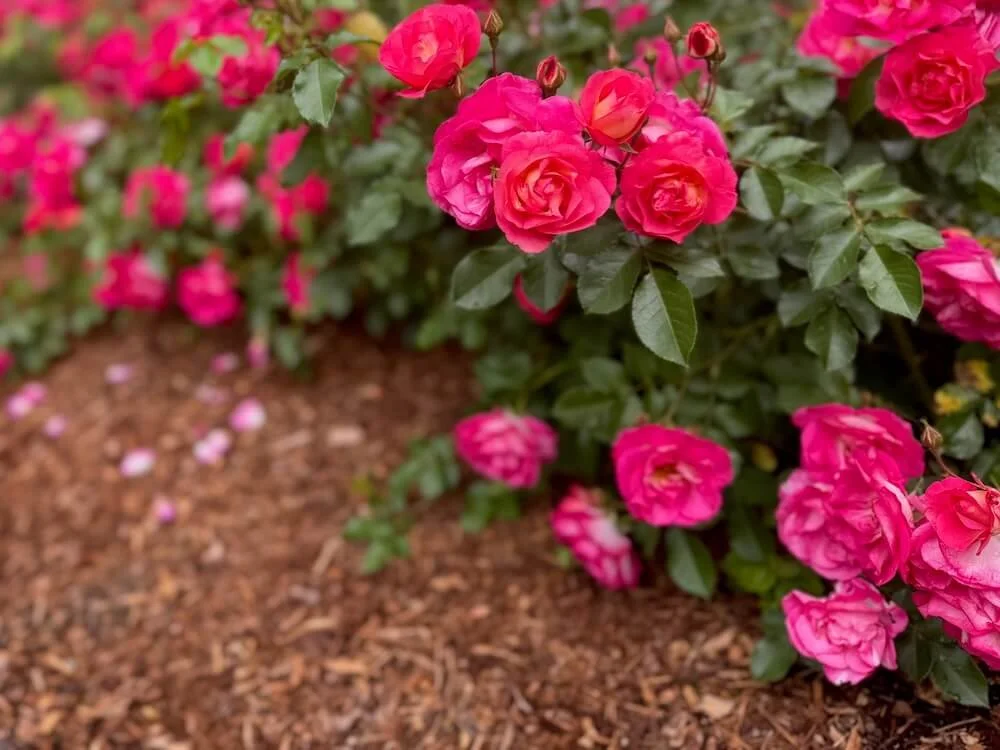
A two- to three-inch layer of organic mulch provides multiple benefits. Mulch conserves soil moisture, moderates temperature fluctuations, suppresses weeds, and gradually improves soil quality. Common materials include compost, shredded bark, and leaf mold. Mulch should be kept several inches away from the crown and main stems to prevent rot and pest issues.
Roses are heavy feeders and require regular nutrition to support repeat flowering. Balanced rose fertilizers, slow-release formulas, or organic amendments such as compost, alfalfa meal, and fish emulsion are all effective. Feeding typically begins in early spring as growth resumes, continues after major bloom cycles, and ends six to eight weeks before the first expected frost to prevent late, tender growth.
PRUNING & DEADHEADING
Pruning maintains plant structure, improves airflow, and stimulates healthy flowering canes. Major pruning is performed in early spring when buds begin to swell. Dead, damaged, and crossing canes are removed first, followed by shaping cuts made just above outward-facing buds. Hybrid teas and grandifloras are pruned more heavily, floribundas more moderately, and climbing roses retain their main canes with lateral shoots pruned for flowering. Old garden roses generally require minimal pruning.
Removing spent blooms encourages repeat flowering and improves overall appearance. Deadheading redirects energy away from seed production and toward new bud development. Flowers are typically removed by cutting above the first strong five-leaflet leaf or outward-facing bud throughout the growing season.
DISEASE PREVENTION & MANAGEMENT
The most common rose diseases include black spot, powdery mildew, rust, and botrytis blight. Preventative care is more effective than treatment alone. Full sun, good airflow, proper spacing, soil-level watering, and sanitation through removal of fallen leaves significantly reduce disease incidence. Fungicides or organic sprays may be used preventatively when necessary.
Roses may attract aphids, spider mites, thrips, Japanese beetles, and rose slugs. Light infestations are often controlled with strong water sprays or hand removal. Insecticidal soap and neem oil provide effective treatment when needed. Broad-spectrum insecticides should be avoided to preserve beneficial insects.
LONG TERM ROSE CARE
Winter preparation is essential in cold climates. Fertilizing should stop in late summer, allowing growth to harden naturally. After hard frost, soil or compost can be mounded eight to twelve inches around the base of plants. Straw or leaf insulation may be added where winters are severe. Climbing roses should be securely tied, and in extreme cold canes may be laid down and covered.
With proper sunlight, healthy soil, consistent watering, balanced nutrition, and routine maintenance, roses become increasingly productive over time. Mature plants typically develop stronger canes, improved disease resistance, and more abundant flowering, making roses one of the most rewarding long-term garden investments.
GARDEN TOURS • OREGON

Peninsula Park
Rose Garden
The Peninsula Park Rose Garden features thousands of roses in formal beds surrounding a sunken garden, with tree-lined paths, classical design, and a setting within one of Portland’s oldest city parks.
Rose Flower Forms
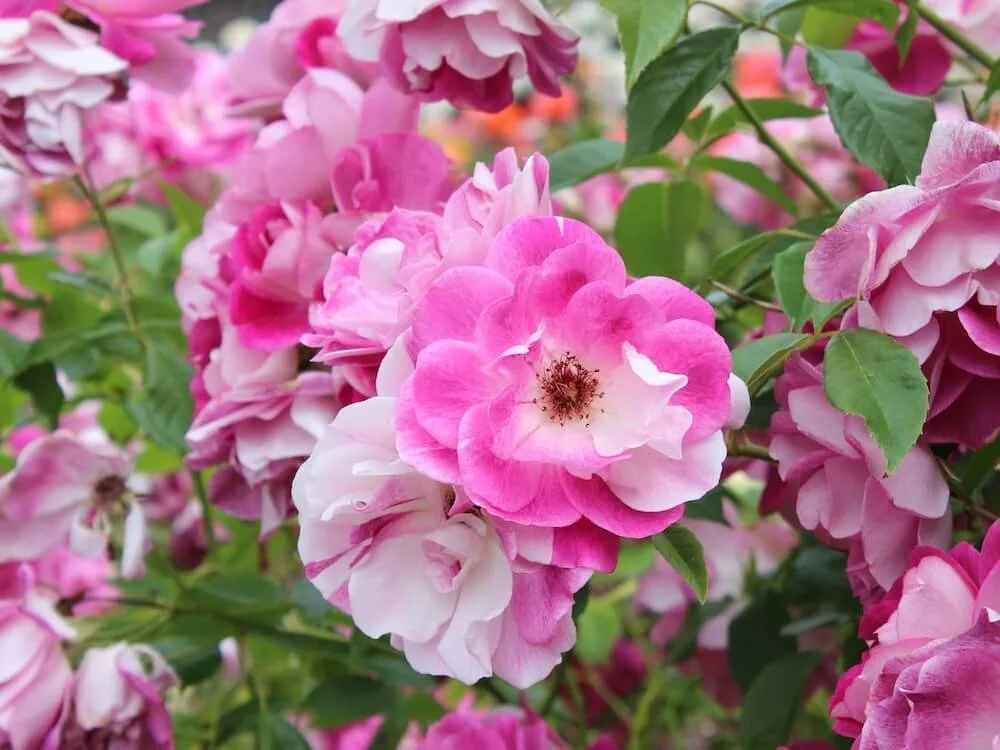
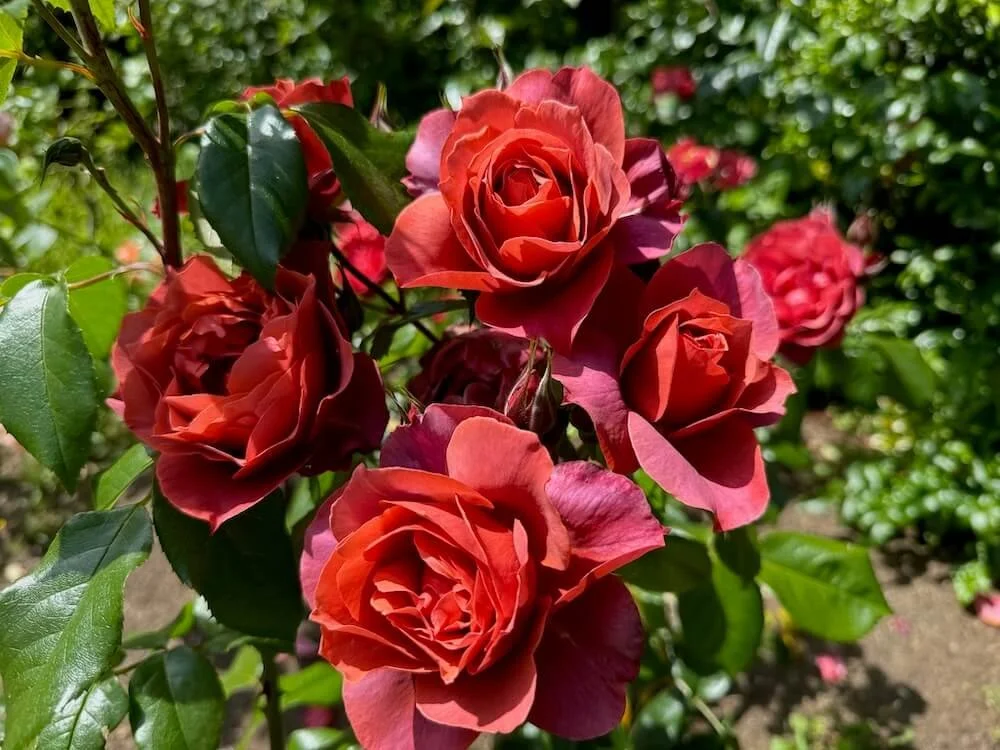
Roses display an extraordinary range of flower forms, each defined by its shape, petal arrangement, and overall presence. From simple, open blooms to richly layered, full blossoms, these forms create distinct looks and moods in the garden. This diversity allows roses to complement many landscape styles, adding elegance, softness, or dramatic focal points while enhancing borders, mixed plantings, and floral arrangements.