Euphorbia characias 'Dwarf' | Dwarf Spurge

$0.00

DESCRIPTION
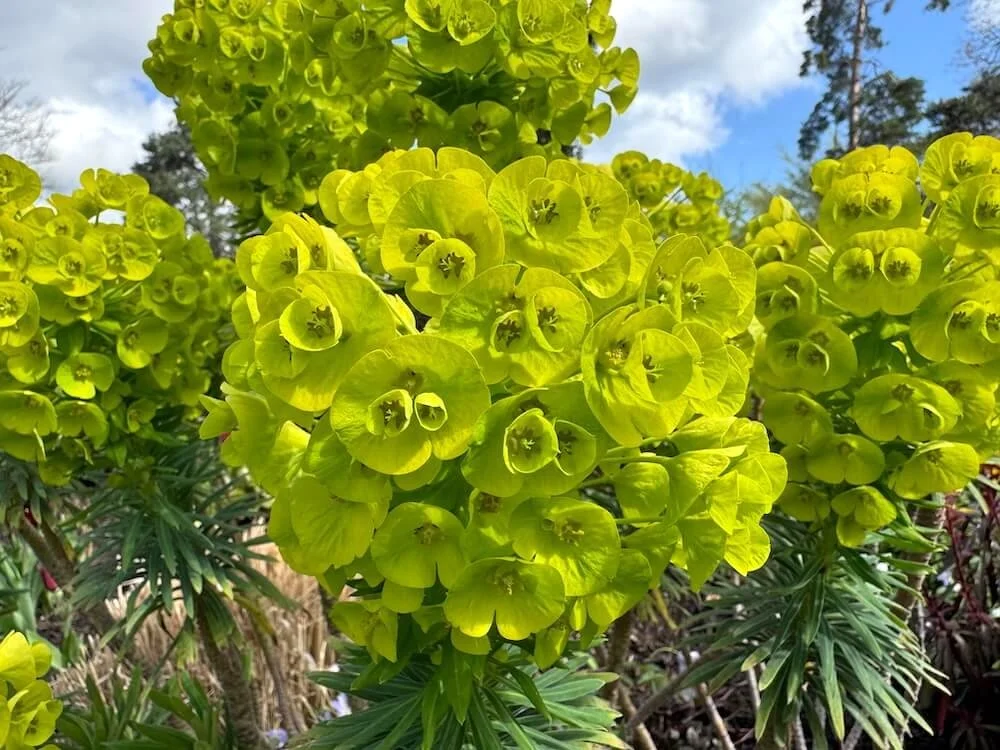
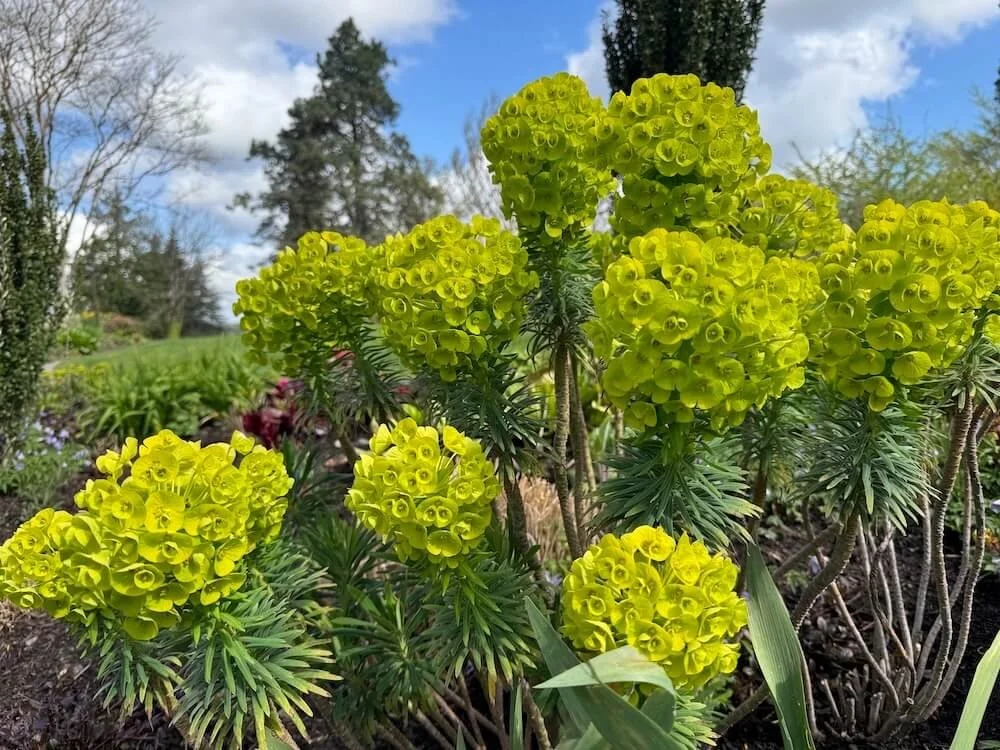
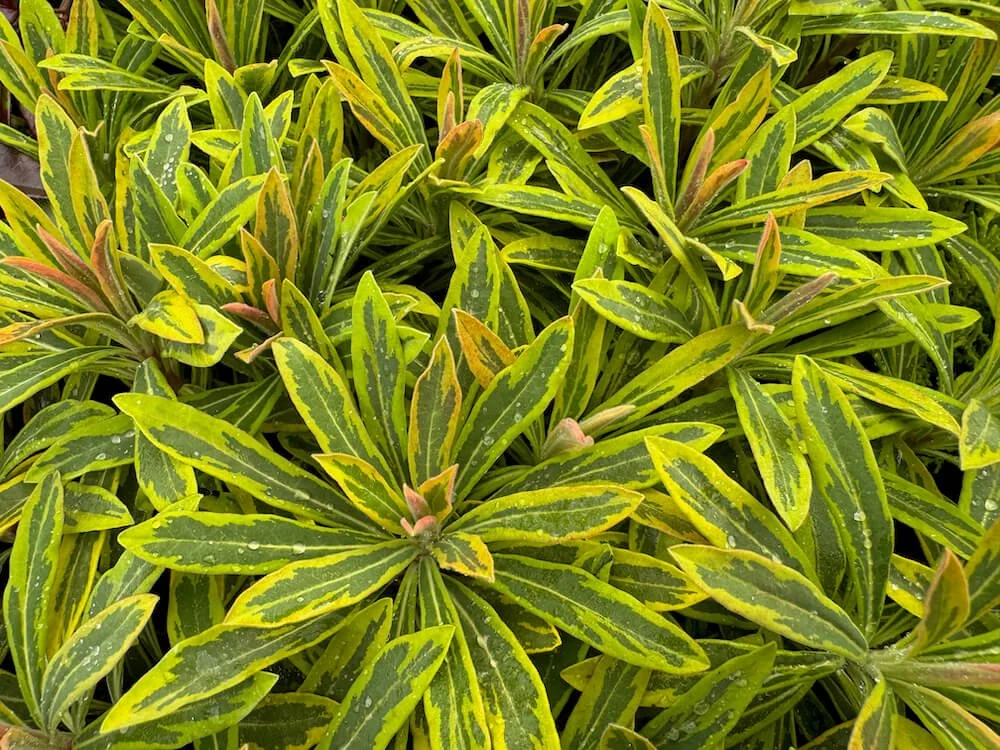
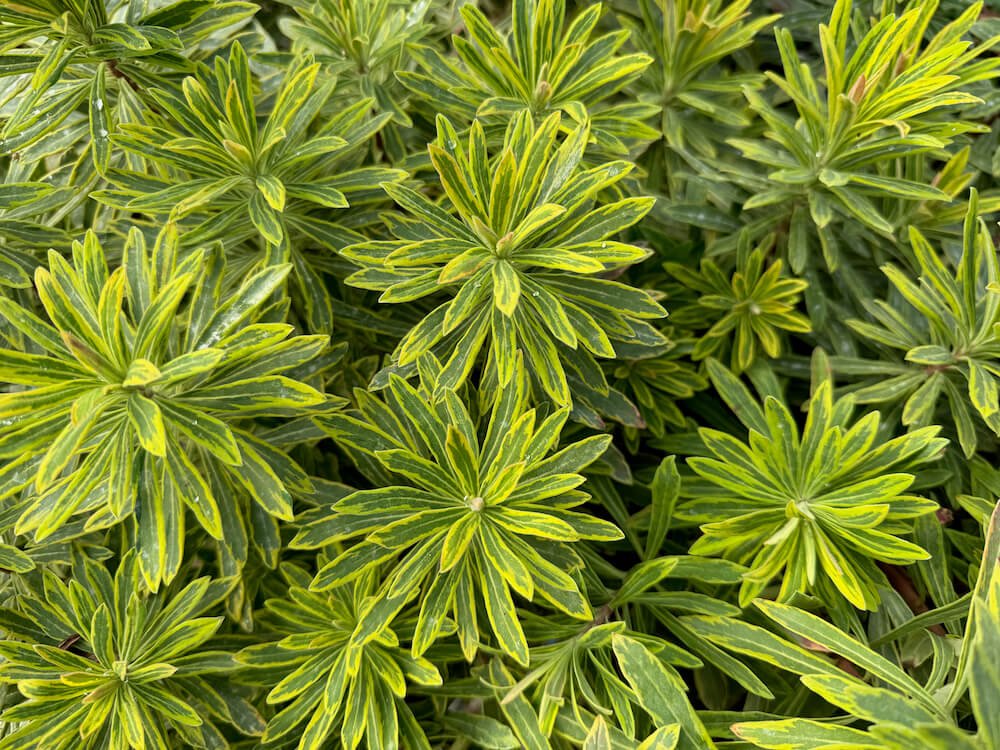
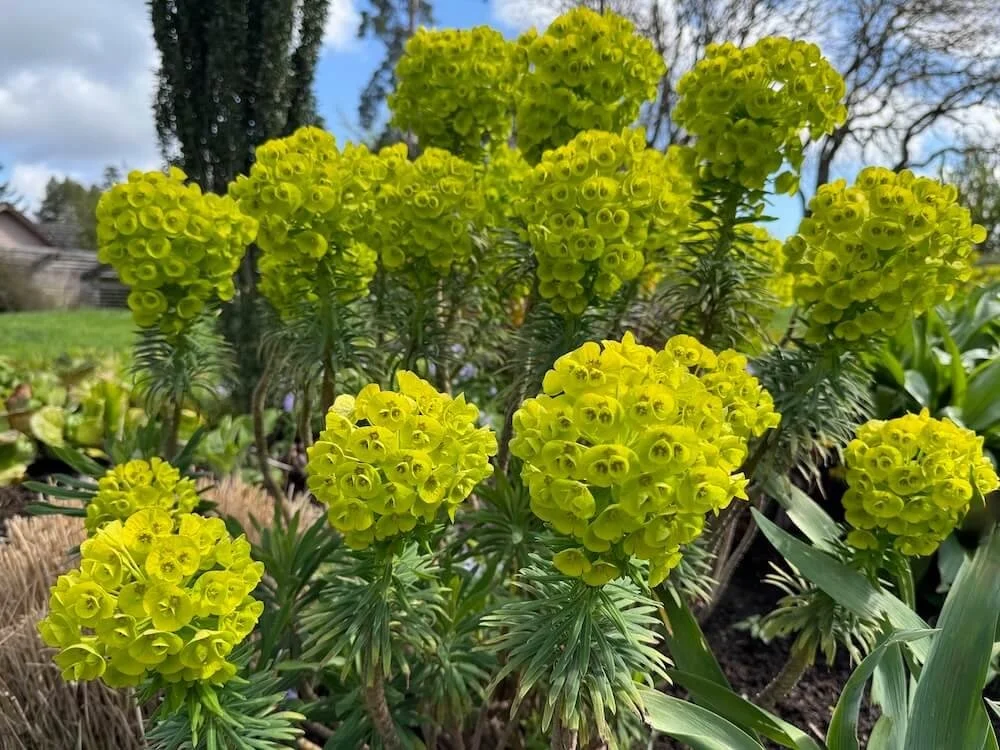
Euphorbia characias ‘Dwarf’ develops compact, upright stems lined with slender blue-green leaves that remain present through the seasons, giving the plant a steady architectural presence. In early to mid-spring, rounded heads of luminous chartreuse bracts gather above the foliage and hold their color for many weeks, creating a gentle wash of brightness in borders, gravel plantings, and sheltered containers.

Rooted in Mediterranean ancestry and shaped through garden selection for reduced stature and reliable bloom, it reflects the enduring character of coastal southern European landscapes. Persistent evergreen growth and long-lasting floral display provide structure and continuity across changing seasonal conditions.

DESCRIPTION
Euphorbia characias ‘Dwarf’ develops compact, upright stems lined with slender blue-green leaves that remain present through the seasons, giving the plant a steady architectural presence. In early to mid-spring, rounded heads of luminous chartreuse bracts gather above the foliage and hold their color for many weeks, creating a gentle wash of brightness in borders, gravel plantings, and sheltered containers.

Rooted in Mediterranean ancestry and shaped through garden selection for reduced stature and reliable bloom, it reflects the enduring character of coastal southern European landscapes. Persistent evergreen growth and long-lasting floral display provide structure and continuity across changing seasonal conditions.

 
  • Family: Euphorbiaceae
    Height: 12–18 in
    Width: 18–24 in
    Foliage color: Blue-green evergreen leaves forming compact rounded mounding clumps
    Flower color: Bright chartreuse yellow bracts held in dense terminal clusters
    Bloom time: Late winter through spring
    Light requirements: Full sun to light partial shade
    Water requirements: Low to moderate
    Maintenance: Low; remove spent flowering stems after bloom and handle with care due to milky sap
    Growing zone: USDA zones 7–10
    Wildlife attractors: Bees and other early season pollinators

    This plant can be seen at the Bellevue Botanical Garden.
    Print Information

    Buy Plants