Mukdenia rossii | Red-leaved Mukdenia

$0.00

DESCRIPTION
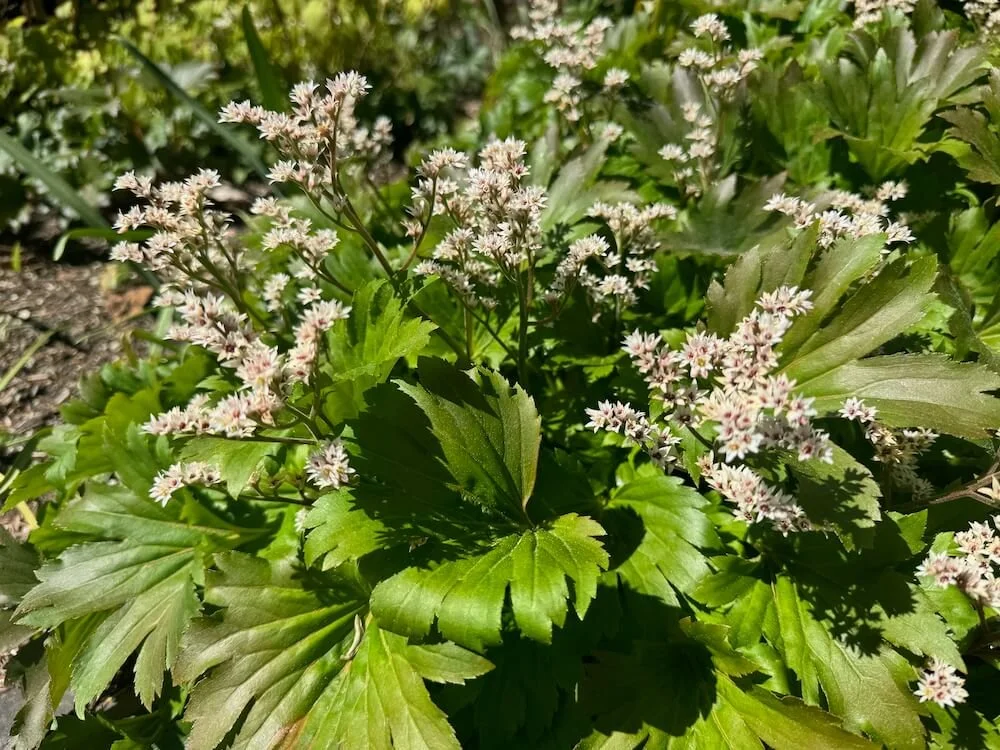
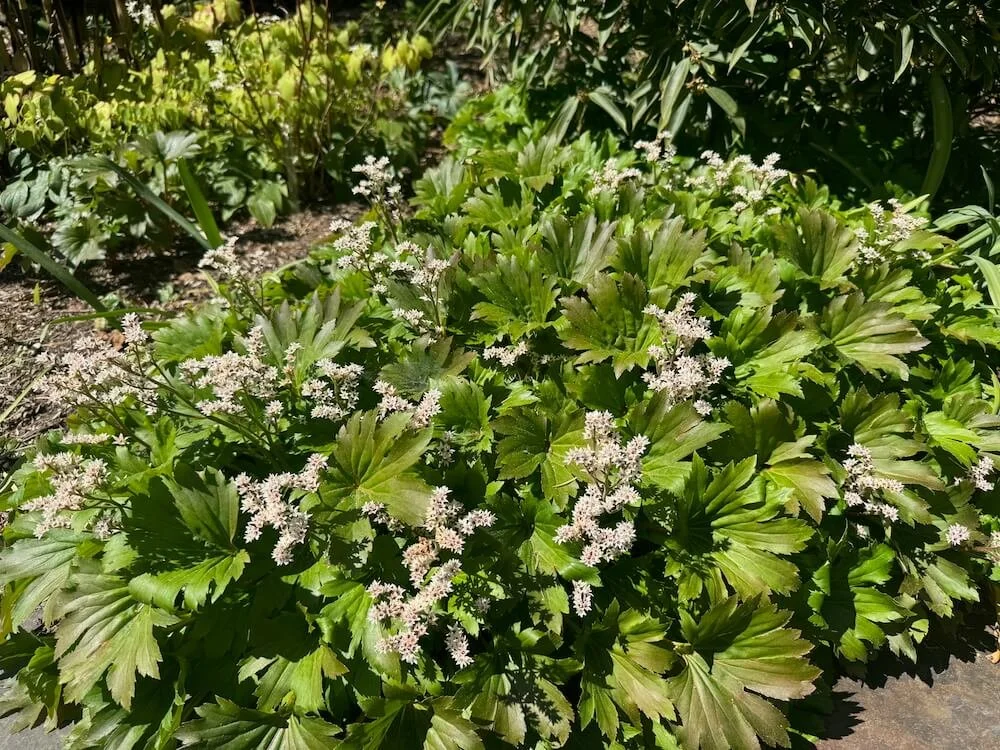
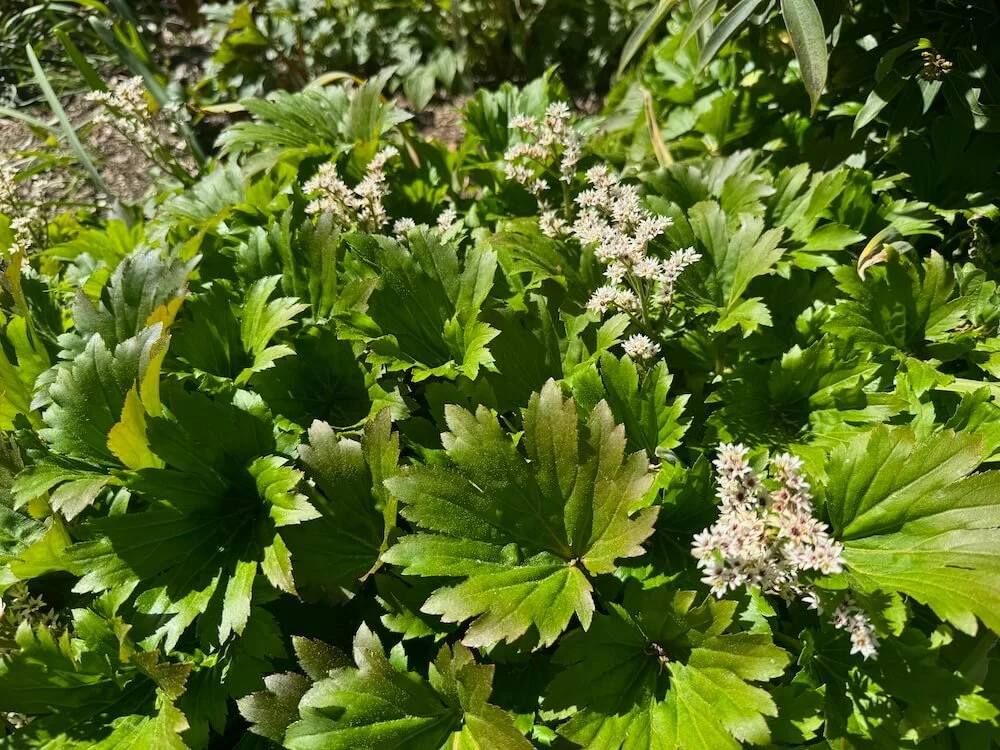
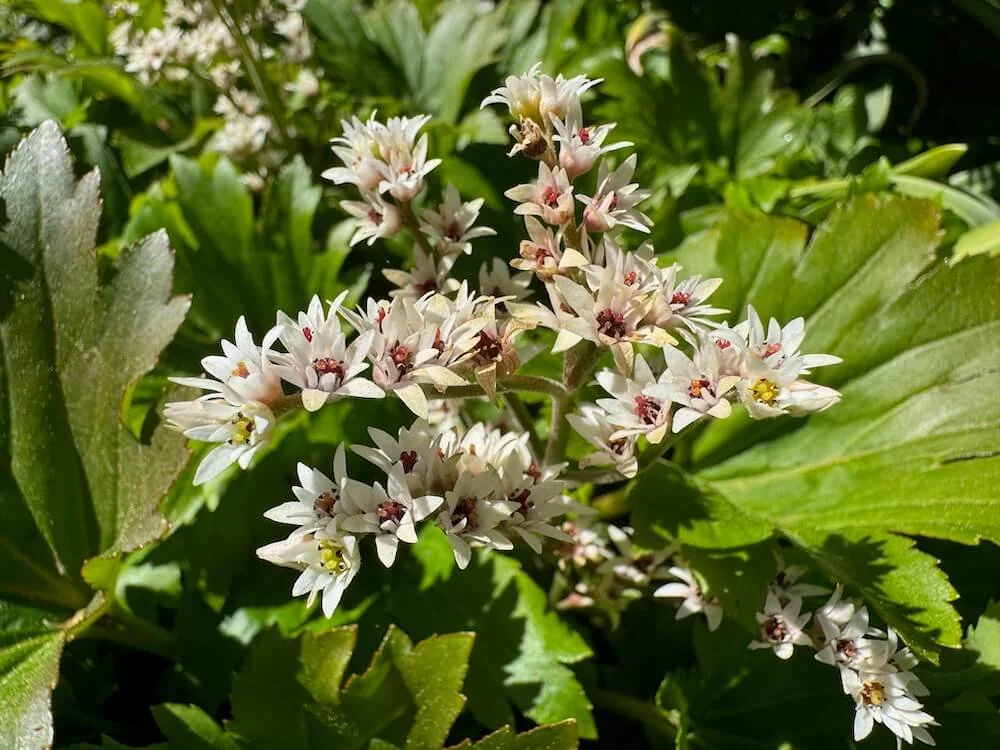
Mukdenia rossii forms low, spreading clumps of rounded, softly lobed green leaves that create a gentle ground-layer through the growing season. In early to mid-spring, delicate sprays of small white flowers rise on slender stems above the foliage, bringing a light, airy display just as the garden begins to awaken. As the season progresses, the leaves may take on warm red tones along the margins, adding quiet color to the maturing planting.

Native to woodland regions of northeastern China and Korea, it reflects the cool, shaded environments of forest floors and mountain slopes. Seasonal growth and steady clumping habit lend calm texture to shaded borders and naturalistic plantings.

DESCRIPTION
Mukdenia rossii forms low, spreading clumps of rounded, softly lobed green leaves that create a gentle ground-layer through the growing season. In early to mid-spring, delicate sprays of small white flowers rise on slender stems above the foliage, bringing a light, airy display just as the garden begins to awaken. As the season progresses, the leaves may take on warm red tones along the margins, adding quiet color to the maturing planting.

Native to woodland regions of northeastern China and Korea, it reflects the cool, shaded environments of forest floors and mountain slopes. Seasonal growth and steady clumping habit lend calm texture to shaded borders and naturalistic plantings.

 
  • Family: Saxifragaceae
    Height: 8 to 12 in in foliage, up to 16 in in flower
    Width: 12 to 18 in
    Foliage color: Glossy green maple shaped leaves often flushed red in fall
    Flower color: Small starry white flowers held in airy branching clusters
    Bloom time: Early to mid spring
    Light requirements: Partial shade to full shade
    Water requirements: Moderate
    Maintenance: Low; remove spent flower stems and divide clumps when crowded
    Growing zone: USDA zones 4 to 8
    Wildlife attractors: Bees and other early season pollinators

    This plant can be seen at the Bellevue Botanical Garden.

    Print Information

    Buy Plants