Solidago altissima | Tall Goldenrod

$0.00

DESCRIPTION
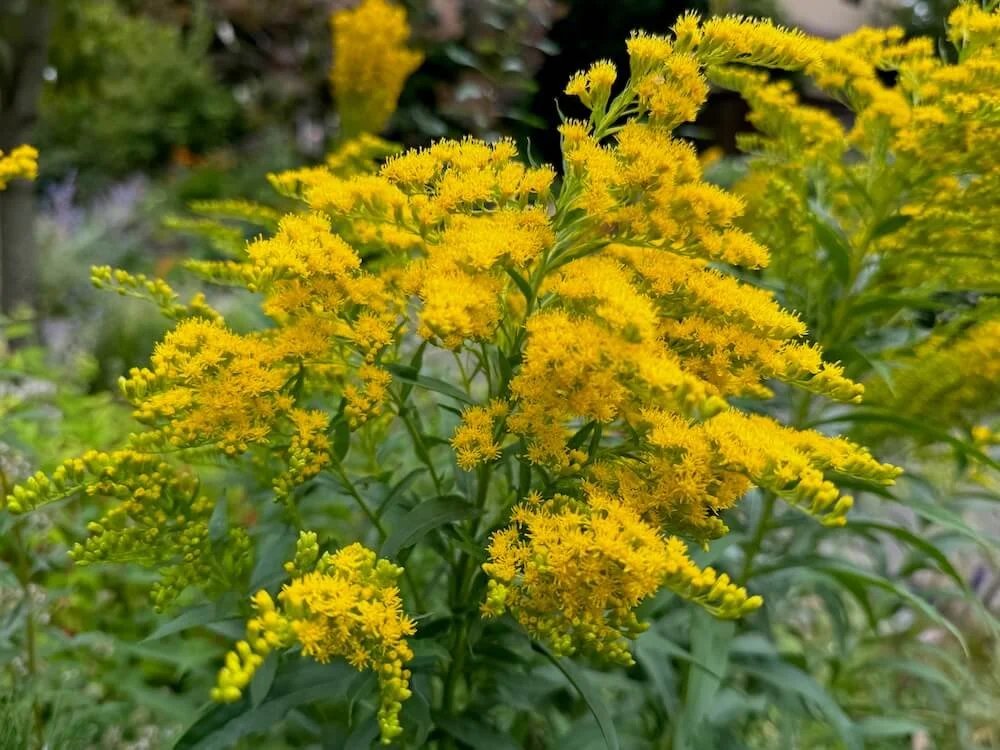
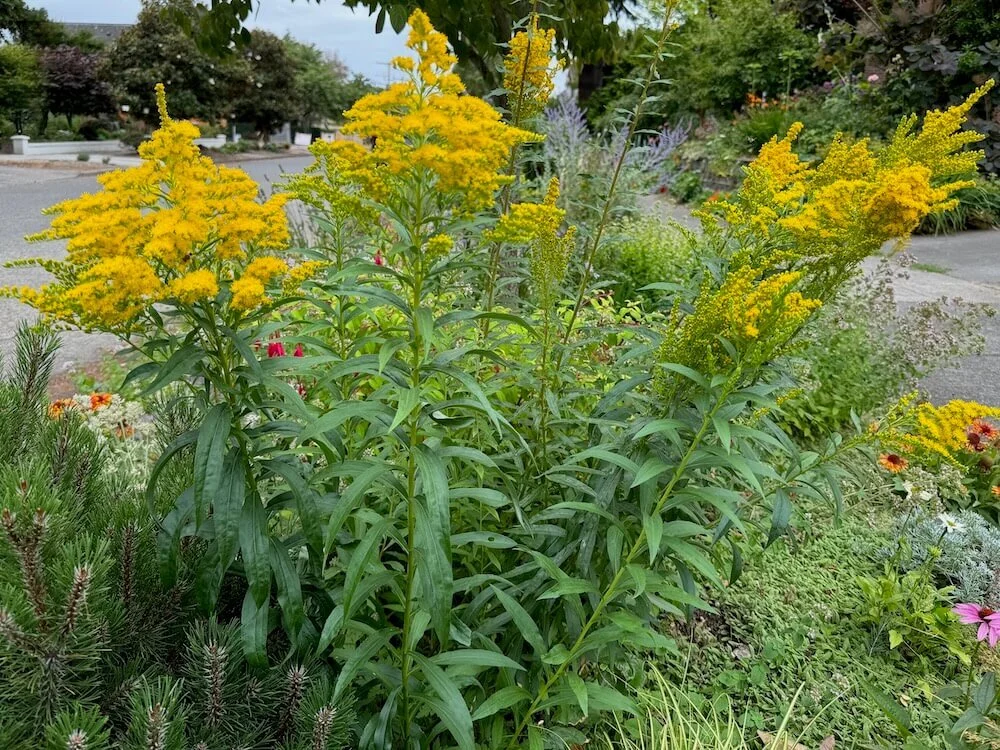
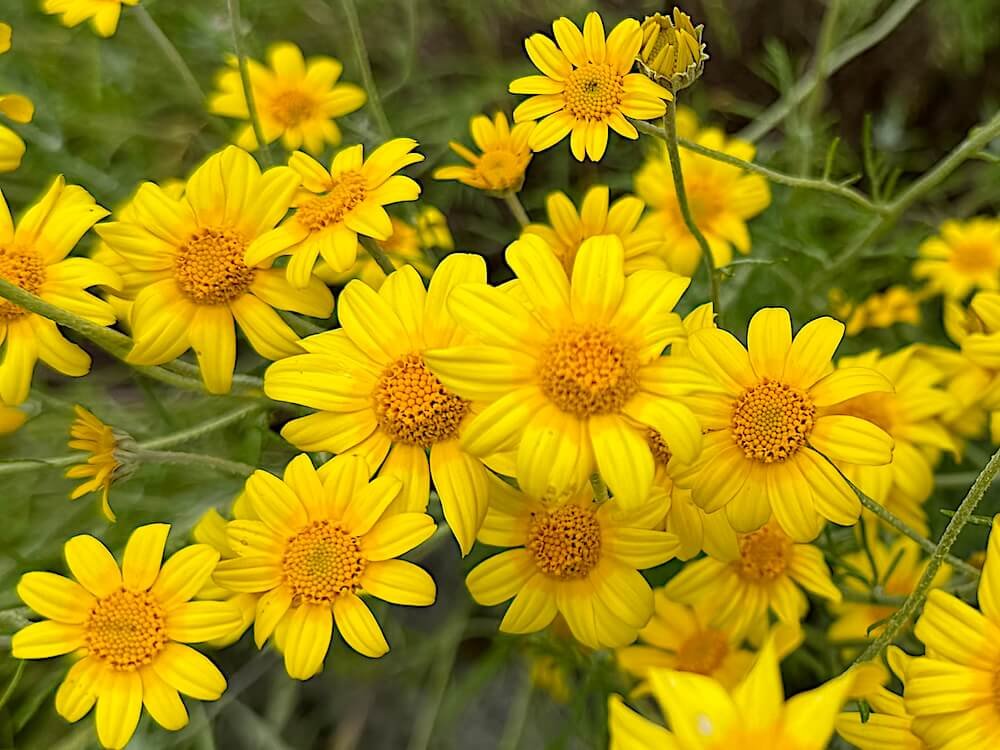
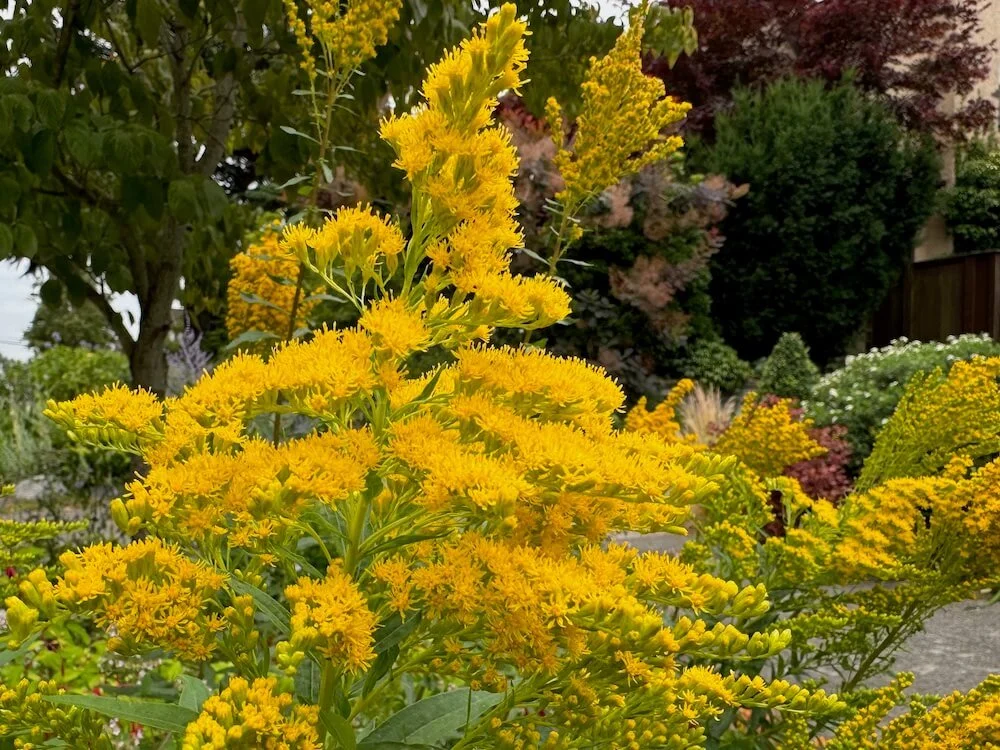
Solidago altissima develops upright stems lined with narrow, lance shaped green leaves arranged alternately along the stalks, creating a vertical, leafy framework through the growing season. In late summer into fall, the upper stems branch into broad, arching plumes composed of many small golden yellow flower clusters that open in succession and create a soft cloud of color.

Native to much of North America, the species occurs naturally in prairies, open fields, and roadside habitats. In gardens it contributes seasonal structure to naturalistic plantings, meadow gardens, and wildlife friendly borders, where the abundant flowers support pollinators and bring warm color late in the season.

DESCRIPTION
Solidago altissima develops upright stems lined with narrow, lance shaped green leaves arranged alternately along the stalks, creating a vertical, leafy framework through the growing season. In late summer into fall, the upper stems branch into broad, arching plumes composed of many small golden yellow flower clusters that open in succession and create a soft cloud of color.

Native to much of North America, the species occurs naturally in prairies, open fields, and roadside habitats. In gardens it contributes seasonal structure to naturalistic plantings, meadow gardens, and wildlife friendly borders, where the abundant flowers support pollinators and bring warm color late in the season.

 
  • Family: Asteraceae
    Height: 4 to 6 feet
    Width: 24 to 36 inches
    Foliage color: Medium green lance shaped leaves along upright stems
    Flower color: Bright golden yellow flowers in large arching plume like clusters
    Bloom time: Late summer to fall
    Light requirements: Full sun
    Water requirements: Moderate moisture in well drained soil with tolerance for dry conditions once established
    Maintenance: Moderate; spread by rhizomes so clumps may need thinning to control vigorous growth
    Growing zone: USDA zones 3 to 9
    Wildlife attractors: Attracts bees butterflies and other pollinators
    Print Information

    Buy Plants