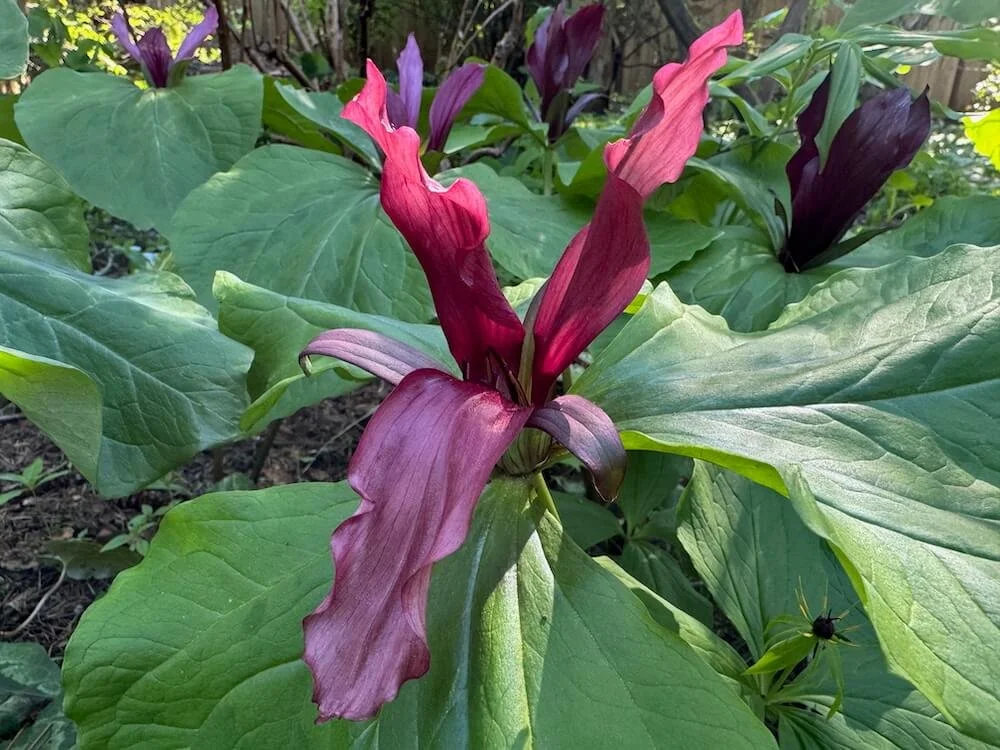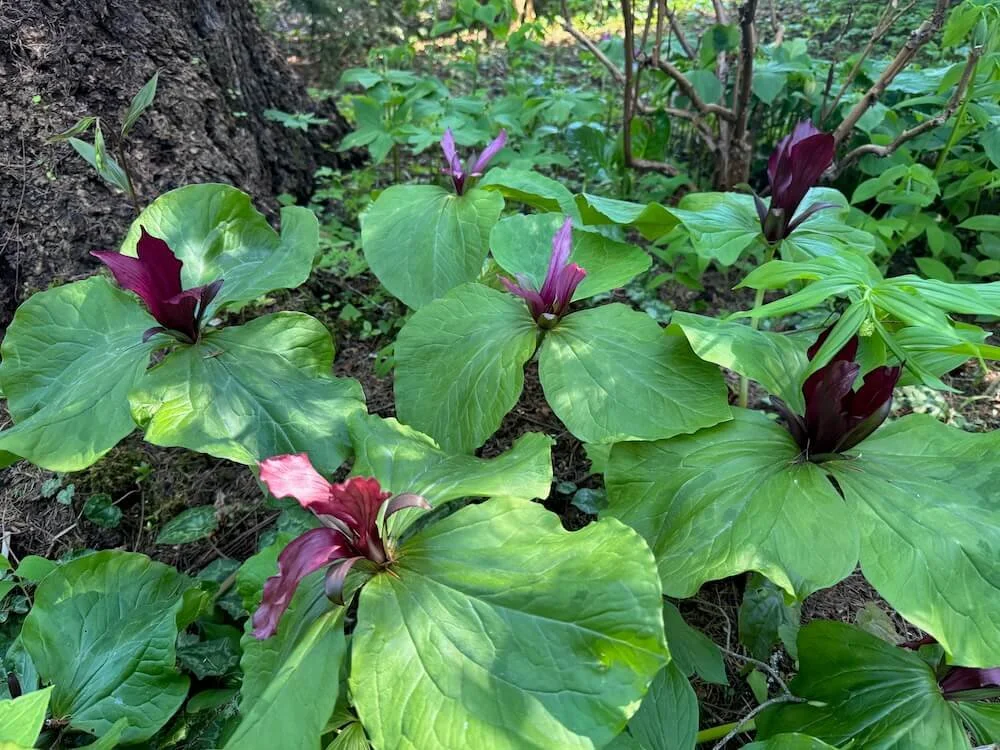
Trillium chloropetalum 'Volcano' | Volcano Giant Trillium

$0.00

DESCRIPTION
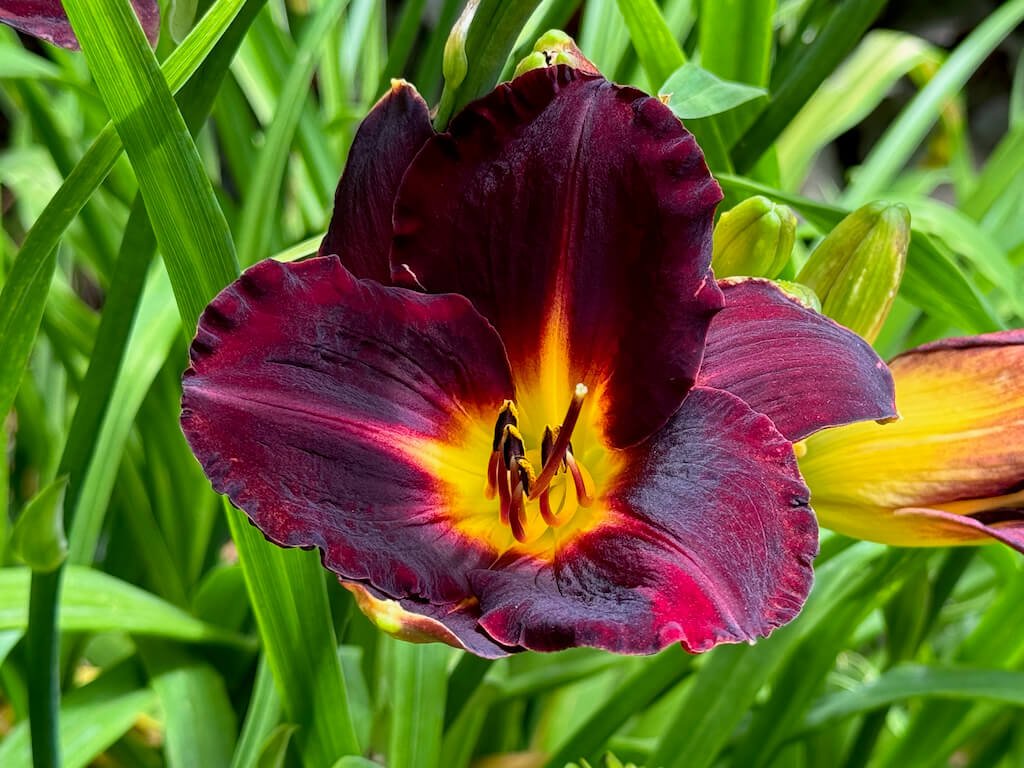
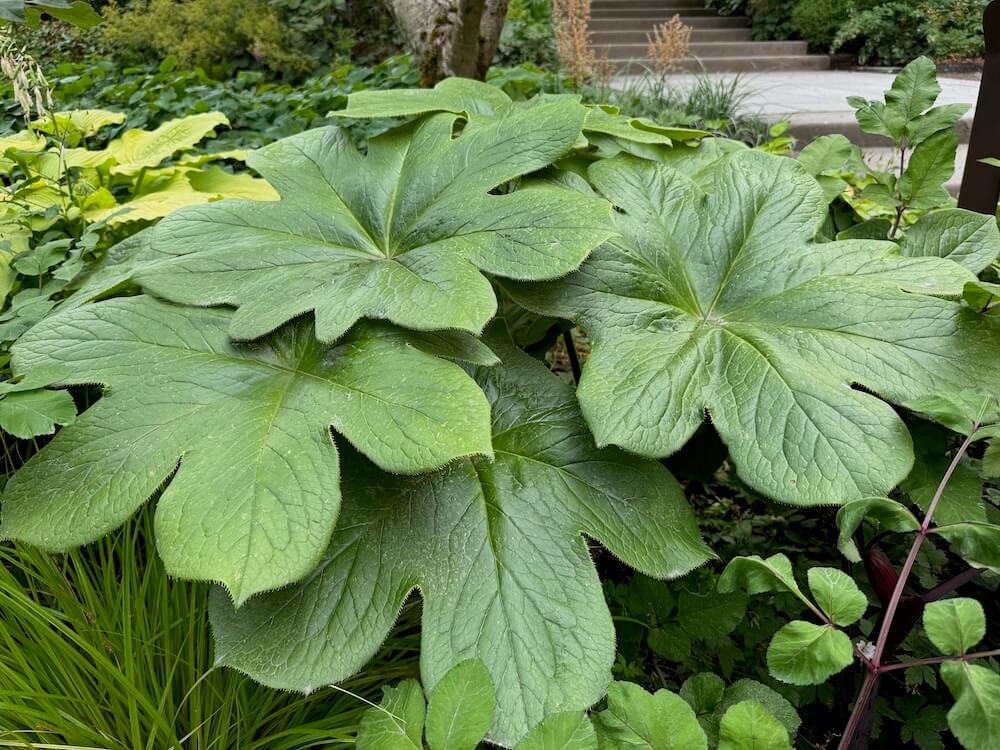
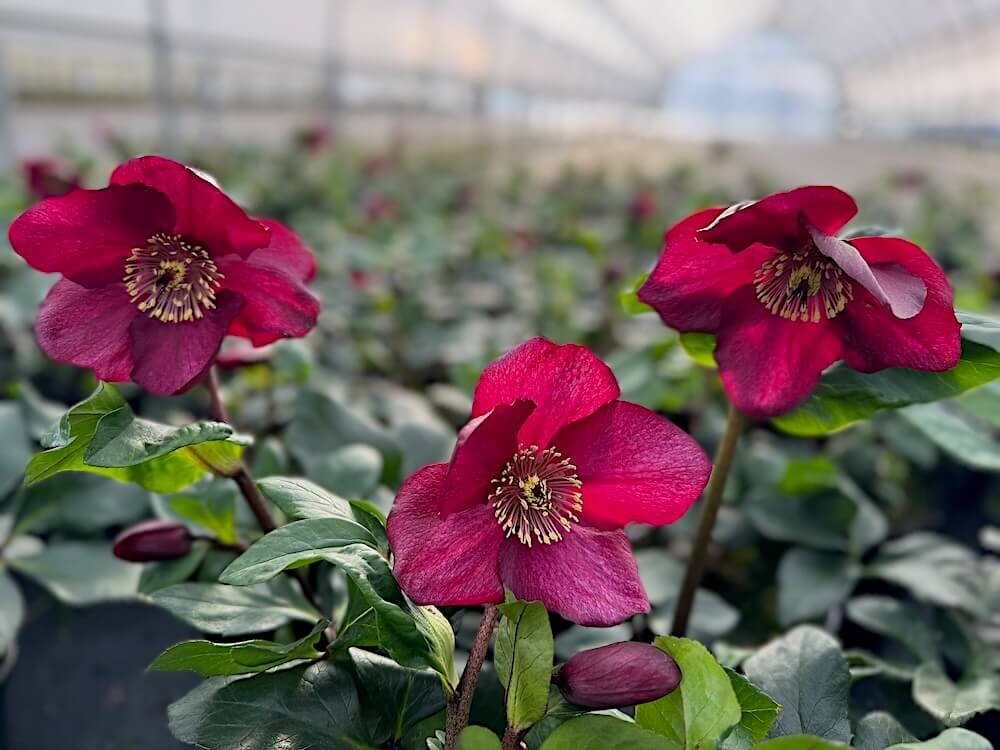
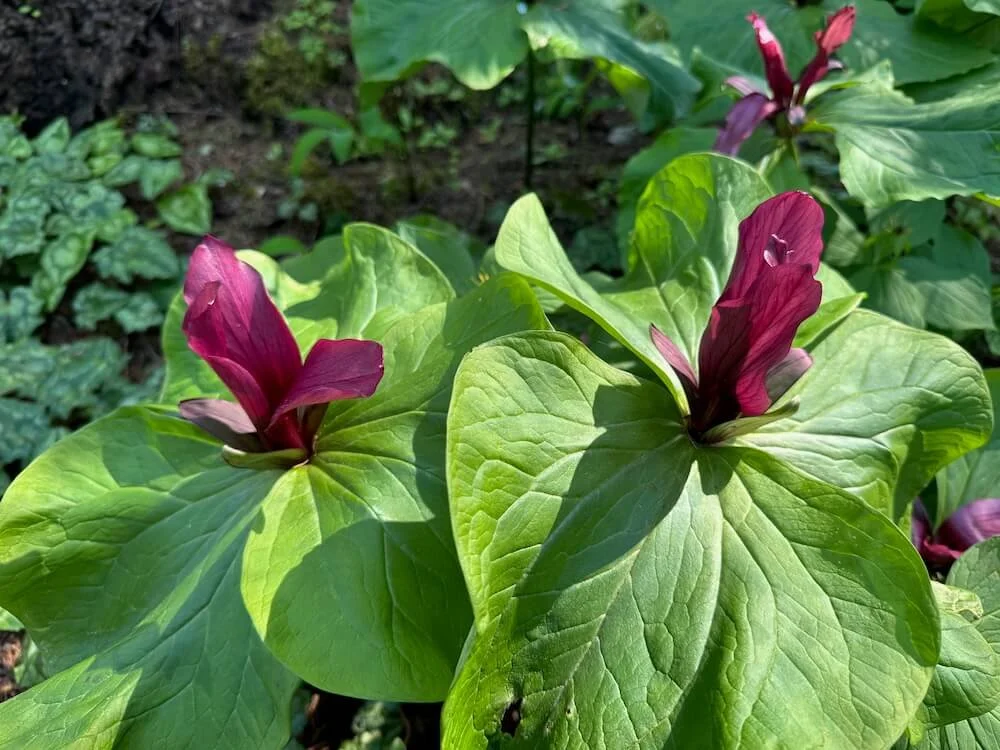
Trillium chloropetalum ‘Volcano’ emerges in early spring with a whorl of three broad, slightly wavy leaves that form a balanced platform above the soil. The rich green foliage highlights a solitary, upright flower held at the center. In mid to late spring, thick petals unfold in deep maroon to near-black tones with a satiny surface. The bold coloration and substantial petals give the bloom a dramatic presence while the tidy three-leaf arrangement maintains a refined woodland character.

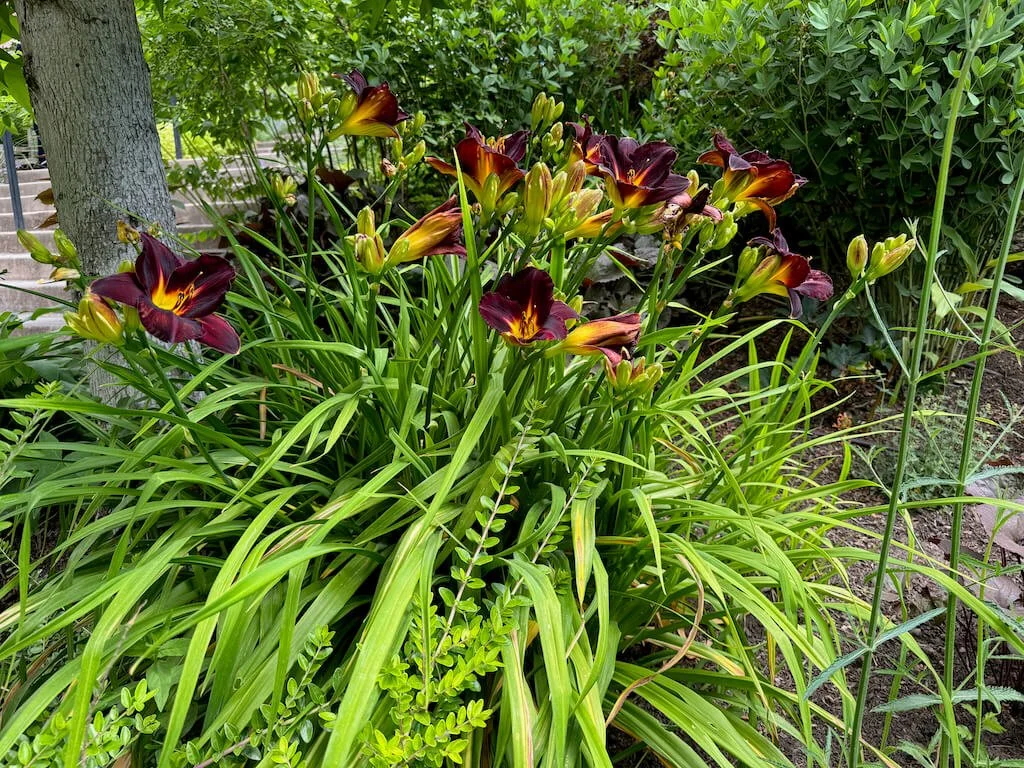
This selection traces its heritage to Trillium chloropetalum native to California’s coastal ranges and foothill woodlands. In gardens it brings depth and seasonal interest to shaded borders, woodland plantings, and naturalistic settings beneath trees or shrubs.

DESCRIPTION
Trillium chloropetalum ‘Volcano’ emerges in early spring with a whorl of three broad, slightly wavy leaves that form a balanced platform above the soil. The rich green foliage highlights a solitary, upright flower held at the center. In mid to late spring, thick petals unfold in deep maroon to near-black tones with a satiny surface. The bold coloration and substantial petals give the bloom a dramatic presence while the tidy three-leaf arrangement maintains a refined woodland character.

This selection traces its heritage to Trillium chloropetalum native to California’s coastal ranges and foothill woodlands. In gardens it brings depth and seasonal interest to shaded borders, woodland plantings, and naturalistic settings beneath trees or shrubs.

 
  • Family: Melanthiaceae
    Height: 12 to 18 inches
    Width: 12 to 18 inches
    Foliage color: Medium to dark green leaves often mottled with bronze maroon or darker green markings
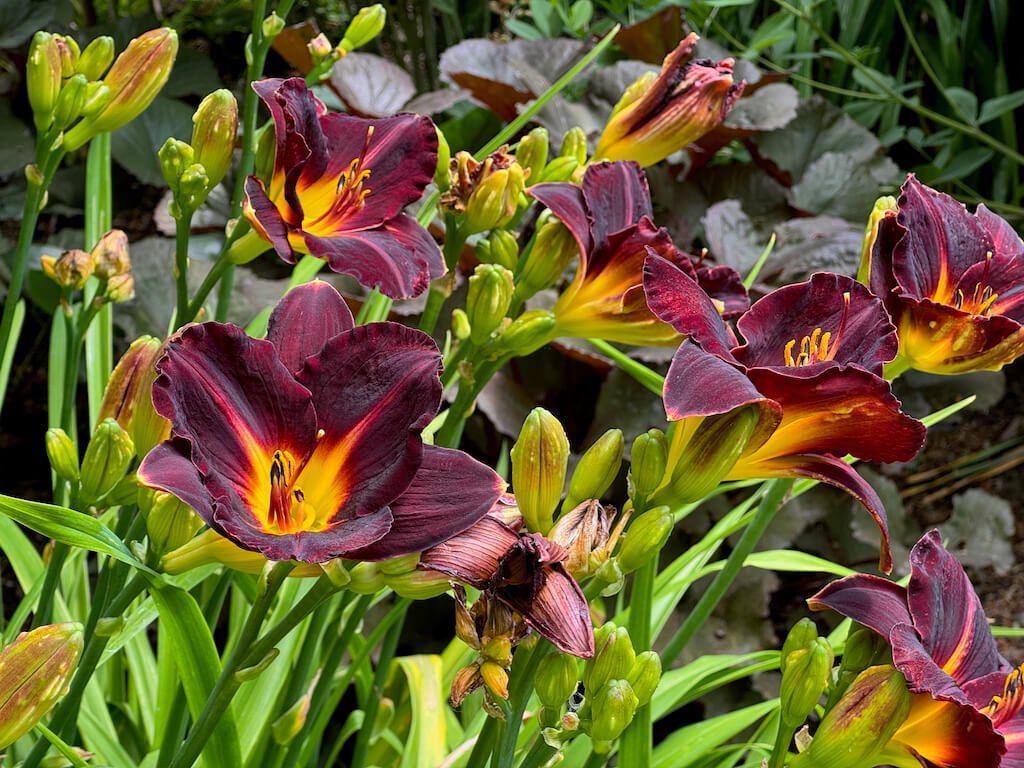
    Flower color: Deep burgundy to blood red three petaled flowers with dark purple stamens
    Bloom time: Late winter to early spring
    Light requirements: Partial shade to full shade
    Water requirements: Consistent moisture during the growing season
    Maintenance: Low; allow foliage to die back naturally after flowering; divide only when clumps become crowded
    Growing zone: USDA zones 6 to 9
    Wildlife attractors: Native bees early season pollinators and ants that disperse the seeds

    This plant can be seen at Heronswood Garden.
    Print Information

    Buy Plants