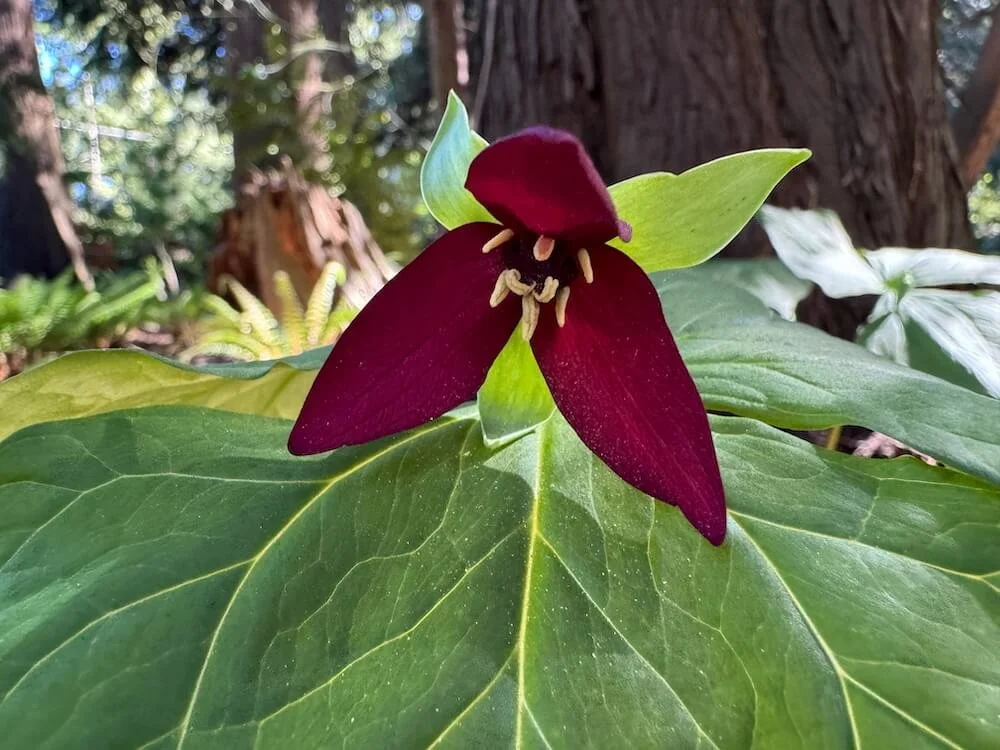
Trillium erectum | Red Trillium

$0.00

DESCRIPTION
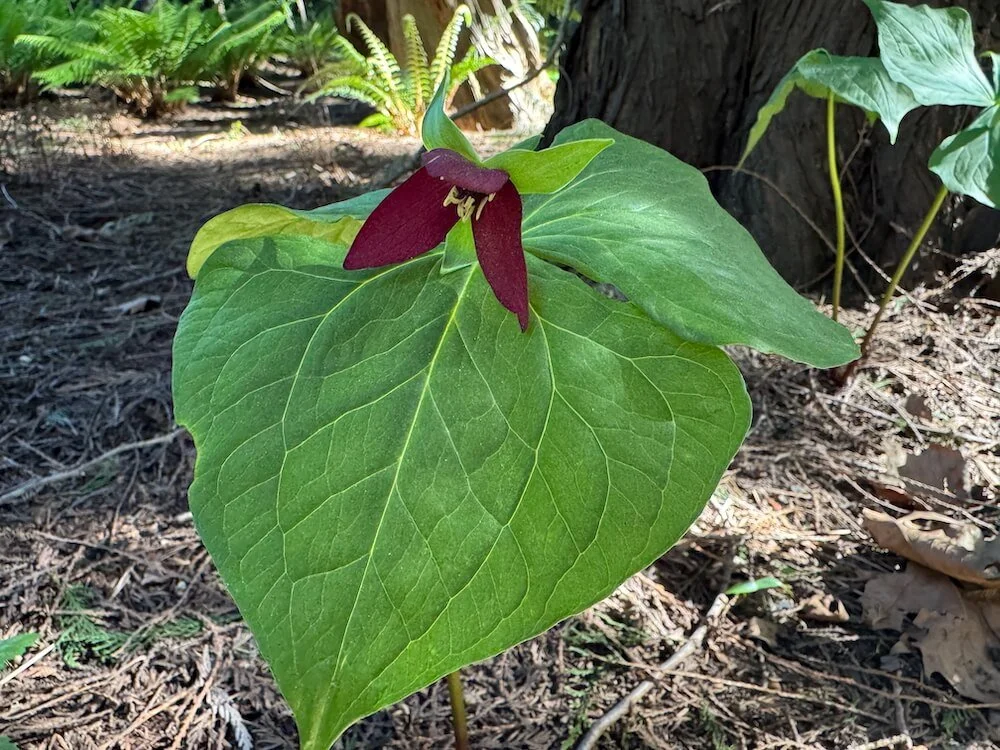
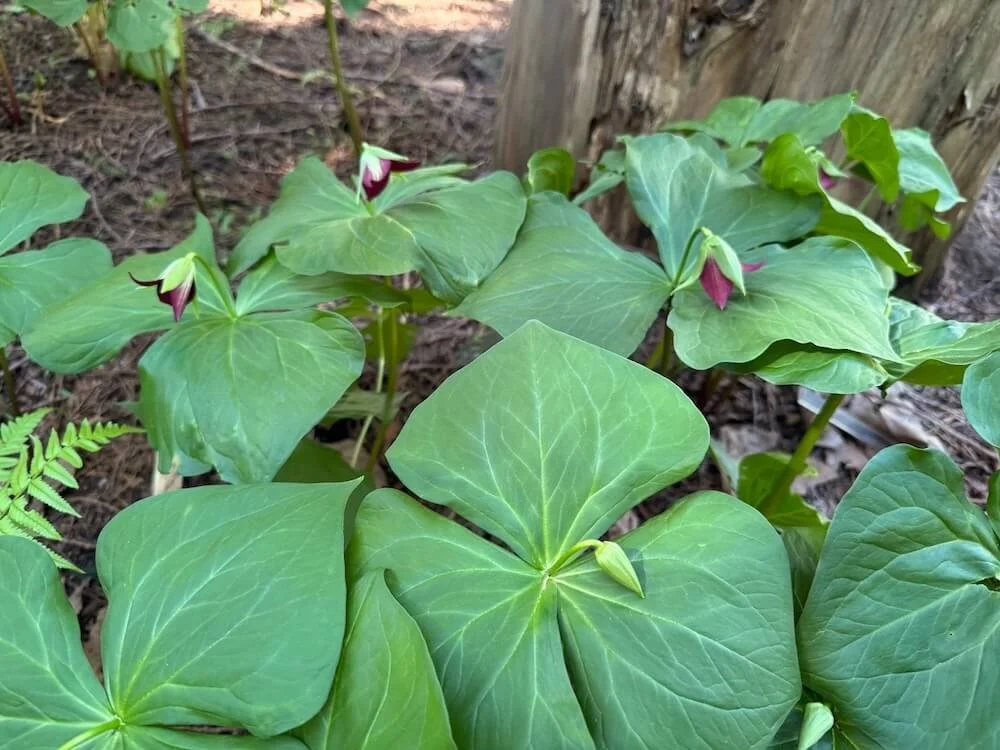
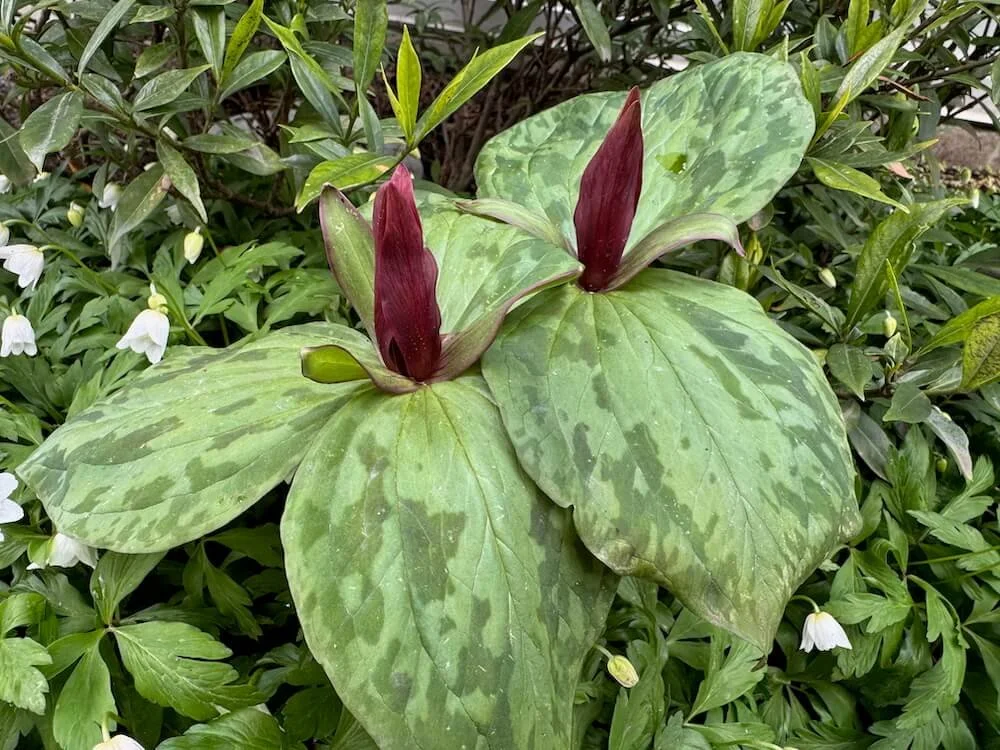
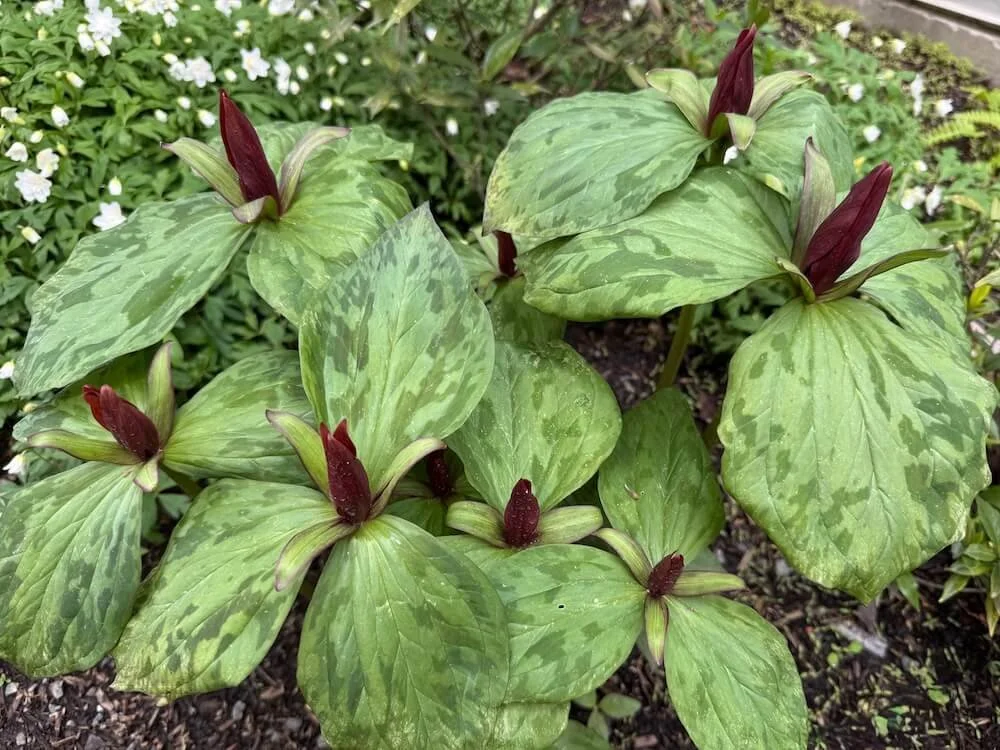
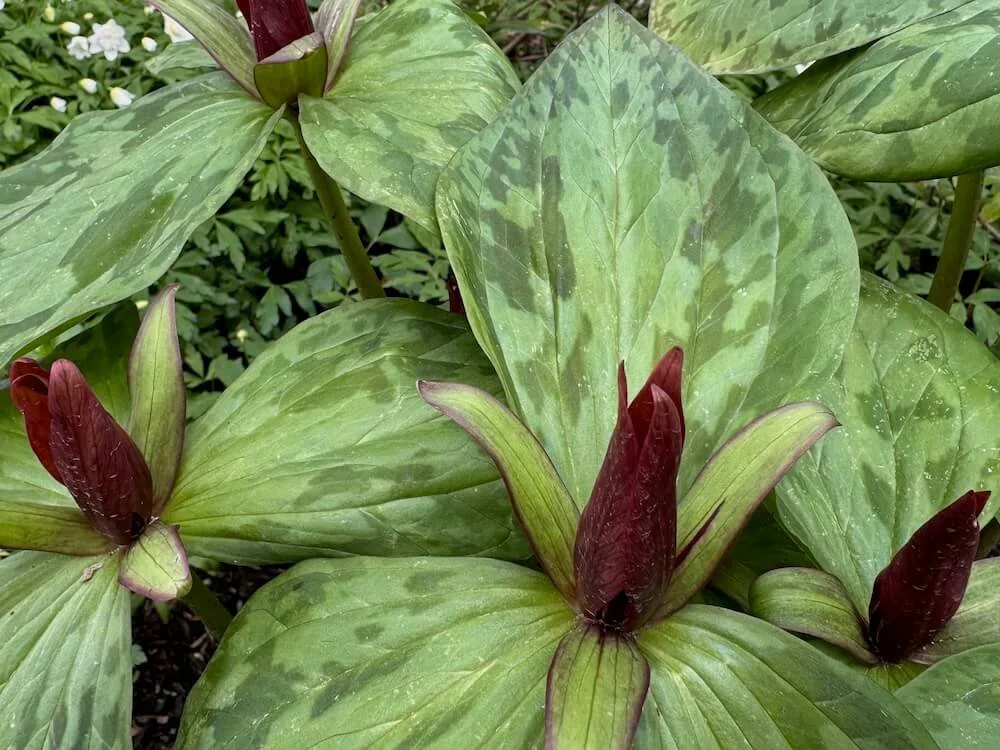
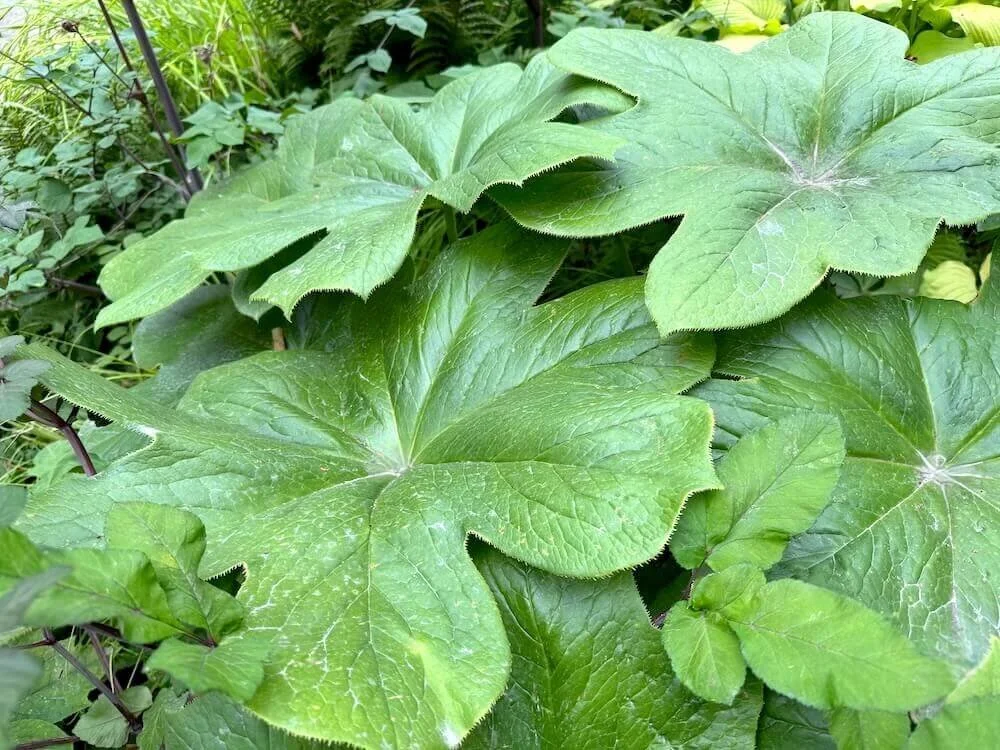
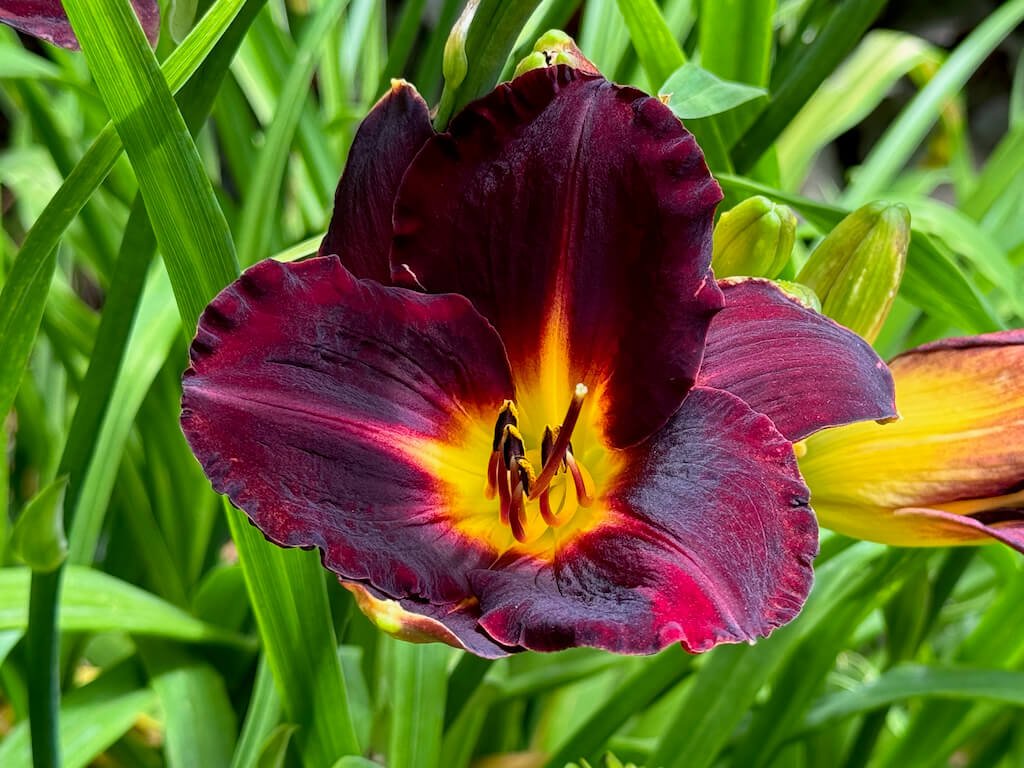
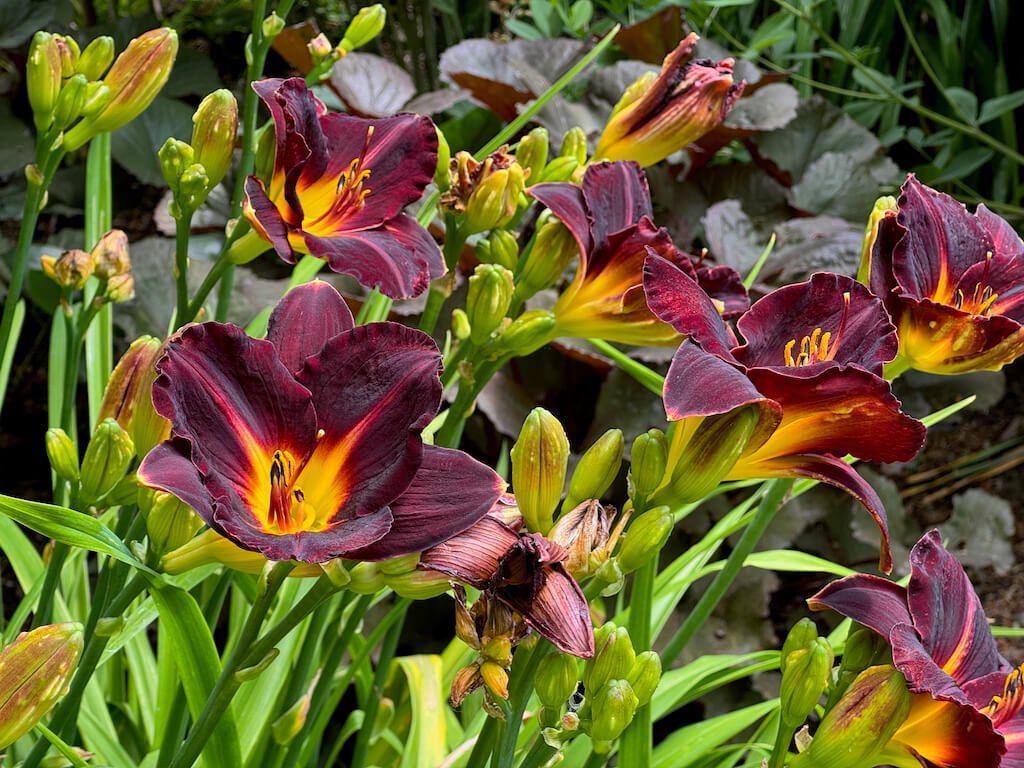
Trillium erectum produces a neat whorl of three broad, pointed leaves that spread horizontally near the top of a single upright stem. At the center, a solitary flower rises above the leaves, its three maroon to deep reddish-purple petals surrounding a cluster of yellow stamens. Blooming in mid to late spring, the flower has a fleshy texture and upright form that gives the plant a distinctive presence in shaded woodland settings.

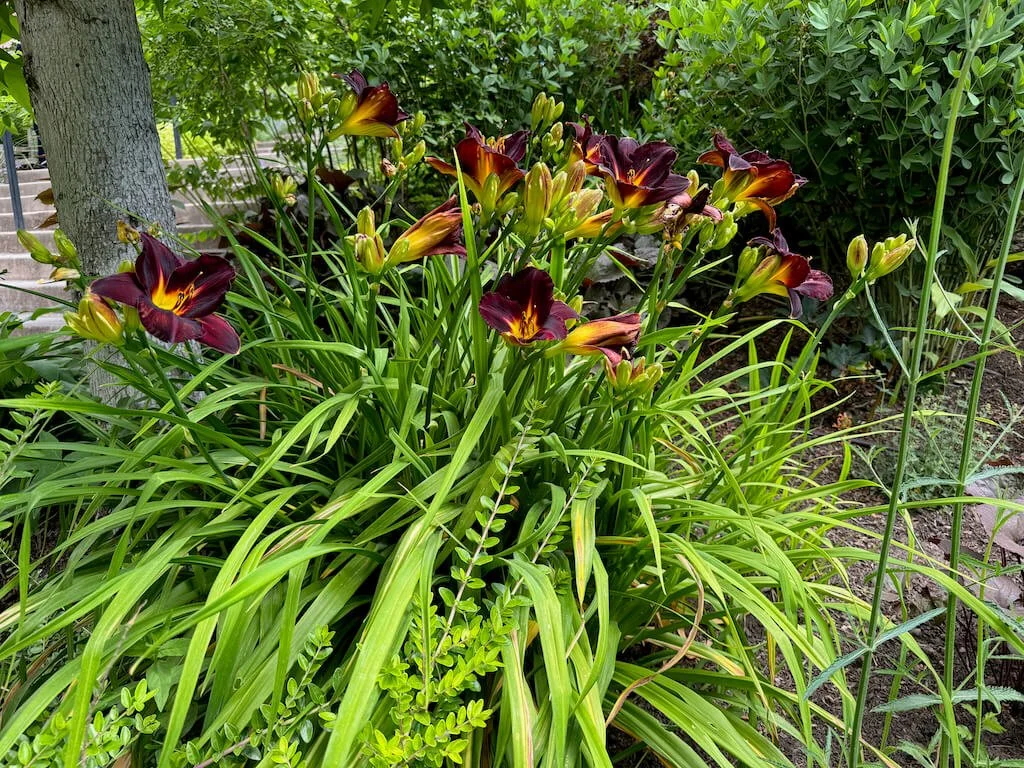
Native to eastern North America, Trillium erectum grows naturally in deciduous forests from Canada to the Appalachian region. In gardens it brings classic woodland character to shaded borders, native plantings, and naturalized areas beneath trees, where its early spring blooms provide seasonal interest among ferns and other shade-loving perennials.

DESCRIPTION
Trillium erectum produces a neat whorl of three broad, pointed leaves that spread horizontally near the top of a single upright stem. At the center, a solitary flower rises above the leaves, its three maroon to deep reddish-purple petals surrounding a cluster of yellow stamens. Blooming in mid to late spring, the flower has a fleshy texture and upright form that gives the plant a distinctive presence in shaded woodland settings.

Native to eastern North America, Trillium erectum grows naturally in deciduous forests from Canada to the Appalachian region. In gardens it brings classic woodland character to shaded borders, native plantings, and naturalized areas beneath trees, where its early spring blooms provide seasonal interest among ferns and other shade-loving perennials.

 
  • Family: Melanthiaceae
    Height: 12 to 18 inches
    Width: 12 to 18 inches
    Foliage color: Medium to dark green broad ovate leaves arranged in a whorl of three
    Flower color: Deep maroon to burgundy three petaled flowers with yellow stamens
    Bloom time: Mid spring often April to May
    Light requirements: Partial shade to full shade
    Water requirements: Evenly moist soil
    Maintenance: Low; allow foliage to die back naturally after flowering; divide only when plants become crowded
    Growing zone: USDA zones 4 to 7
    Wildlife attractors: Carrion flies and beetles that act as pollinators and ants that disperse the seeds

    This plant can be seen at Heronswood Garden.

    Print Information

    Buy Plants