Woodwardia unigemmata | Jeweled Chain Fern

$0.00

DESCRIPTION
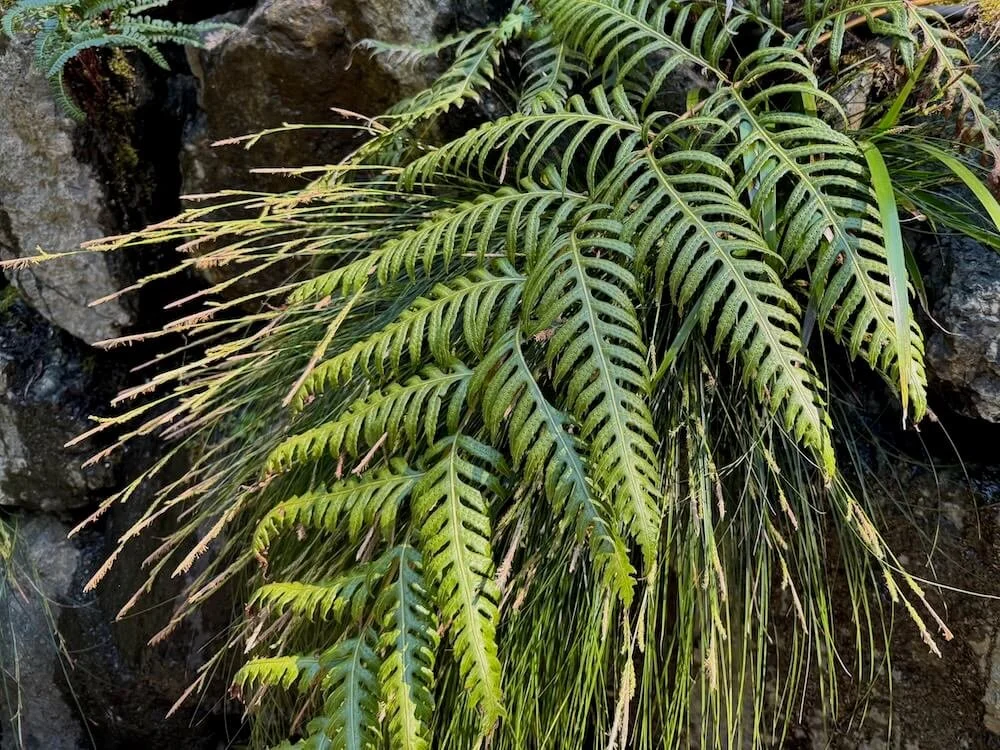
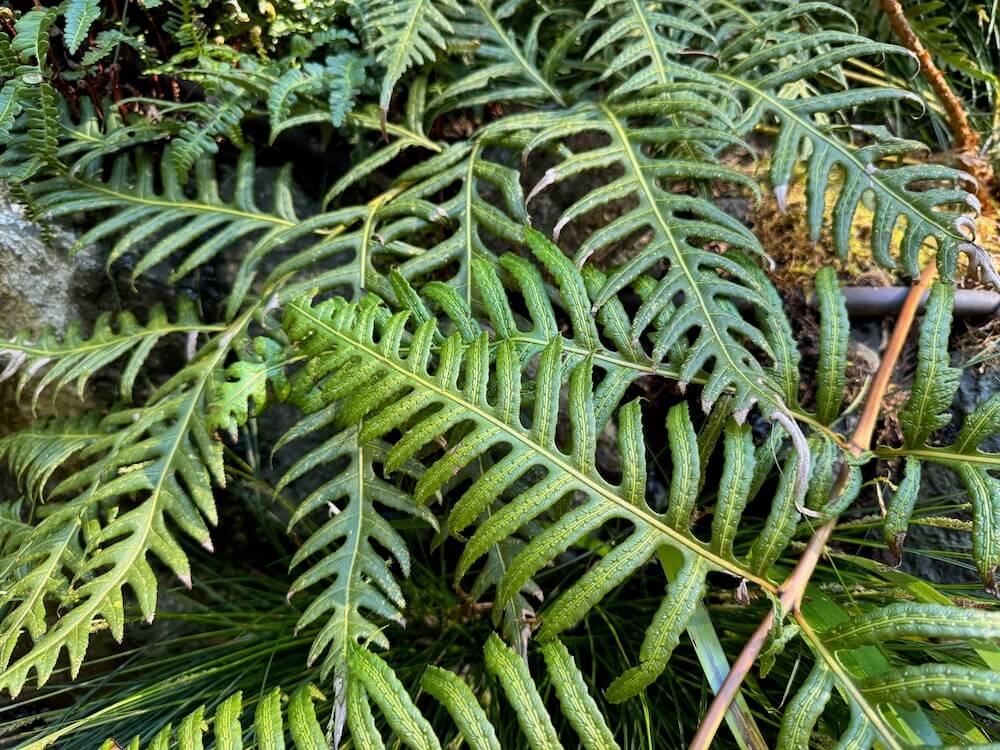
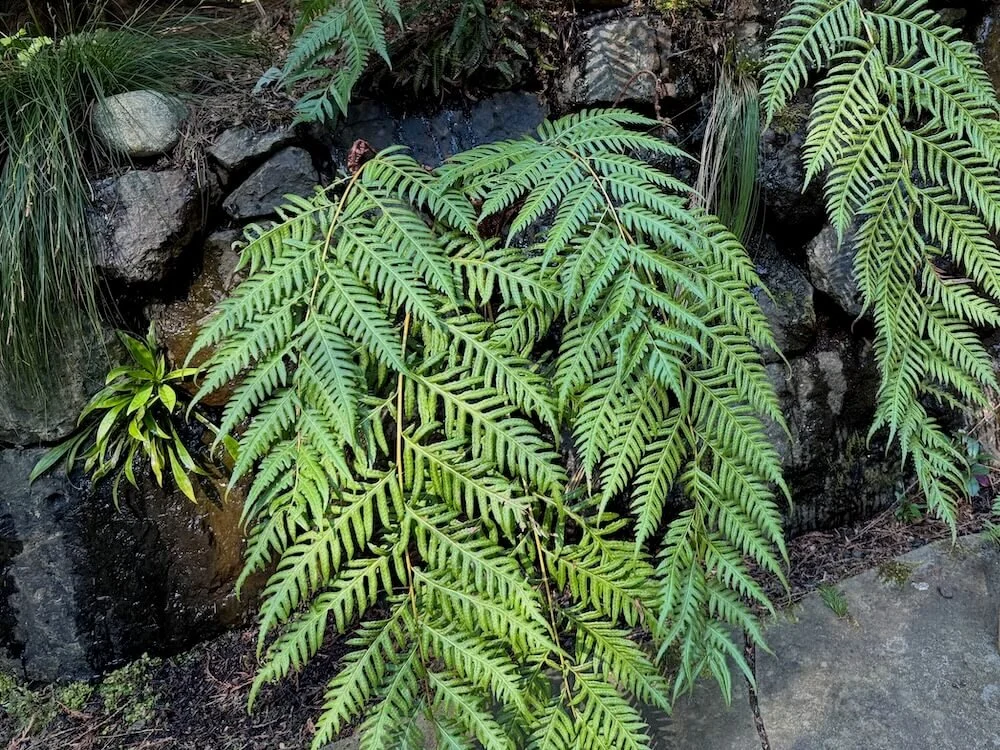
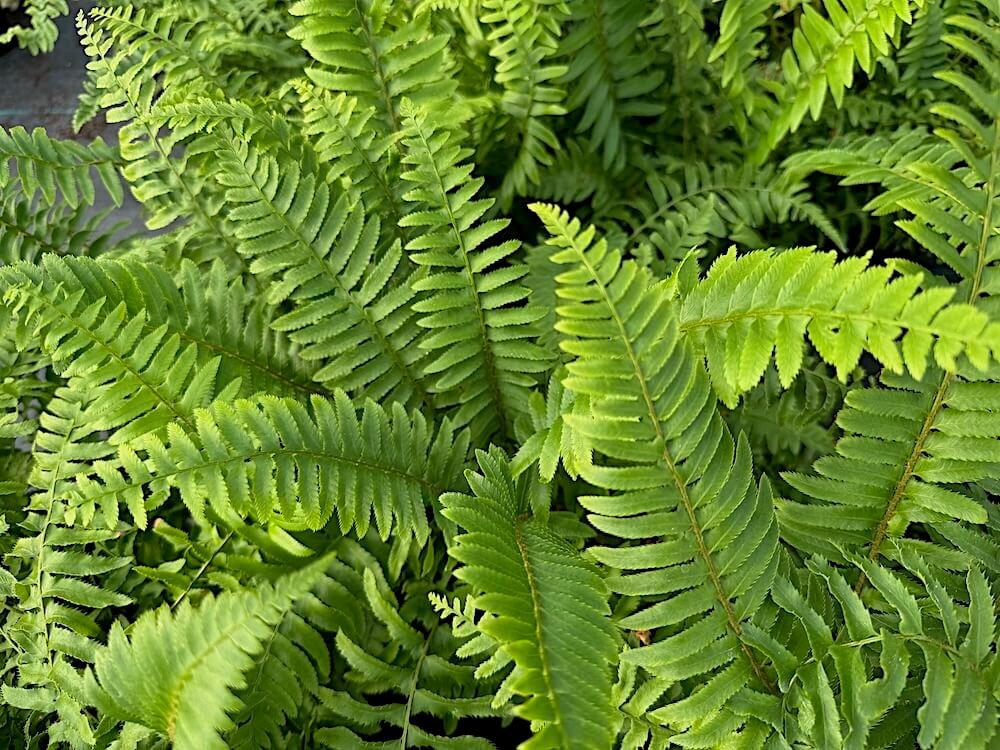
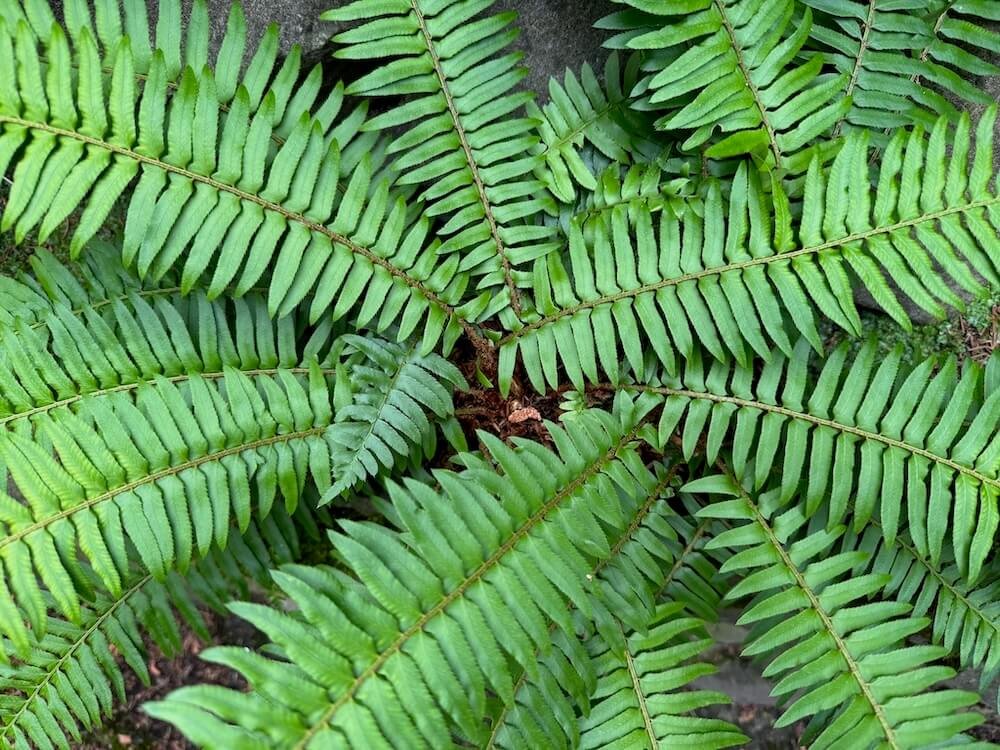
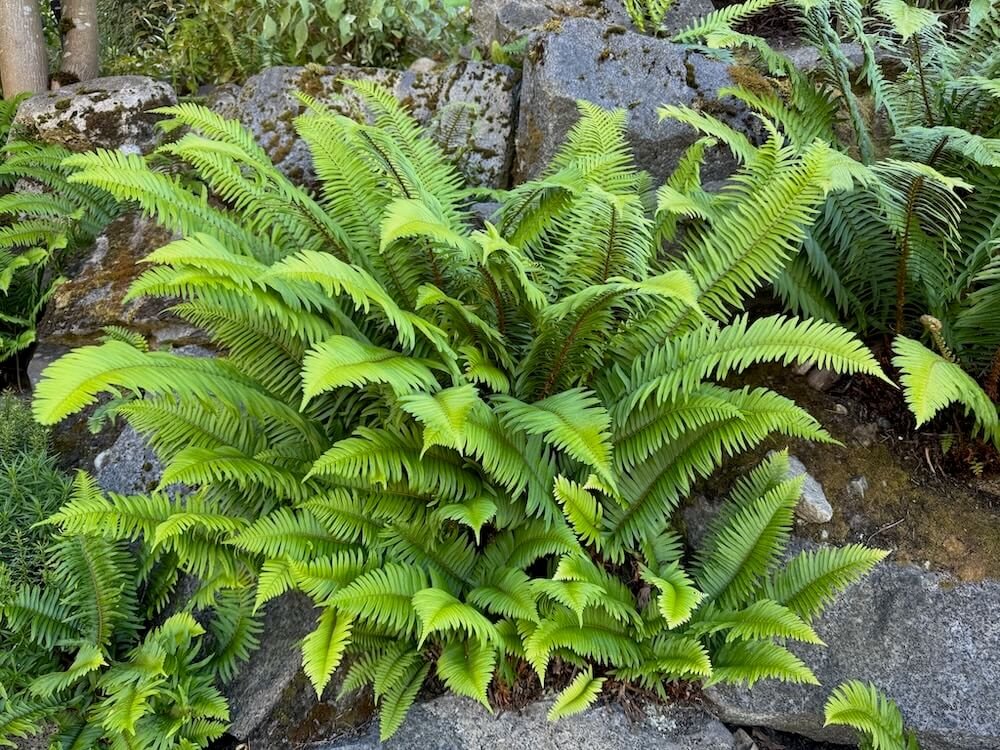
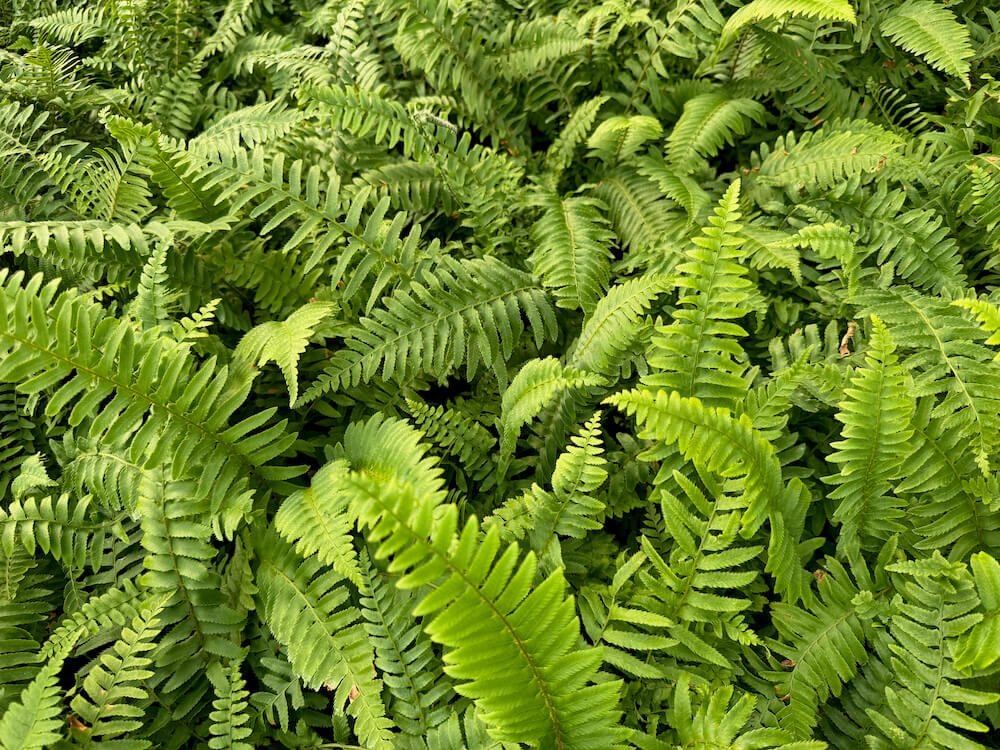
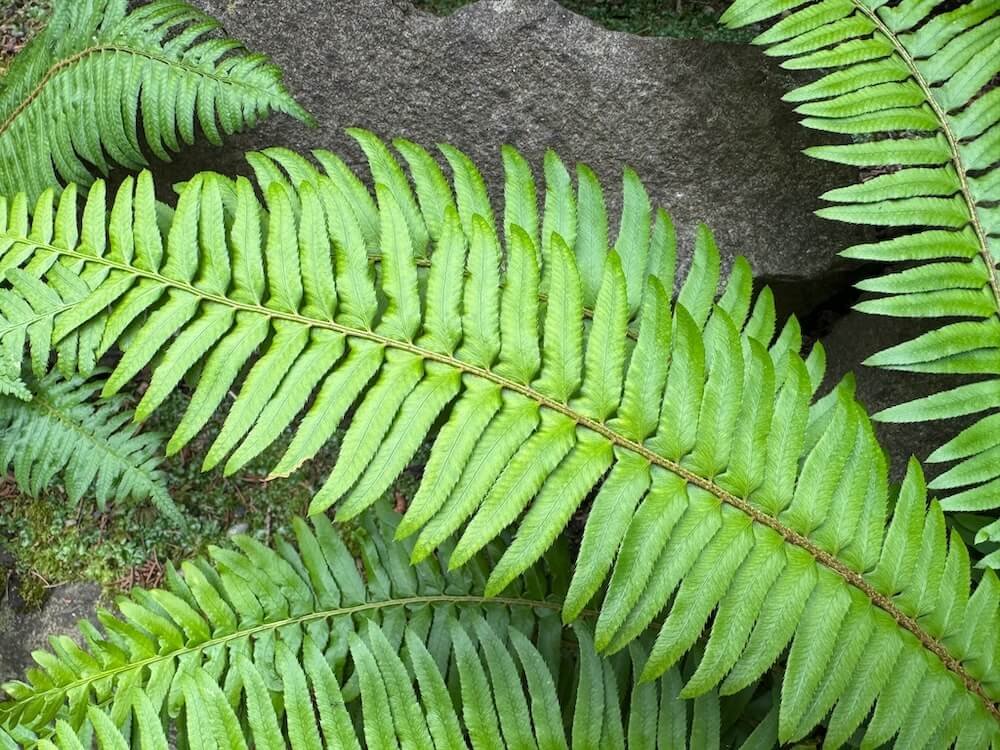
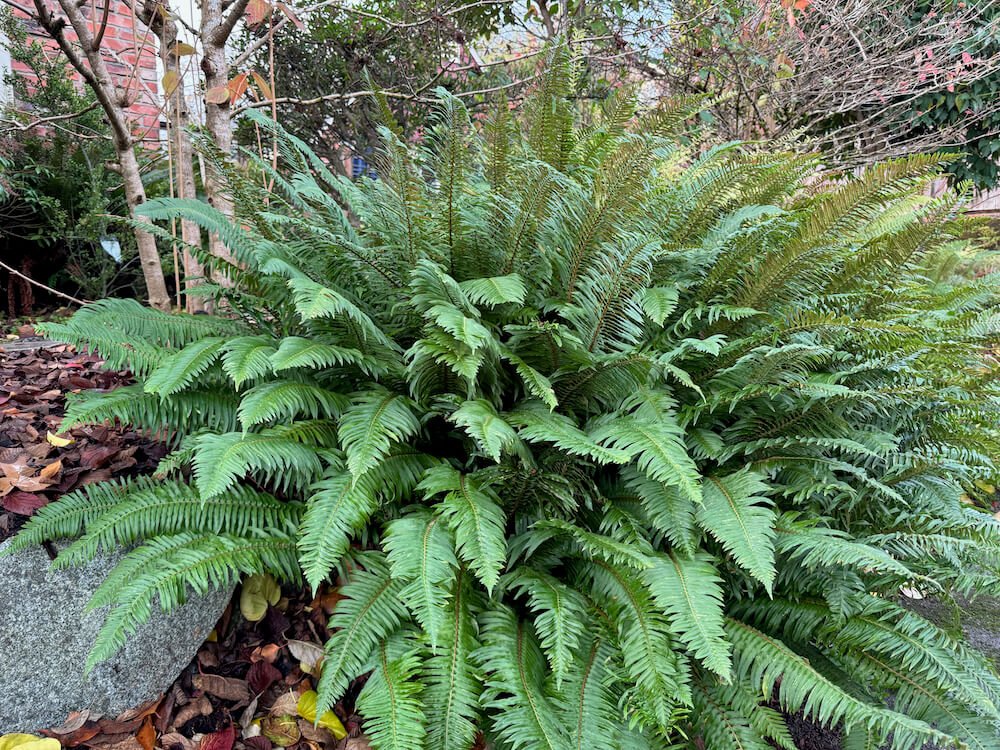
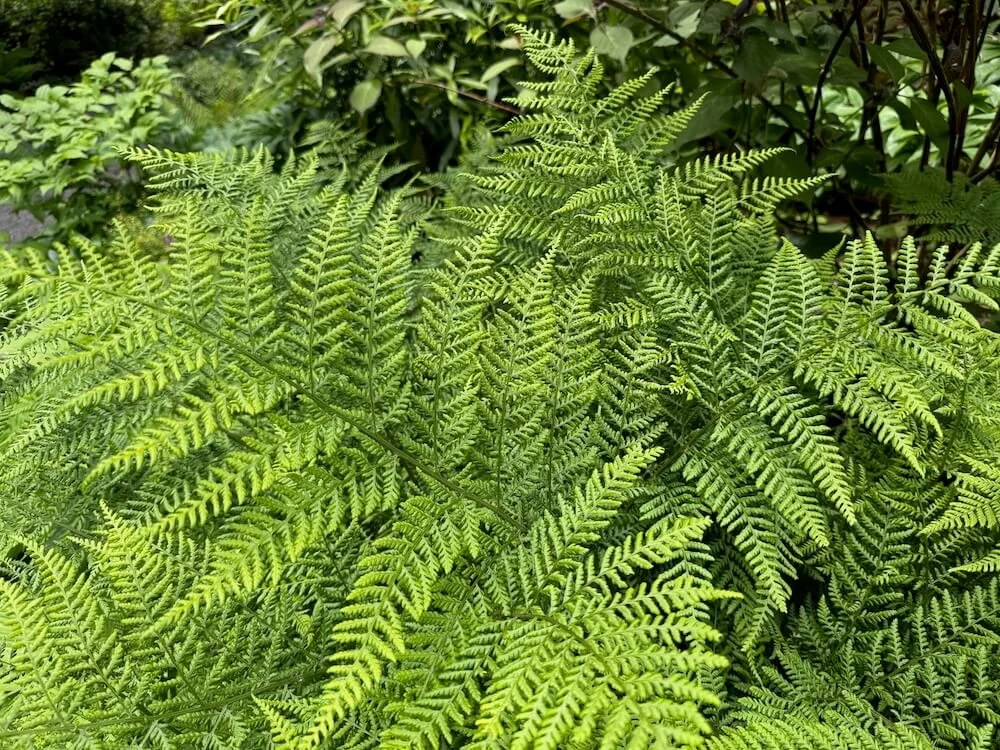
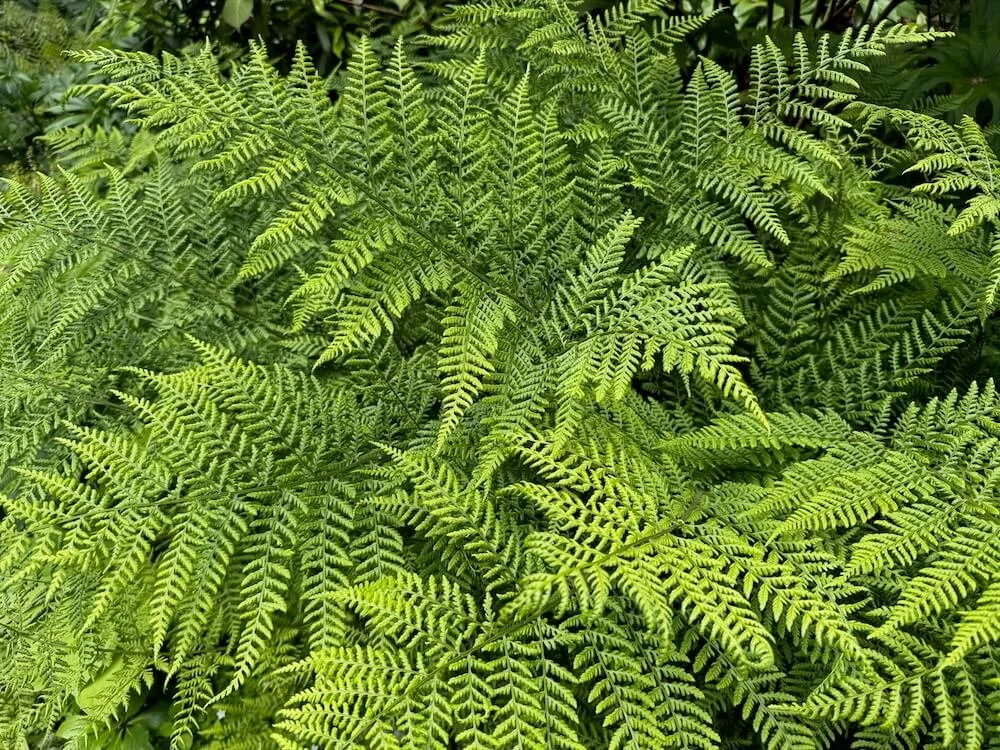
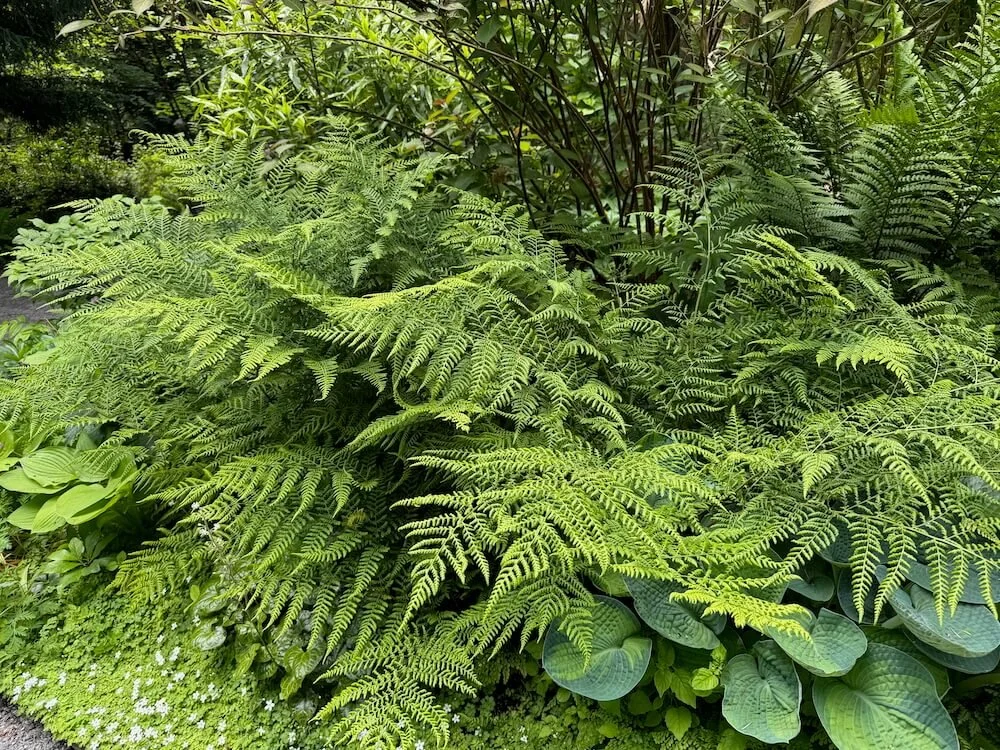
Woodwardia unigemmata is an evergreen fern with long, arching, finely divided fronds. New fronds emerge a rich red, age through rusty tones, and finally mature to glossy green. The fronds can grow to impressive length and often drape over banks, rocks, or the edges of shaded borders, giving a lush, cascading presence in woodland or moist garden settings.

Native to moist, mountainous regions of Asia, Woodwardia unigemmata is adapted to high rainfall and shelter. Its reproductive season runs from summer into early autumn, when rows of sori develop on the undersides of mature fronds and small bulbils form near the tips, allowing it to slowly extend into graceful colonies.

DESCRIPTION
Woodwardia unigemmata is an evergreen fern with long, arching, finely divided fronds. New fronds emerge a rich red, age through rusty tones, and finally mature to glossy green. The fronds can grow to impressive length and often drape over banks, rocks, or the edges of shaded borders, giving a lush, cascading presence in woodland or moist garden settings.

Native to moist, mountainous regions of Asia, Woodwardia unigemmata is adapted to high rainfall and shelter. Its reproductive season runs from summer into early autumn, when rows of sori develop on the undersides of mature fronds and small bulbils form near the tips, allowing it to slowly extend into graceful colonies.

 
  • Family: Blechnaceae
    Height: 2 to 4 ft
    Width: 4 to 8 ft
    Foliage color: Evergreen, arching fronds that emerge vivid red, and gradually mature to rich deep green
    Flower color: Non-flowering
    Bloom time: Not applicable
    Light requirements: Partial shade to full shade
    Water requirements: Moderate to high
    Maintenance: Low — remove old fronds in late winter or early spring
    Growing zone: USDA zones 7 to 10
    Wildlife attractors: Provides excellent ground-level cover and cool, moist microhabitat for amphibians, invertebrates, and other small wildlife

    This plant can be seen at the Heronswood.
    Print Information

    Buy Plants