
Best Shrubs to
Attract Birds
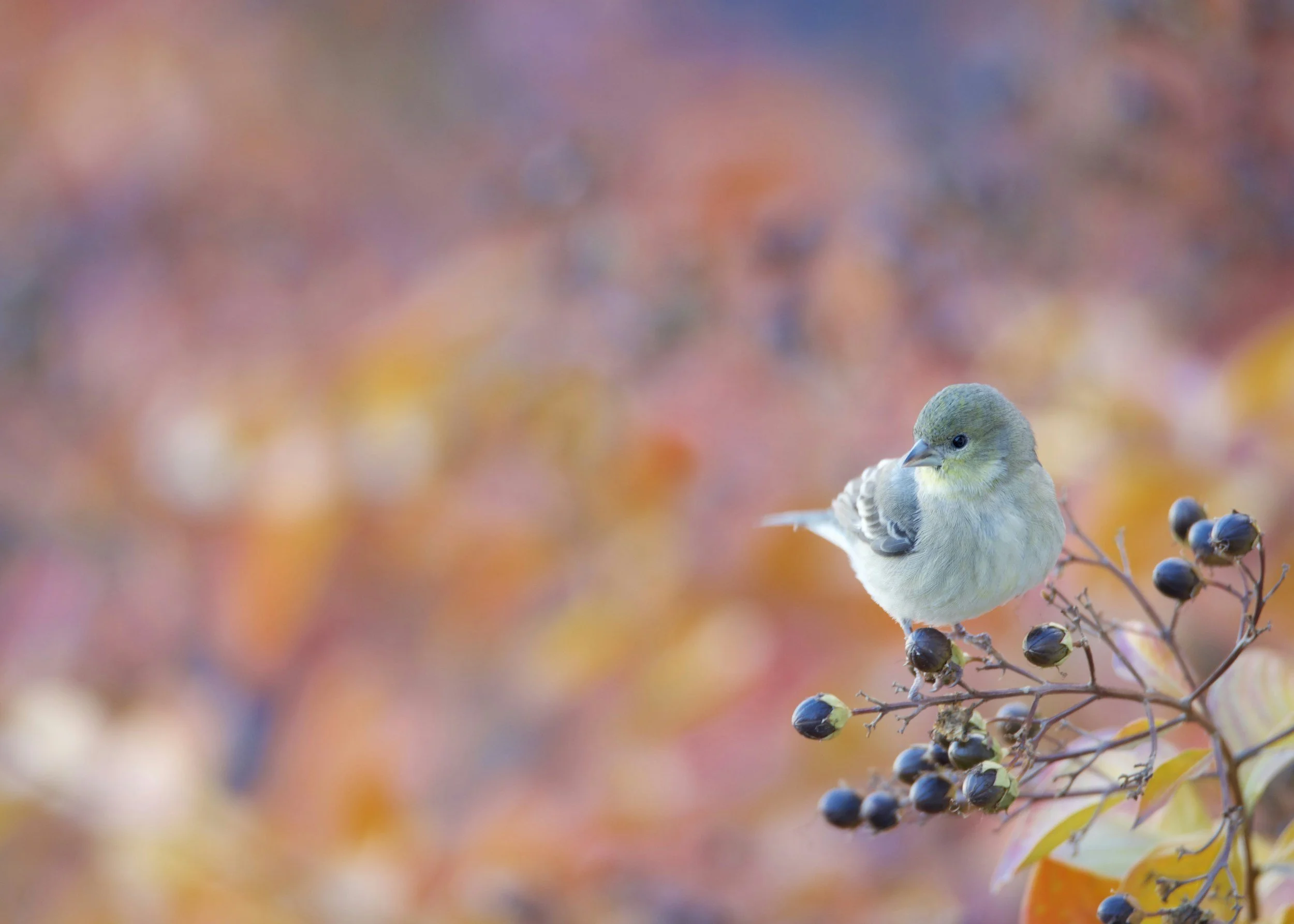
Shrubs that produce fruit and/or seeds for birds bring seasonal color, texture, and movement to the landscape while helping create a garden that feels more connected to nature. Bright berries, colorful foliage, seeds heads, and branching structure add interest from summer through winter, while a mix of varieties encourages an ever-changing presence of birds throughout the year. Over time, these shrubs can transform the garden into a more active and engaging space, with familiar visitors returning as the seasons change.
WHY SHRUBS ARE IMPORTANT TO BIRDS
Food sources throughout the seasons:
Shrubs provide an important source of food for birds through berries, seeds, flower buds, and the insects attracted to their foliage and blooms. Different shrubs produce food at different times of year, helping support birds during migration, nesting season, and the colder months when natural food sources become more limited.
Shelter and protection:
Dense branching and evergreen foliage create protected spaces where birds can rest, hide from predators, and take shelter from wind, rain, and harsh weather. Layered shrub plantings are especially valuable, offering safe cover at multiple heights throughout the garden.
Nesting habitat:
Many birds rely on shrubs for nesting sites because dense growth helps conceal nests and protect young birds from disturbance. Twigs, bark fibers, leaves, moss, and other plant materials found around shrubs may also be used for nest construction during spring and summer.
Support for insects and pollinators:
Shrubs help sustain insect populations that are essential to many bird species, particularly during nesting season when young birds require protein-rich food sources. Flowering shrubs also attract pollinators and beneficial insects, contributing to a healthier and more balanced garden ecosystem.
Seasonal structure and habitat:
Even when not flowering or fruiting, shrubs continue providing important habitat value through their branching structure and evergreen cover. In winter especially, shrubs can become critical sheltering areas where birds conserve energy and remain protected during colder weather.
Shrubs with Summer & Fall Berries
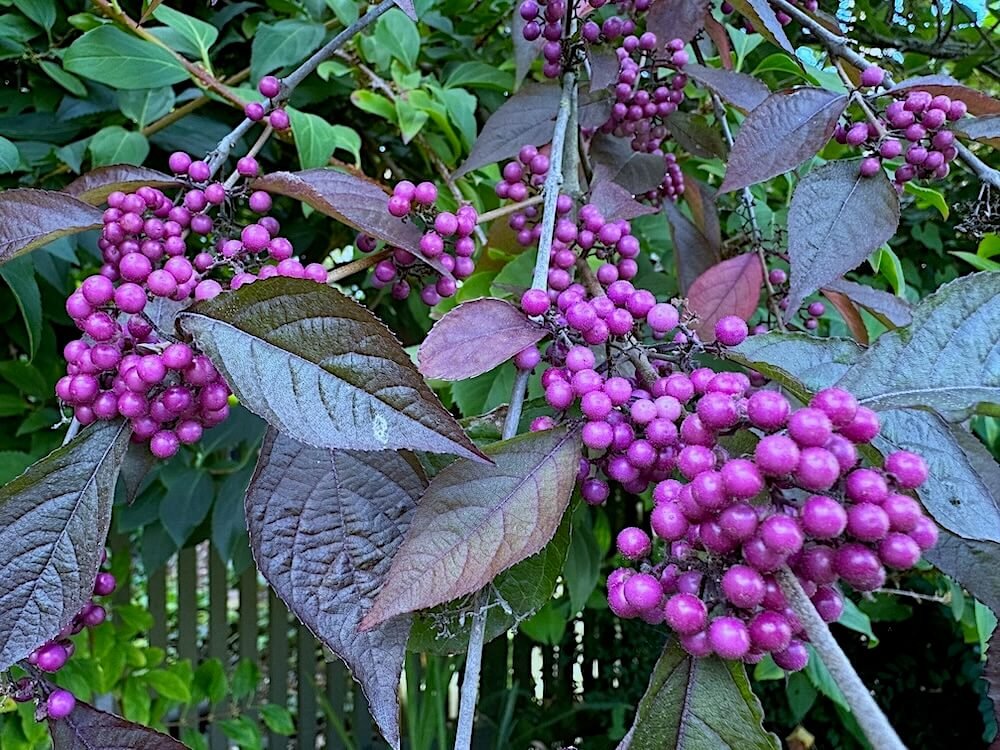
Callicarpa bodinieri var. giraldii 'Profusion'
Deciduous shrub with arching branches and vivid purple berries. Produces small pink flowers in summer, and grows 6 to 10 feet tall. Ideal for wildlife hedges, borders, and seasonal interest. Zones: 5 to 8.
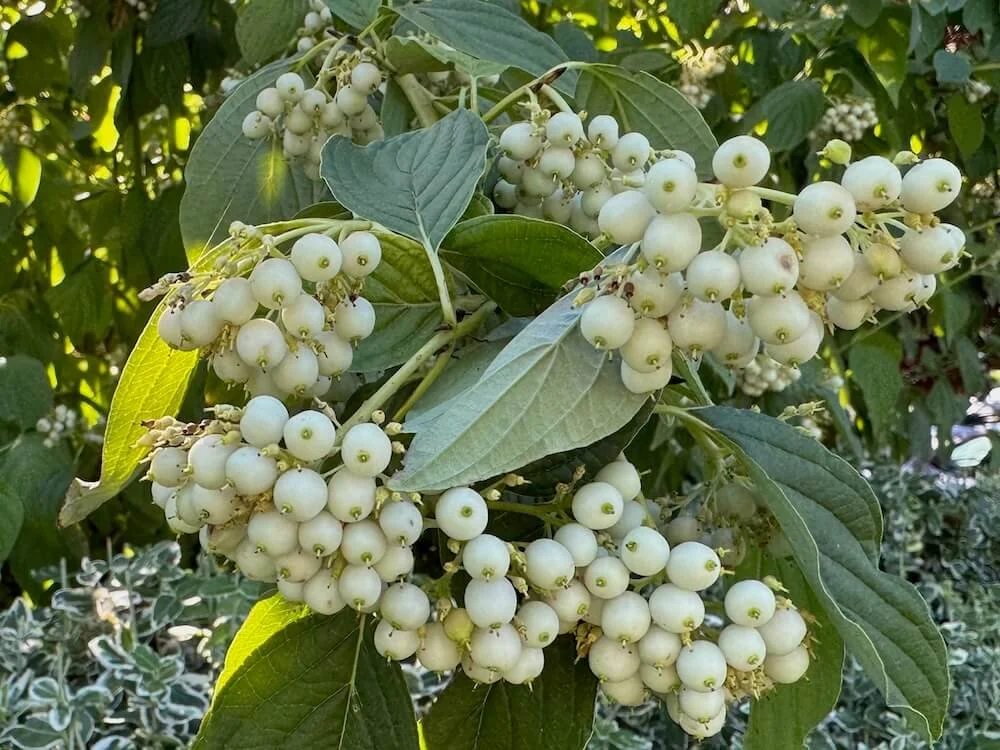
Cornus sericea ‘Flaviramea’
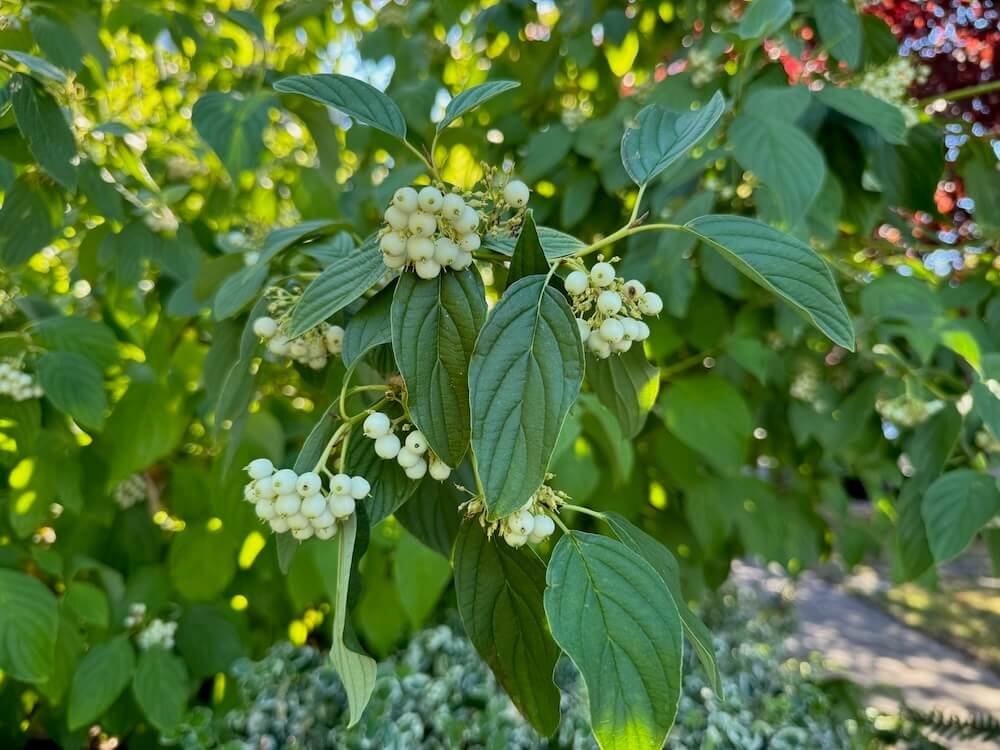
Deciduous shrub with bright yellow winter stems and white berry clusters. Attracts birds, forms dense spreading growth, and grows 6 to 9 feet tall. Ideal for wildlife hedges, screens, and erosion control. Zones: 3 to 8.
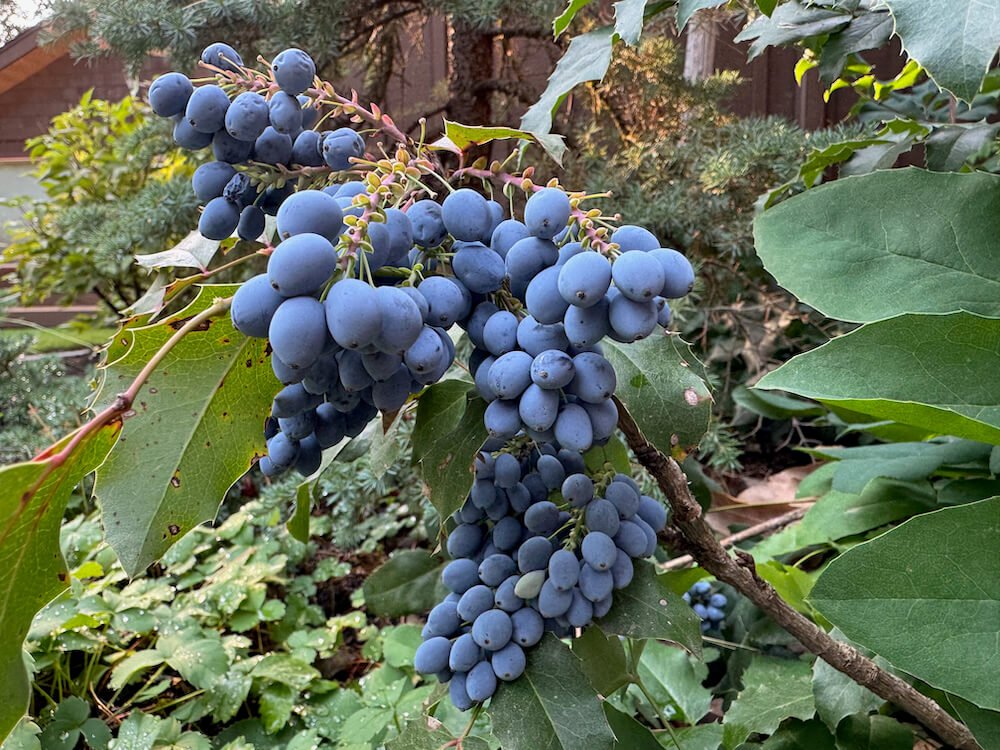
Mahonia repens
Evergreen shrub with holly-like blue green foliage and yellow spring flowers, followed by blue berries. Forms spreading growth, and grows 1 to 2 feet tall. Ideal for groundcover, slopes, and woodland edges. Zones: 5 to 8.
Other Notable Shrubs with Summer & Fall Berries
Aralia cachemirica: Dark purple to black berries produced in large clusters
Gaultheria shallon: Dark purple berries supporting birds through late summer and early fall
Mahonia x media ‘Charity’: Clusters of blue-black berries following fragrant yellow winter flowers
Sambucus nigra ‘Eva’: Heavy clusters of dark berries consumed quickly by birds in late summer
Viburnum davidii: Metallic blue berries following spring flowers
DESIGNING A BIRD FRIENDLY GARDEN
Layered plantings:
Combining shrubs of different heights creates a more natural habitat that supports a wider variety of bird species. Taller shrubs provide shelter and nesting cover, while lower-growing shrubs create protected feeding and resting areas closer to the ground.
Grouping plants together:
Planting shrubs in clusters rather than as isolated specimens creates safer feeding conditions by giving birds quick access to nearby cover. Repeated groupings also make berries and seed sources more visible while creating a fuller, more cohesive landscape.
Combining evergreen and deciduous shrubs:
A mix of evergreen and deciduous shrubs helps maintain year-round habitat value. Evergreen shrubs provide winter protection and structure, while deciduous shrubs often contribute seasonal flowers, berries, fall color, and seedheads that support birds throughout the year.
Providing seasonal succession:
Selecting shrubs with staggered flowering, fruiting, and seed production helps ensure food remains available across changing seasons. Gardens designed with overlapping bloom and berry periods tend to attract more consistent bird activity over time.
Including water sources:
Birds rely on clean water for drinking and bathing in addition to food and shelter. Positioning birdbaths or shallow water features near shrubs provides nearby cover where birds can retreat quickly if threatened.
Creating quieter garden spaces:
Birds are more likely to settle and feed in gardens that include protected areas away from heavy foot traffic and constant disturbance. Dense shrub borders, layered plantings, and naturalistic garden spaces help create calmer environments where birds feel more secure.
Shrubs with Persistent Winter Berries
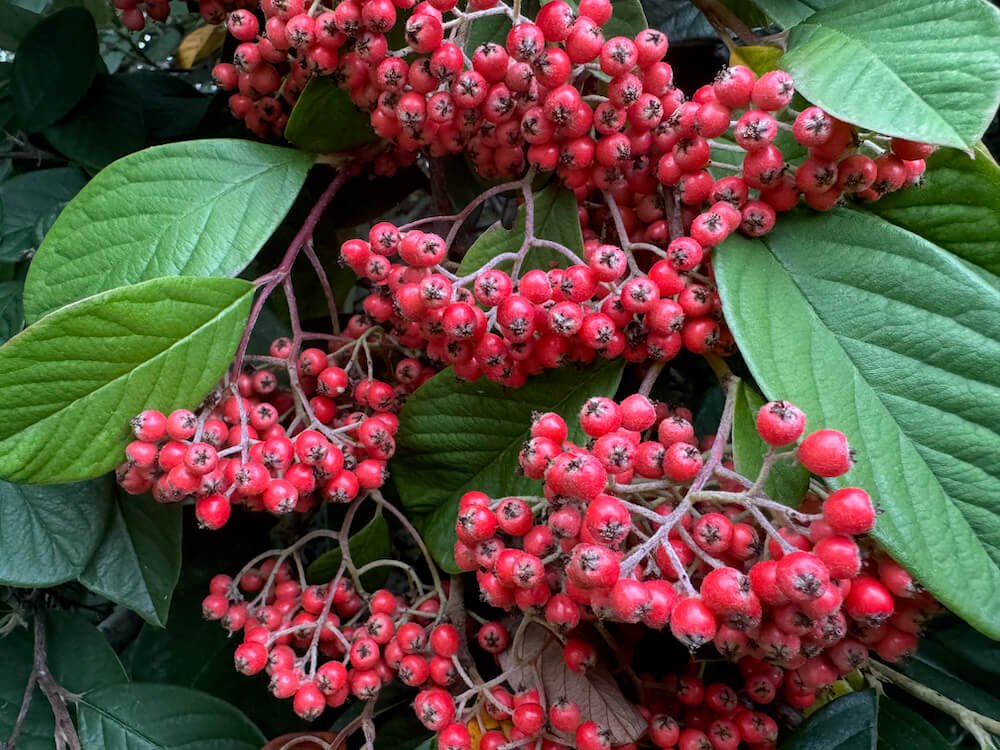
Cotoneaster coriaceus
Evergreen shrub with glossy dark green leaves forming dense cover. Produces white flowers followed by abundant red berries that attract birds. Grows 10 to 15 feet tall; ideal for wildlife hedges and shelter. Zones: 7 to 9.
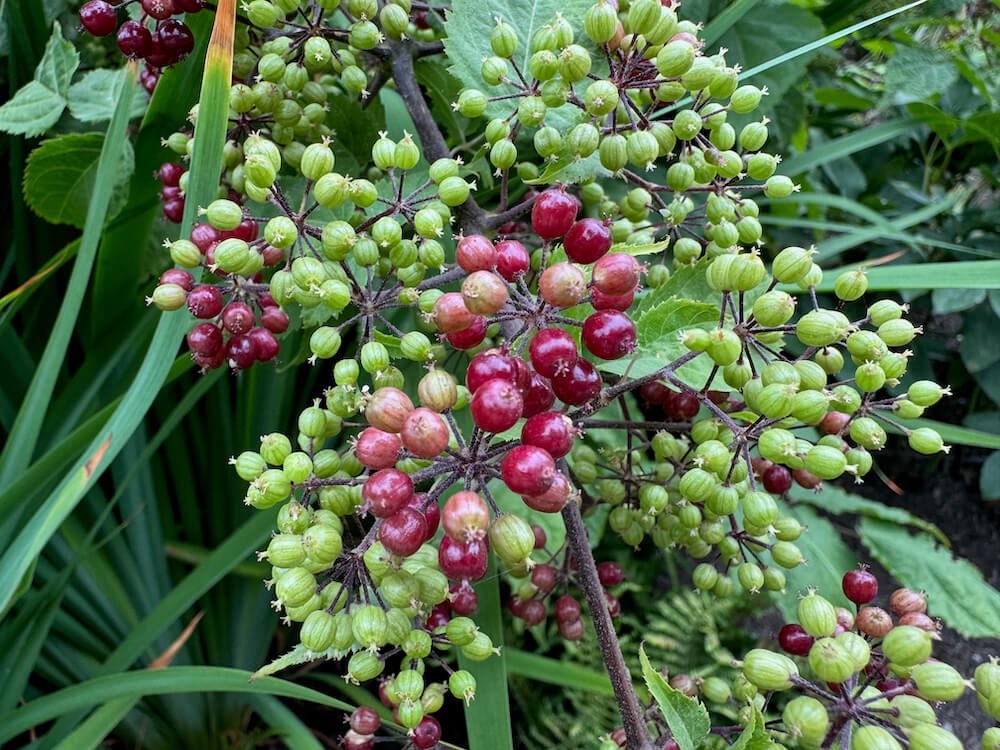
Aralia cachemirica
Deciduous shrub with deeply divided green foliage. Produces large umbels of creamy white flowers followed by clusters of dark berries that attract birds. Grows 4 to 6 feet tall, and ideal for woodland edges and wildlife plantings. Zones: 7 to 9.
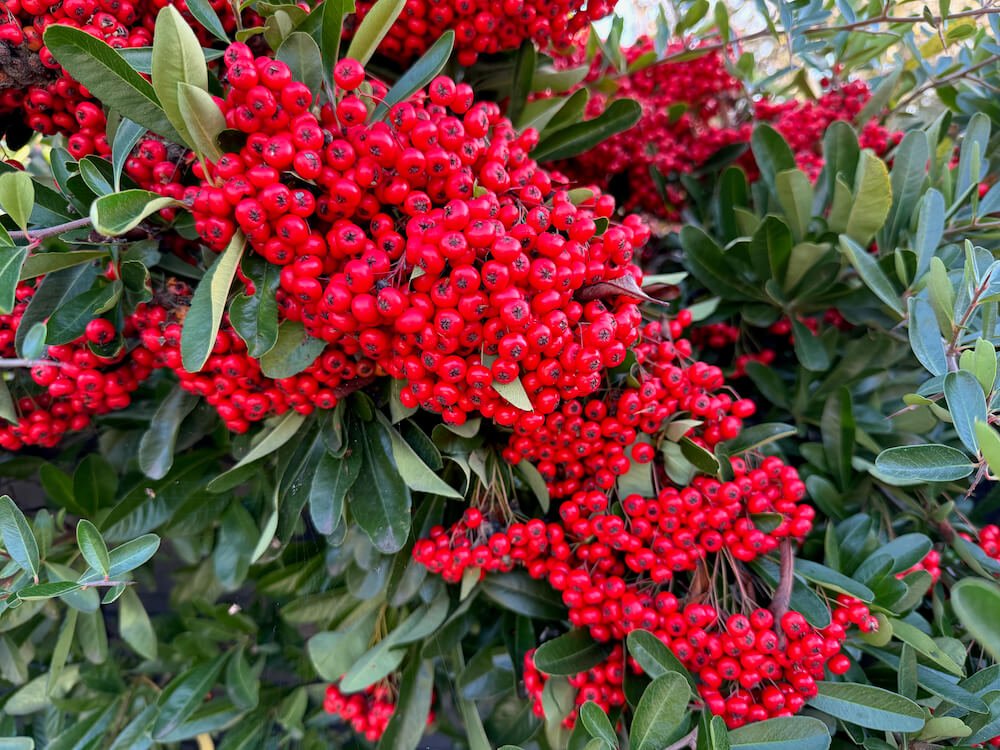
Pyracantha coccinea
Evergreen shrub with glossy dark green foliage forming dense, thorny cover. Produces white flowers followed by abundant orange to red berries that attract birds. Grows 6 to 12 feet tall, ideal for wildlife hedges and protective shelter. Zones: 6 to 9.
Other Notable Shrubs with Persistent Winter Berries
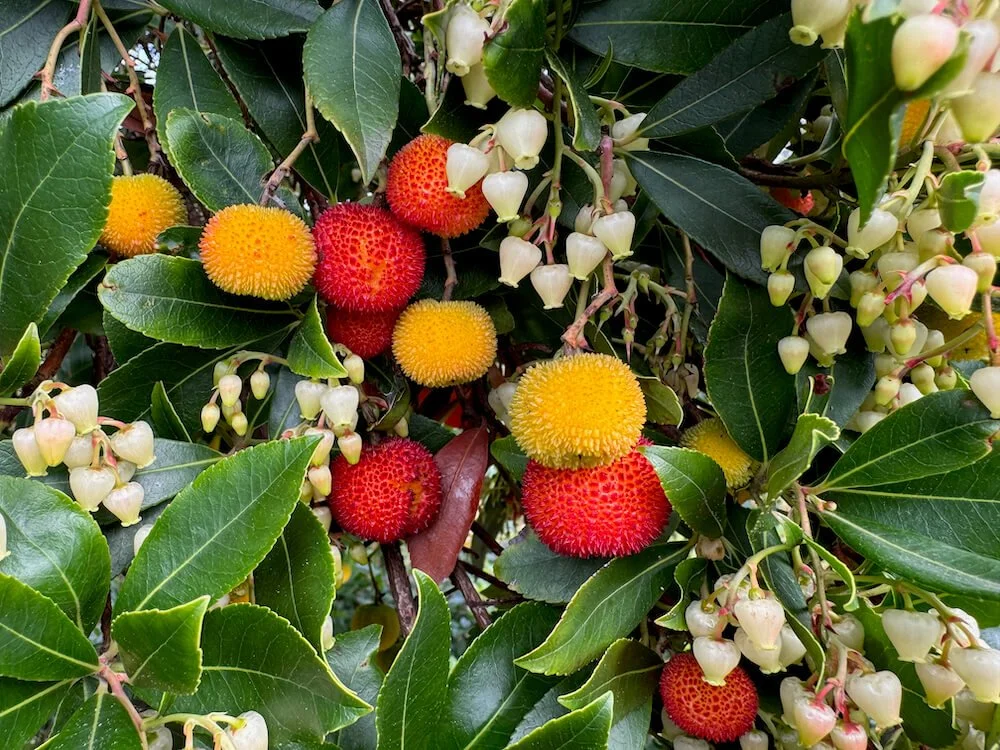
Arbutus unedo ‘Compacta: Rounded, textured red and yellow fruit resembling small strawberries
Cotoneaster horizontalis: Dense clusters of small, glossy bright red berries lining the branches
Fatsia japonica ‘Variegata: Rounded black berries held in clustered spheres above the foliage
Ilex verticillata ‘Red Sprite’: Abundant vivid red berries densely covering bare stems
Rosa ‘Hansa’: Large tomato-red rose hips developing in fall
Symphoricarpos doorenbosii 'Kolmpica': Clusters of rounded white berries flushed soft pink
CREATING YEAR-ROUND FOOD SOURCES FOR BIRDS
Summer and fall berries:
Many shrubs produce berries during late summer and fall when birds are actively feeding and preparing for migration. Softer fruits are often consumed quickly, attracting robins, waxwings, thrushes, and other species during periods of high seasonal activity.
Persistent winter berries:
Some shrubs hold their fruit well into winter, providing an important backup food source after temperatures drop and other resources become scarce. These persistent berries often become more valuable later in the season as frosts soften the fruit and food competition increases.
Seeds and seedheads:
Dried seedheads and seed capsules continue feeding birds long after flowering has ended. Finches, sparrows, chickadees, and other seed-eating birds frequently visit shrubs with persistent seed structures during fall and winter.
Flowers that support insects:
Flowering shrubs indirectly support birds by attracting insects that become an important food source, particularly during nesting season. Even shrubs grown primarily for nectar or ornamental blooms can contribute to a more active and supportive habitat.
Combining multiple food sources:
Gardens that include a mix of berry-producing, seed-bearing, and flowering shrubs provide greater seasonal diversity and support a wider range of bird species. Combining different shrub types also helps reduce gaps in food availability as seasons change.
Long-term habitat value:
As shrubs mature, they become increasingly valuable as reliable food sources and protected habitat. Established gardens with layered vegetation and seasonal succession often attract returning bird populations year after year, creating more consistent wildlife activity over time.
Shrubs with Seeds for Birds
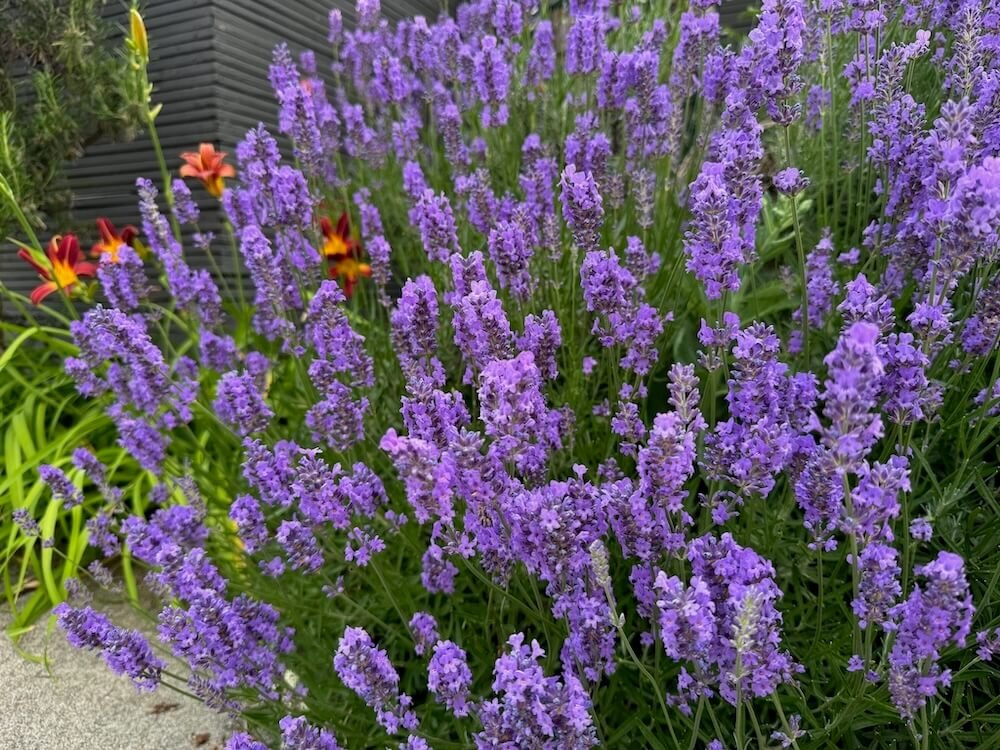
Lavandula angustifolia ‘Munstead'
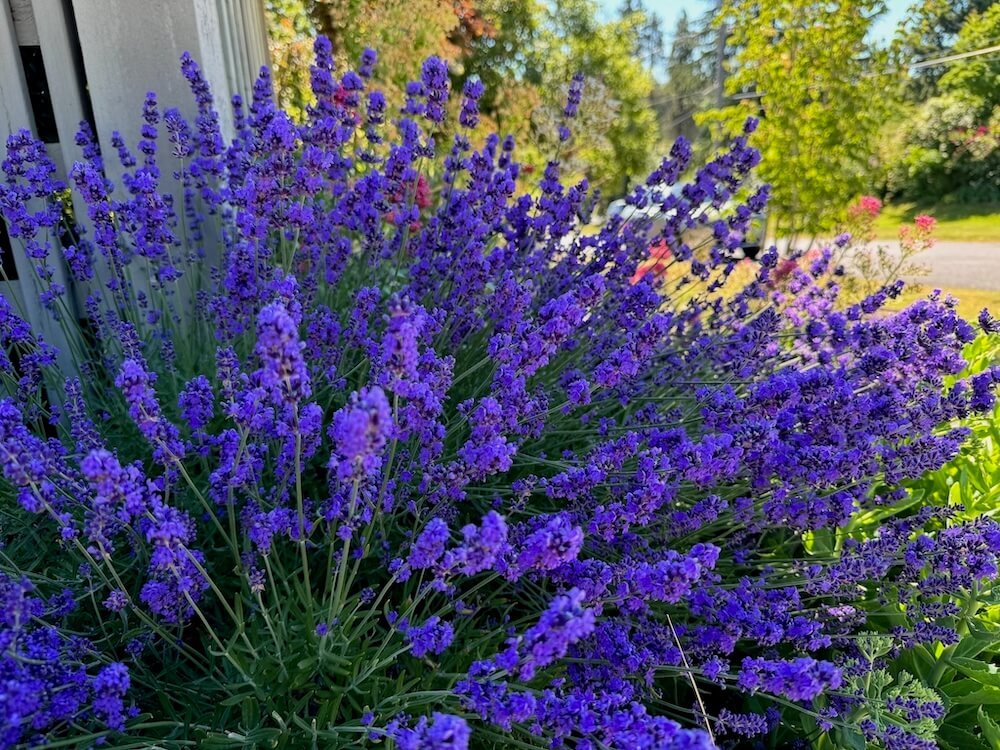
Evergreen subshrub with fragrant gray green foliage and lavender blue flowers. Produces persistent seed heads for birds, forms compact growth, and grows 18 to 24 inches tall. Ideal for low hedges, borders, and edging. Zones: 5 to 9.
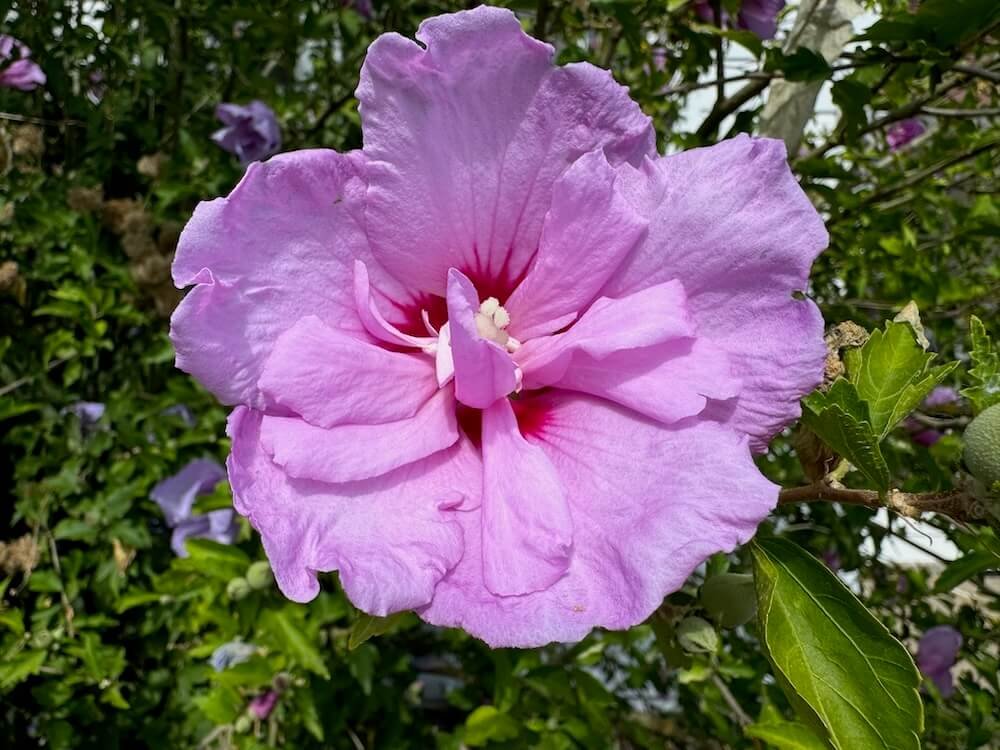
Hibiscus syriacus 'Notwoodone'
Deciduous shrub with upright growth and large semi-double pink summer flowers. Attracts pollinators, produces persistent seedpods for birds, and grows 8 to 12 feet tall. Ideal for hedges, screens, and borders. Zones: 5 to 9.
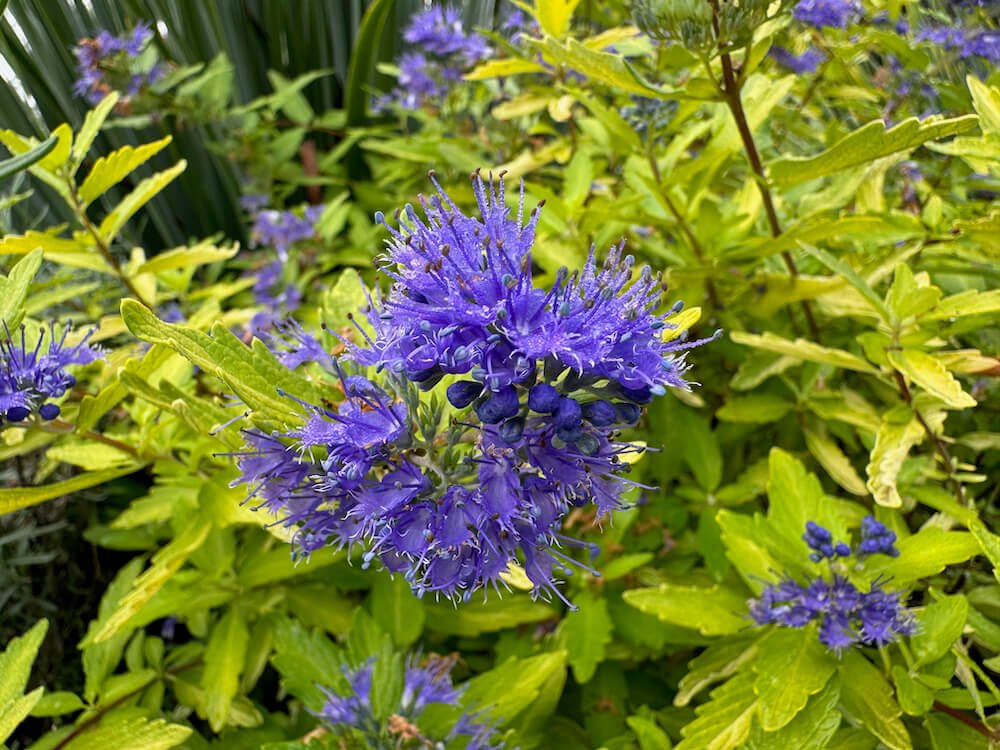
Caryopteris x clandonensis 'Gold Crest'
Deciduous shrub with golden foliage and blue late summer flowers. Produces seed heads for birds, forms compact growth, and grows 2 to 3 feet tall. Ideal for borders, low hedges, and pollinator gardens. Zones: 5 to 9.
Other Notable Shrubs with Seeds for Birds
Buddleia davidii 'Miss Molly': Dried seed heads may attract small seed-feeding birds
Clethra alnifolia 'Ruby Spice': Seed capsules may be lightly used by small birds later in the season
Physocarpus opulifolius ‘Petite Plum’: Dry seed capsules may provide some seed value
Salvia pachyphylla: Persistent seed structures occasionally visited by seed-eating birds
Spiraea japonica 'Goldflame': Fine seed heads persisting into fall provide minor seed value