Arctostaphylos manzanita 'Hood Mountain' | Hood Mountain Manzanita

$0.00

DESCRIPTION
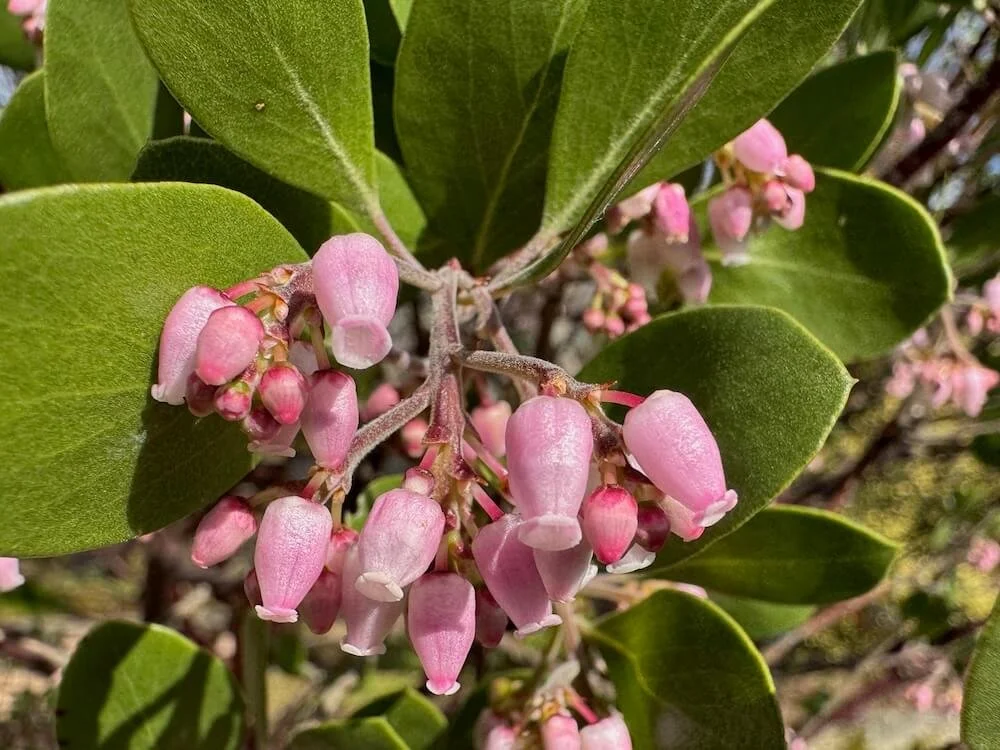
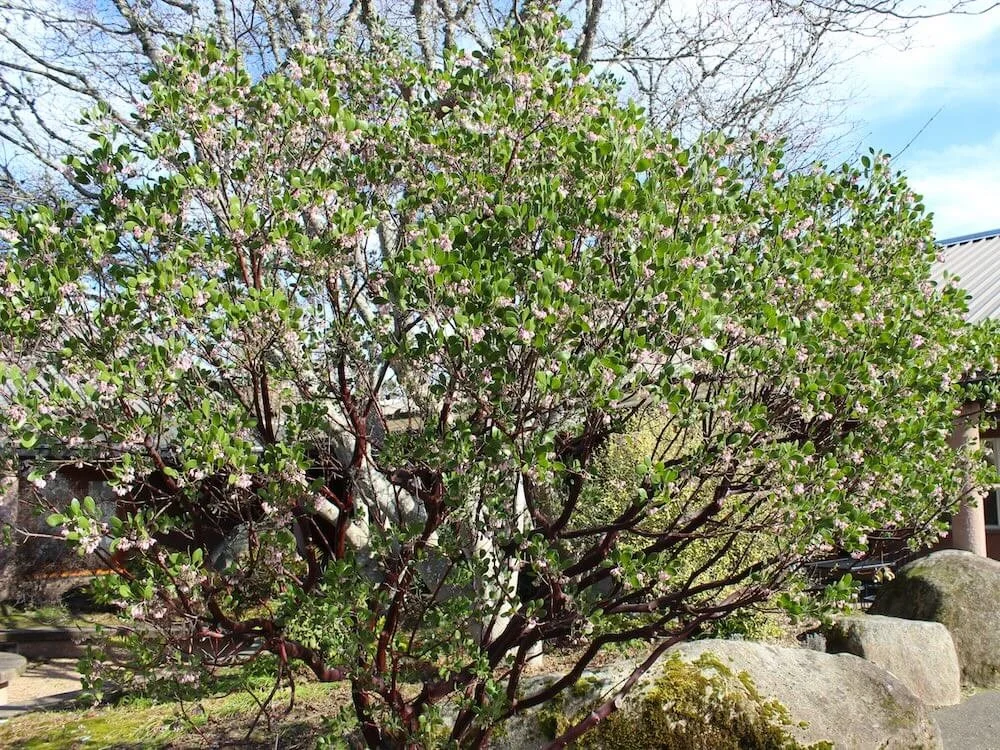
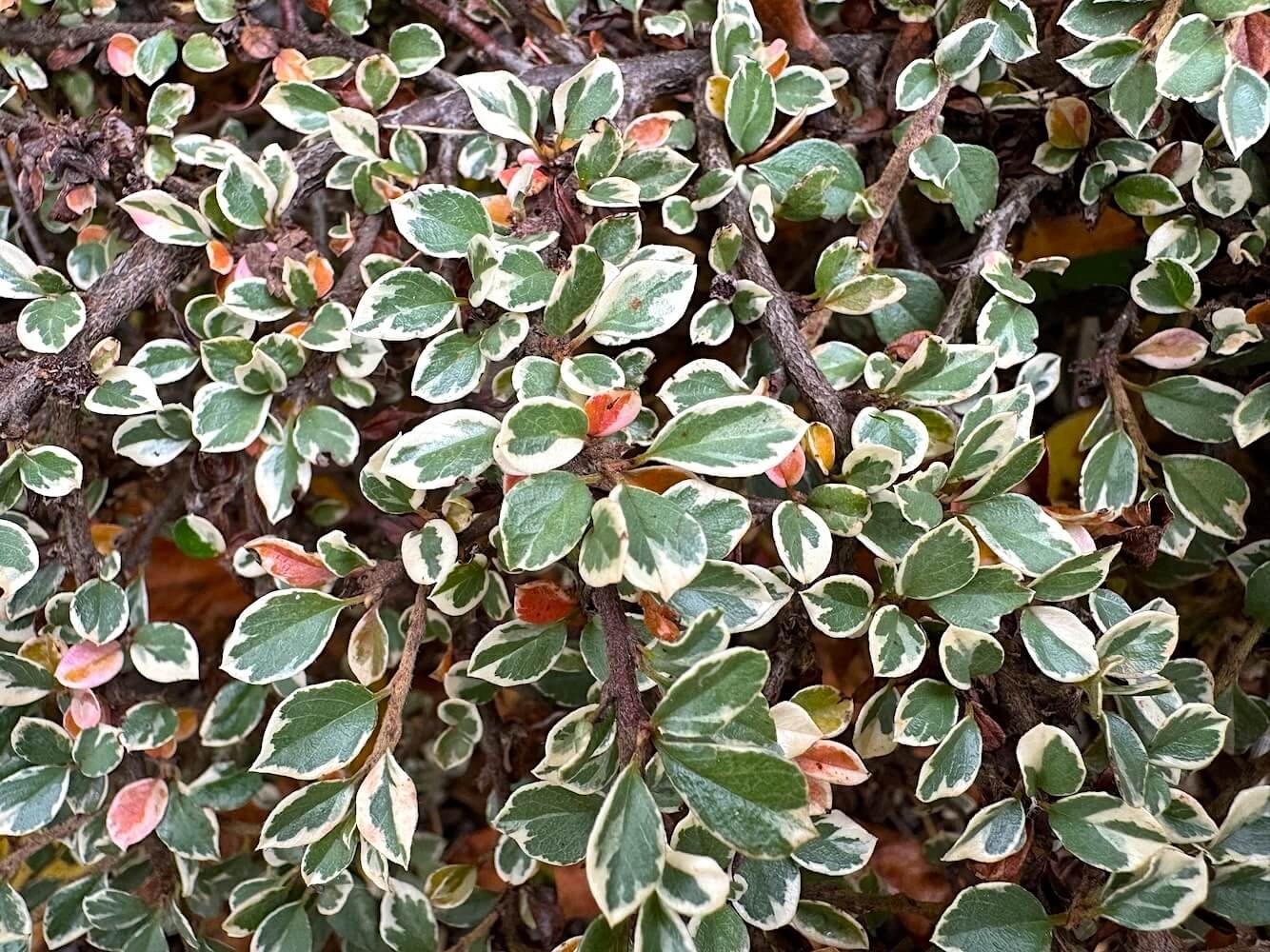
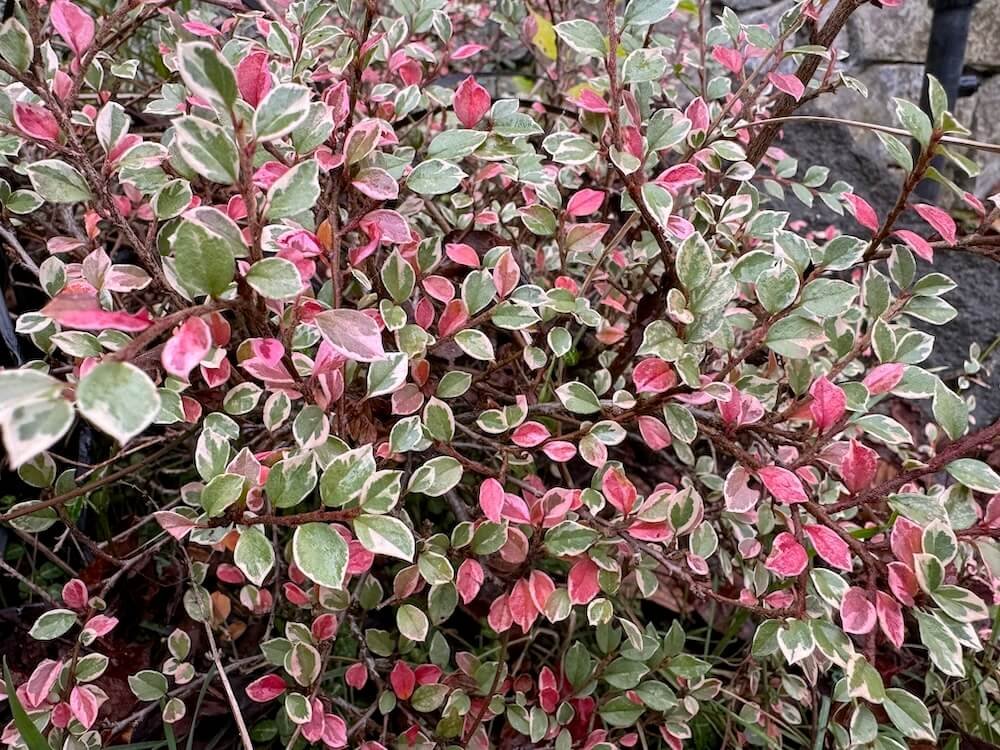
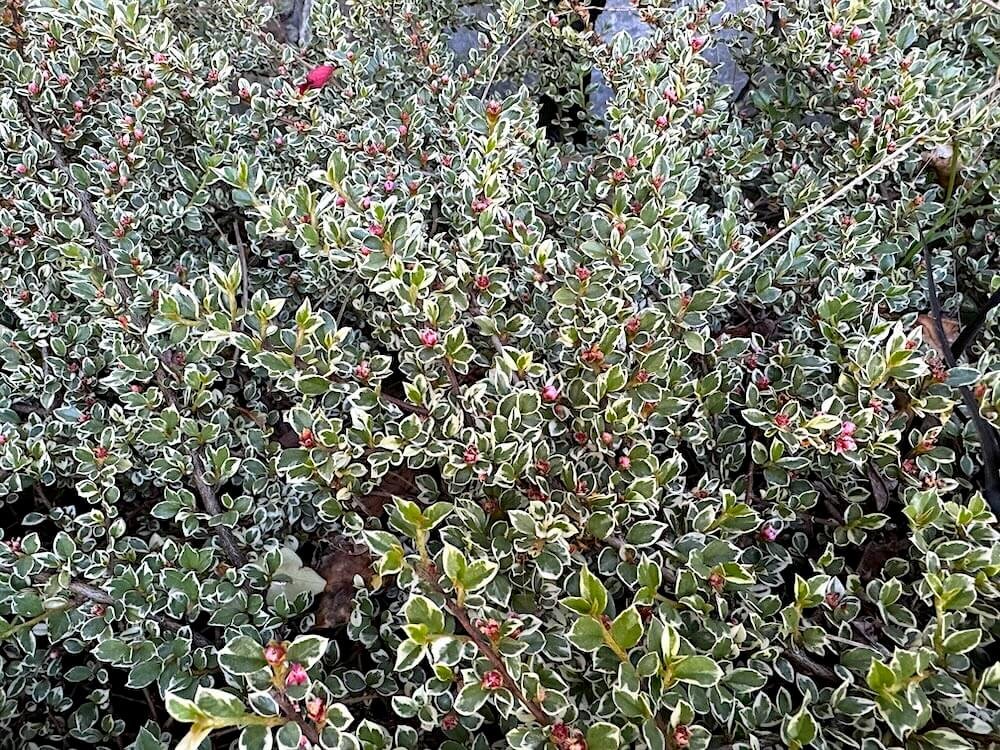
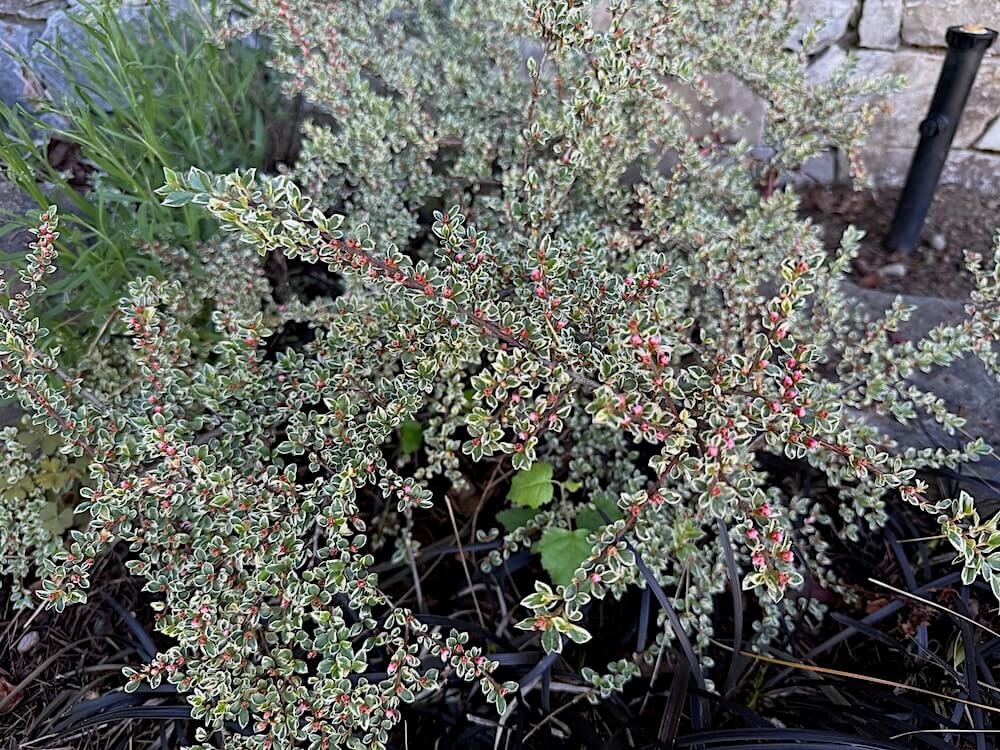
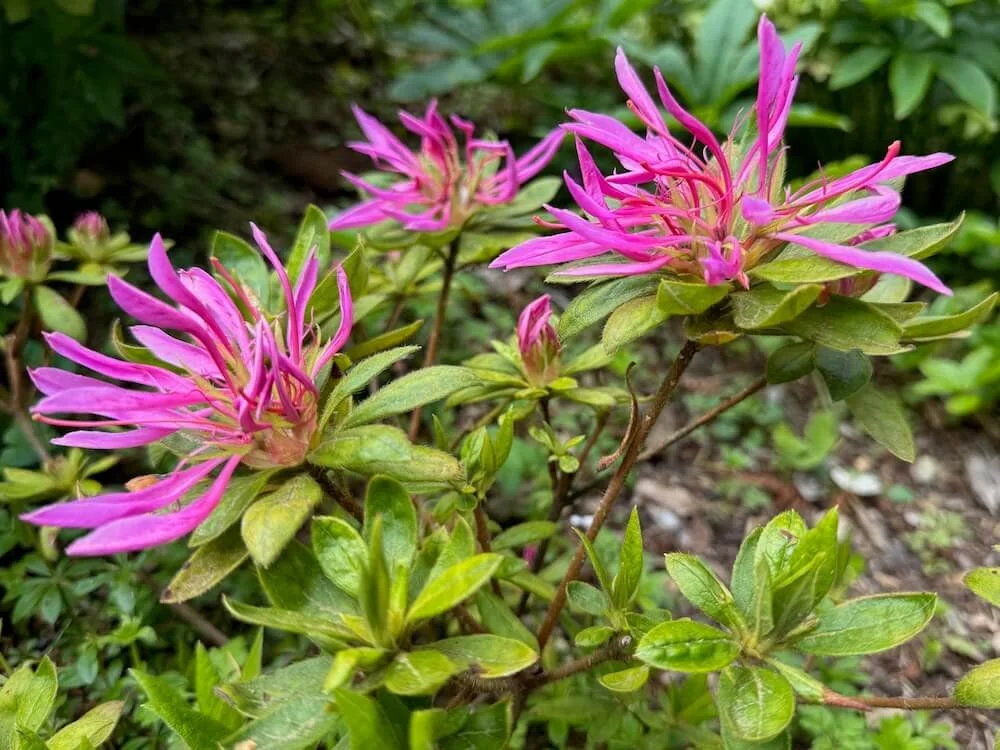
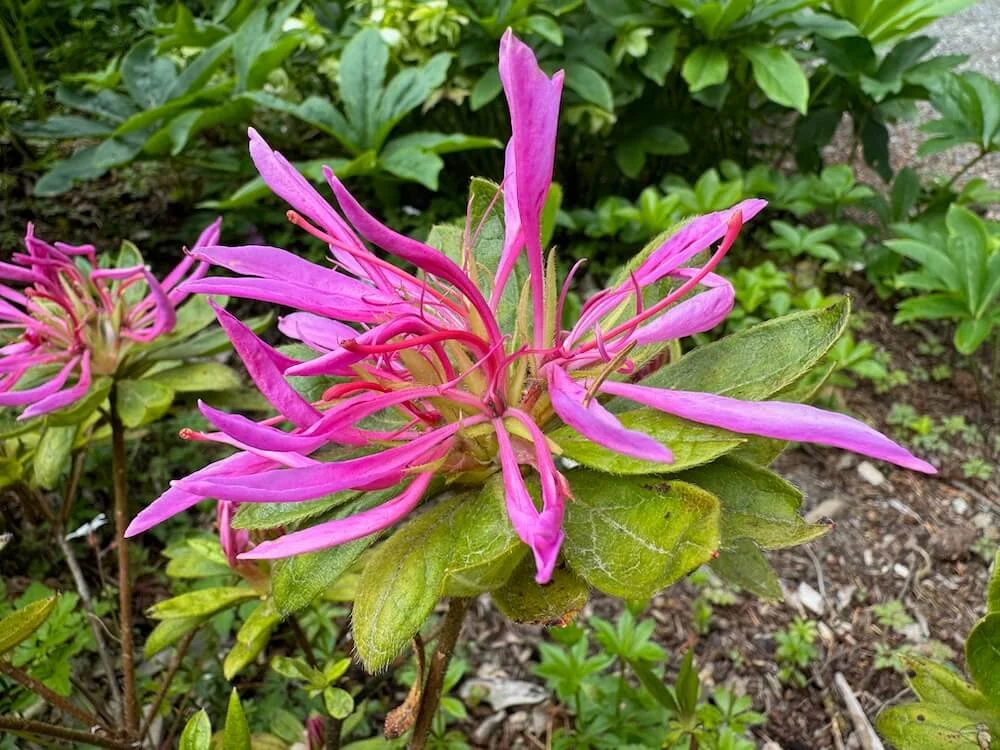
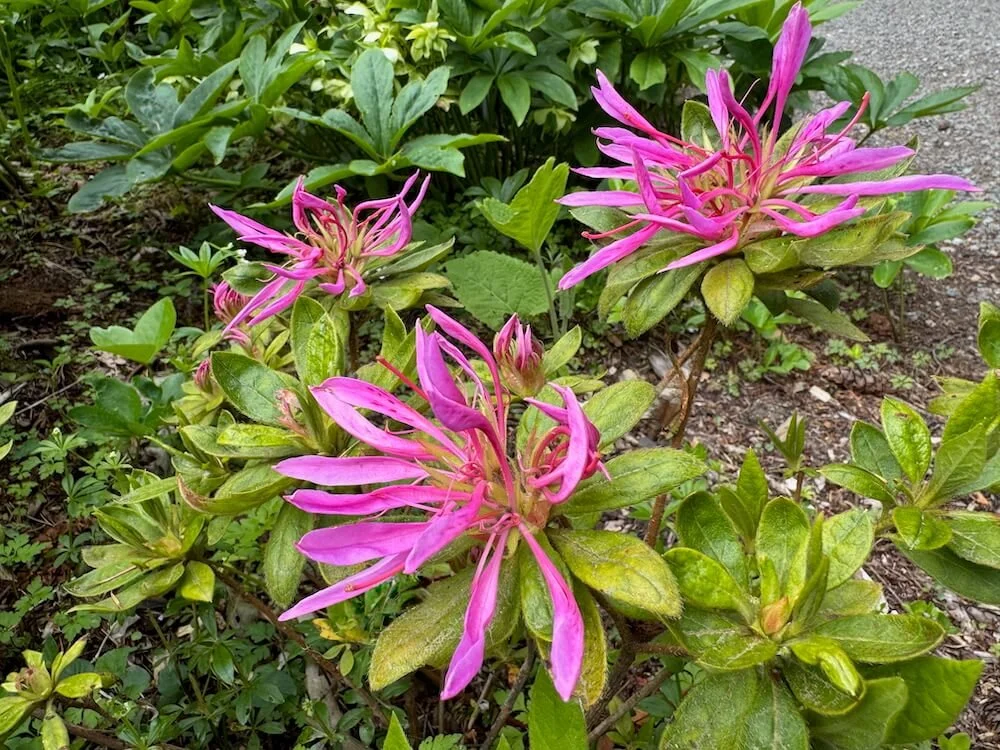
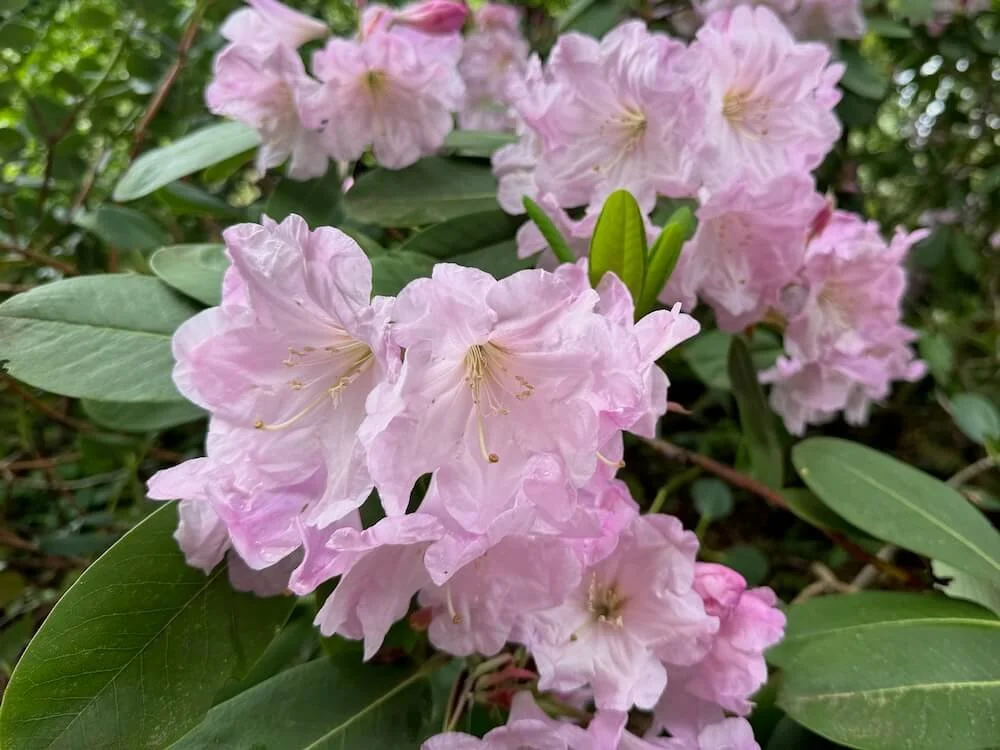
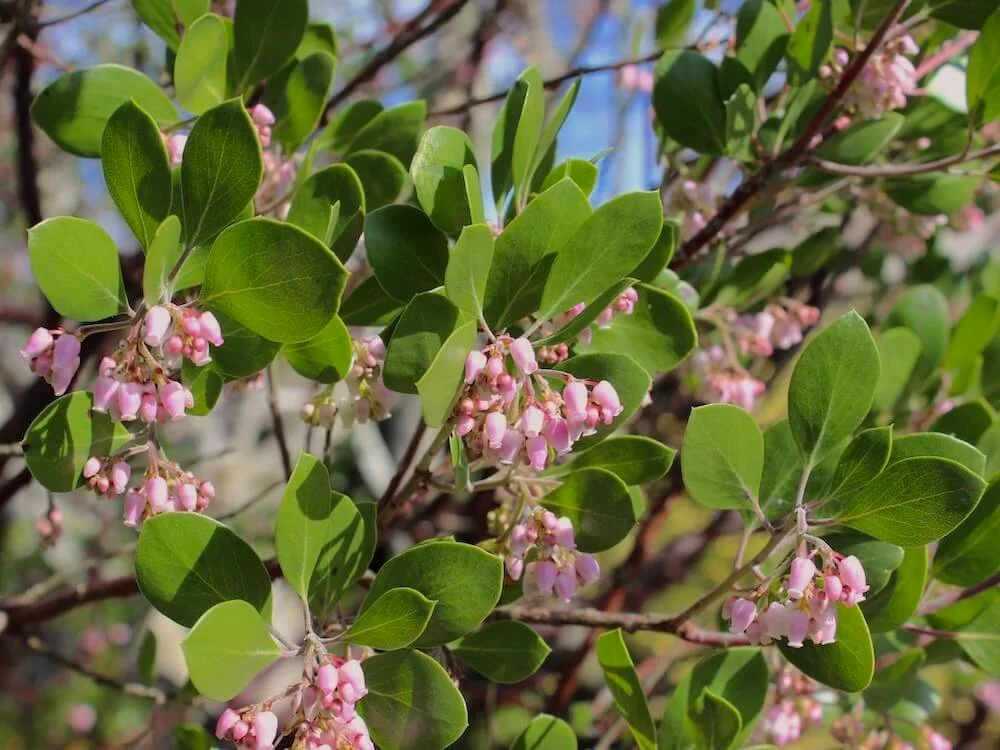
Arctostaphylos manzanita ‘Hood Mountain’ carries dense branching clothed in small, leathery, gray-green leaves that create a refined evergreen canopy throughout the year. Smooth bark develops warm cinnamon and reddish tones that add subtle color along the twisting stems. From late winter into early spring, clusters of soft pink, urn-shaped flowers appear along the branches, their delicate bells hanging in tight groups and bringing early seasonal interest.

This selection traces its heritage to Arctostaphylos manzanita native to the coastal mountains of northern California. In gardens it lends evergreen structure to borders, naturalistic plantings, and wildlife-friendly landscapes, where the winter flowers provide nectar for early pollinators.

DESCRIPTION
Arctostaphylos manzanita ‘Hood Mountain’ carries dense branching clothed in small, leathery, gray-green leaves that create a refined evergreen canopy throughout the year. Smooth bark develops warm cinnamon and reddish tones that add subtle color along the twisting stems. From late winter into early spring, clusters of soft pink, urn-shaped flowers appear along the branches, their delicate bells hanging in tight groups and bringing early seasonal interest.

This selection traces its heritage to Arctostaphylos manzanita native to the coastal mountains of northern California. In gardens it lends evergreen structure to borders, naturalistic plantings, and wildlife-friendly landscapes, where the winter flowers provide nectar for early pollinators.

 
  • Family: Ericaceae
    Height: 6 to 10 feet
    Width: 6 to 10 feet
    Foliage color: Gray green to blue green oval leaves with smooth reddish brown bark on twisting branches
    Flower color: Pale pink urn shaped flowers borne in pendant clusters
    Bloom time: Late winter to early spring
    Light requirements: Full sun to light partial shade
    Water requirements: Low; very drought tolerant
    Maintenance: Low; prune lightly after flowering to shape plants and avoid summer irrigation once established
    Growing zone: USDA zones 7 to 10
    Wildlife attractors: Bees, hummingbirds, butterflies and birds that feed on the small red berries

    This plant can be seen at the Center for Urban Horticulture.
    Print Information

    Buy Plants