Berberis darwinii | Darwin's Barberry

$0.00

DESCRIPTION
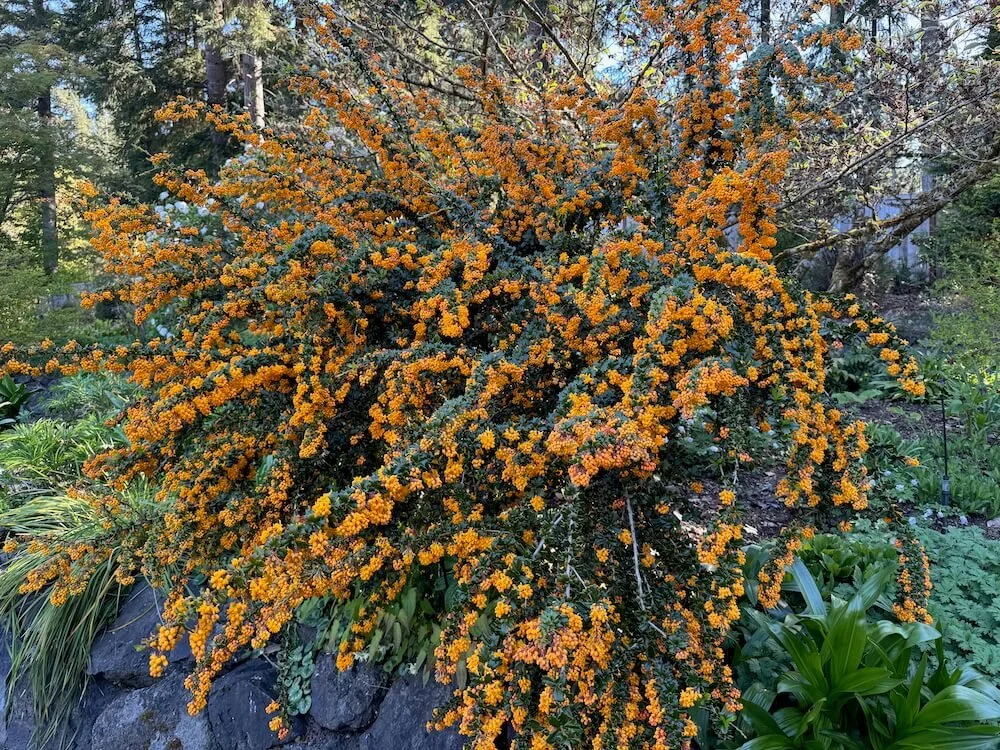
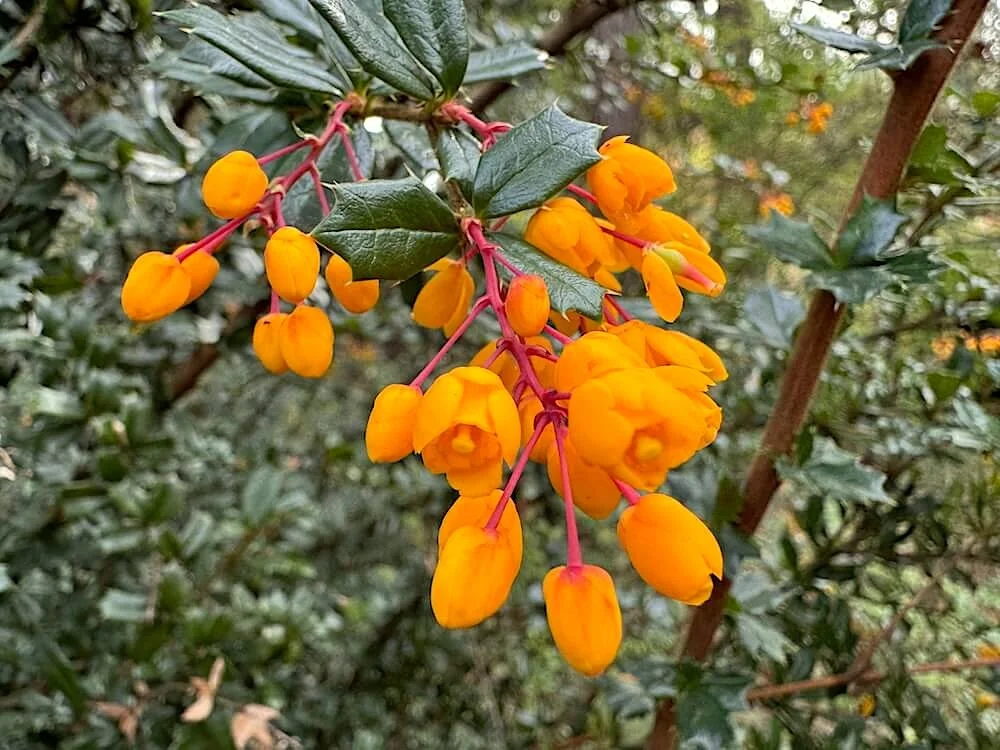
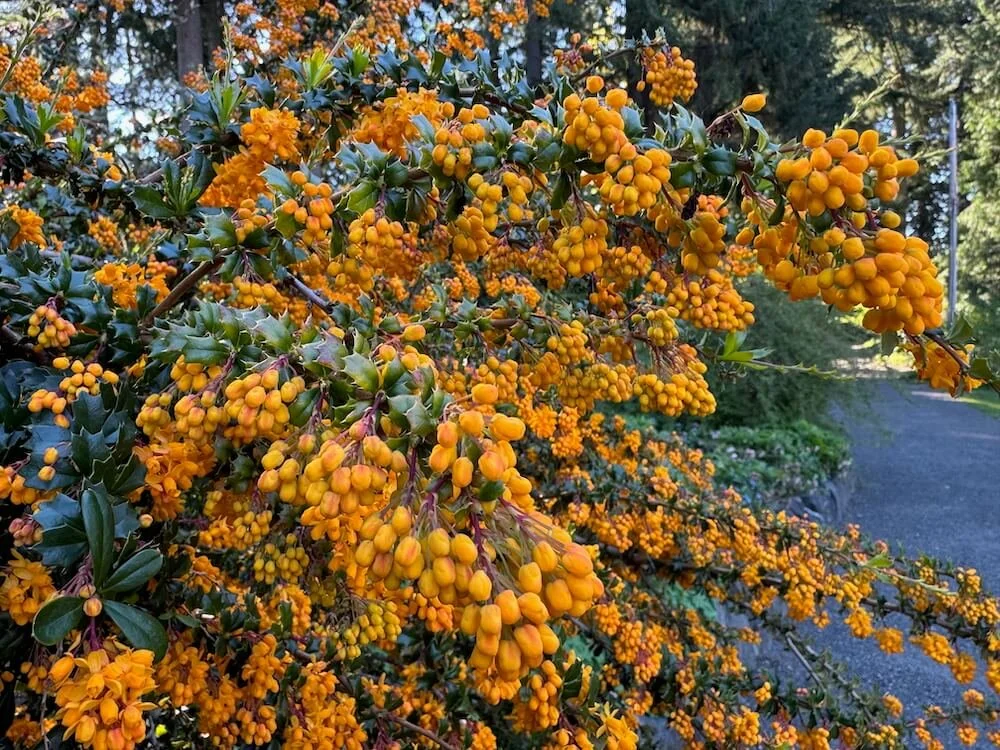
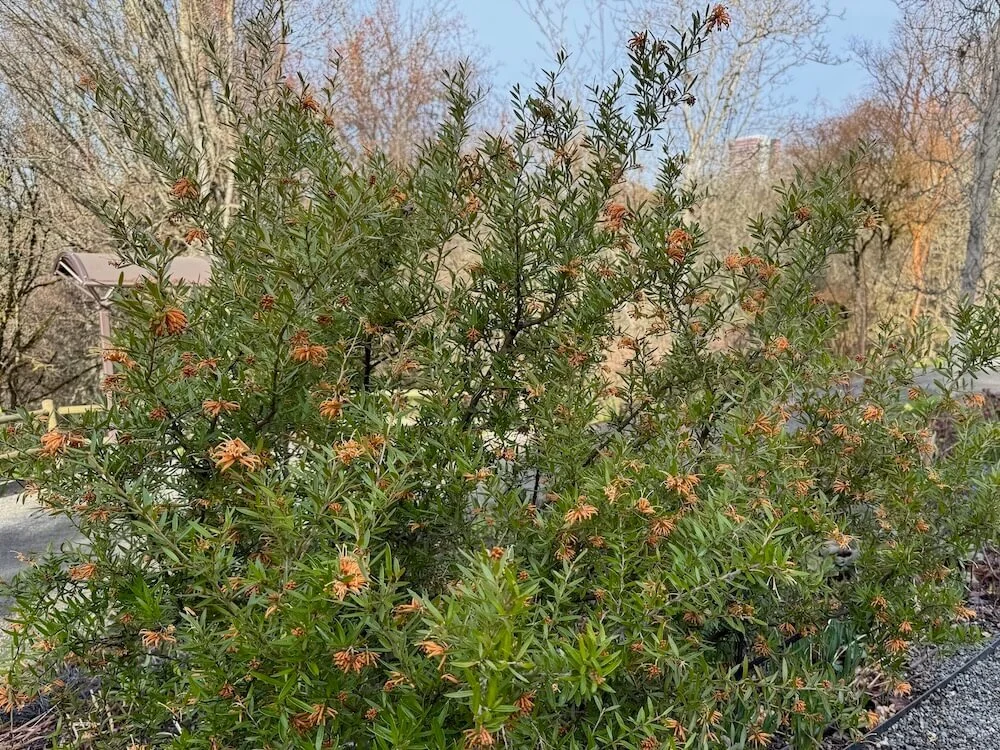
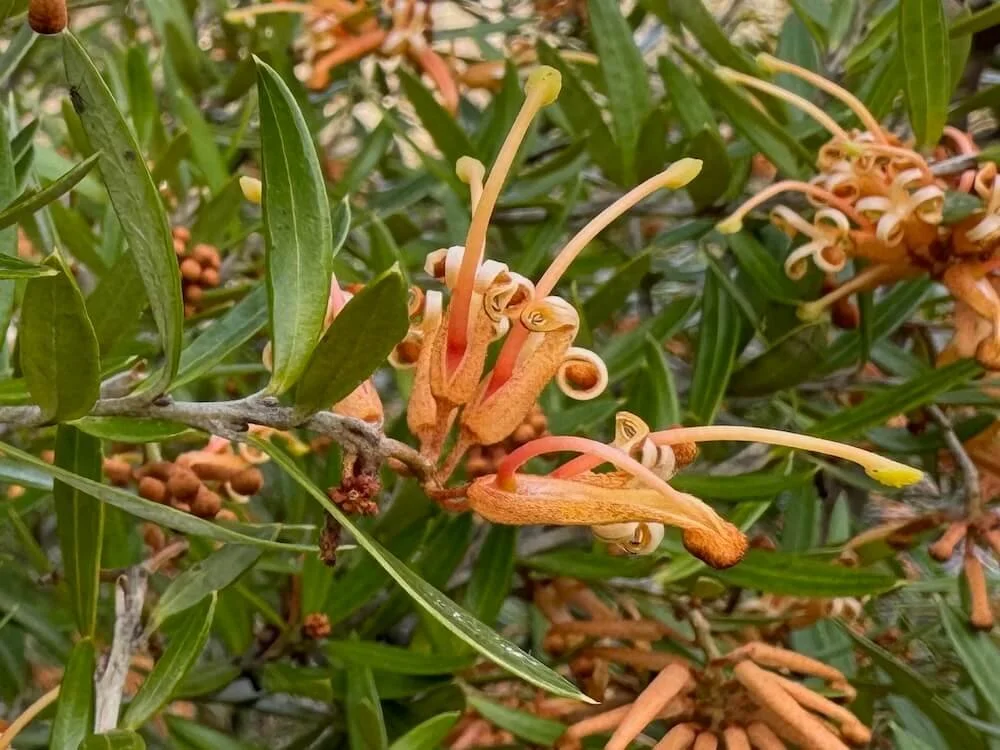
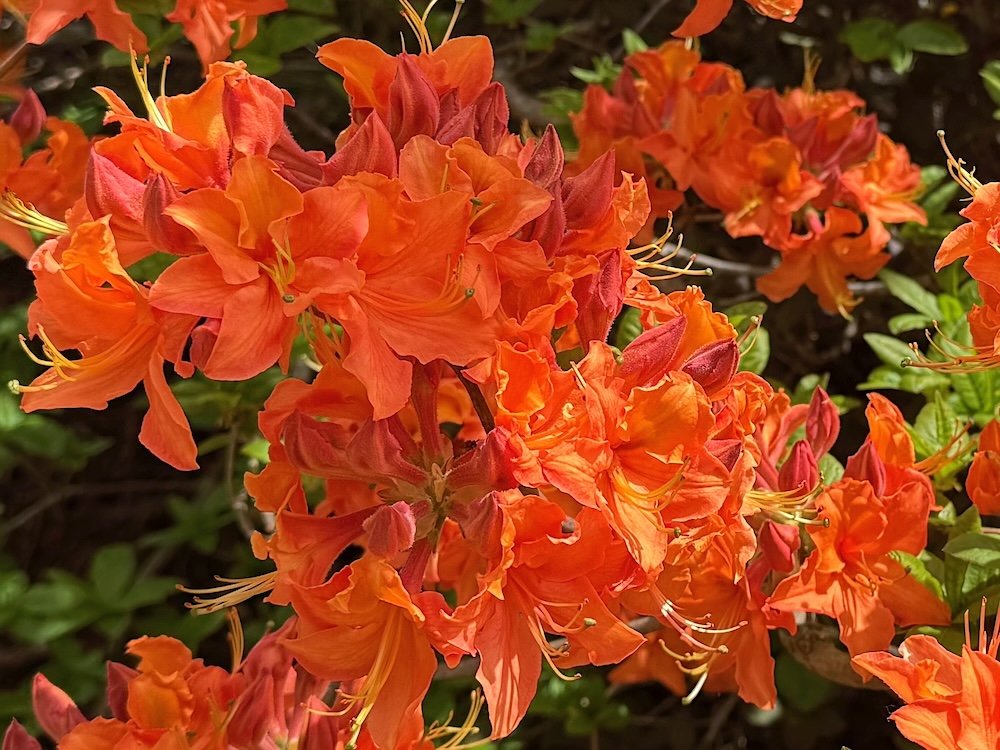
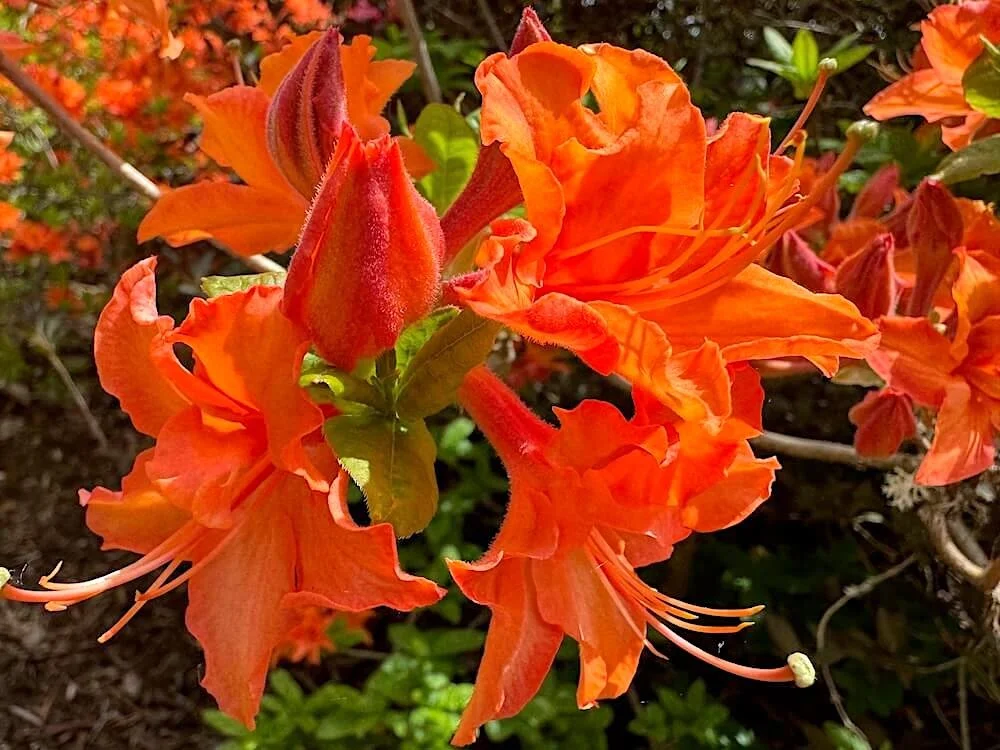
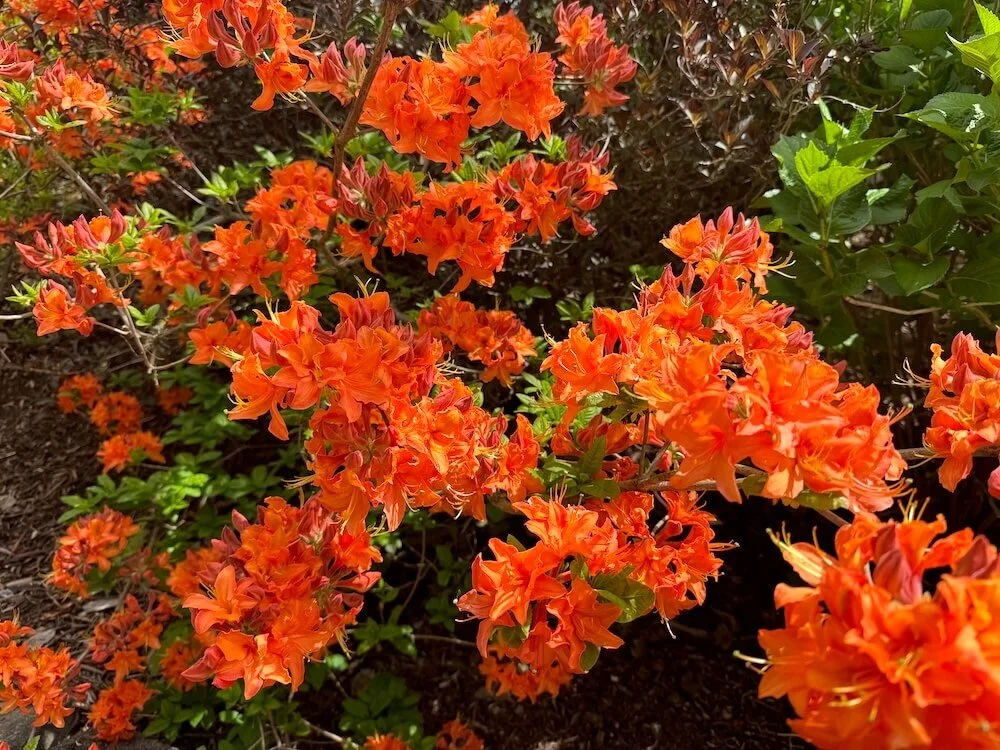
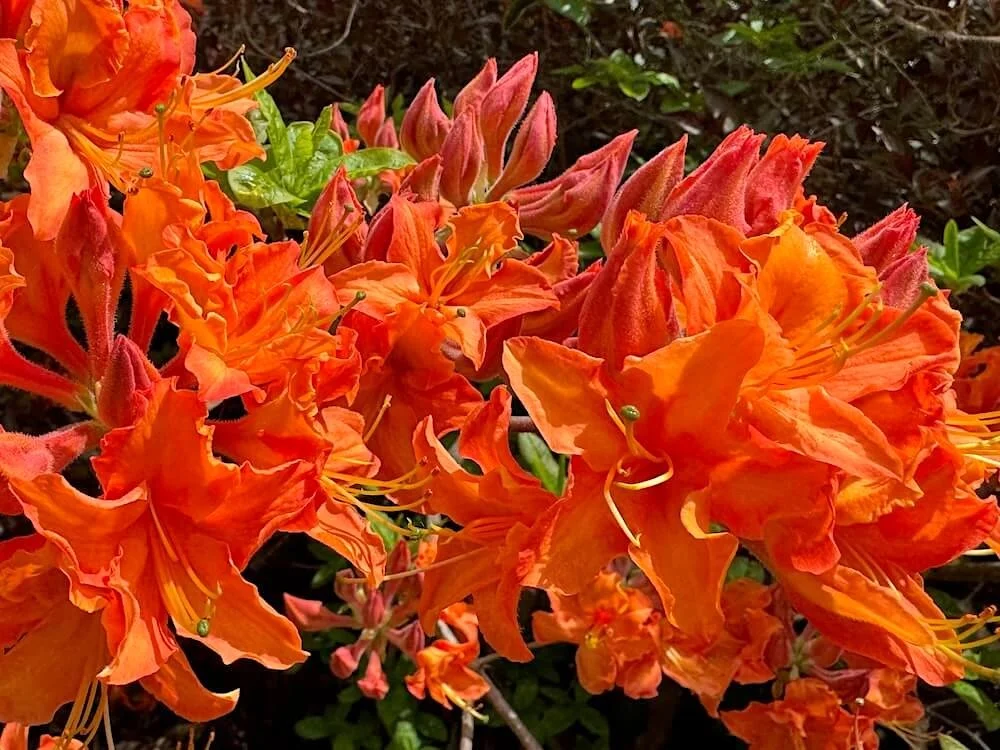
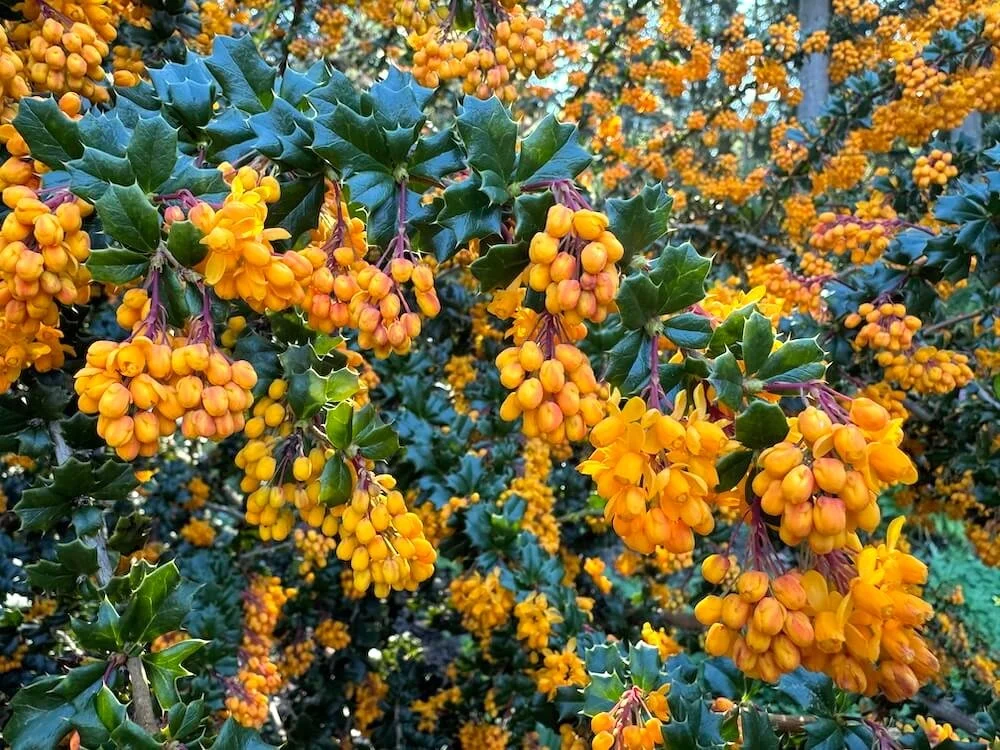
Berberis darwinii carries dense branching lined with small, glossy, dark green leaves edged with fine spines. The foliage forms a textured evergreen framework that remains colorful throughout the year. In mid to late spring, clusters of warm orange to golden-orange flowers appear along the stems, their small cup-shaped blooms gathered in drooping groups that glow against the dark leaves. By late summer, the flowers give way to small blue-black berries with a dusty bloom.

Native to southern Chile and Argentina, Berberis darwinii was introduced to gardens during the nineteenth century. It provides dependable evergreen structure in borders, wildlife plantings, and hedges where the spring flowers attract pollinators and the berries offer food for birds.

DESCRIPTION
Berberis darwinii carries dense branching lined with small, glossy, dark green leaves edged with fine spines. The foliage forms a textured evergreen framework that remains colorful throughout the year. In mid to late spring, clusters of warm orange to golden-orange flowers appear along the stems, their small cup-shaped blooms gathered in drooping groups that glow against the dark leaves. By late summer, the flowers give way to small blue-black berries with a dusty bloom.

Native to southern Chile and Argentina, Berberis darwinii was introduced to gardens during the nineteenth century. It provides dependable evergreen structure in borders, wildlife plantings, and hedges where the spring flowers attract pollinators and the berries offer food for birds.

 
  • Family: Berberidaceae
    Height: 6 to 10 feet
    Width: 6 to 10 feet
    Foliage color: Small glossy dark green spiny holly like leaves often tinged bronze when young
    Flower color: Deep golden orange to yellow orange flowers borne in drooping clusters
    Bloom time: Early to mid spring often March to April
    Light requirements: Full sun to partial shade
    Water requirements: Low to average
    Maintenance: Low; prune after flowering to shape plants and remove older stems to maintain density
    Growing zone: USDA zones 7 to 9
    Wildlife attractors: Bees, butterflies and birds that feed on the small dark blue berries

    This plant can be seen at the Washington Park Arboretum.
    Print Information

    Buy Plants