Camellia × williamsii 'Night Rider' | Night Rider Camellia

$0.00

DESCRIPTION
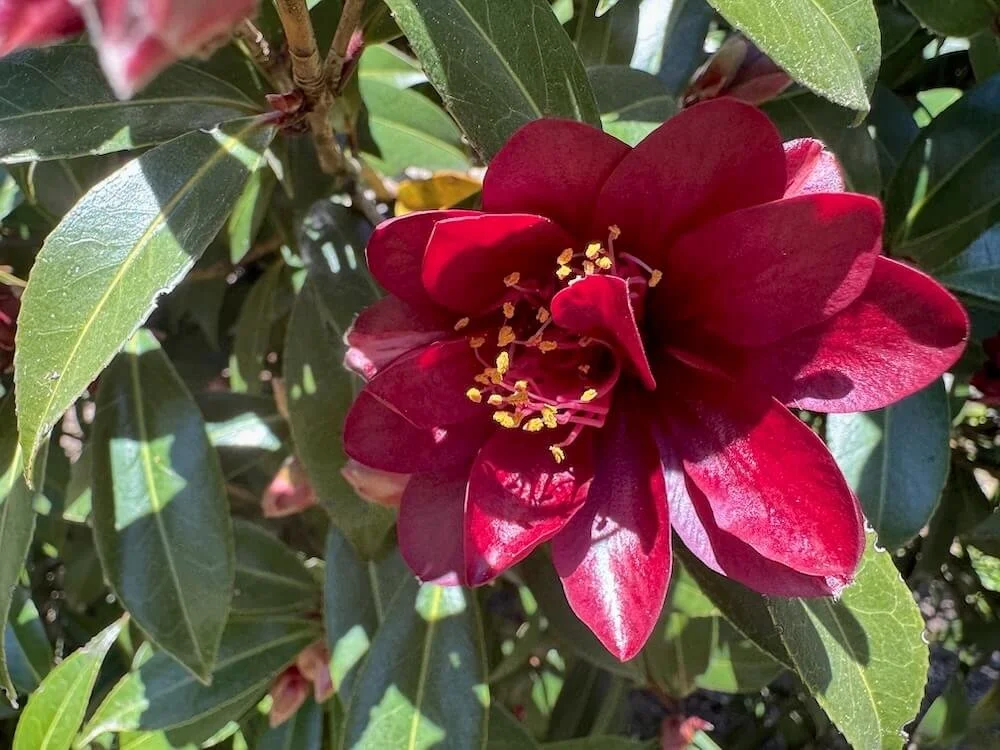
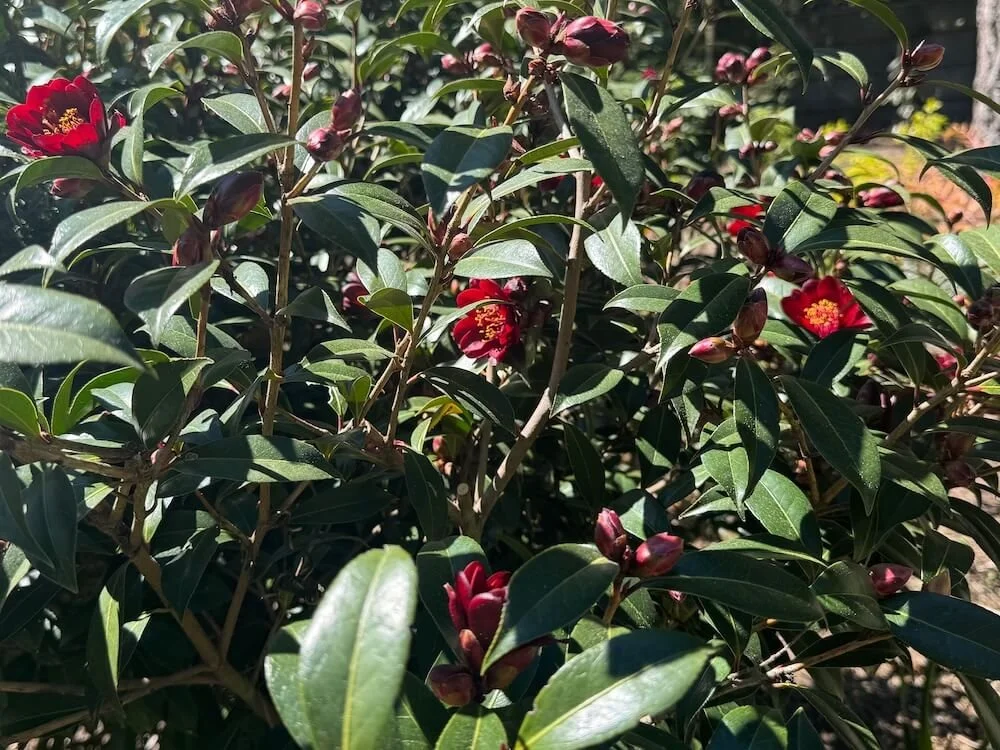
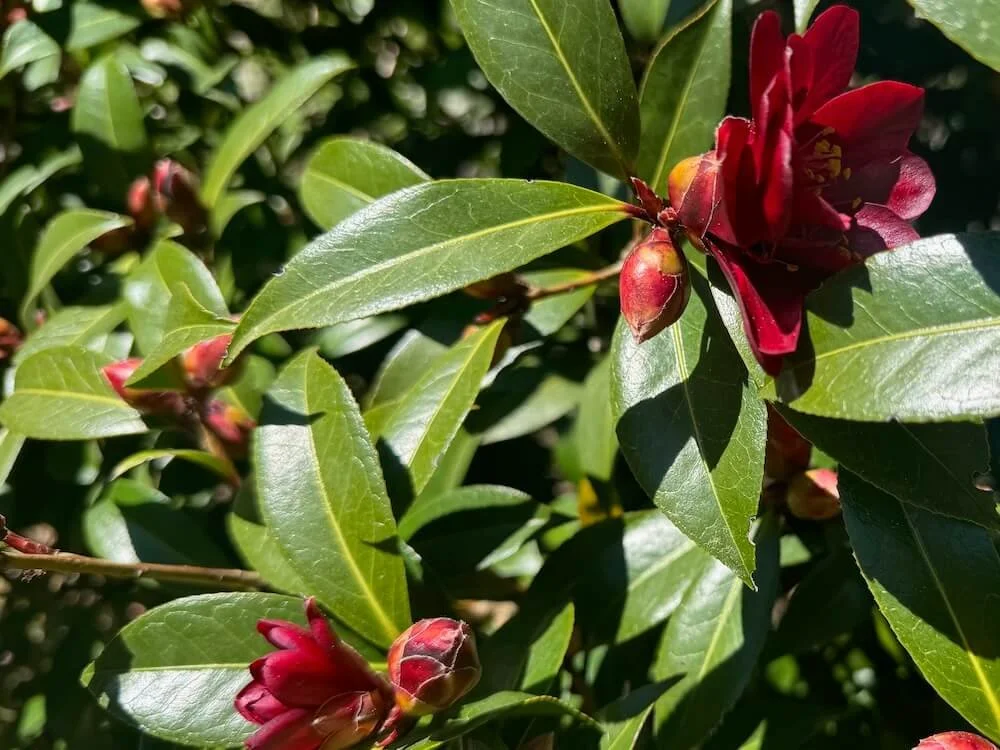
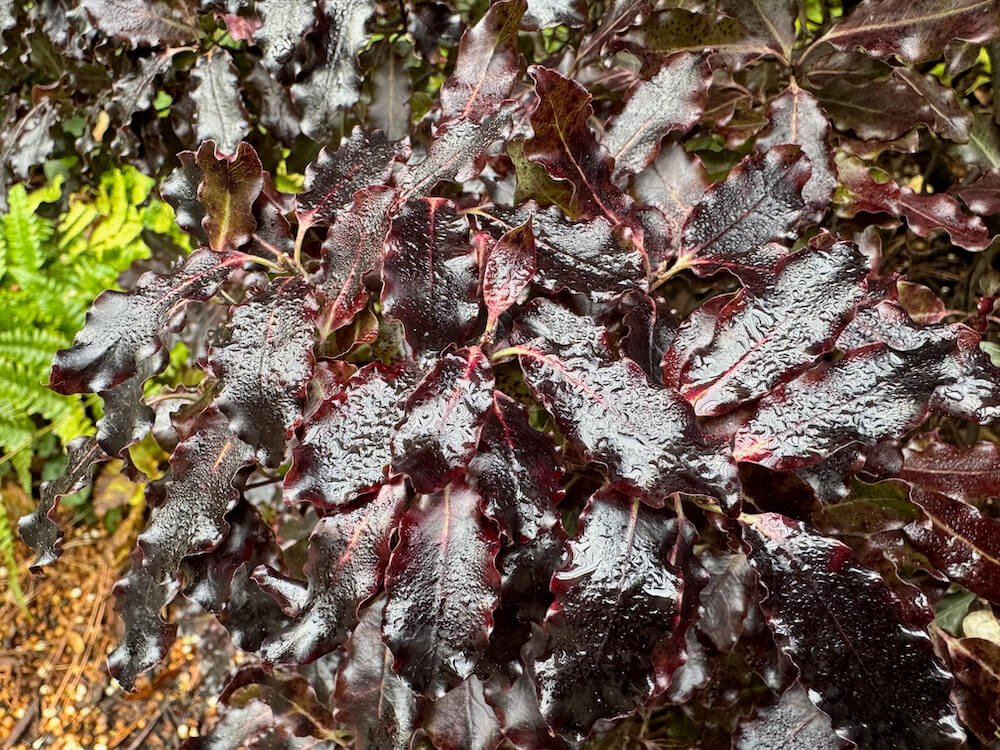
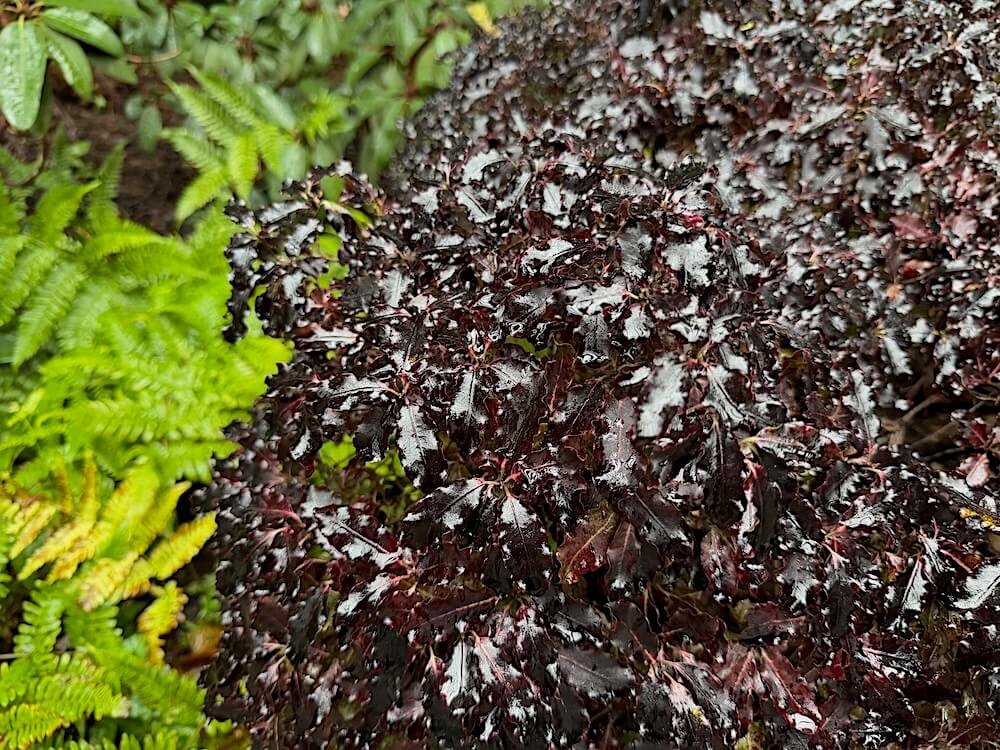
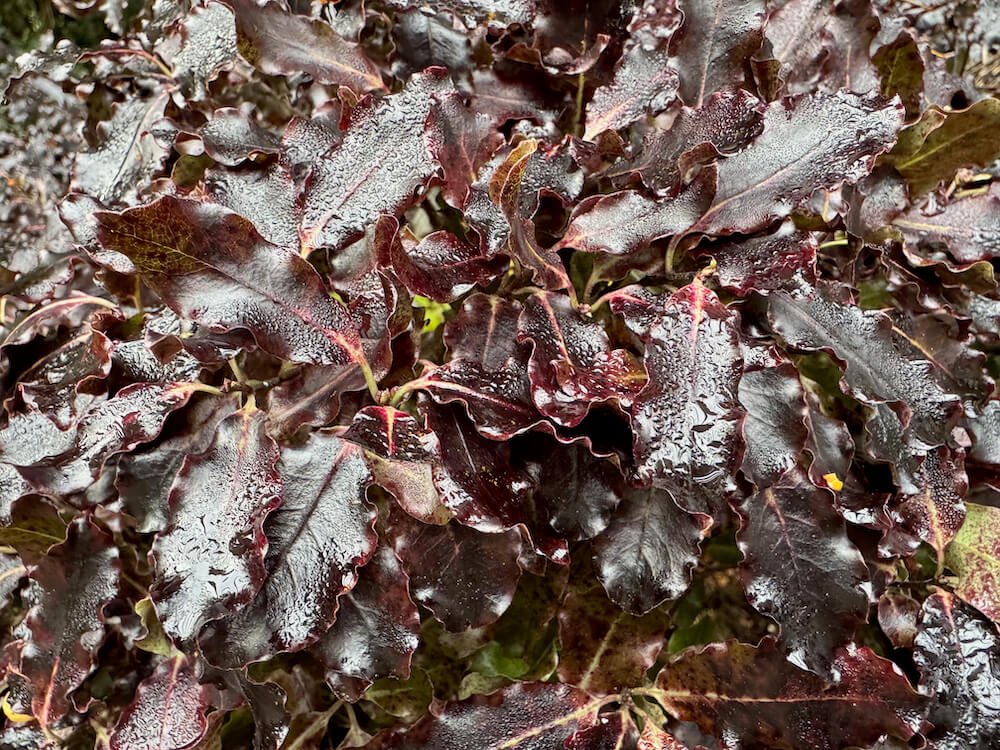
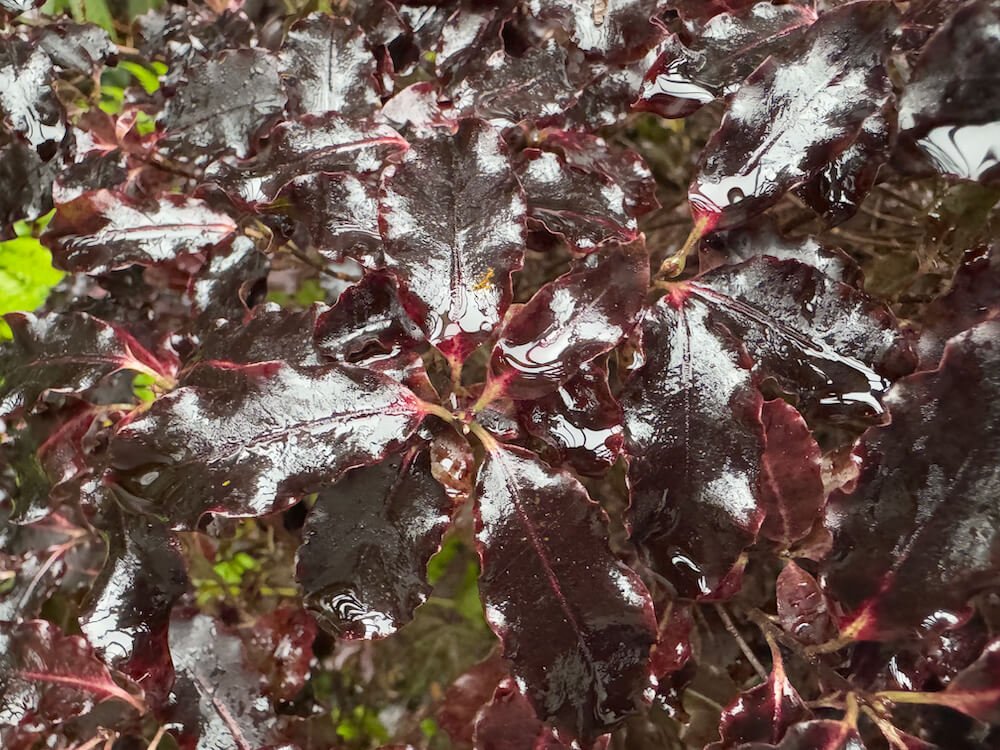
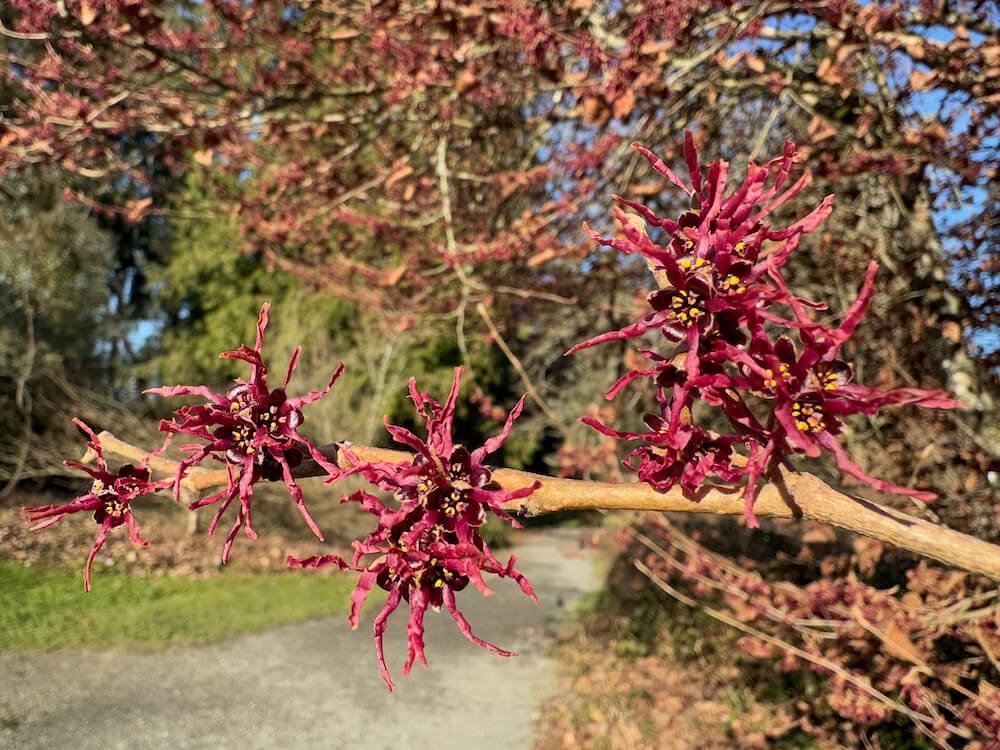
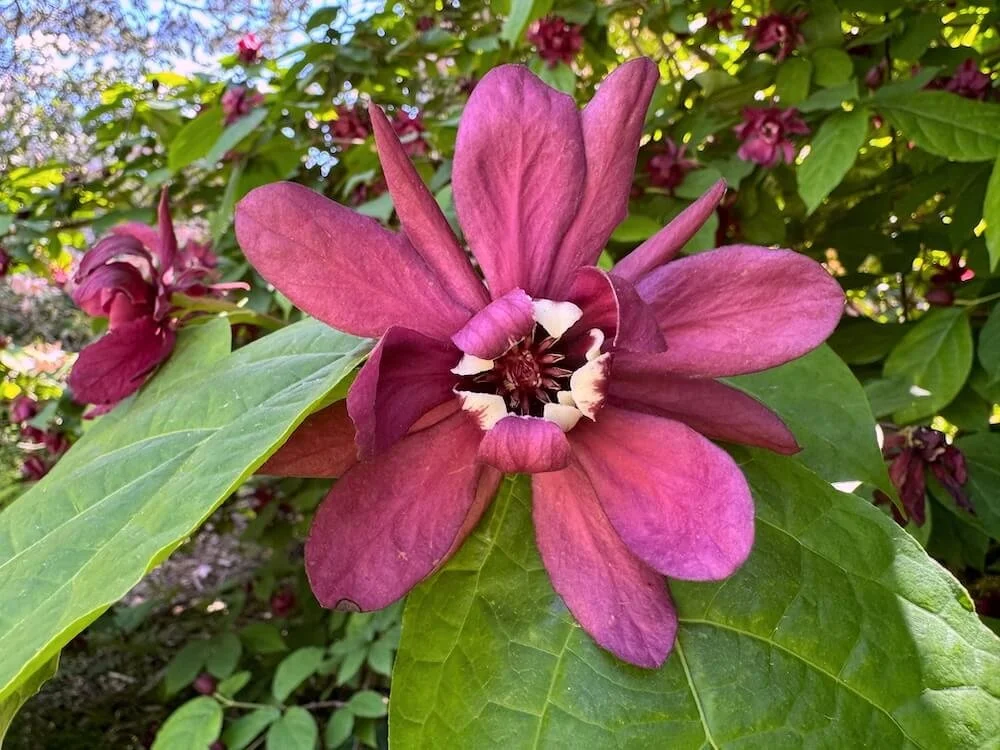
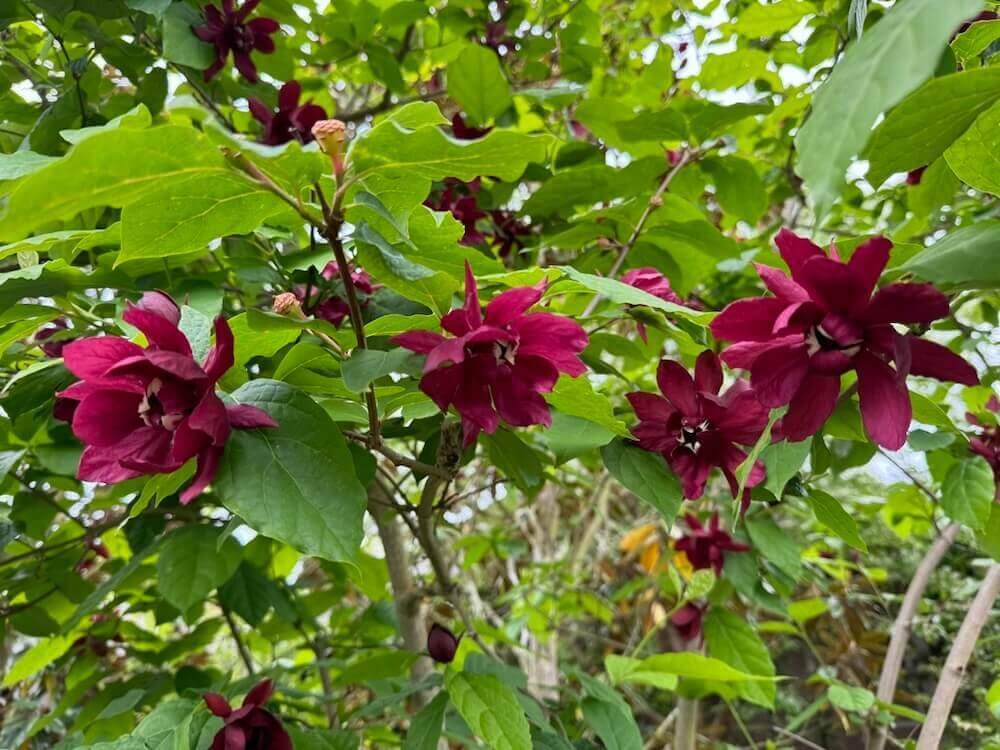
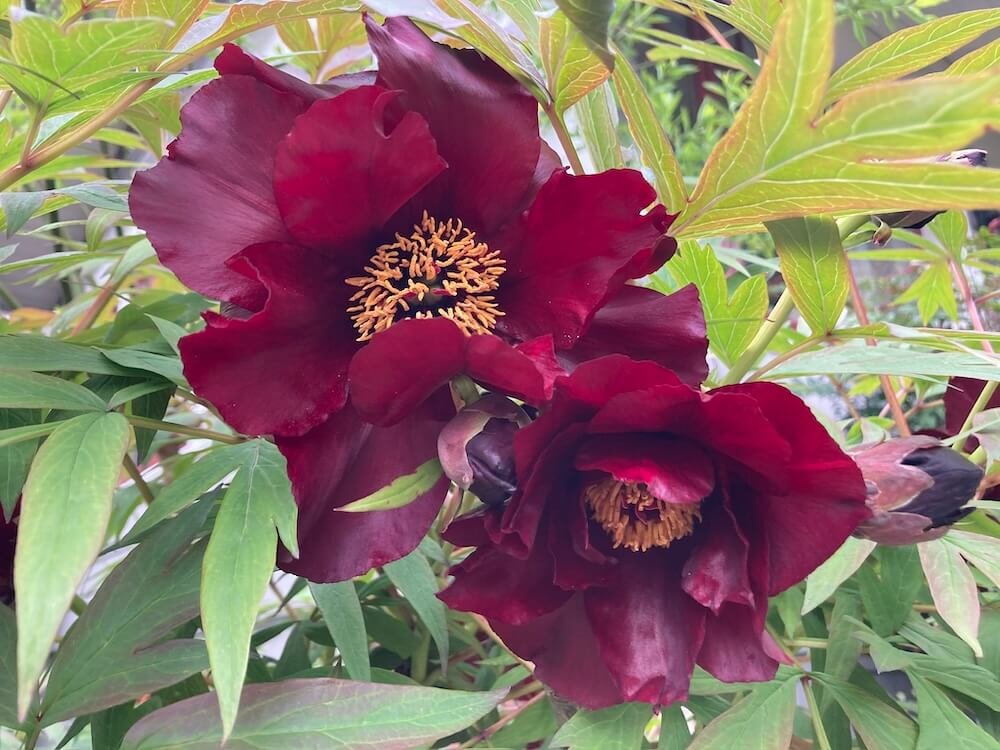
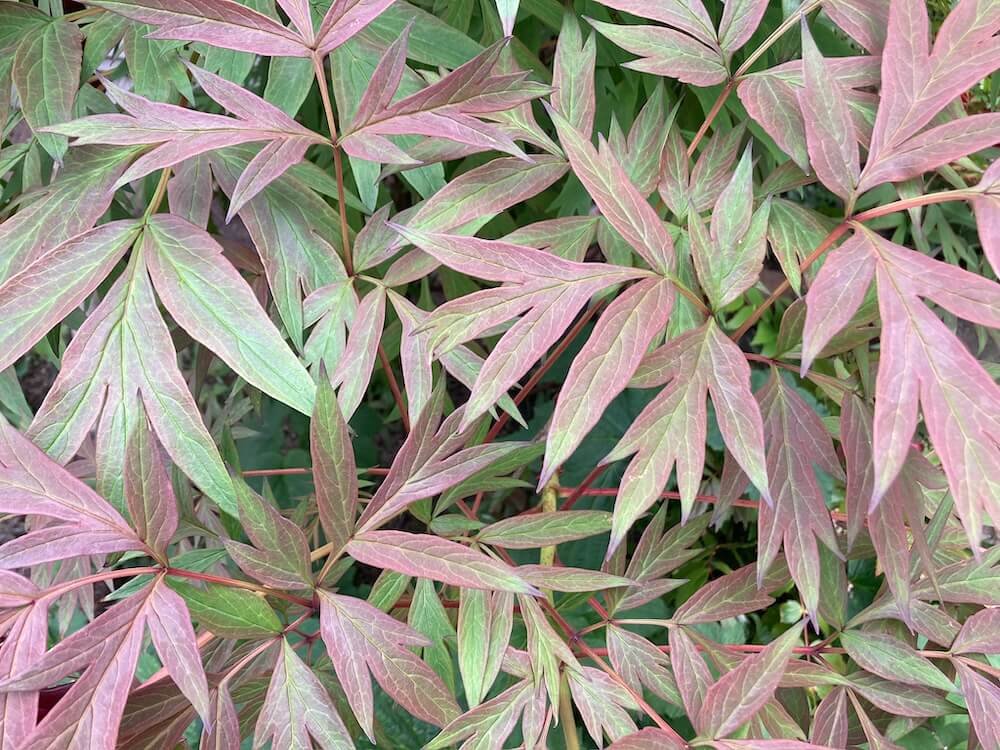
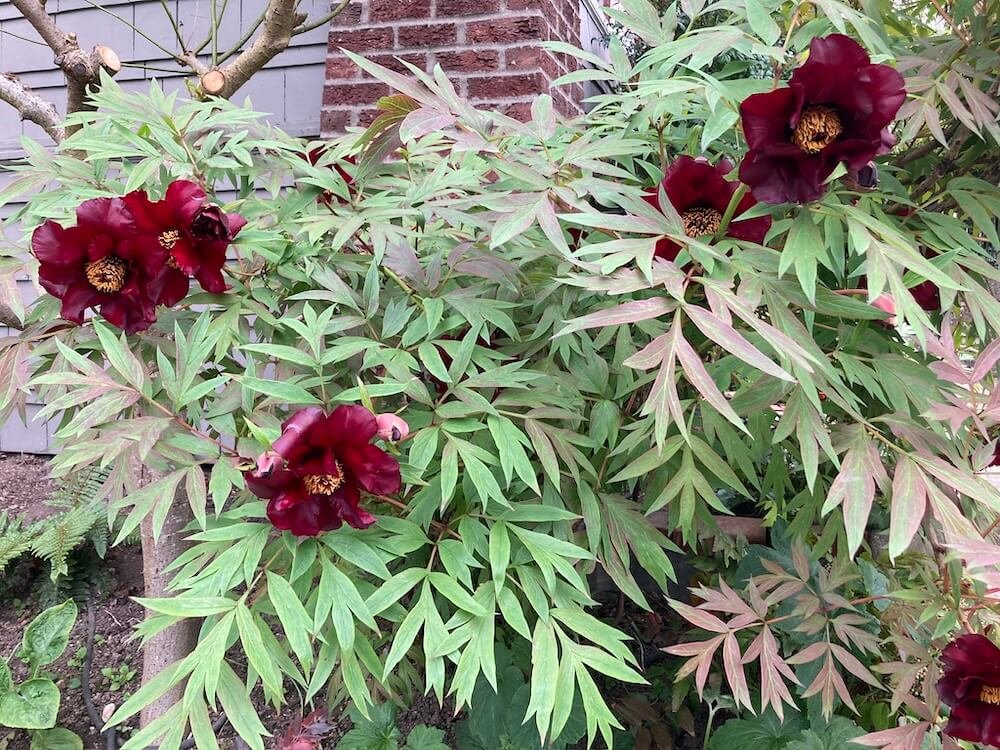
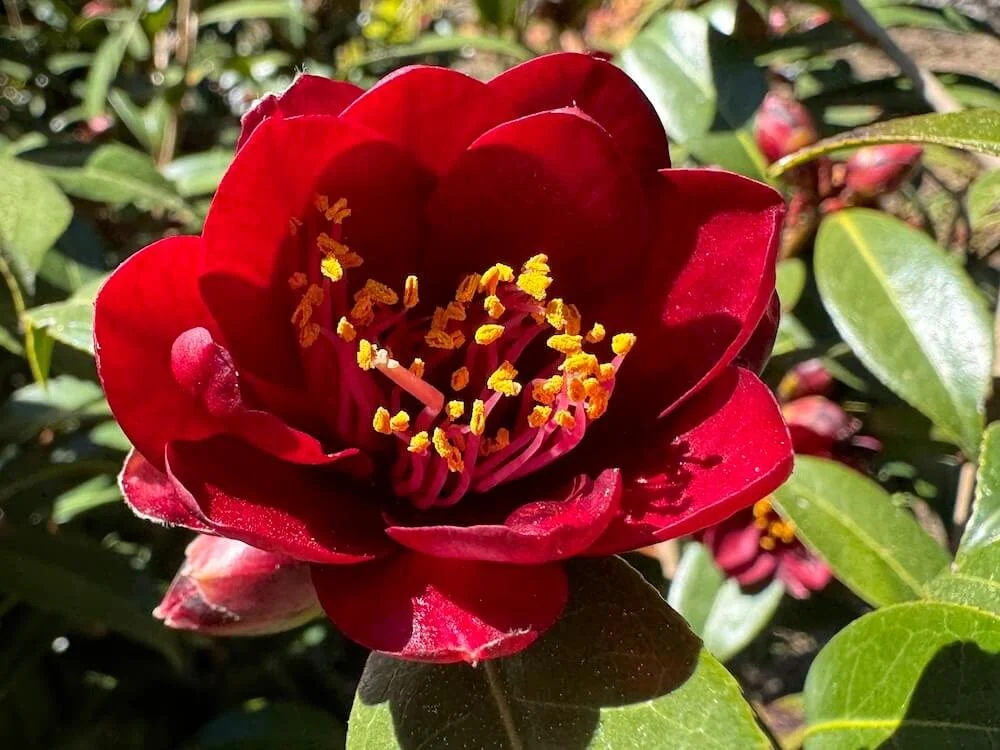
Camellia × williamsii ‘Night Rider’ is a compact, slow-growing evergreen shrub with small, glossy leaves that emerge red before maturing to deep green. Along its branches, miniature single to semi-double flowers open in black-red tones with yellow centers. Blooming from late winter into late spring, often in March and April, it adds rich color to shaded borders and containers.

Bred in New Zealand by Os Blumhardt, ‘Night Rider’ is a hybrid between Camellia x ‘Ruby Bells’ and Camellia japonica ‘Kuro-tsubaki’, introduced around 1980. Its upright habit, tinted new growth, and long blooming season suit it to woodland gardens or a spot near a path where its dusky flowers can be enjoyed at close range.

DESCRIPTION
Camellia × williamsii ‘Night Rider’ is a compact, slow-growing evergreen shrub with small, glossy leaves that emerge red before maturing to deep green. Along its branches, miniature single to semi-double flowers open in black-red tones with yellow centers. Blooming from late winter into late spring, often in March and April, it adds rich color to shaded borders and containers.

Bred in New Zealand by Os Blumhardt, ‘Night Rider’ is a hybrid between Camellia x ‘Ruby Bells’ and Camellia japonica ‘Kuro-tsubaki’, introduced around 1980. Its upright habit, tinted new growth, and long blooming season suit it to woodland gardens or a spot near a path where its dusky flowers can be enjoyed at close range.

 
  • Family: Theaceae
    Height: 4 to 6 ft
    Width: 4 to 6 ft
    Foliage color: Glossy, dark green evergreen leaves
    Flower color: Very dark red to maroon semi-double blooms
    Bloom time: Late winter to mid-spring
    Light requirements: Mostly sun to part shade
    Water requirements: Regular
    Maintenance: Low to moderate — prune lightly after flowering to shape and remove dead wood if needed
    Growing zone: USDA zones 7a to 9b
    Wildlife attractors: Evergreen foliage provides year-round shelter for birds and small wildlife; early-season flowers may supply nectar or pollen to pollinators

    This plant can be seen at Windcliff Nursery.
    Print Information

    Buy Plants