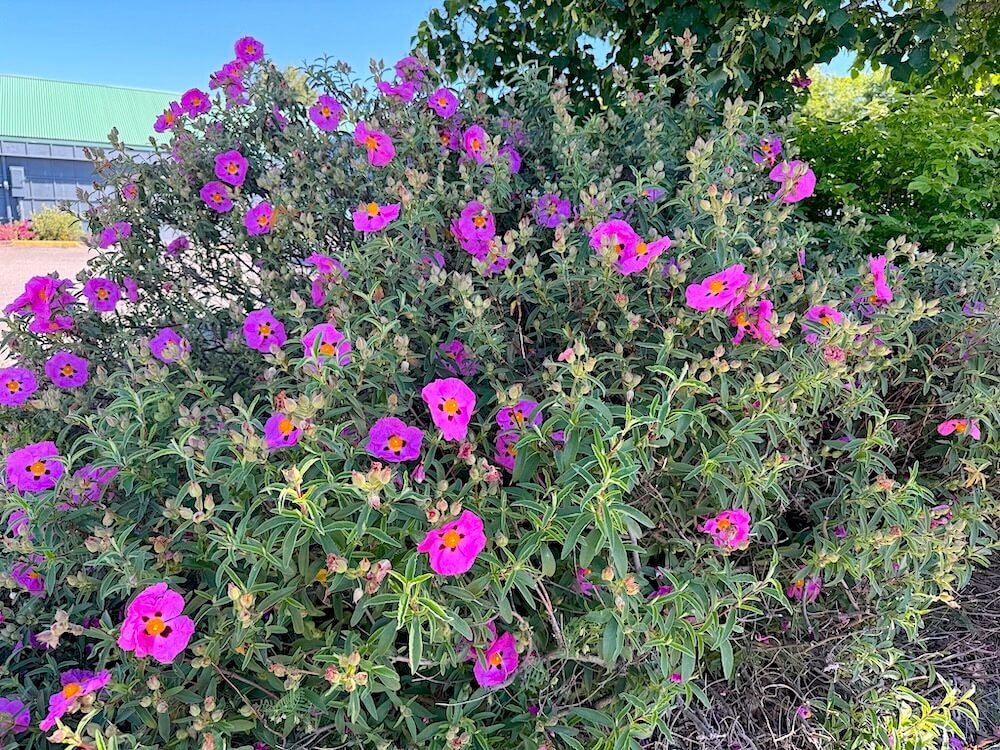
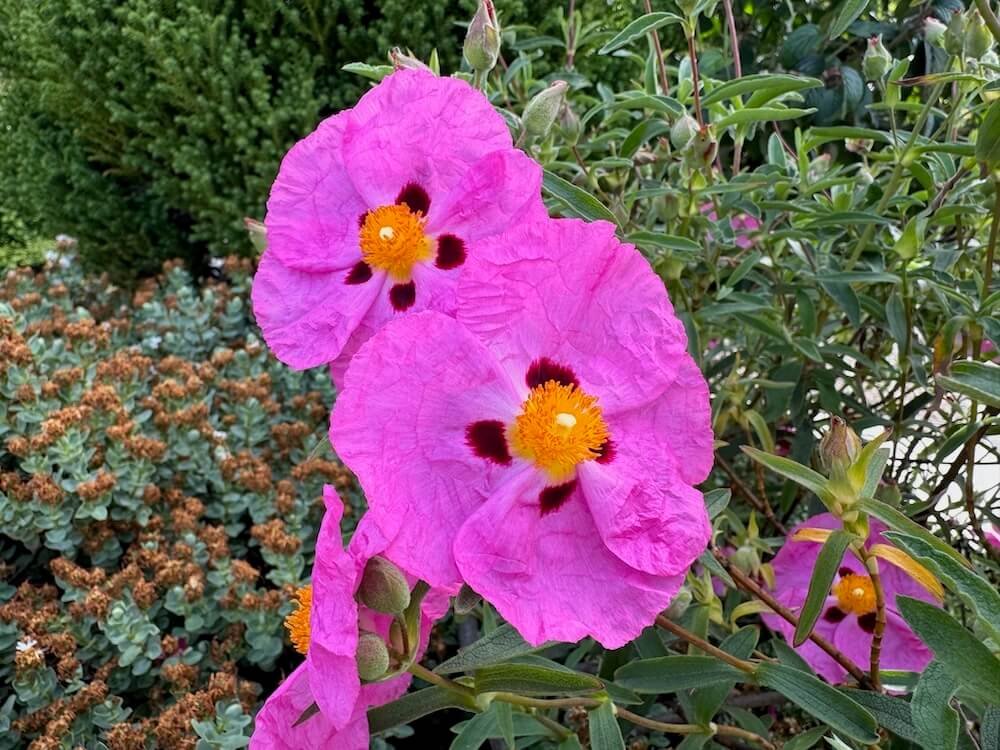
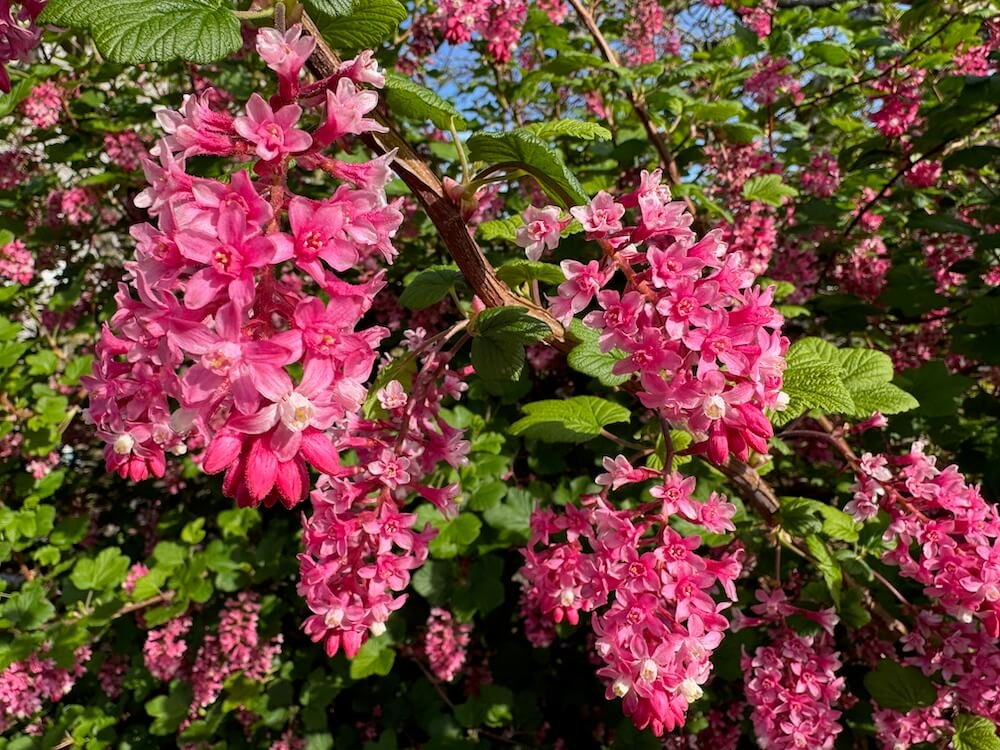
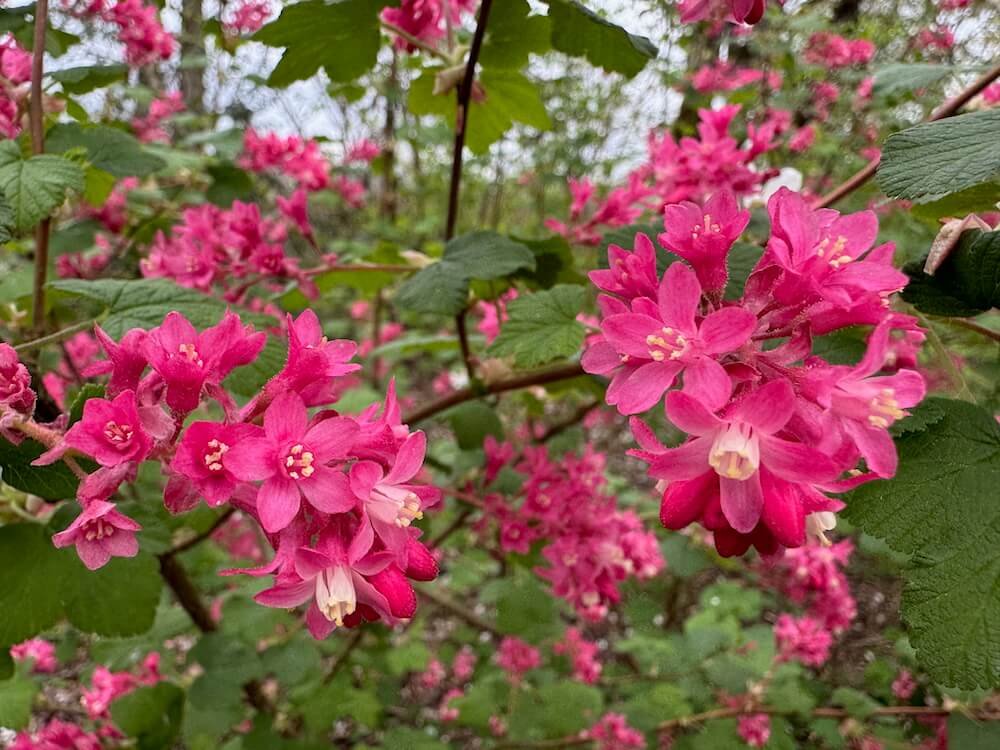
 Image 1 of 5
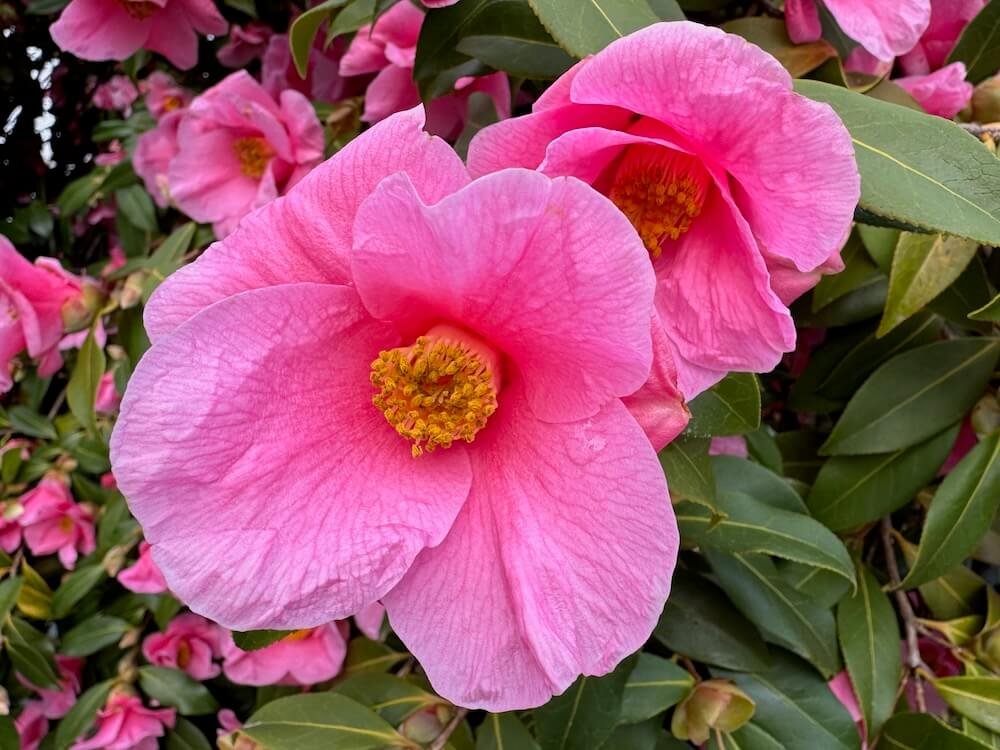 Image 2 of 5
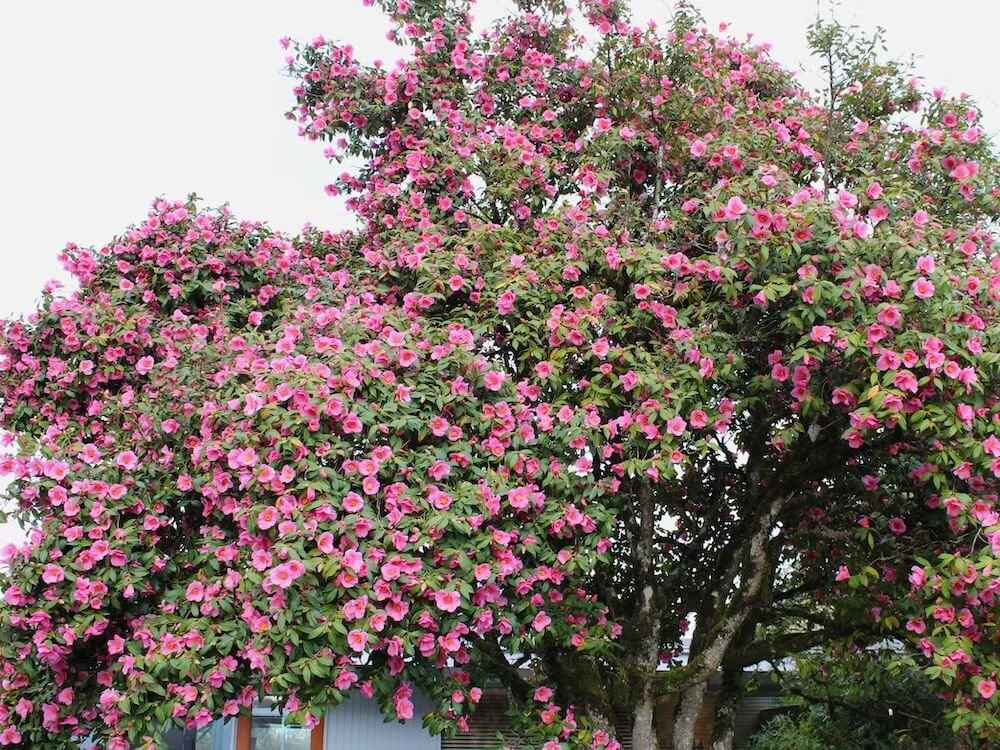 Image 3 of 5
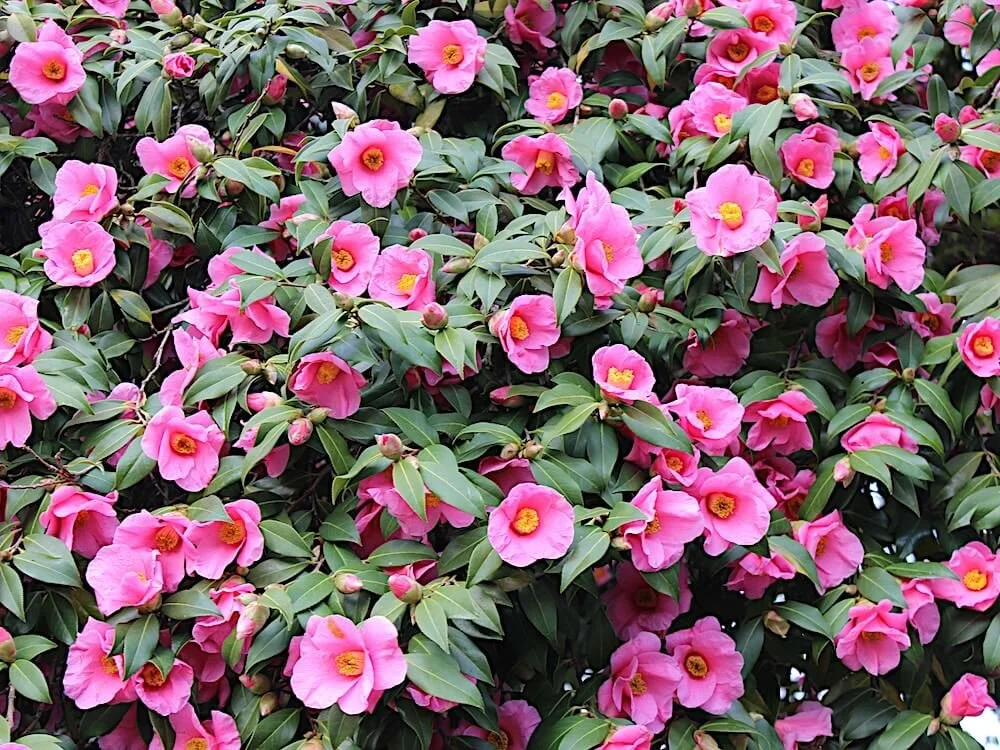 Image 4 of 5
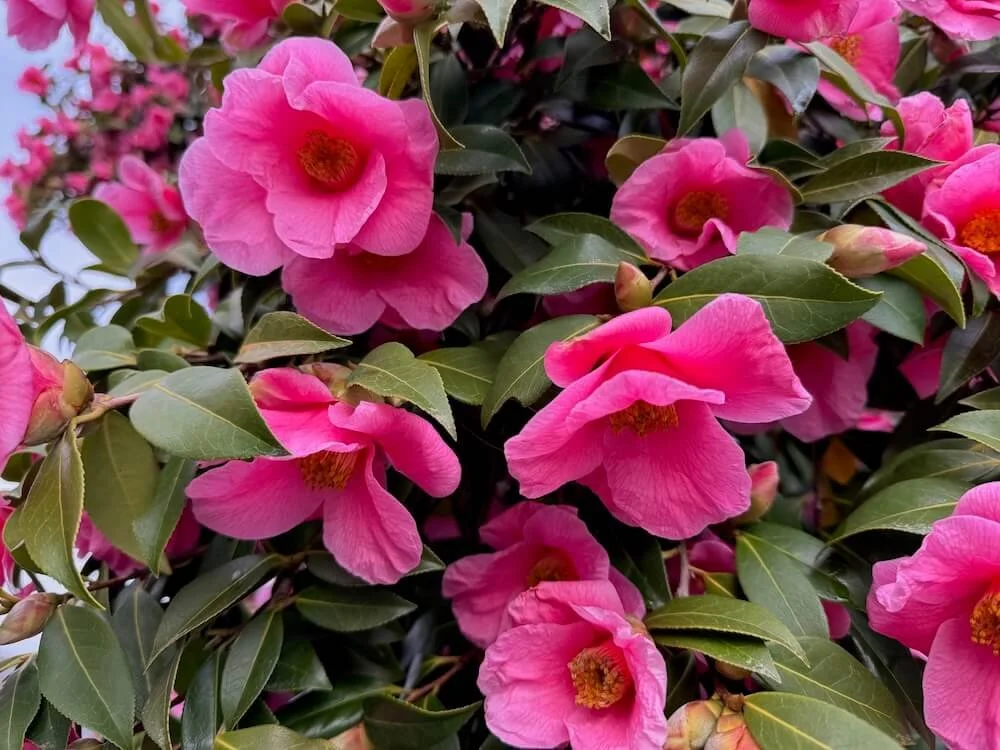 Image 5 of 5
-
Family: Theaceae
Height: 8 to 12 ft
Width: 8 to 10 ft
Foliage color: Evergreen dull dark green leaves
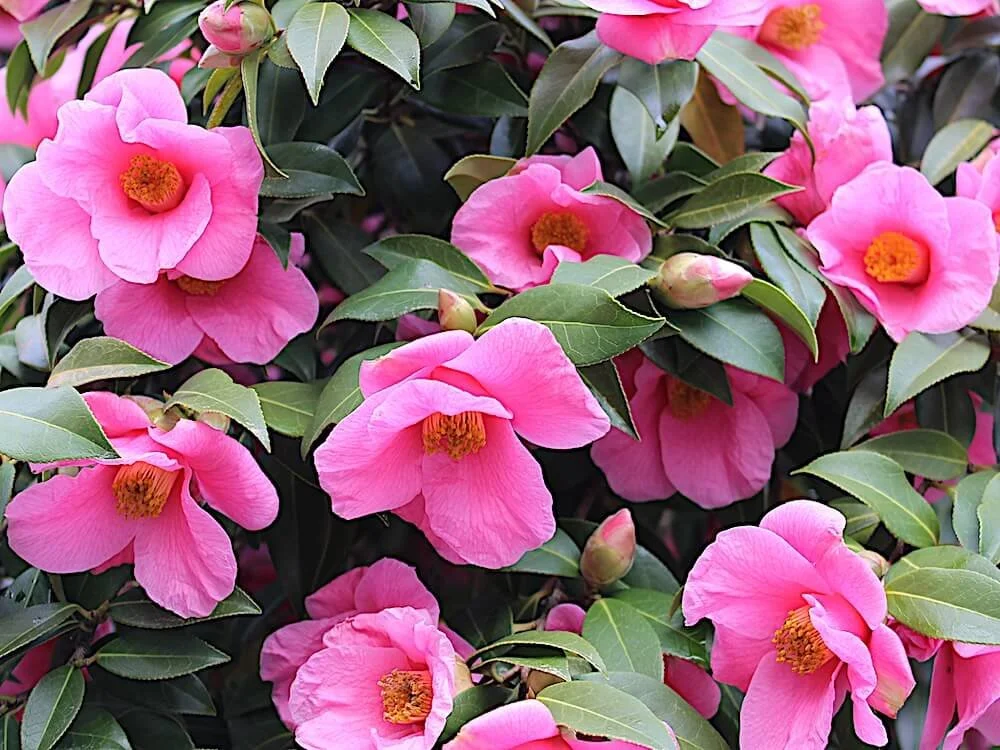
Flower color: Single, clear rose-pink blooms
Bloom time: Late winter through spring
Light requirements: Mostly sun to dappled shade
Water requirements: Regular watering
Maintenance: Low; occasional light pruning after flowering to shape and thin dead wood
Growing zone: USDA zones 7a to 9b
Wildlife attractors: Early-season flowers provide nectar and pollen for bees and other beneficial insectsThis plant can be seen at the Bellevue Botanical Garden.
-
Works Well In:
● Foundation Plantings
● Specimen Plants
● Woodland Gardens
● Shade GardensCompanion Plants:
Sarcococca Rodgersia
Cyclamen Fatsia
Lungwort PrimroseDesign Tip:
A long season of rose-pink flowers makes this camellia useful for linking the late-winter garden with spring. Position it where the color can be seen from several viewpoints, creating a visual anchor that helps connect different areas as the surrounding garden changes through the season.