Cephalotaxus harringtonii 'Prostrata' | Spreading Japanese Plum Yew

$0.00

DESCRIPTION
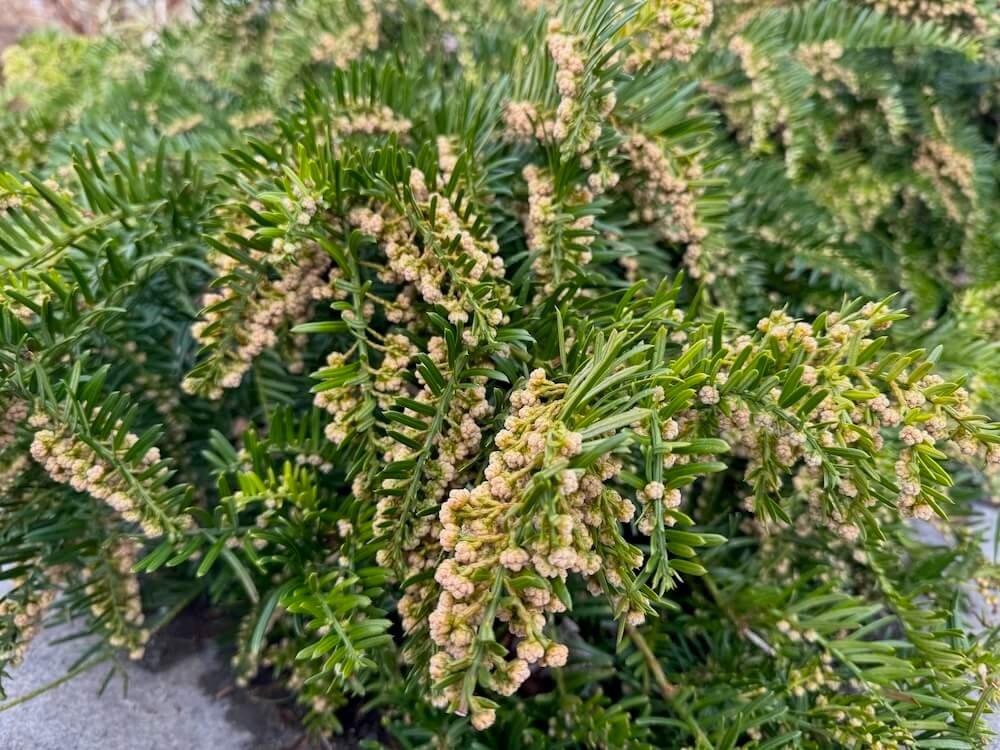
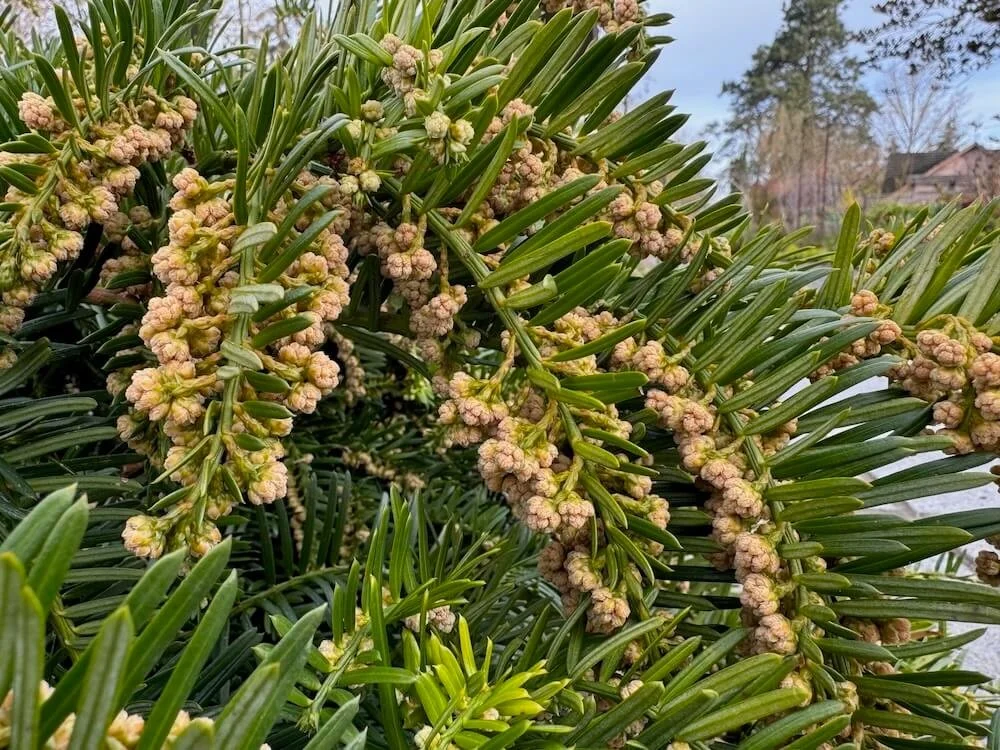
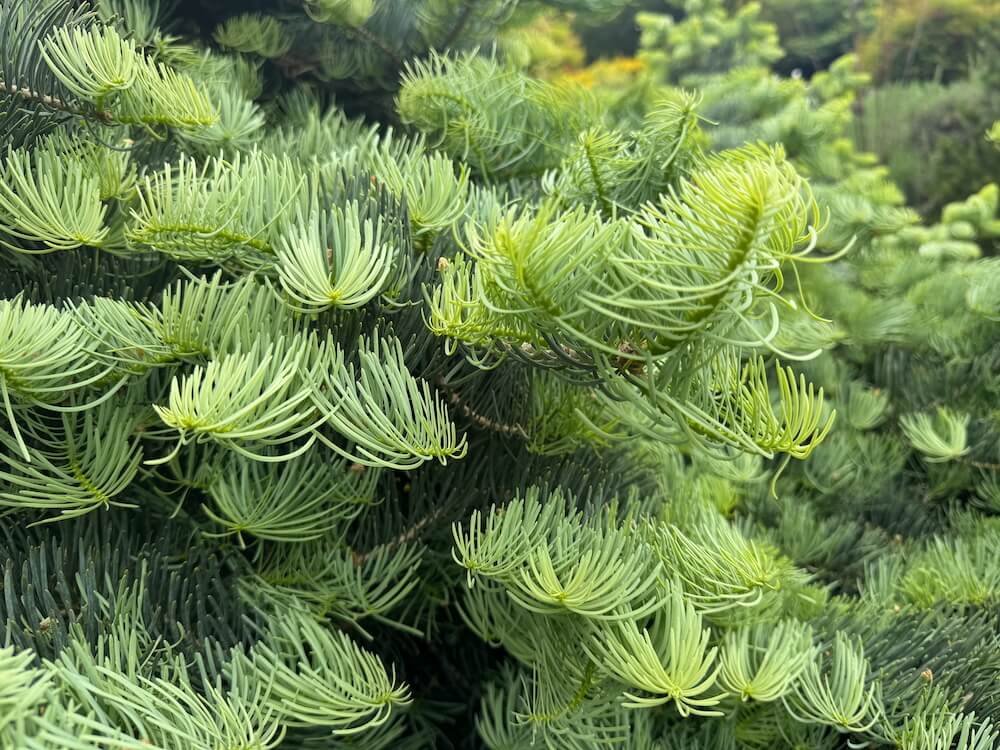
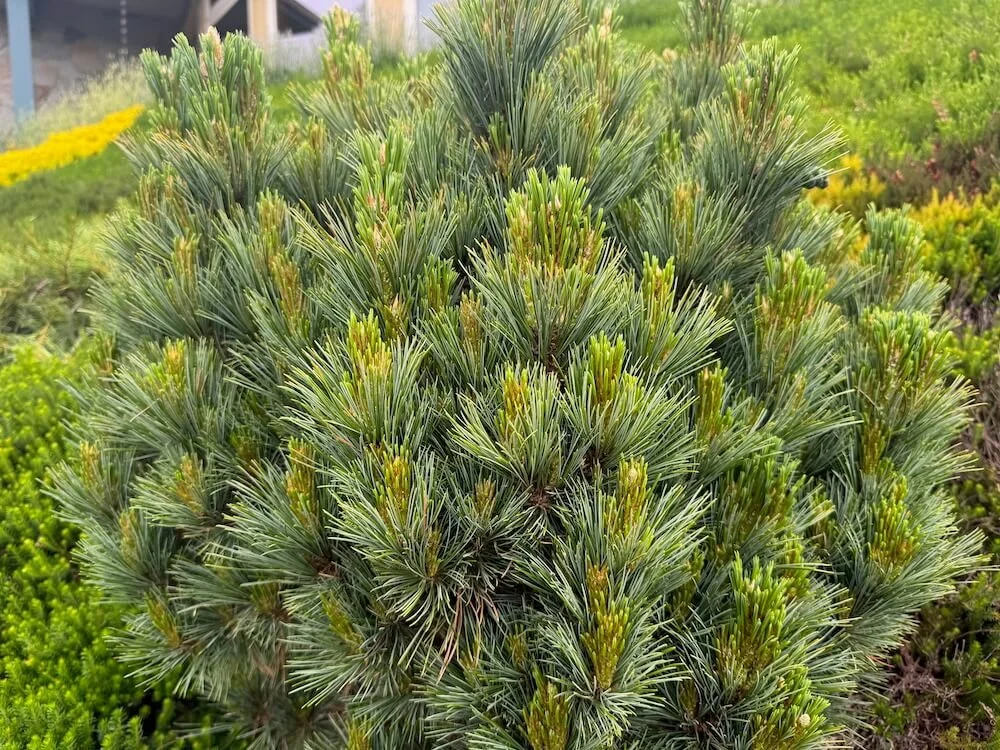
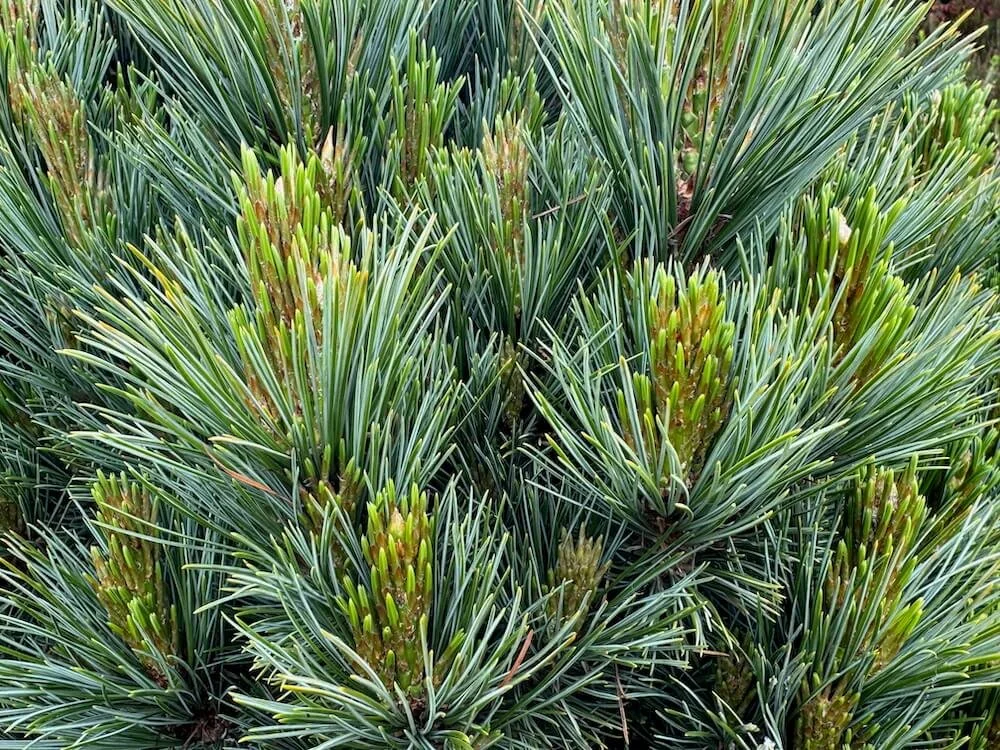
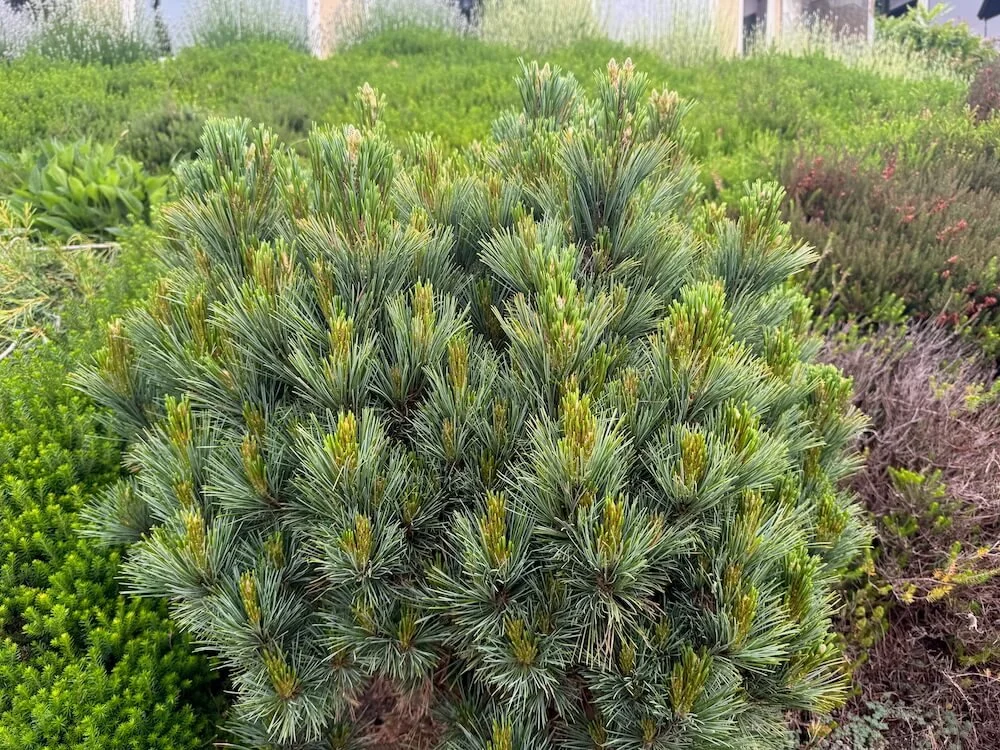
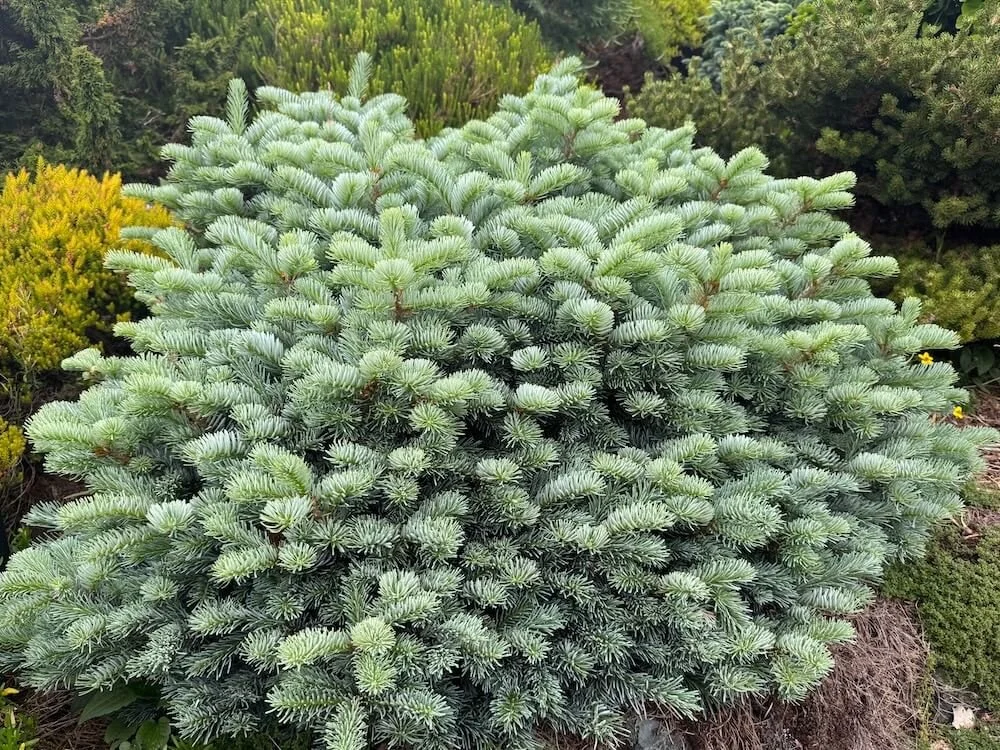
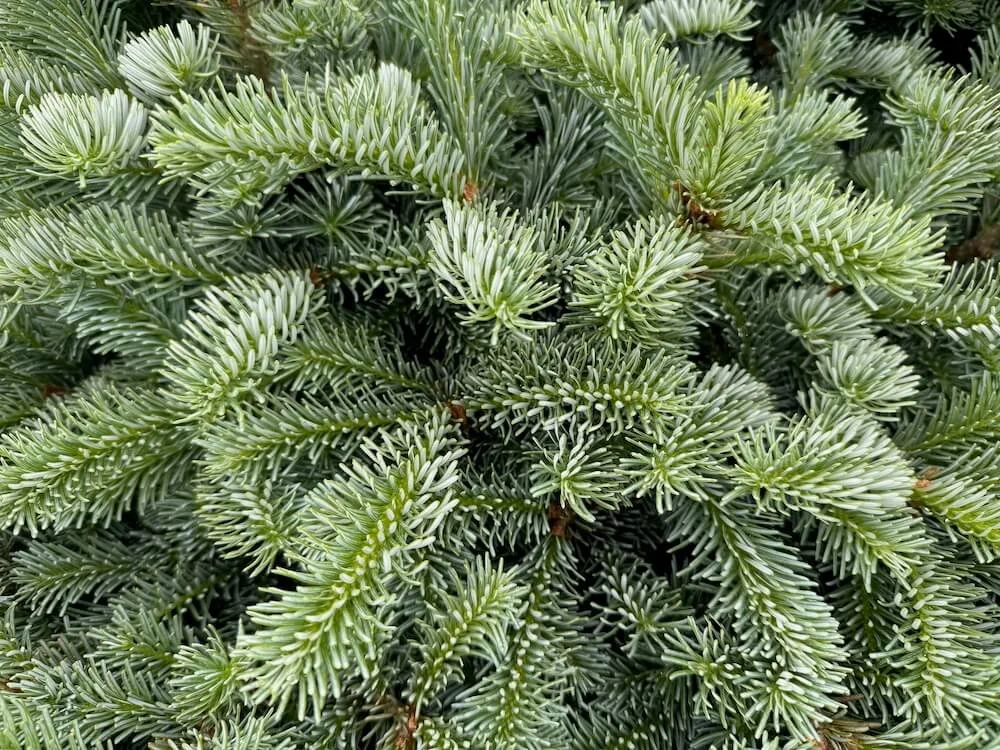
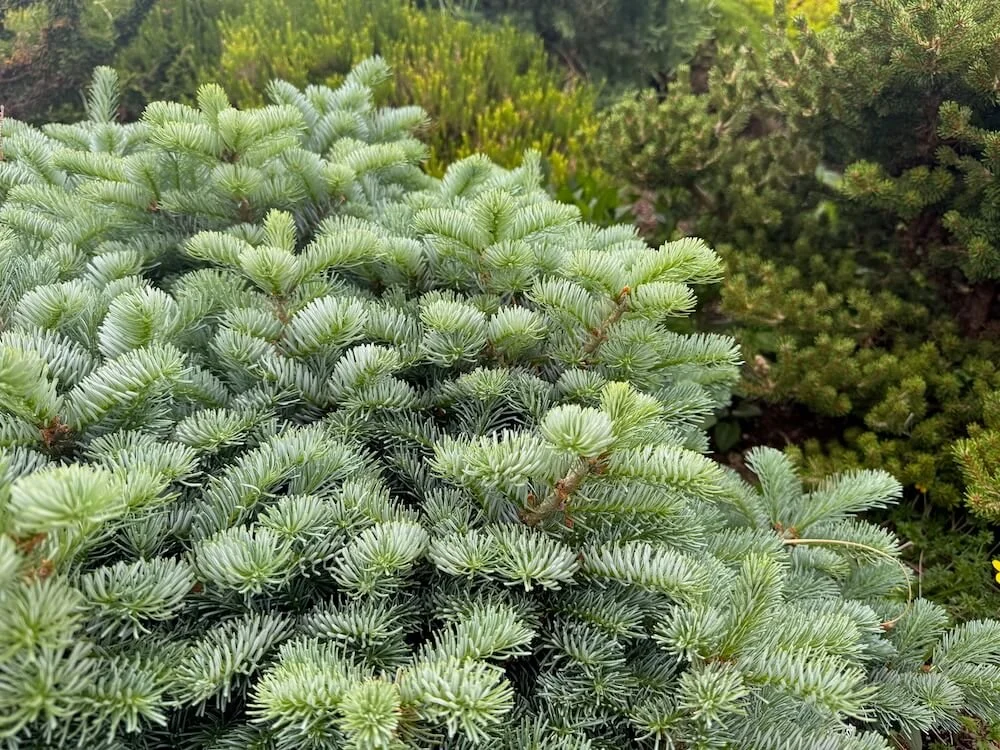
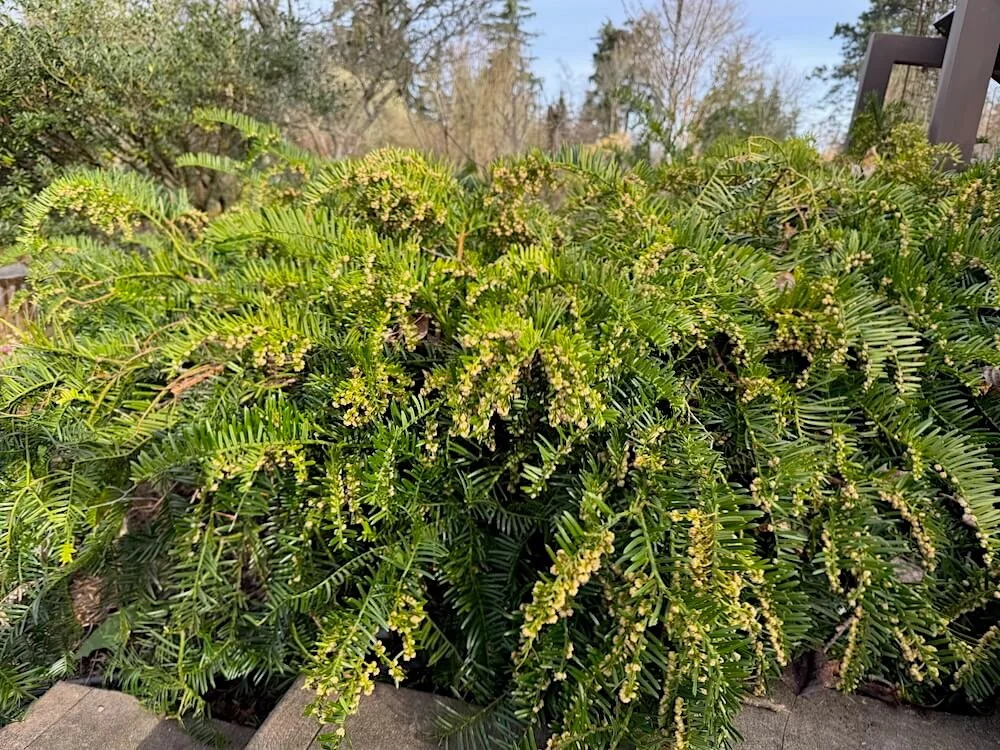
Cephalotaxus harringtonii 'Prostrata' forms spreading branches covered with soft, linear needles arranged in neat ranks along the stems. The deep green foliage has a fine texture and remains colorful throughout the year, creating a graceful, layered appearance. In spring, small pollen-bearing cones appear along the stems, followed later by olive-shaped, plum-like seeds that mature with a purplish coating.

This cultivated selection traces its origin to Cephalotaxus harringtonii native to Japan and parts of eastern Asia. In gardens it provides evergreen structure for shaded borders, woodland plantings, and groundcover groupings where the arching branches add texture and quiet year-round presence.

DESCRIPTION
Cephalotaxus harringtonii 'Prostrata' forms spreading branches covered with soft, linear needles arranged in neat ranks along the stems. The deep green foliage has a fine texture and remains colorful throughout the year, creating a graceful, layered appearance. In spring, small pollen-bearing cones appear along the stems, followed later by olive-shaped, plum-like seeds that mature with a purplish coating.

This cultivated selection traces its origin to Cephalotaxus harringtonii native to Japan and parts of eastern Asia. In gardens it provides evergreen structure for shaded borders, woodland plantings, and groundcover groupings where the arching branches add texture and quiet year-round presence.

 
  • Family: Cephalotaxaceae
    Height: 12 to 24 inches
    Width: 4 to 6 feet
    Foliage color: Dark green soft needle like leaves arranged in two ranks along arching stems
    Flower color: Small yellow green pollen cones on male plants with inconspicuous flowers
    Bloom time: Late winter to early spring
    Light requirements: Partial shade to full shade
    Water requirements: Average
    Maintenance: Low; prune lightly in spring to shape plants and remove damaged or wandering stems
    Growing zone: USDA zones 6 to 9
    Wildlife attractors: Birds that feed on the plum like seeds produced on female plants

    This plant can be seen at the Bellevue Botanical Garden.
    Print Information

    Buy Plants