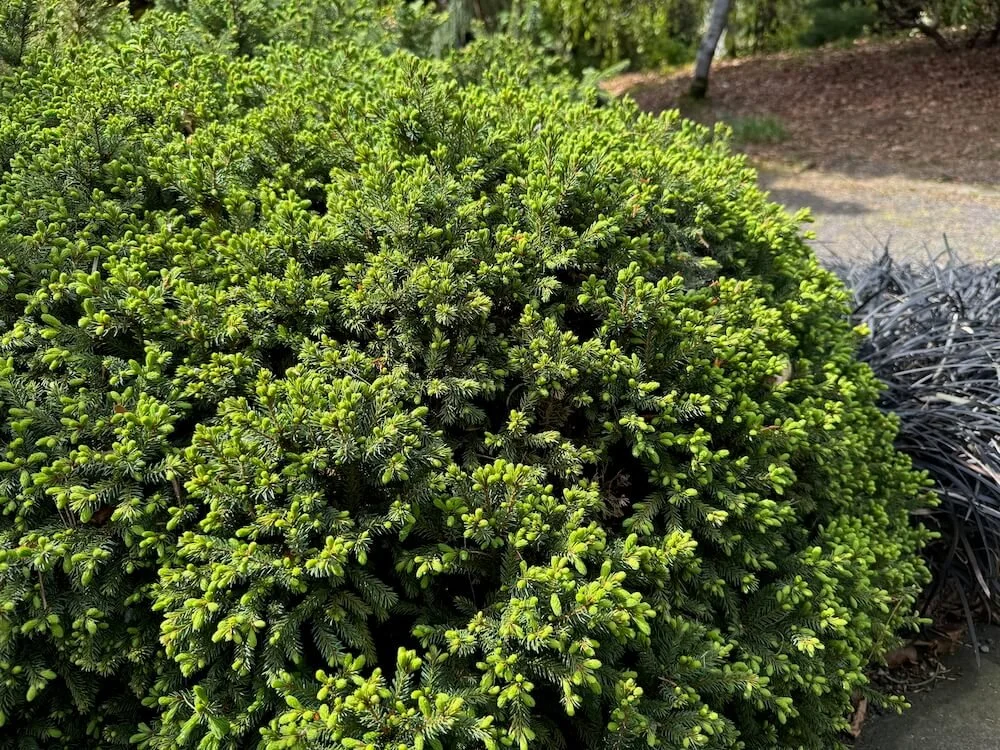
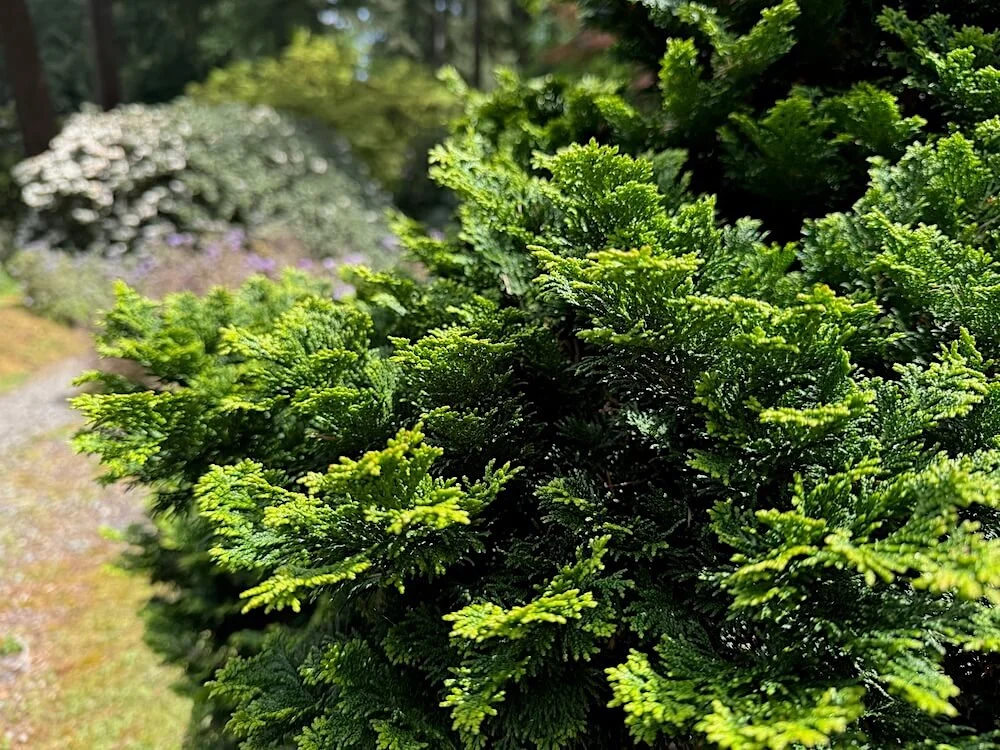
 Image 1 of 3
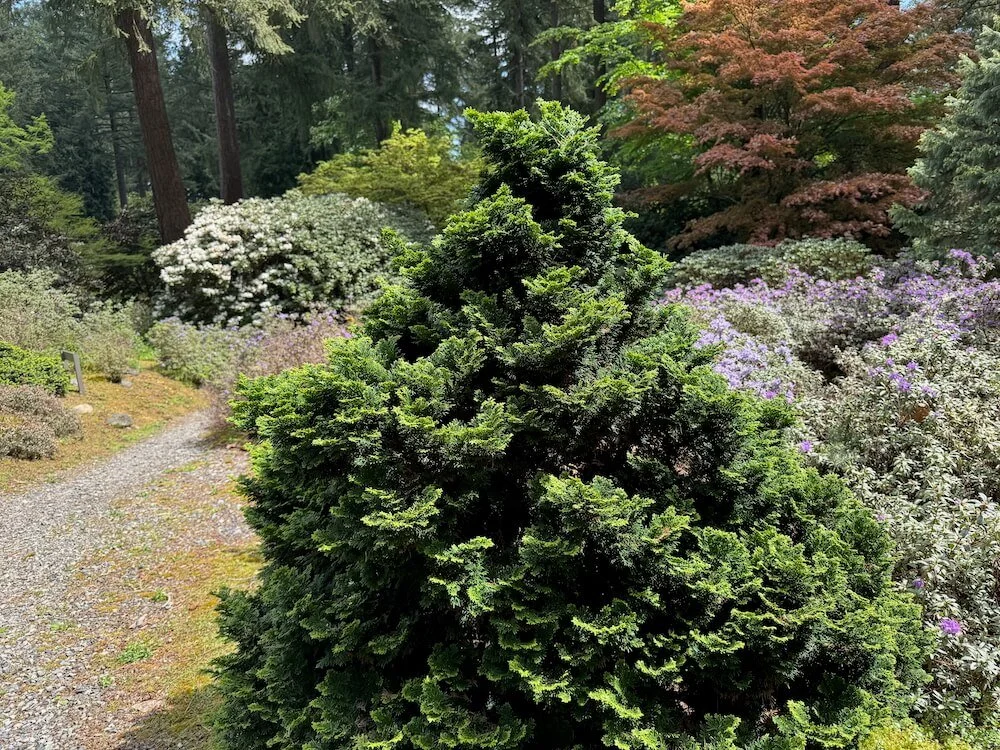 Image 2 of 3
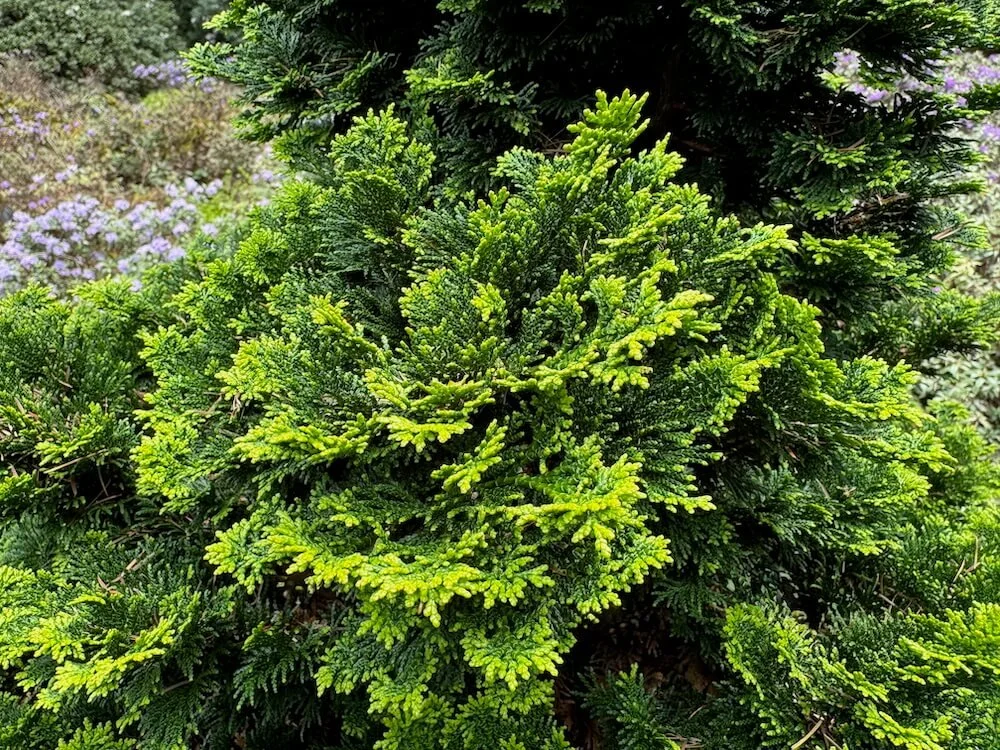 Image 3 of 3
-
Family: Cupressaceae
Height: 3 feet
Width: 2 feet
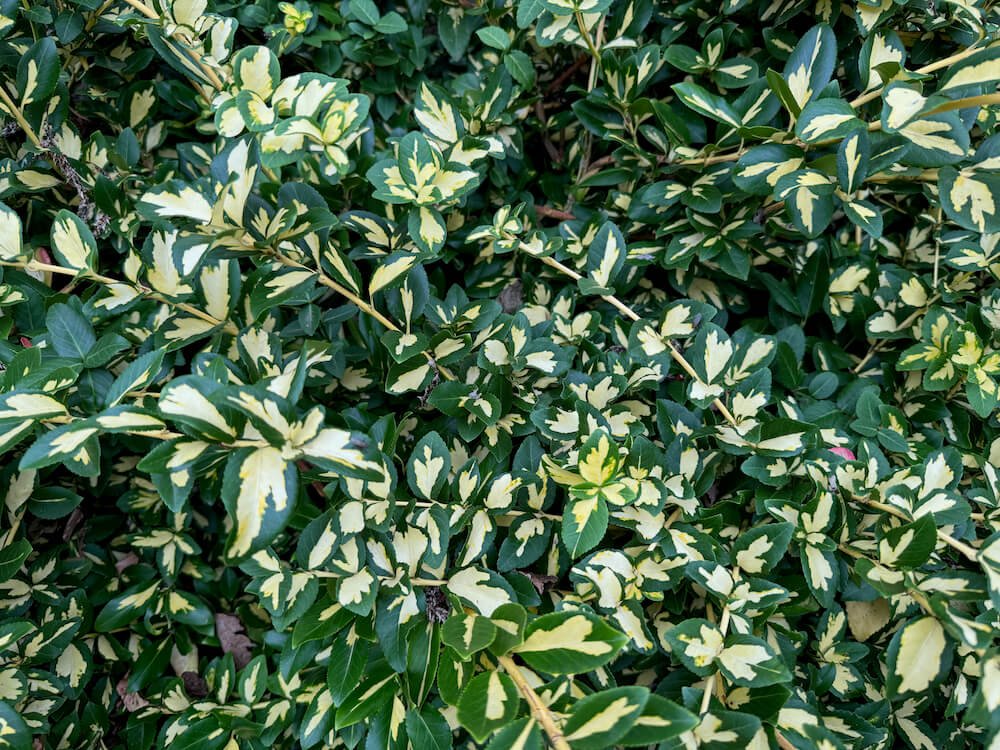
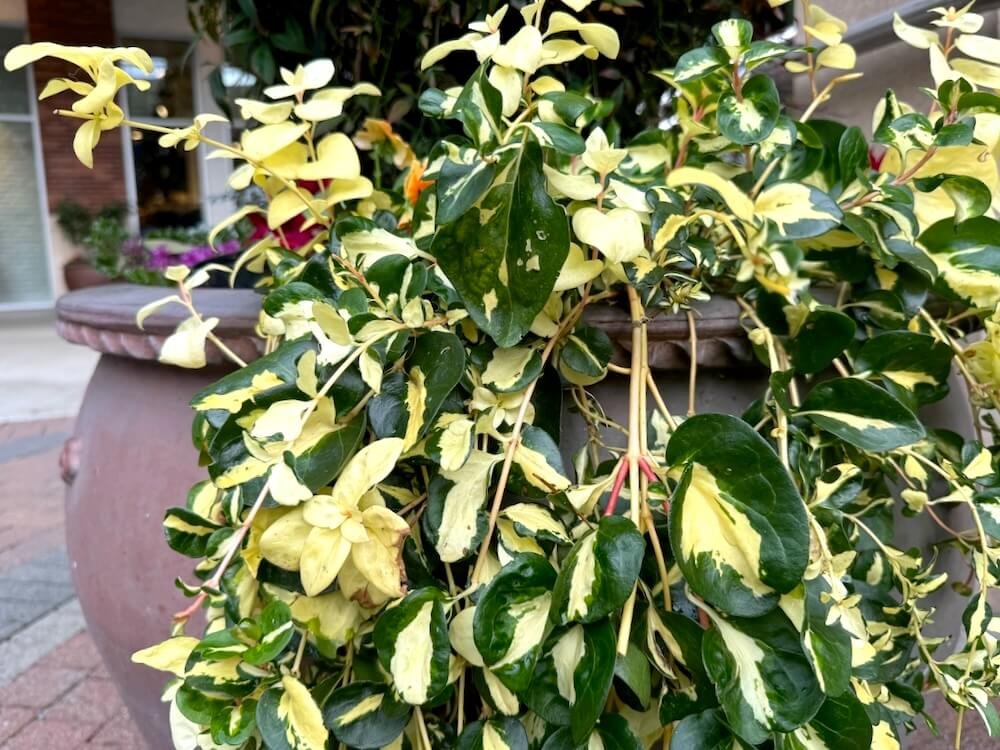
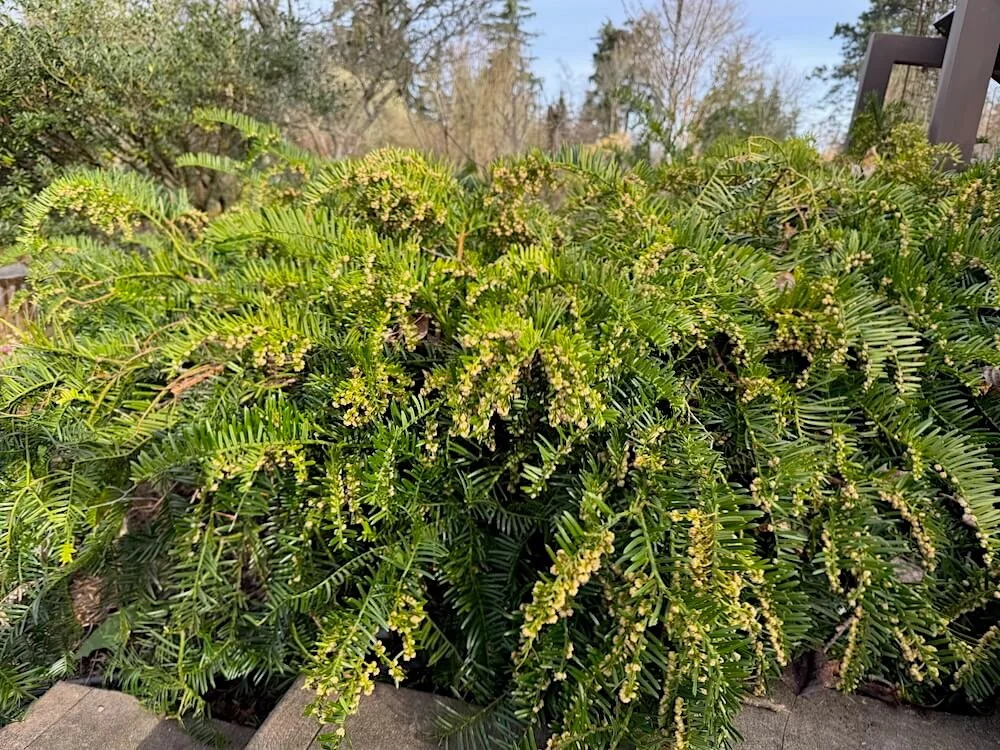
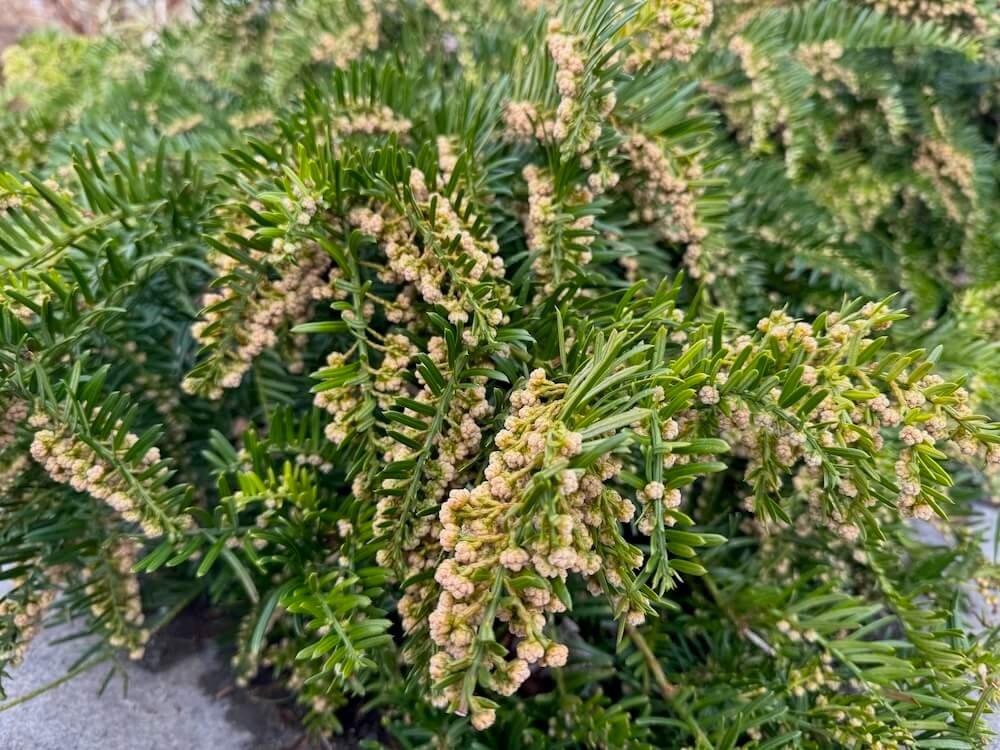
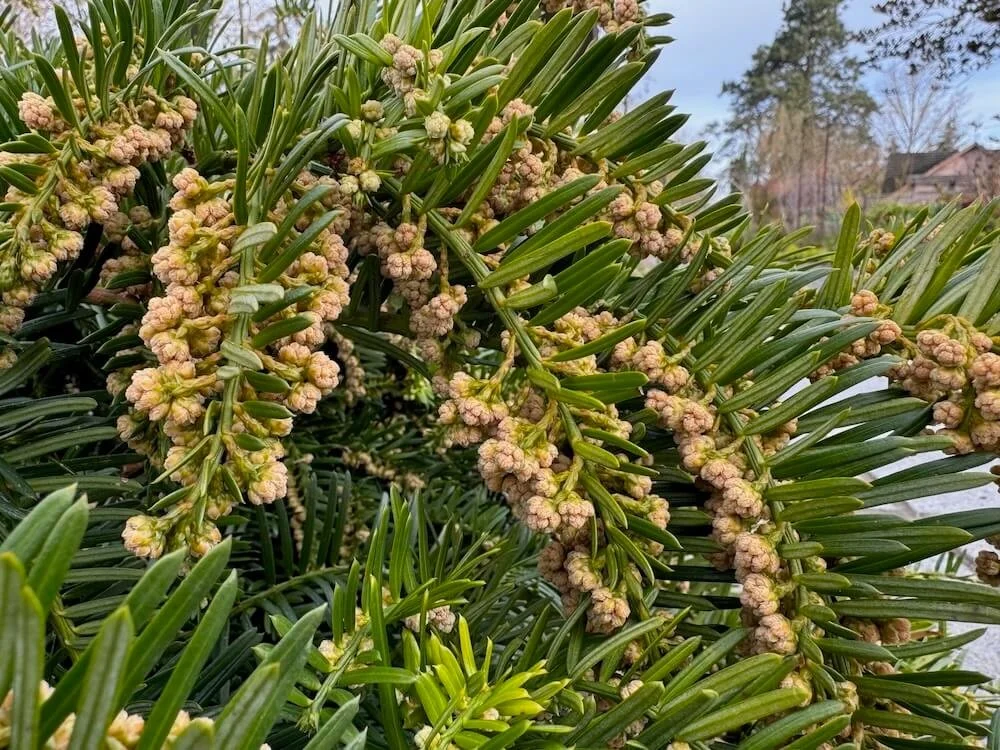
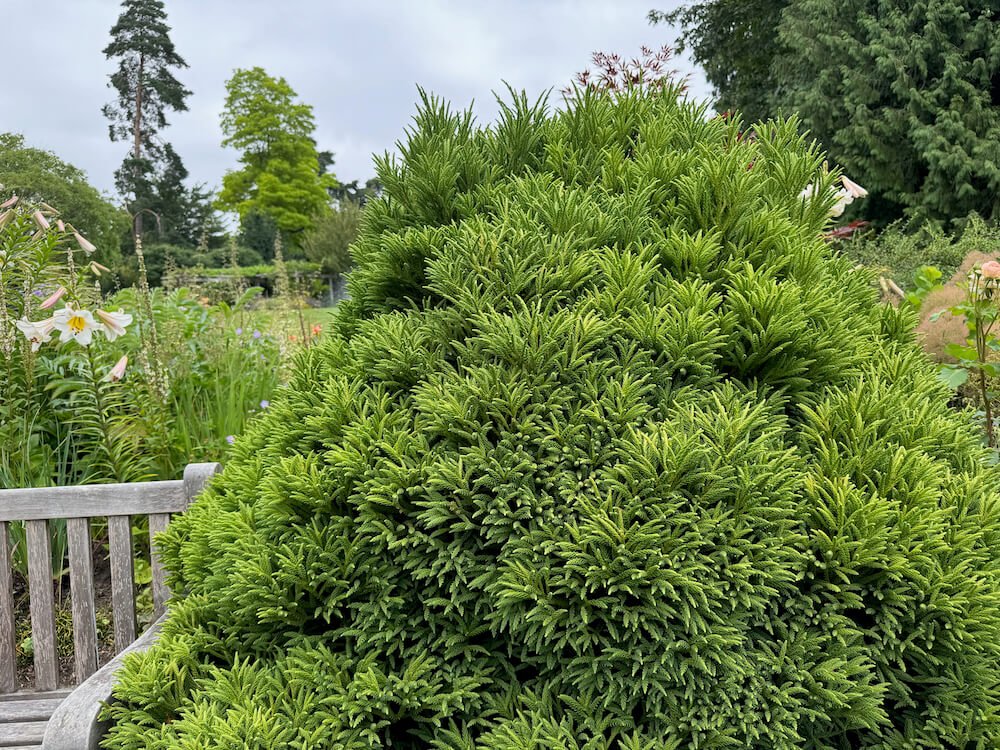
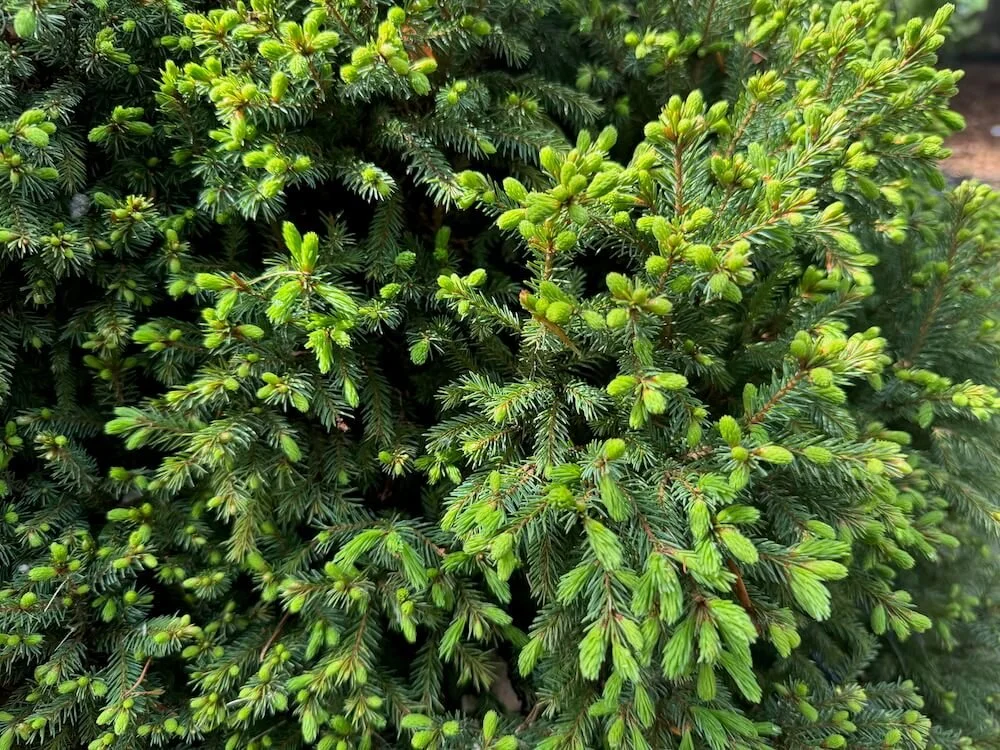
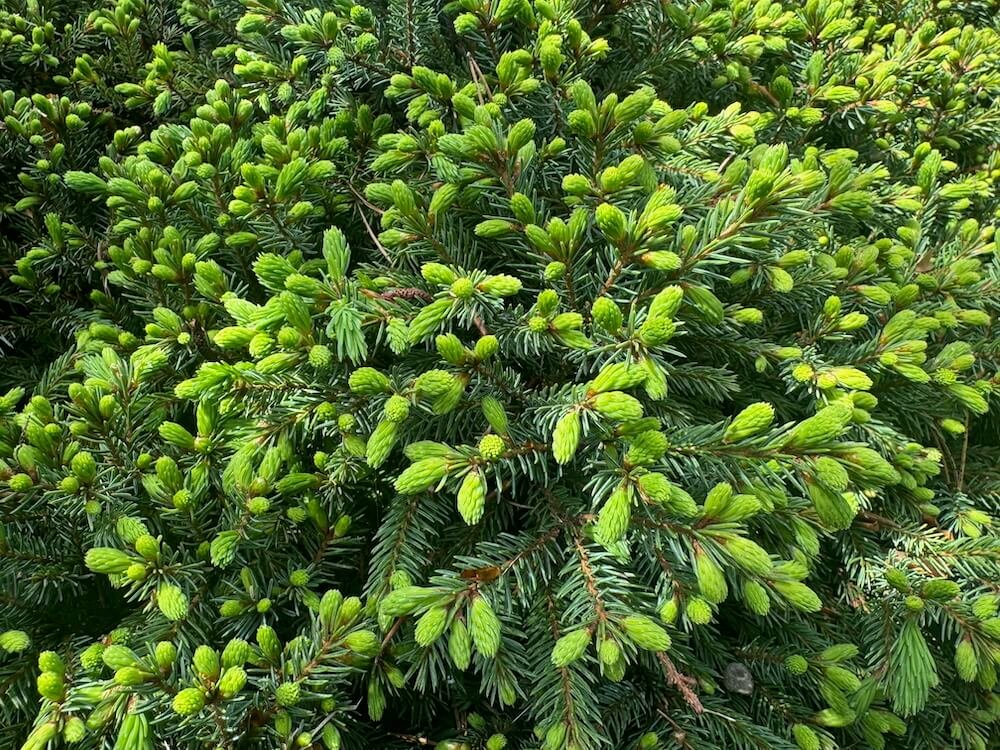
Foliage color: Dense fans of deep, glossy green foliage with a compact, shell-like texture
Flower color: Non-flowering conifer (no ornamental blooms)
Bloom time: Non-flowering
Light requirements: Full sun to part shade
Water requirements: Moderate
Maintenance: Low; slow-growing with minimal pruning needed
Growing zone: USDA zones 5 to 8
Wildlife attractors: Provides shelter for small birds and beneficial garden wildlifeThis plant can be seen at the Rhododendron Species Botanical Garden.
-
Works Well In:
● Sun Gardens
● Rock Gardens
● Containers
● Foundation PlantingsCompanion Plants:
Thyme Switch grasses
Catmint Penstemons
Coreopsis Blanket flowerDesign Tip:
Slow growth and a naturally compact shape make this Hinoki cypress especially useful where you want lasting structure without constant trimming. Its intricate, shell-like foliage looks particularly attractive beside simple stonework, where the contrast allows its unusual texture to become the focus.