Cornus sericea 'Isanti' | Isanti Red Twig Dogwood

$0.00

DESCRIPTION
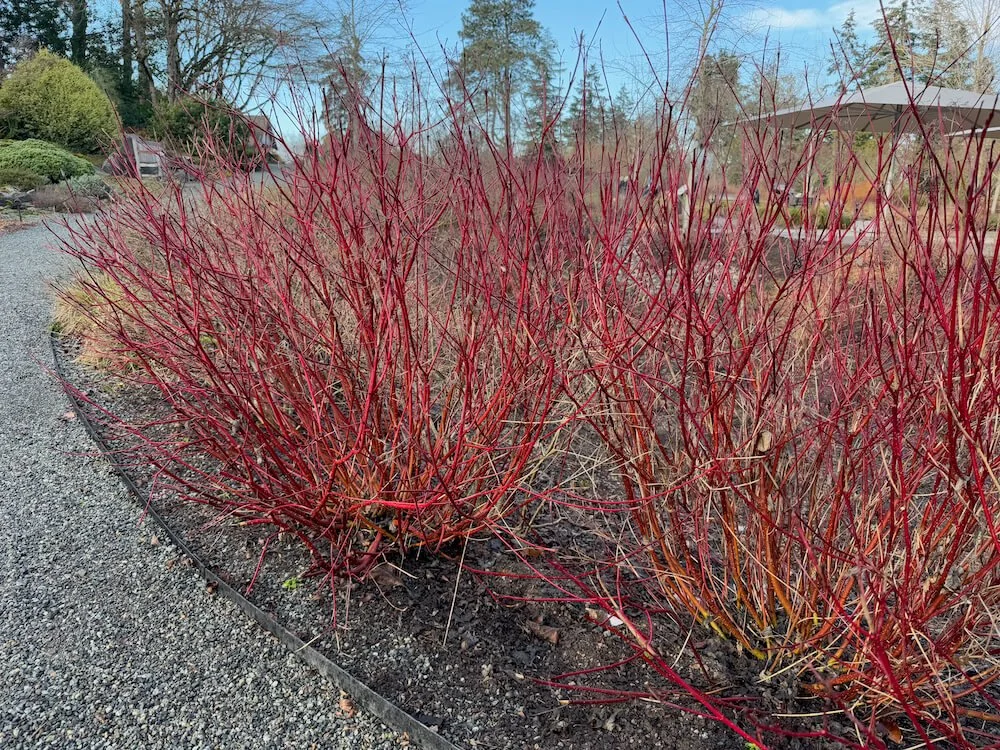
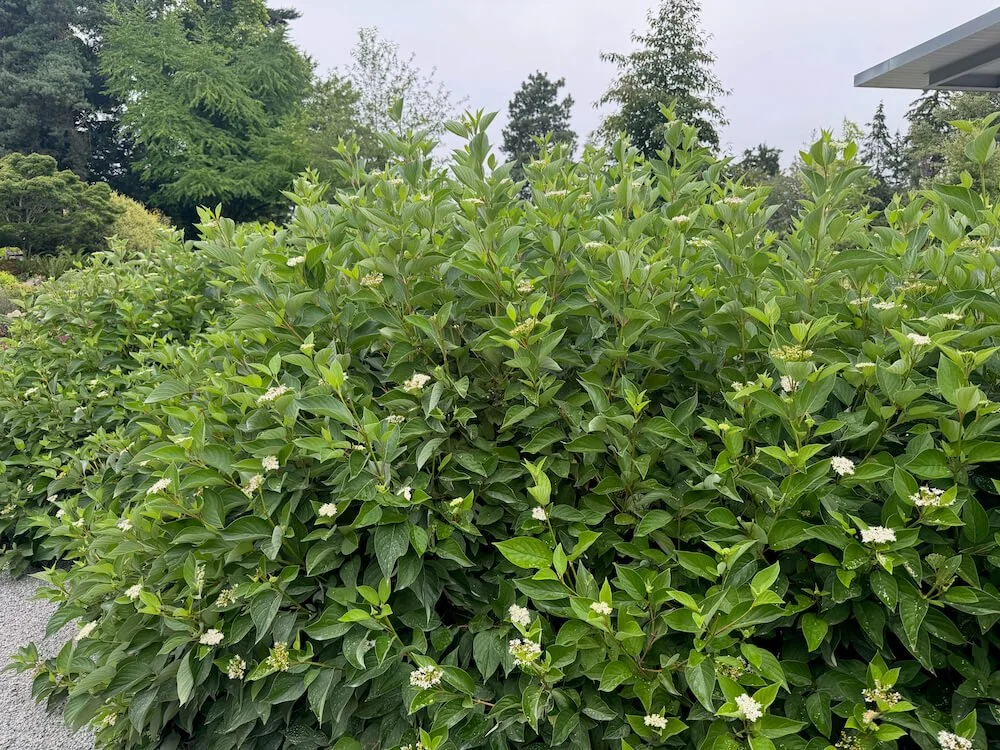
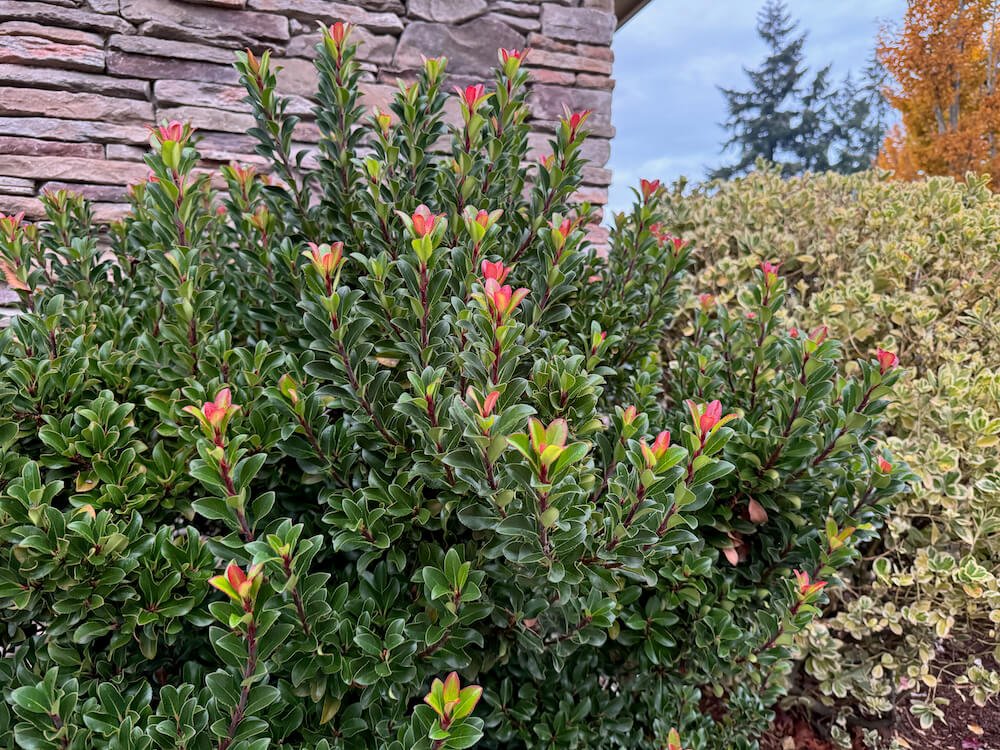
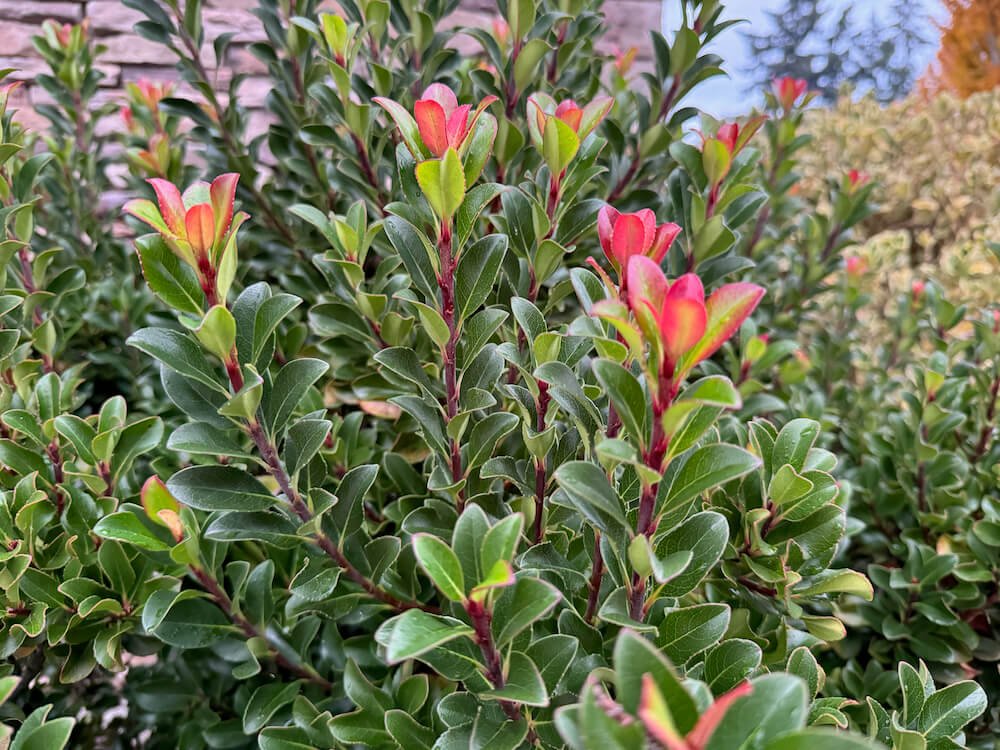
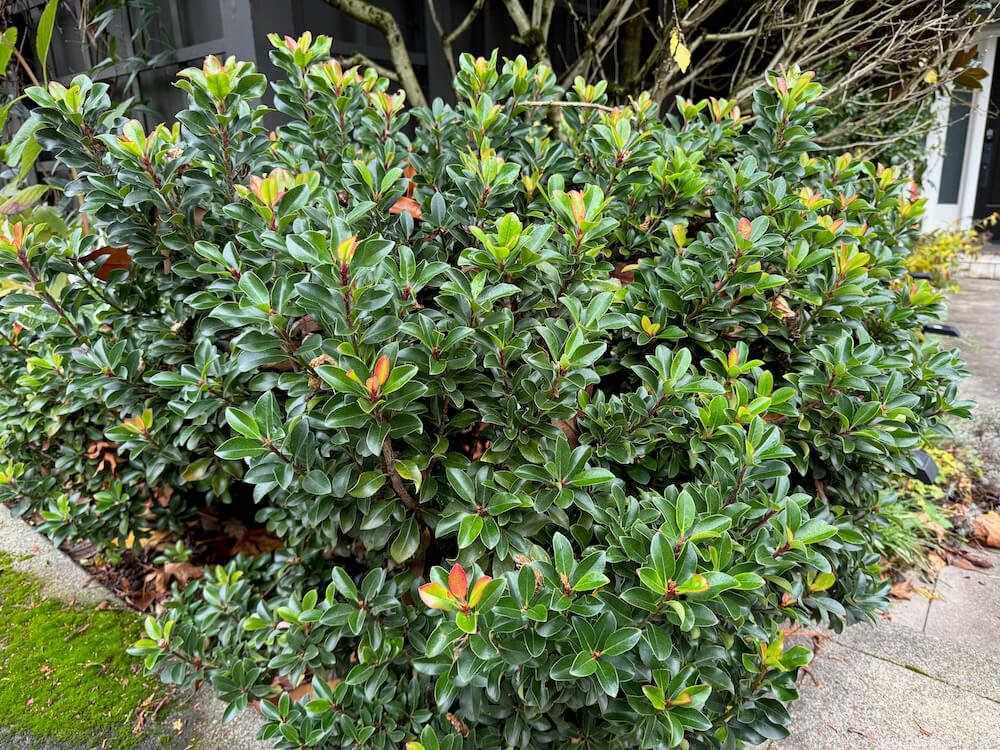
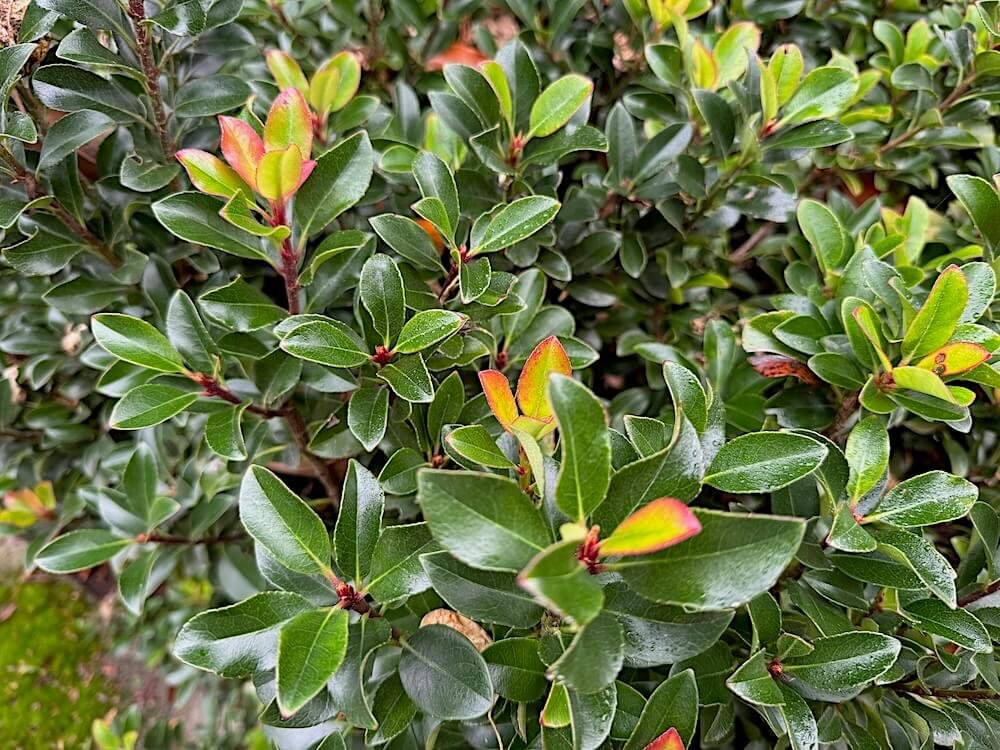
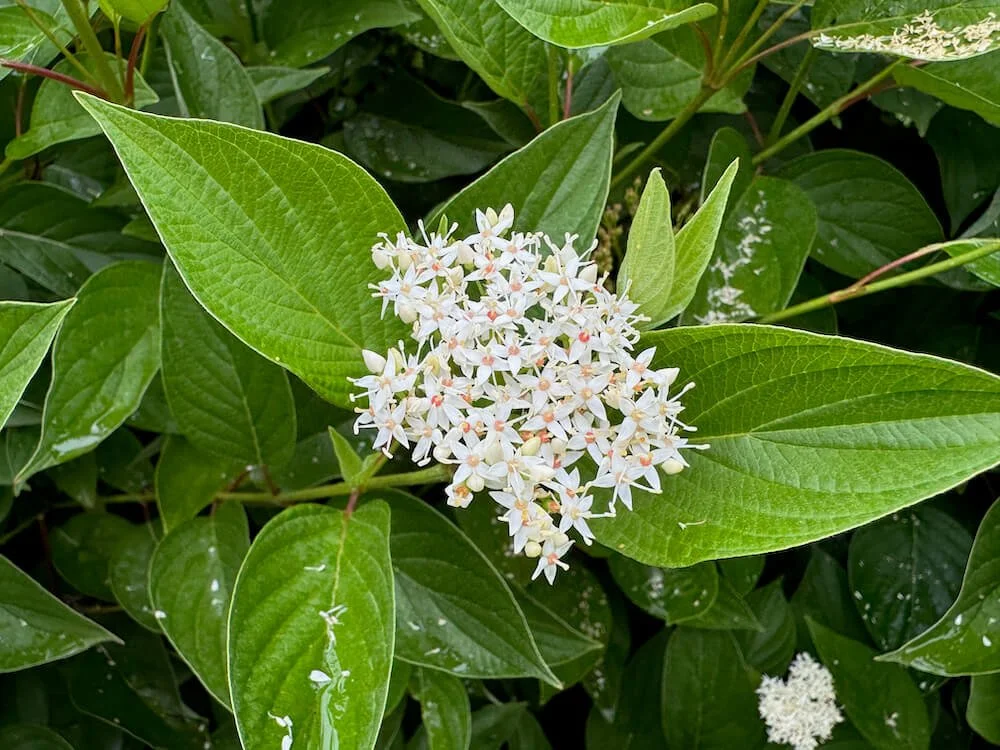
Cornus sericea 'Isanti' produces clusters of creamy white flowers in late spring, each tiny bloom gathered into rounded heads that appear along the stems. The blossoms are followed by small white berries that add seasonal interest later in the year. Fresh green leaves unfold along the branches in spring, creating a full canopy that turns warm shades of red and burgundy in autumn. As the foliage falls, vivid red stems emerge, bringing bright winter color to the landscape.

This cultivated selection traces its heritage to Cornus sericea native to much of North America. In gardens it provides seasonal interest in borders, naturalized plantings, and wildlife landscapes where the flowers attract pollinators and the berries provide food for birds.

DESCRIPTION
Cornus sericea 'Isanti' produces clusters of creamy white flowers in late spring, each tiny bloom gathered into rounded heads that appear along the stems. The blossoms are followed by small white berries that add seasonal interest later in the year. Fresh green leaves unfold along the branches in spring, creating a full canopy that turns warm shades of red and burgundy in autumn. As the foliage falls, vivid red stems emerge, bringing bright winter color to the landscape.

This cultivated selection traces its heritage to Cornus sericea native to much of North America. In gardens it provides seasonal interest in borders, naturalized plantings, and wildlife landscapes where the flowers attract pollinators and the berries provide food for birds.

 
  • Family: Cornaceae
    Height: 4 to 6 feet
    Width: 5 to 7 feet
    Foliage color: Medium green ovate leaves often turning reddish purple in fall with bright red stems in winter
    Flower color: Creamy white small flowers borne in flat topped clusters
    Bloom time: Late spring to early summer
    Light requirements: Full sun to partial shade
    Water requirements: Average to moist soil tolerates wet soils and seasonal flooding
    Maintenance: Low; prune in late winter to remove older stems and encourage vigorous bright red new growth
    Growing zone: USDA zones 3 to 7
    Wildlife attractors: Bees, butterflies and birds that feed on the white to bluish berries

    This plant can be seen at the Bellevue Botanical Garden.

    Print Information

    Buy Plants