Corylopsis sinensis var. calvescens f. veitchiana | Chinese Winter Hazel

$0.00

DESCRIPTION
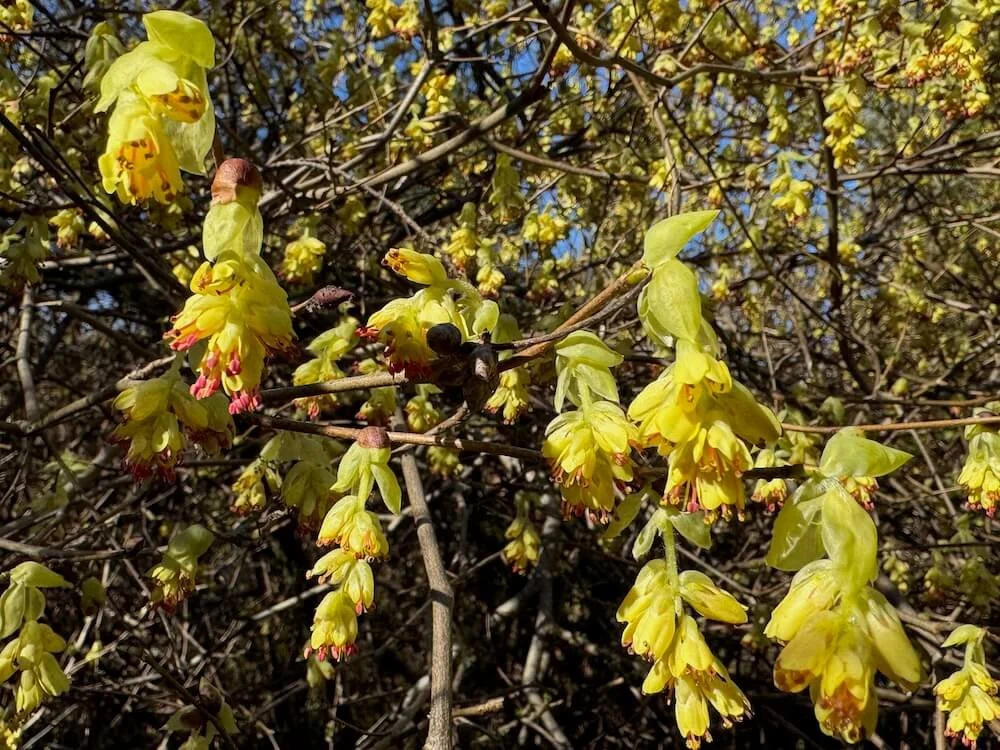
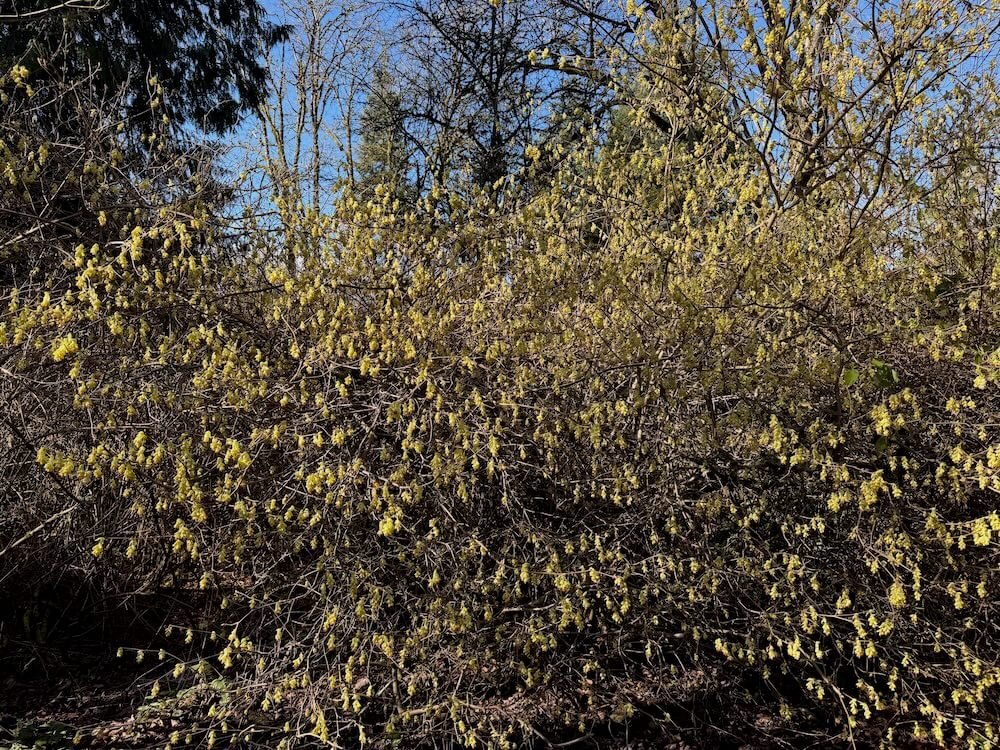
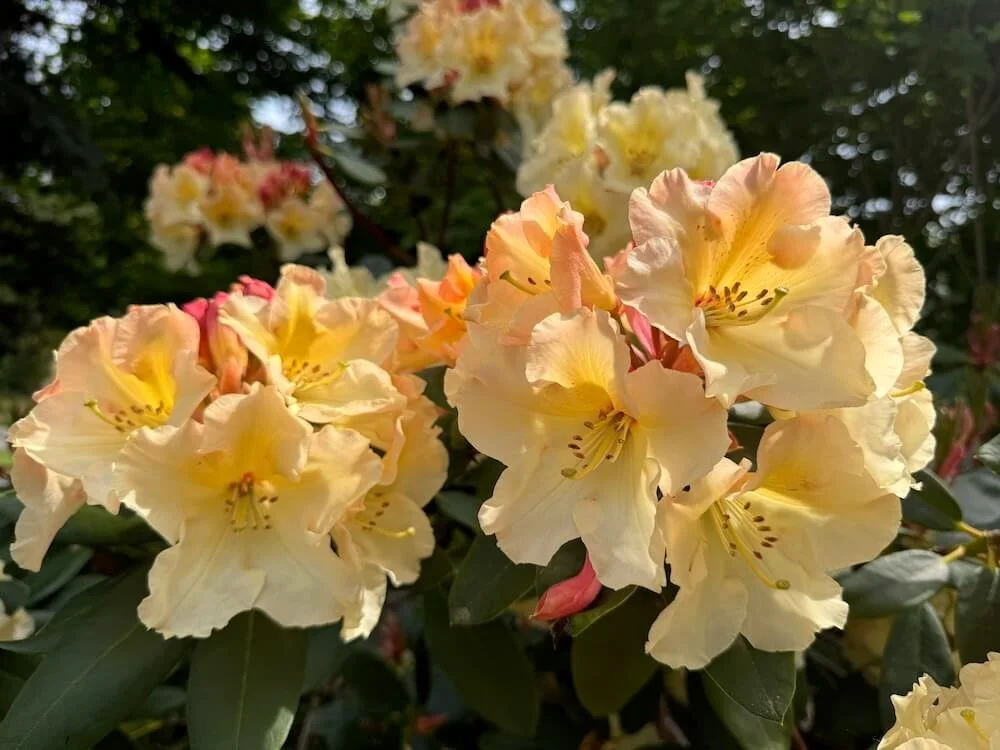
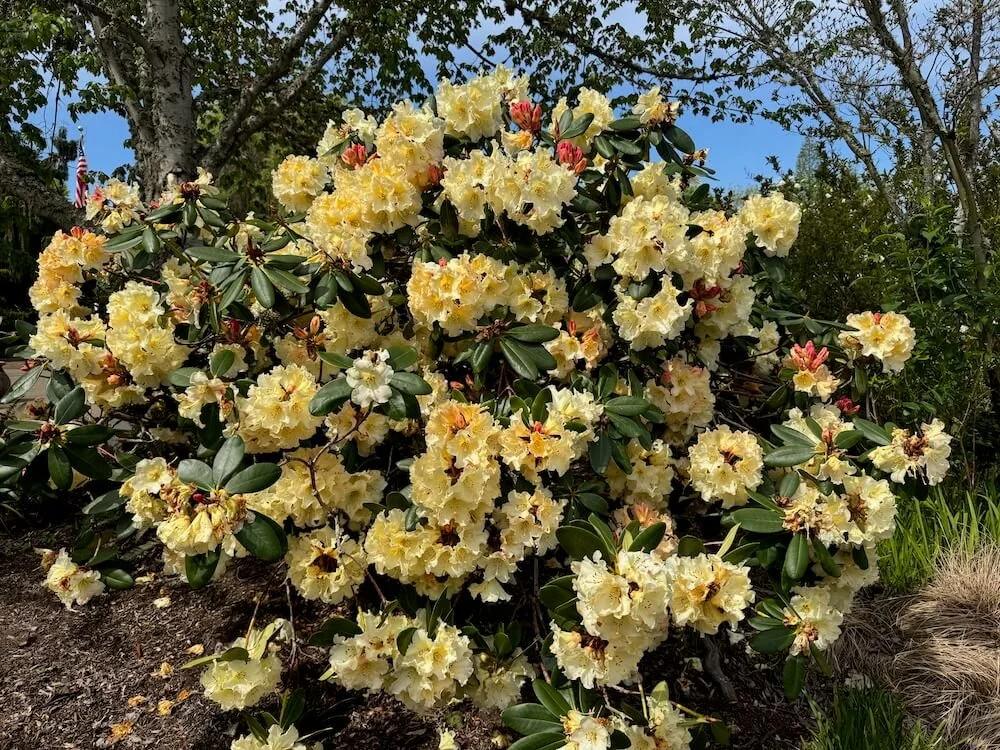
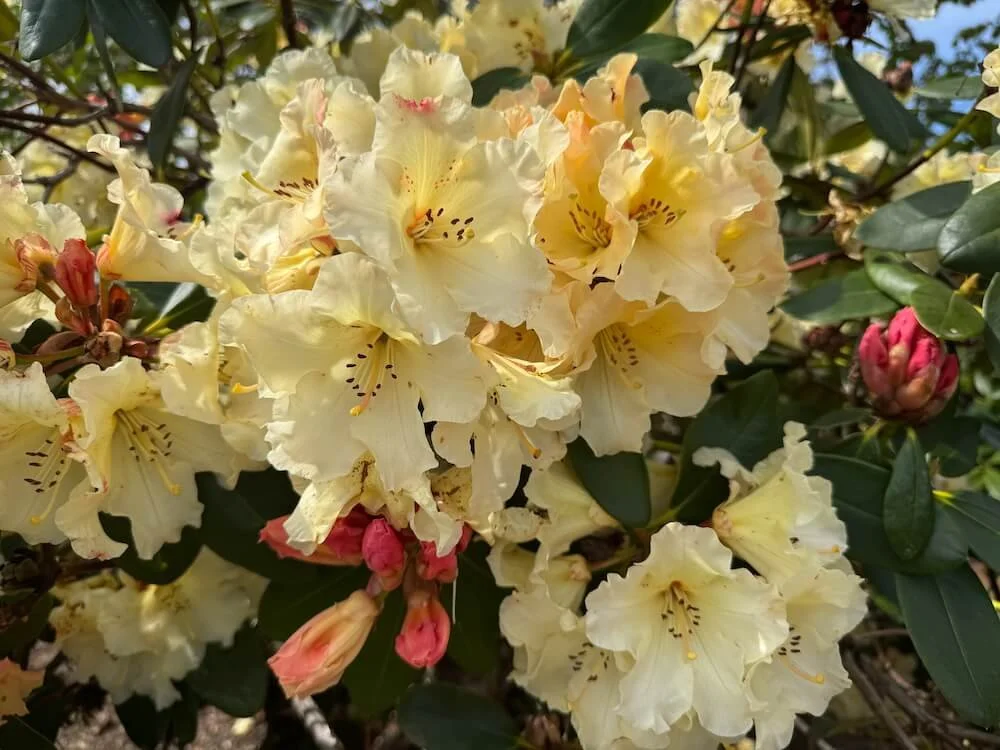
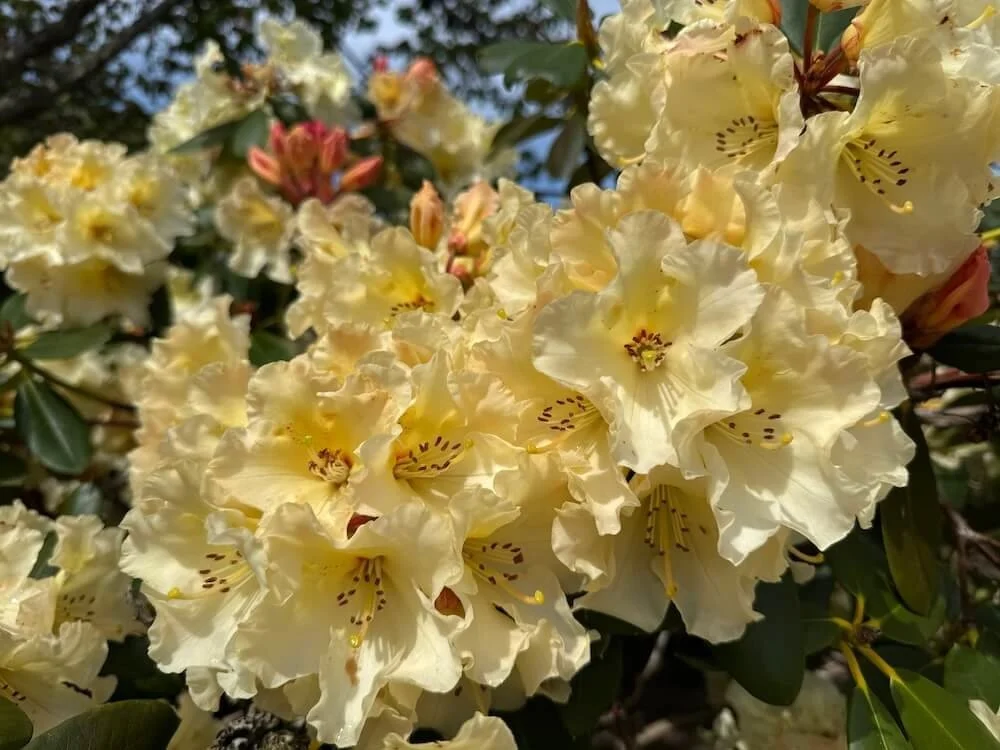
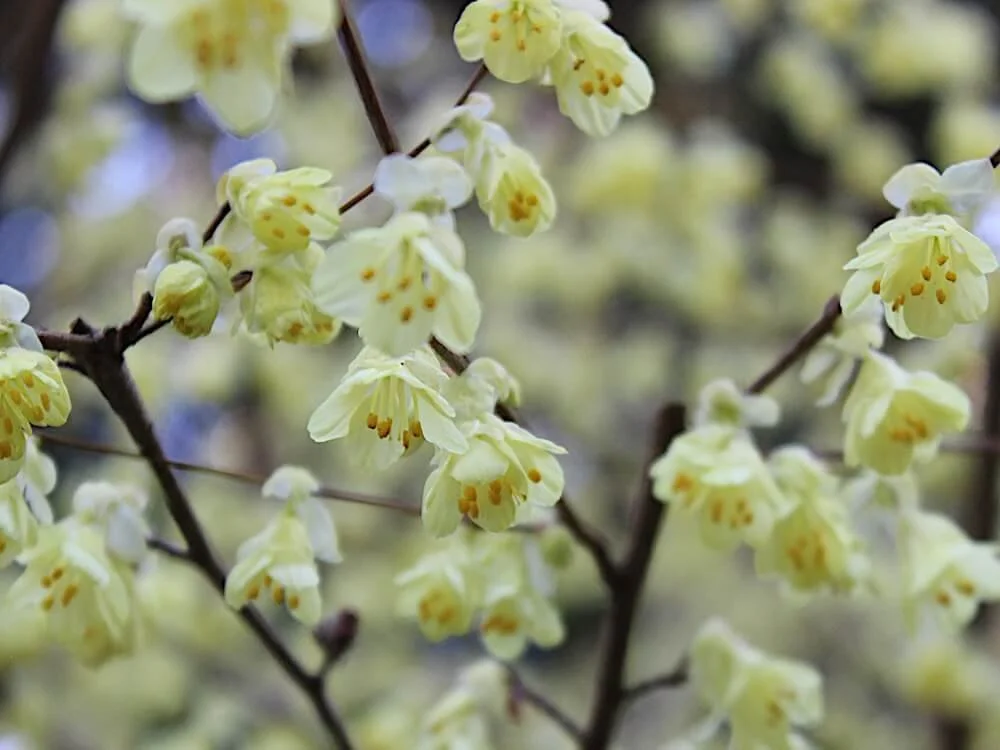
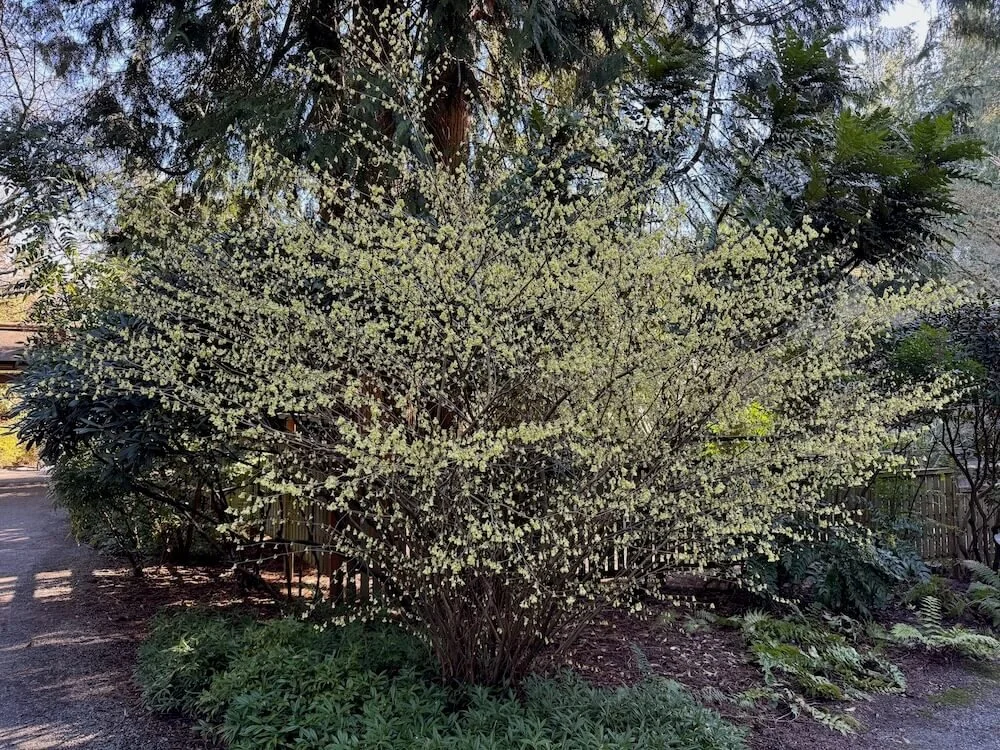
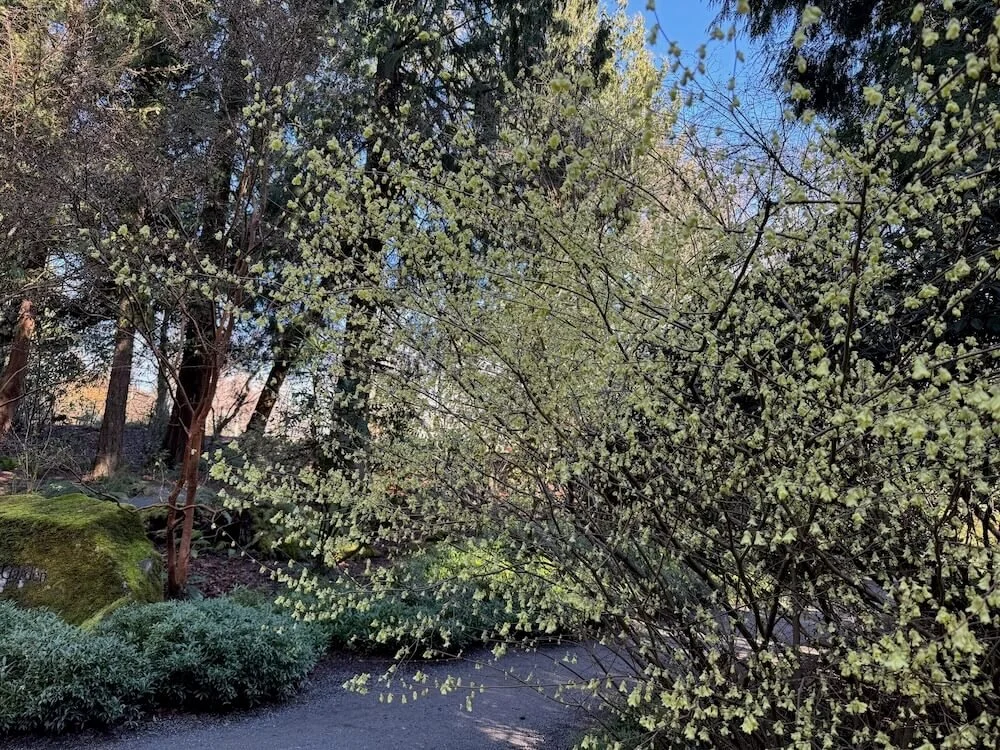
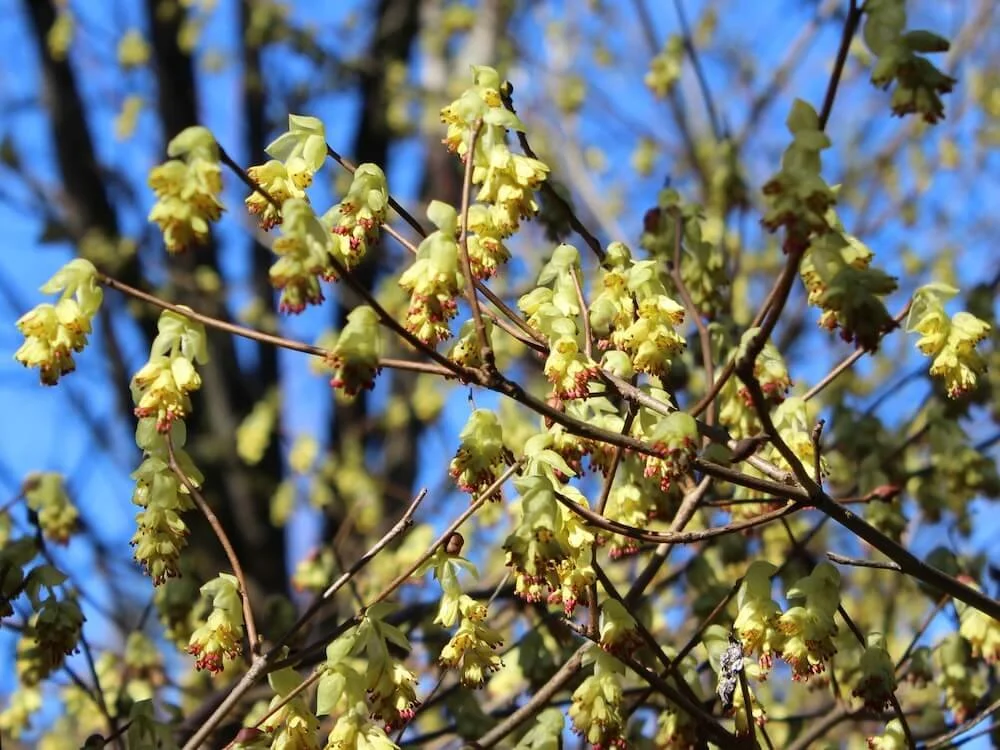
Corylopsis sinensis var. calvescens f. veitchiana produces graceful chains of soft yellow flowers in late winter to early spring, each bloom forming a small bell with gently frilled petals that hang along the bare branches. After flowering, broad oval leaves unfold in fresh green tones with lightly textured surfaces and soft veining, creating a full canopy through the growing season. The foliage often develops warm golden tones in autumn before falling.

This selection traces its origin to Corylopsis sinensis native to woodland regions of China. In gardens it adds early seasonal interest to woodland borders and shaded landscapes where the pendant flowers brighten the garden at the close of winter.

DESCRIPTION
Corylopsis sinensis var. calvescens f. veitchiana produces graceful chains of soft yellow flowers in late winter to early spring, each bloom forming a small bell with gently frilled petals that hang along the bare branches. After flowering, broad oval leaves unfold in fresh green tones with lightly textured surfaces and soft veining, creating a full canopy through the growing season. The foliage often develops warm golden tones in autumn before falling.

This selection traces its origin to Corylopsis sinensis native to woodland regions of China. In gardens it adds early seasonal interest to woodland borders and shaded landscapes where the pendant flowers brighten the garden at the close of winter.

 
  • Family: Hamamelidaceae
    Height: 10 to 15 feet
    Width: 8 to 12 feet
    Foliage color: Medium green broadly oval leaves with softly toothed edges often turning yellow to gold in fall
    Flower color: Soft yellow lightly fragrant bell-shaped flowers borne in drooping clusters
    Bloom time: Early to mid spring often, March to April
    Light requirements: Partial shade to light full sun
    Water requirements: Average, well drained soil
    Maintenance: Low; prune lightly after flowering to shape plants and remove damaged or crossing branches
    Growing zone: USDA zones 6 to 8
    Wildlife attractors: Bees and other early season pollinating insects

    This plant can be seen at the Bellevue Botanical Garden.

    Print Information

    Buy Plants