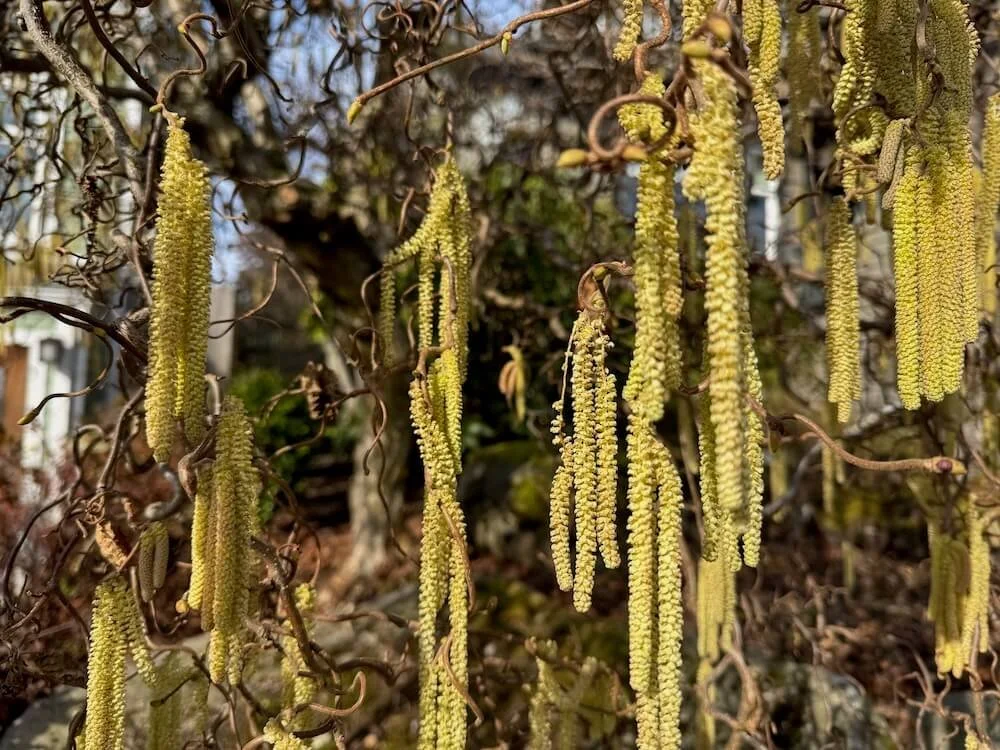
Corylus avellana 'Contorta' | Harry Lauder's Walking Stick

$0.00

DESCRIPTION
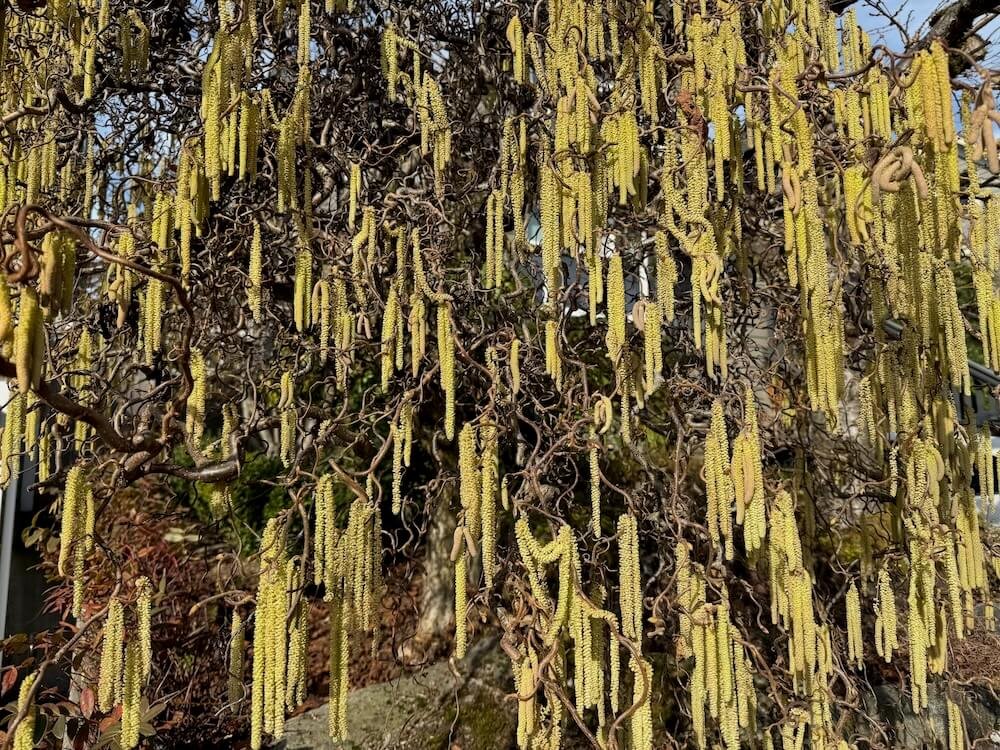
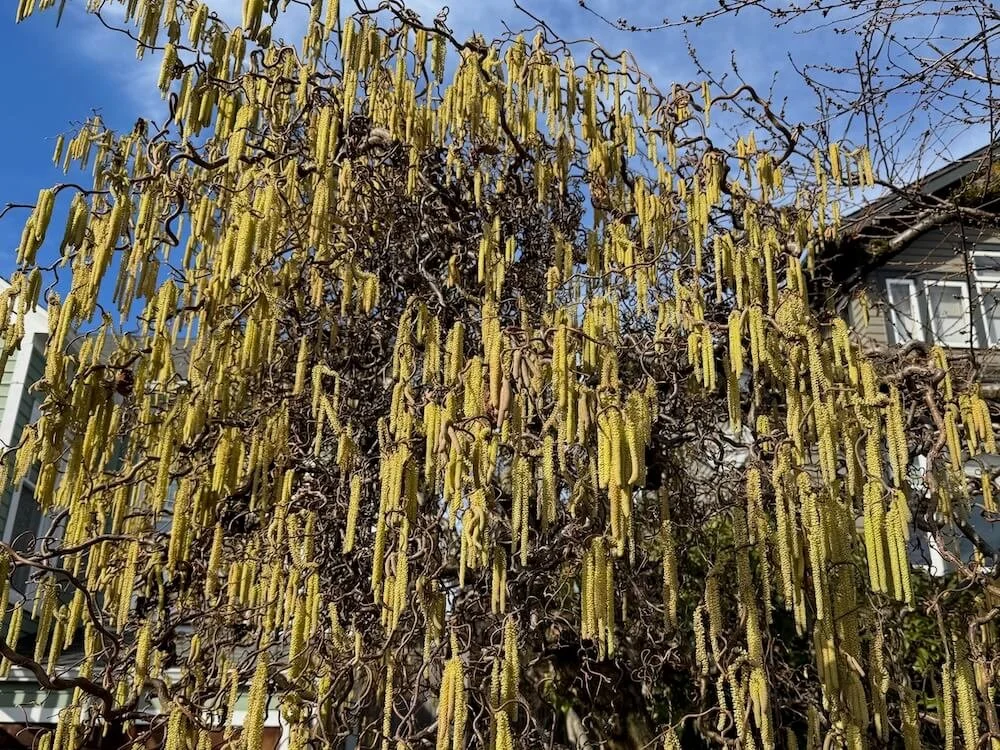
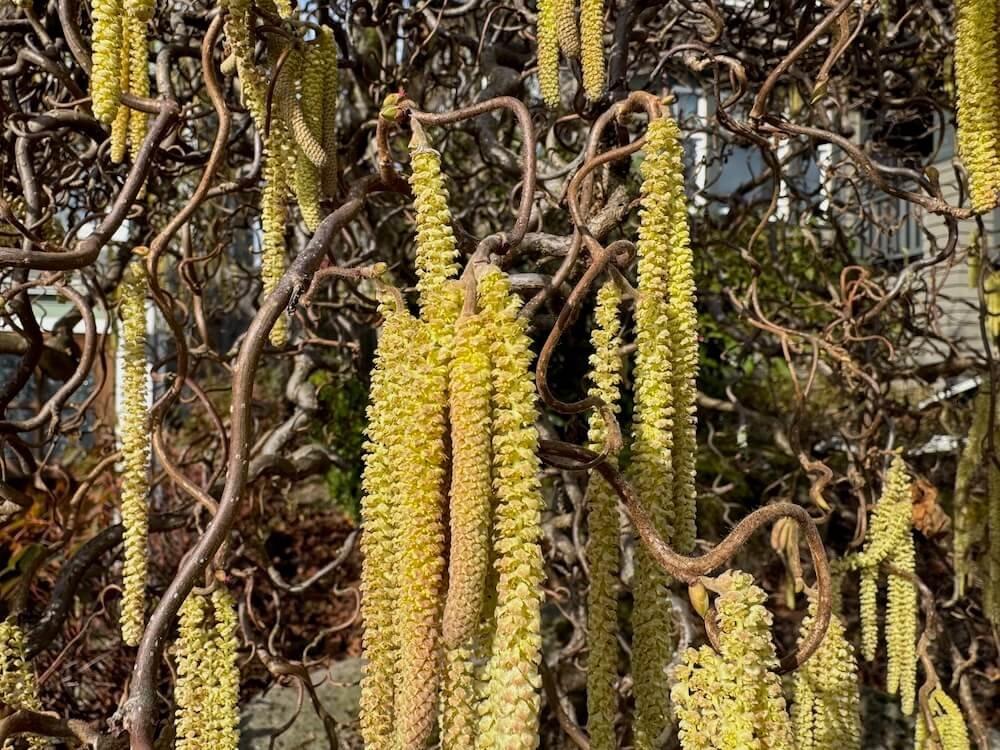
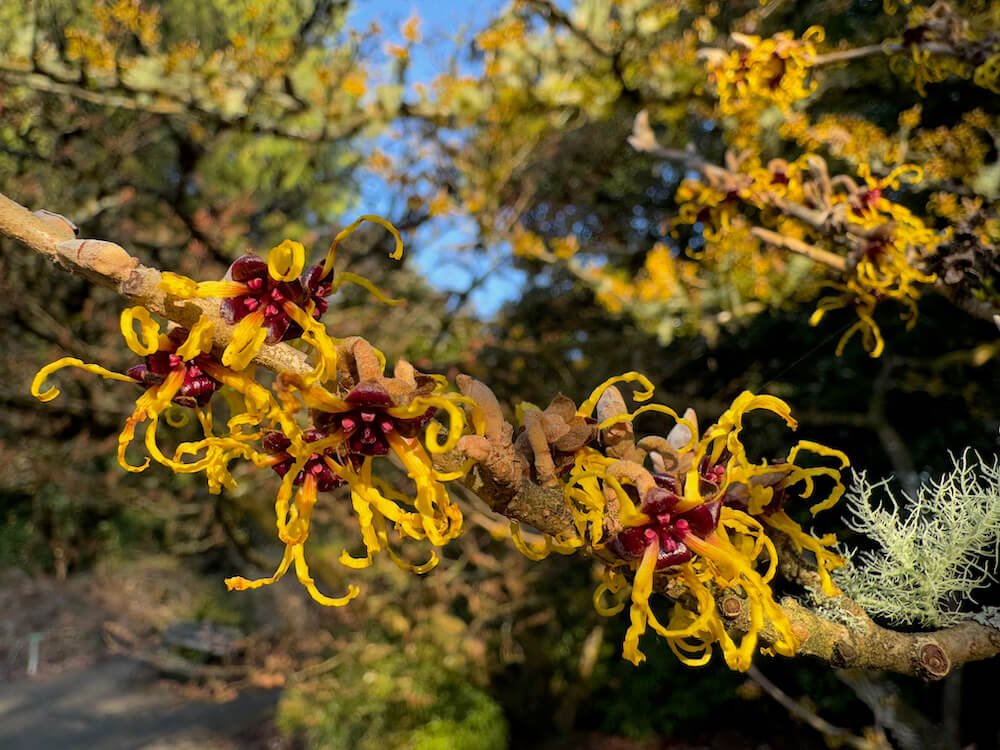
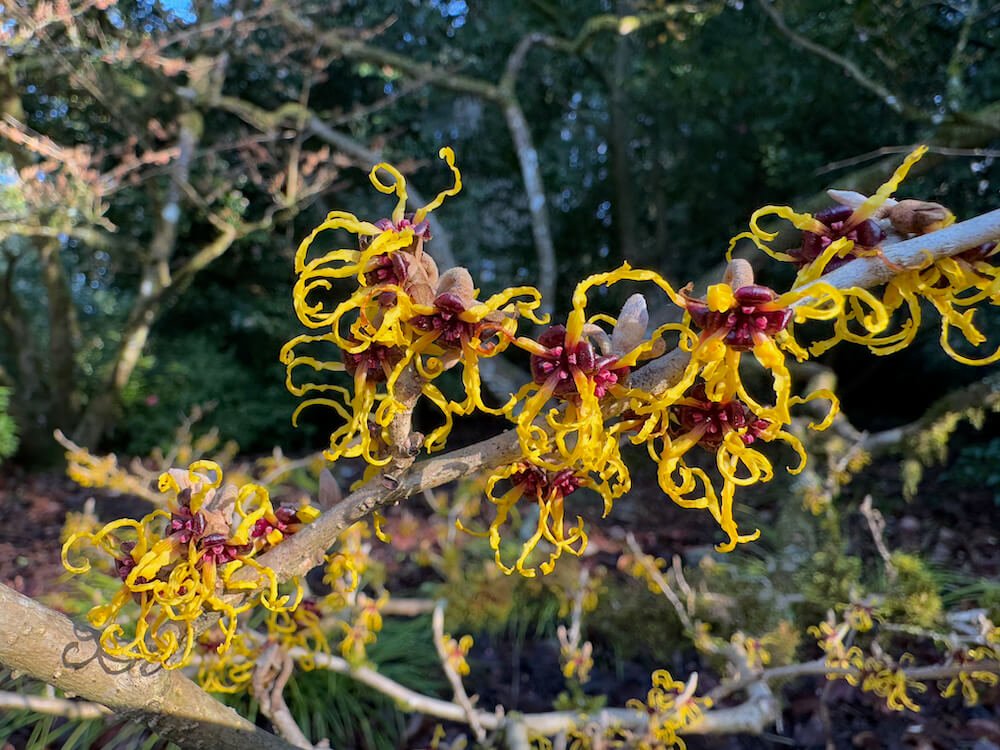
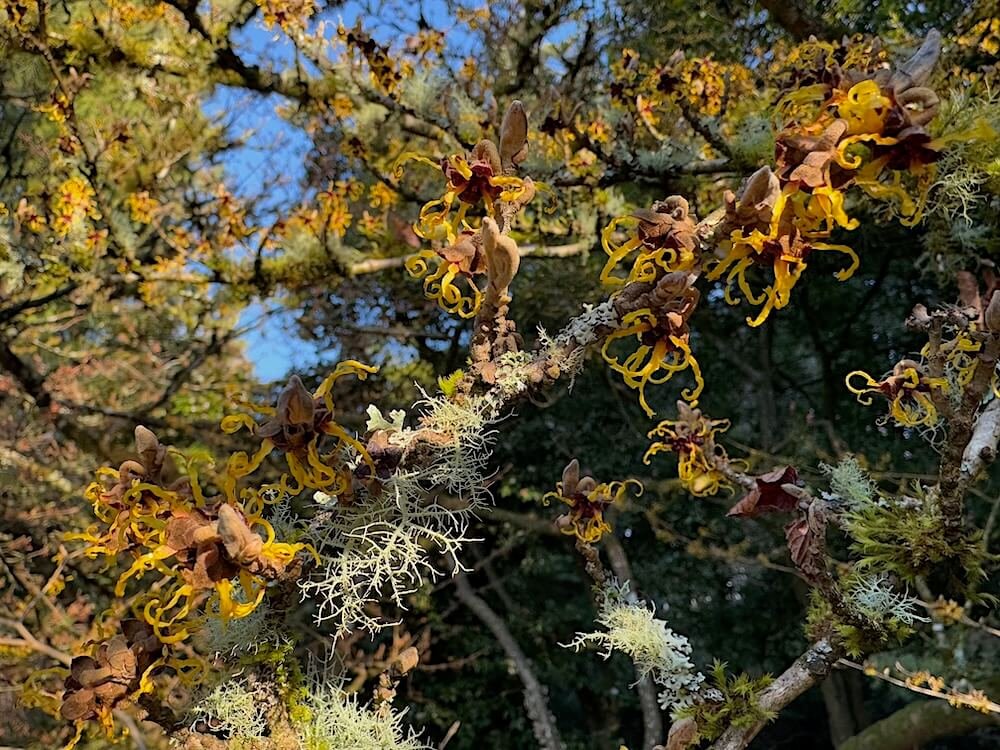
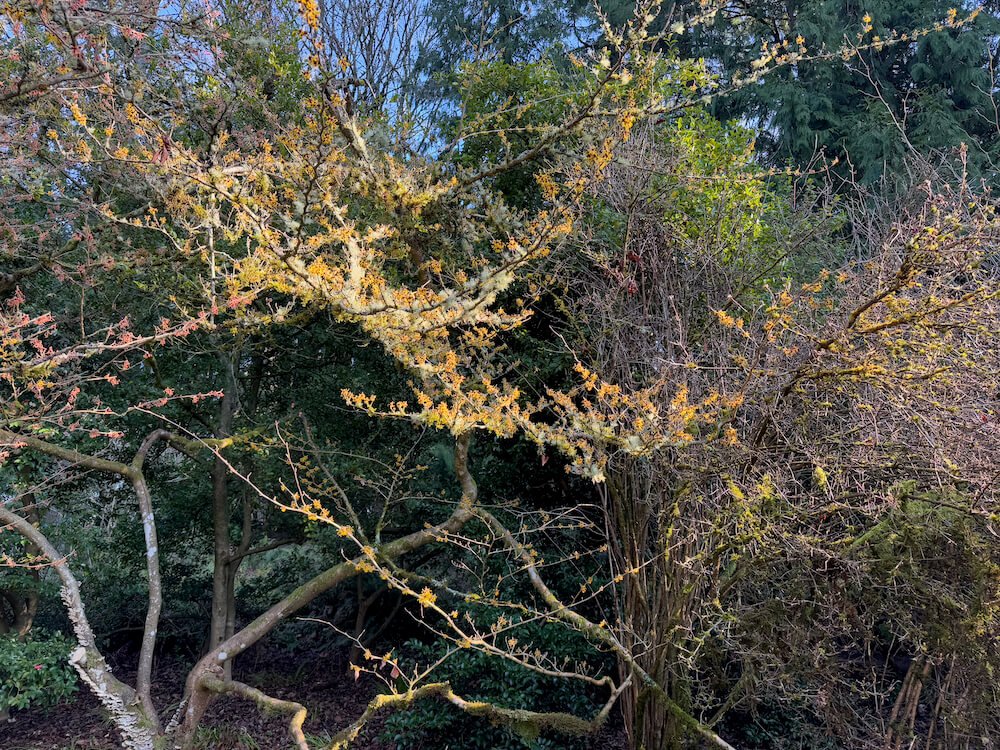
Corylus avellana 'Contorta' produces long, dangling yellow catkins in late winter to early spring, the slender tassels swaying from the branches before the foliage appears. After flowering, rounded green leaves unfold along the stems with softly serrated edges and a slightly textured surface. The branches grow in twisting, curling patterns that form an intricate framework visible through every season.

This cultivar traces its heritage to Corylus avellana native to Europe and western Asia. In gardens it provides sculptural interest in borders and specimen plantings where the contorted branches bring architectural character and the winter catkins add seasonal interest.

DESCRIPTION
Corylus avellana 'Contorta' produces long, dangling yellow catkins in late winter to early spring, the slender tassels swaying from the branches before the foliage appears. After flowering, rounded green leaves unfold along the stems with softly serrated edges and a slightly textured surface. The branches grow in twisting, curling patterns that form an intricate framework visible through every season.

This cultivar traces its heritage to Corylus avellana native to Europe and western Asia. In gardens it provides sculptural interest in borders and specimen plantings where the contorted branches bring architectural character and the winter catkins add seasonal interest.

 
  • Family: Betulaceae
    Height: 8 to 10 feet
    Width: 8 to 10 feet
    Foliage color: Medium green broadly rounded leaves with softly serrated edges often turning yellow in fall
    Flower color: Yellow brown drooping catkins on male plants with small red female flowers
    Bloom time: Late winter to early spring
    Light requirements: Full sun to partial shade
    Water requirements: Average
    Maintenance: Moderate; remove straight suckering shoots from the base to maintain the contorted branching structure and prune lightly in late winter if shaping is needed
    Growing zone: USDA zones 4 to 8
    Wildlife attractors: Bees that collect pollen from catkins and birds and small mammals that feed on the nuts
    Print Information

    Buy Plants