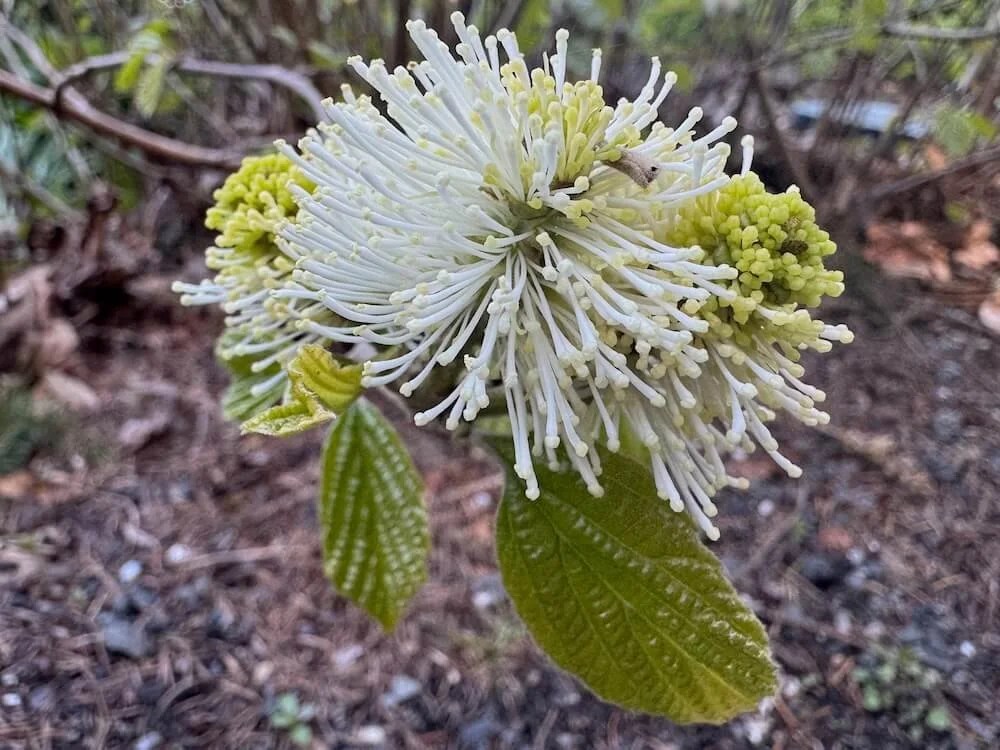
Fothergilla x intermedia 'Mount Airy' | Mount Airy Fothergilla

$0.00

DESCRIPTION
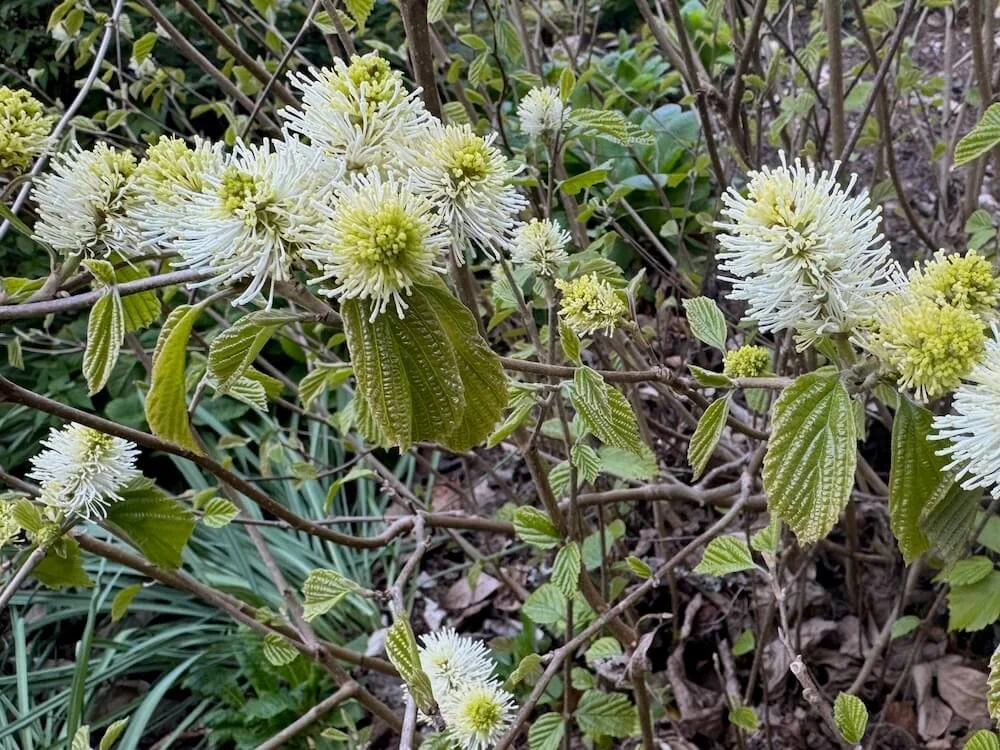
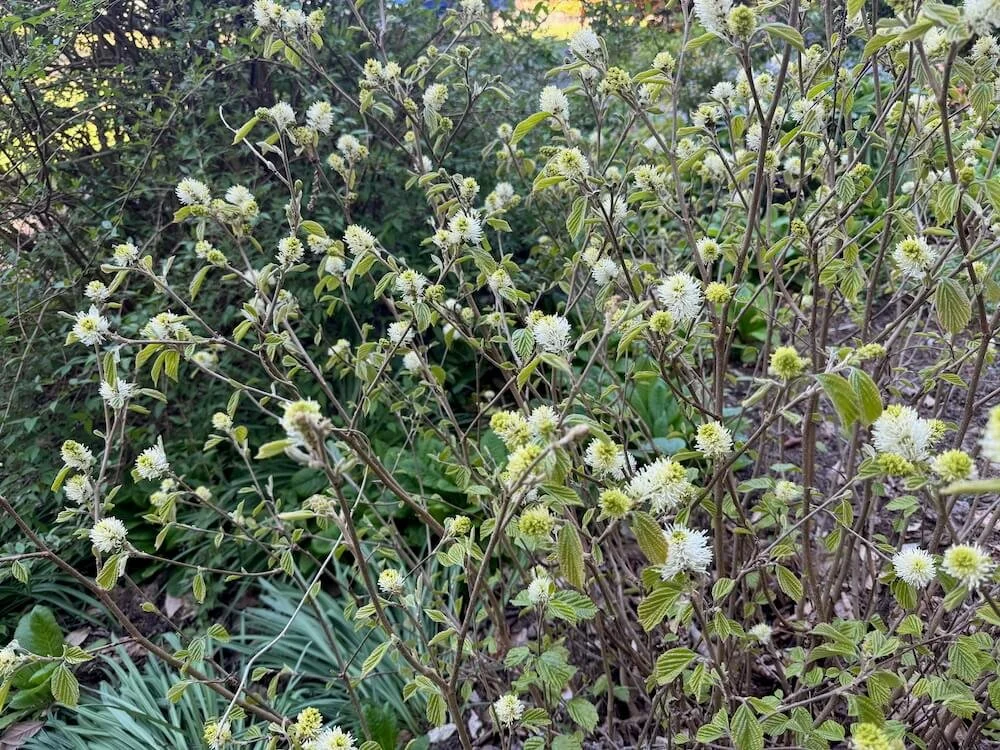
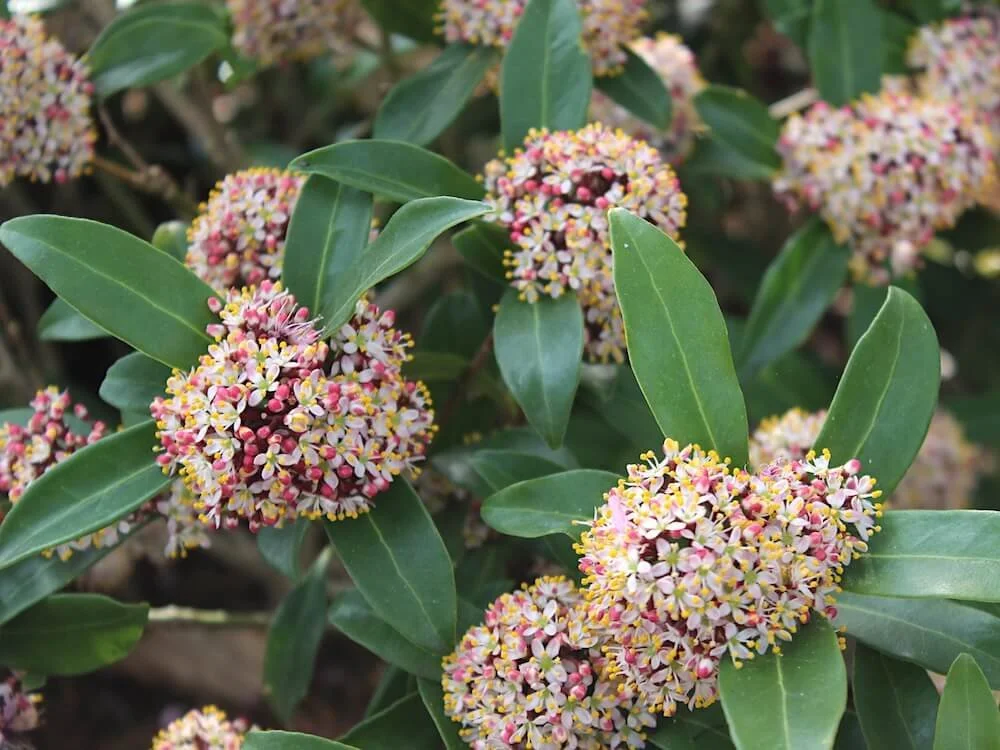
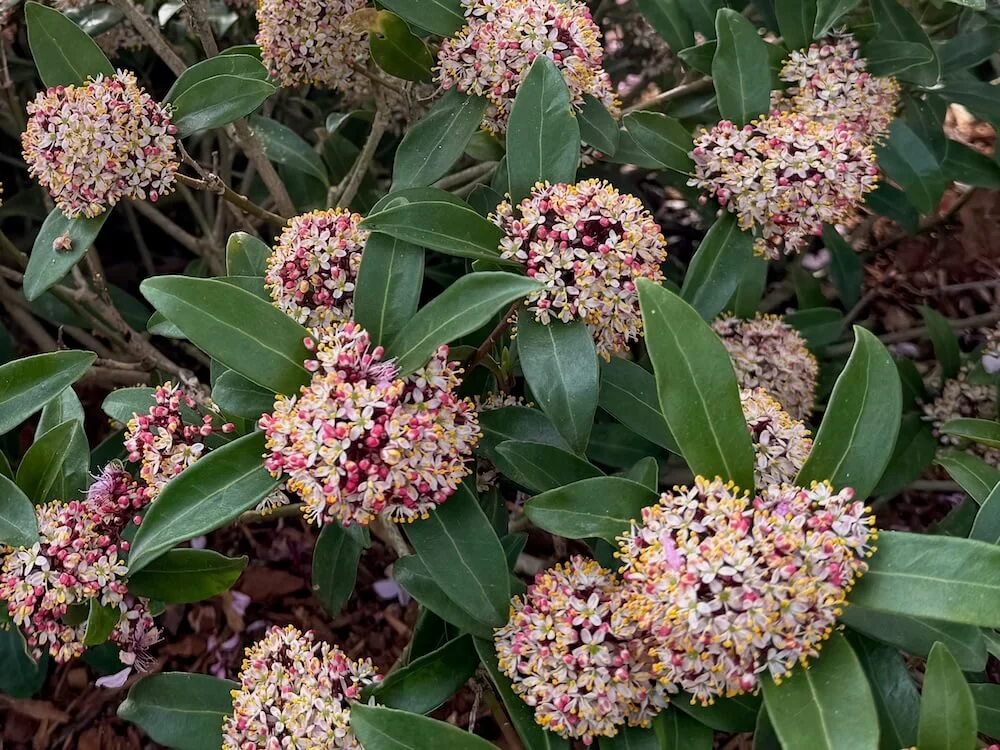
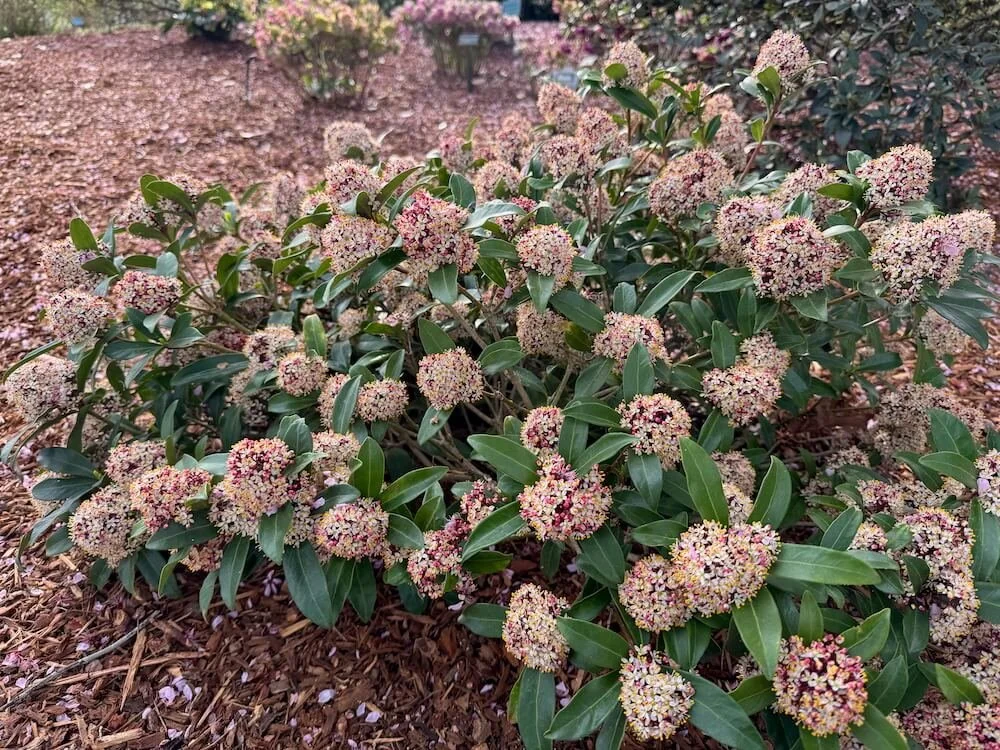
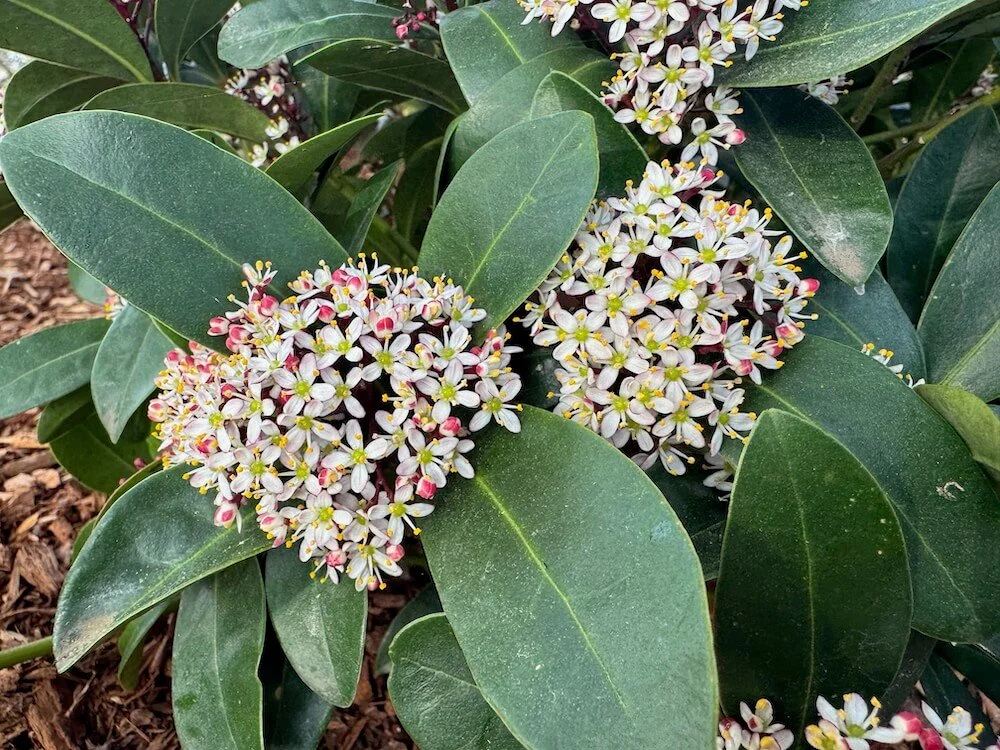
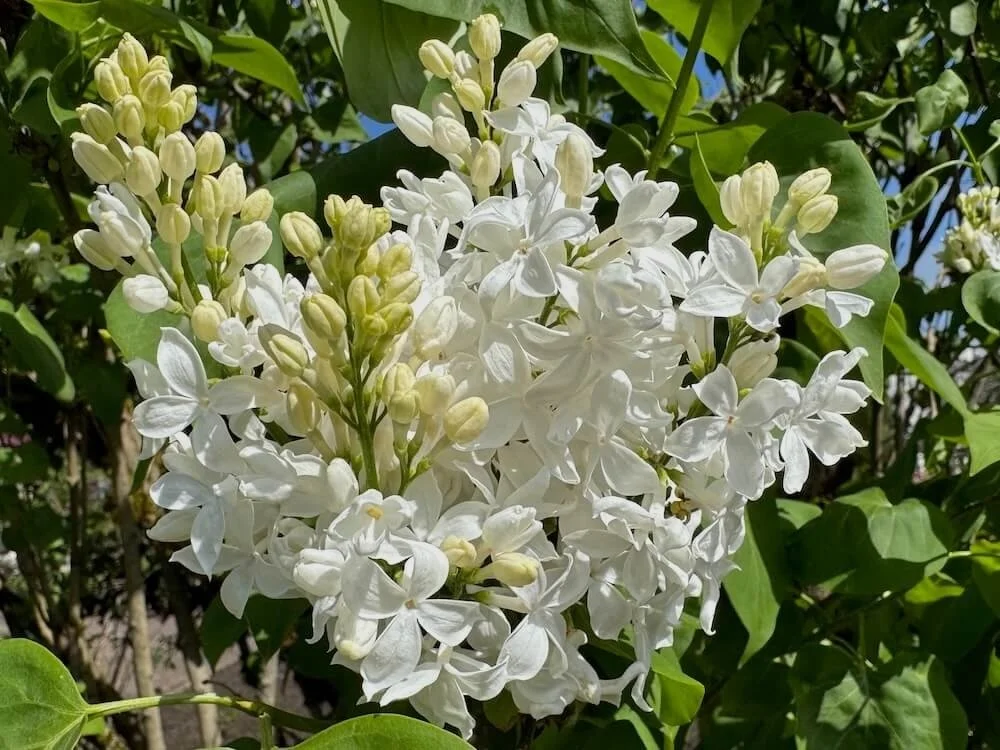
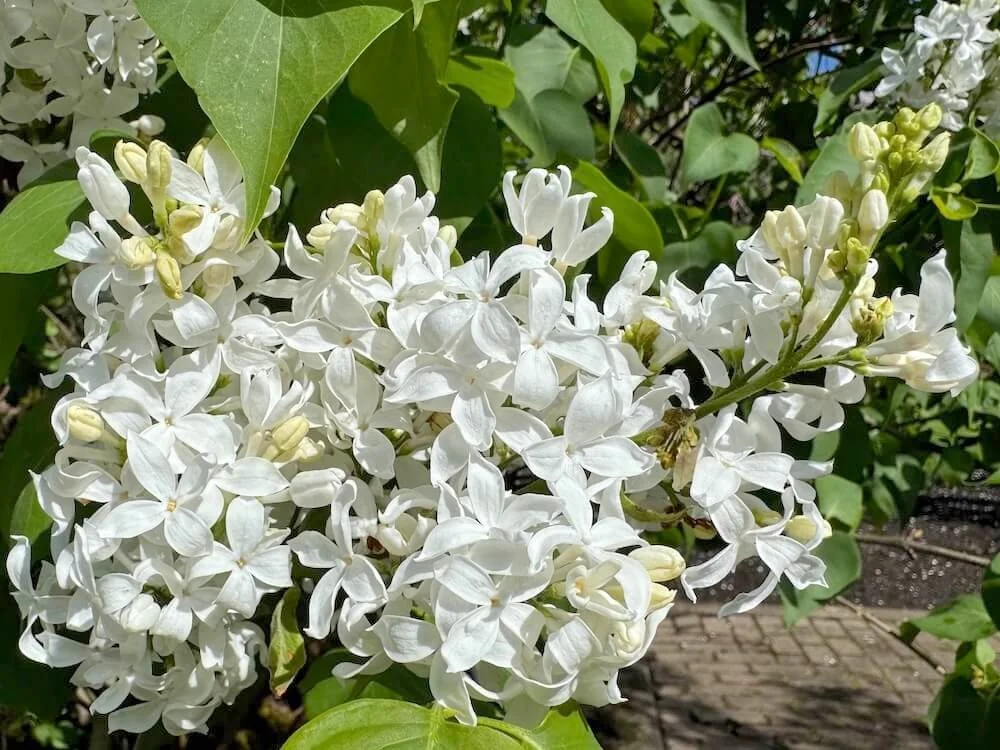
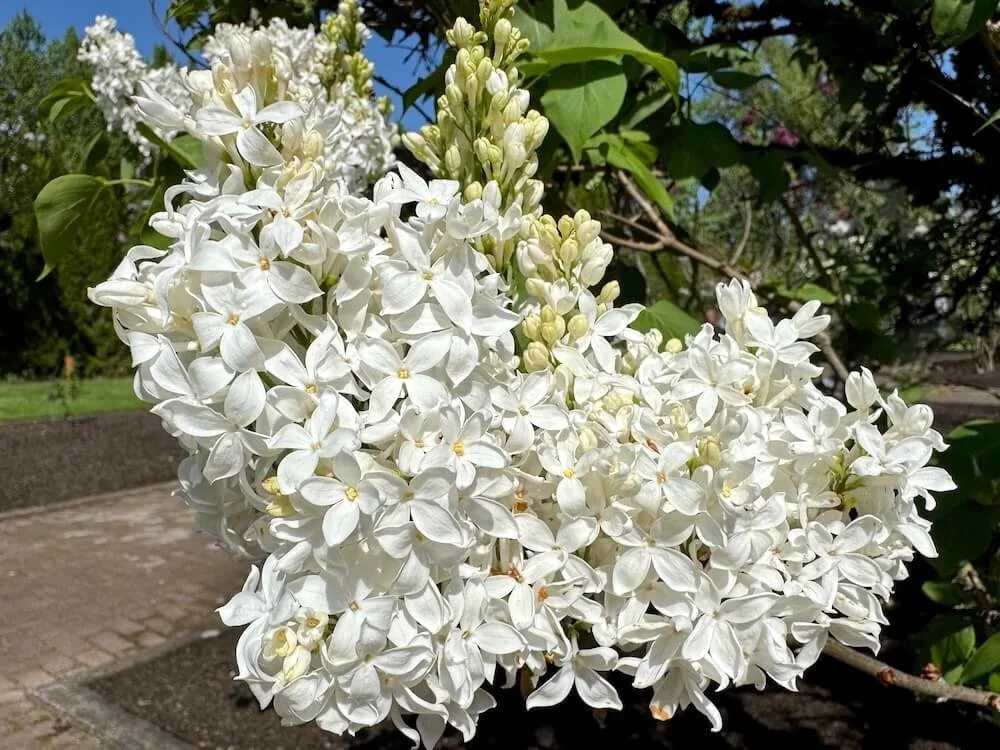
Fothergilla × intermedia 'Mount Airy' produces fragrant white bottlebrush flowers in early to mid spring, each bloom composed of soft filaments that create airy clusters along the branches. The blossoms appear just before or as the foliage emerges. Rounded blue-green leaves unfold soon after, forming a full canopy that develops rich shades of orange, red, and yellow in autumn.

This hybrid selection traces its heritage to crosses between Fothergilla gardenii and Fothergilla major, both native to the southeastern United States. In gardens it provides seasonal interest in borders, woodland plantings, and naturalistic landscapes where the spring flowers and vibrant autumn foliage add changing color.

DESCRIPTION
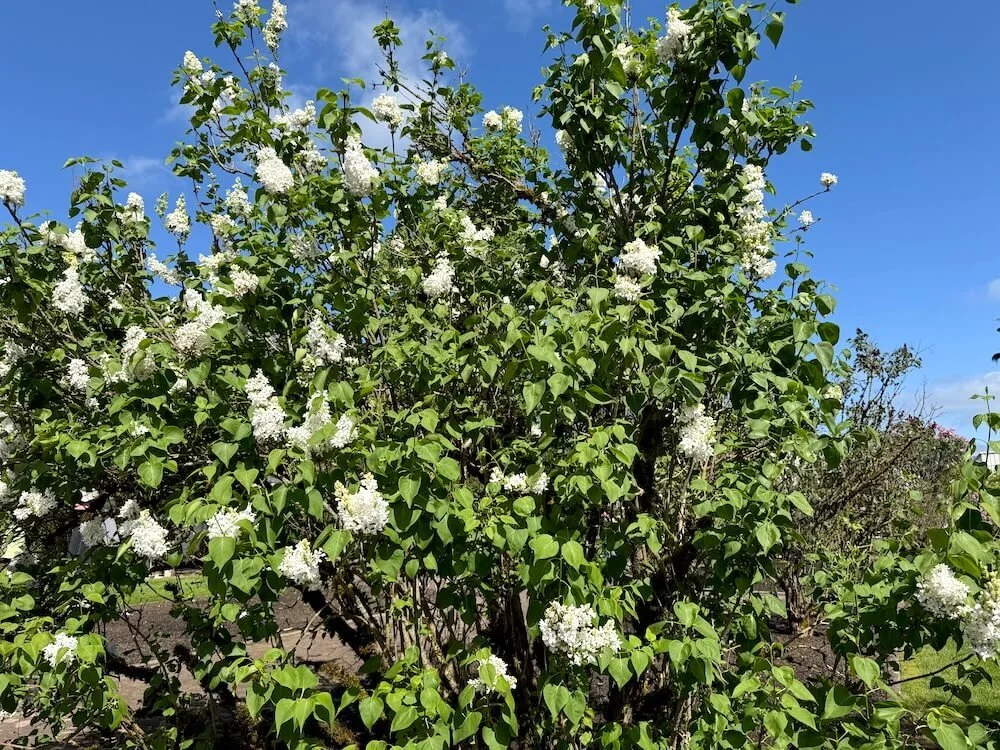
Fothergilla × intermedia 'Mount Airy' produces fragrant white bottlebrush flowers in early to mid spring, each bloom composed of soft filaments that create airy clusters along the branches. The blossoms appear just before or as the foliage emerges. Rounded blue-green leaves unfold soon after, forming a full canopy that develops rich shades of orange, red, and yellow in autumn.

This hybrid selection traces its heritage to crosses between Fothergilla gardenii and Fothergilla major, both native to the southeastern United States. In gardens it provides seasonal interest in borders, woodland plantings, and naturalistic landscapes where the spring flowers and vibrant autumn foliage add changing color.

 
  • Family: Hamamelidaceae
    Height: 6 to 10 feet
    Width: 5 to 8 feet
    Foliage color: Blue green to dark green oval leaves often turning vivid shades of yellow, orange, scarlet and purple in fall
    Flower color: Fragrant white bottlebrush like flowers composed of numerous showy stamens
    Bloom time: Mid spring often, April to May
    Light requirements: Full sun to partial shade
    Water requirements: Average well drained acidic soil
    Maintenance: Low; prune lightly after flowering to maintain shape and remove older stems if needed
    Growing zone: USDA zones 5 to 8
    Wildlife attractors: Bees, butterflies and other pollinating insects

    This plant can be seen at Heronswood Garden.
    Print Information

    Buy Plants