Garrya elliptica | Coast Silk Tassel

$0.00

DESCRIPTION
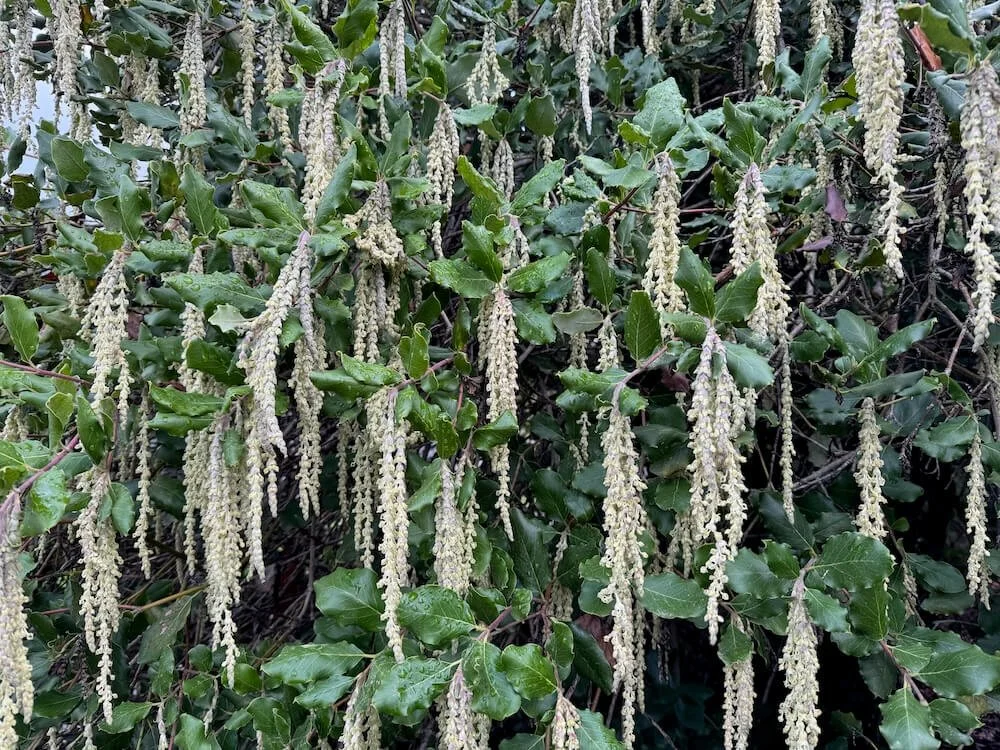
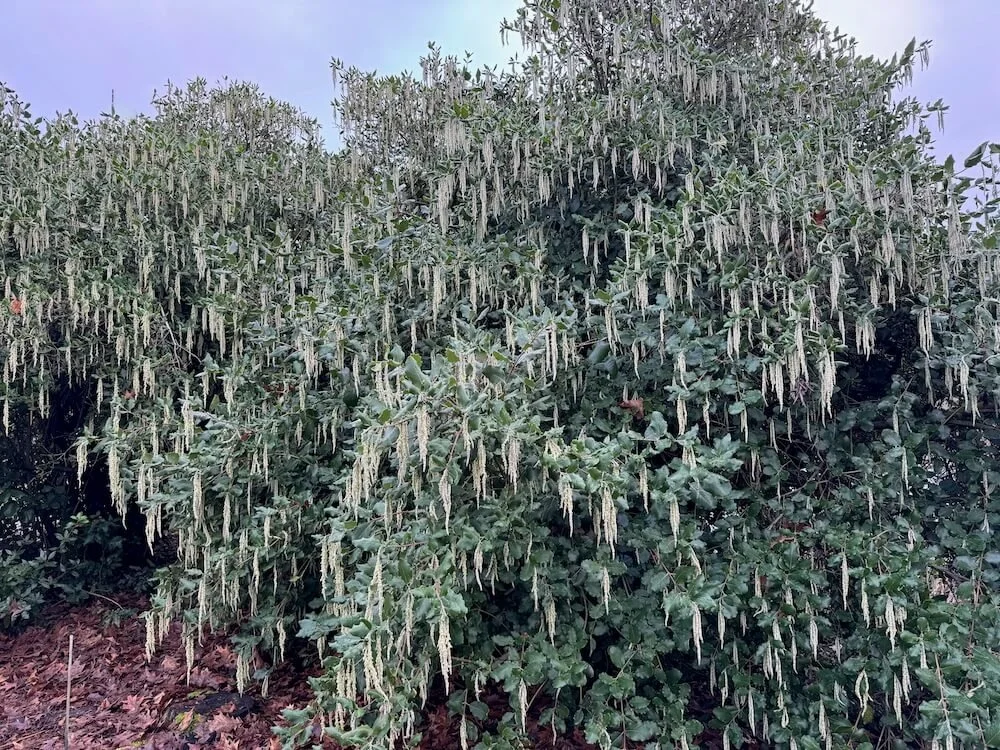
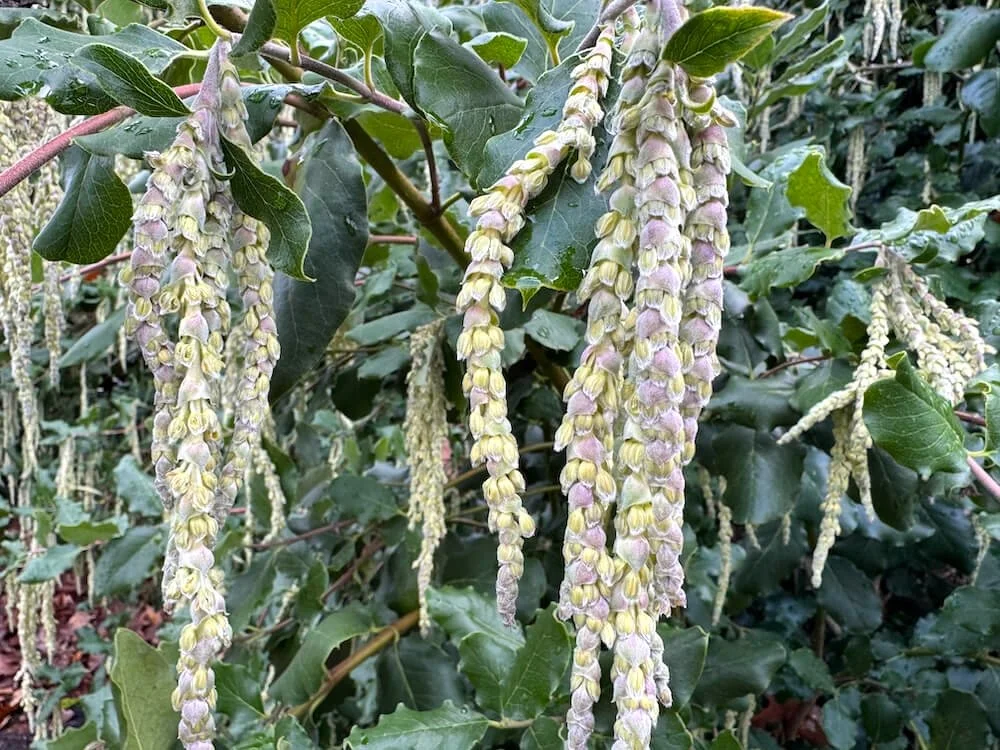
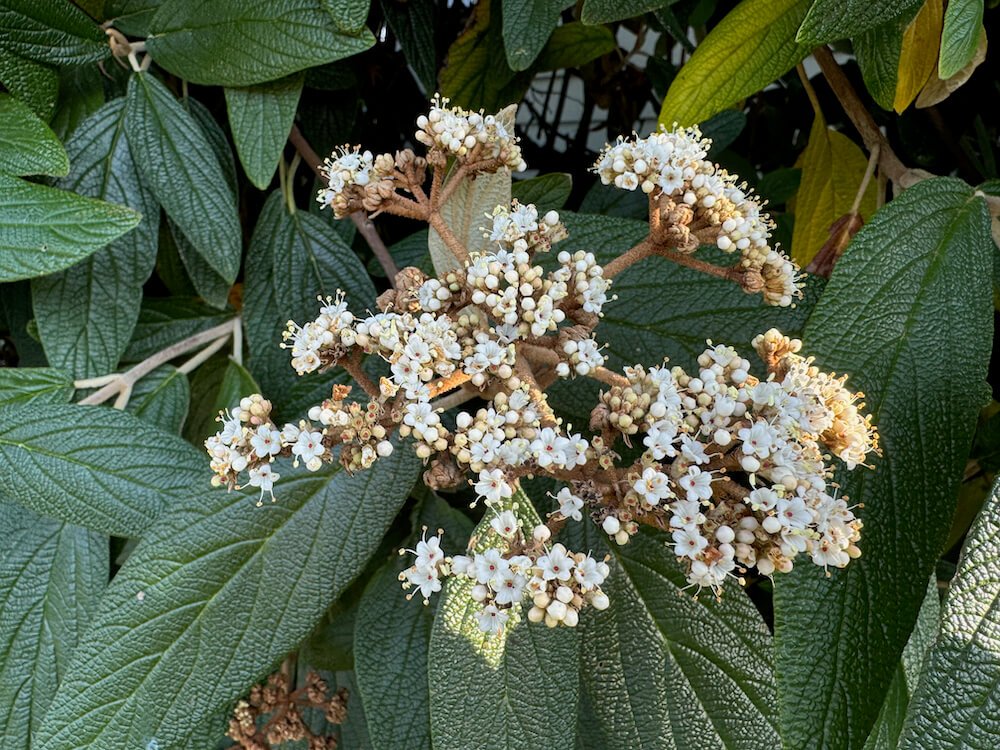
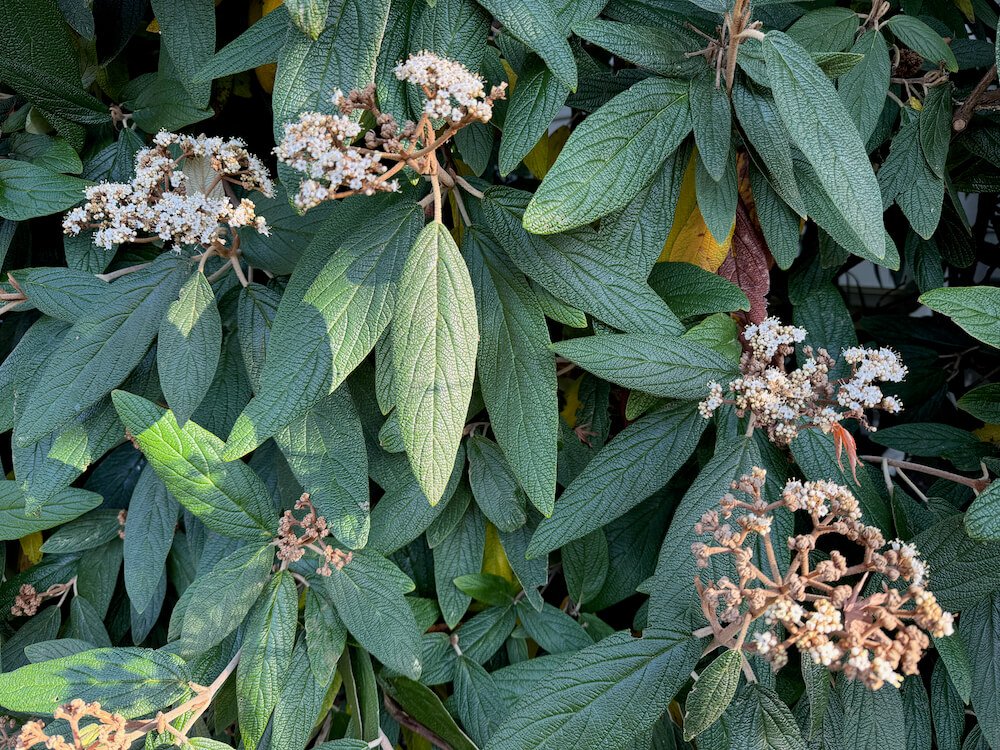
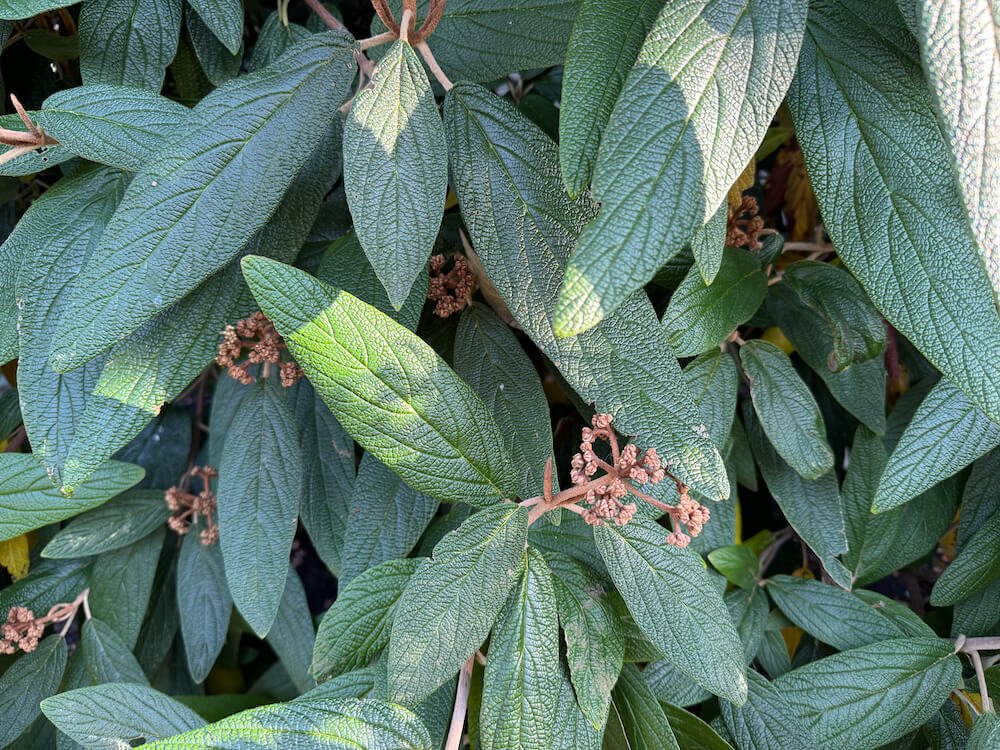
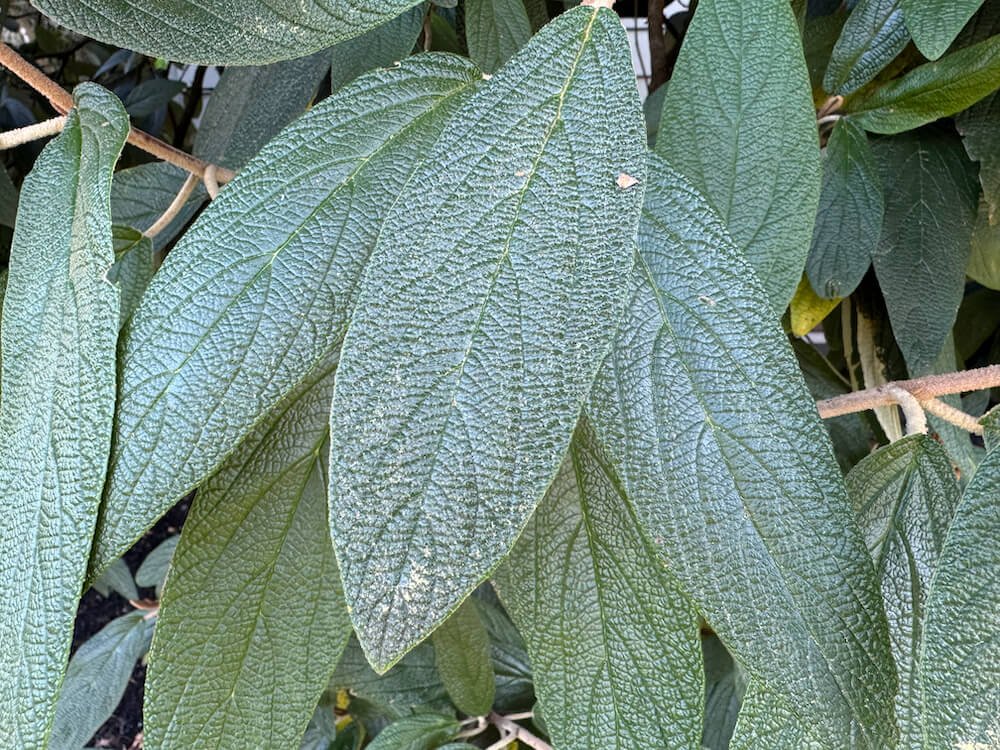
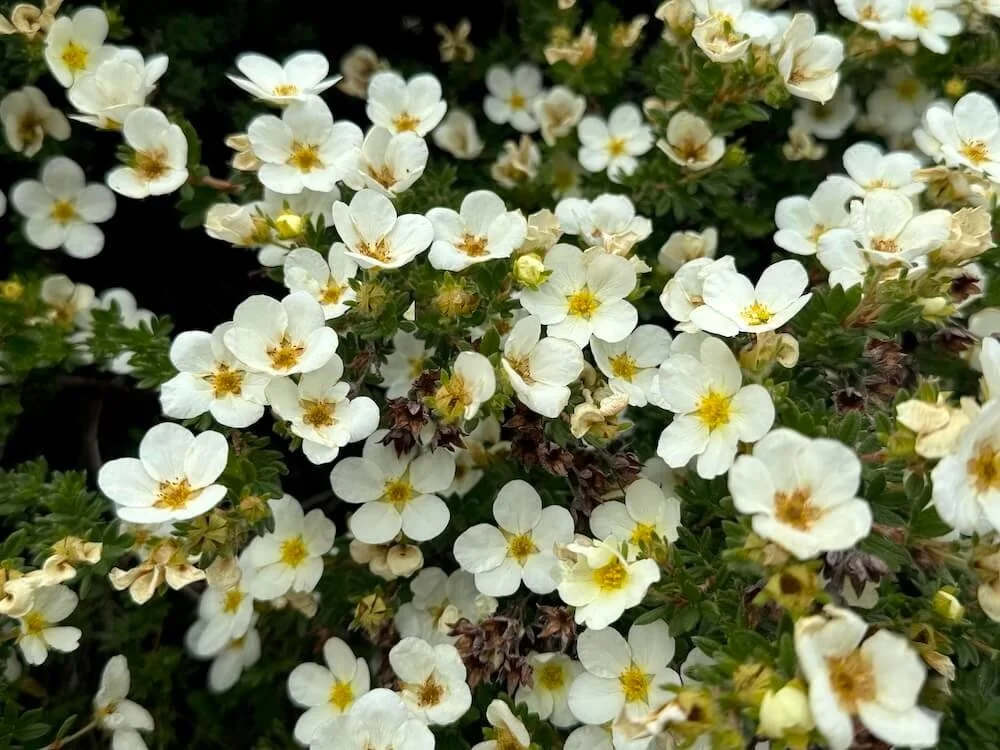
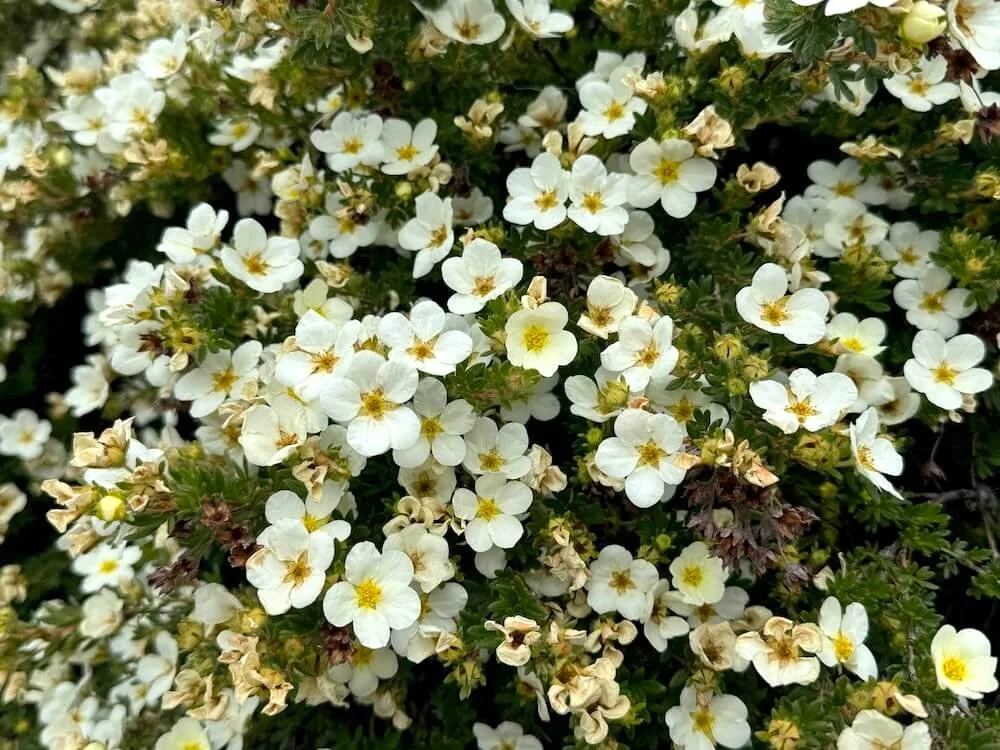
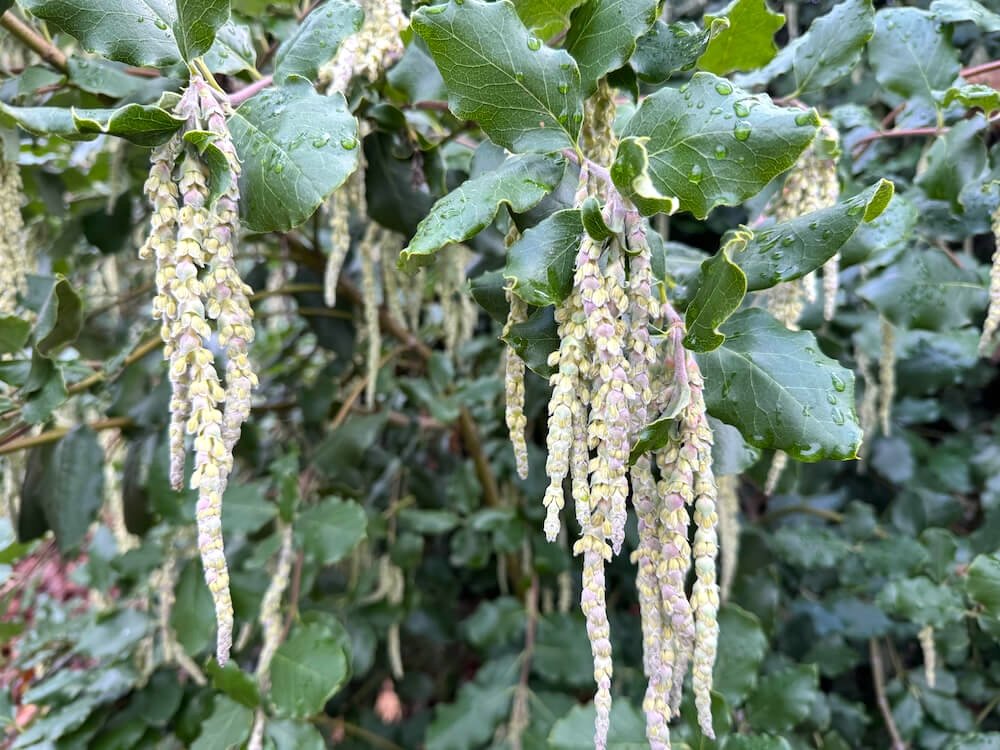
Garrya elliptica produces long, silvery gray catkins in mid to late winter, the tassel-like flowers dangling gracefully from the branches and swaying in cool breezes. The blooms appear before the growing season begins and remain decorative for several weeks. Thick, oval leaves with softly textured surfaces cover the stems, displaying deep green upper surfaces and pale, felted undersides that give the foliage a muted tone throughout the year.

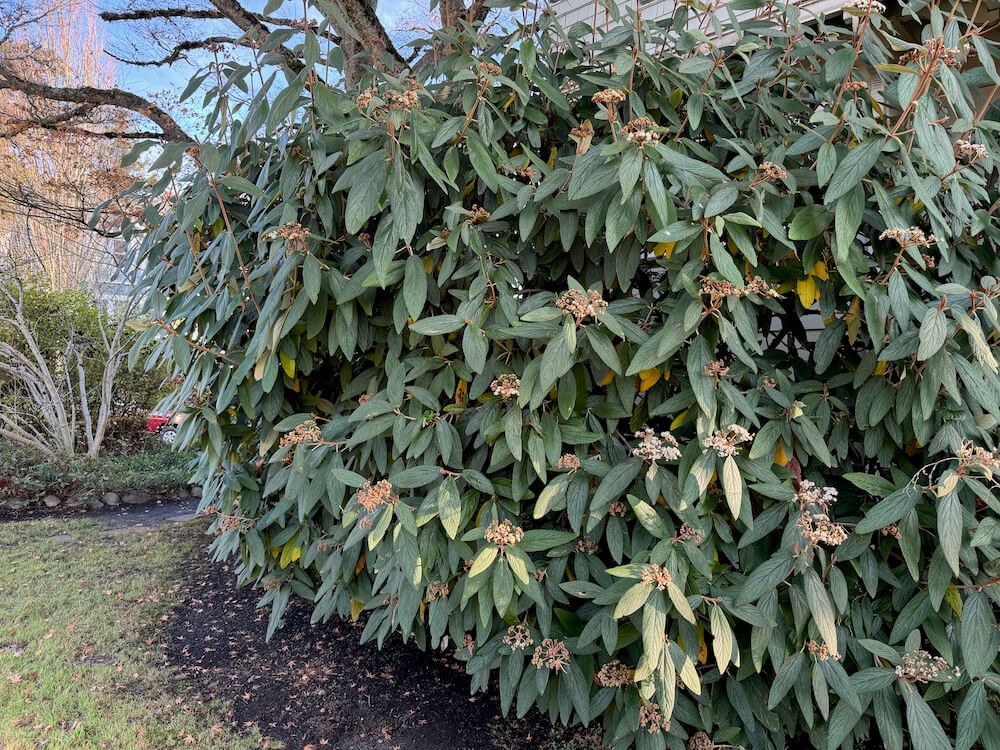
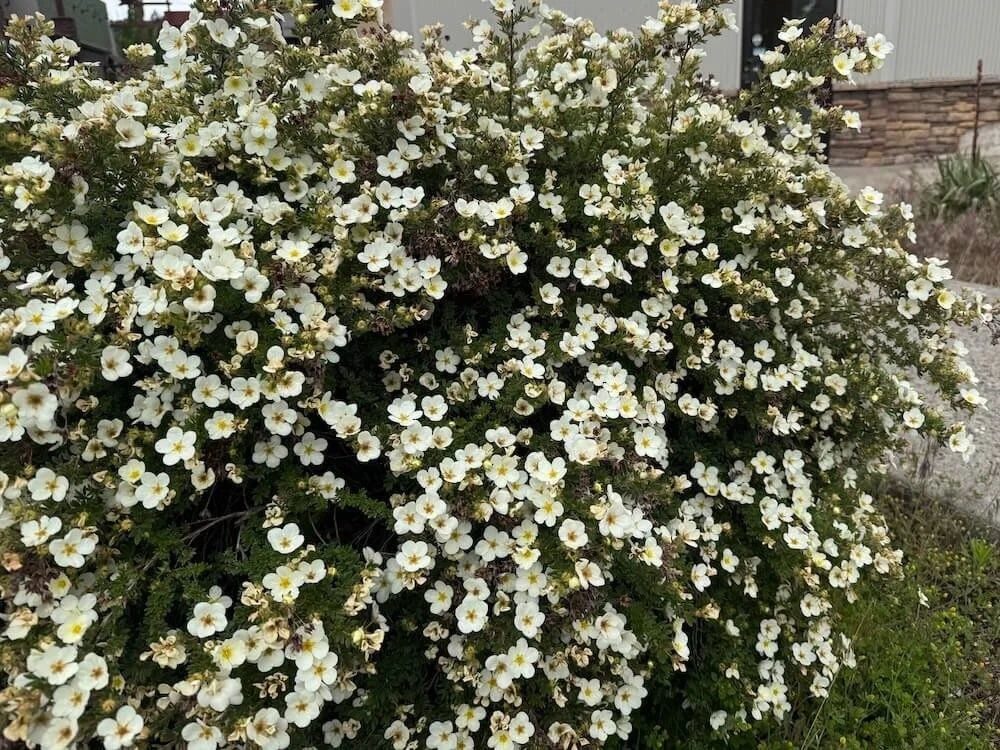
Native to coastal regions of California and southern Oregon, Garrya elliptica grows naturally along bluffs and forest edges. In gardens it provides evergreen structure for borders, coastal landscapes, and sheltered plantings where the winter catkins add seasonal interest.

DESCRIPTION
Garrya elliptica produces long, silvery gray catkins in mid to late winter, the tassel-like flowers dangling gracefully from the branches and swaying in cool breezes. The blooms appear before the growing season begins and remain decorative for several weeks. Thick, oval leaves with softly textured surfaces cover the stems, displaying deep green upper surfaces and pale, felted undersides that give the foliage a muted tone throughout the year.

Native to coastal regions of California and southern Oregon, Garrya elliptica grows naturally along bluffs and forest edges. In gardens it provides evergreen structure for borders, coastal landscapes, and sheltered plantings where the winter catkins add seasonal interest.

 
  • Family: Garryaceae
    Height: 8 to 15 feet
    Width: 8 to 12 feet
    Foliage color: Leathery dark green oval leaves with pale gray felted undersides
    Flower color: Silvery gray to pale green drooping catkins on male plants with shorter catkins on female plants
    Bloom time: Late winter to early spring
    Light requirements: Full sun to partial shade
    Water requirements: Low to average
    Maintenance: Low; prune lightly after flowering to maintain shape and remove any damaged or crossing branches
    Growing zone: USDA zones 7 to 10
    Wildlife attractors: Bees and other early season pollinating insects and birds that feed on the purple black berries on female plants

    This plant can be seen at the Center for Urban Horticulture.
    Print Information

    Buy Plants