Grevillea victoriae | Royal Grevillea

$0.00

DESCRIPTION
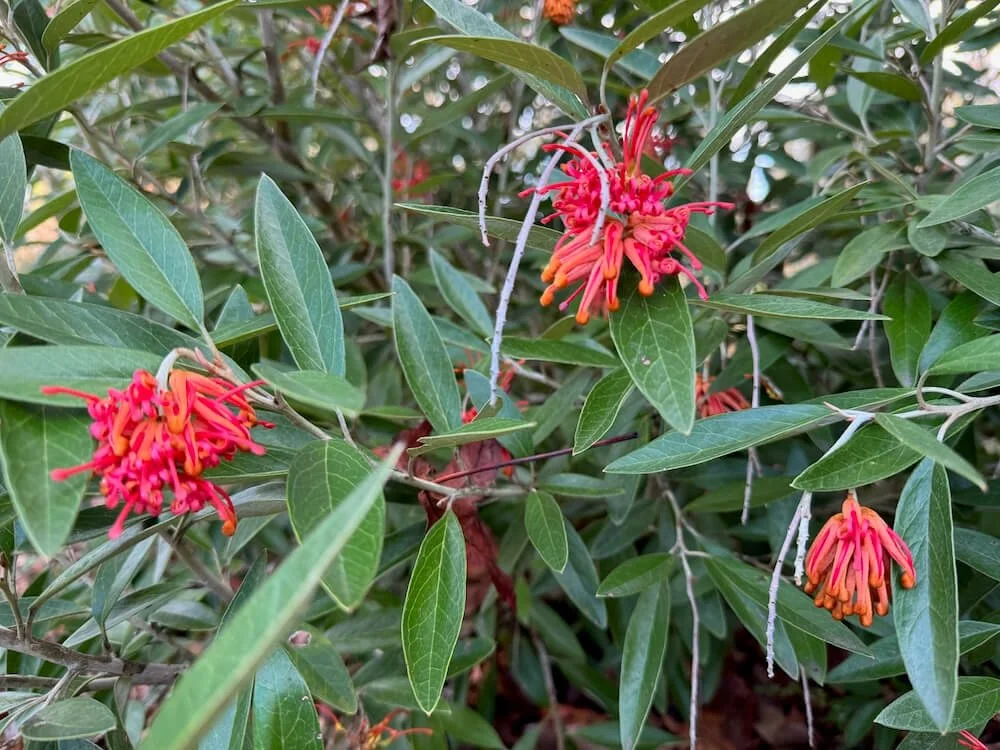
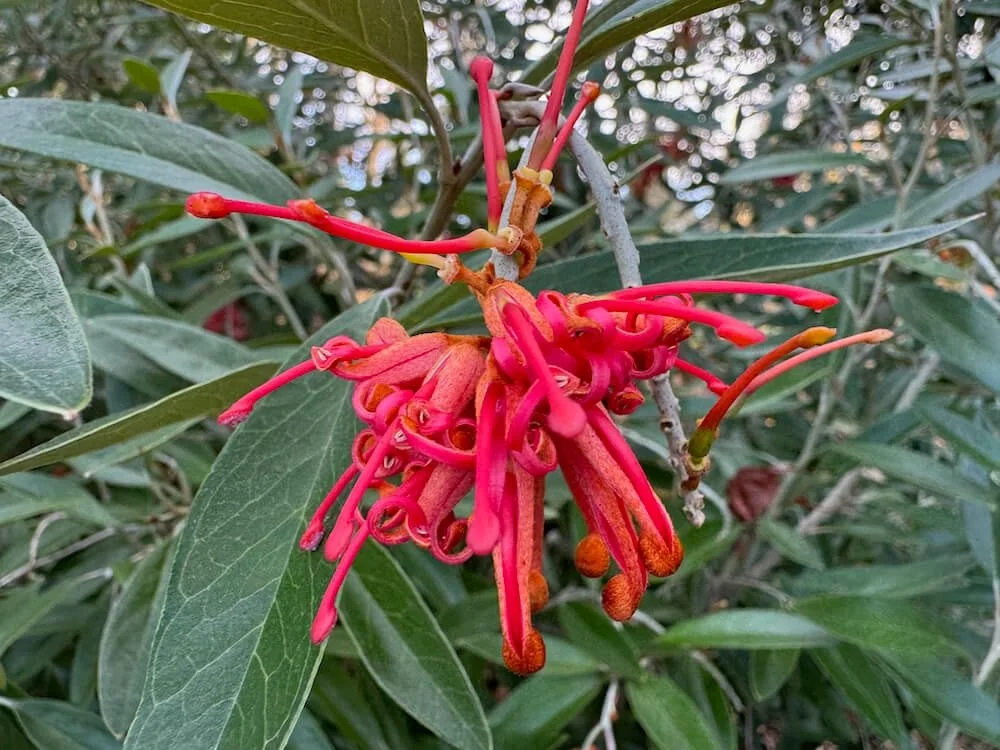
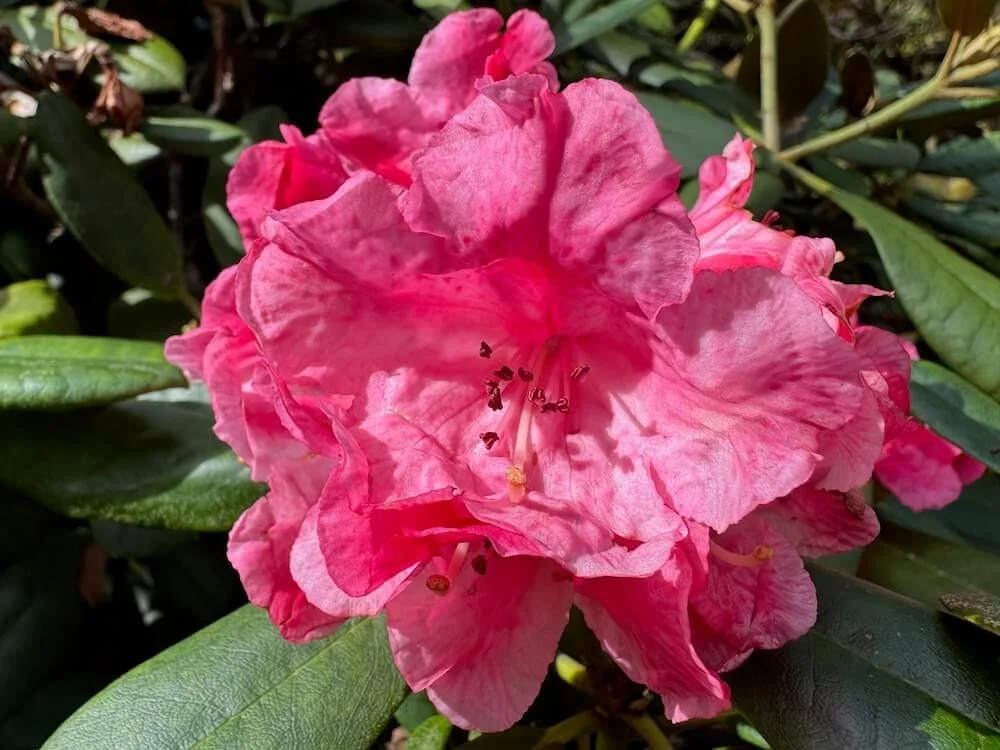
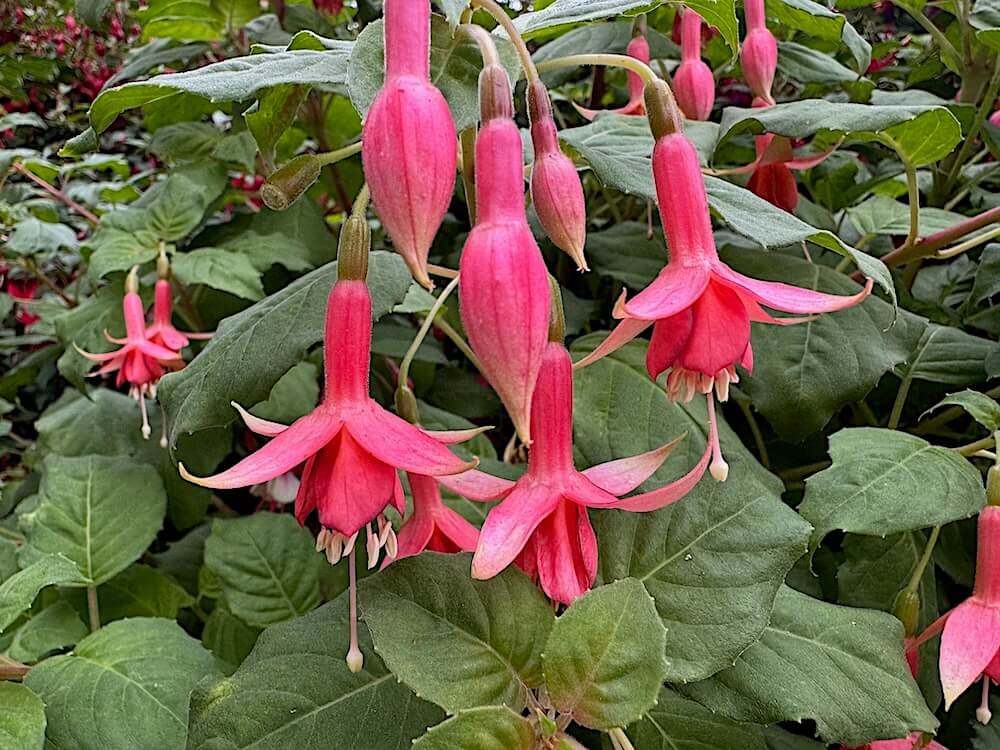
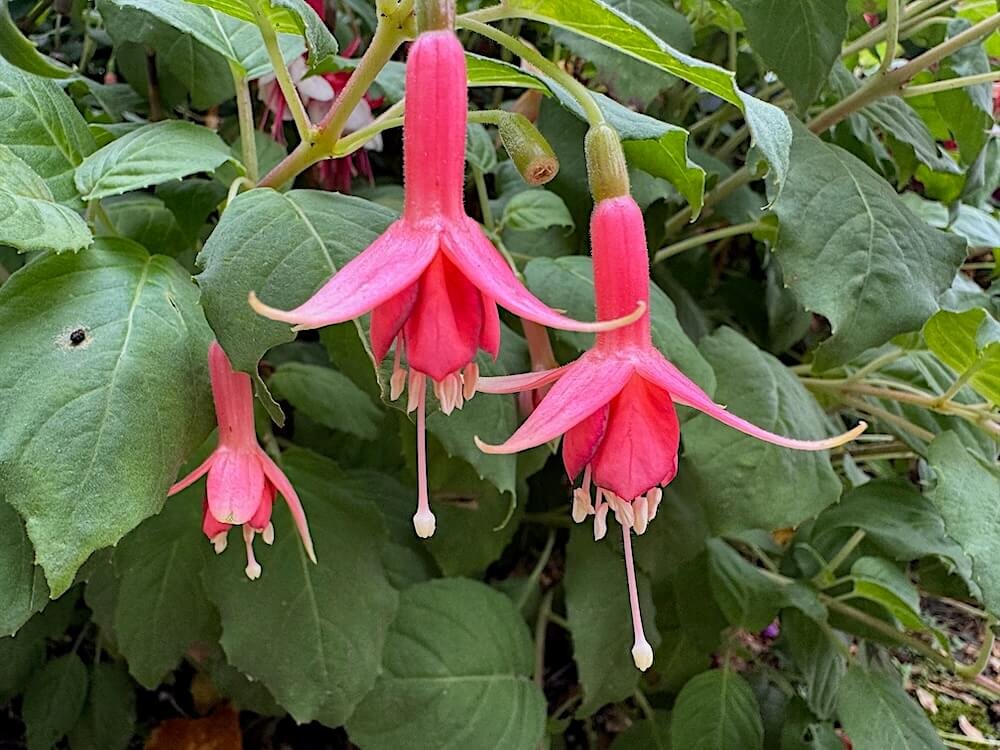
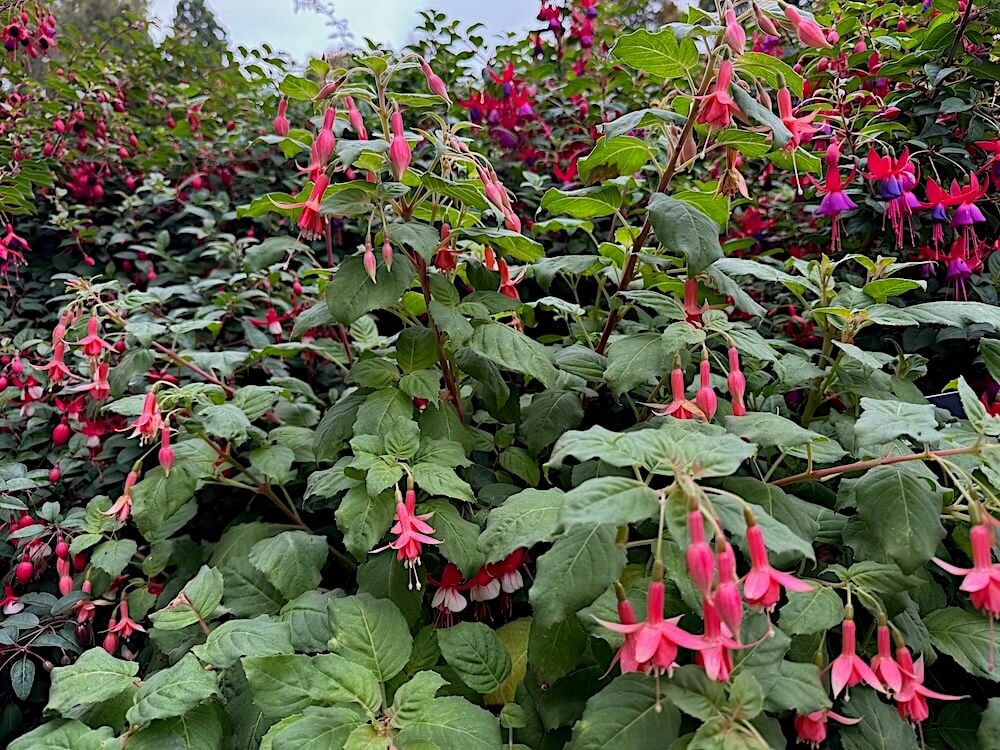
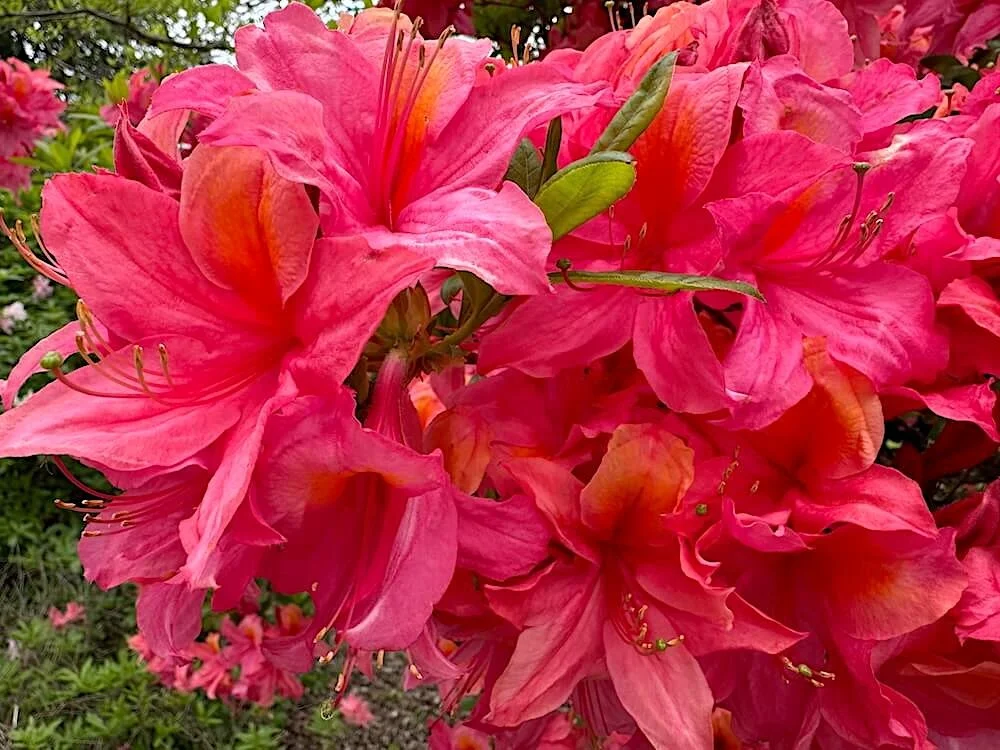
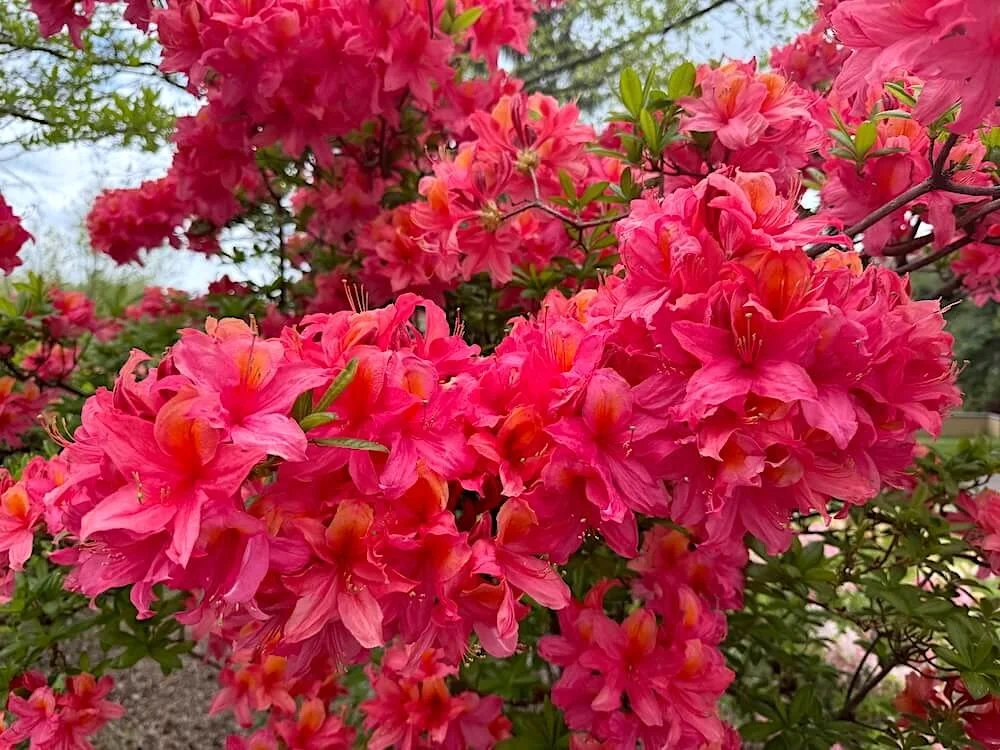
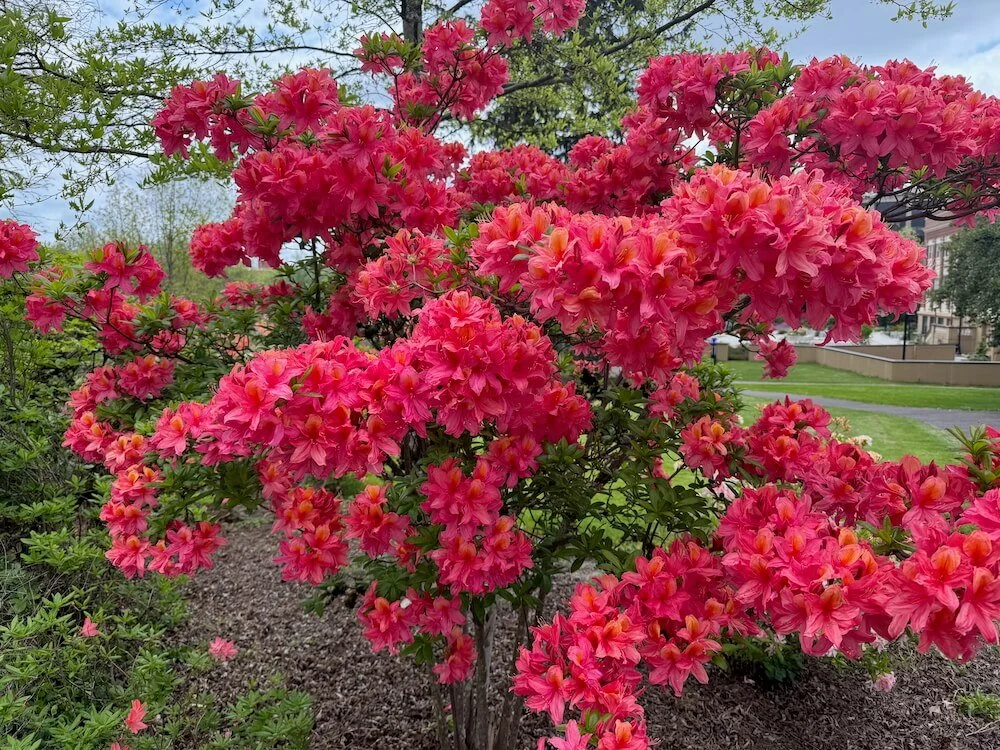
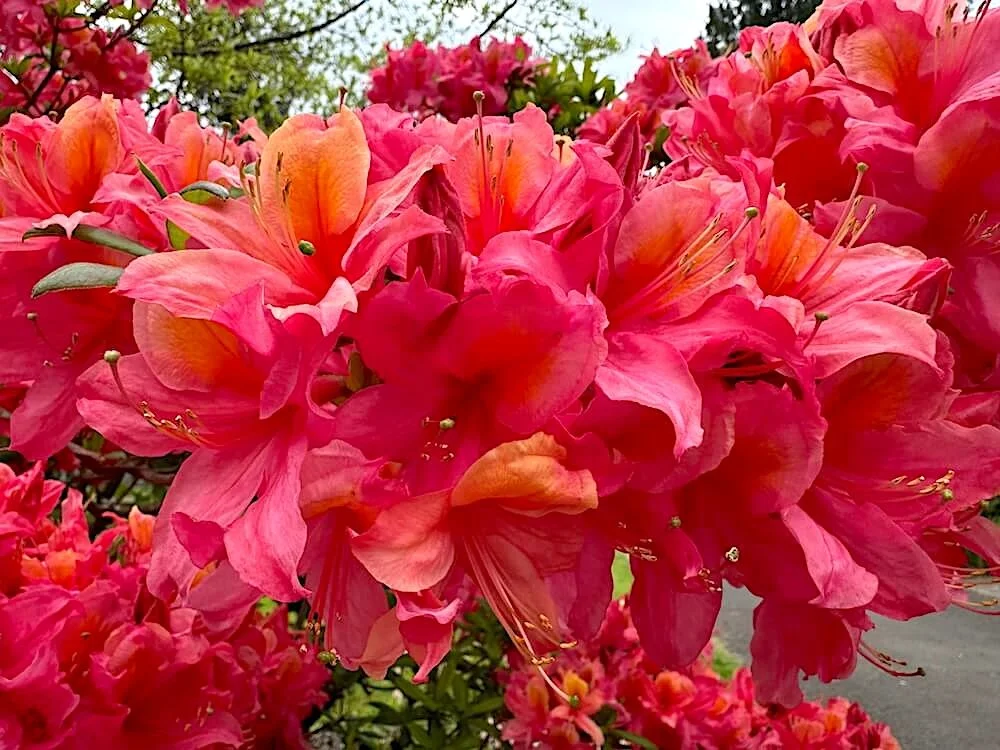
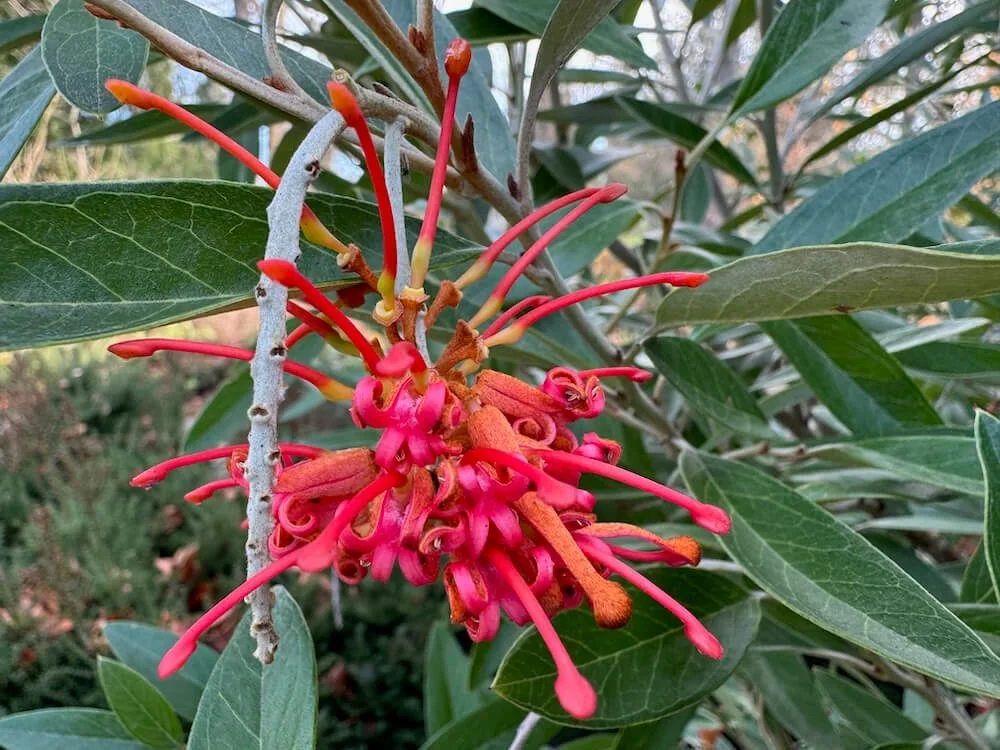
Grevillea victoriae produces clusters of curved orange to reddish-orange flowers from late winter through spring, each bloom composed of slender segments that arch outward and surround prominent styles. The blossoms gather in rounded clusters along the stems and provide nectar that attracts visiting birds. Narrow, leathery leaves cover the branches, displaying deep green upper surfaces and softly silvery undersides that add subtle contrast to the foliage.

Native to southeastern Australia, particularly mountainous regions of Victoria and New South Wales, Grevillea victoriae grows naturally in open woodland habitats. In gardens it adds evergreen structure to borders and wildlife-friendly plantings where the colorful winter flowers bring seasonal interest.

DESCRIPTION
Grevillea victoriae produces clusters of curved orange to reddish-orange flowers from late winter through spring, each bloom composed of slender segments that arch outward and surround prominent styles. The blossoms gather in rounded clusters along the stems and provide nectar that attracts visiting birds. Narrow, leathery leaves cover the branches, displaying deep green upper surfaces and softly silvery undersides that add subtle contrast to the foliage.

Native to southeastern Australia, particularly mountainous regions of Victoria and New South Wales, Grevillea victoriae grows naturally in open woodland habitats. In gardens it adds evergreen structure to borders and wildlife-friendly plantings where the colorful winter flowers bring seasonal interest.

 
  • Family: Proteaceae
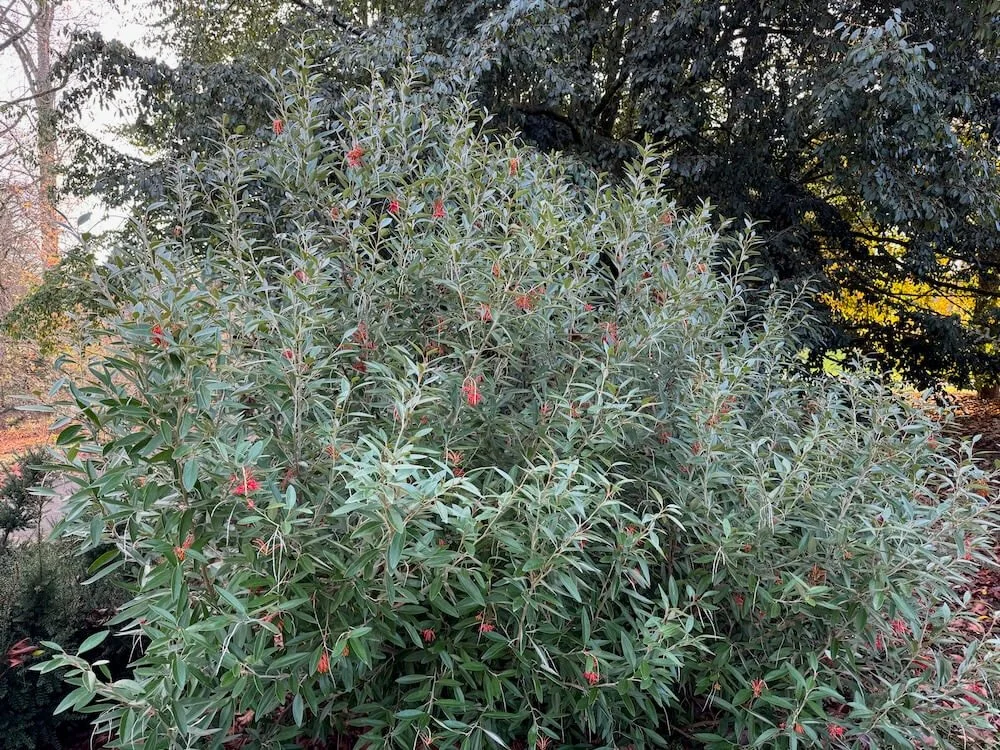
    Height: 6 to 10 feet
    Width: 6 to 10 feet
    Foliage color: Narrow gray green to silvery green leathery leaves with pale undersides
    Flower color: Curved tubular flowers in clusters colored orange red to reddish pink with prominent protruding styles
    Bloom time: Late winter through spring
    Light requirements: Full sun to light partial shade
    Water requirements: Low
    Maintenance: Low; prune lightly after flowering to maintain shape and encourage dense branching avoid heavy fertilization
    Growing zone: USDA zones 8 to 10
    Wildlife attractors: Hummingbirds, bees and other nectar feeding pollinators

    This plant can be seen at the Washington Park Arboretum.

    Print Information

    Buy Plants