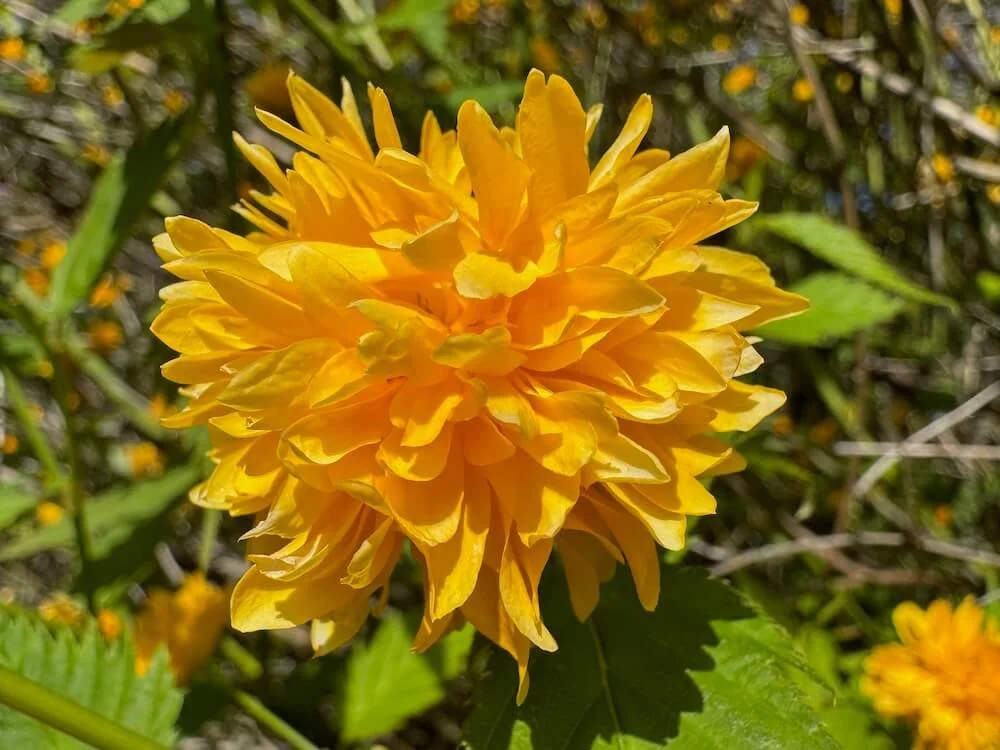
Kerria japonica 'Pleniflora' | Double Japanese Kerria

$0.00

DESCRIPTION
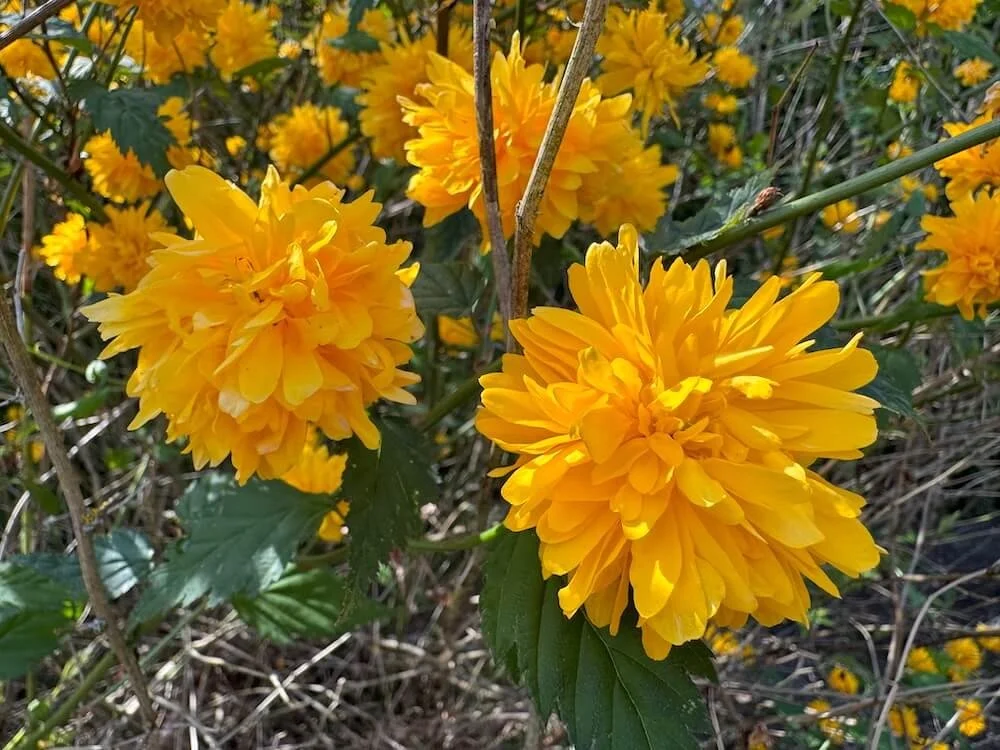
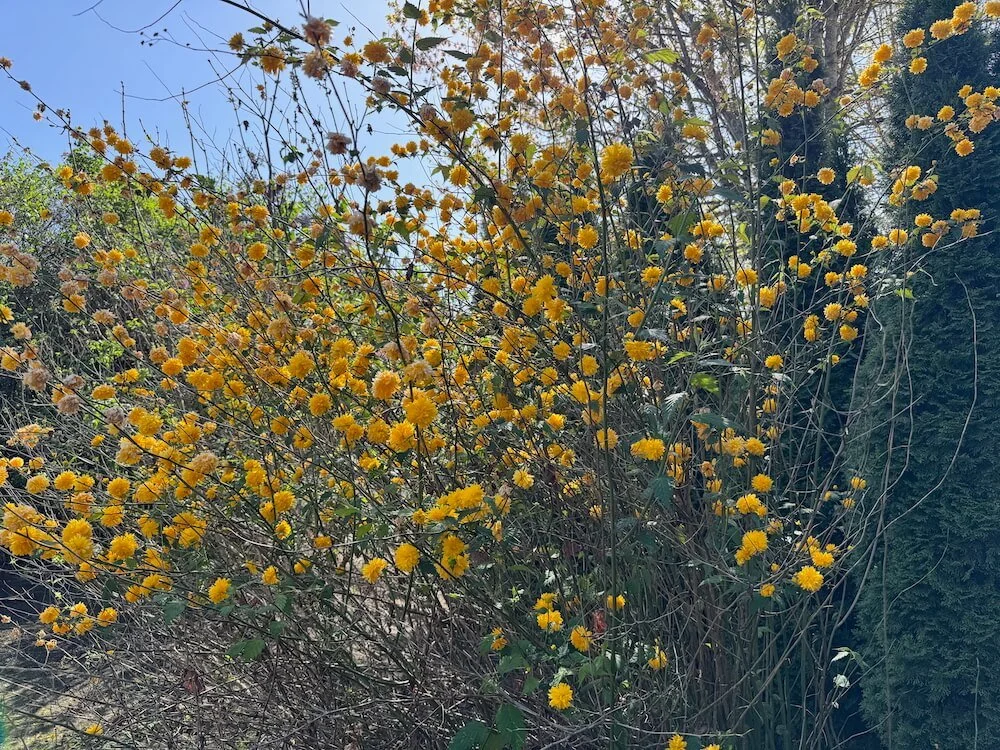
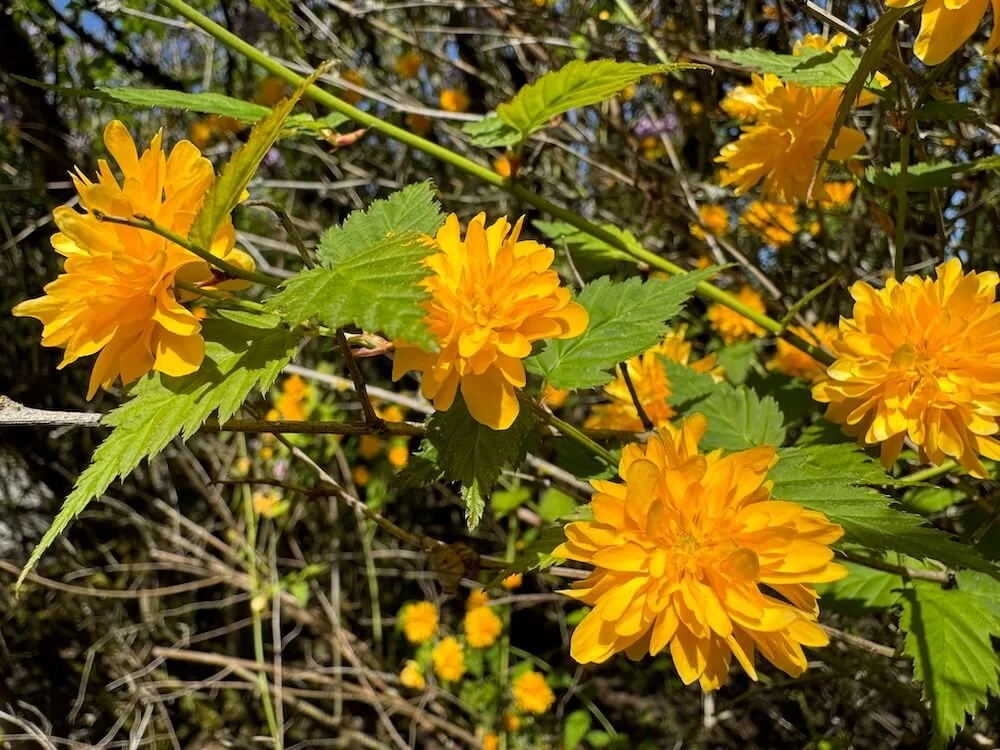
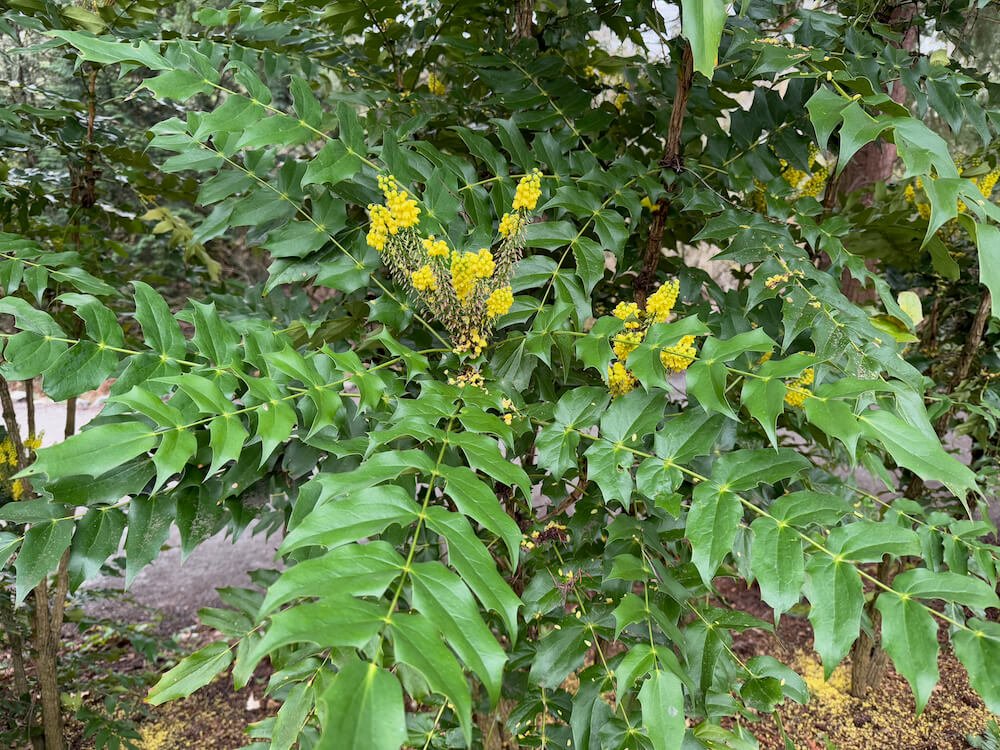
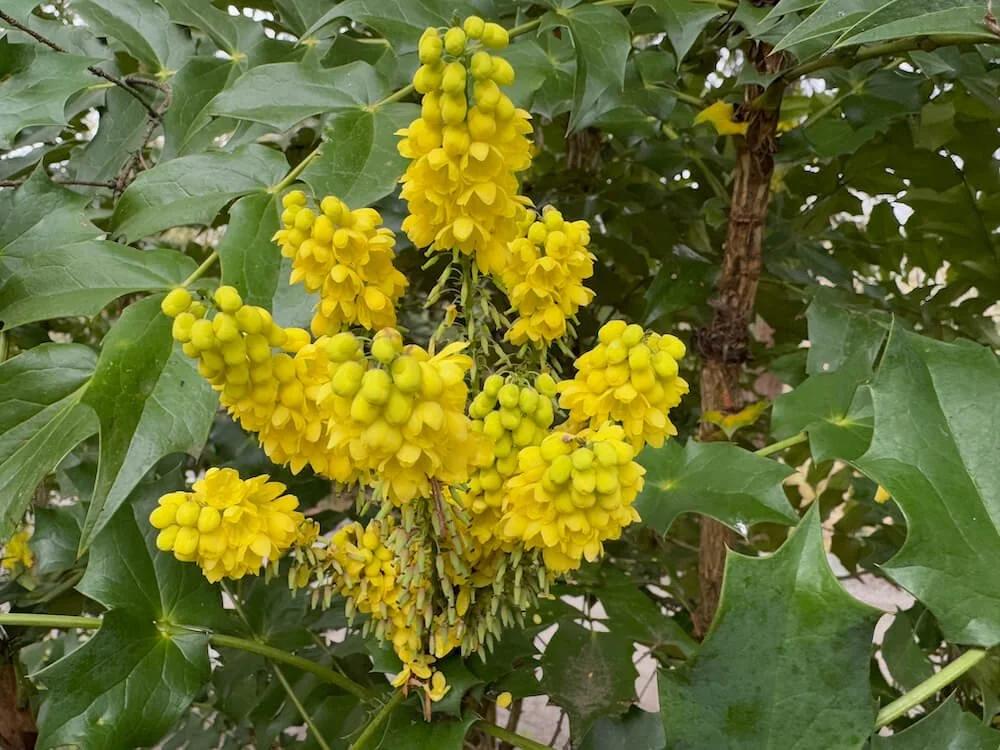
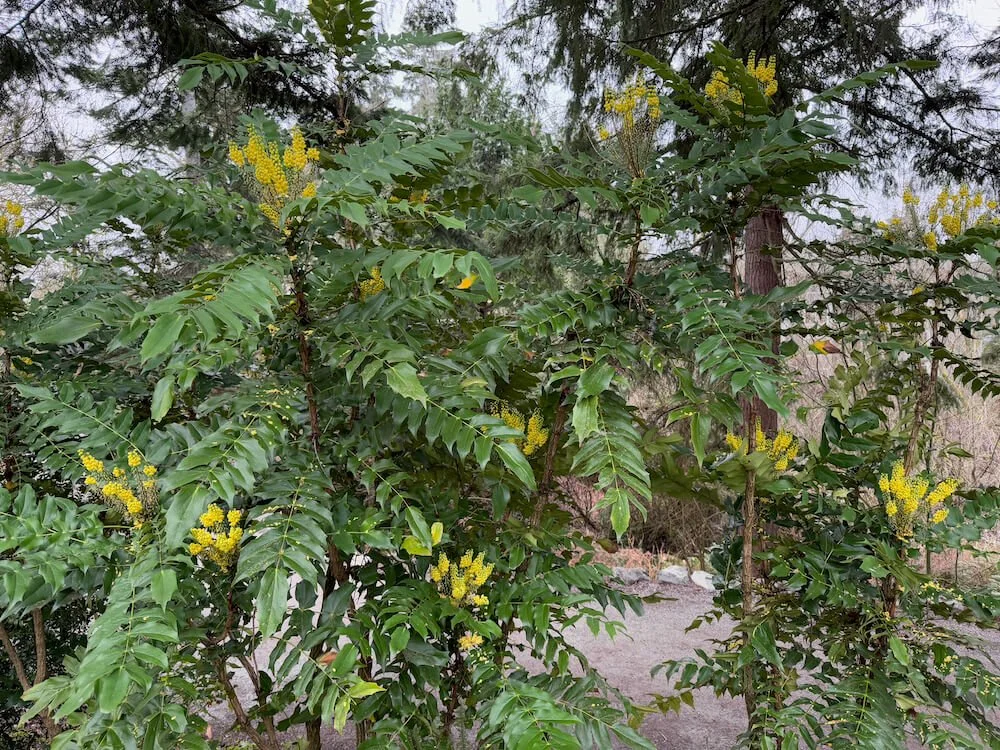
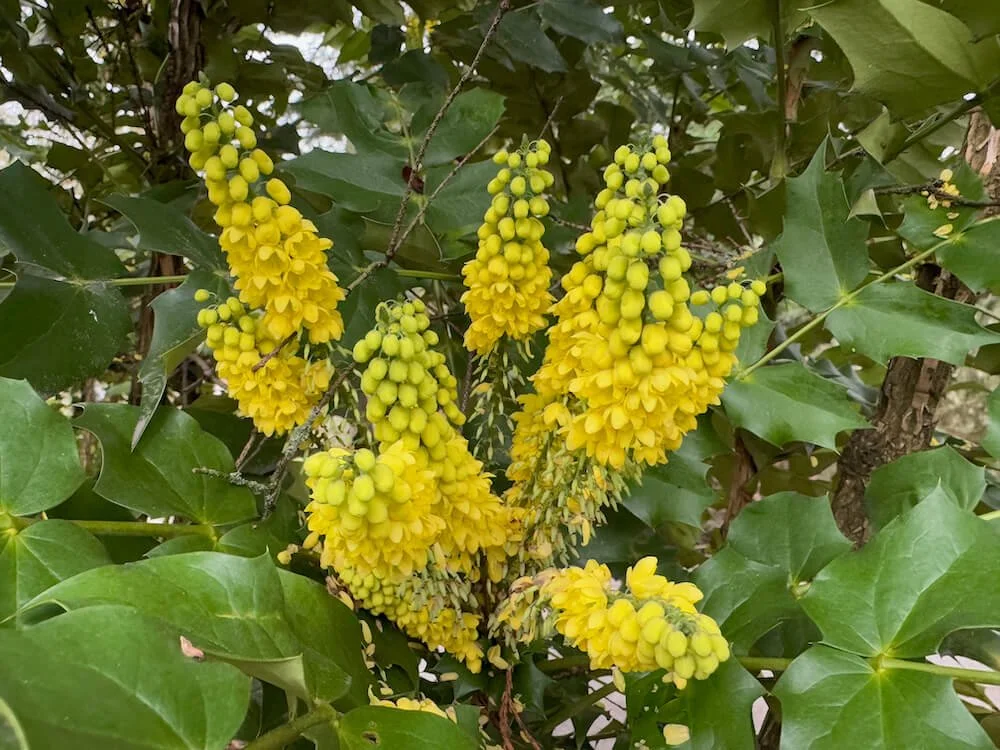
Kerria japonica 'Pleniflora' produces bright golden-yellow pompon flowers in mid to late spring, each bloom formed with many layered petals that create a rounded, rosette-like shape along the slender stems. The blossoms appear among fresh green leaves that unfold in spring with lightly serrated edges and a soft texture. Arching green stems remain visible through winter, adding subtle color and structure after the foliage falls.

This cultivar traces its heritage to Kerria japonica native to China and Japan. In gardens it brings seasonal interest to borders, woodland plantings, and informal hedges where the cheerful spring flowers and green winter stems provide changing color.

DESCRIPTION
Kerria japonica 'Pleniflora' produces bright golden-yellow pompon flowers in mid to late spring, each bloom formed with many layered petals that create a rounded, rosette-like shape along the slender stems. The blossoms appear among fresh green leaves that unfold in spring with lightly serrated edges and a soft texture. Arching green stems remain visible through winter, adding subtle color and structure after the foliage falls.

This cultivar traces its heritage to Kerria japonica native to China and Japan. In gardens it brings seasonal interest to borders, woodland plantings, and informal hedges where the cheerful spring flowers and green winter stems provide changing color.

 
  • Family: Rosaceae
    Height: 6 to 10 feet
    Width: 6 to 10 feet
    Foliage color: Bright green sharply serrated lance shaped leaves often turning yellow in fall
    Flower color: Bright golden yellow fully double pompon shaped flowers often 1 to 2 inches across
    Bloom time: Mid to late spring, often April to May
    Light requirements: Full sun to partial shade
    Water requirements: Average evenly moist well drained soil; tolerates short dry periods once established
    Maintenance: Low; prune immediately after flowering to remove older canes and maintain a dense arching form
    Growing zone: USDA zones 4 to 9
    Wildlife attractors: Bees and other pollinating insects
    Print Information

    Buy Plants