Lonicera nitida 'Twiggy' | Twiggy Boxleaf Honeysuckle

$0.00

DESCRIPTION
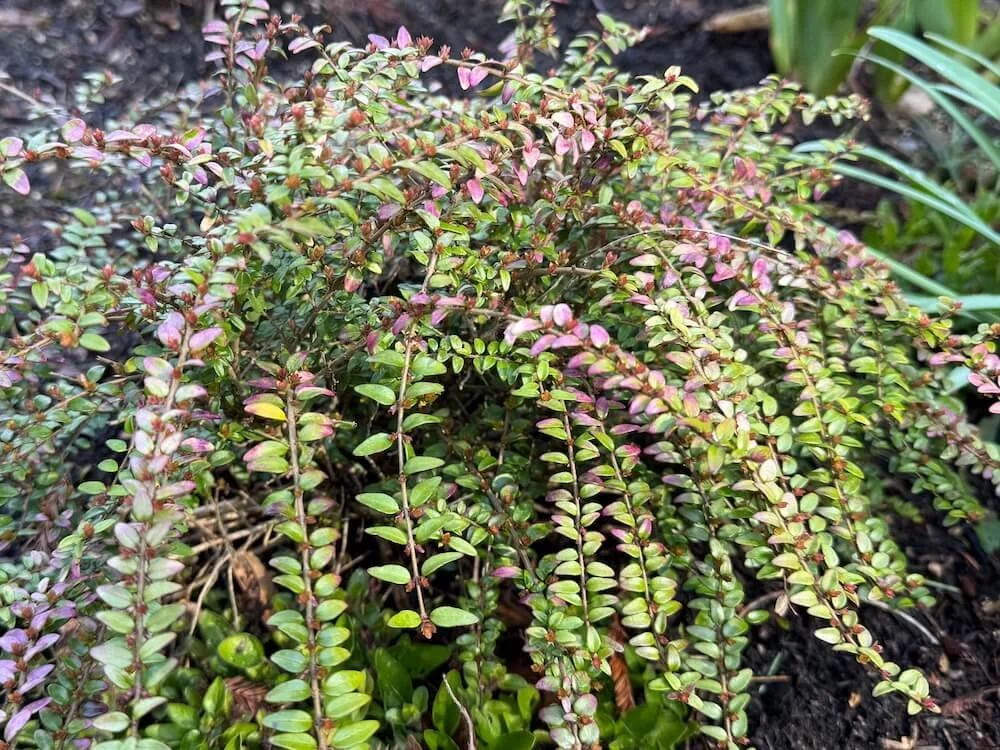
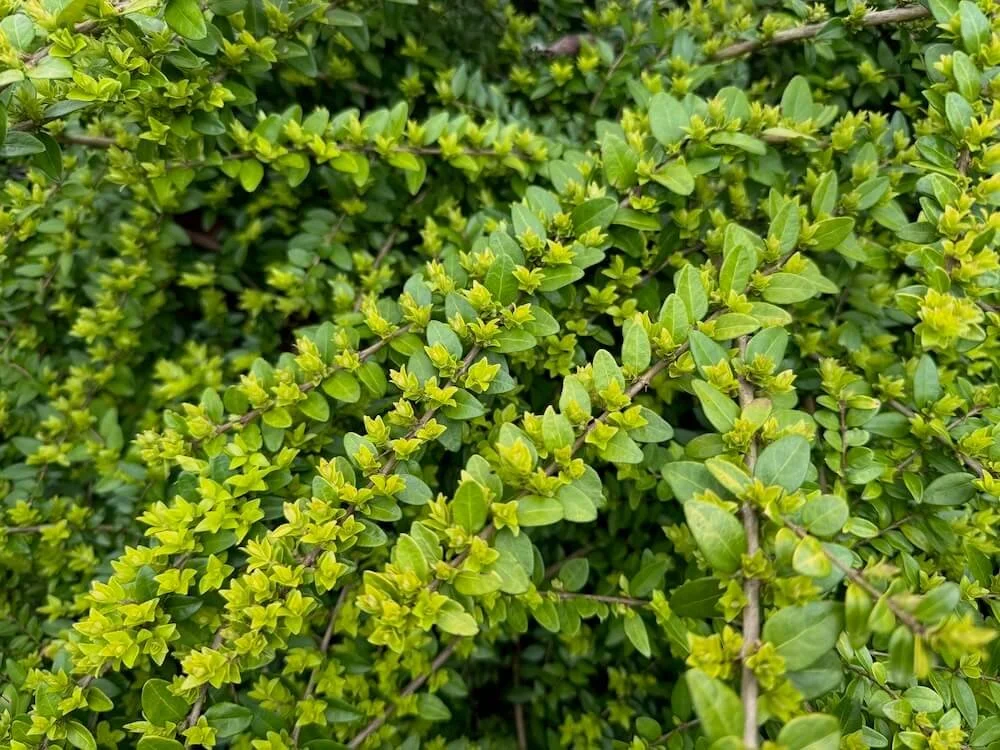
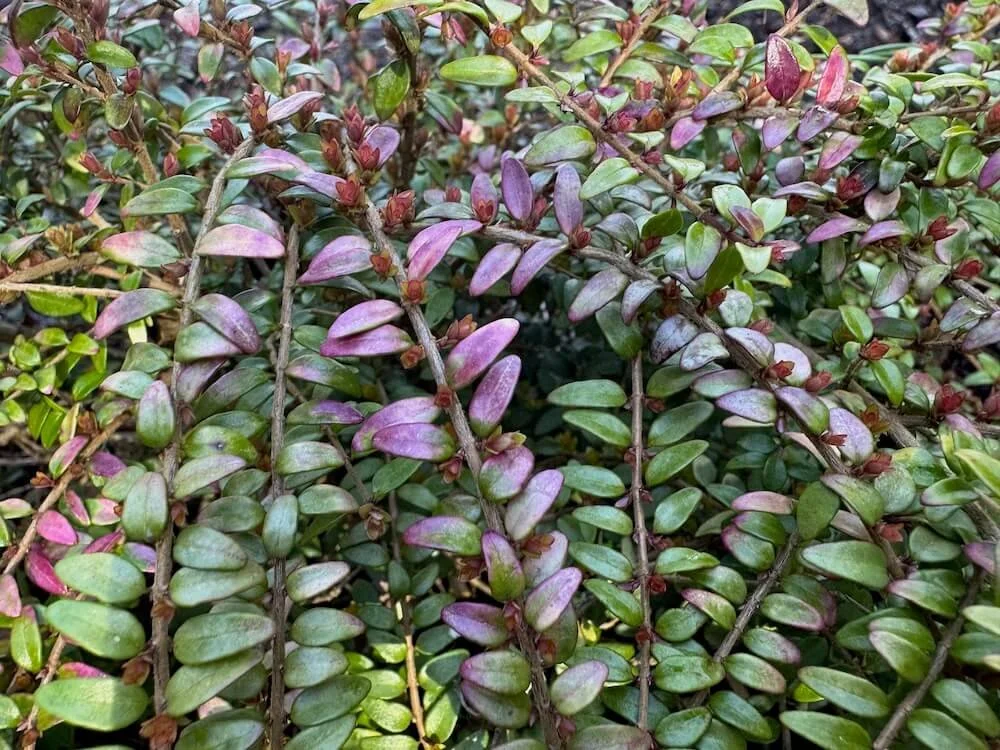
Lonicera nitida 'Twiggy' produces small creamy white flowers in late spring, the tiny tubular blooms opening discreetly along the slender stems. The blossoms appear among very small, glossy leaves that densely cover the fine branching. The evergreen foliage remains deep green through the growing season and often develops purple to bronzy tones during winter, adding subtle seasonal color along the thin stems and delicate branchlets.

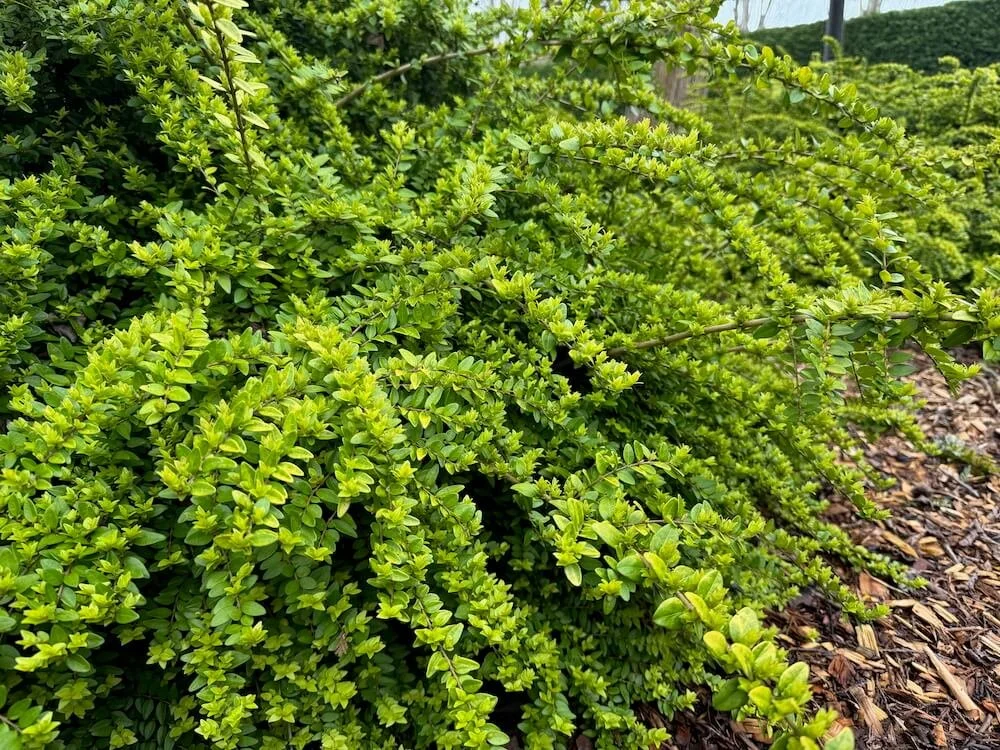
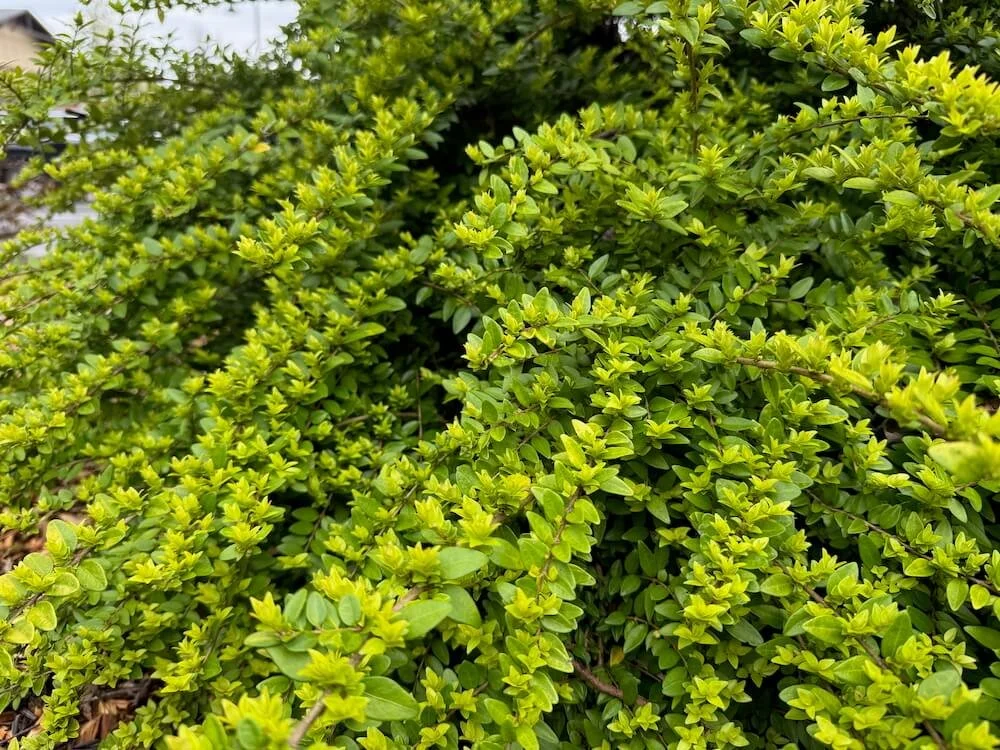
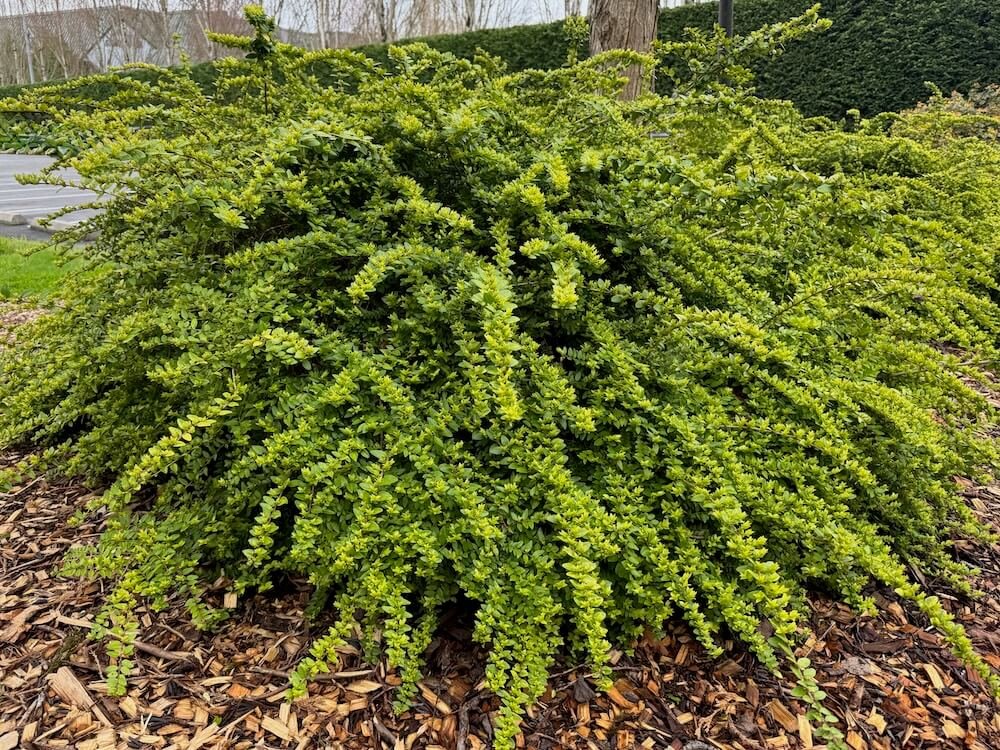
This cultivar traces its heritage to Lonicera nitida native to western China. In gardens it provides neat evergreen structure in borders, low hedges, and clipped plantings where the dense branching and tiny leaves create a tidy framework and fine texture.

DESCRIPTION
Lonicera nitida 'Twiggy' produces small creamy white flowers in late spring, the tiny tubular blooms opening discreetly along the slender stems. The blossoms appear among very small, glossy leaves that densely cover the fine branching. The evergreen foliage remains deep green through the growing season and often develops purple to bronzy tones during winter, adding subtle seasonal color along the thin stems and delicate branchlets.

This cultivar traces its heritage to Lonicera nitida native to western China. In gardens it provides neat evergreen structure in borders, low hedges, and clipped plantings where the dense branching and tiny leaves create a tidy framework and fine texture.

 
  • Family: Caprifoliaceae
    Height: 2 to 3 feet
    Width: 3 to 4 feet
    Foliage color: Small glossy dark green oval leaves densely arranged along fine twiggy stems
    Flower color: Tiny creamy white to pale yellow tubular flowers mostly hidden among the foliage
    Bloom time: Late spring, often May to June
    Light requirements: Full sun to partial shade
    Water requirements: Average
    Maintenance: Low; shear or prune regularly to maintain a compact dense shape and remove stray shoots
    Growing zone: USDA zones 6 to 9
    Wildlife attractors: Bees and other pollinating insects and birds that feed on the small purple berries

    This plant can be seen at the Bellevue Botanical Garden.
    Print Information

    Buy Plants