Magnolia stellata | Star Magnolia

$0.00

DESCRIPTION
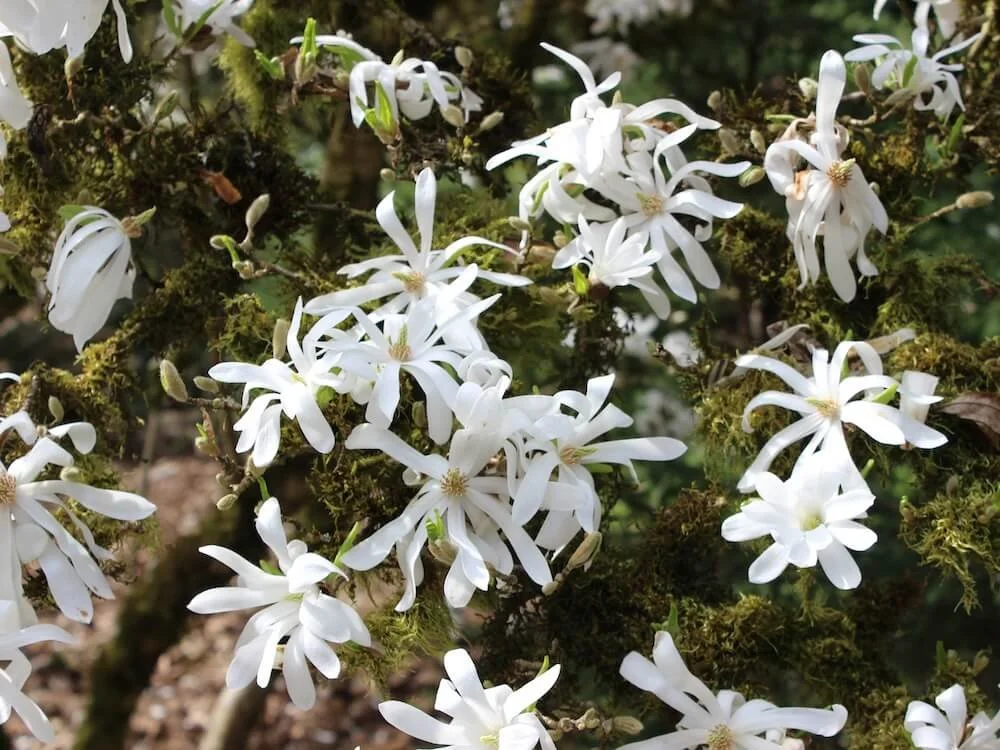
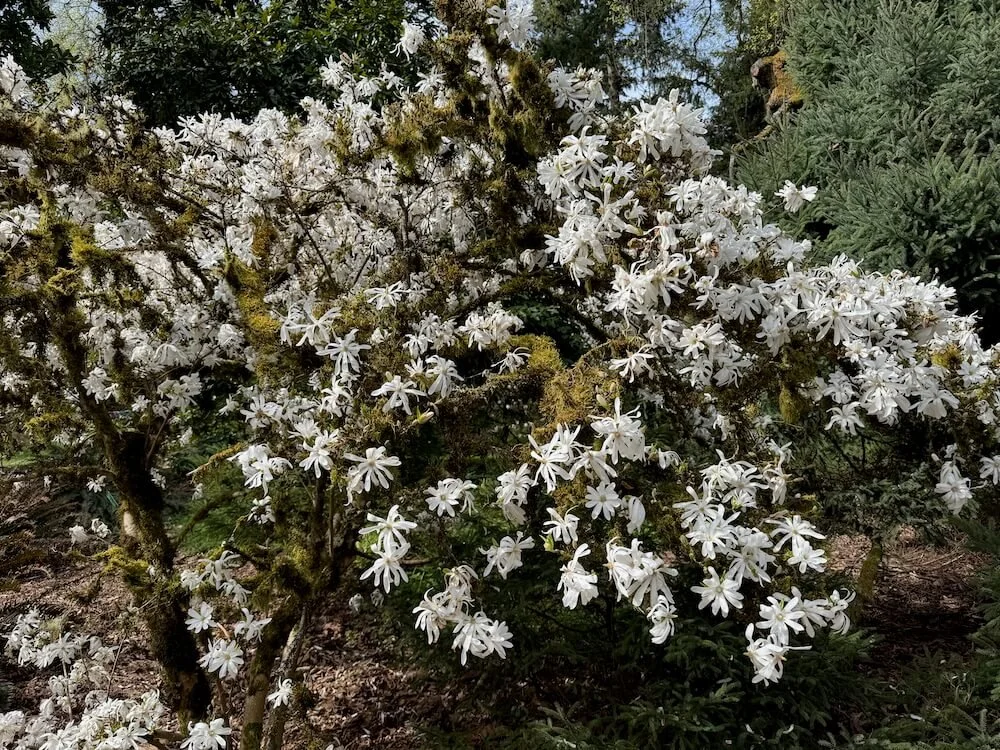
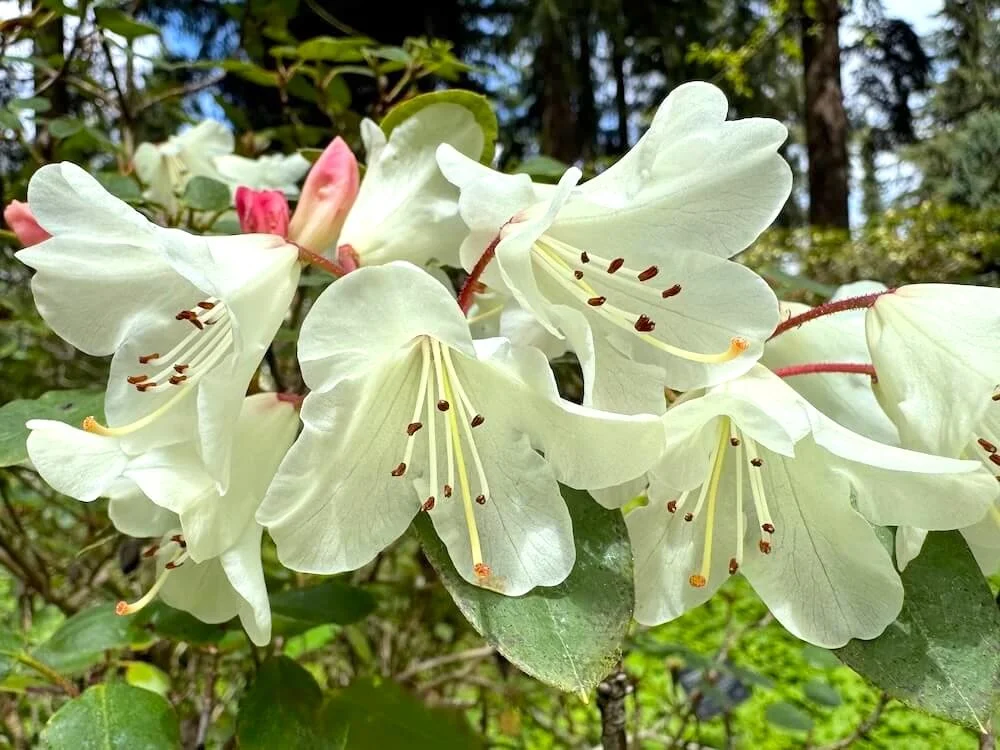
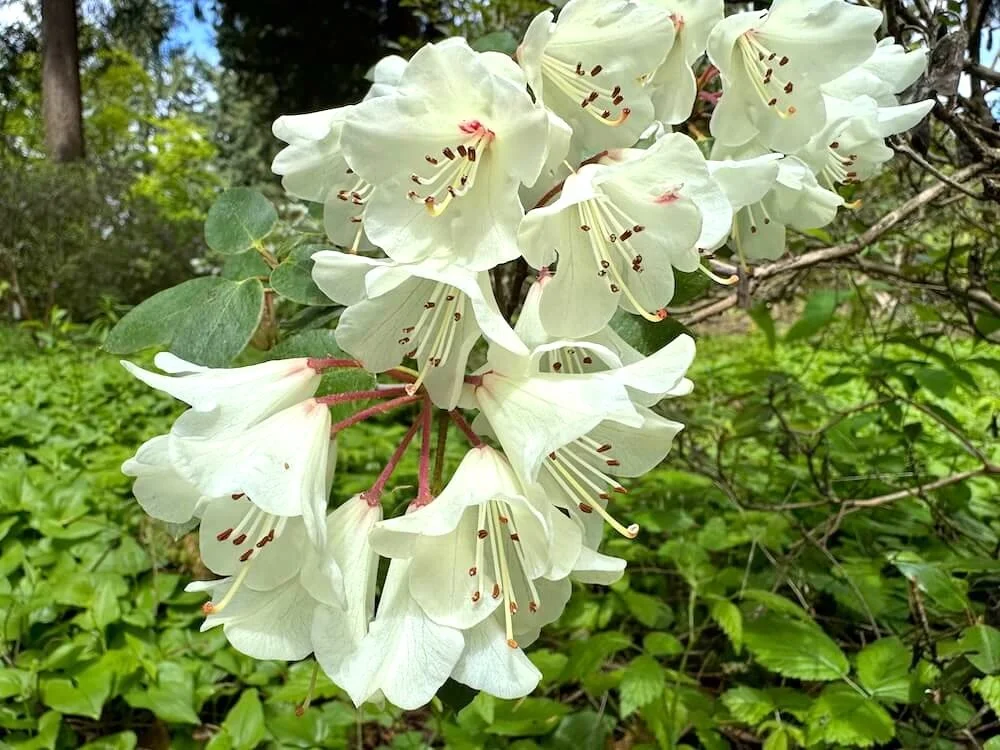
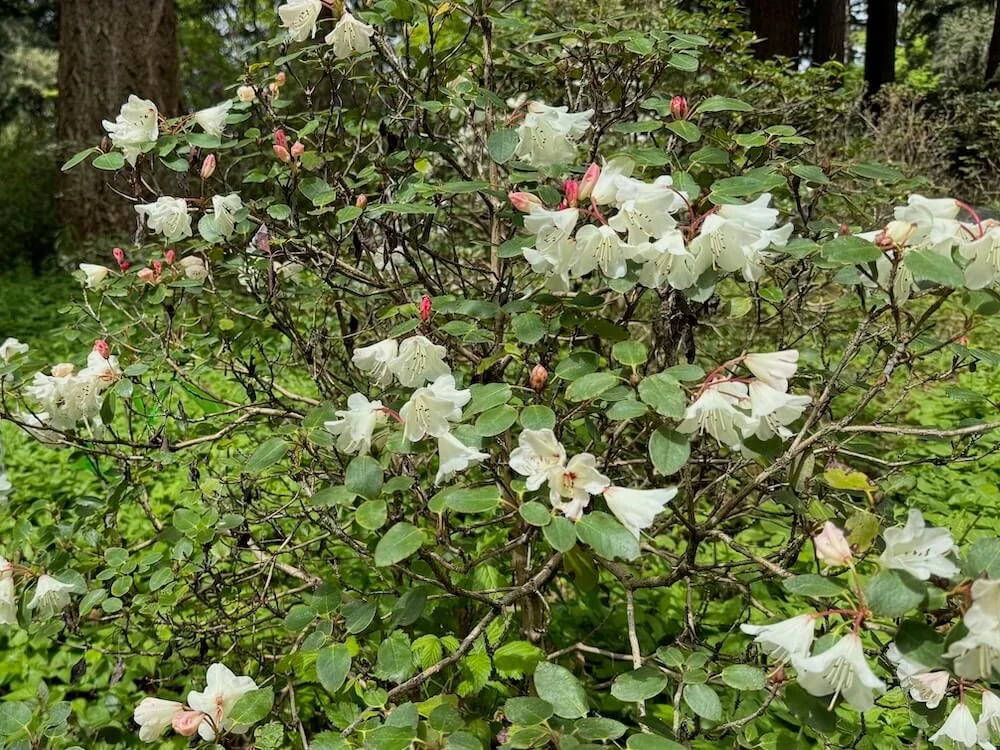
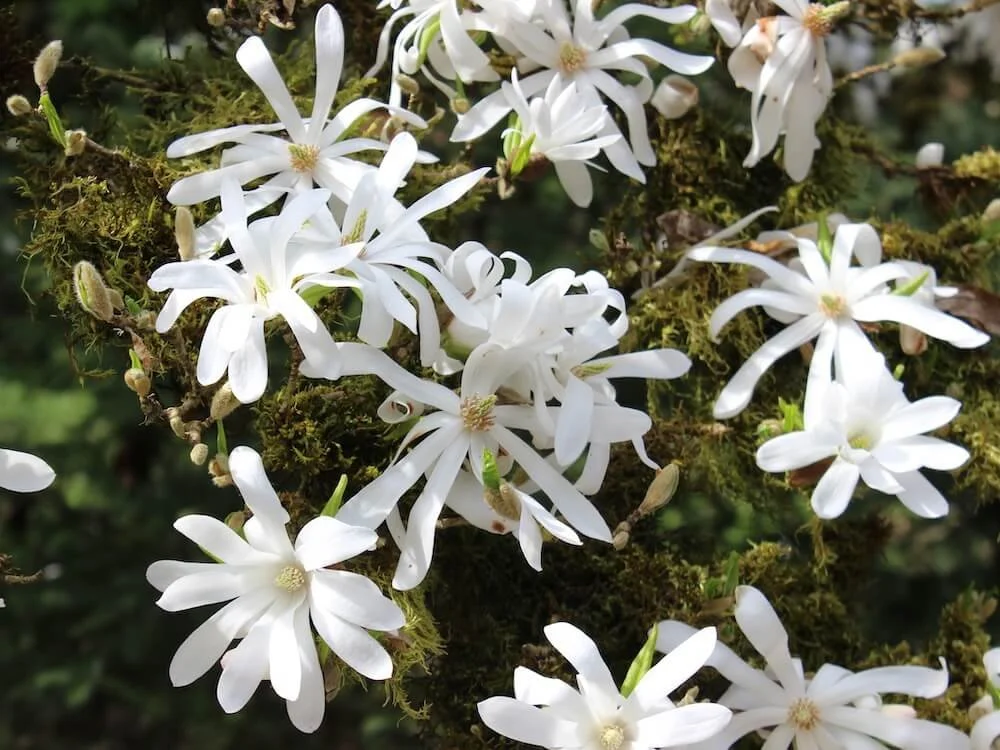
Magnolia stellata produces fragrant white flowers in late winter to early spring, each bloom opening with many slender petals arranged in a star-like form around pale yellow stamens. The blossoms appear along bare branches before the foliage emerges, bringing delicate seasonal color at the close of winter. After flowering, narrow oval leaves unfold in fresh green tones and create a soft canopy through the growing season.

Native to Japan, Magnolia stellata grows naturally in woodland areas and forest margins. In gardens it brings early seasonal interest to borders and specimen plantings where the graceful flowers brighten the landscape before many other shrubs and trees begin blooming.

DESCRIPTION
Magnolia stellata produces fragrant white flowers in late winter to early spring, each bloom opening with many slender petals arranged in a star-like form around pale yellow stamens. The blossoms appear along bare branches before the foliage emerges, bringing delicate seasonal color at the close of winter. After flowering, narrow oval leaves unfold in fresh green tones and create a soft canopy through the growing season.

Native to Japan, Magnolia stellata grows naturally in woodland areas and forest margins. In gardens it brings early seasonal interest to borders and specimen plantings where the graceful flowers brighten the landscape before many other shrubs and trees begin blooming.

 
  • Family: Magnoliaceae
    Height: 15 to 20 feet
    Width: 10 to 15 feet
    Foliage color: Medium green oblong leaves often turning yellow to bronze in fall
    Flower color: White star shaped flowers with narrow petals, often lightly fragrant
    Bloom time: Late winter to early spring
    Light requirements: Full sun to partial shade
    Water requirements: Average
    Maintenance: Low; prune only if needed after flowering to maintain shape and remove damaged branches
    Growing zone: USDA zones 4 to 8
    Wildlife attractors: Bees and other early season pollinating insects

    This plant can be seen at the Washington Park Arboretum.
    Print Information

    Buy Plants