Mahonia x media 'Arthur Menzies' | Arthur Menzies Oregon Grape

$0.00

DESCRIPTION
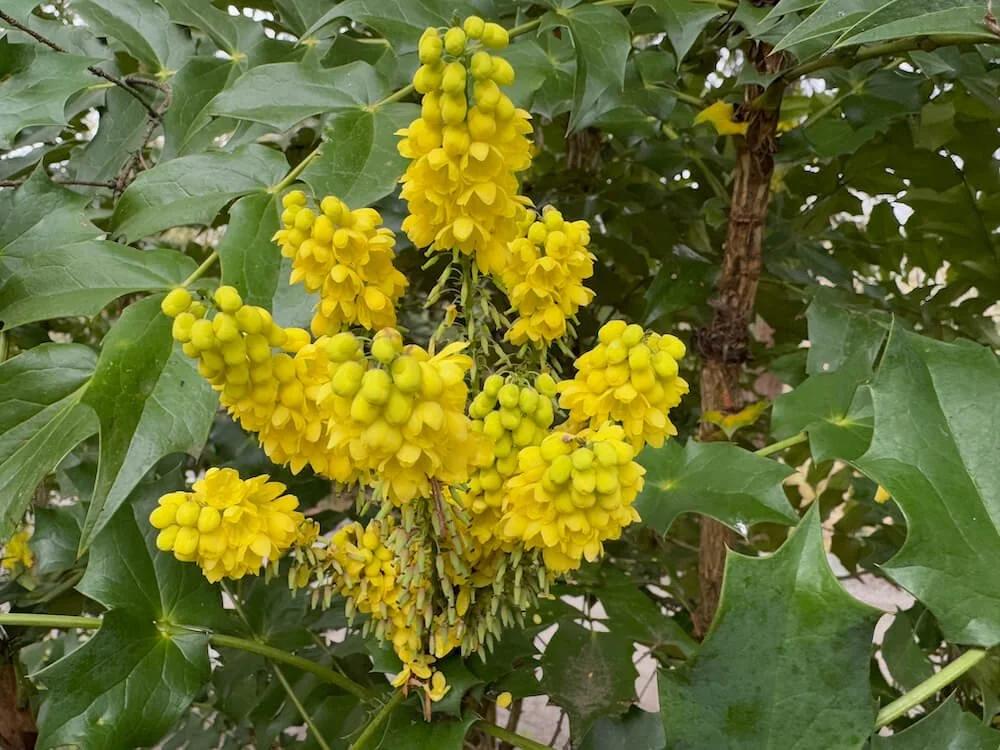
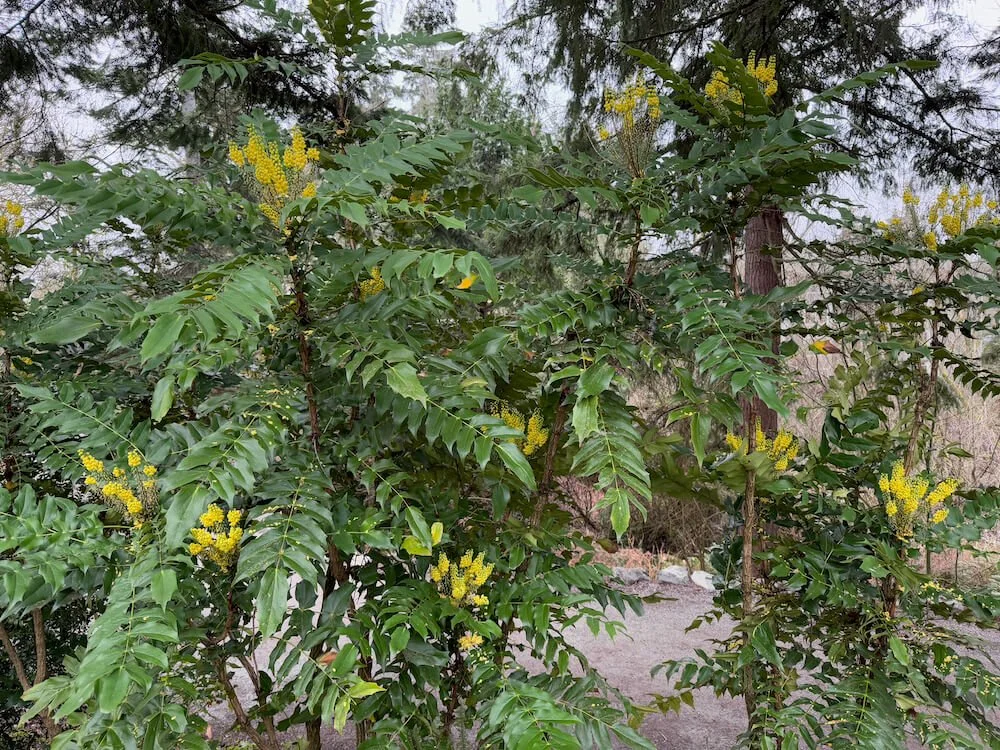
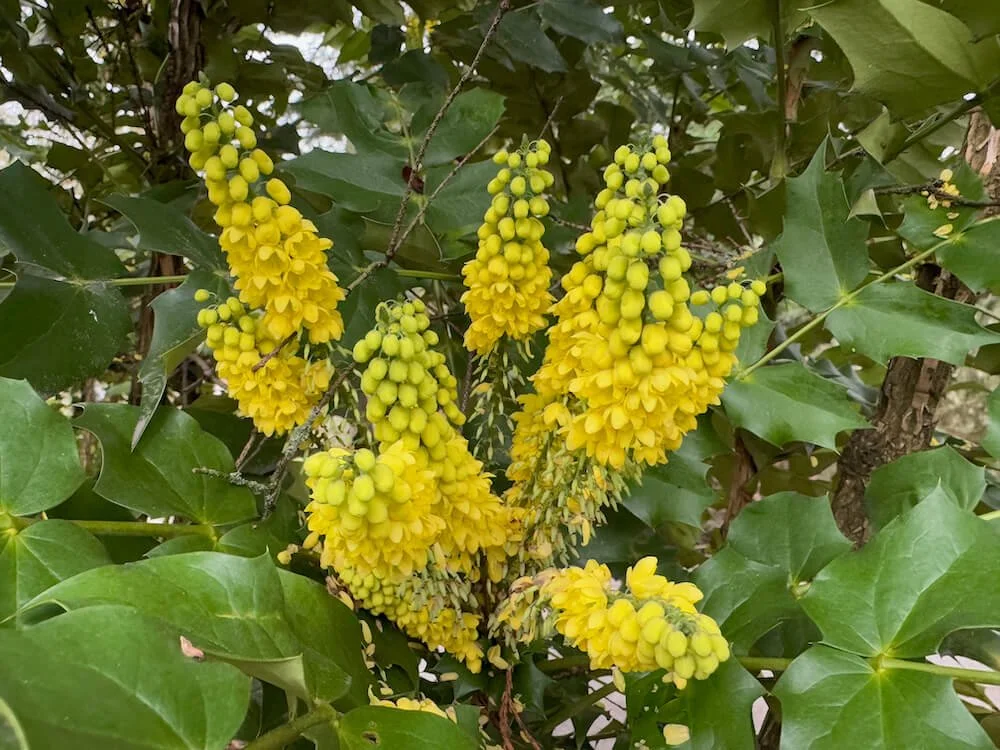
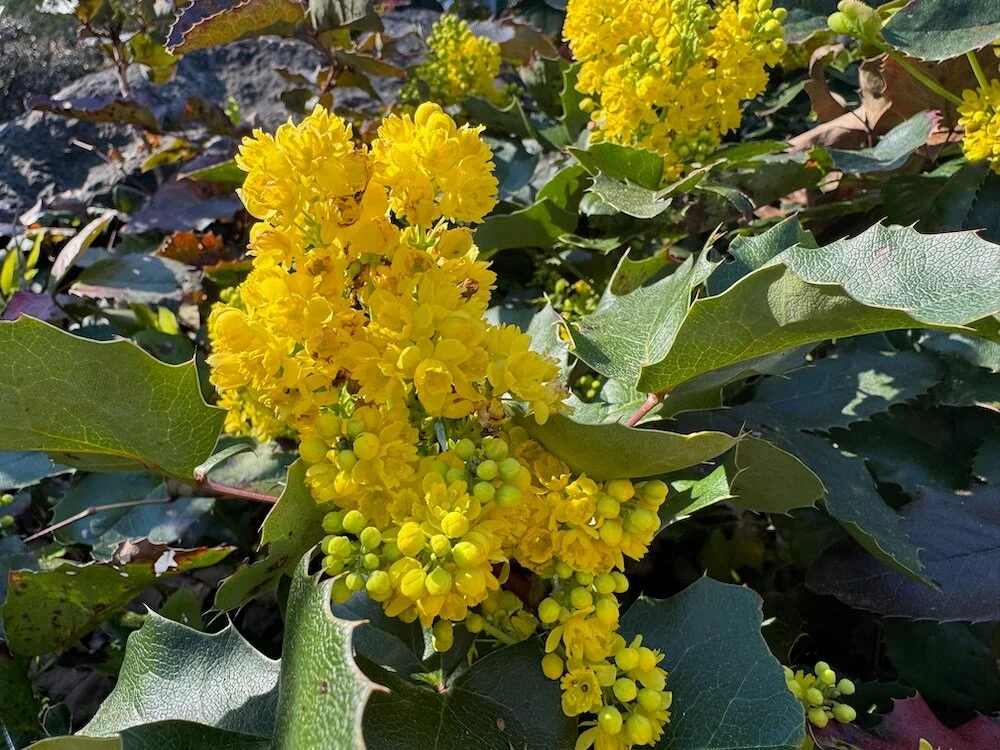
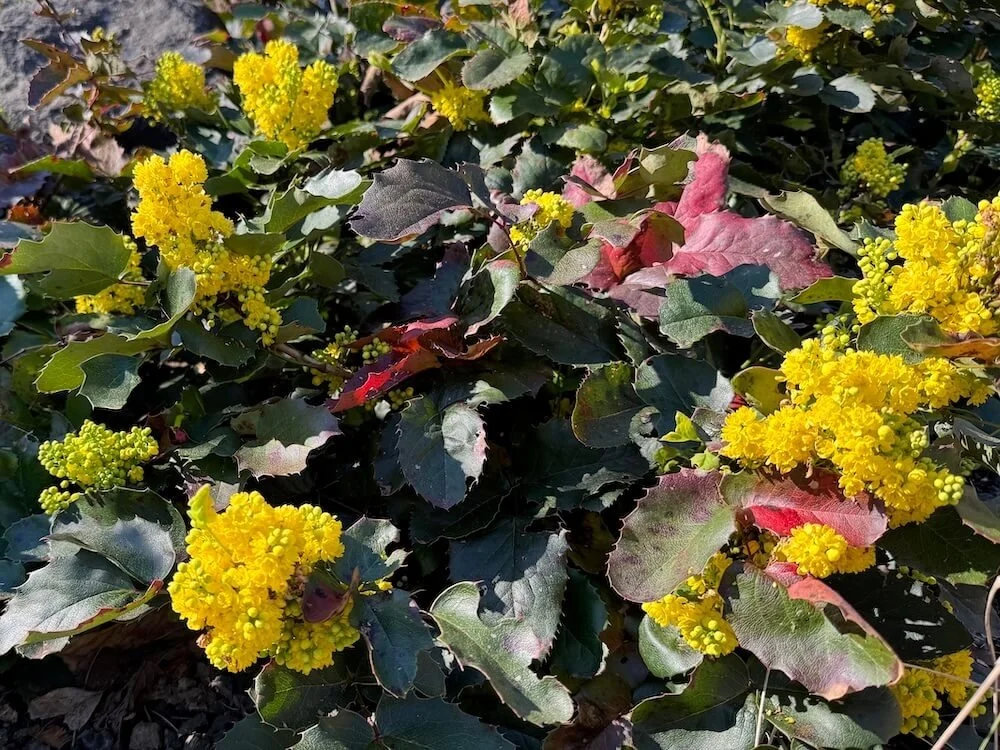
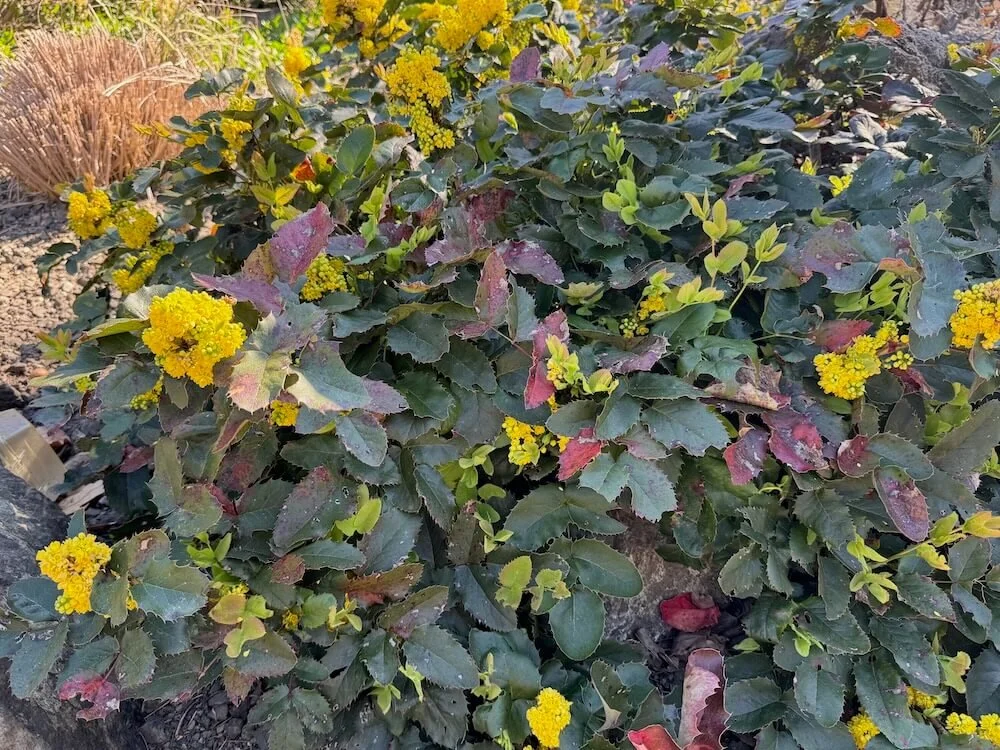
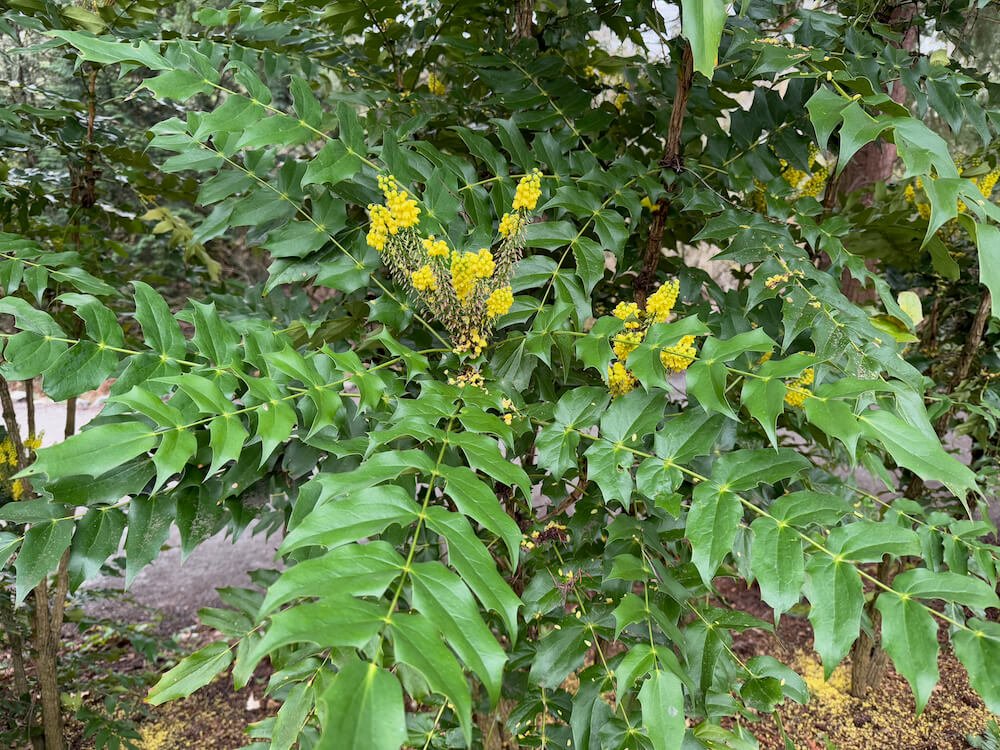
Mahonia × media 'Arthur Menzies' produces clusters of bright yellow flowers from late fall through winter, the small blooms arranged in upright sprays that bring welcome color during the cooler months. The blossoms are followed by blue-black berries with a soft bloom that appear later in the season. Bold, pinnate leaves line the stems, each composed of several glossy, spiny-edged leaflets that form an architectural evergreen canopy throughout the year.

This hybrid traces its heritage to crosses between Mahonia japonica and Mahonia lomariifolia, both native to eastern Asia. In gardens it provides evergreen structure in borders and shaded plantings where the winter flowers offer nectar for pollinators and seasonal interest.

DESCRIPTION
Mahonia × media 'Arthur Menzies' produces clusters of bright yellow flowers from late fall through winter, the small blooms arranged in upright sprays that bring welcome color during the cooler months. The blossoms are followed by blue-black berries with a soft bloom that appear later in the season. Bold, pinnate leaves line the stems, each composed of several glossy, spiny-edged leaflets that form an architectural evergreen canopy throughout the year.

This hybrid traces its heritage to crosses between Mahonia japonica and Mahonia lomariifolia, both native to eastern Asia. In gardens it provides evergreen structure in borders and shaded plantings where the winter flowers offer nectar for pollinators and seasonal interest.

 
  • Family: Berberidaceae
    Height: 6 to 10 feet
    Width: 4 to 6 feet
    Foliage color: Glossy dark green pinnate leaves with sharply toothed holly like leaflets
    Flower color: Bright yellow fragrant flowers borne in upright clustered spikes
    Bloom time: Late fall to winter, often November to January
    Light requirements: Partial shade to full shade
    Water requirements: Average well drained soil, moderately drought tolerant once established
    Maintenance: Low; prune lightly after flowering to shape plants and remove older stems if needed
    Growing zone: USDA zones 7 to 9
    Wildlife attractors: Bees, butterflies and birds that feed on the blue purple berries

    This plant can be seen at the Bellevue Botanical Garden.
    Print Information

    Buy Plants