Melicytus crassifolius | Thick-Leaved Mahoe

$0.00

DESCRIPTION
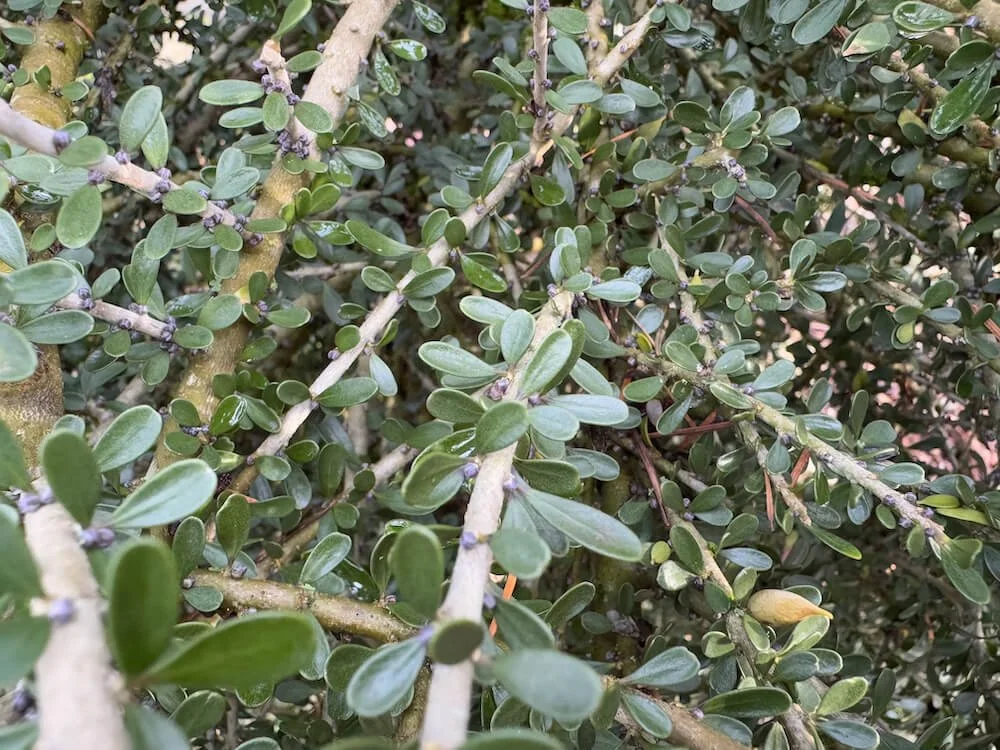
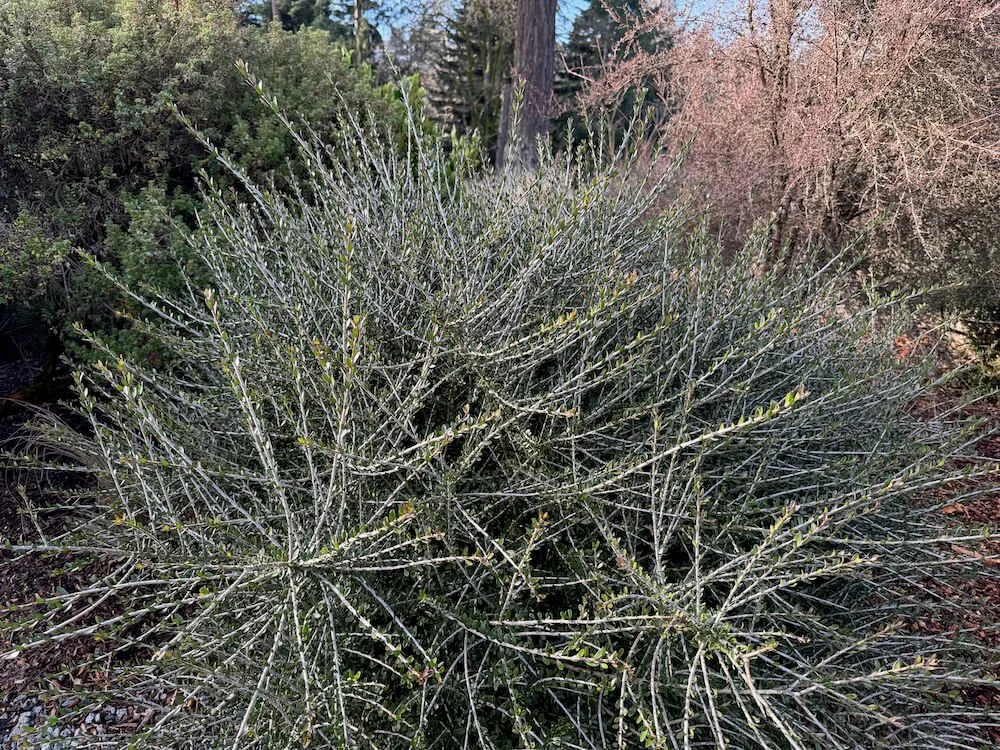
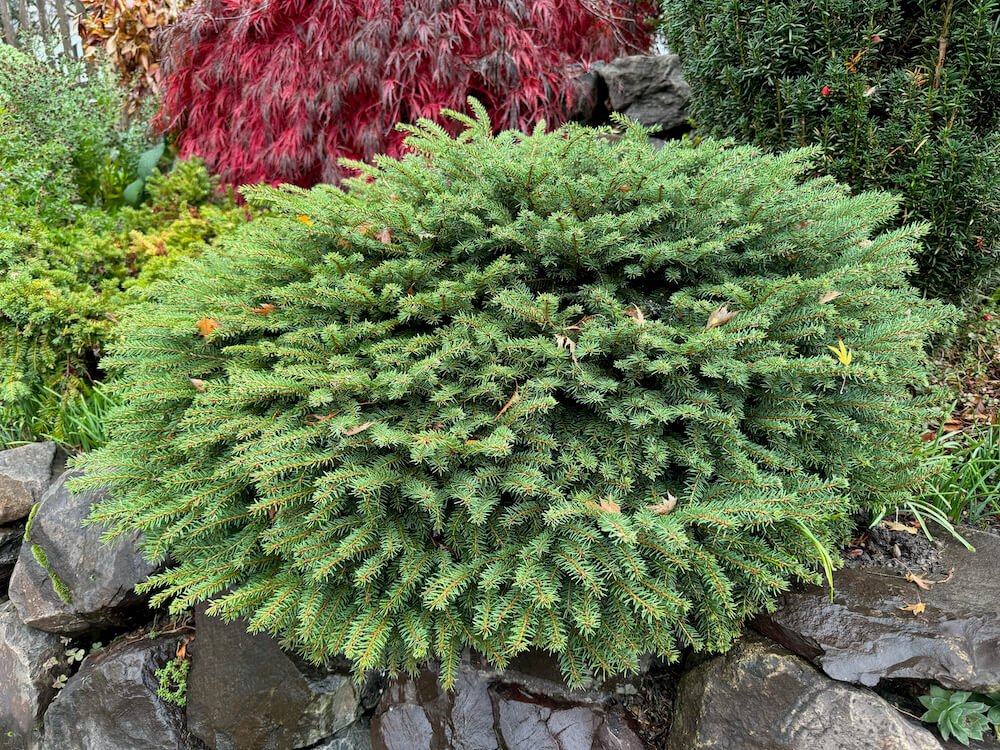
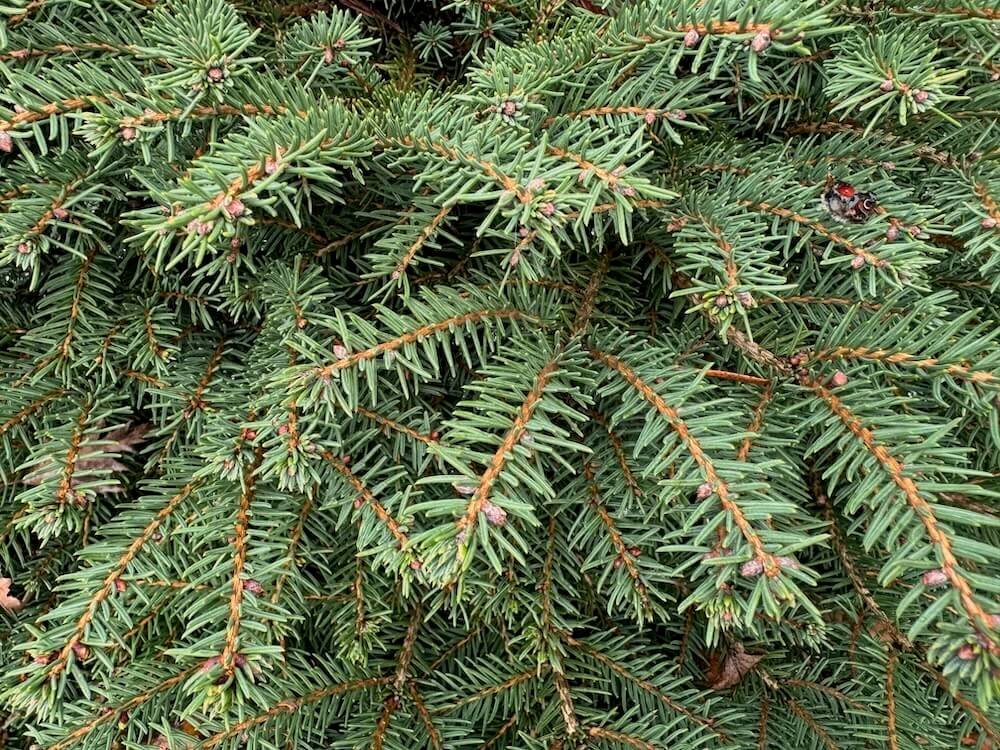
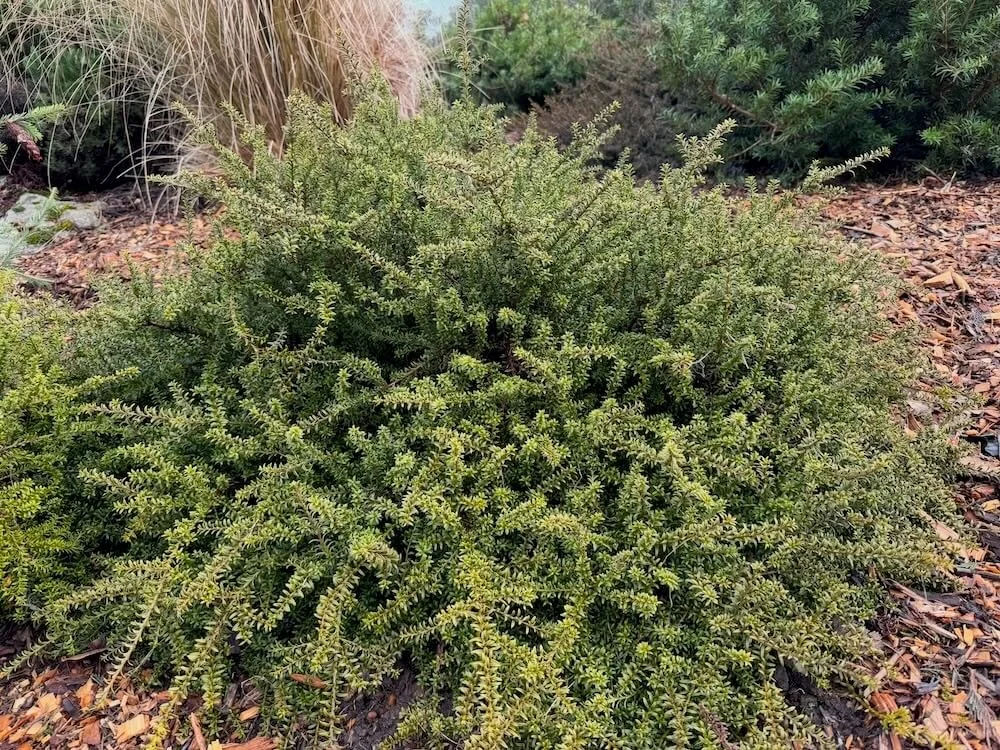
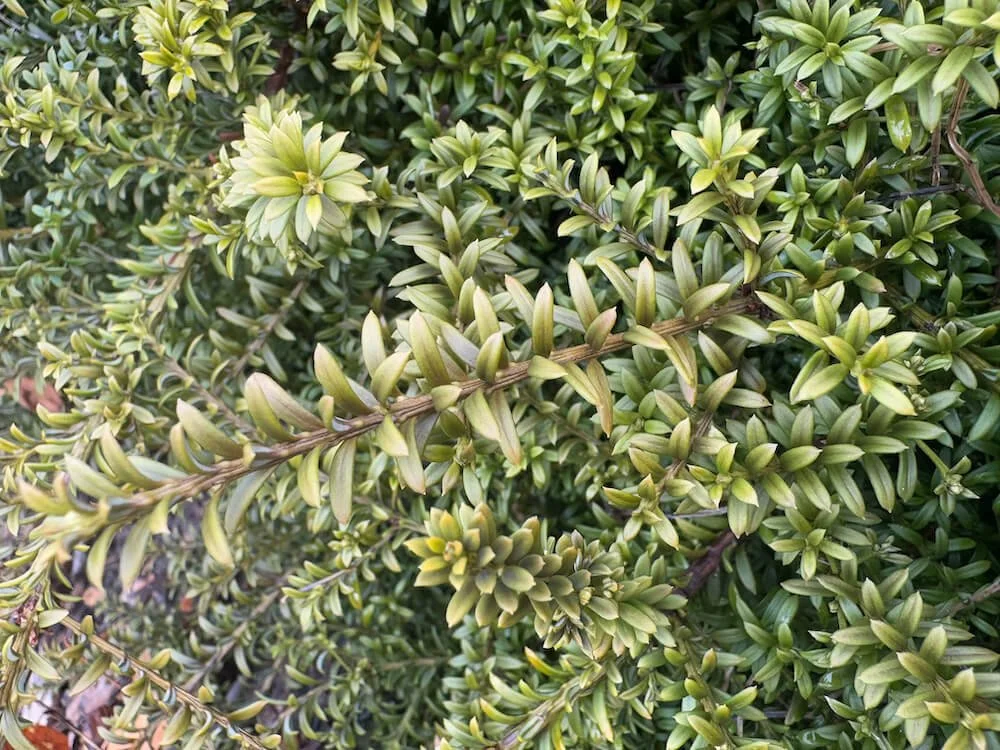
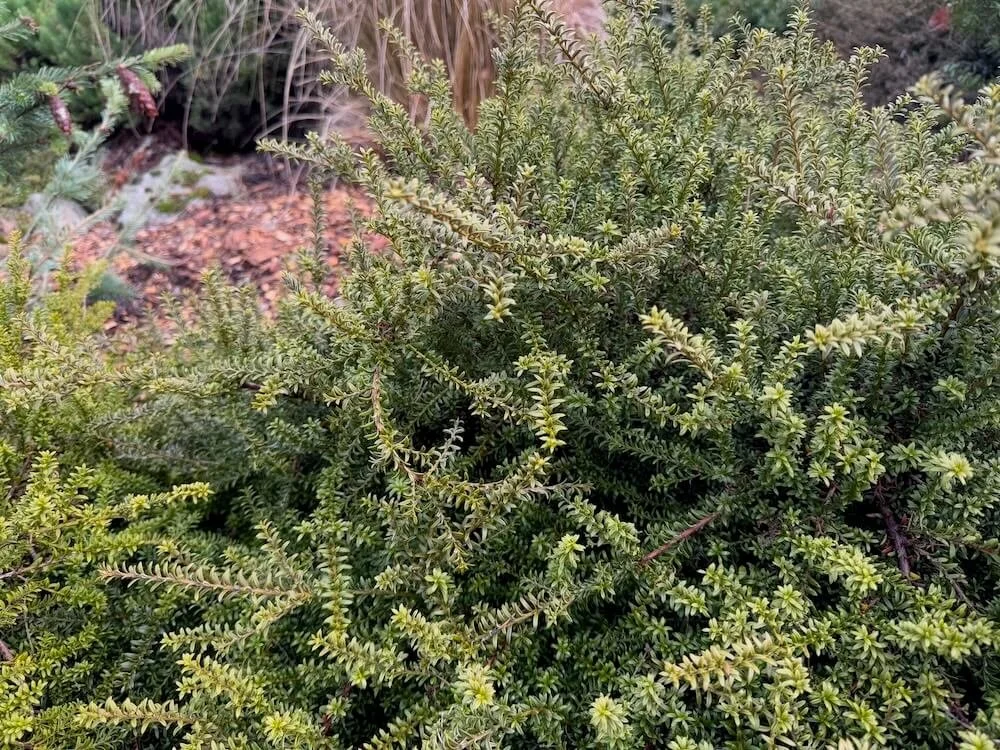
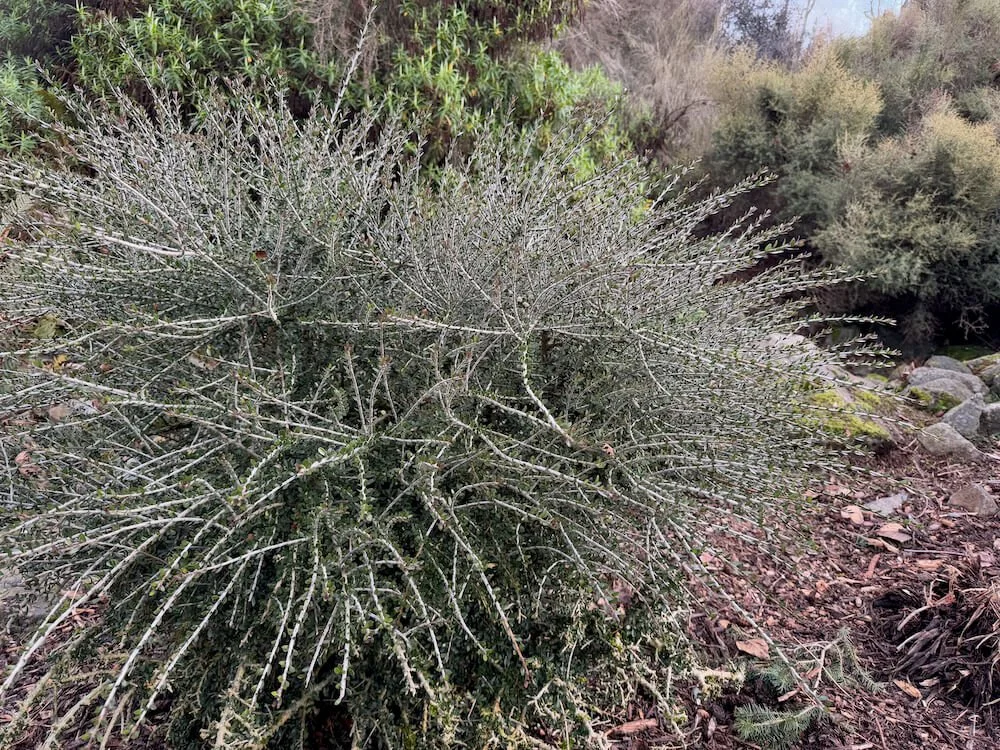
Melicytus crassifolius produces small greenish-yellow flowers in late spring, the modest blooms appearing close along the slender stems. The blossoms are followed by pale berries that develop later in the season. Thick, rounded leaves grow sparsely along the branches, displaying gray-green tones and a leathery texture. The compact foliage and rigid branching create an open, sculptural framework that remains visible throughout the year.

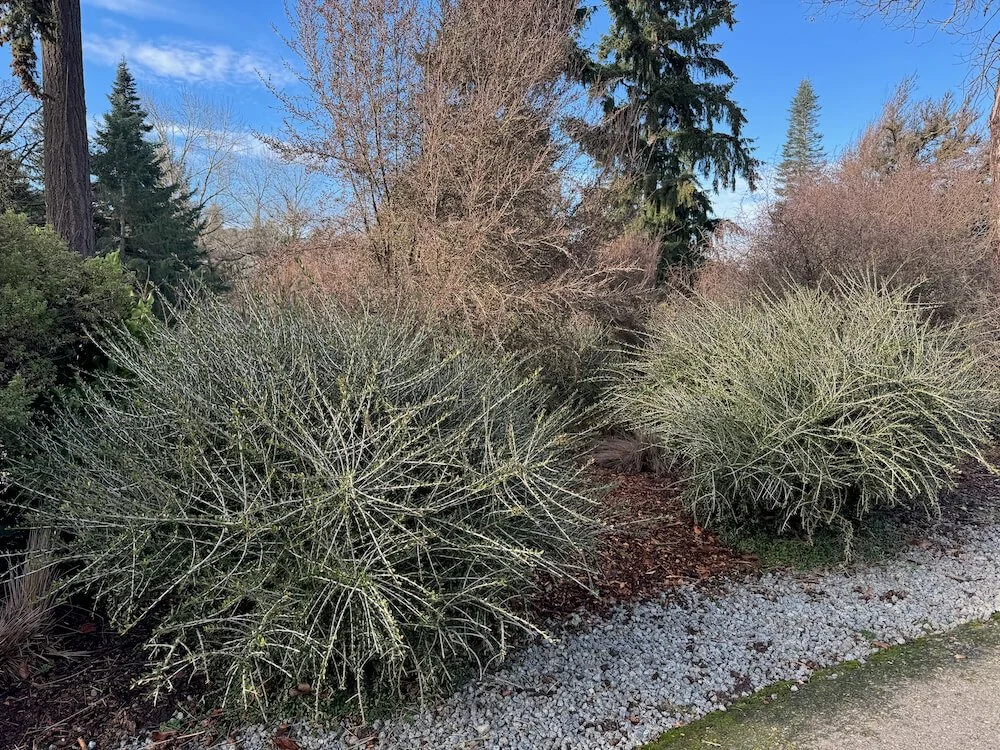
Native to New Zealand, Melicytus crassifolius grows naturally in coastal and rocky habitats. In gardens it contributes architectural form to borders, gravel gardens, and dry landscapes where the unusual branching and small leaves add texture and visual interest.

DESCRIPTION
Melicytus crassifolius produces small greenish-yellow flowers in late spring, the modest blooms appearing close along the slender stems. The blossoms are followed by pale berries that develop later in the season. Thick, rounded leaves grow sparsely along the branches, displaying gray-green tones and a leathery texture. The compact foliage and rigid branching create an open, sculptural framework that remains visible throughout the year.

Native to New Zealand, Melicytus crassifolius grows naturally in coastal and rocky habitats. In gardens it contributes architectural form to borders, gravel gardens, and dry landscapes where the unusual branching and small leaves add texture and visual interest.

 
  • Family: Violaceae
    Height: 8 to 12 feet
    Width: 6 to 10 feet
    Foliage color: Small gray green oval leaves sparsely arranged along distinctive zigzagging dark gray to black branches
    Flower color: Tiny pale green to yellow green flowers often inconspicuous
    Bloom time: Late spring, often May to June
    Light requirements: Full sun to light partial shade
    Water requirements: Low
    Maintenance: Low; prune lightly to maintain shape and remove dead or crossing branches
    Growing zone: USDA zones 8 to 10
    Wildlife attractors: Birds that feed on the small white to pale purple berries

    This plant can be seen at the Washington Park Arboretum.
    Print Information

    Buy Plants