Photinia × fraseri | Red Tip Photinia

$0.00

DESCRIPTION
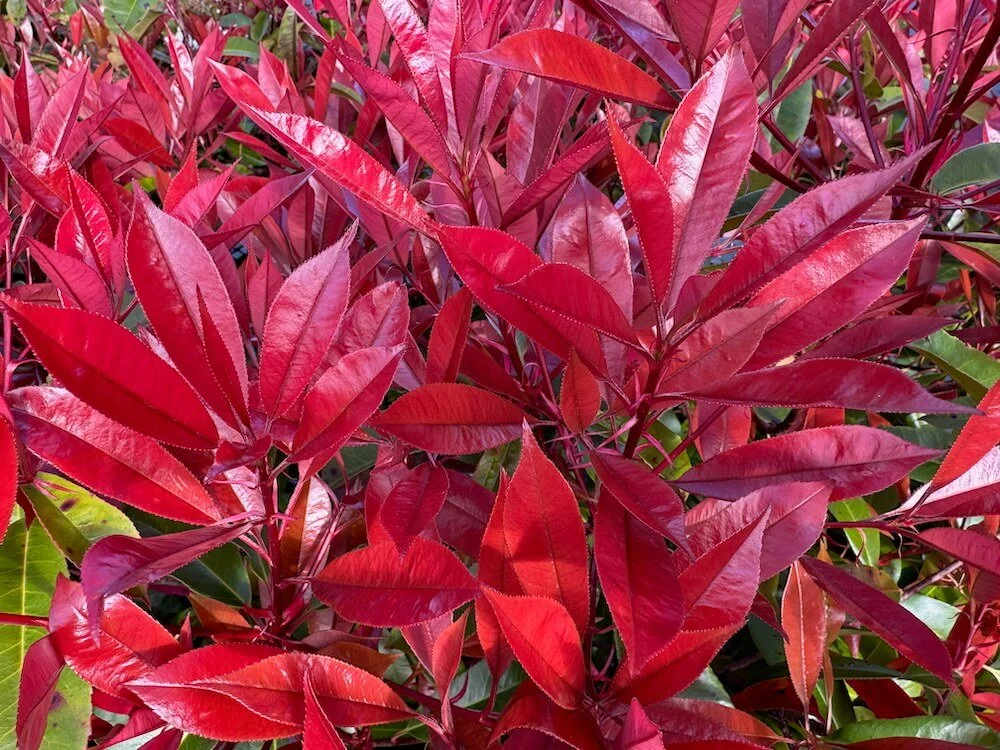
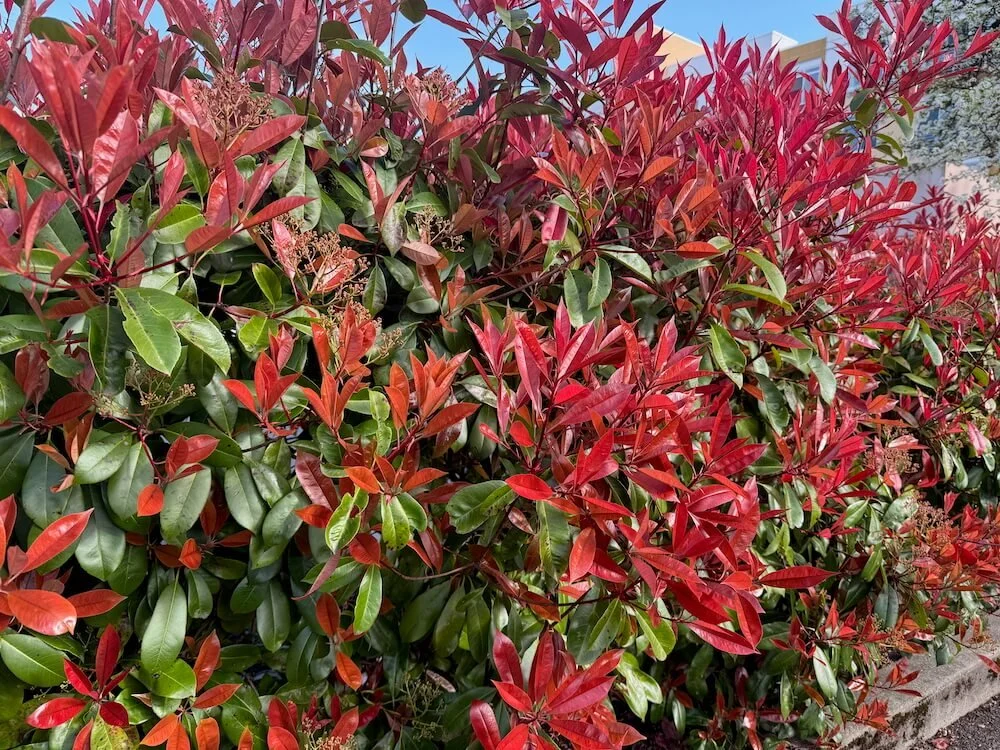
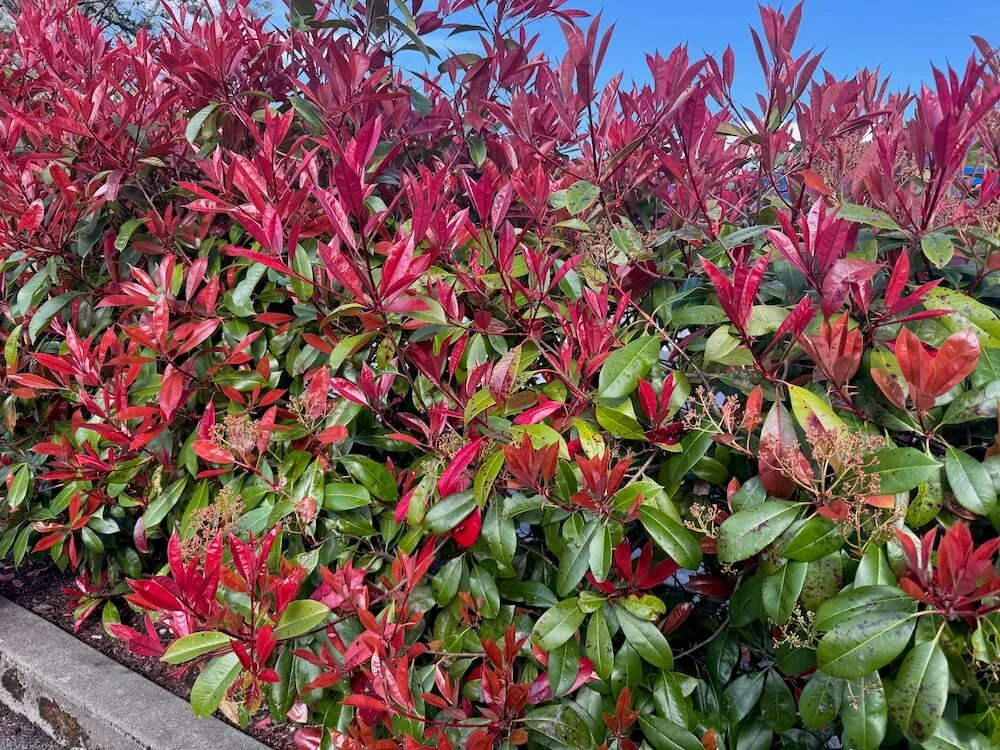
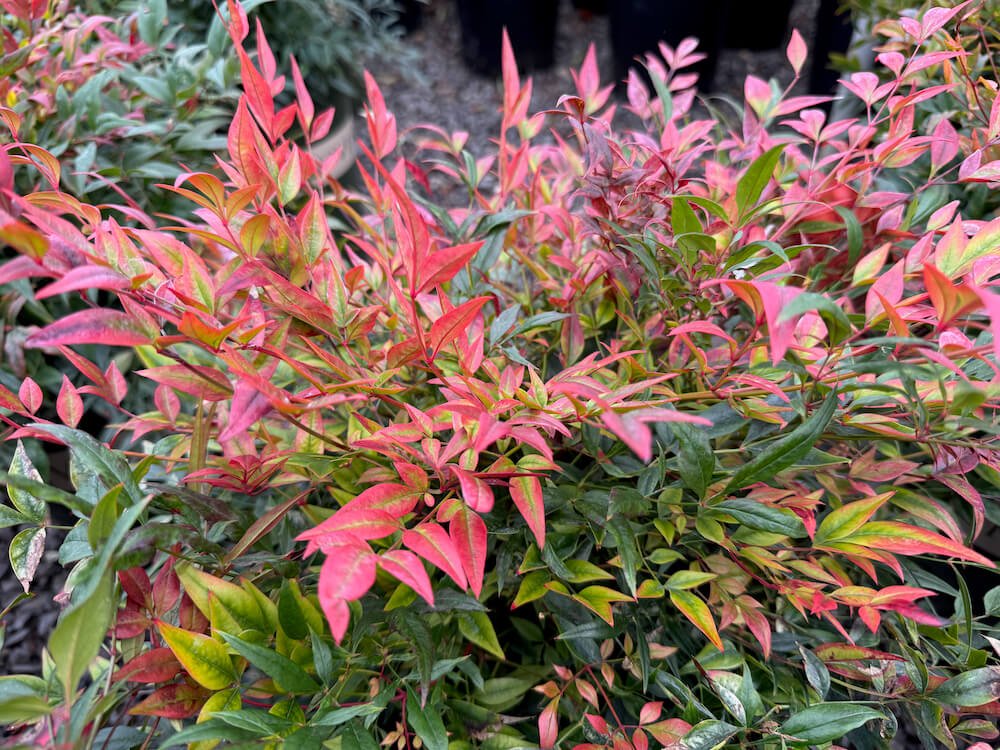
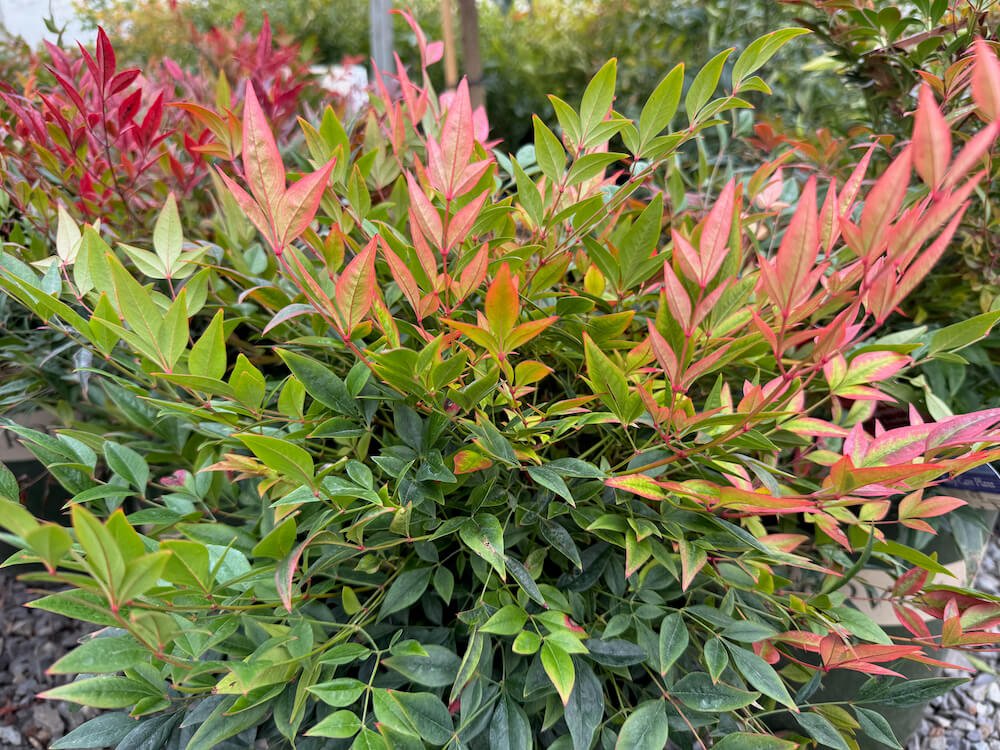
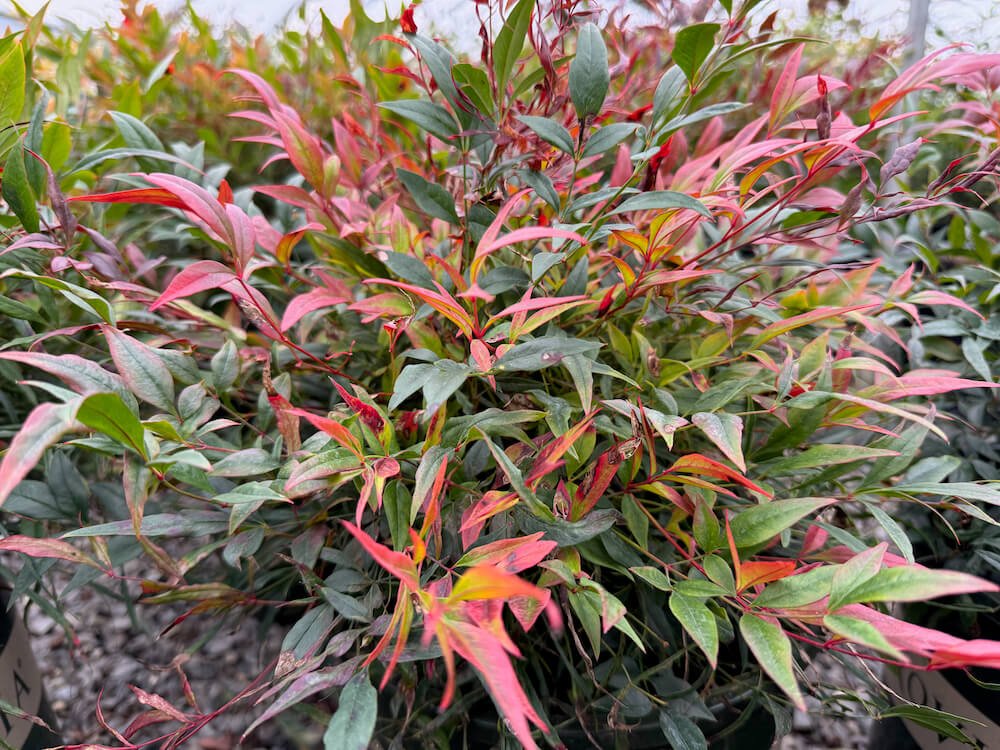
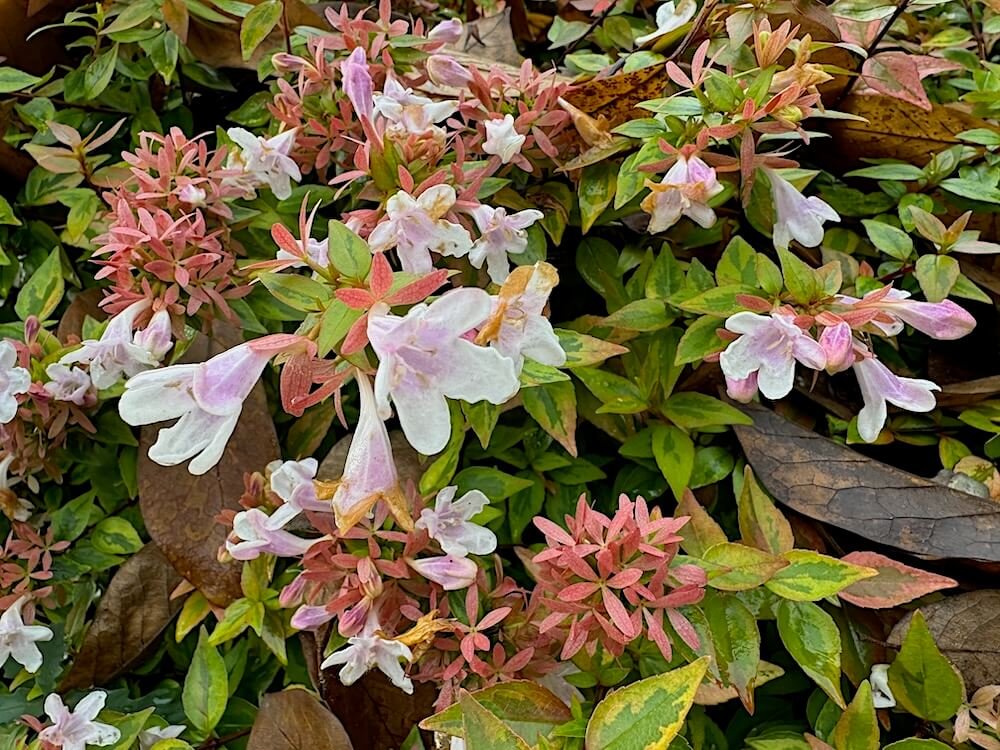
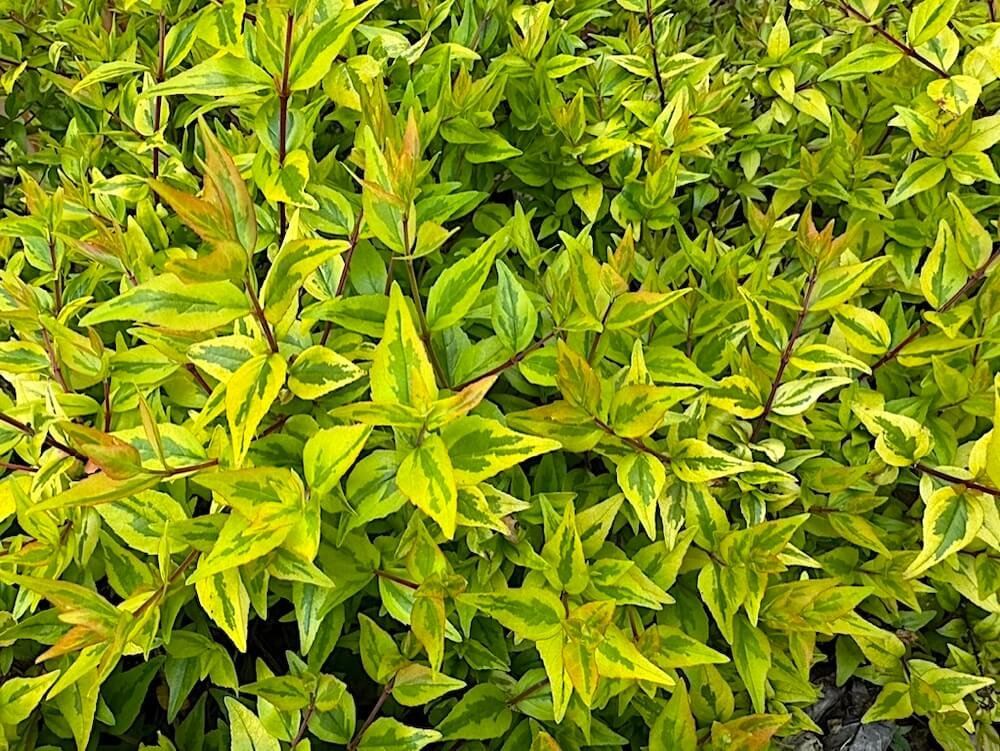
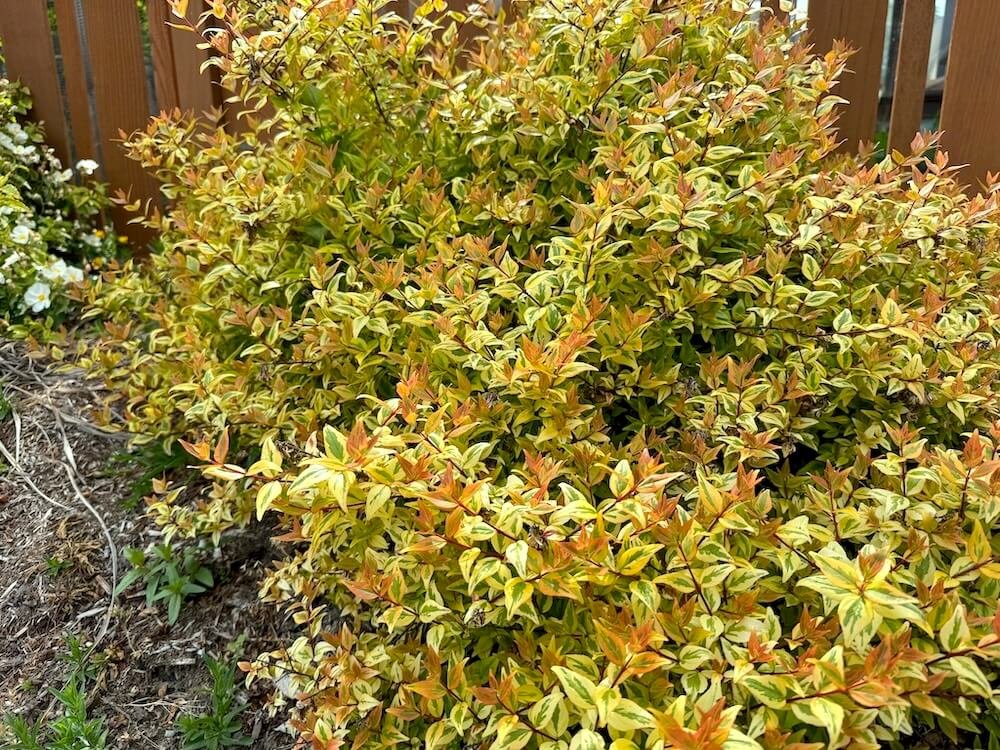
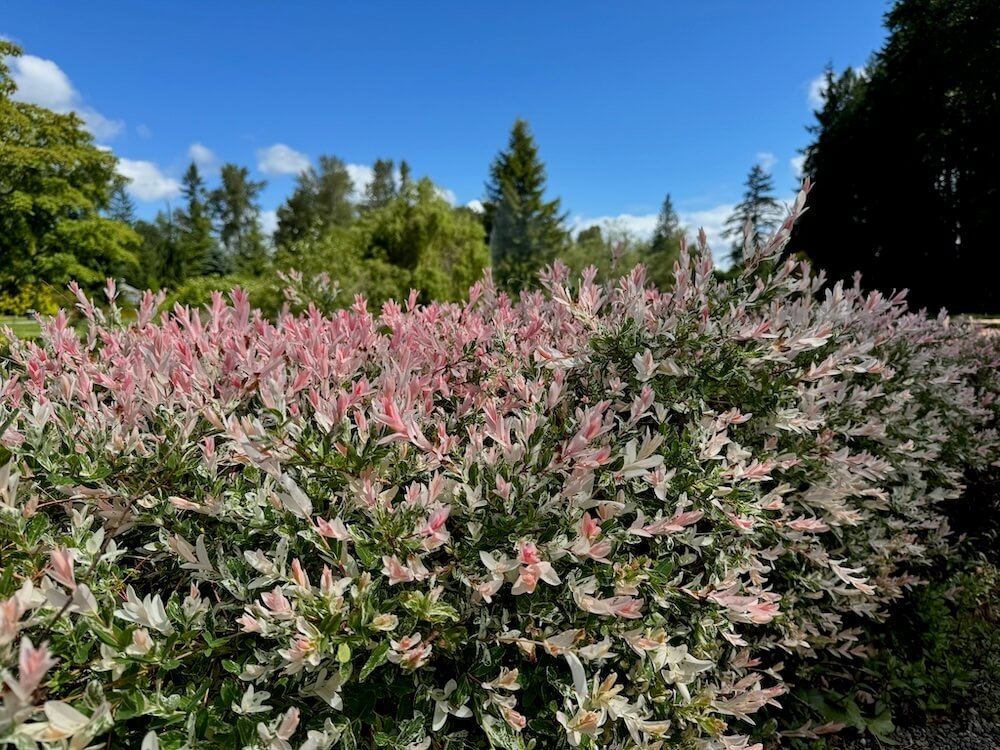
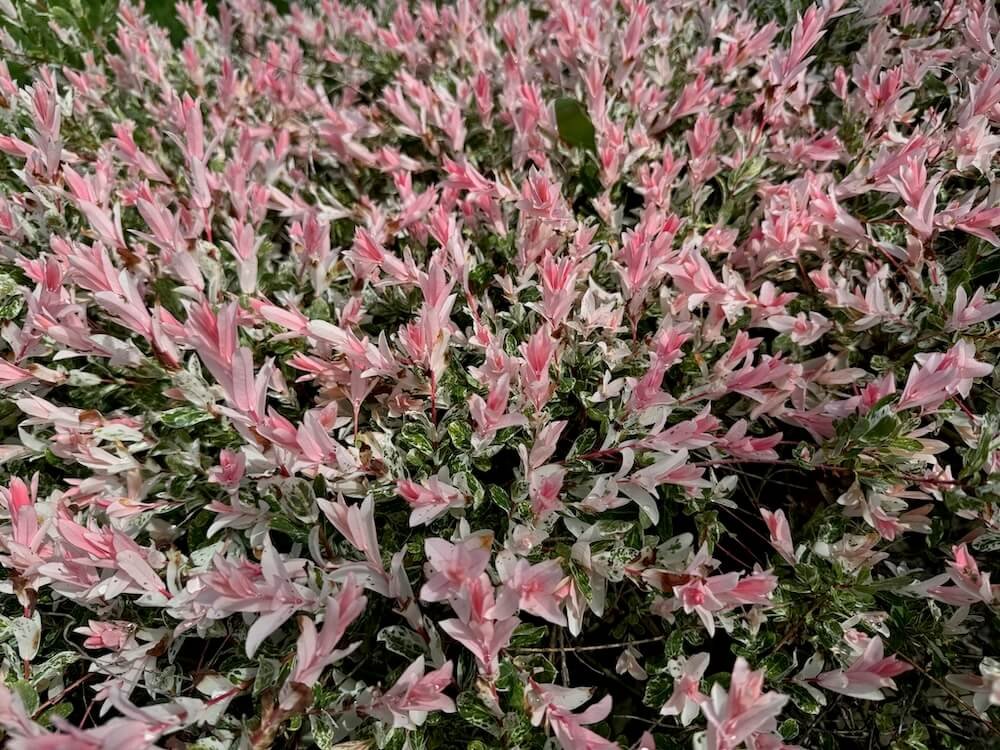
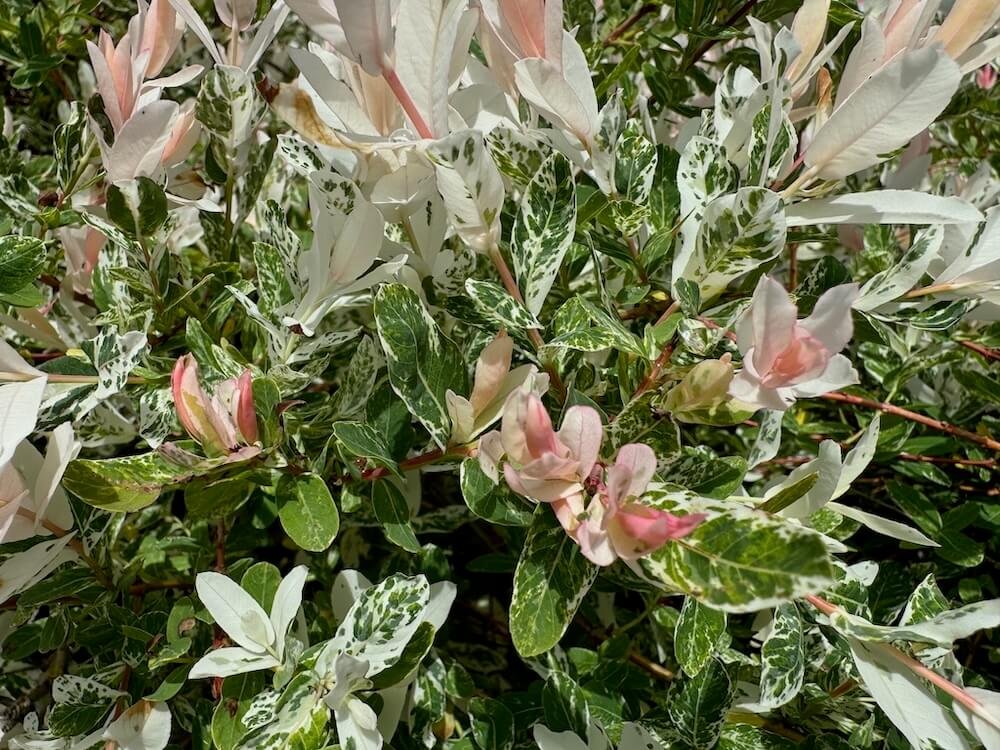
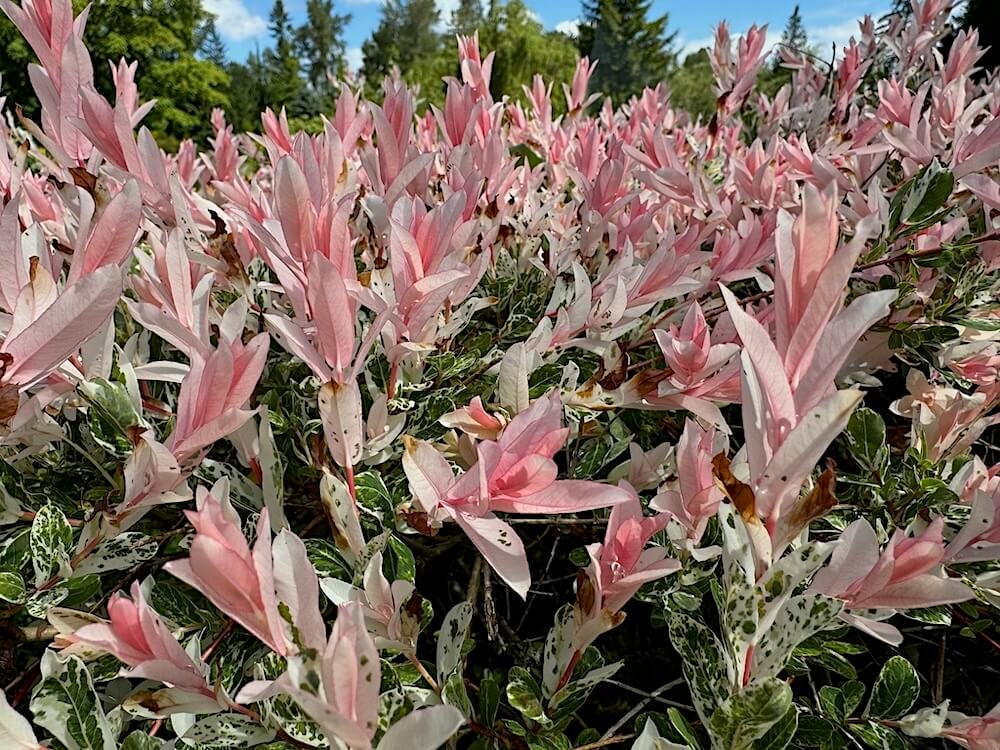
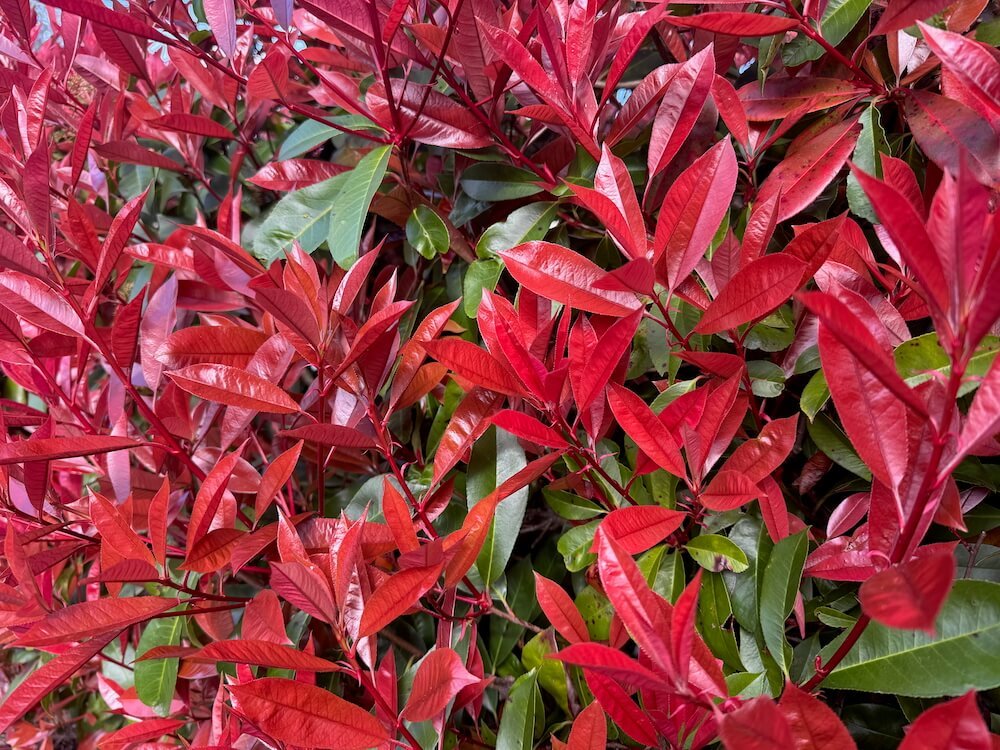
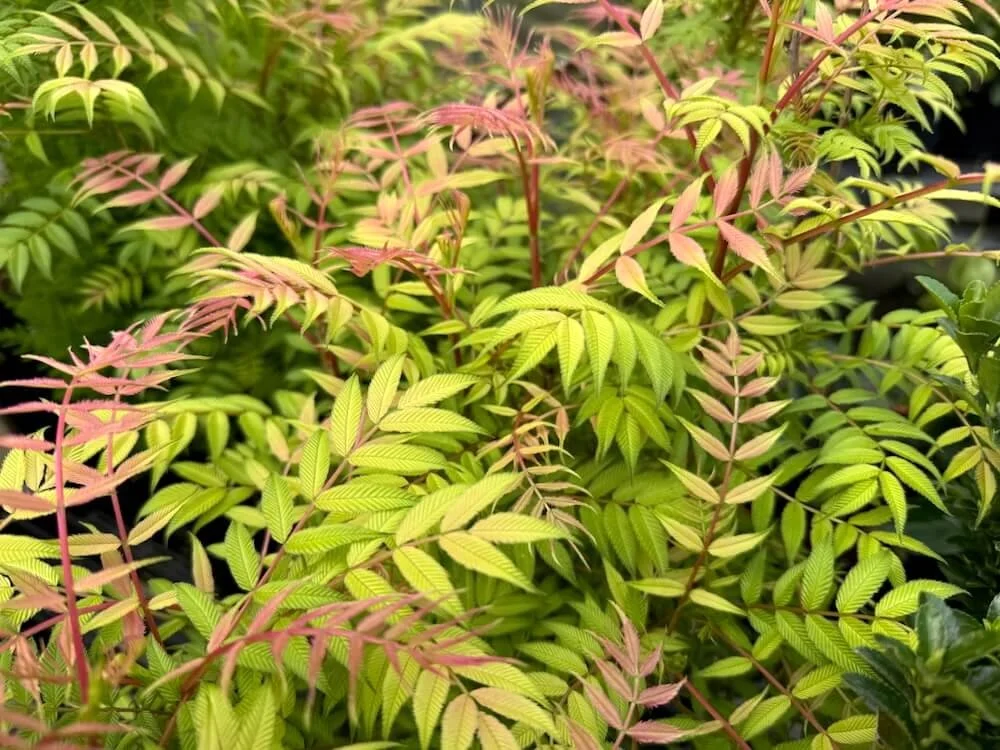
Photinia × fraseri produces clusters of small white flowers in mid to late spring, the blossoms forming rounded heads along the branch tips. The blooms appear above glossy evergreen foliage that emerges bright red before maturing to deep green. New growth often continues to flush with red tones during the growing season, creating layers of color across the plant. Oval leaves with finely serrated edges form a dense canopy along the stems.

This hybrid originated from a cross between Photinia glabra and Photinia serratifolia, both native to eastern Asia. In gardens it provides evergreen structure for hedges, borders, and screening where the colorful new growth and spring flowers add seasonal interest.

DESCRIPTION
Photinia × fraseri produces clusters of small white flowers in mid to late spring, the blossoms forming rounded heads along the branch tips. The blooms appear above glossy evergreen foliage that emerges bright red before maturing to deep green. New growth often continues to flush with red tones during the growing season, creating layers of color across the plant. Oval leaves with finely serrated edges form a dense canopy along the stems.

This hybrid originated from a cross between Photinia glabra and Photinia serratifolia, both native to eastern Asia. In gardens it provides evergreen structure for hedges, borders, and screening where the colorful new growth and spring flowers add seasonal interest.

 
  • Family: Rosaceae
    Height: 10 to 15 feet
    Width: 8 to 12 feet
    Foliage color: Glossy dark green leaves with bright red new growth maturing to deep green
    Flower color: Small creamy white flowers borne in large flat-topped clusters
    Bloom time: Mid spring, often April to May
    Light requirements: Full sun to partial shade
    Water requirements: Average well drained soil
    Maintenance: Moderate; prune after flowering to control size and promote fresh red growth while improving air circulation to reduce leaf spot
    Growing zone: USDA zones 7 to 9
    Wildlife attractors: Bees, butterflies and birds that feed on the small red berries
    Print Information

    Buy Plants