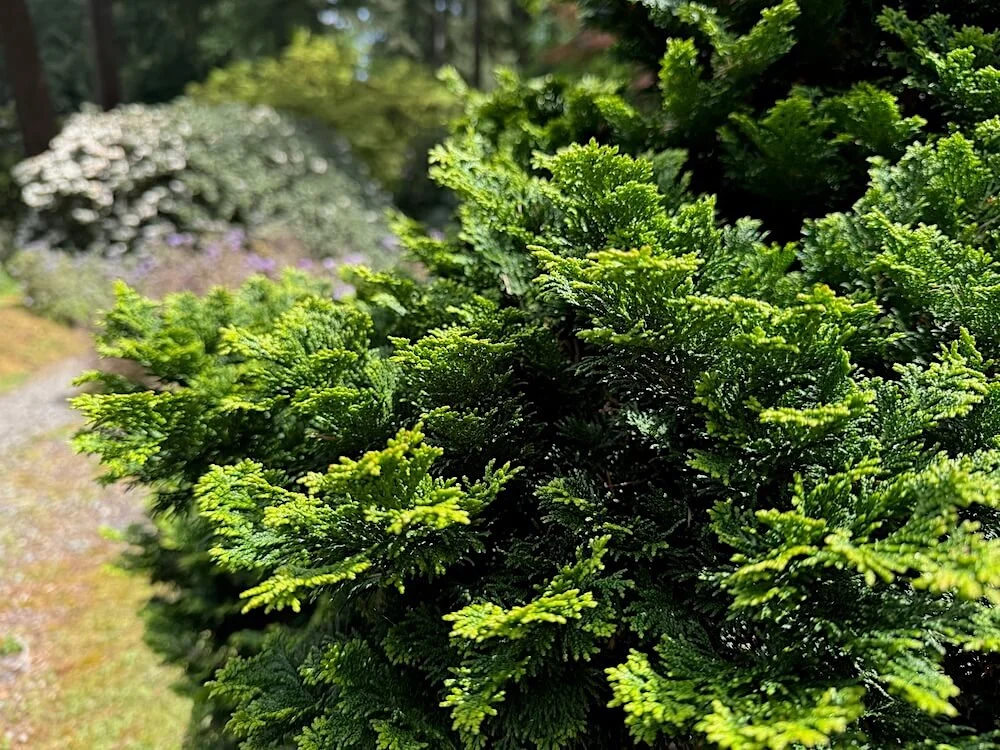
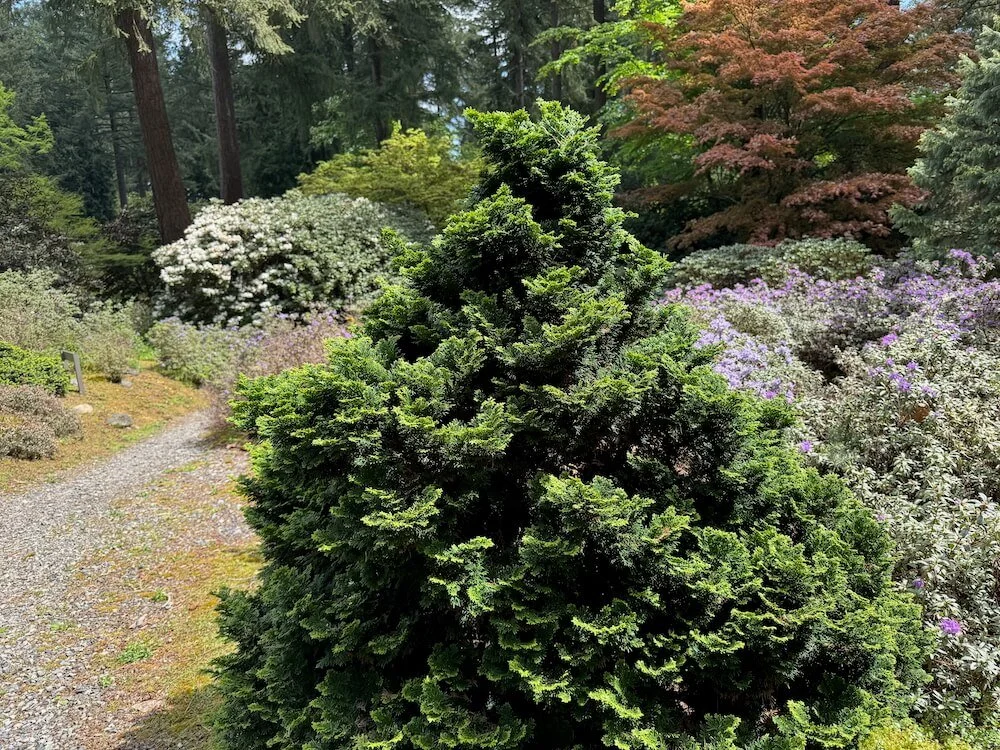
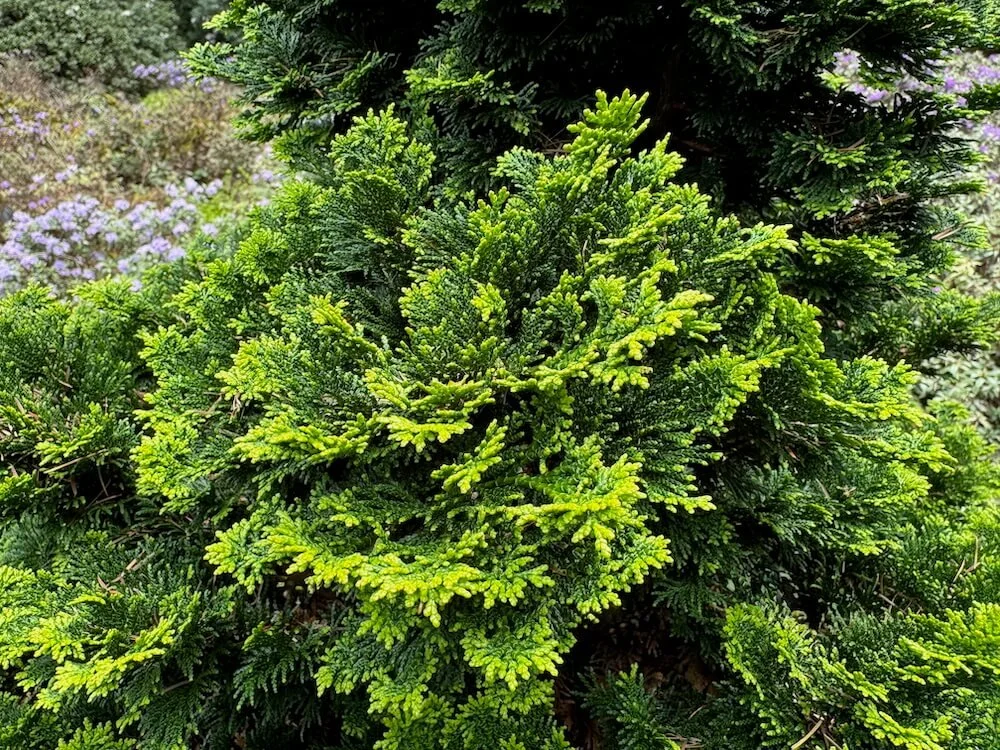
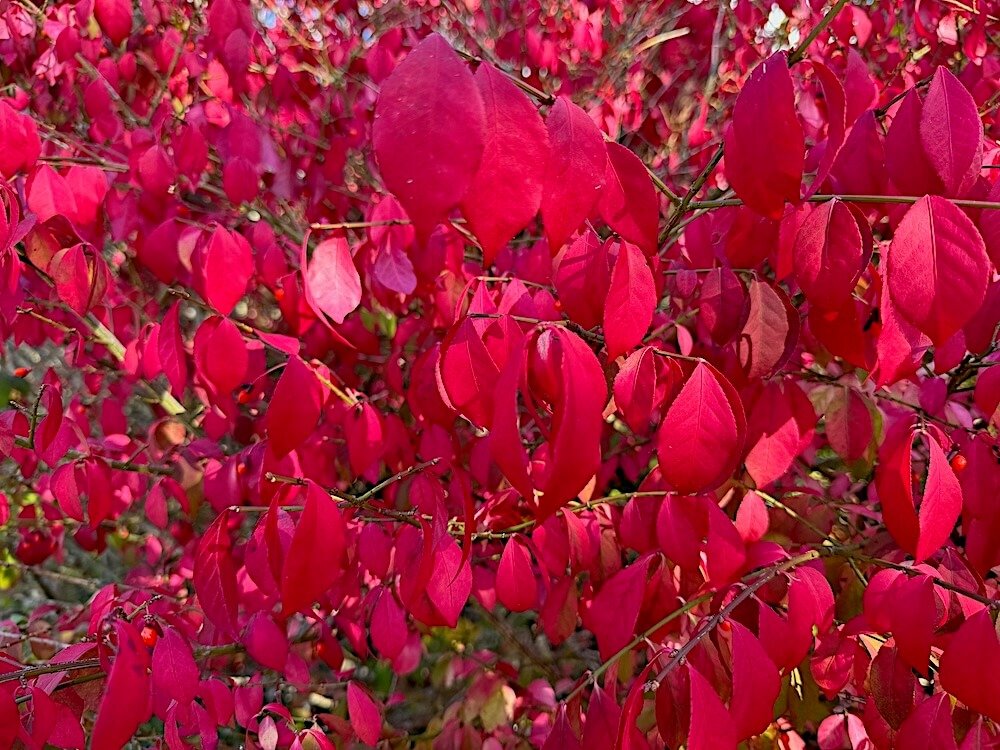
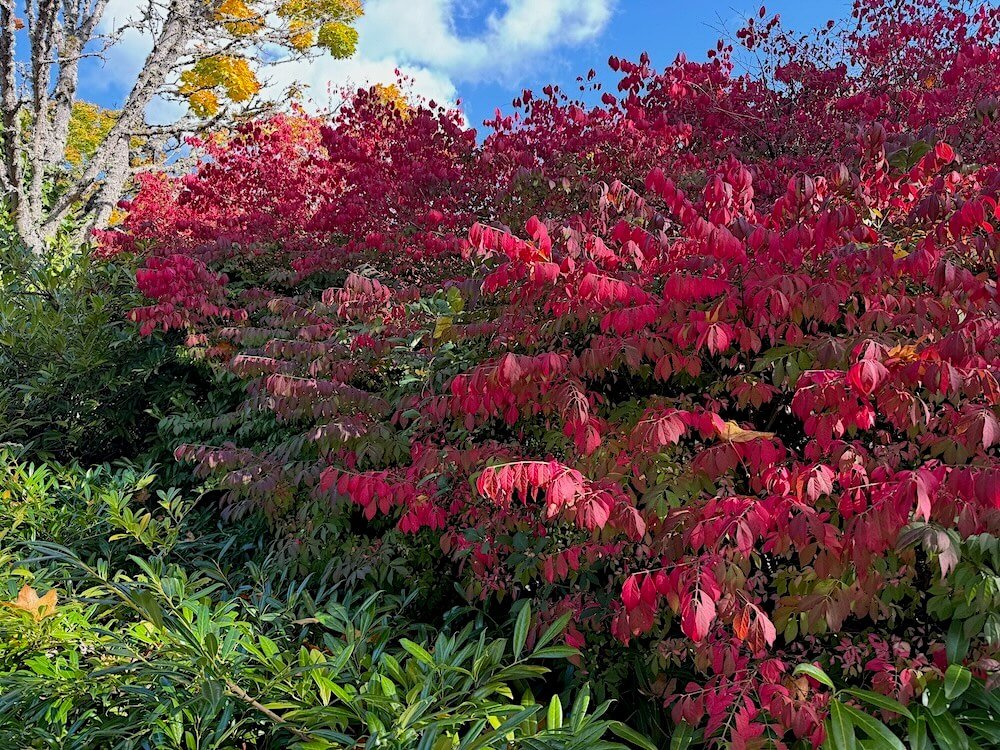
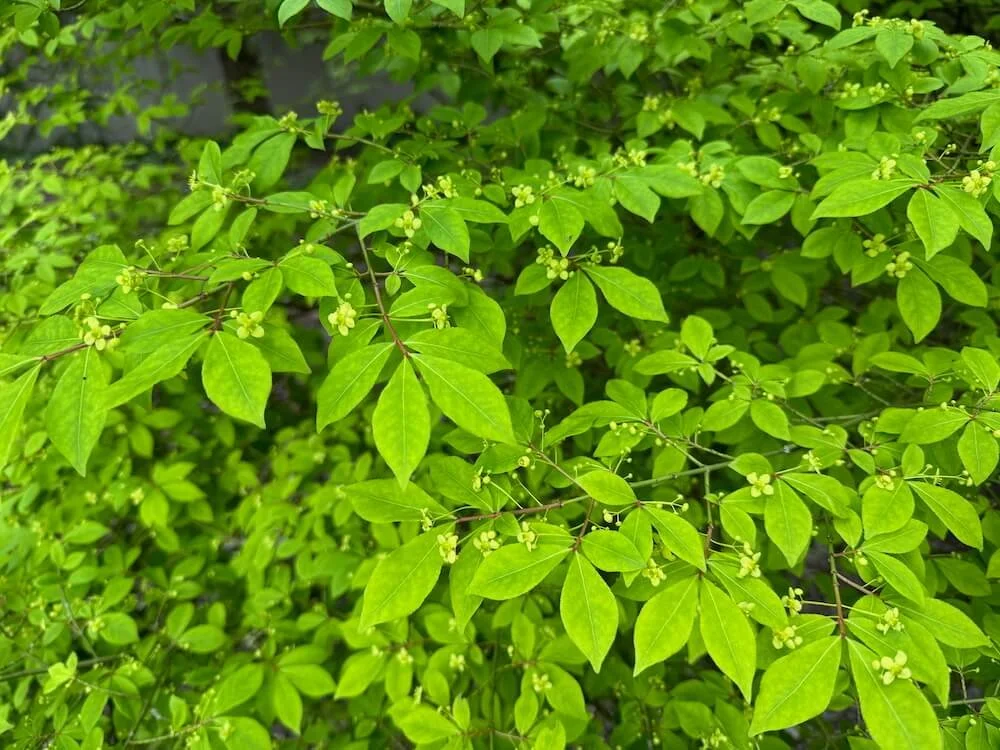
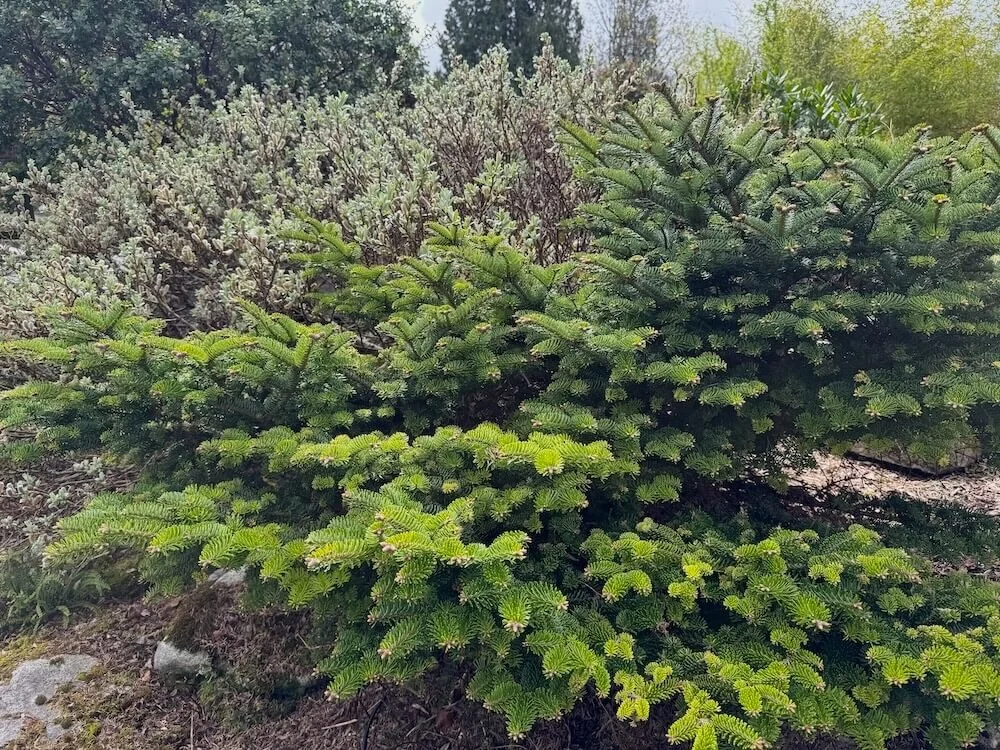
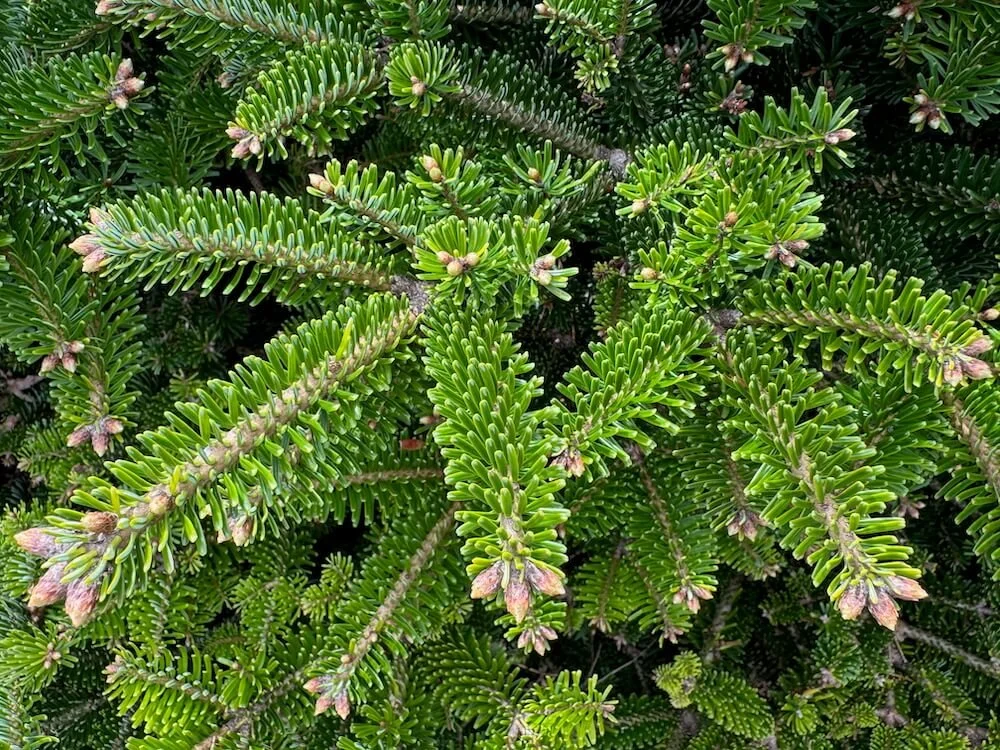
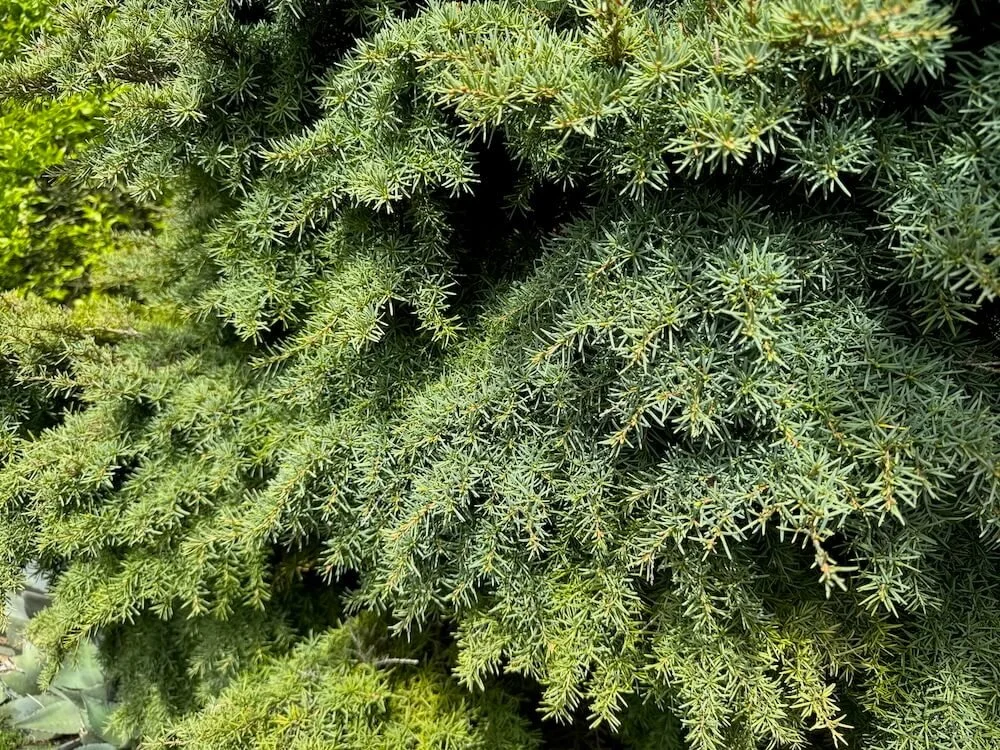
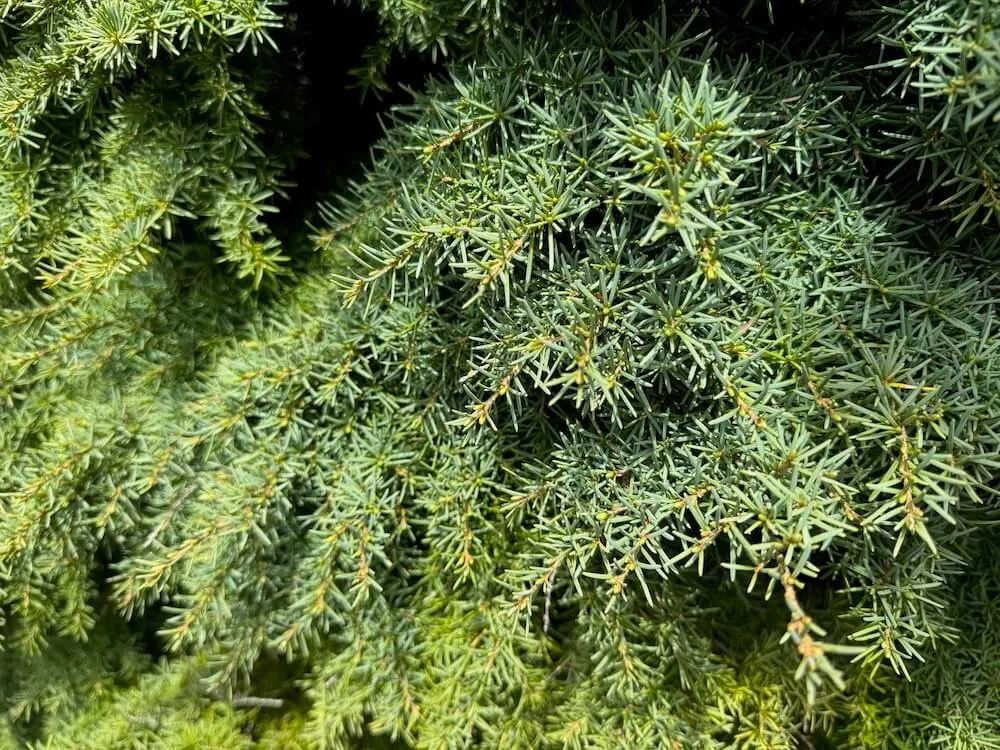
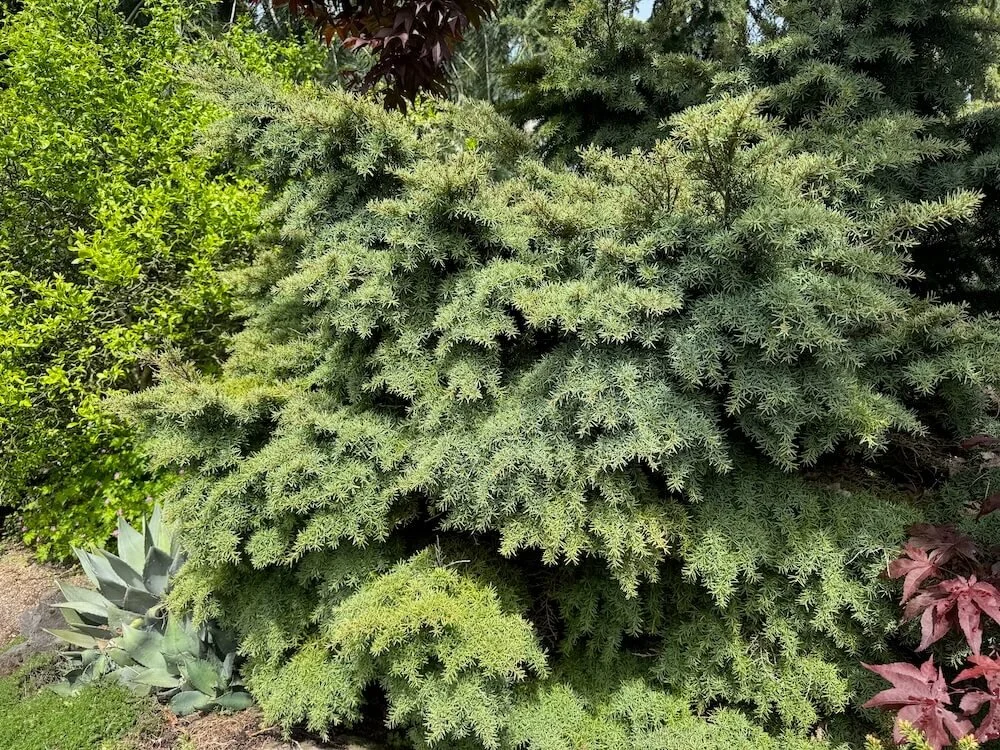
 Image 1 of 3
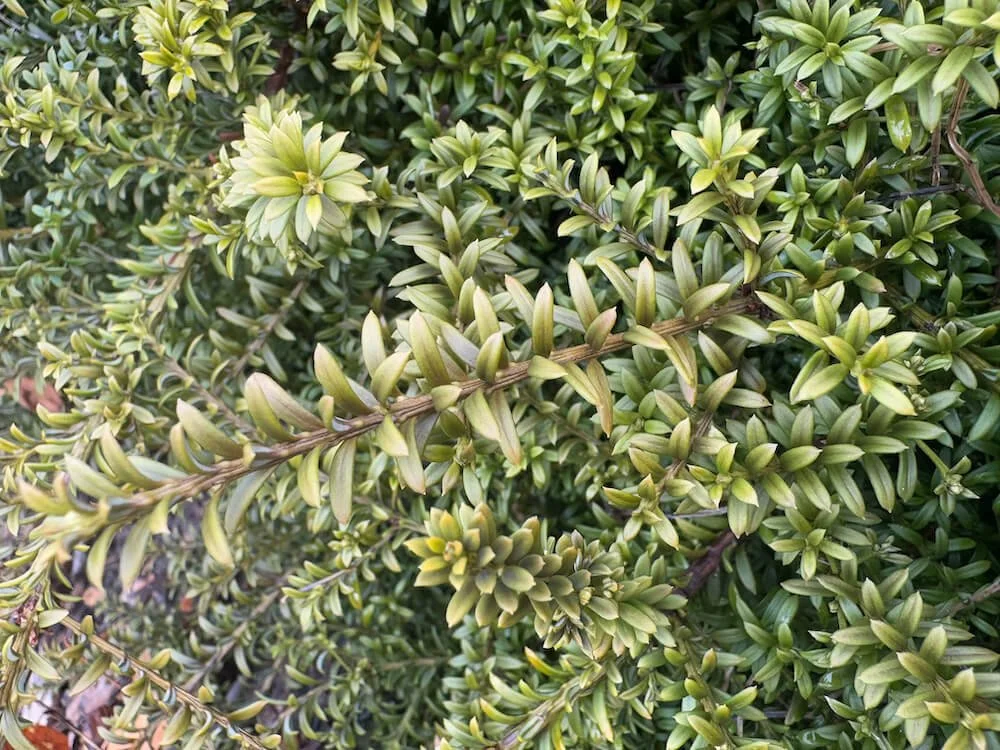 Image 2 of 3
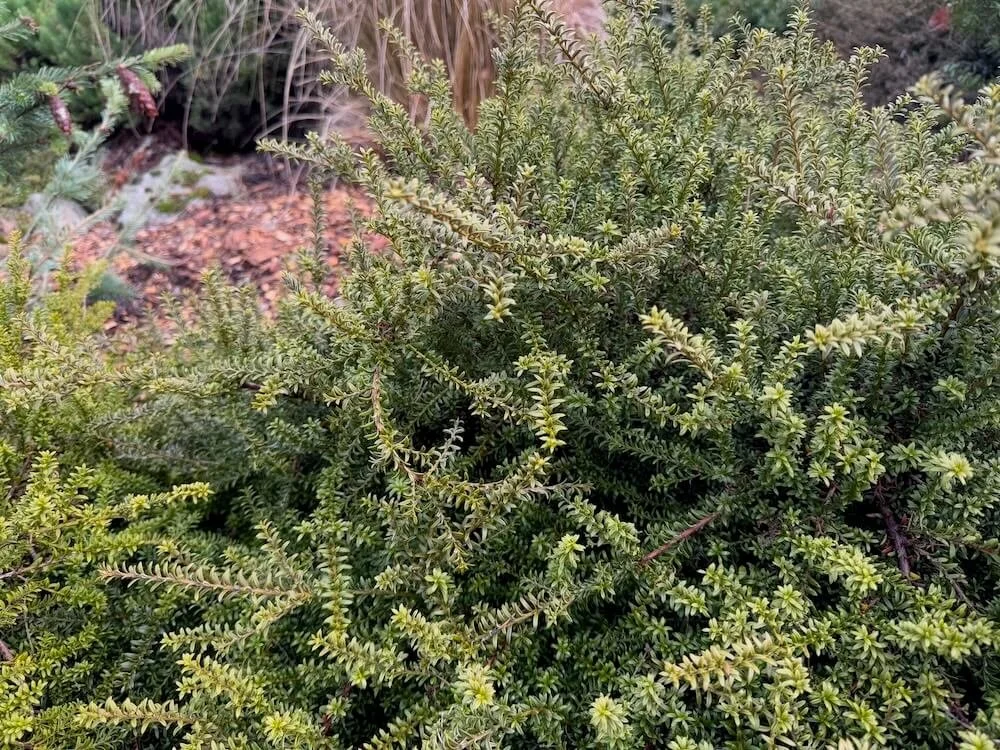 Image 3 of 3
-
Family: Podocarpaceae
Height: 6 to 30 in
Width: 4 to 10 ft
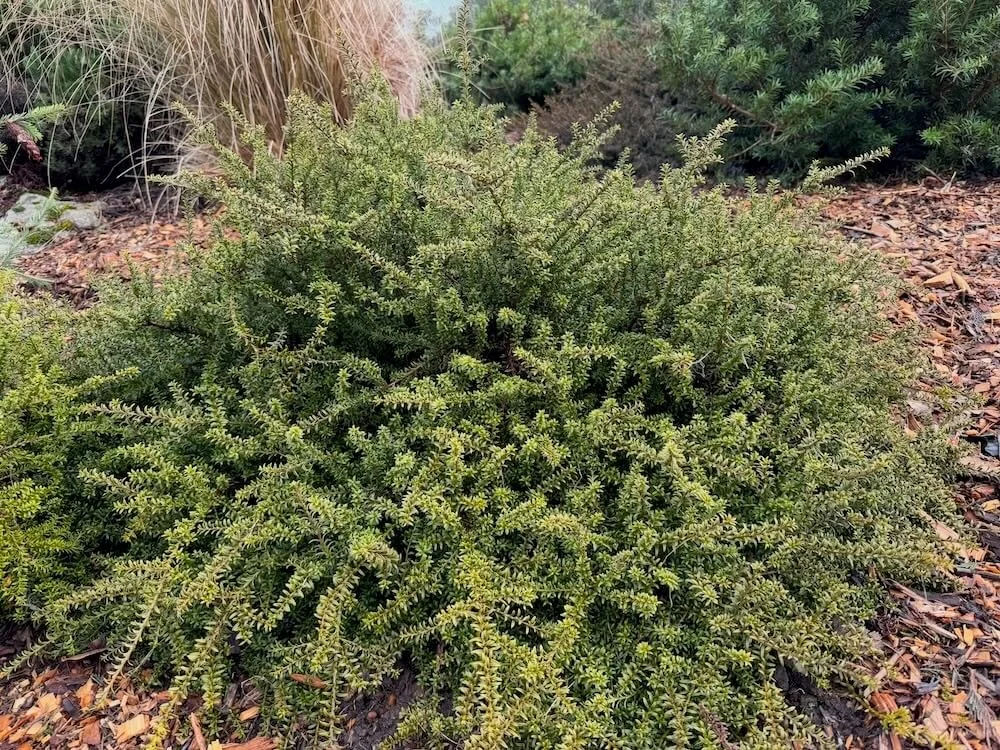
Foliage color: Dense, leathery evergreen leaves; olive to mid-green
Flower color: None; produces small cones, not flowers
Bloom (Cone) time: Spring; generally inconspicuous
Light requirements: Full sun to light shade
Water requirements: Moderate
Maintenance: Low; little or no pruning needed
Growing zone: USDA zones 7 to 9
Wildlife attractors: Dense foliage offers year-round shelter for small birds and wildlife; pollen and fleshy seed cones may provide food for some birds and small mammalsThis plant can be seen at the Washington Park Arboretum.
-
Works Well In:
● Sun Gardens
● Rock Gardens
● Slopes & Banks
● Bird GardensCompanion Plants:
Salvias Bottlebrush
Blazing star Maiden grass
Candytuft Daisy bushDesign Tip:
Snow totara looks especially attractive spilling over rocks or along a slope, where its low, spreading branches can soften hard edges. Its olive-green foliage develops bronze and reddish tones in colder weather, adding welcome color to the winter garden.