Rhododendron cilpinense | Cilpinense Rhododendron

$0.00

DESCRIPTION
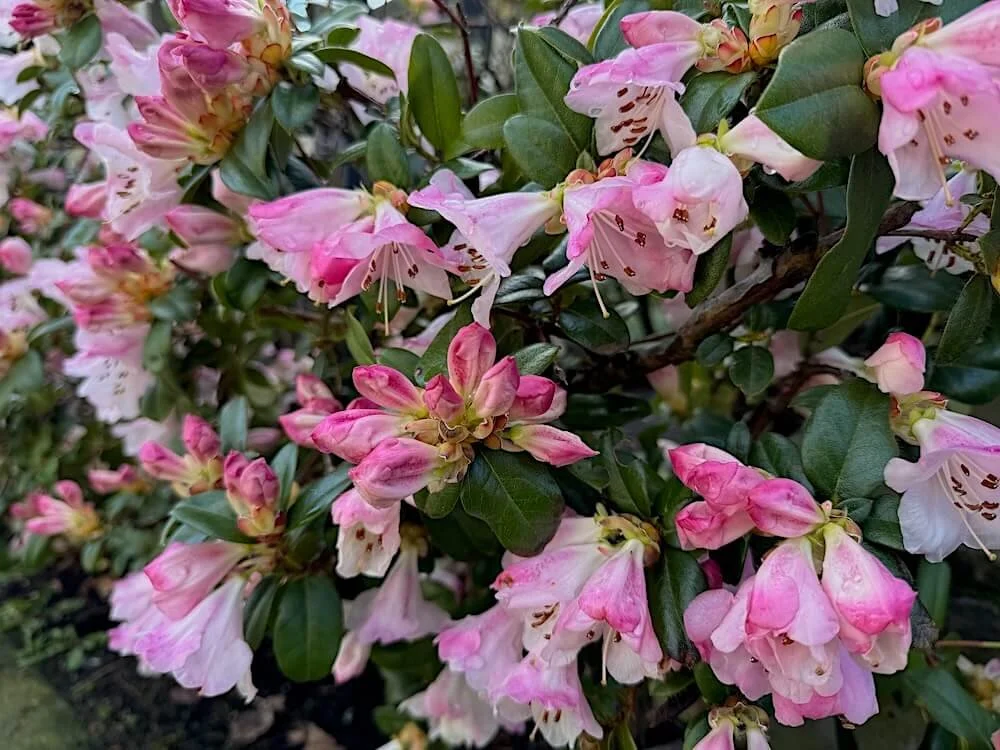
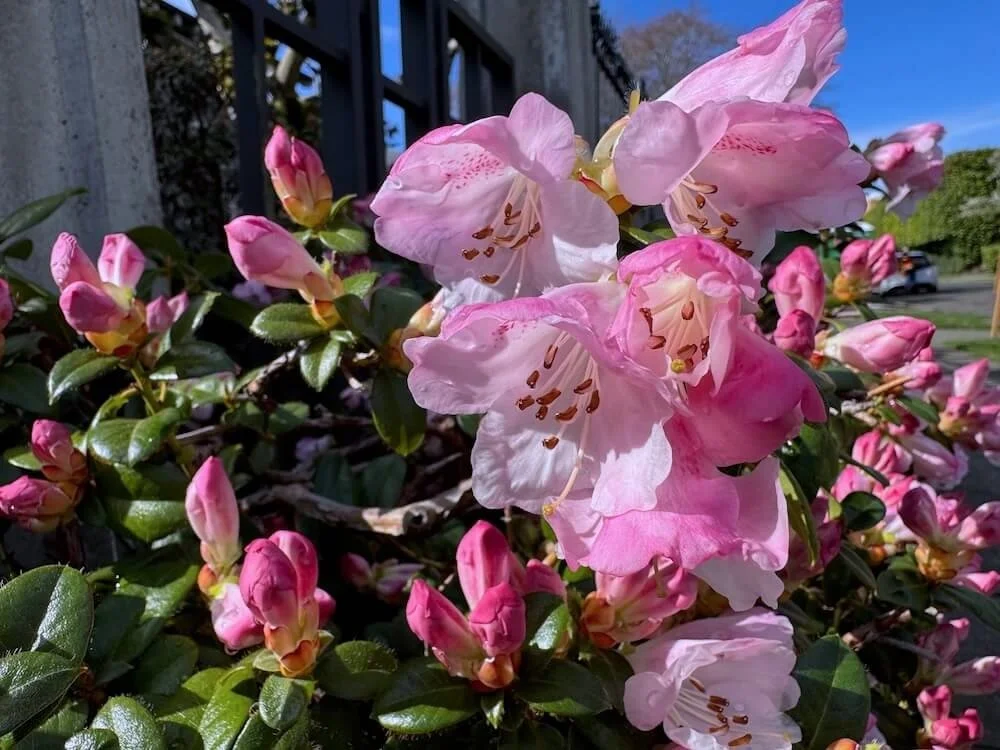
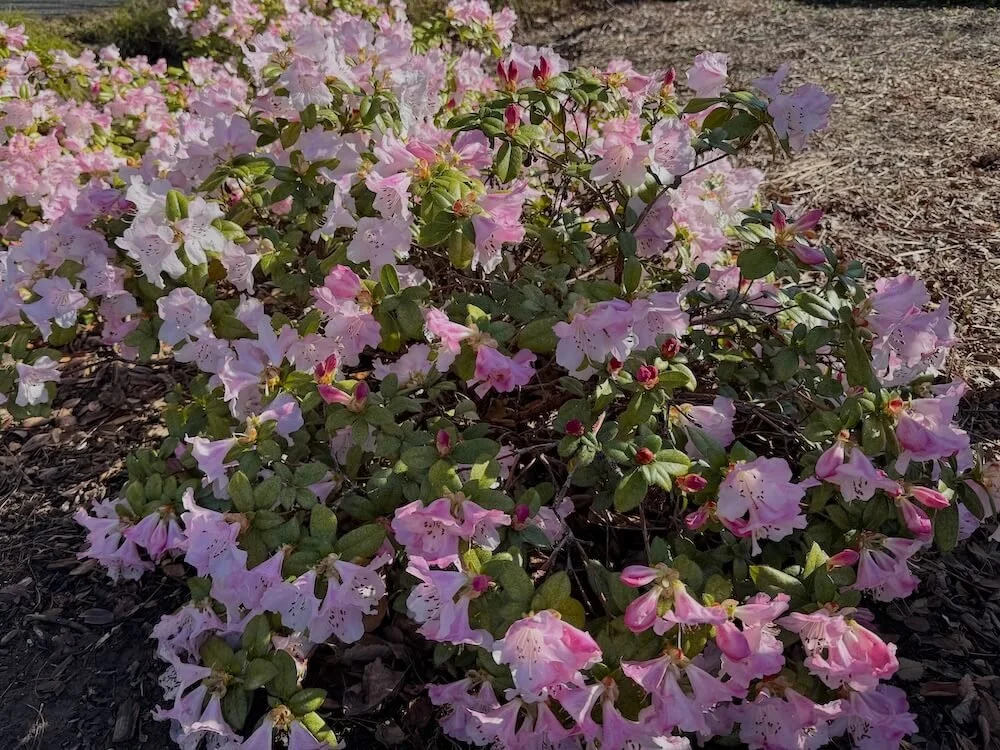
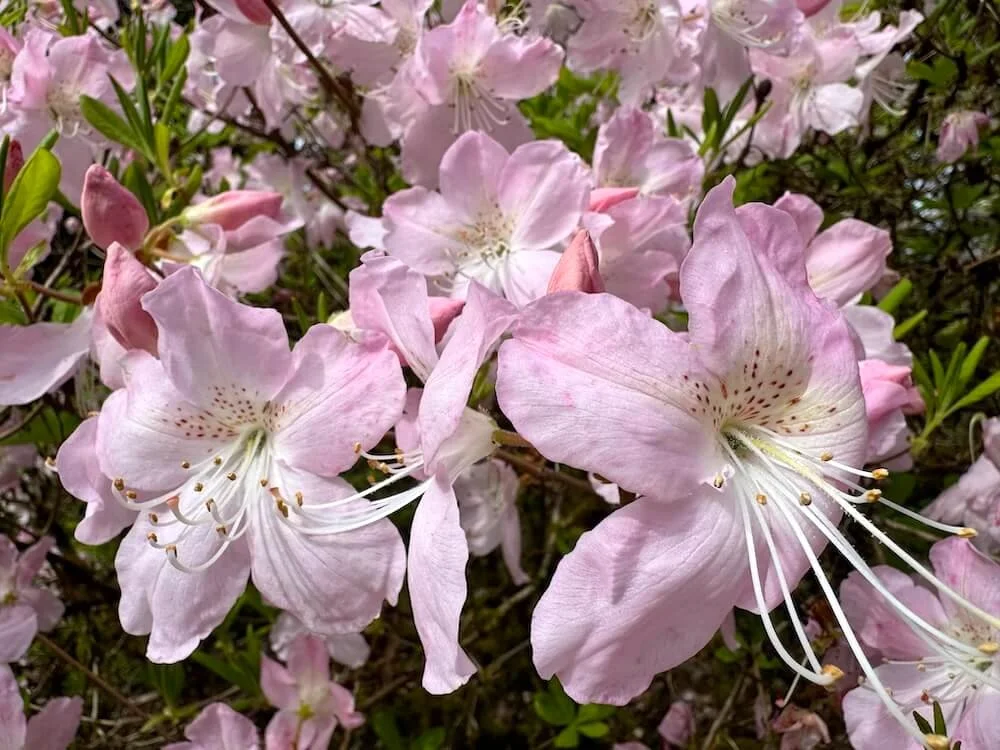
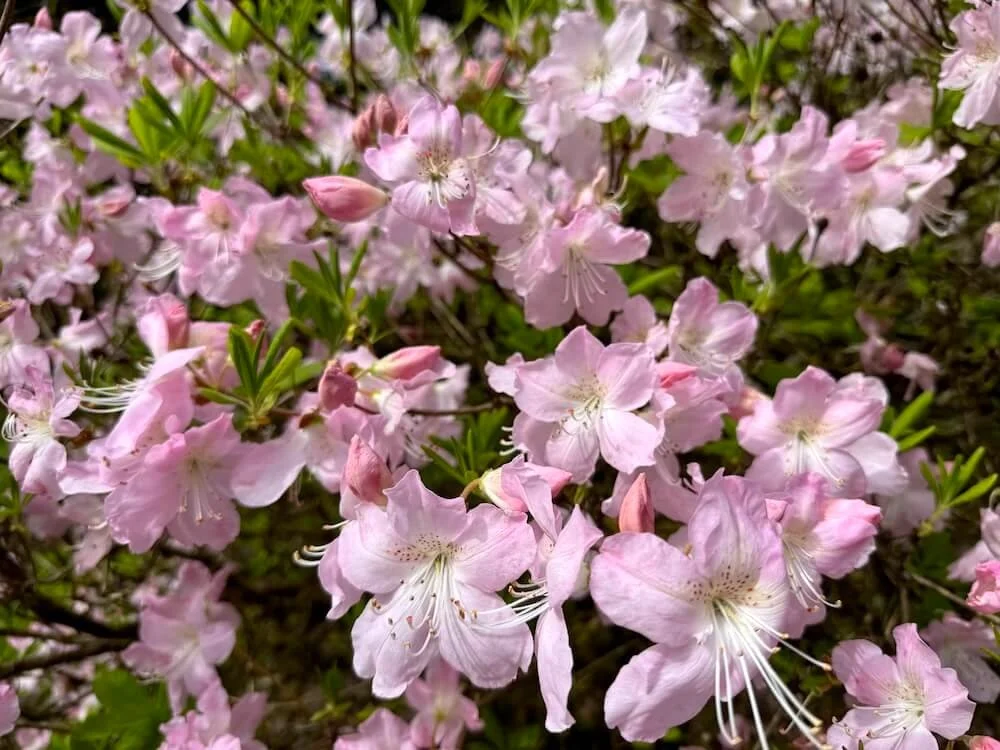
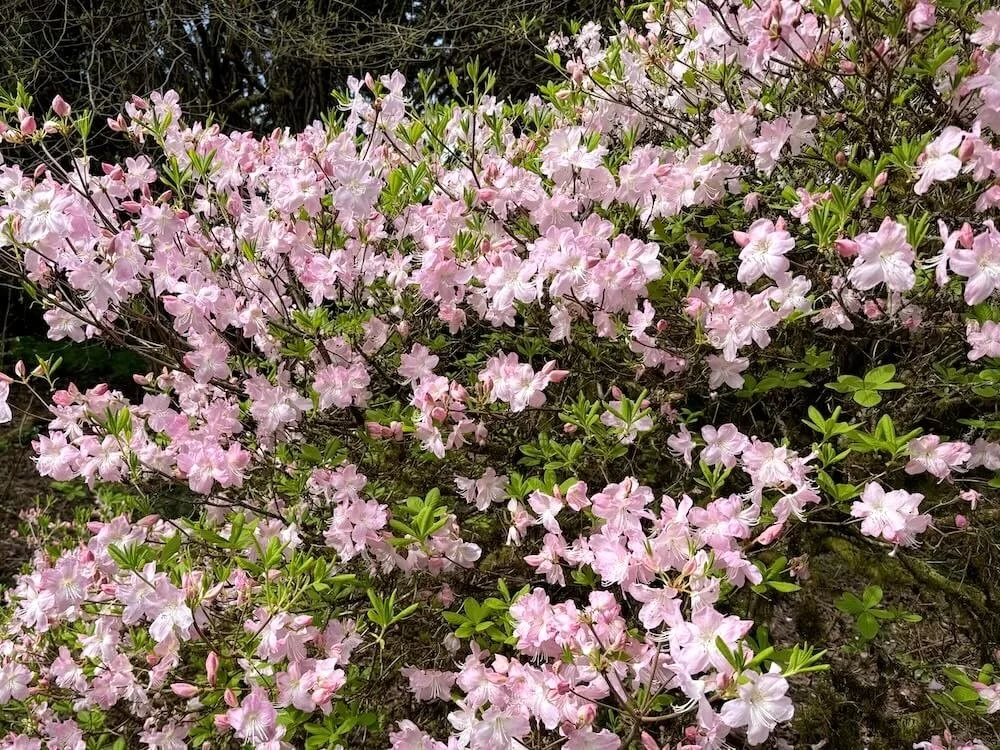
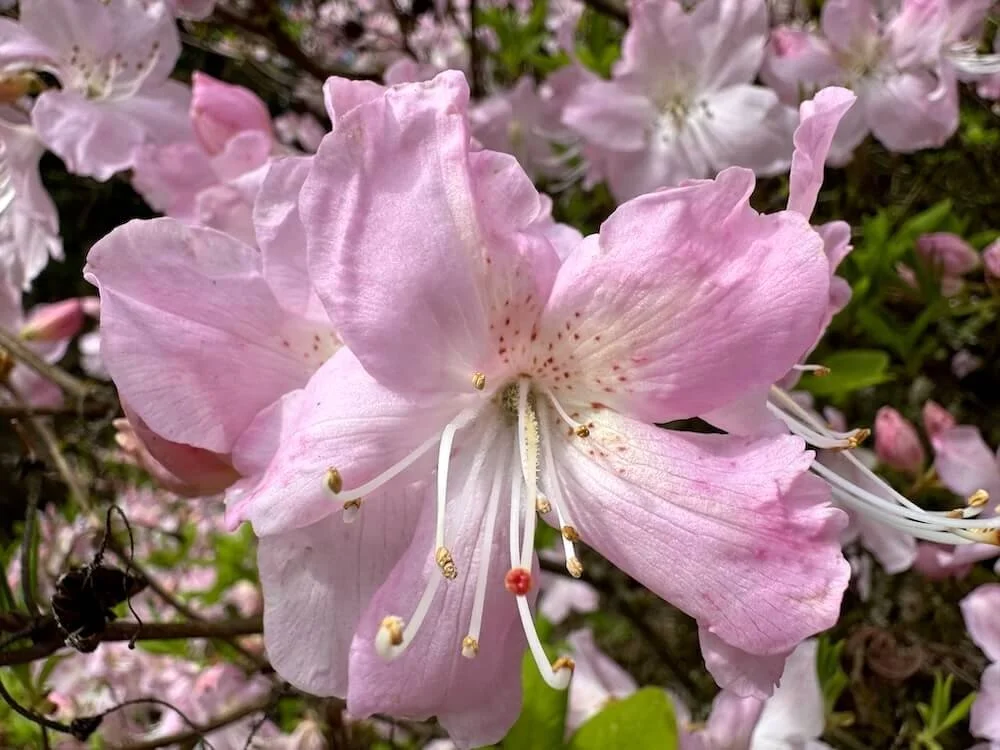
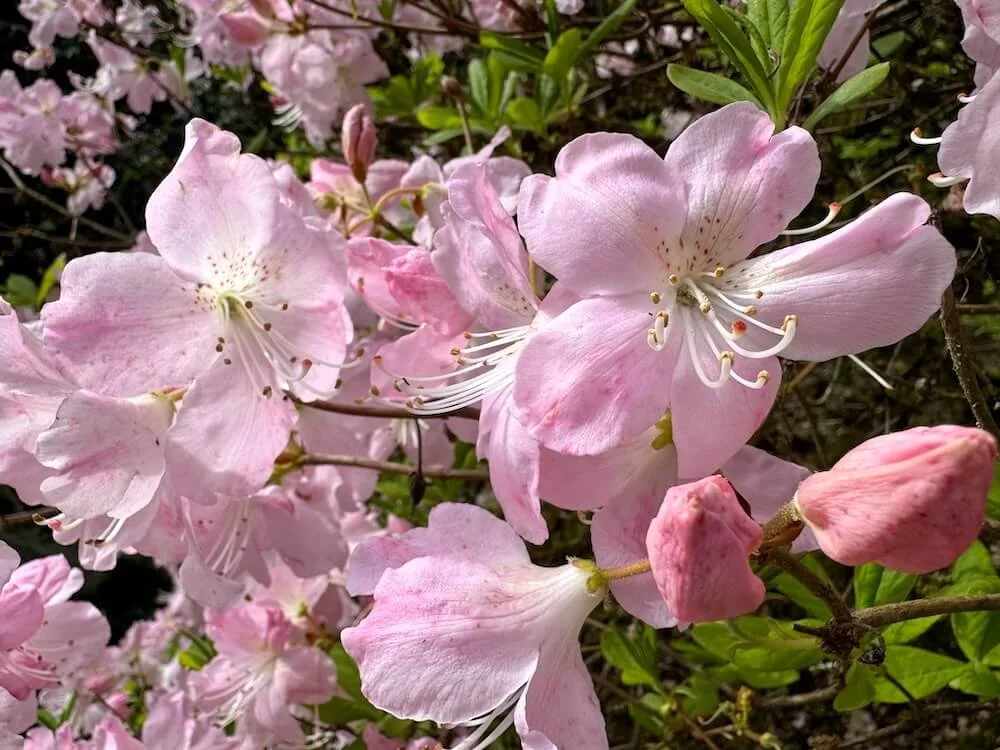
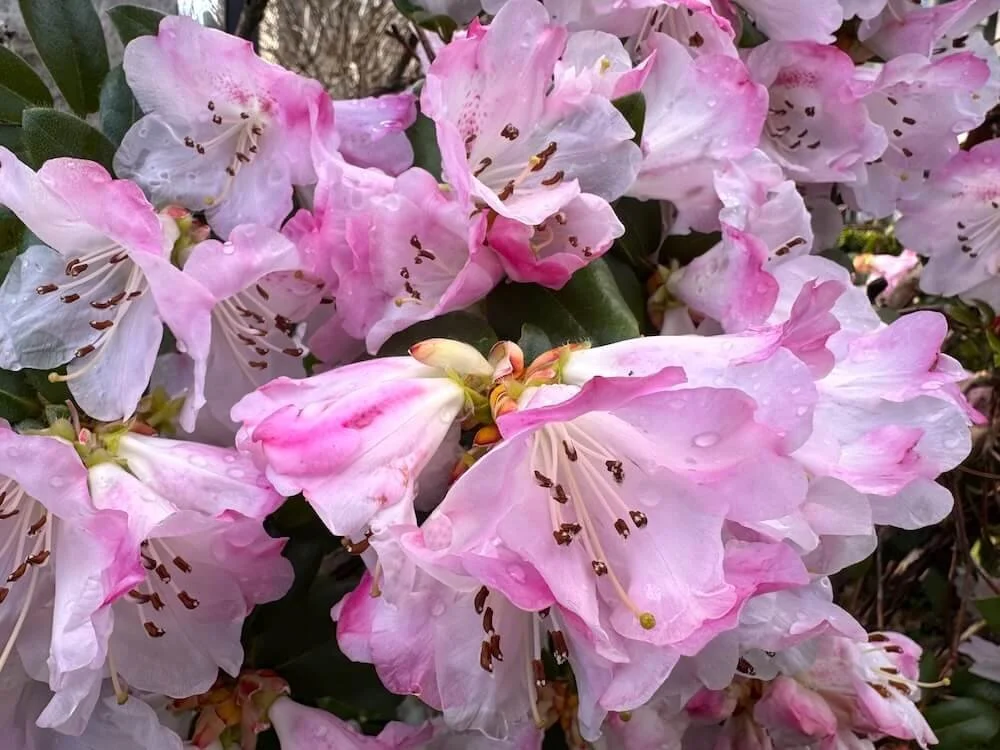
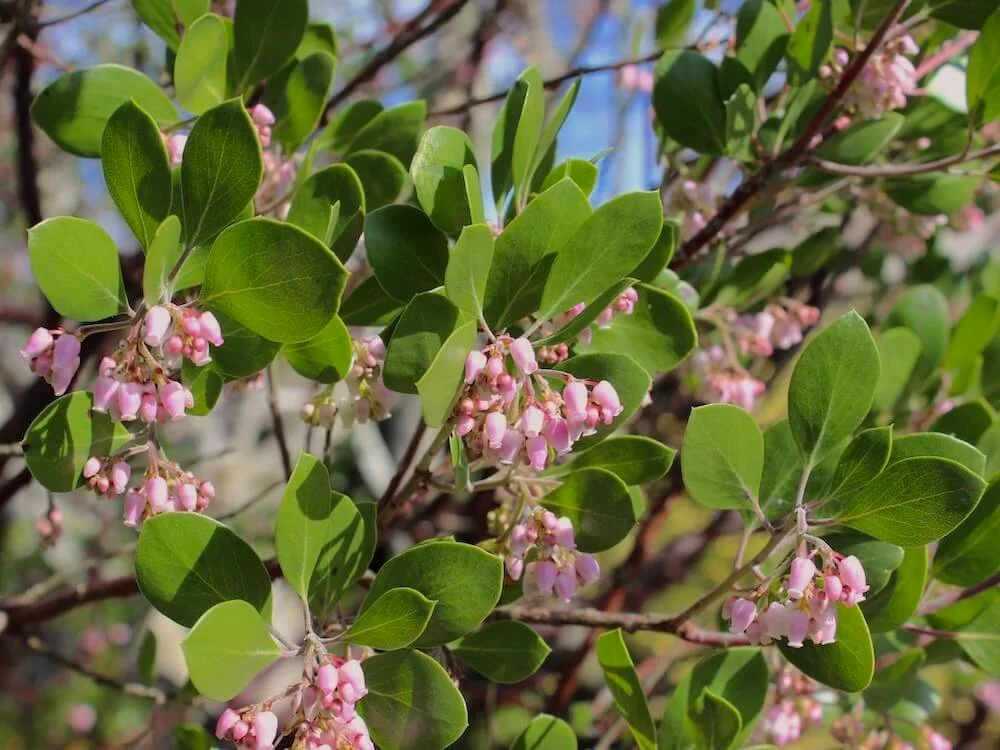
Rhododendron ‘Cilpinense’ is a compact evergreen shrub with a rounded habit and small, glossy green leaves. In early spring, often February into March, rosy buds open to pale to medium pink, funnel-shaped flowers that may fade as they mature. The blooms are carried in small trusses, so the plant can look dusted with soft color, with darker anthers giving a clean finish.

Of garden origin, it is linked with Lord Aberconway’s Bodnant Garden in Wales and was introduced in the early 1920s. The Royal Horticultural Society has given it the Award of Garden Merit. Its tidy structure and late-winter to early-spring flowering suit woodland borders, rock gardens, and prominent planting spots.

DESCRIPTION
Rhododendron ‘Cilpinense’ is a compact evergreen shrub with a rounded habit and small, glossy green leaves. In early spring, often February into March, rosy buds open to pale to medium pink, funnel-shaped flowers that may fade as they mature. The blooms are carried in small trusses, so the plant can look dusted with soft color, with darker anthers giving a clean finish.

Of garden origin, it is linked with Lord Aberconway’s Bodnant Garden in Wales and was introduced in the early 1920s. The Royal Horticultural Society has given it the Award of Garden Merit. Its tidy structure and late-winter to early-spring flowering suit woodland borders, rock gardens, and prominent planting spots.

 
  • Family: Ericaceae
    Height: 2 to 4 ft
    Width: 2 to 4 ft
    Foliage color: Evergreen, glossy dark green leaves
    Flower color: Pale to medium pink funnel-shaped flowers, sometimes with deeper pink shading in buds
    Bloom time: Early to mid spring
    Light requirements: Full sun to part shade
    Water requirements: Moderate
    Maintenance: Low — requires minimal pruning beyond removing spent blooms
    Growing zone: USDA zones 5 to 8
    Wildlife attractors: Flowers attract bees and other pollinators; evergreen foliage provides shelter for birds

    This plant can be seen at the Bellevue Botanical Garden.
    Print Information

    Buy Plants