Image 1 of 4
Image 2 of 4
Image 3 of 4
Image 4 of 4
Rhododendron 'Liz Ann' | Liz Ann Rhododendron
DESCRIPTION
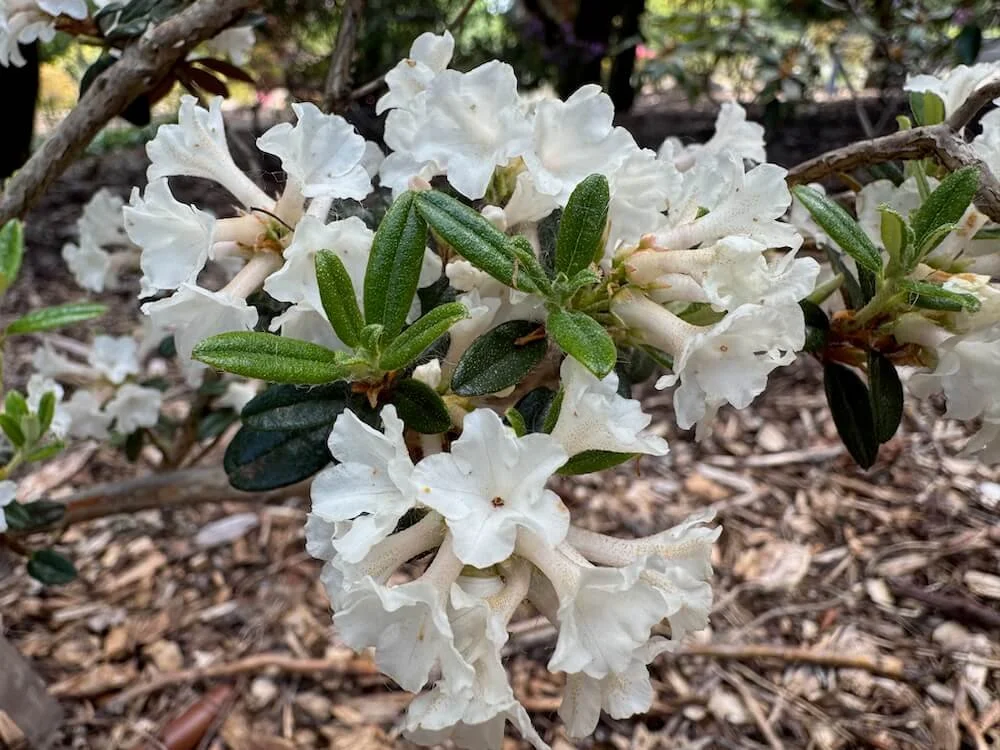
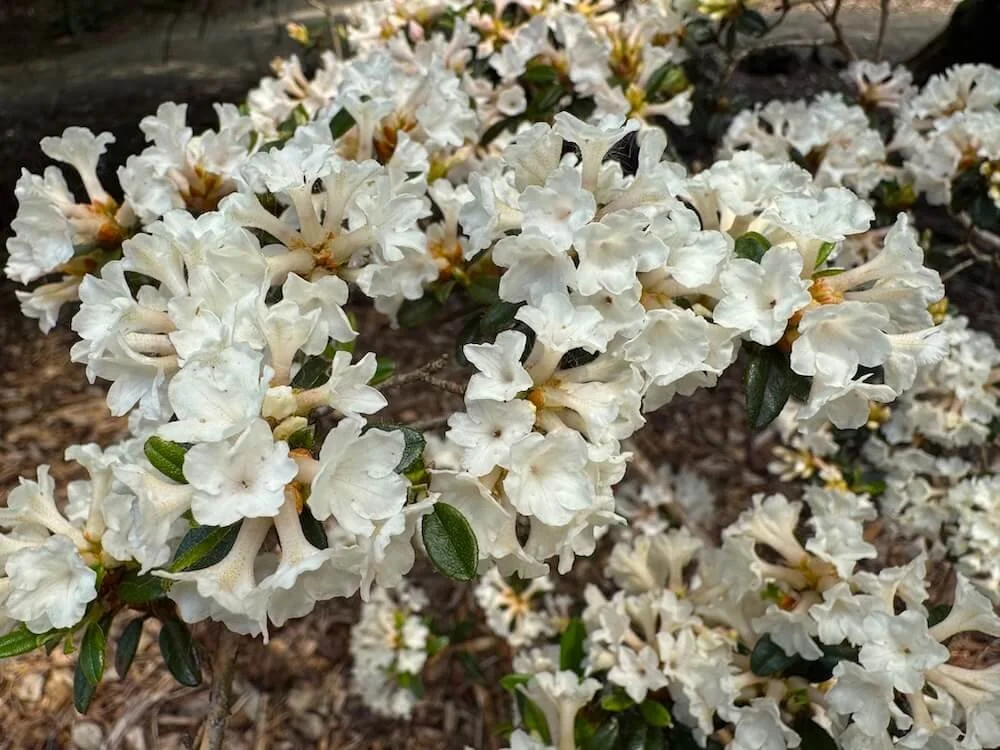
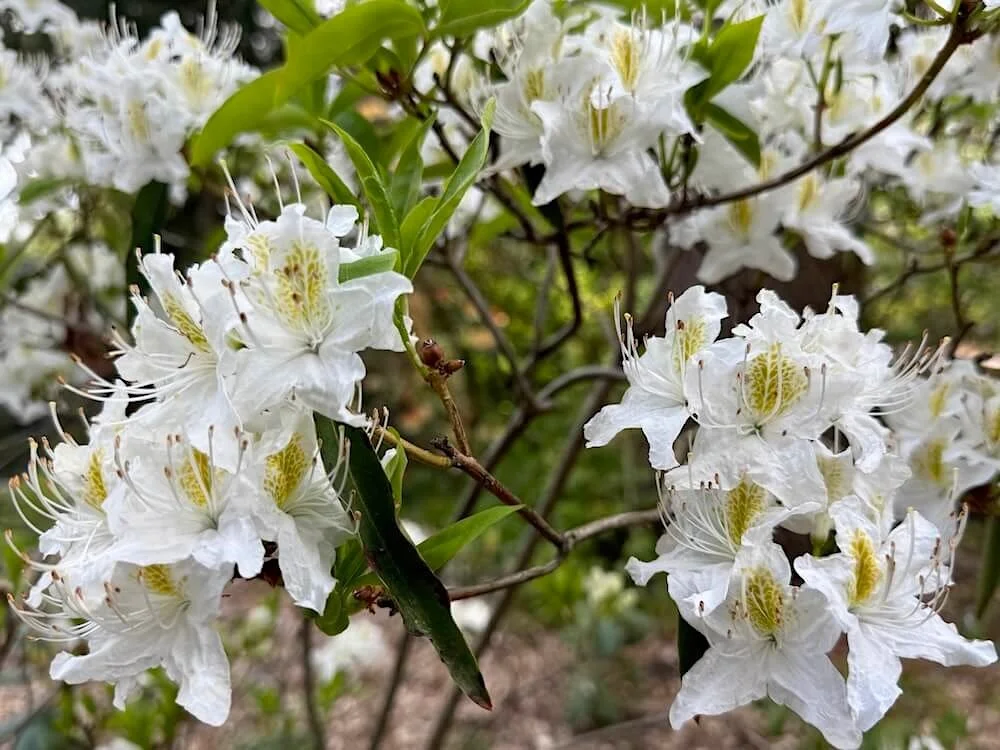
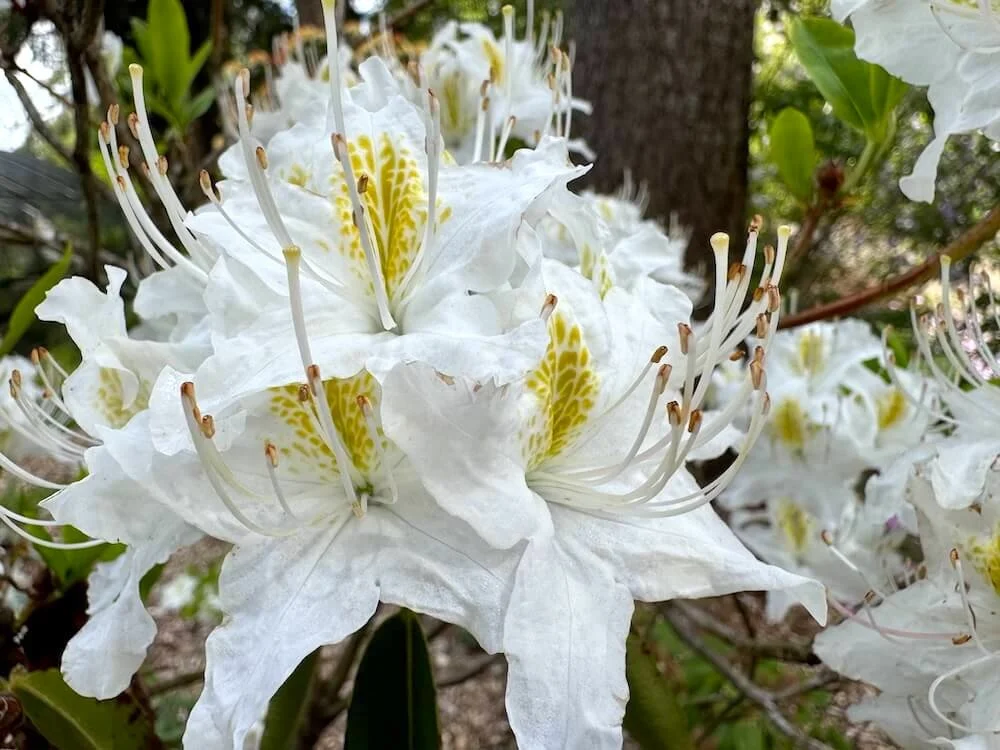
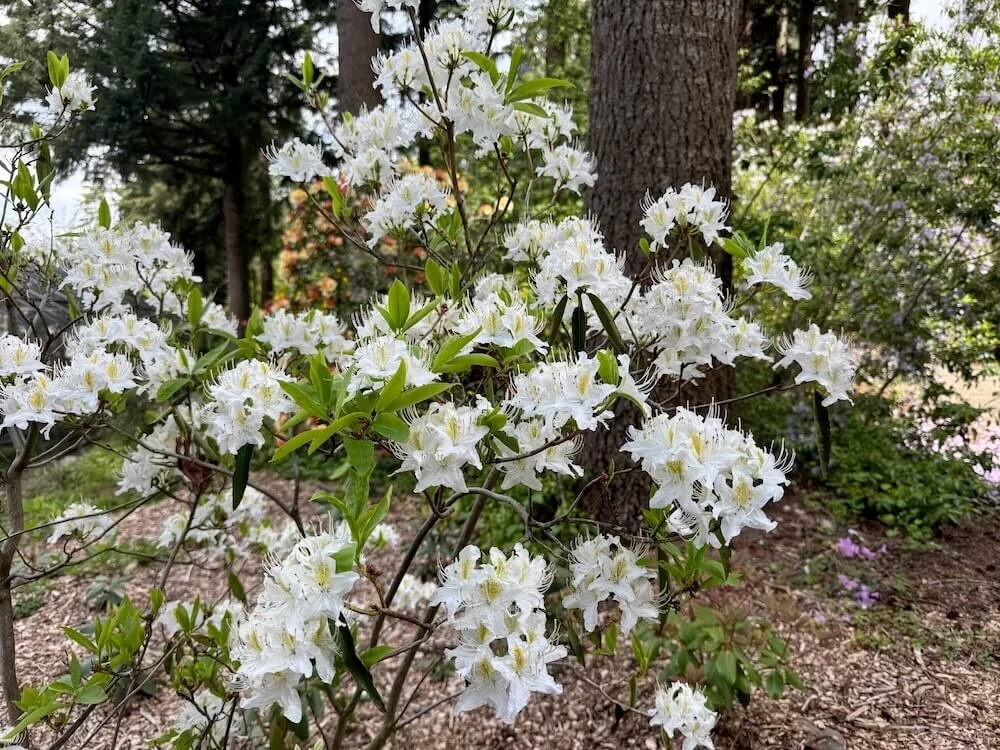
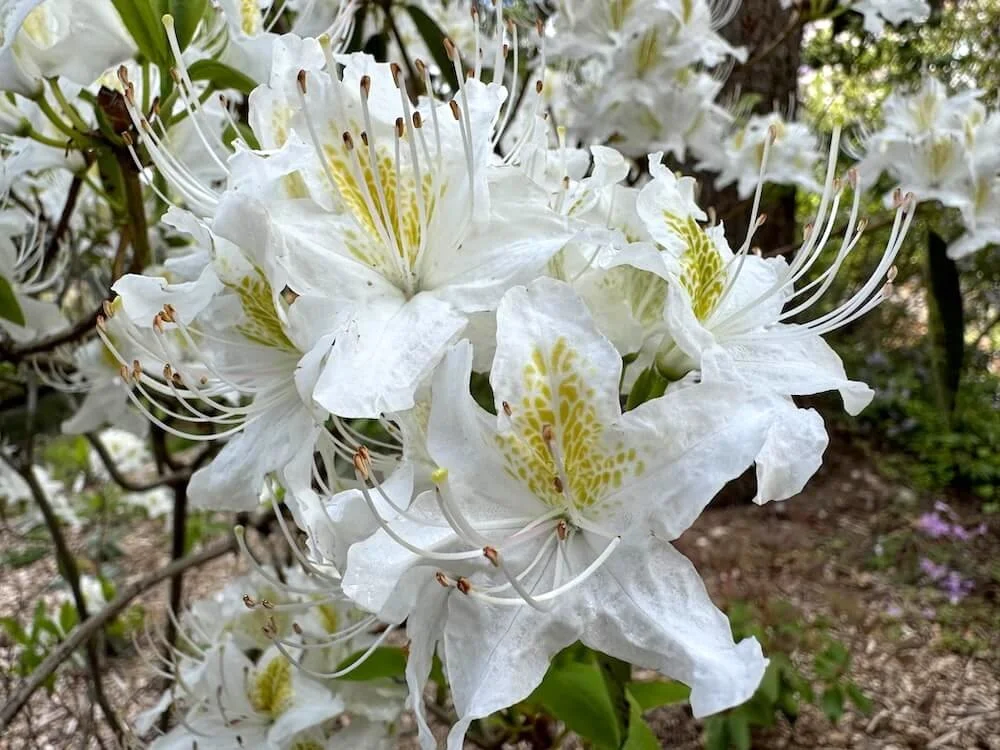
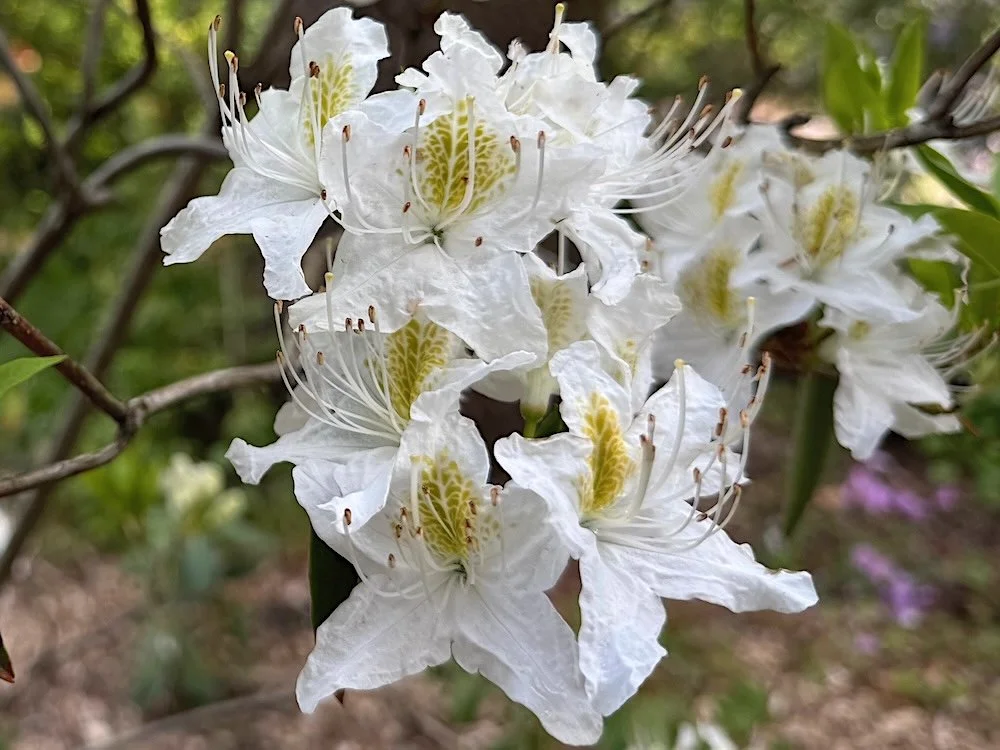
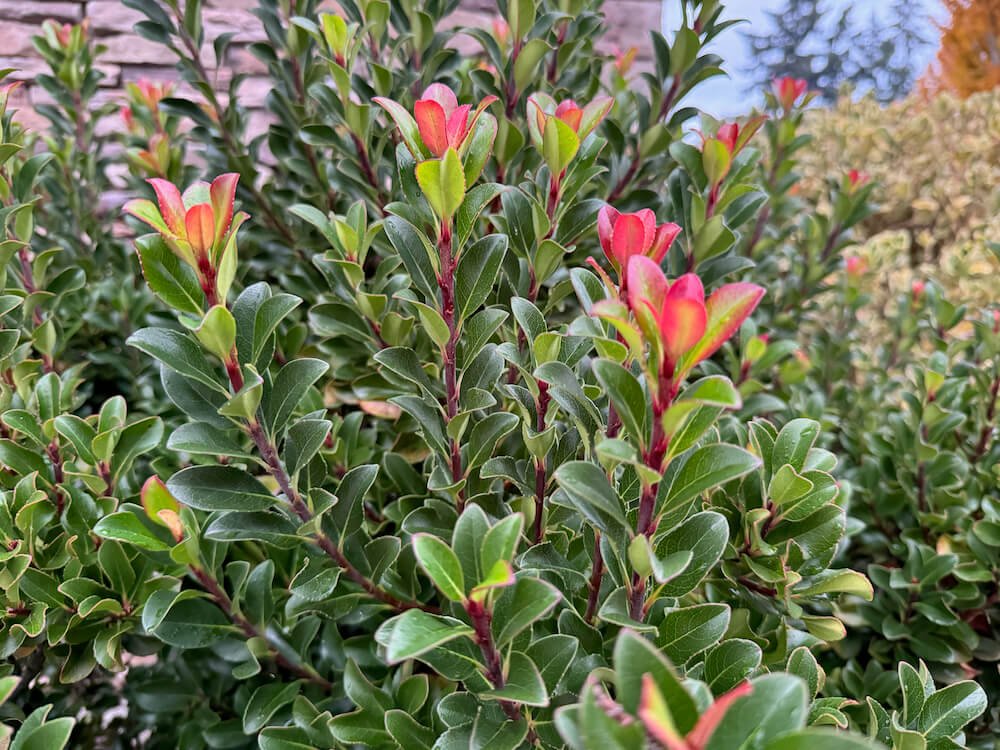
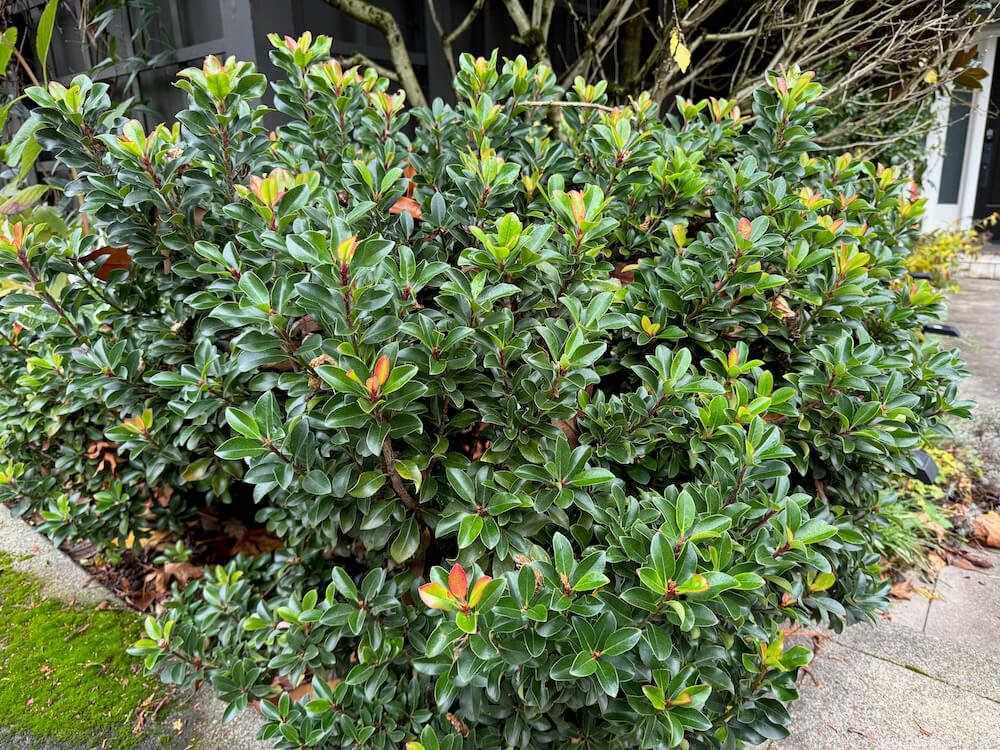
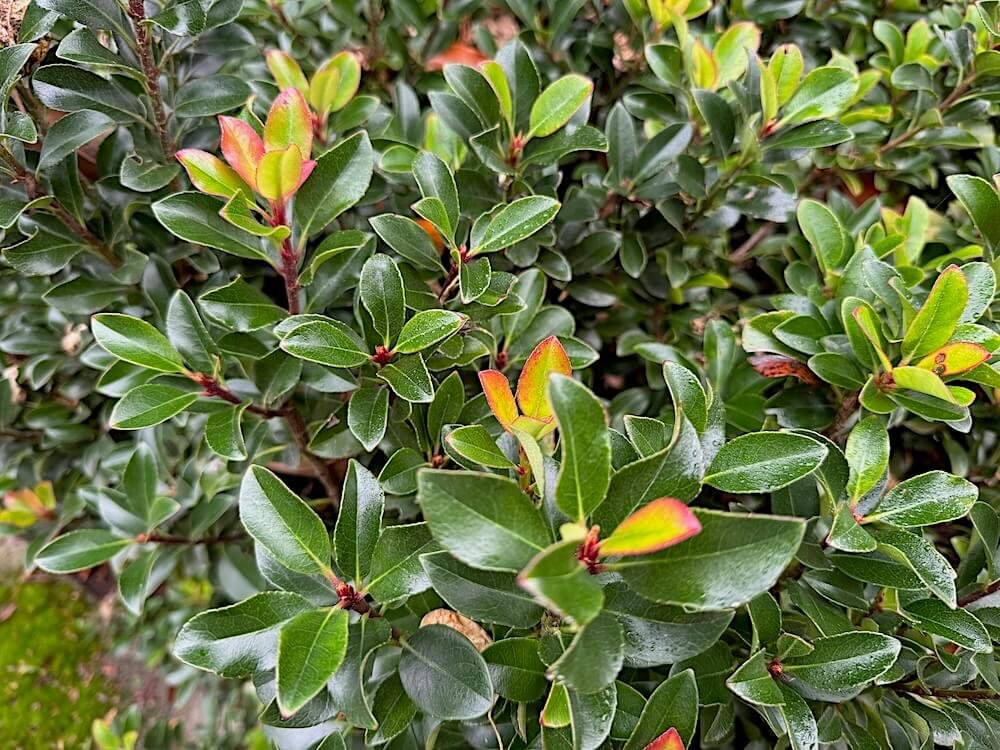
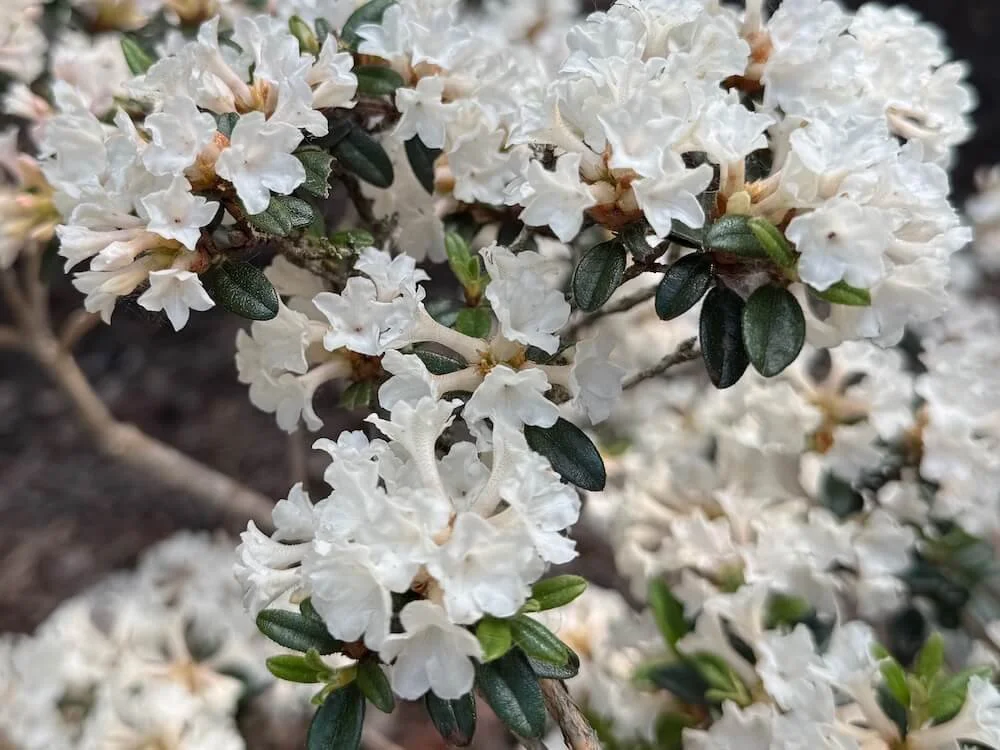
Rhododendron ‘Liz Ann’ is a dwarf evergreen shrub forming a compact, rounded mound of small, deep green leaves. In mid-spring, usually around May, it produces clusters of funnel-shaped flowers that open very pale pink before quickly fading to white or nearly white. In many plants, the pink is so subtle that it is only visible in cool temperatures or in the tight bud stage, leaving the open trusses to appear soft white across the plant.
A yakushimanum hybrid selected for its neat habit and reliable spring bloom, ‘Liz Ann’ is well suited to rock gardens, container plantings, and the front of mixed borders. Its compact structure and delicate, light-toned flowers offer a gentle presence that works beautifully in small or refined garden spaces.
DESCRIPTION
Rhododendron ‘Liz Ann’ is a dwarf evergreen shrub forming a compact, rounded mound of small, deep green leaves. In mid-spring, usually around May, it produces clusters of funnel-shaped flowers that open very pale pink before quickly fading to white or nearly white. In many plants, the pink is so subtle that it is only visible in cool temperatures or in the tight bud stage, leaving the open trusses to appear soft white across the plant.
A yakushimanum hybrid selected for its neat habit and reliable spring bloom, ‘Liz Ann’ is well suited to rock gardens, container plantings, and the front of mixed borders. Its compact structure and delicate, light-toned flowers offer a gentle presence that works beautifully in small or refined garden spaces.
-
Family: Ericaceae
Height: 2 to 3 ft
Width: 3 to 4 ft
Foliage color: Deep green, small, rounded leaves that may take on bronze tones in winter
Flower color: Very pale pink in bud, quickly fading to white or near white when open
Bloom time: Mid spring (generally May)
Light requirements: Part shade
Water requirements: Moderate
Maintenance: Low — deadhead spent flowers
Growing zone: USDA zones 5 to 8
Wildlife attractors: Spring flowers attract bees and other pollinatorsThis plant can be seen at the Highline SeaTac Botanical Garden.