Rhododendron 'Patty Bee' | Patty Bee Rhododendron

$0.00

DESCRIPTION
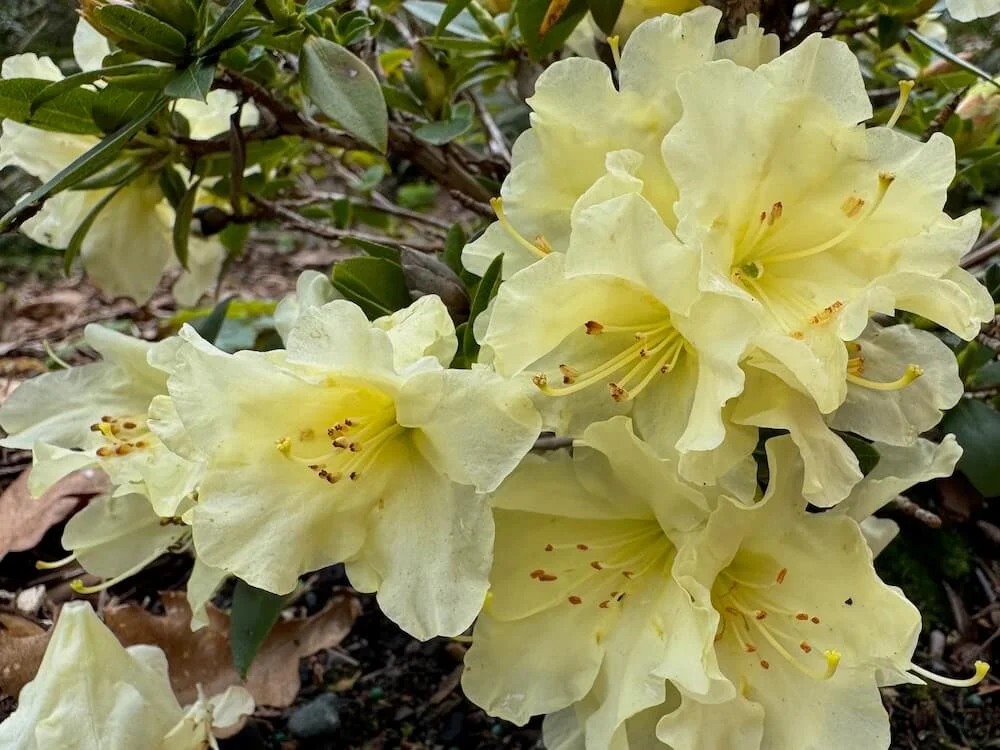
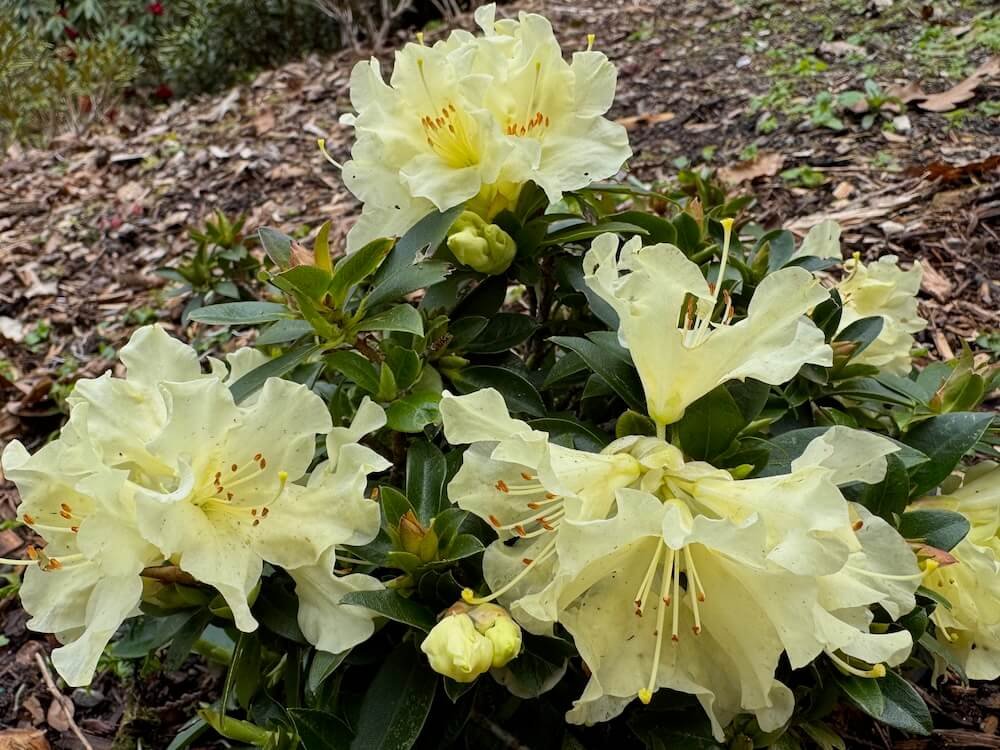
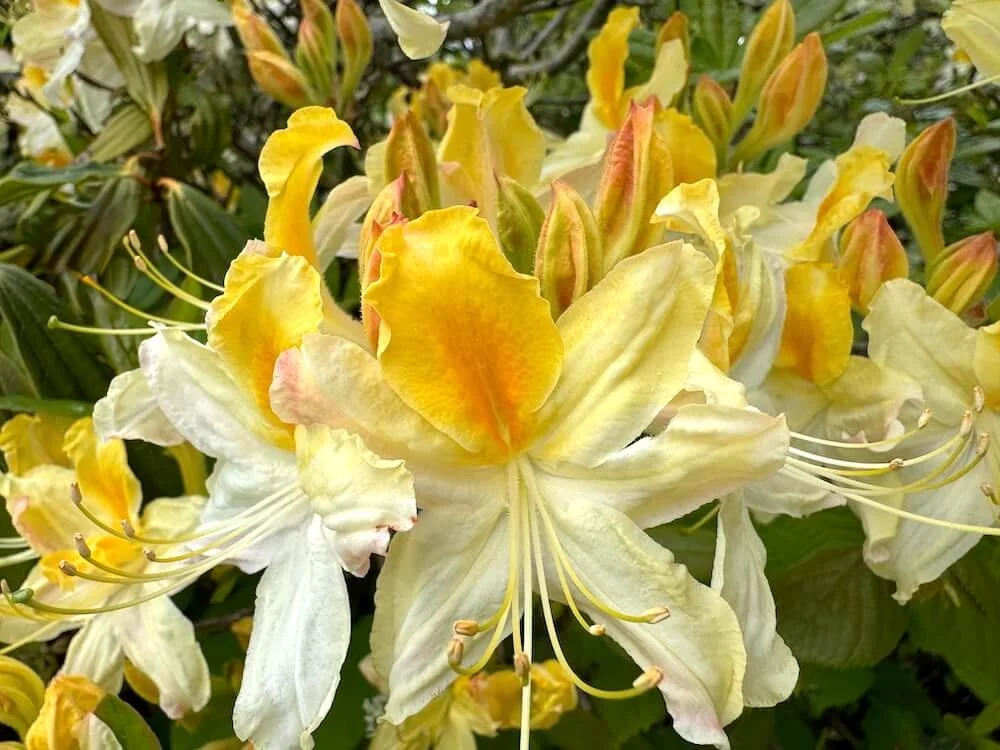
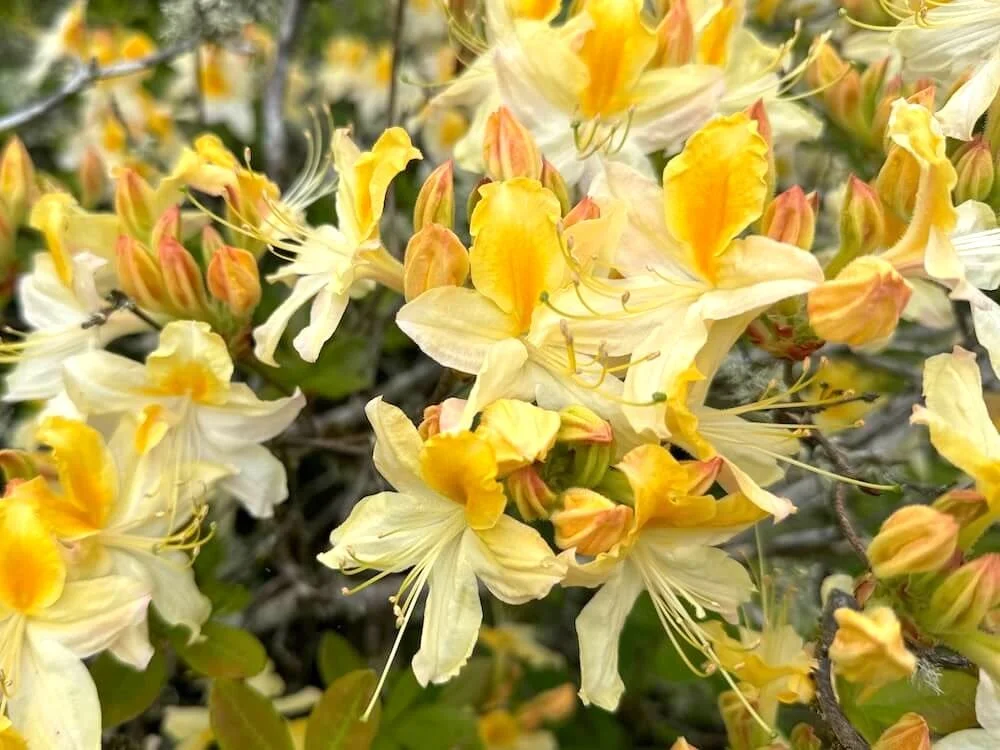
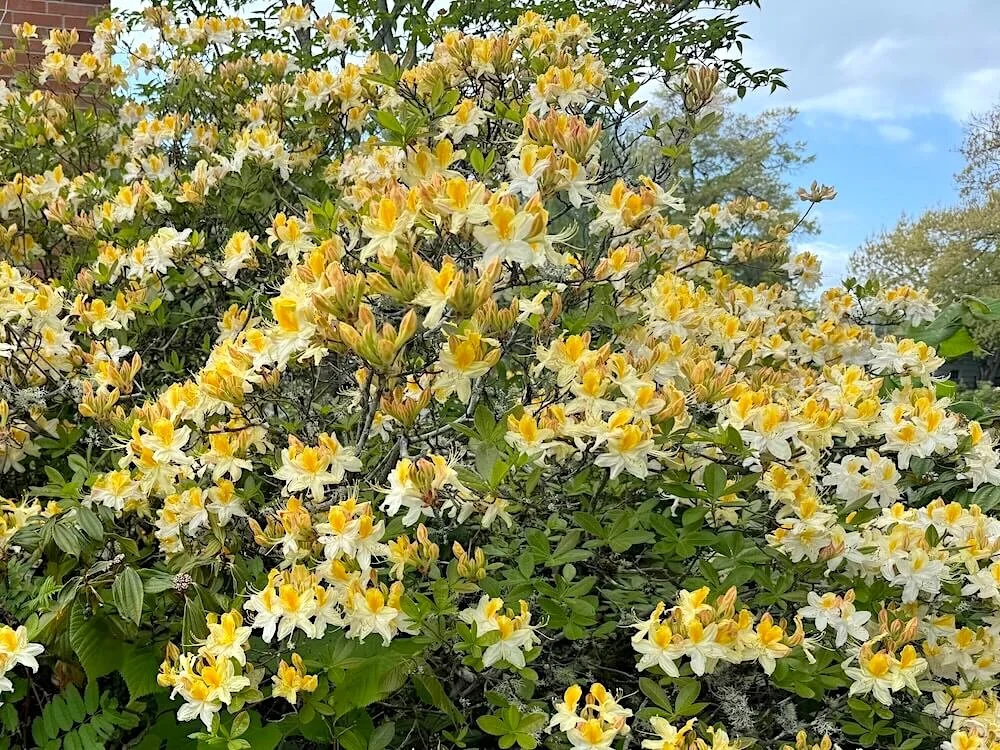
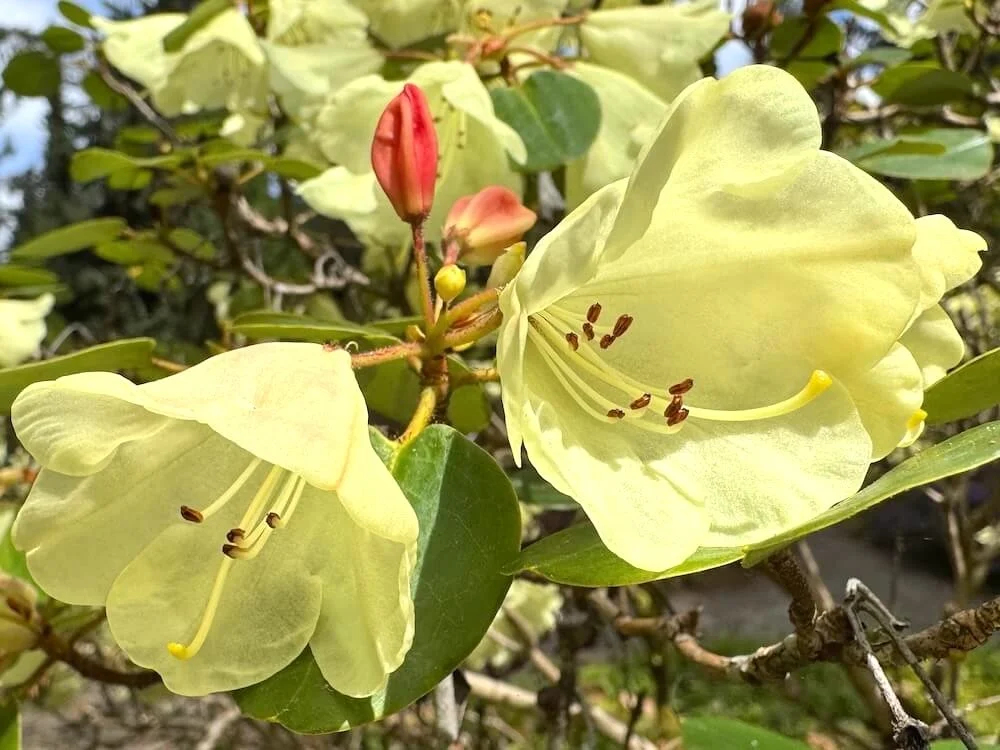
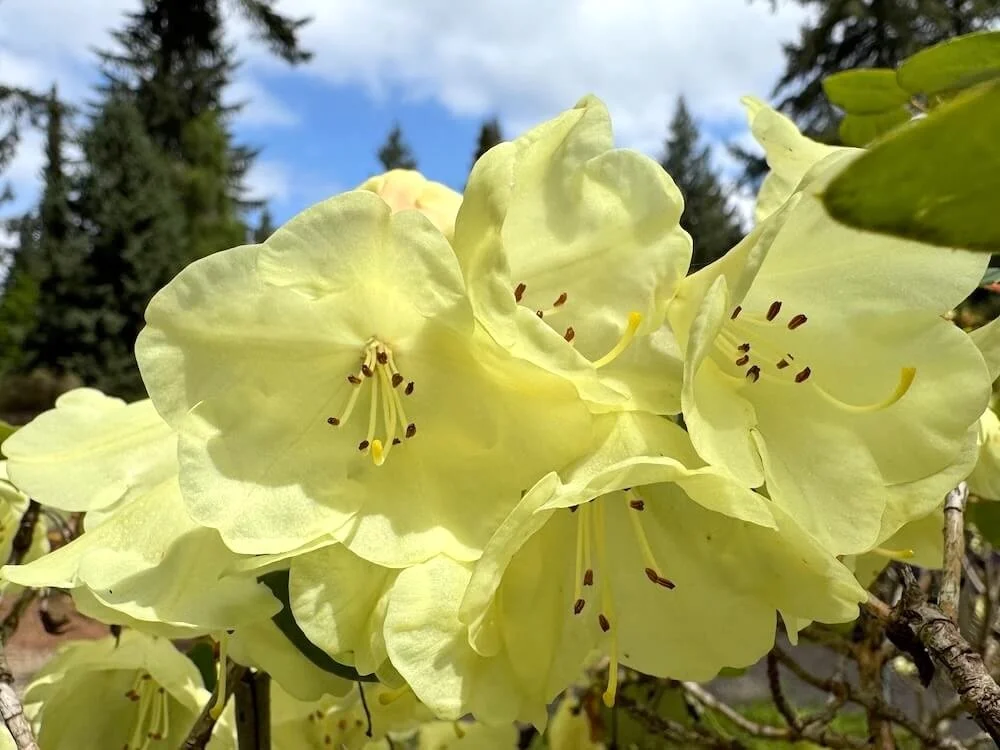
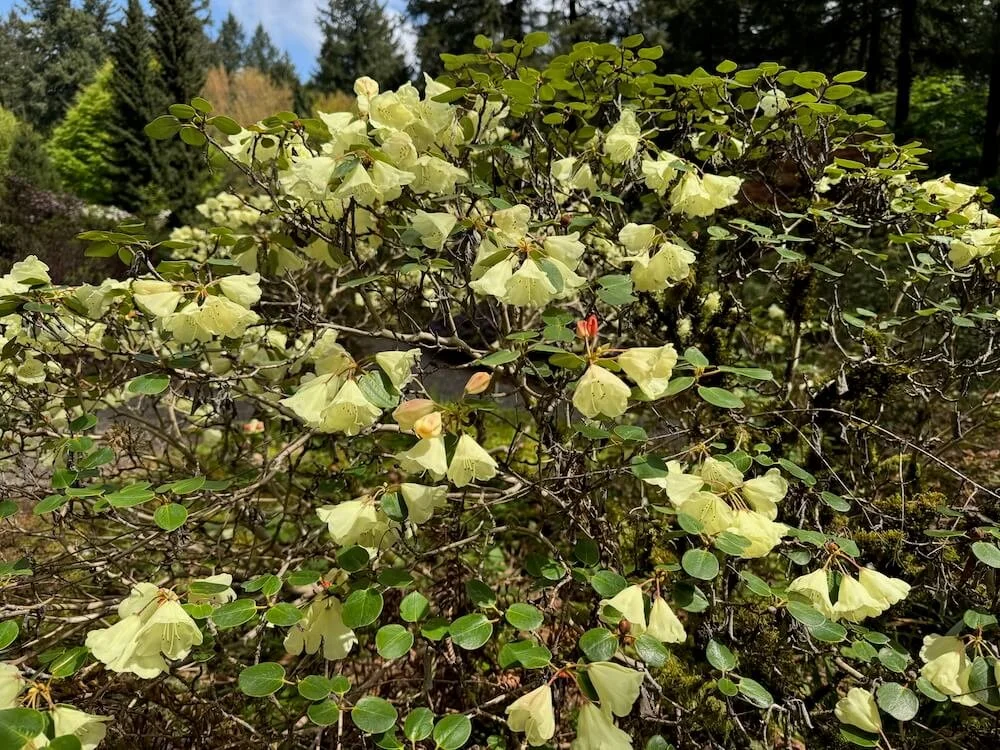
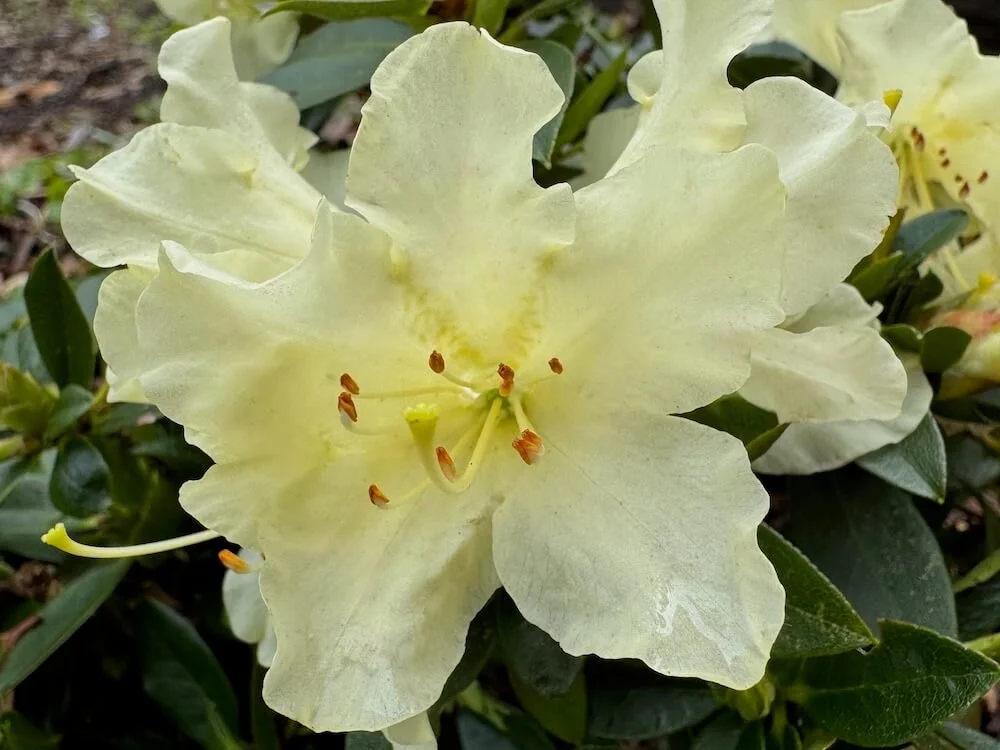
Rhododendron ‘Patty Bee’ is a dwarf evergreen shrub with a compact, rounded habit and small dark green leaves that may bronze in winter. In mid-spring it carries trusses of funnel-shaped flowers about 2 inches across. The blooms are soft pale yellow to light green-yellow with gently wavy lobes, adding clear color at the front of borders, in rock gardens, or in containers.

Raised as a small-leaved hybrid and later awarded the Royal Horticultural Society’s Award of Garden Merit, ‘Patty Bee’ is valued for its neat form and dependable display. Its slow growth, midseason flowering, and evergreen foliage make it well suited to smaller gardens, banks, and mixed rhododendron groupings where a low accent is welcome.

DESCRIPTION
Rhododendron ‘Patty Bee’ is a dwarf evergreen shrub with a compact, rounded habit and small dark green leaves that may bronze in winter. In mid-spring it carries trusses of funnel-shaped flowers about 2 inches across. The blooms are soft pale yellow to light green-yellow with gently wavy lobes, adding clear color at the front of borders, in rock gardens, or in containers.

Raised as a small-leaved hybrid and later awarded the Royal Horticultural Society’s Award of Garden Merit, ‘Patty Bee’ is valued for its neat form and dependable display. Its slow growth, midseason flowering, and evergreen foliage make it well suited to smaller gardens, banks, and mixed rhododendron groupings where a low accent is welcome.

 
  • Family: Ericaceae
    Height: 1 to 2 ft
    Width: 1.5 to 3 ft
    Foliage color: Evergreen, dark green leaves — small, compact leaves
    Flower color: Clear soft yellow blooms, light green-yellow funnel-shaped flowers
    Bloom time: Early to mid spring (April)
    Light requirements: Part sun to part shade
    Water requirements: Moderate
    Maintenance: Low — deadhead spent flowers and prune lightly only when needed
    Growing zone: USDA zones 6a to 9b
    Wildlife attractors: Spring flowers attract bees and other pollinators; evergreen structure offers shelter and cover for small birds and other garden wildlife

    This plant can be seen at the Washington Park Arboretum.
    Print Information

    Buy Plants