Rhododendron 'Sweet Reward Coral' | Sweet Reward Coral Azalea

$0.00

DESCRIPTION
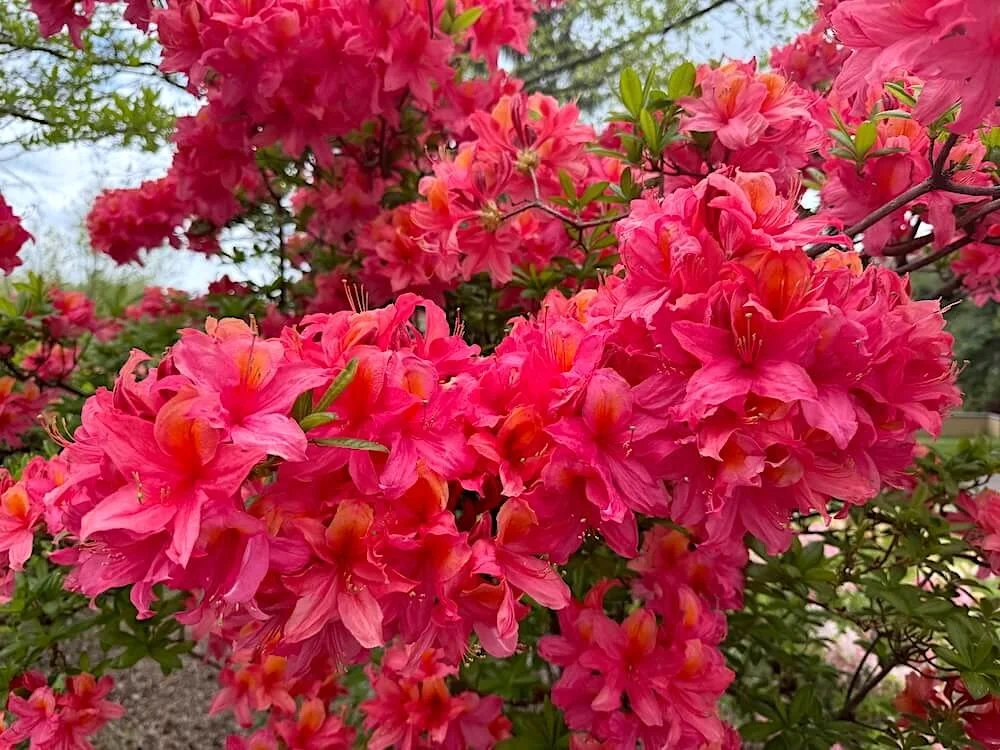
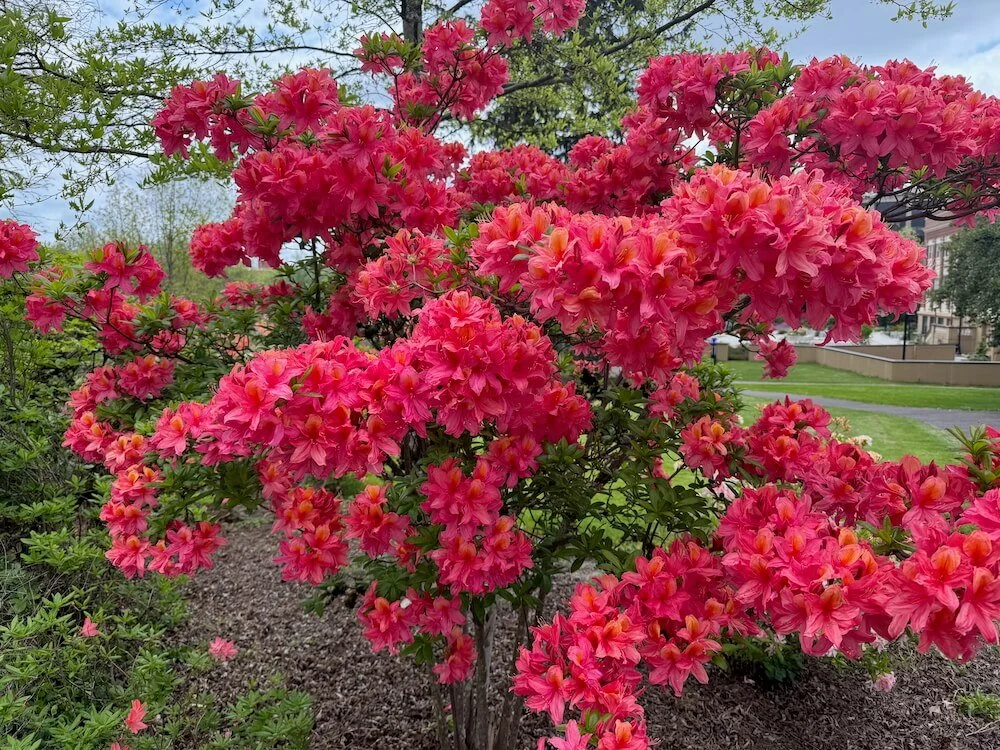
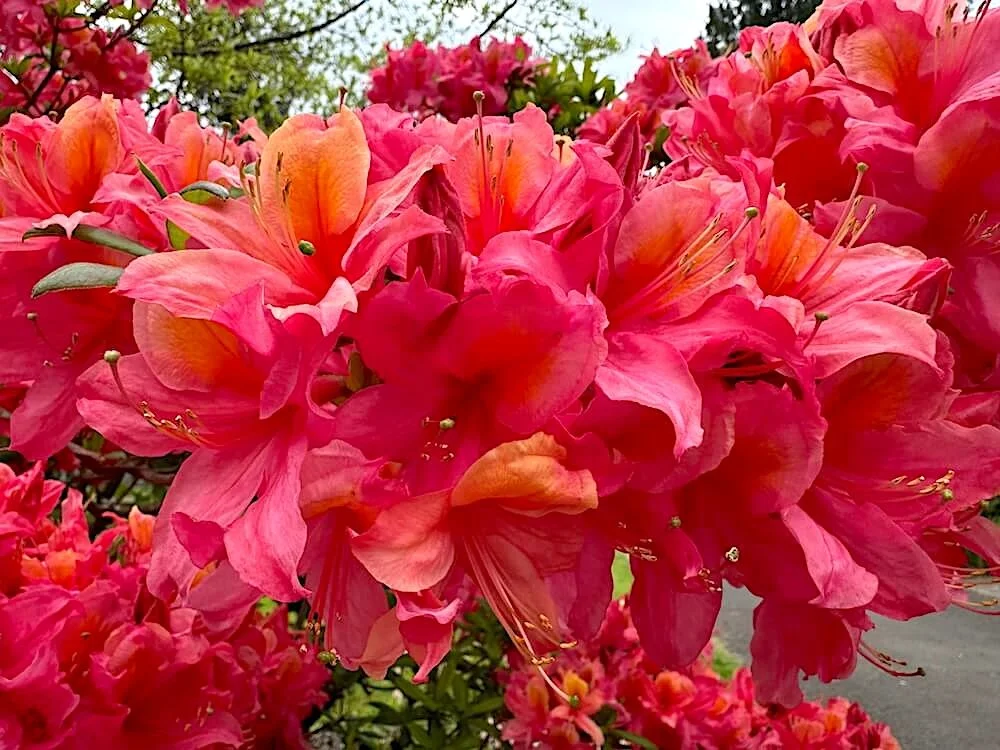
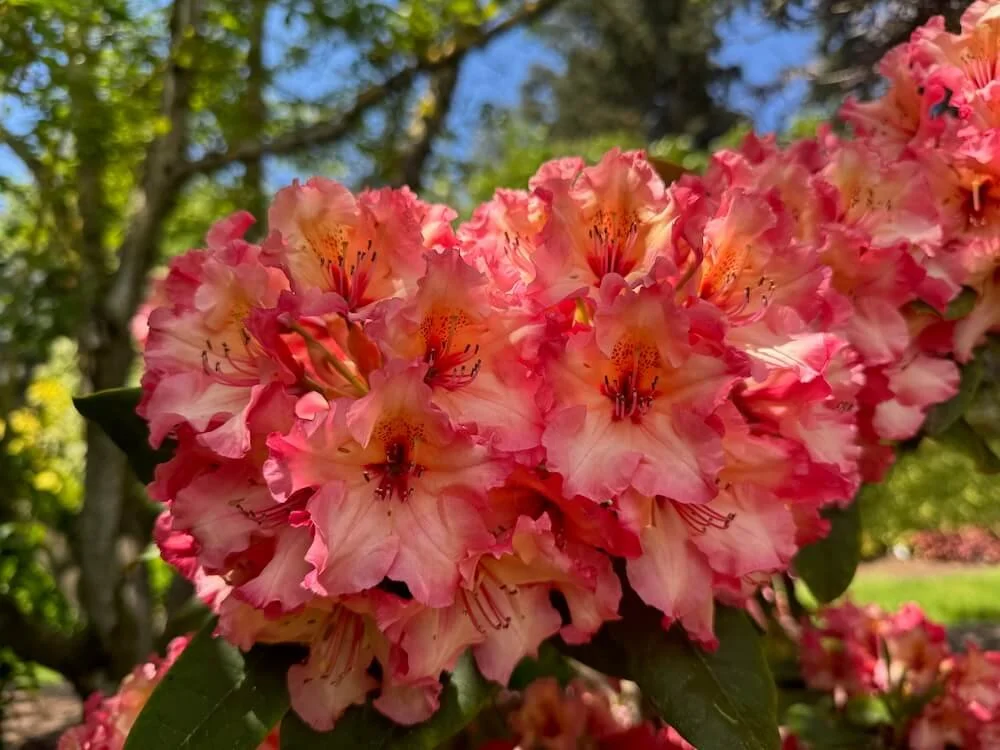
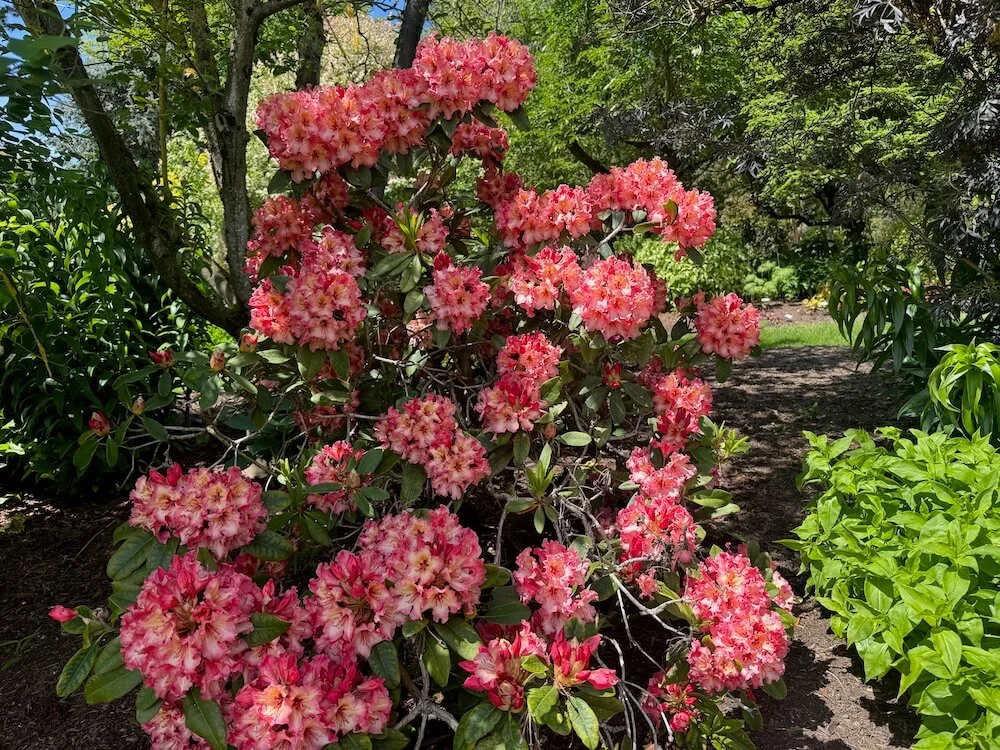
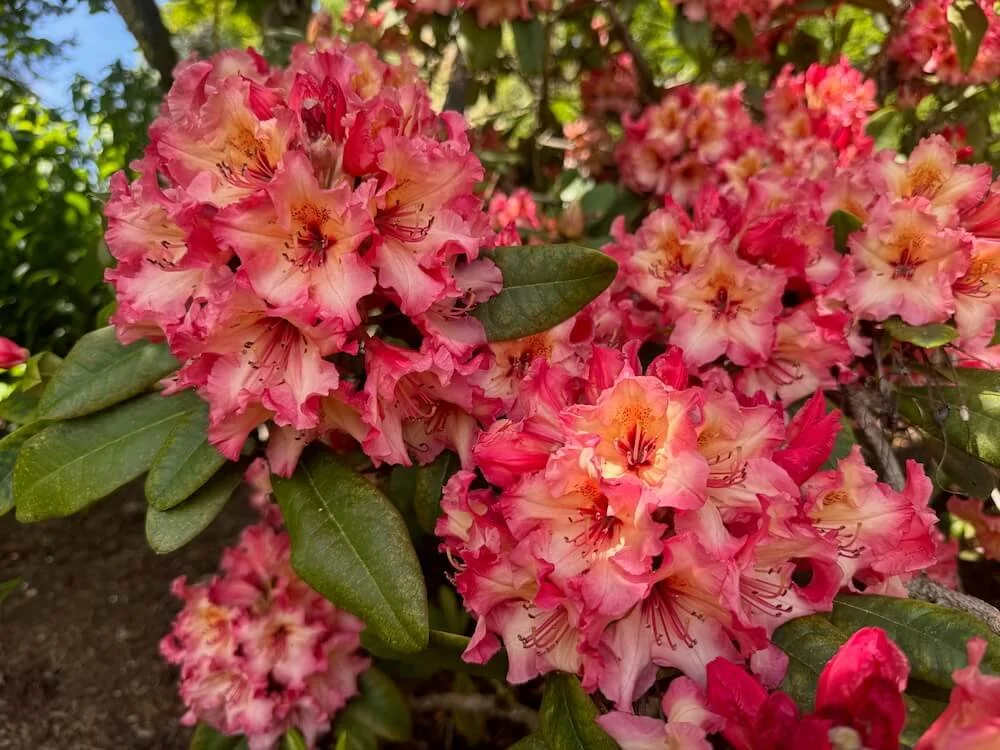
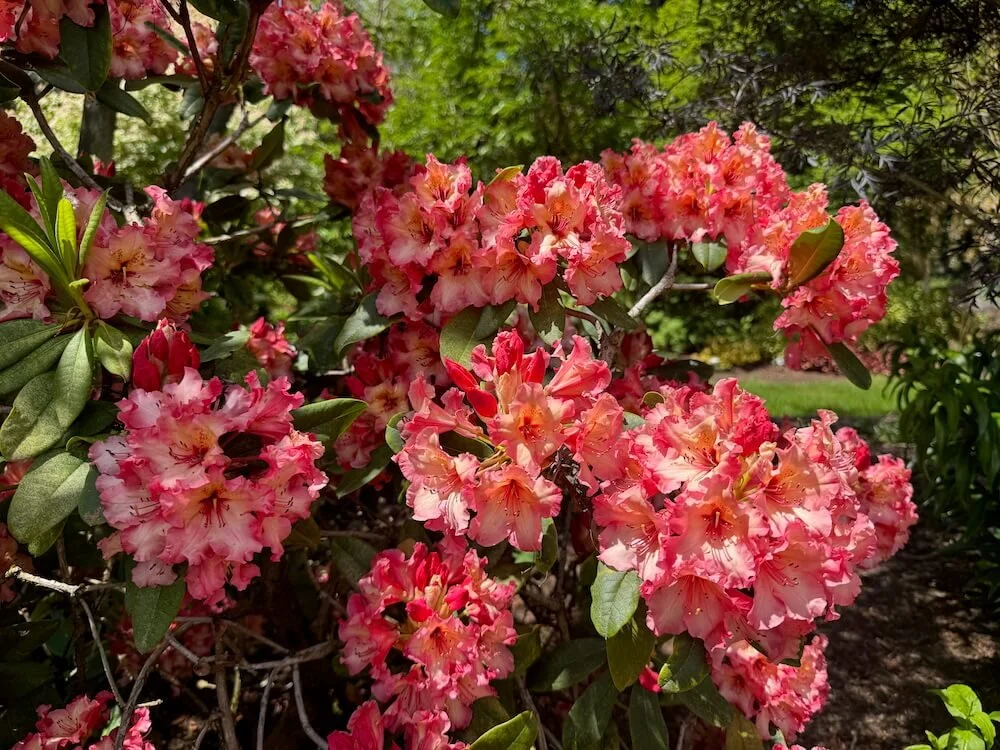
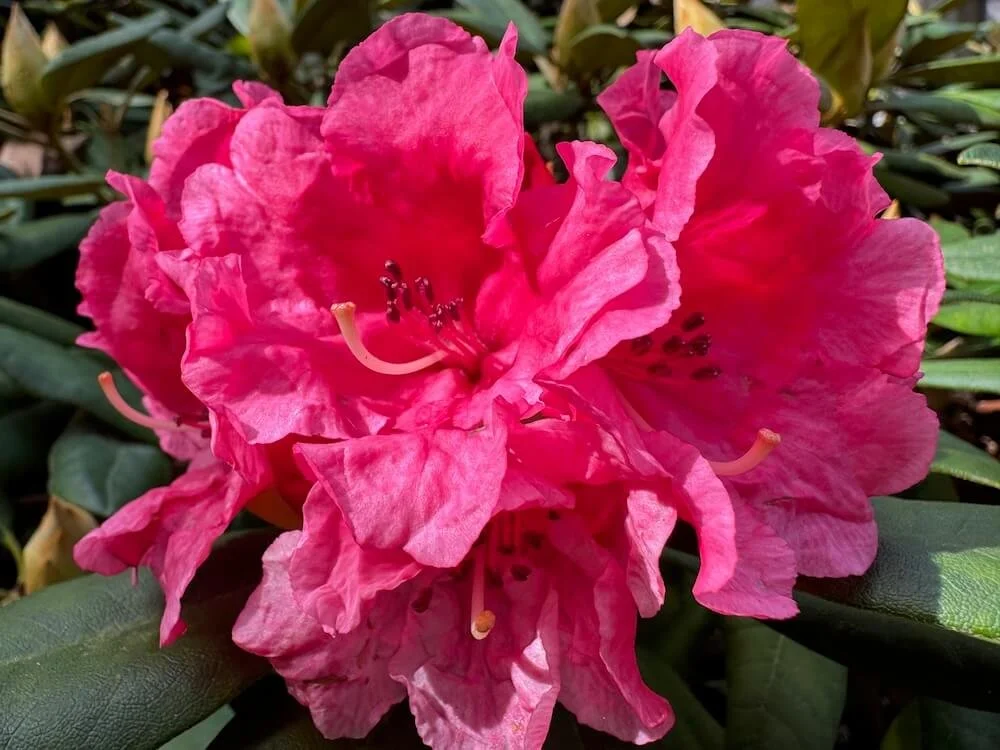
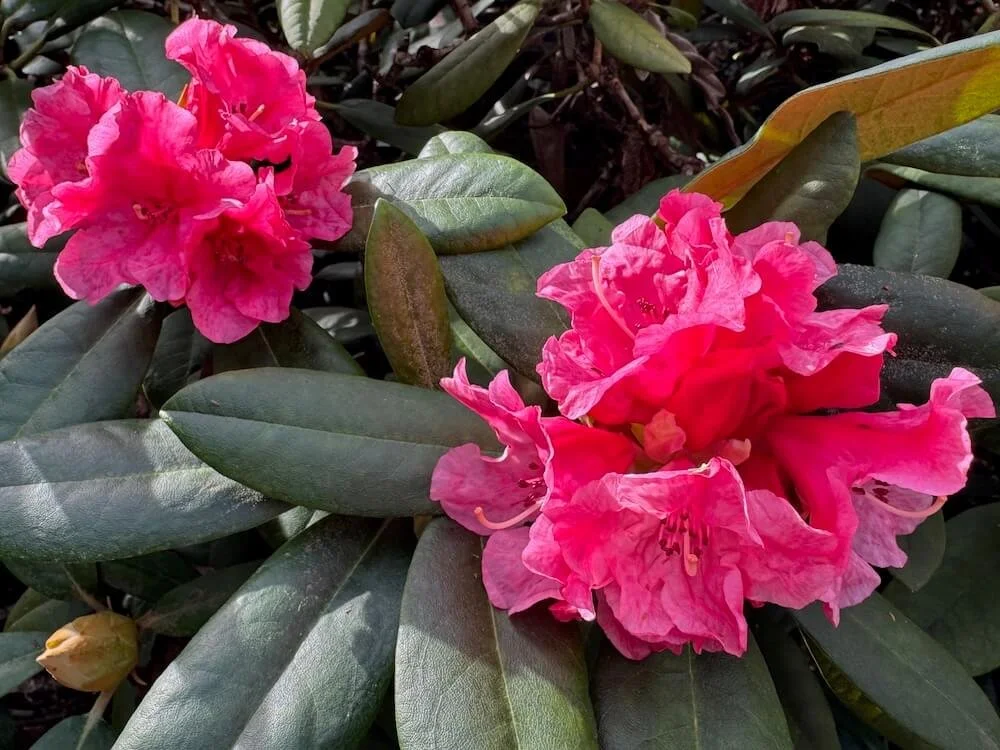
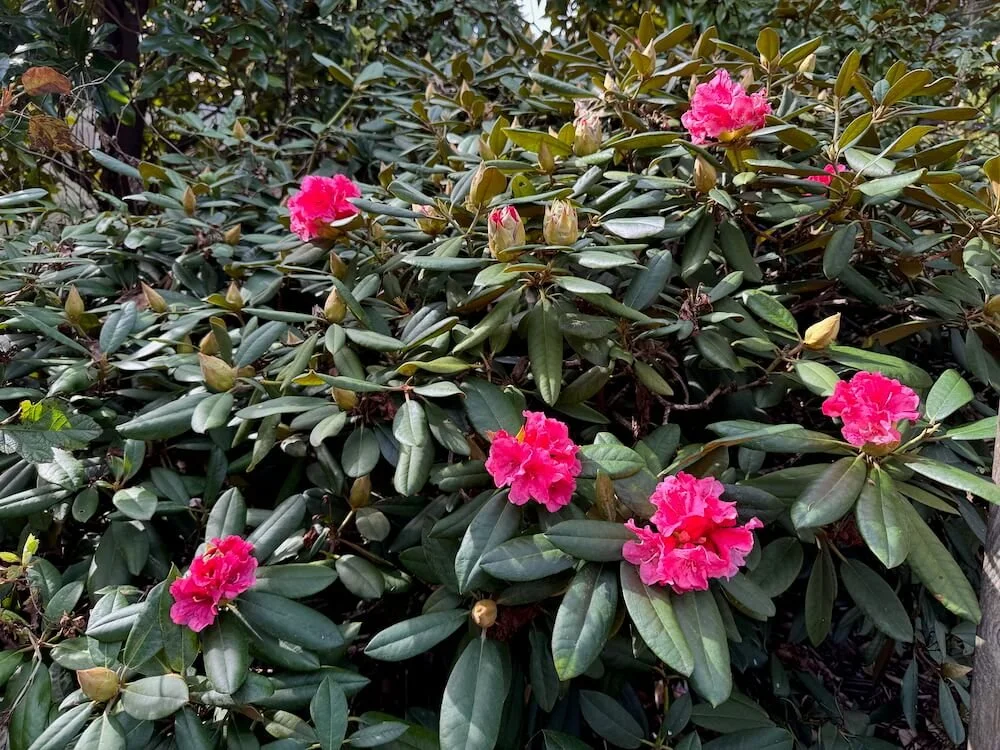
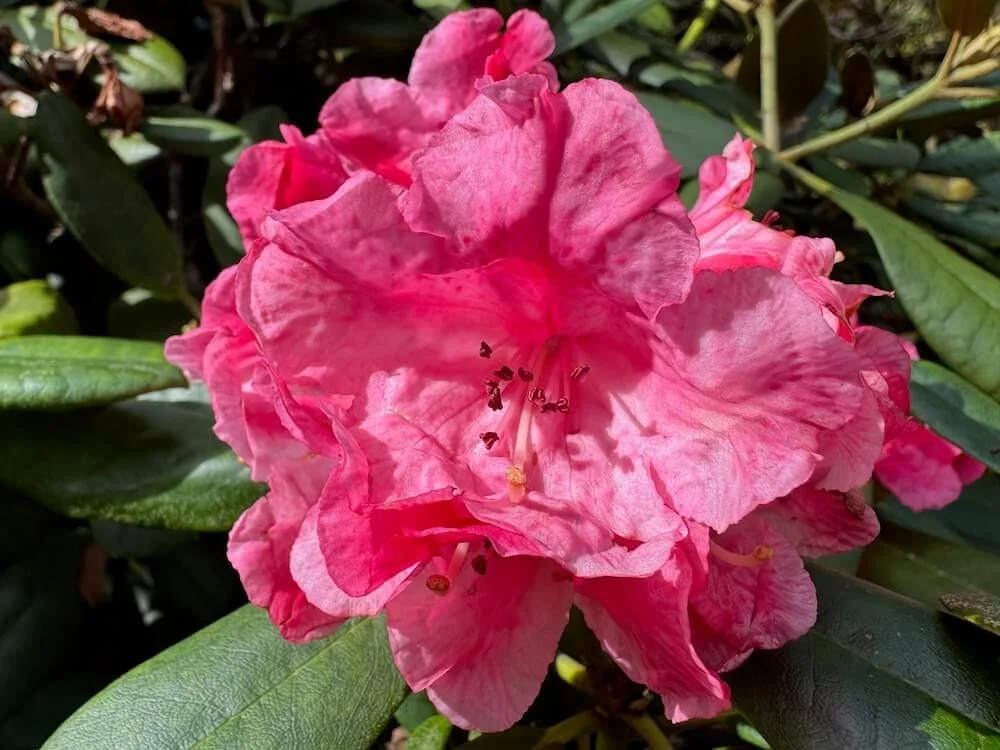
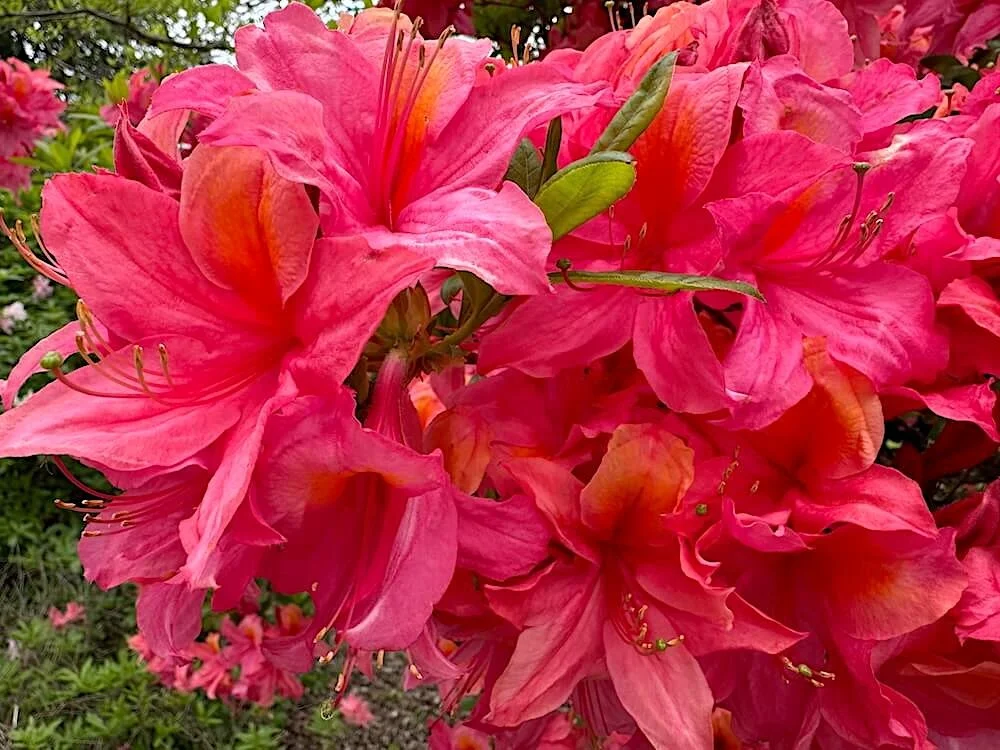
Rhododendron Sweet Reward Coral is a deciduous azalea with an upright, mounded form and light green leaves that may show a faint burgundy edge. In mid to late spring, it produces rounded clusters of salmon-coral flowers with warm orange centers. The blossoms are strongly fragrant and are visited by bees, butterflies, and hummingbirds, bringing color and movement to the spring garden.

Developed at North Carolina State University, Sweet Reward Coral was selected for fragrant bloom and garden durability. Its scented spring flowers and clean, deciduous framework make it a good choice for mixed borders, informal hedges, and prominent planting areas near paths or seating where the fragrance can be enjoyed.

DESCRIPTION
Rhododendron Sweet Reward Coral is a deciduous azalea with an upright, mounded form and light green leaves that may show a faint burgundy edge. In mid to late spring, it produces rounded clusters of salmon-coral flowers with warm orange centers. The blossoms are strongly fragrant and are visited by bees, butterflies, and hummingbirds, bringing color and movement to the spring garden.

Developed at North Carolina State University, Sweet Reward Coral was selected for fragrant bloom and garden durability. Its scented spring flowers and clean, deciduous framework make it a good choice for mixed borders, informal hedges, and prominent planting areas near paths or seating where the fragrance can be enjoyed.

 
  • Family: Ericaceae
    Height: 3 to 6 ft
    Width: 3 to 6 ft
    Foliage color: Medium-green deciduous leaves
    Flower color: Rich coral to salmon-coral blooms, often with warm sherbet-orange in the centers
    Bloom time: Mid to late spring (April-May)
    Light requirements: Full sun to part sun
    Water requirements: Moderate
    Maintenance: Low to moderate —prune lightly after bloom
    Growing zone: USDA zones 5 to 8
    Wildlife attractors: Fragrant flowers attract bees and hummingbirds

    This plant can be seen at Oregon State University.
    Print Information

    Buy Plants