Rhododendron yungningense | Yungning Rhododendron

$0.00

DESCRIPTION
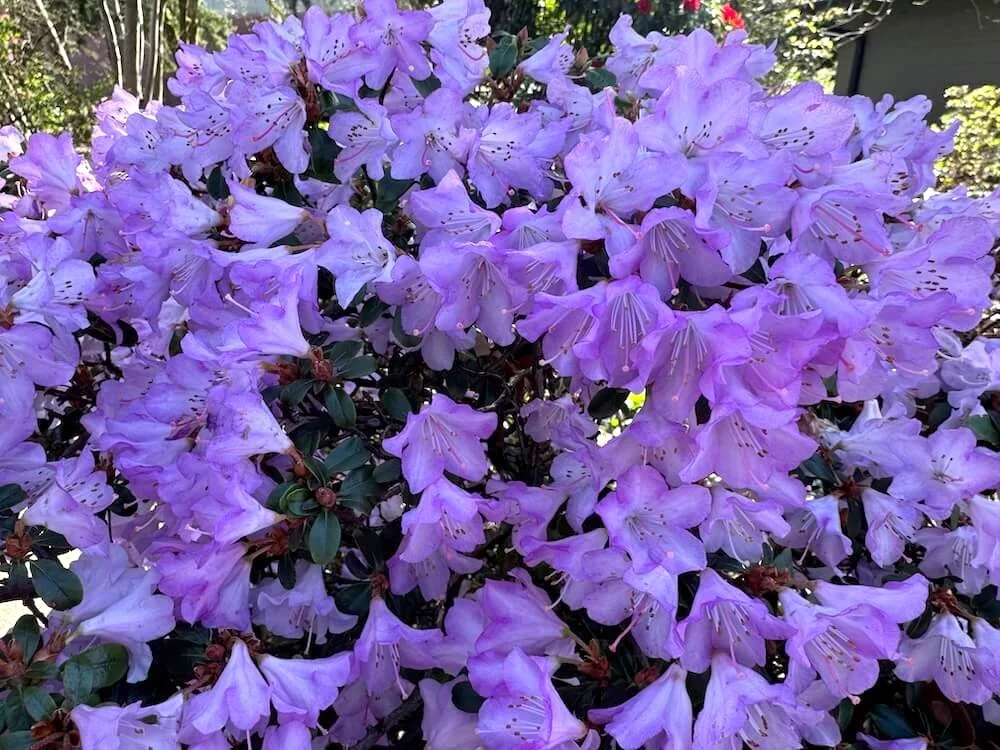
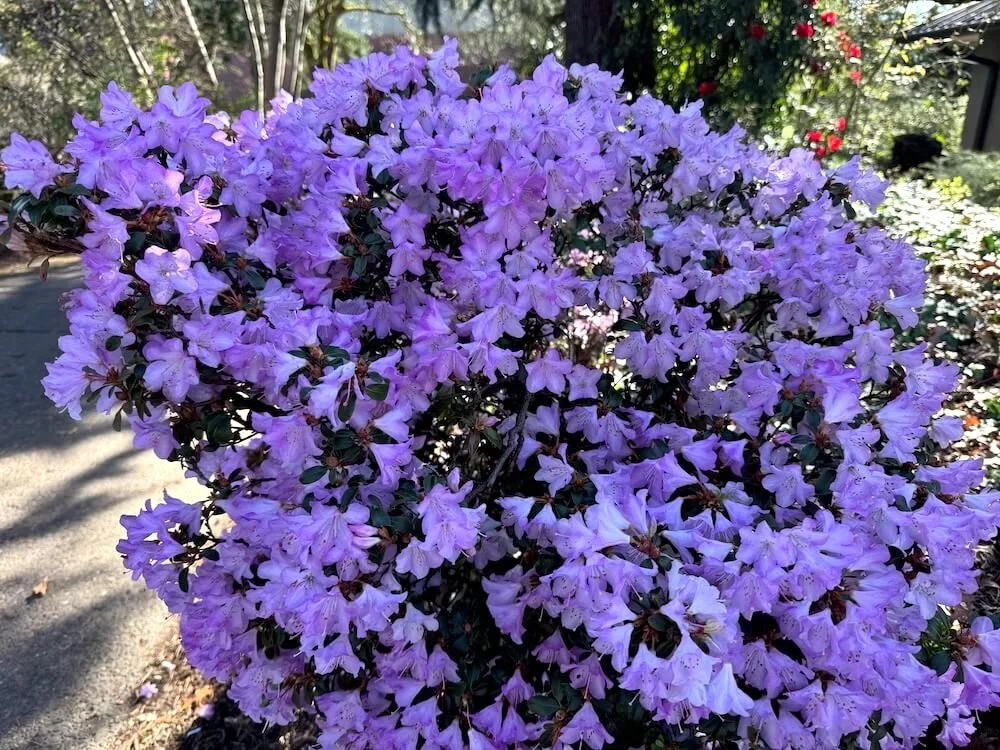
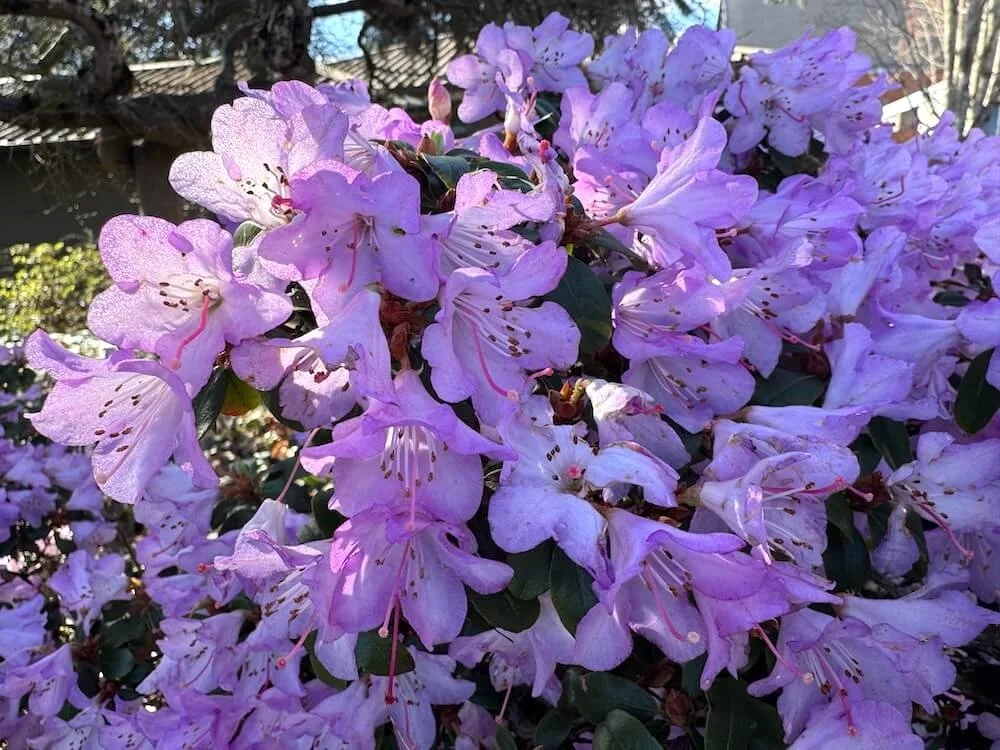
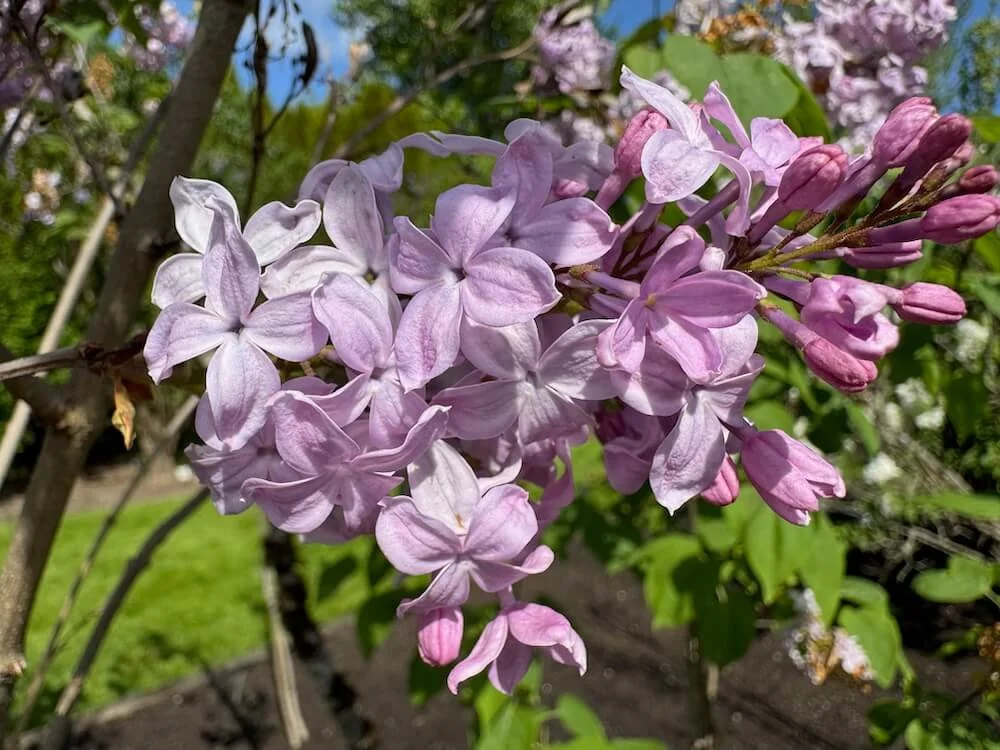
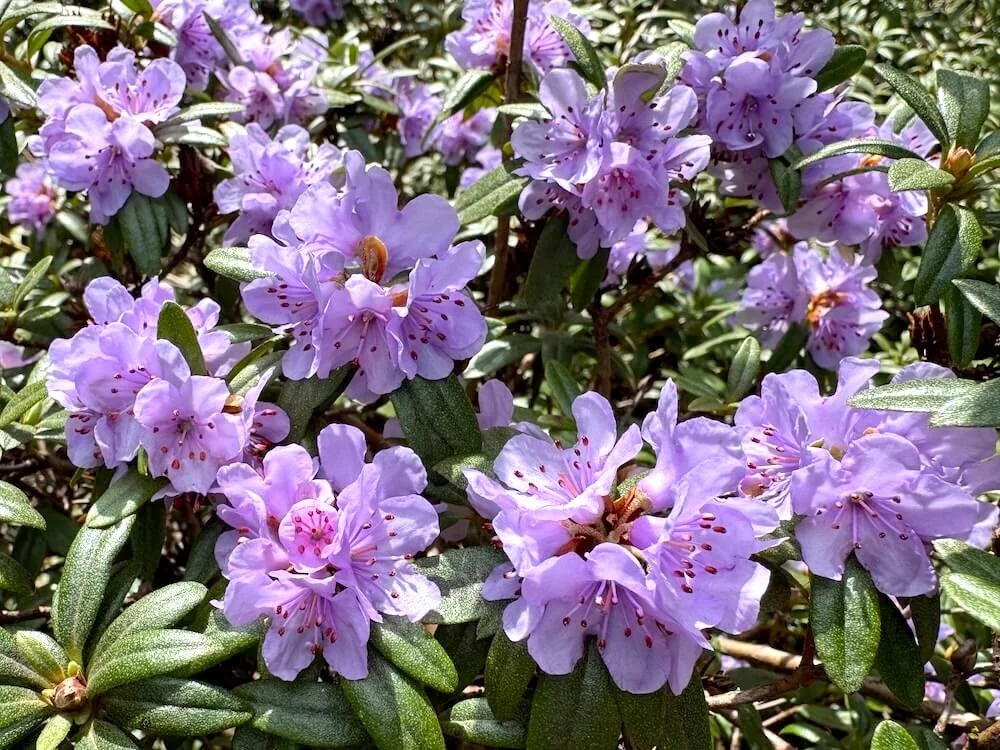
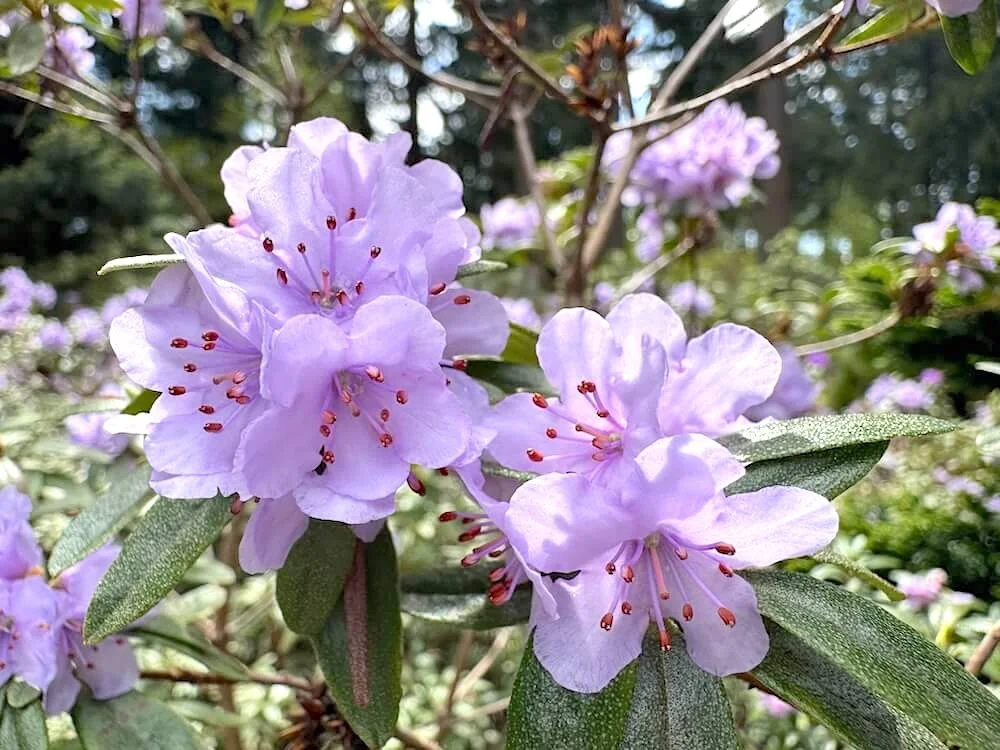
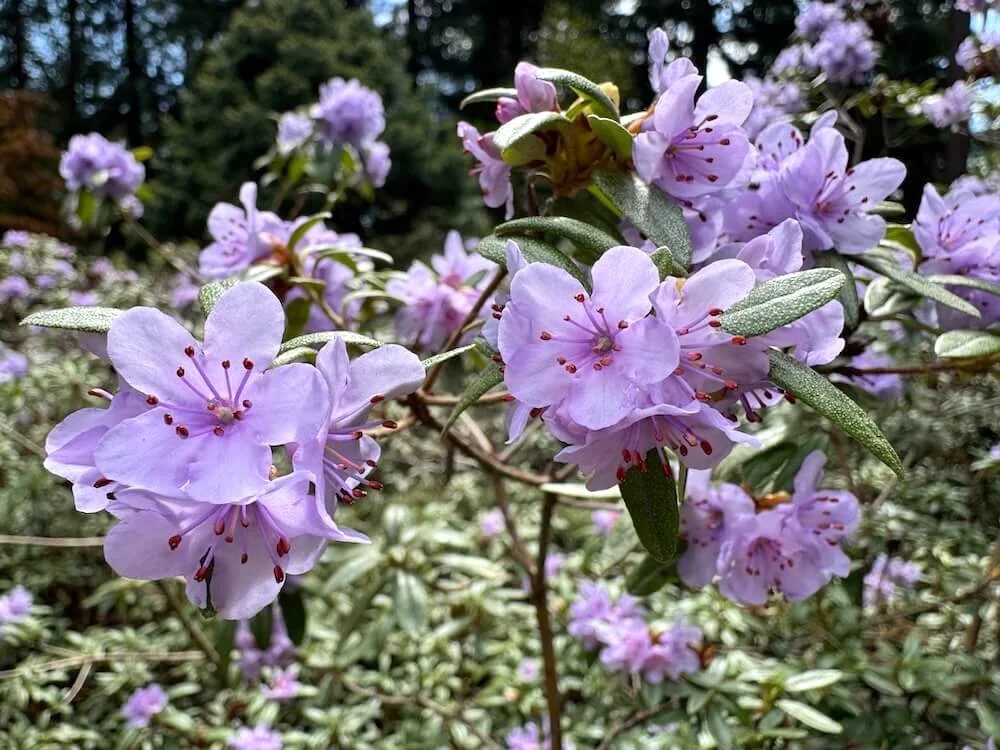
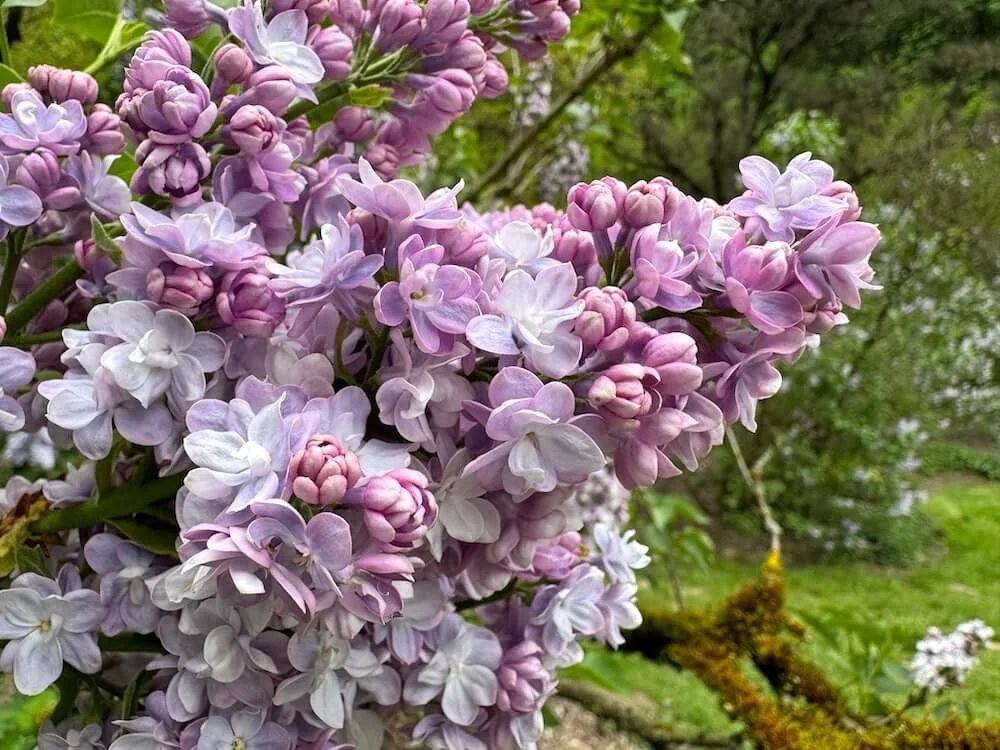
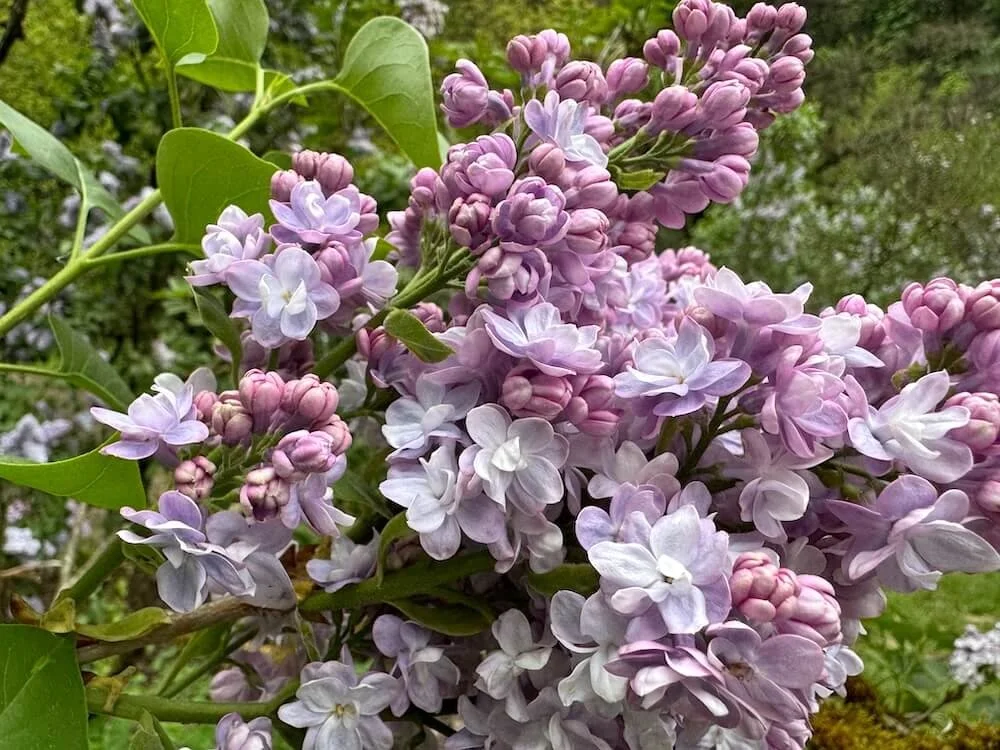
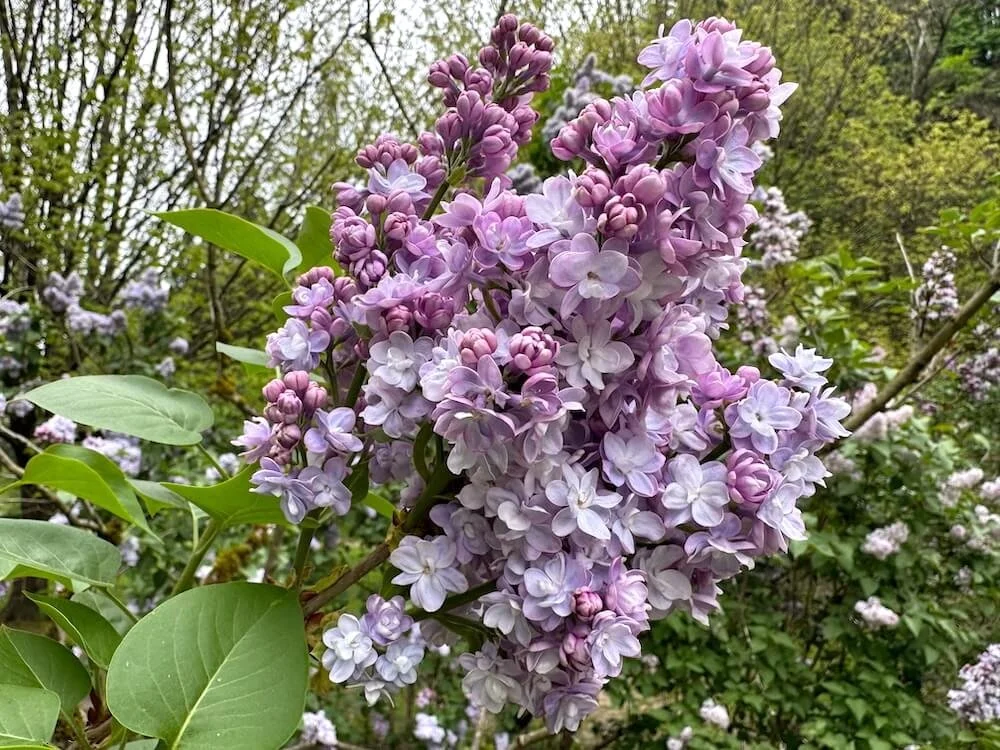
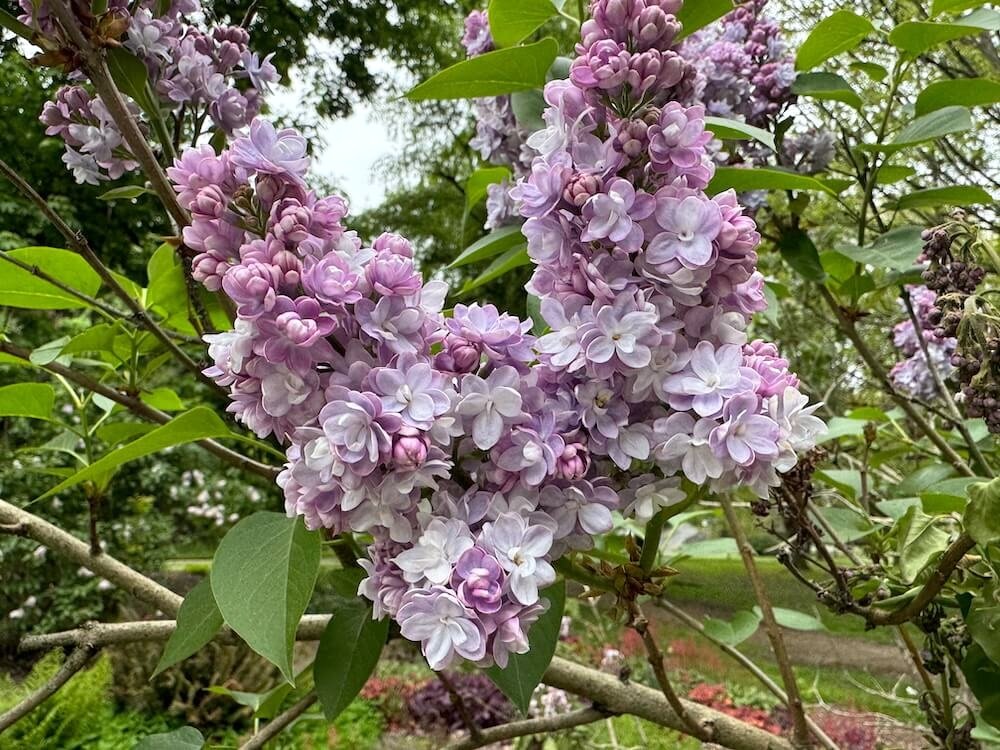
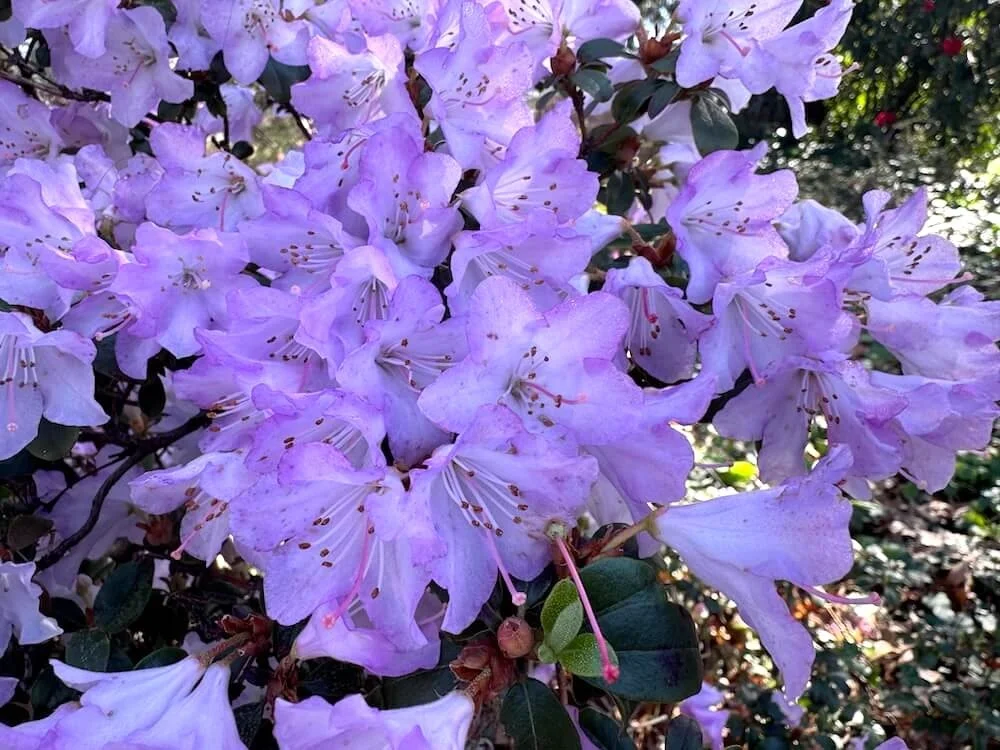
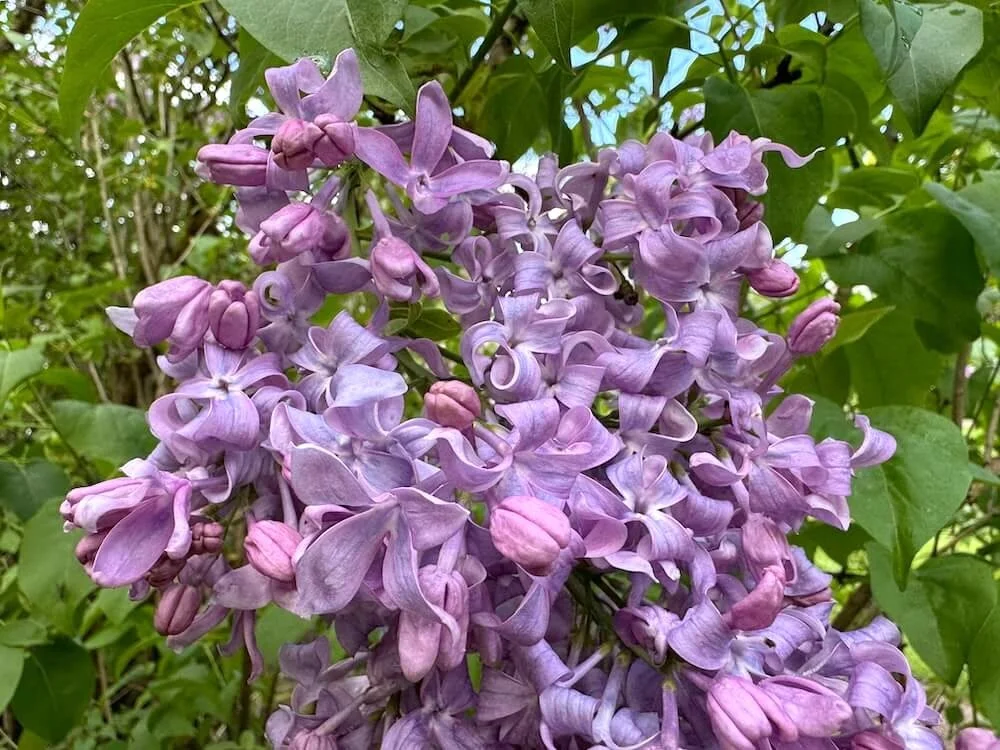
Rhododendron yungningense produces small clusters of funnel-shaped flowers in early to mid spring, the blooms opening in shades of rose-purple to deep violet with occasional lavender tones. The blossoms appear near the branch tips and often partially conceal the foliage during peak bloom. Small, oblong leaves line the stems, displaying deep green upper surfaces and a covering of fine rust-colored scales beneath that add texture and subtle contrast.

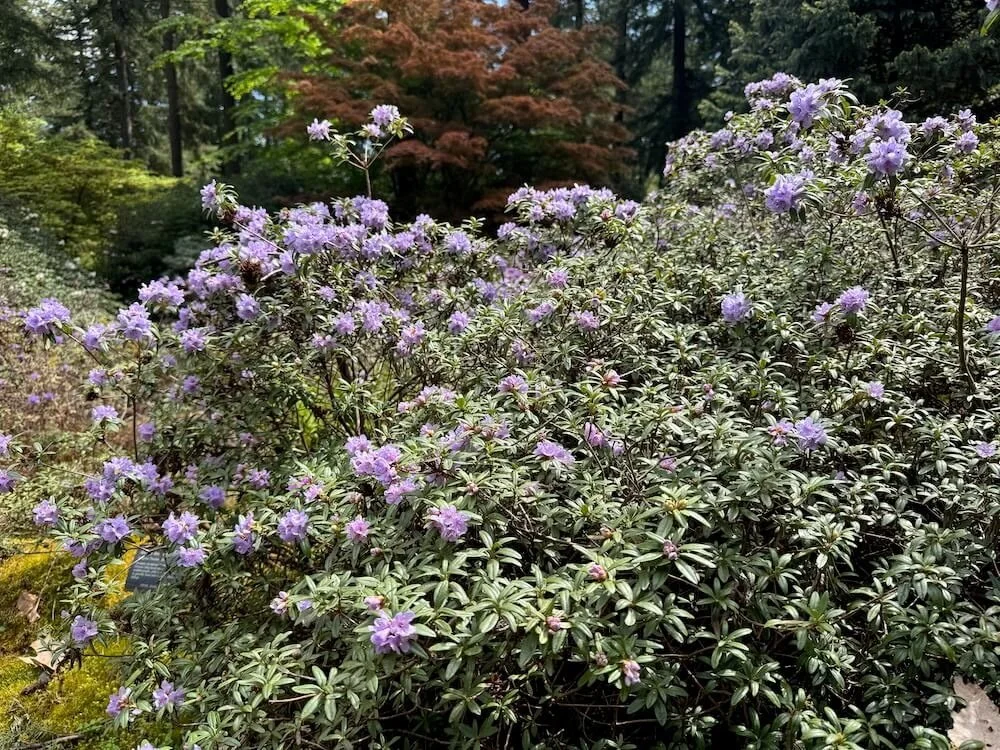
This species is native to high elevations of southwestern China, including Yunnan and Sichuan, where it grows in mountainous habitats. In gardens it lends year-round presence to rock gardens, alpine plantings, and woodland borders where the compact foliage and spring flowers provide seasonal color and fine texture.

DESCRIPTION
Rhododendron yungningense produces small clusters of funnel-shaped flowers in early to mid spring, the blooms opening in shades of rose-purple to deep violet with occasional lavender tones. The blossoms appear near the branch tips and often partially conceal the foliage during peak bloom. Small, oblong leaves line the stems, displaying deep green upper surfaces and a covering of fine rust-colored scales beneath that add texture and subtle contrast.

This species is native to high elevations of southwestern China, including Yunnan and Sichuan, where it grows in mountainous habitats. In gardens it lends year-round presence to rock gardens, alpine plantings, and woodland borders where the compact foliage and spring flowers provide seasonal color and fine texture.

 
  • Family: Ericaceae
    Height: 3 to 4 feet
    Width: 3 to 4 feet
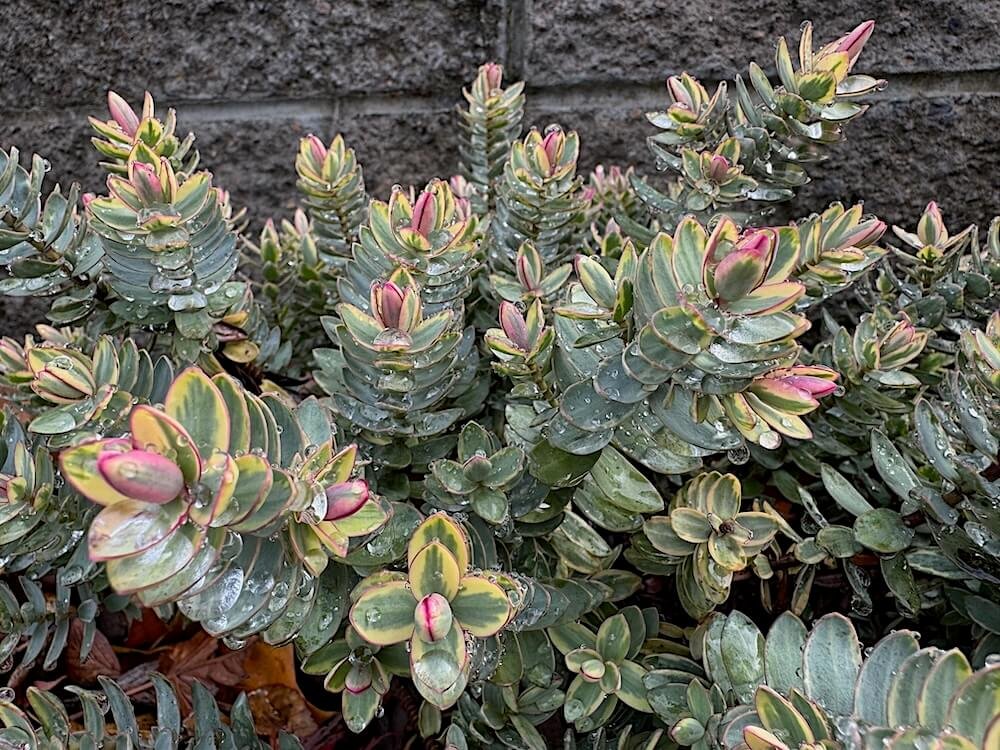
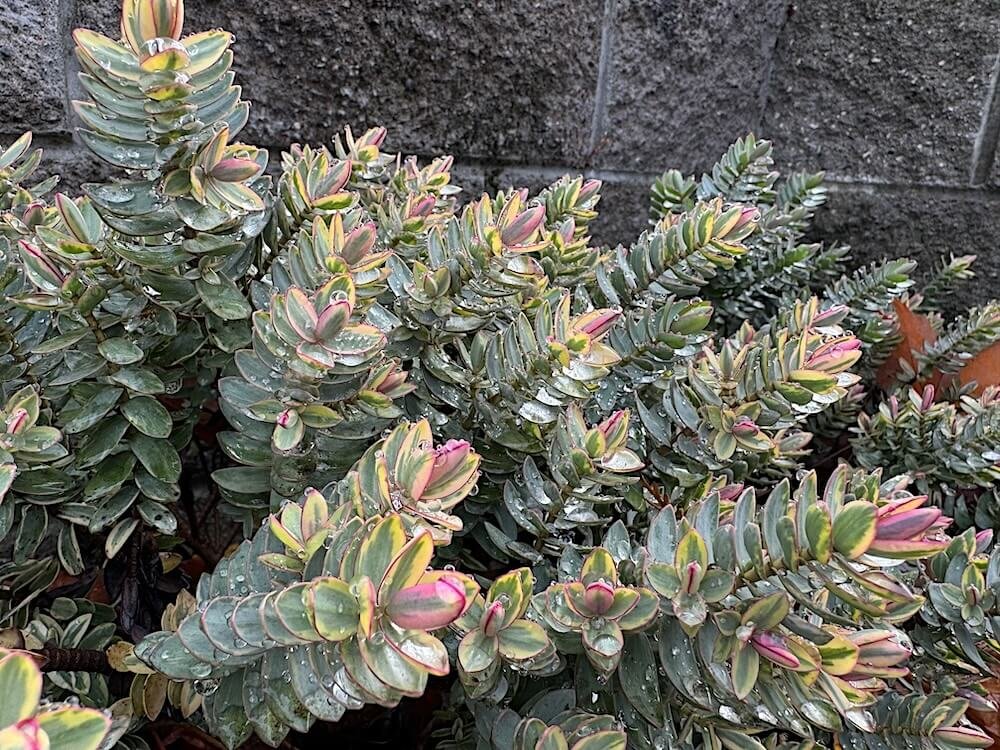
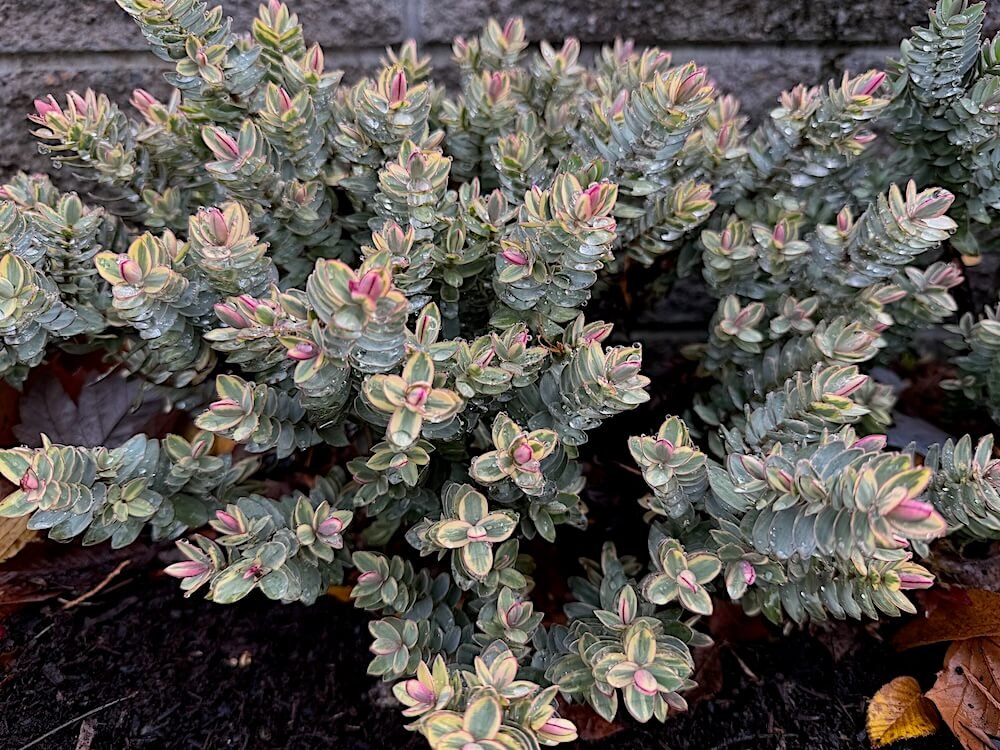
    Foliage color: Dark green small oblong to elliptic leaves with a rusty brown to fawn indumentum on the undersides
    Flower color: Purple to rose lavender funnel shaped flowers
    Bloom time: Mid spring; often April to May
    Light requirements: Partial shade to dappled sun
    Water requirements: Average evenly moist soil
    Maintenance: Low; remove spent flower trusses after blooming and prune lightly to maintain a compact shape
    Growing zone: USDA zones 7 to 9
    Wildlife attractors: Bees and other pollinating insects
    Print Information

    Buy Plants