Syringa vulgaris ‘Miss Ellen Willmott’ | Miss Ellen Willmott Lilac

$0.00

DESCRIPTION
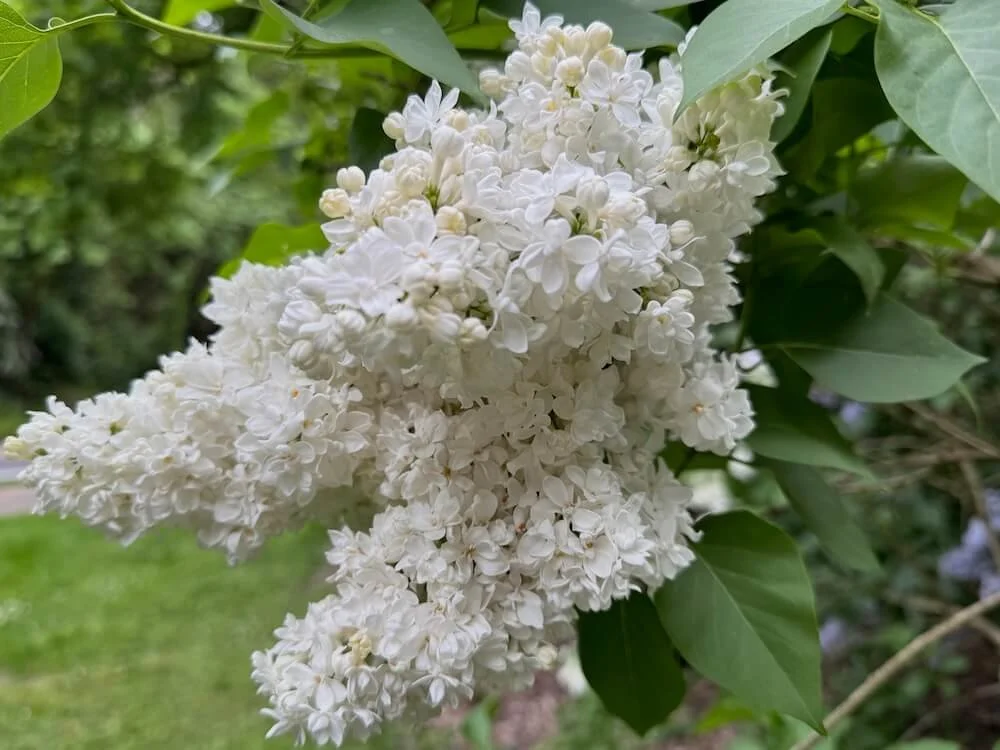
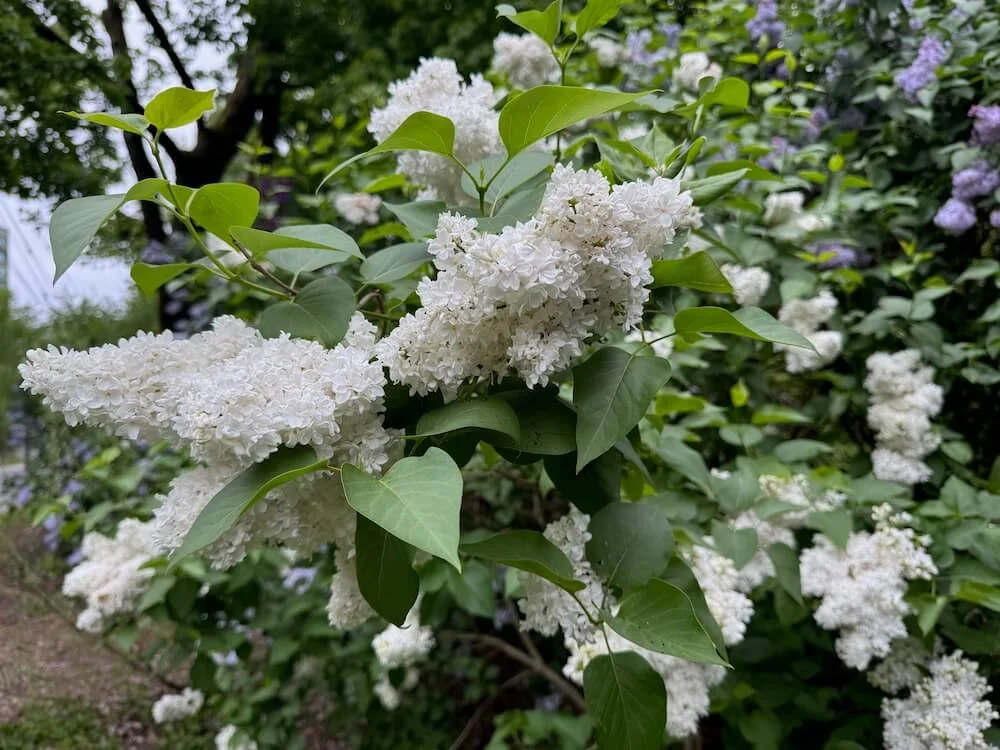
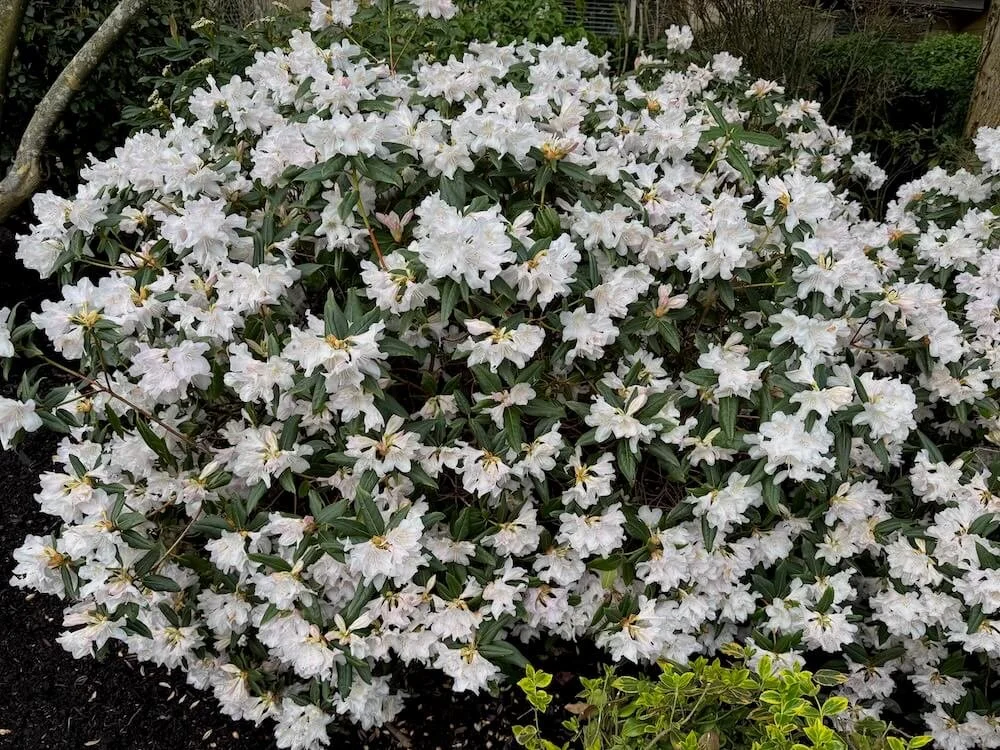
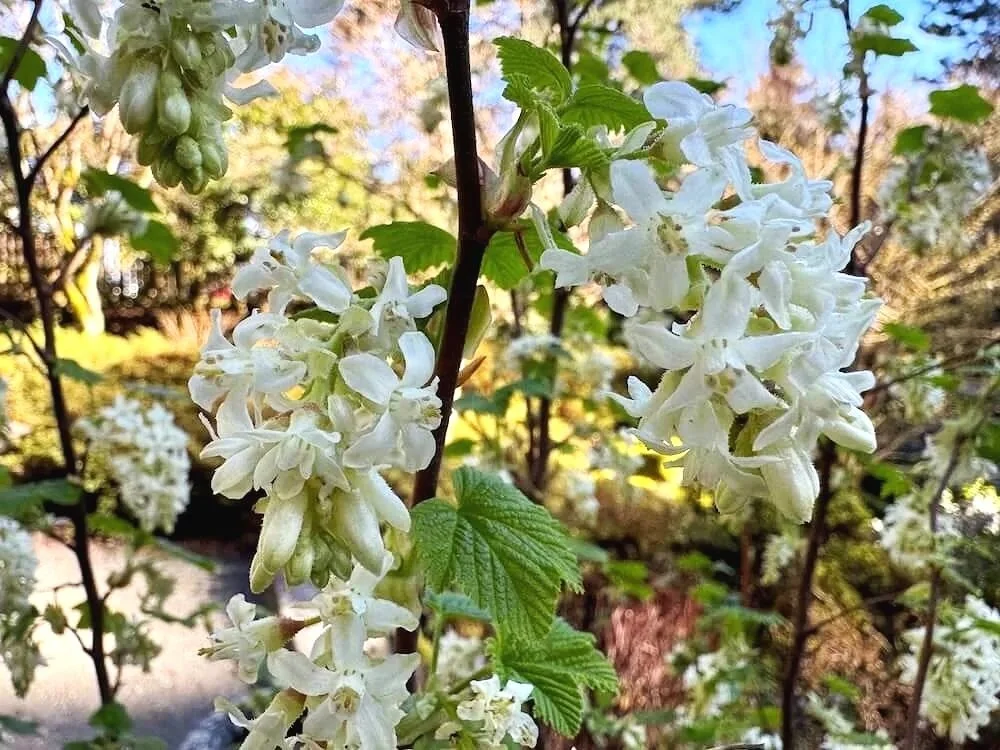
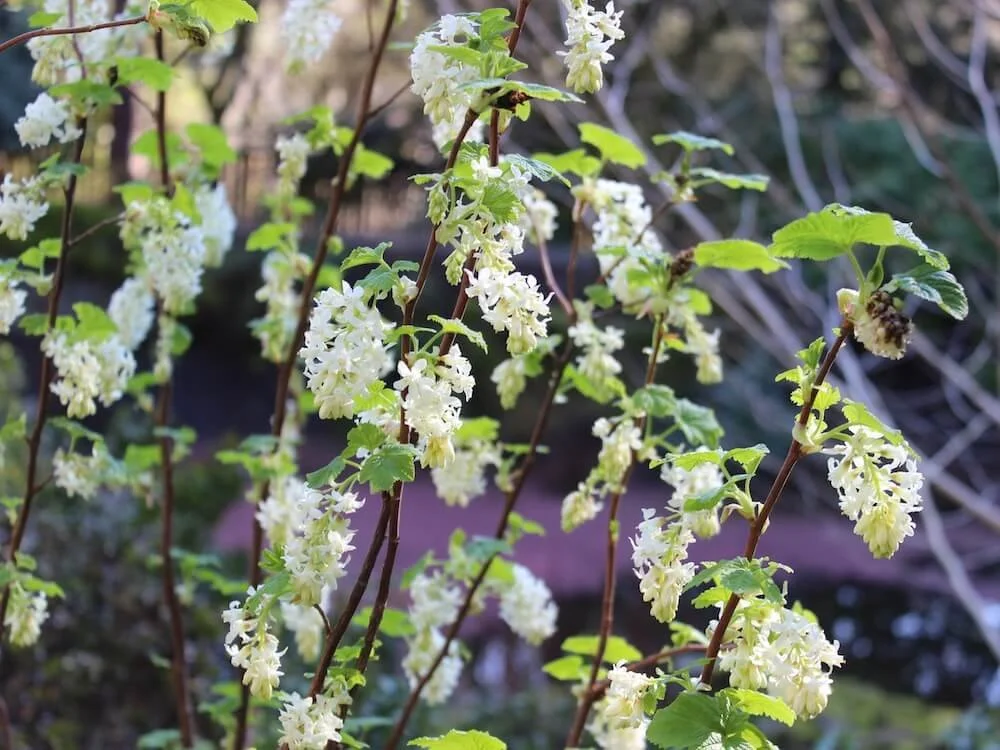
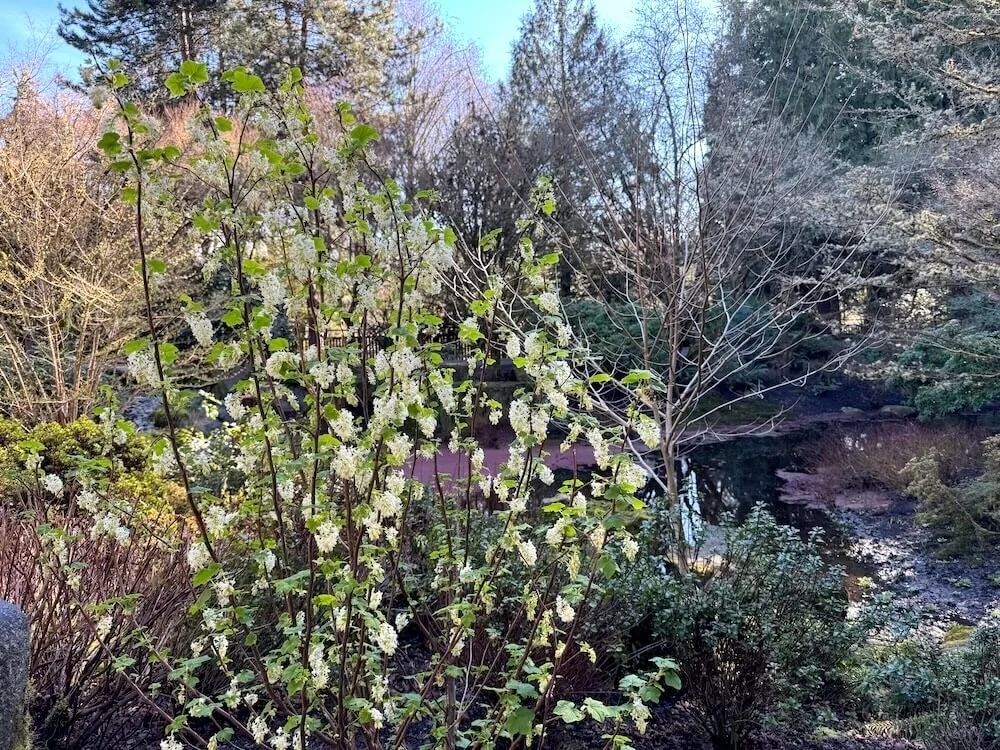
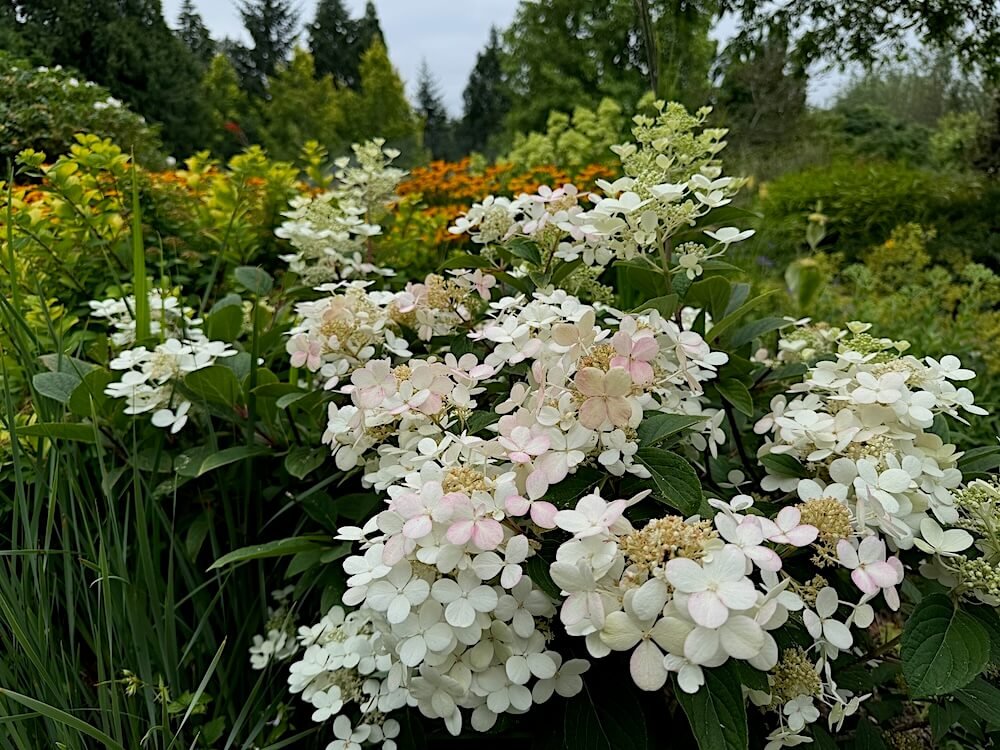
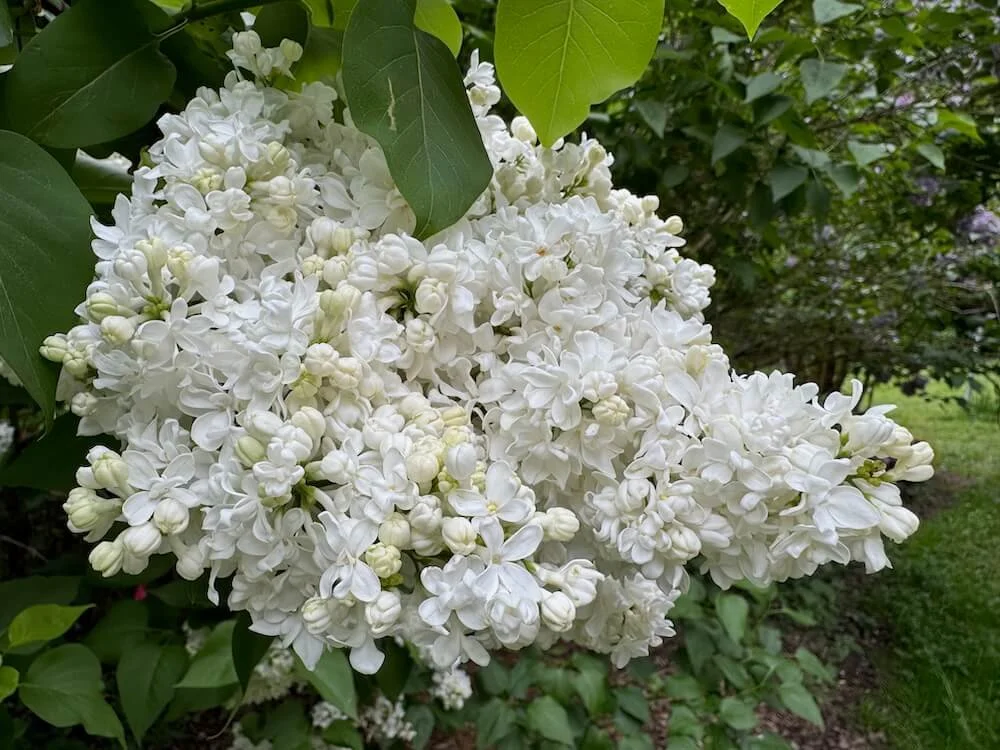
Syringa vulgaris ‘Miss Ellen Willmott’ is a French-bred common lilac introduced by the Lemoine nursery in 1903 and named for the English plantswoman Ellen Willmott. In mid to late spring, greenish buds open to creamy white, fully double florets held in long, pyramidal clusters, filling the air with classic lilac fragrance.

Heart-shaped, medium green leaves create a fresh backdrop through the growing season, and the shrub’s sturdy branching carries the flower trusses upright for cutting and early-season bouquets. It is also noted for good resistance to bacterial blight in many plantings. After bloom, the foliage remains neat and dense, providing a leafy screen and reliable structure through summer before dropping in autumn.

DESCRIPTION
Syringa vulgaris ‘Miss Ellen Willmott’ is a French-bred common lilac introduced by the Lemoine nursery in 1903 and named for the English plantswoman Ellen Willmott. In mid to late spring, greenish buds open to creamy white, fully double florets held in long, pyramidal clusters, filling the air with classic lilac fragrance.

Heart-shaped, medium green leaves create a fresh backdrop through the growing season, and the shrub’s sturdy branching carries the flower trusses upright for cutting and early-season bouquets. It is also noted for good resistance to bacterial blight in many plantings. After bloom, the foliage remains neat and dense, providing a leafy screen and reliable structure through summer before dropping in autumn.

 
  • Family: Oleaceae
    Height: 10 to 15 ft
    Width: 8 to 12 ft
    Foliage color: Medium to dark green, broadly heart-shaped leaves
    Flower color: Creamy white, double, highly fragrant flower clusters; opening from greenish buds
    Bloom Time: Mid to late spring
    Light requirements: Full sun
    Water requirements: Moderate
    Maintenance: Low to moderate; prune immediately after flowering to shape and remove spent clusters
    Growing zone: USDA zones 3 to 7
    Wildlife attractors: Fragrant blooms attract bees, butterflies, and other pollinators

    Print Information

    Buy Plants