Vaccinium glaucoalbum | Himalayan Huckleberry

$0.00

DESCRIPTION
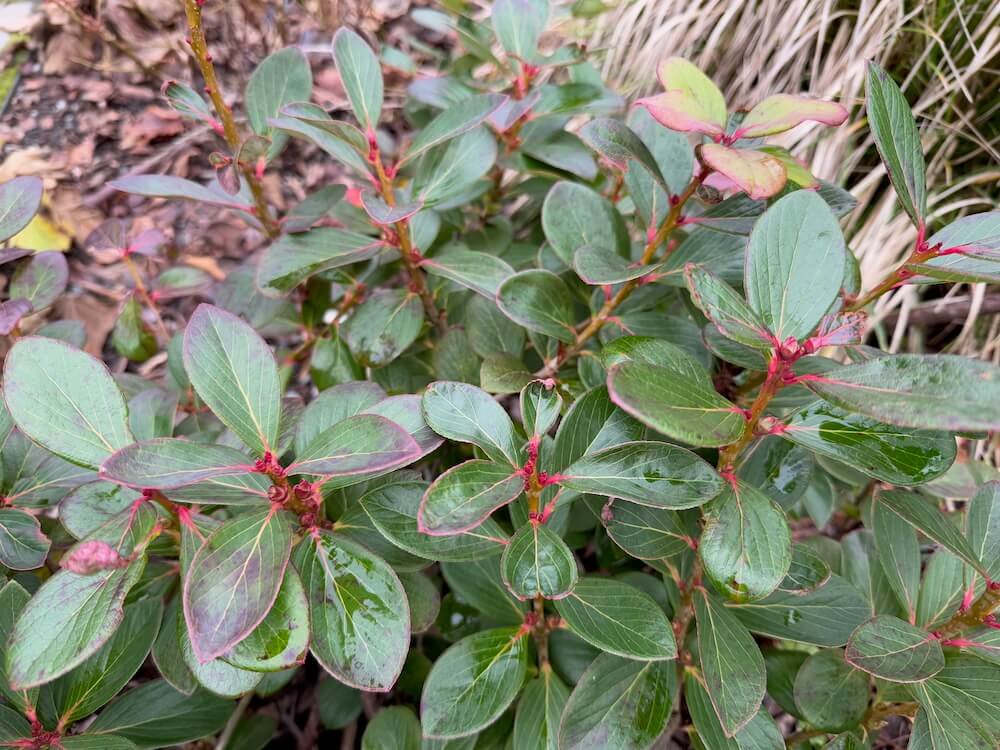
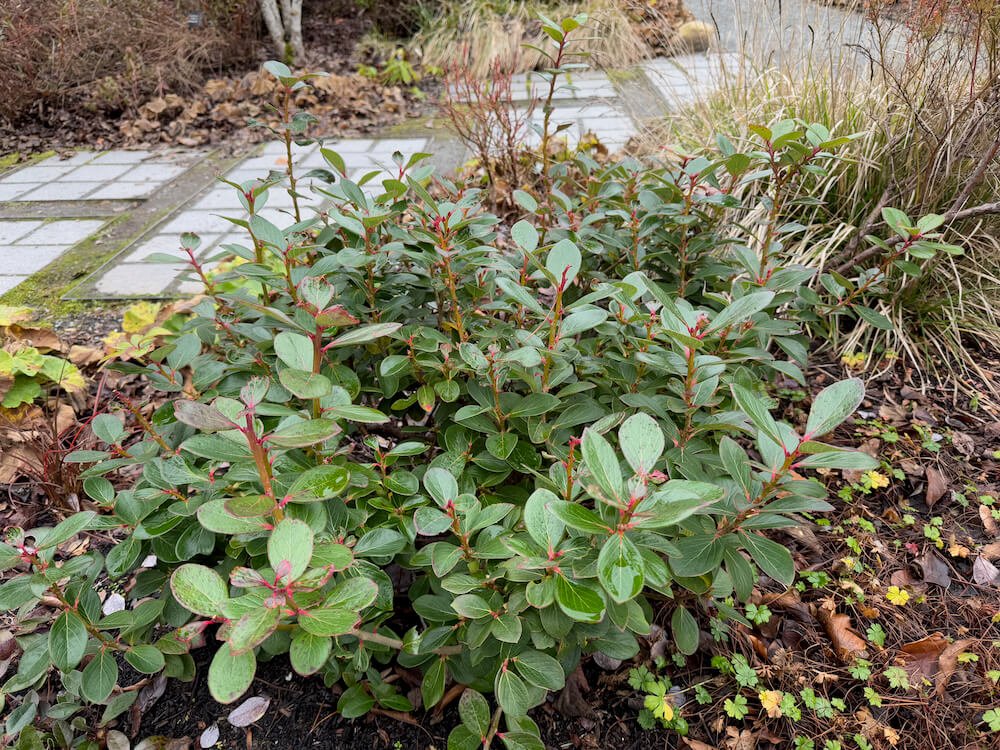
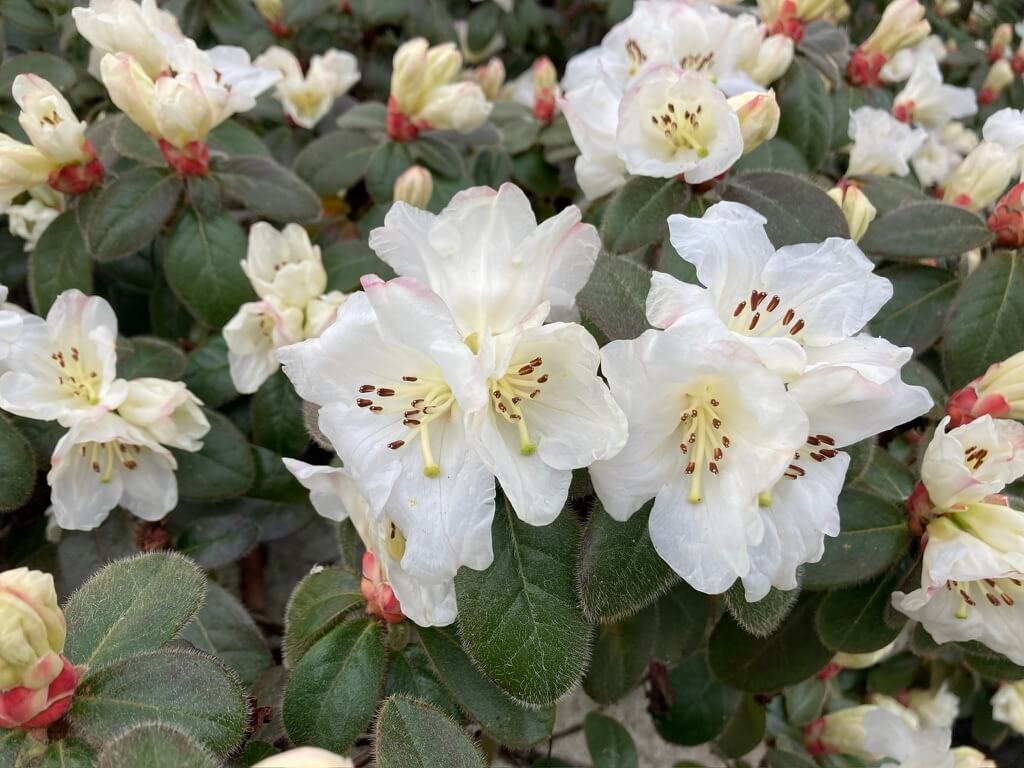
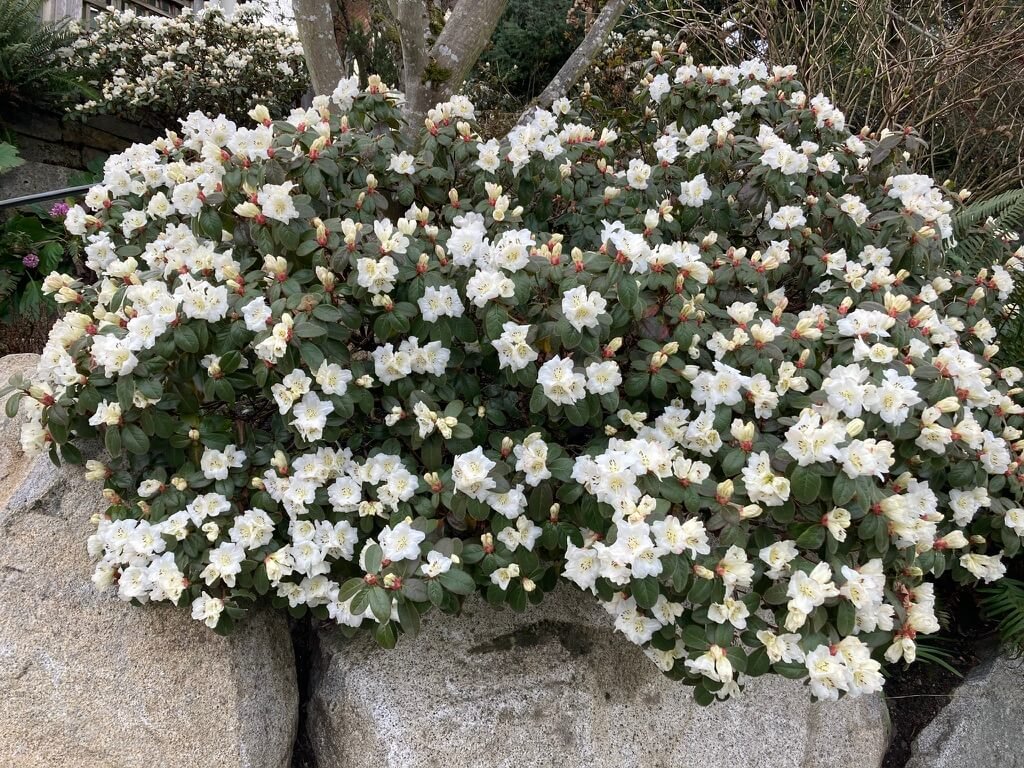
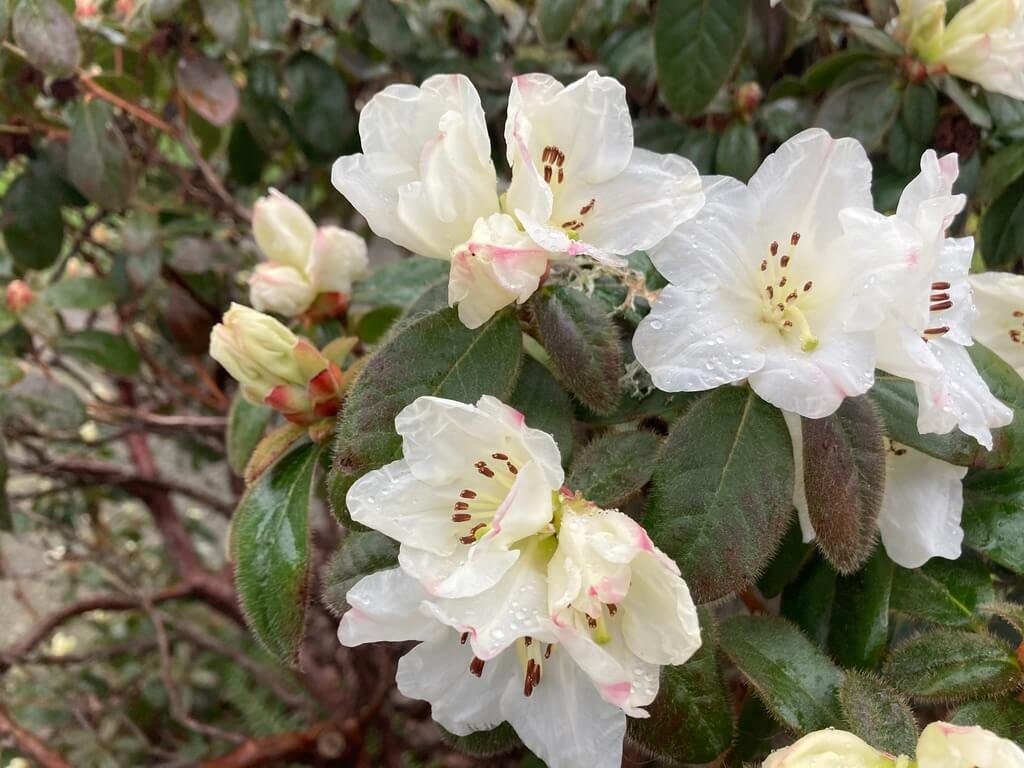
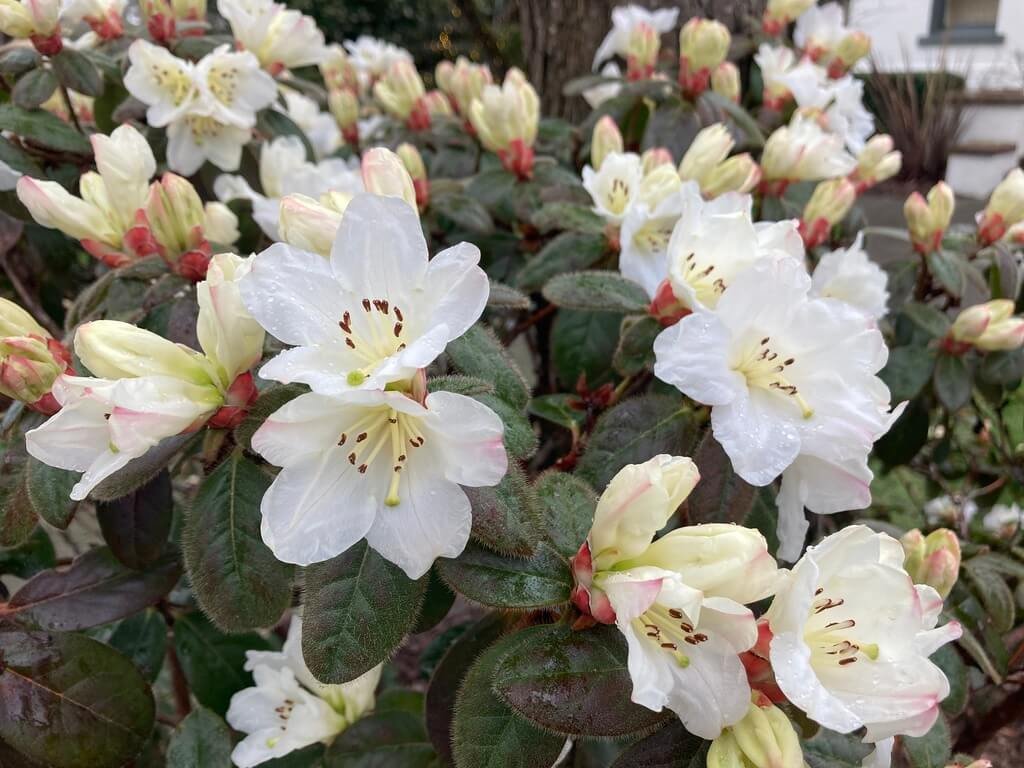
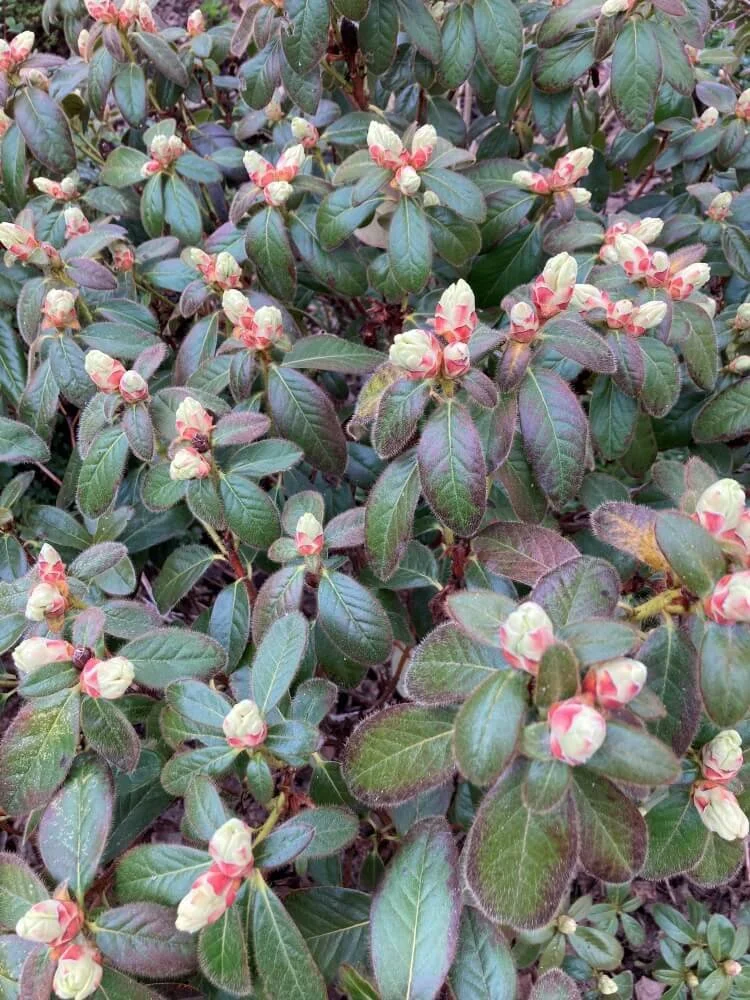
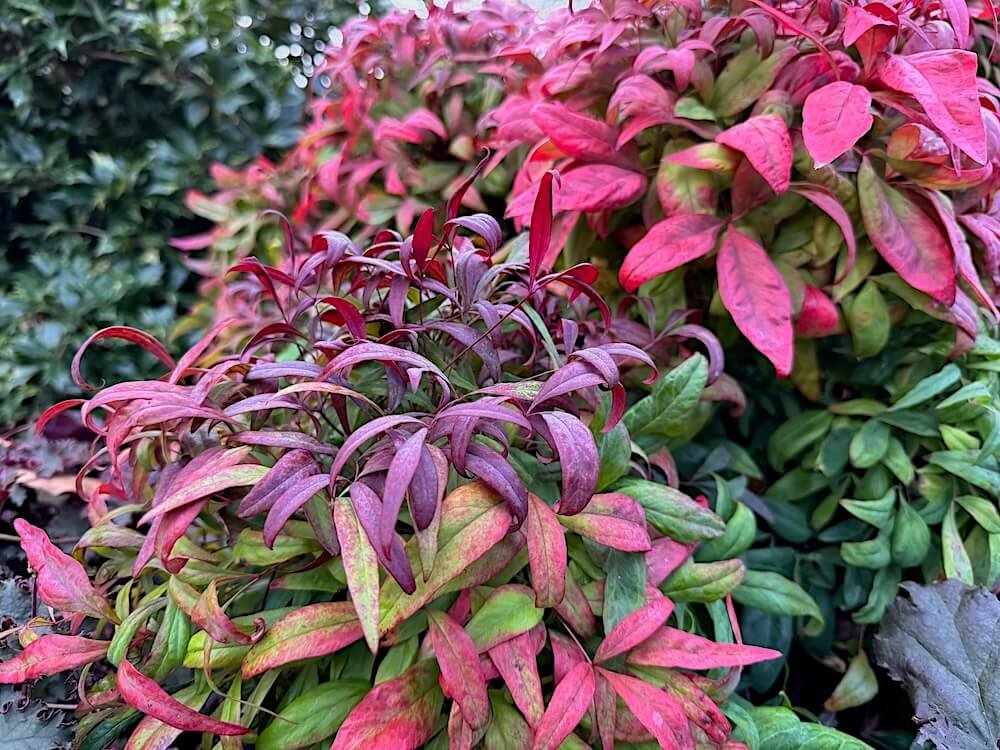
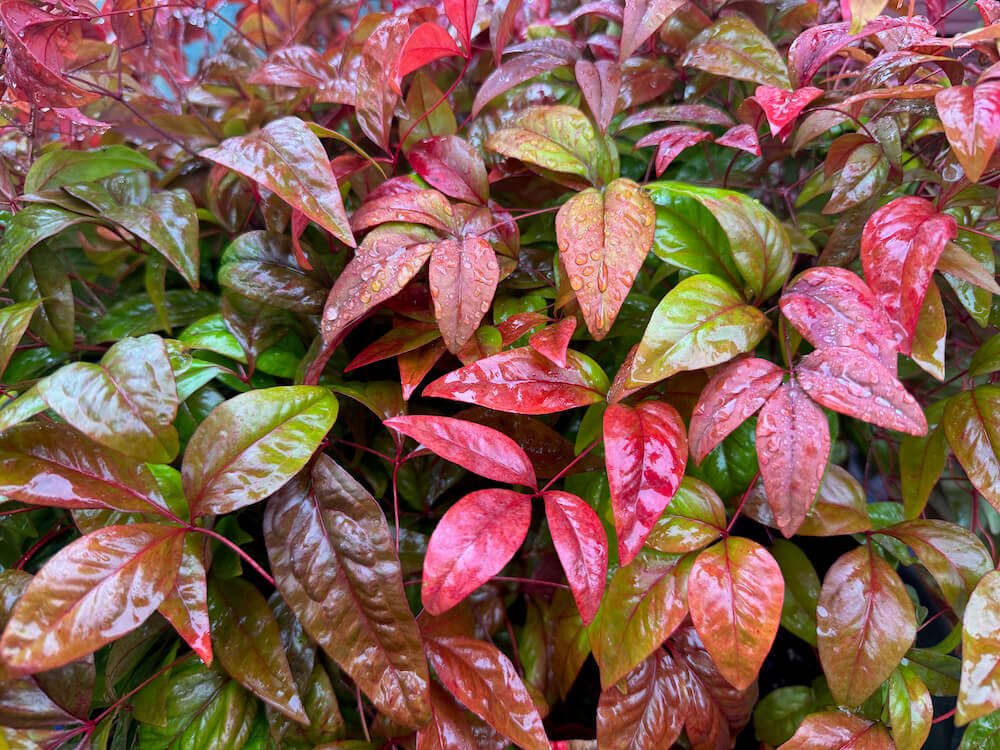
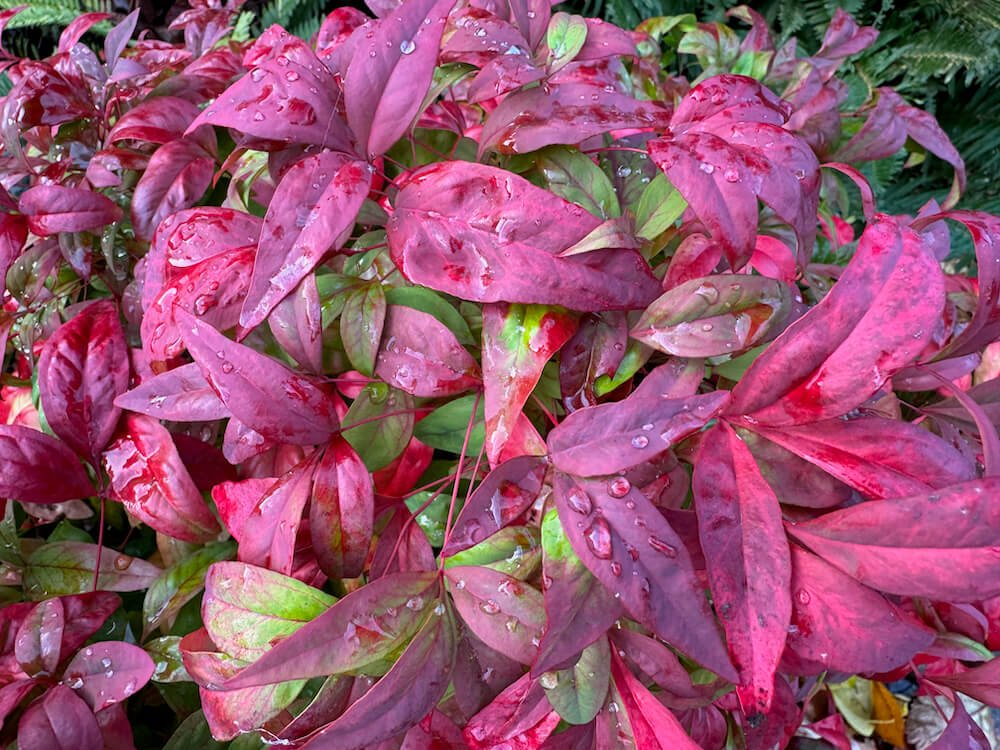
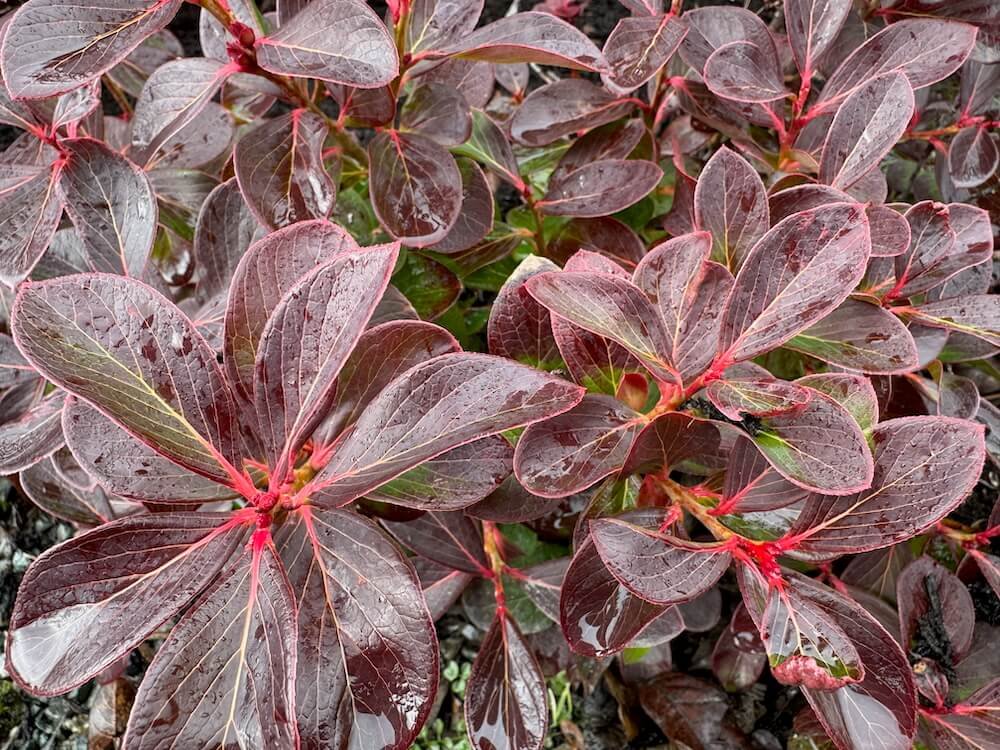
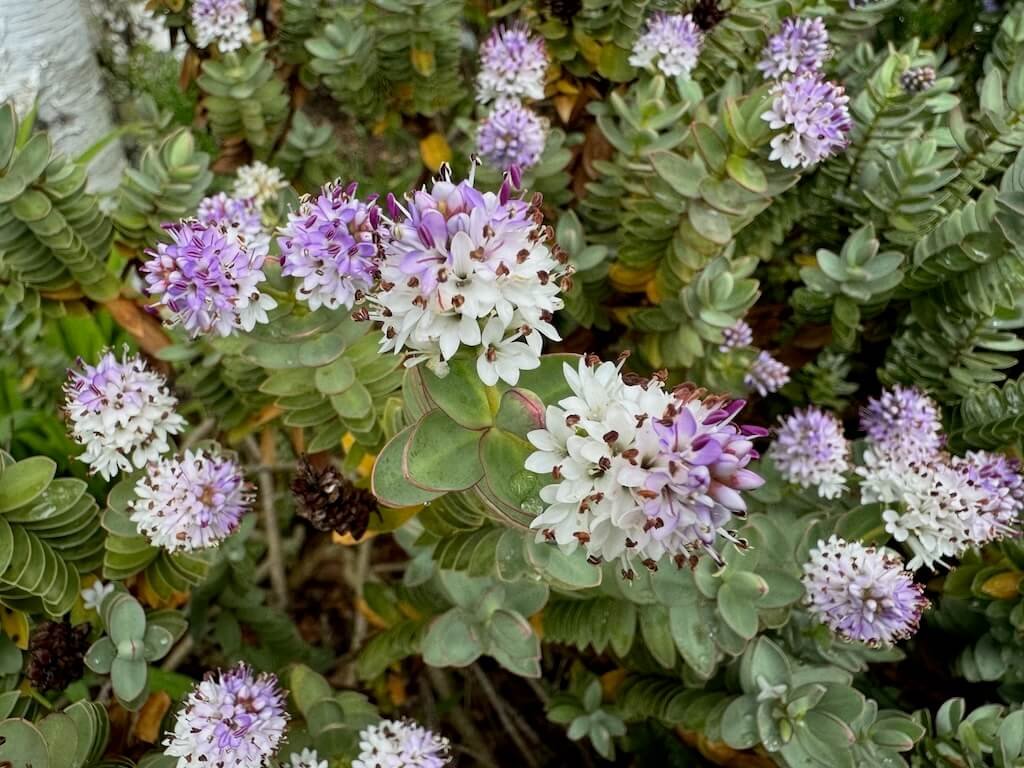
Vaccinium glaucoalbum produces small, urn-shaped white flowers flushed with pale pink in spring, hanging in delicate clusters along the stems and followed by blue-black berries. Elliptical leaves are thick and leathery, deep green above with a subtle bluish cast beneath, creating a refined, polished appearance throughout the year. New growth often emerges with a soft reddish tint, adding seasonal color, while the flowers are tucked neatly among the foliage, later giving way to ornamental fruit.

Native to the Himalayan region, this species reflects adaptation to cool, mountainous environments. It is well suited to woodland gardens, mixed borders, and sheltered plantings, where its evergreen presence and fruiting habit provide year-round structure and seasonal interest.

DESCRIPTION
Vaccinium glaucoalbum produces small, urn-shaped white flowers flushed with pale pink in spring, hanging in delicate clusters along the stems and followed by blue-black berries. Elliptical leaves are thick and leathery, deep green above with a subtle bluish cast beneath, creating a refined, polished appearance throughout the year. New growth often emerges with a soft reddish tint, adding seasonal color, while the flowers are tucked neatly among the foliage, later giving way to ornamental fruit.

Native to the Himalayan region, this species reflects adaptation to cool, mountainous environments. It is well suited to woodland gardens, mixed borders, and sheltered plantings, where its evergreen presence and fruiting habit provide year-round structure and seasonal interest.

 
  • Family: Ericaceae
    Height: 2 ft to 4 ft
    Width: 2 ft to 4 ft
    Foliage color: Glossy deep green leaves with a leathery texture and lighter undersides; new red growth
    Flower color: Small urn shaped white to pale pink flowers borne in short clustered racemes
    Bloom time: Spring
    Light requirements: Partial shade
    Water requirements: Moderate to high; prefers consistently moist acidic soil
    Maintenance: Low; prune lightly after fruiting to shape and remove weak or crowded growth
    Growing zone: USDA zones 7 to 9
    Wildlife attractors: Pollinators attracted to nectar rich flowers and birds attracted to edible berries

    This plant can be seen at the Bellevue Botanical Garden.
    Print Information

    Buy Plants