
Spring Blooming Perennials
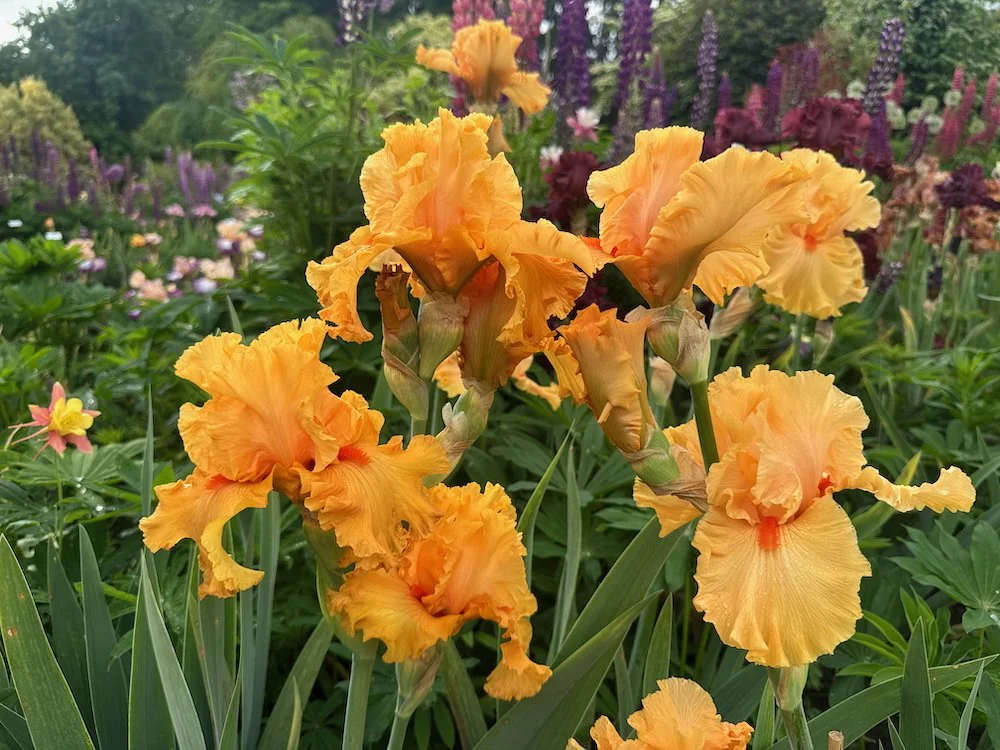
Iris ‘Cabana’
Deciduous perennial with ruffled apricot yellow blooms highlighted by vivid orange beards. Grows 34 to 38 inches tall. Ideal for borders, cutting gardens, and colorful seasonal displays. Zones: 3 to 9.
Spring blooming perennials bring fresh color and renewed energy to the garden, emerging as the landscape begins to awaken after winter. Their flowers range from soft pastels to brighter shades of pink, purple, yellow, white, and blue, often appearing alongside fresh new foliage and early seasonal growth. These plants add texture and movement to borders and garden beds while creating a space that feels bright, inviting, and full throughout the changing season, helping bridge the transition from early spring into the abundance of late spring and early summer.
PEONY (Paeonia)
01


Peonies create a dramatic spring display, producing large, richly layered flowers that rise above lush, deeply divided foliage from late spring into early summer. Paeonia lactiflora ‘Bowl of Beauty’ is grown for its distinctive blooms with deep rose-pink outer petals surrounding a soft, creamy center, creating a full and elegant display. Its substantial foliage provides a strong backdrop while extending seasonal interest.
A beautiful addition to borders, cottage gardens, or mixed perennial plantings, these selections contribute both scale and color to spring landscapes. Paeonia lactiflora ‘Nippon Beauty’ offers deep crimson-red blooms with a tufted center, Paeonia x ‘Pink Double Dandy’ adds soft pink flowers with changing tones, and Paeonia x ‘Cora Louise’ introduces large white blooms accented by deep lavender-purple flares. Together, these selections provide layered color in the spring garden.
Related: Explore All Peonies ➔
LUNGWORT (Pulmonaria)
02
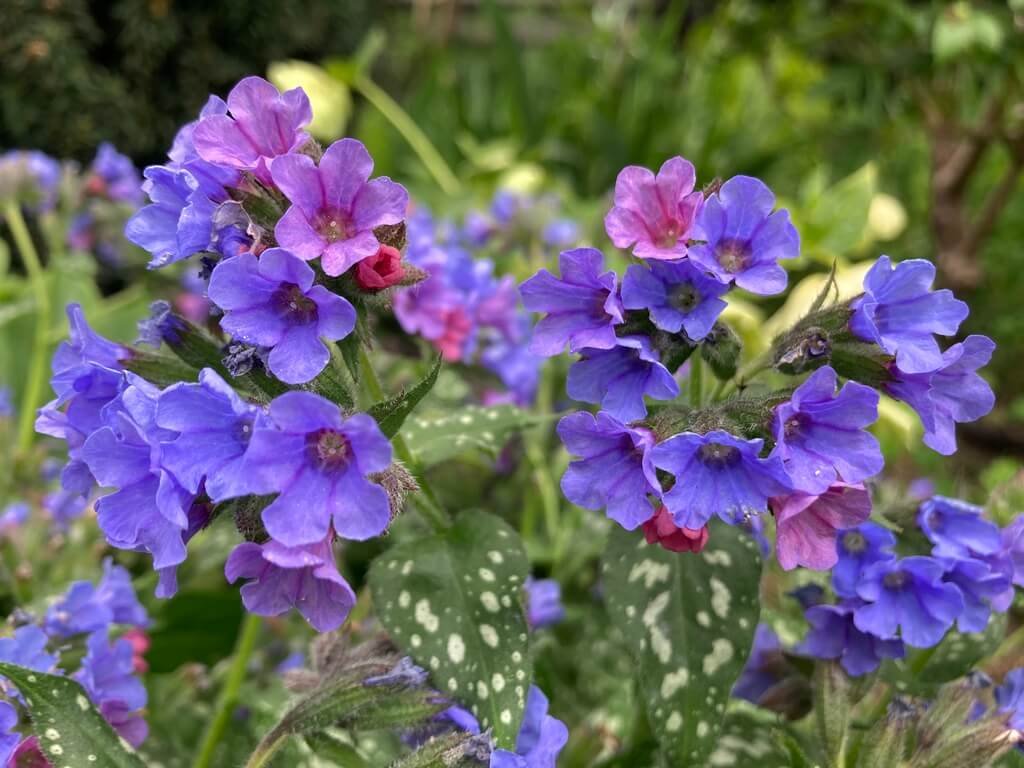
Lungwort brings early color and richly patterned foliage to the spring garden, producing clusters of flowers that emerge above low mounds of textured leaves. Pulmonaria ‘Trevi Fountain’ (shown here) is grown for its intense cobalt-blue blooms and heavily silver-spotted foliage, creating a cool-toned display from early spring. Its compact habit and distinctive leaves continue providing visual interest after flowering has finished.
A welcome addition to woodland borders, shaded beds, or mixed perennial plantings, these selections add both flower color and foliage contrast to spring displays. Pulmonaria ‘Twinkle Toes’ offers soft lavender flowers and silver-speckled leaves, Pulmonaria ‘Raspberry Splash’ contributes rich raspberry-pink blooms with heavily mottled foliage, and Pulmonaria ‘Pink-a-Blue’ produces flowers that transition through shades of pink and blue as they mature. Together, these selections provide evolving color, decorative foliage, and a lively presence in the spring garden.
TRILLIUM
03
Trilliums emerge as one of the woodland garden’s earliest highlights, bringing distinctive three-petaled flowers and bold foliage to the spring landscape. Trillium chloropetalum ‘Volcano’ is grown for its deep burgundy-red flowers held above broad, mottled foliage, creating a rich display in early to mid-spring. Their elegant form and slow, deliberate emergence give these plants a quiet presence as the season unfolds.
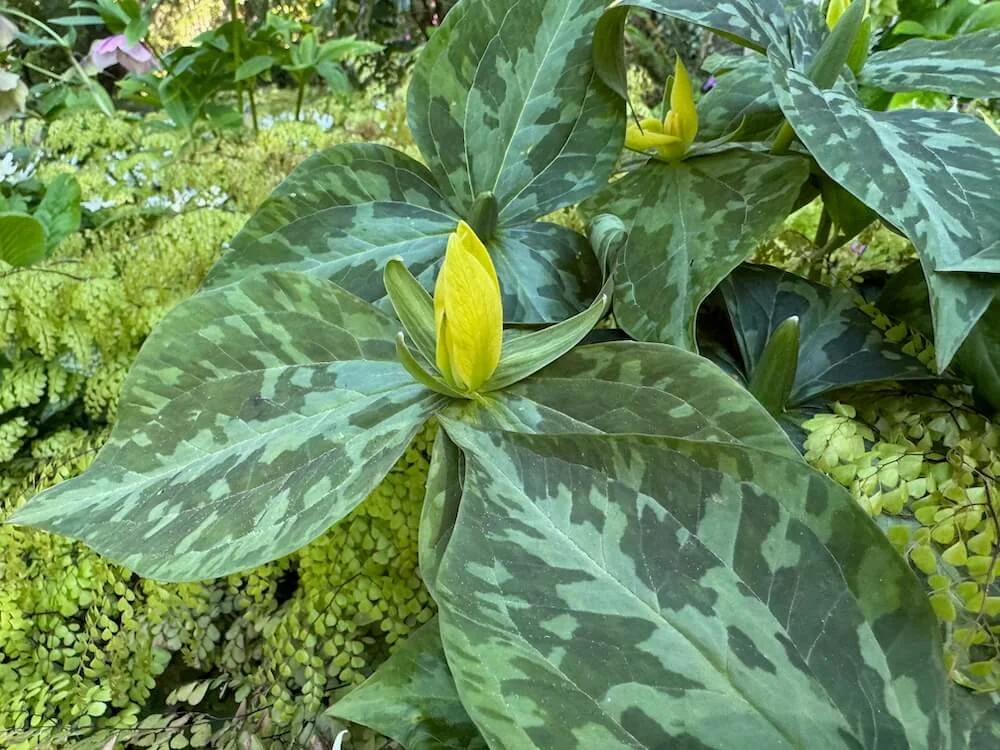
A beautiful addition to woodland borders, shaded gardens, or naturalized plantings, these perennials contribute texture and unusual flower forms to spring displays. Trillium kurabayashii offers richly colored dark maroon flowers, Trillium luteum (shown here) adds cheerful yellow blooms with lightly mottled foliage, and Trillium cuneatum contributes flowers in tones of bronze, green, and maroon. Together, these selections provide varied color, distinctive form, and a refined presence in the spring garden.
IRIS
04
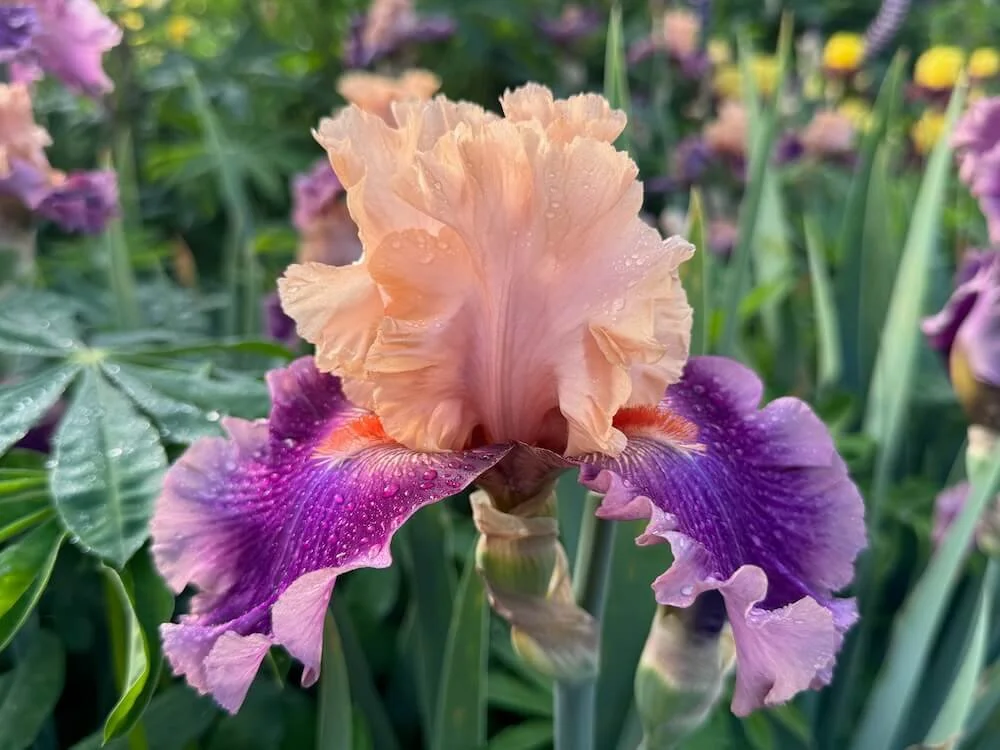
Irises bring bold flower form and upright structure to the spring garden, producing intricate blooms that add movement and color from late spring into early summer. Iris ‘Rasputin’ (shown here) is grown for its unusual blend of soft peach, deep violet-purple falls, and an orange beard, creating a layered display with exceptional color variation. Its sword-like foliage provides a strong vertical element that adds structure after flowering.
A colorful addition to borders, cottage gardens, or mixed perennial plantings, these perennials contribute distinctive flower forms and a wide range of tones. Iris ensata ‘Variegata’ offers white-striped foliage with deep purple blooms, Iris hollandica ‘Lion King’ adds rich yellow and bronze tones, and Iris sibirica ‘Joyce Cole’ contributes creamy white flowers with a more delicate appearance. Together, these selections provide varied color, and strong architectural form in the spring garden.
AVENS (Geum)
05
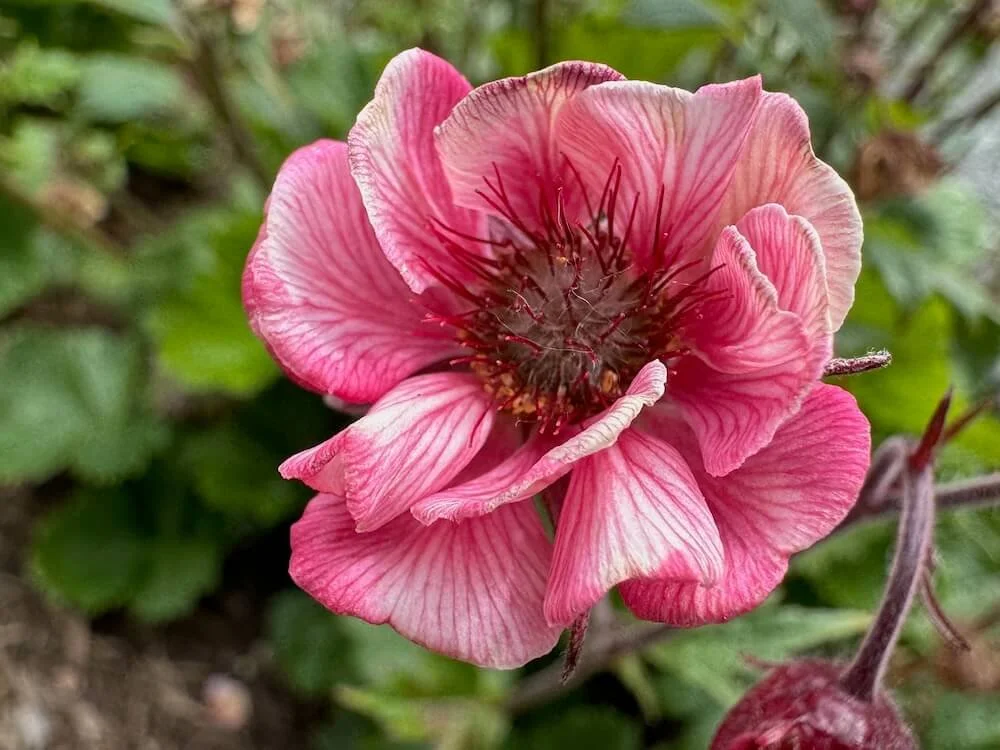
Geums bring warm color and airy movement to the spring garden, sending upright flower stems above low mounds of textured foliage from late spring into early summer. Geum ‘Tempo Rose’ (shown here) is grown for its soft rose-pink flowers that create a light, cheerful display above compact green leaves. Its freely flowering habit and delicate stems add movement and color while blending easily with other spring perennials.
A lively addition to borders, cottage gardens, or mixed perennial plantings, these selections provide long-lasting color without overwhelming nearby plants. Geum ‘Rustico Orange’ offers saturated orange blooms, Geum ‘Pretticoats Peach’ adds ruffled flowers in soft yellow, pink and peach tones, and Geum ‘Flames of Passion’ contributes rich red blossoms with a fuller appearance. Together, these selections provide varied color, soft texture, and a vibrant presence in spring plantings.
SCILLA
06
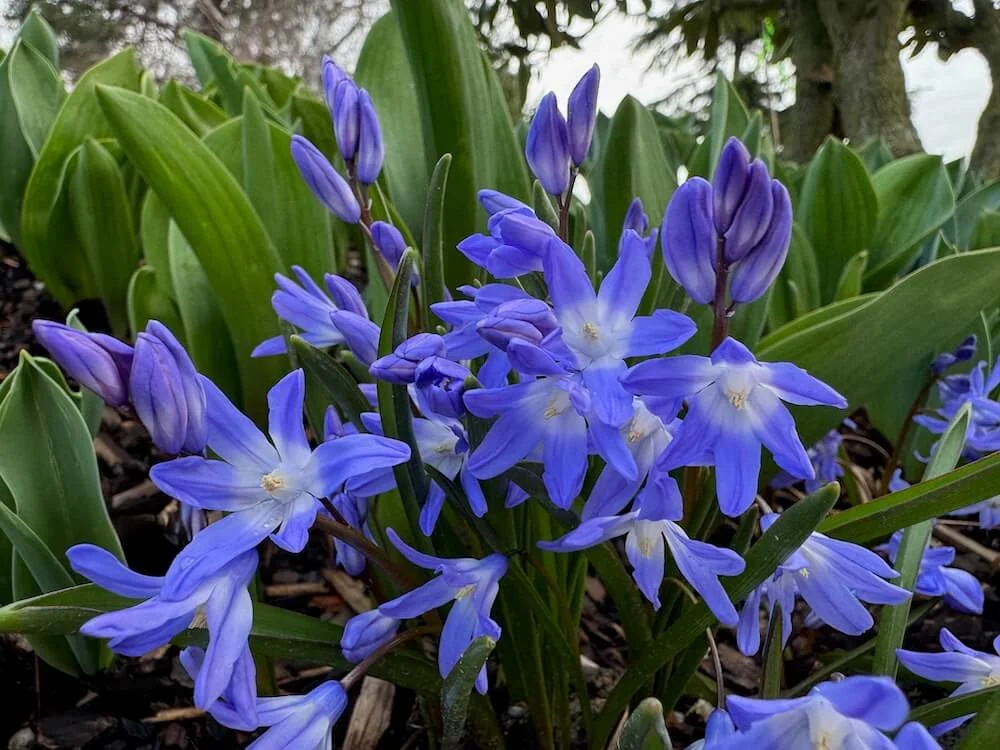
Scillas weave drifts of cool color through the spring garden, producing star-shaped flowers that appear early in the season and create a soft carpet beneath trees and among emerging perennials. Scilla forbesii (shown here) is grown for its loose clusters of blue, starry flowers that spread naturally over time, bringing a woodland character and gentle movement to spring plantings. Its grassy foliage and easy-going habit allow it to blend naturally into the landscape.
A charming addition to woodland gardens, rock gardens, or naturalized areas, these perennials provide delicate flowers and early seasonal color. Scilla luciliae offers larger blooms in shades of lavender with pale centers, while Scilla mischtschenkona contributes icy, pale blue flowers among the earliest blooms of spring. Together, these selections provide soft color, graceful flower forms, and a fresh presence in the spring garden.
BLEEDING HEART (Lamprocapnos)
07
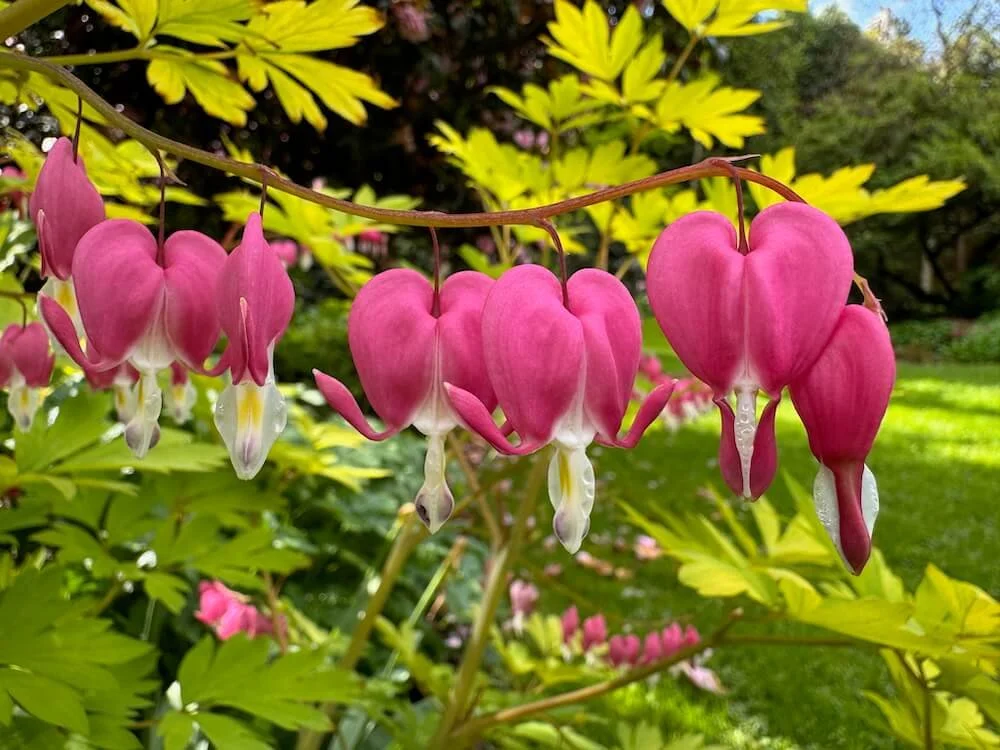
Bleeding hearts create a graceful spring display, sending arching stems of pendant flowers above soft, fern-like foliage early in the season. Lamprocapnos spectabilis ‘Gold Heart’ (shown here) is grown for its rosy-pink, heart-shaped blooms suspended beneath gently curving stems, paired with luminous golden foliage that brightens shaded spaces. Its flowing habit adds movement and a layered quality that becomes a focal point in spring plantings.
A charming addition to woodland gardens, shaded borders, or cottage-style plantings, these perennials blend naturally with other spring bloomers while contributing distinctive form and texture. Lamprocapnos spectabilis offers the classic pink-and-white flowers associated with traditional bleeding hearts, while Lamprocapnos spectabilis ‘Alba’ provides elegant pure white blooms for a softer look. Together, these selections provide delicate flower form, airy foliage, and a memorable presence in the spring garden.
TULIP (Tulipa)
08
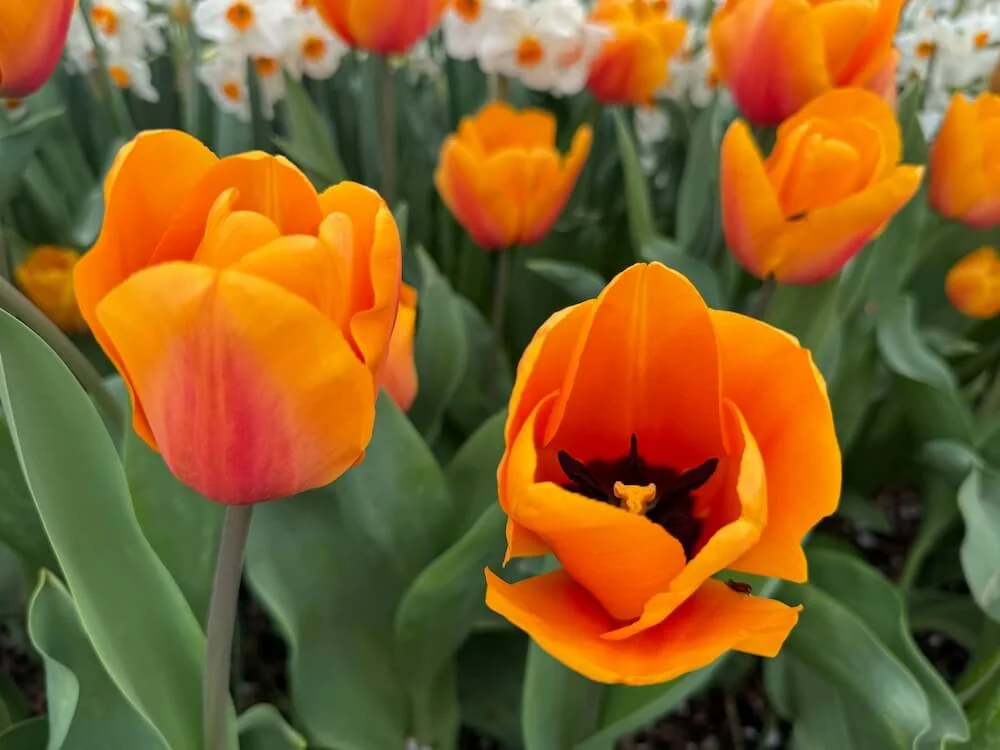
Tulips usher in spring with bold color and elegant flower forms, creating a lively display as gardens awaken from winter. Tulipa ‘Orange Emperor’ is grown for its large tangerine-orange blooms brushed with softer tones, bringing warmth and brightness to early and mid-spring plantings. Its upright stems and broad flowers create a strong visual presence while adding height and seasonal color.
A beautiful addition to borders, containers, or layered bulb displays, these perennials contribute a wide range of shapes and colors throughout the season. Tulipa ‘Allison Bradley’ offers deep reddish-purple blooms, Tulipa ‘Powderpuff’ adds densely layered soft pink peony-style flowers, and Tulipa ‘Pretty Princess’ contributes rose blooms accented with darker flames and variegated foliage.
Related: See All Tulips ➔
COLUMBINE (Aquilegia)
09
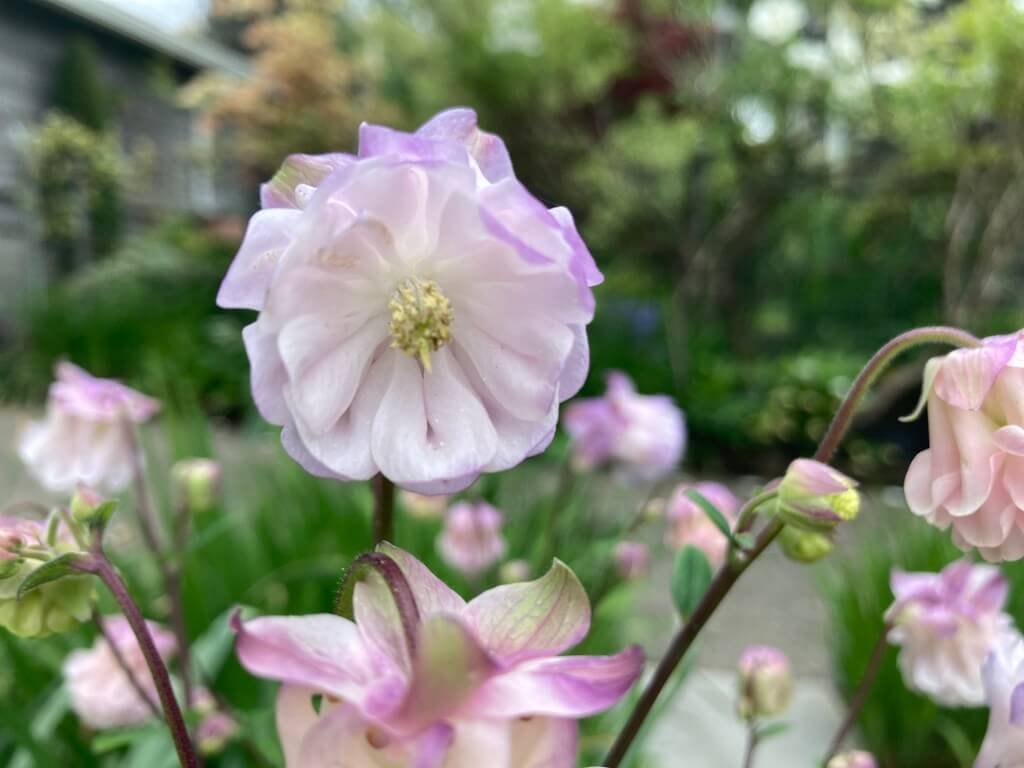
Columbines bring delicate form and soft movement to the spring garden, with nodding flowers appearing from mid to late spring above airy, fern-like foliage. Aquilegia ‘Spring Magic Blue & White’ is grown for its upward-facing blooms in crisp blue and white tones, creating a fresh display early in the season. Its compact habit and finely textured leaves provide a soft backdrop while adding lightness and color to spring plantings.
A graceful addition to borders, cottage gardens, or woodland edges, these perennials blend easily with other spring bloomers while adding height and texture. Aquilegia alpina offers rich blue flowers with long spurs, Aquilegia caerulea ‘Crystal Star’ adds pure white blooms with soft yellow centers, and Aquilegia vulgaris ‘Dorothy Rose’ (shown here) contributes rosy-pink flowers with a fuller, layered appearance. Together, these selections provide gentle movement, and a refined presence in the spring garden.
CORYDALIS
10
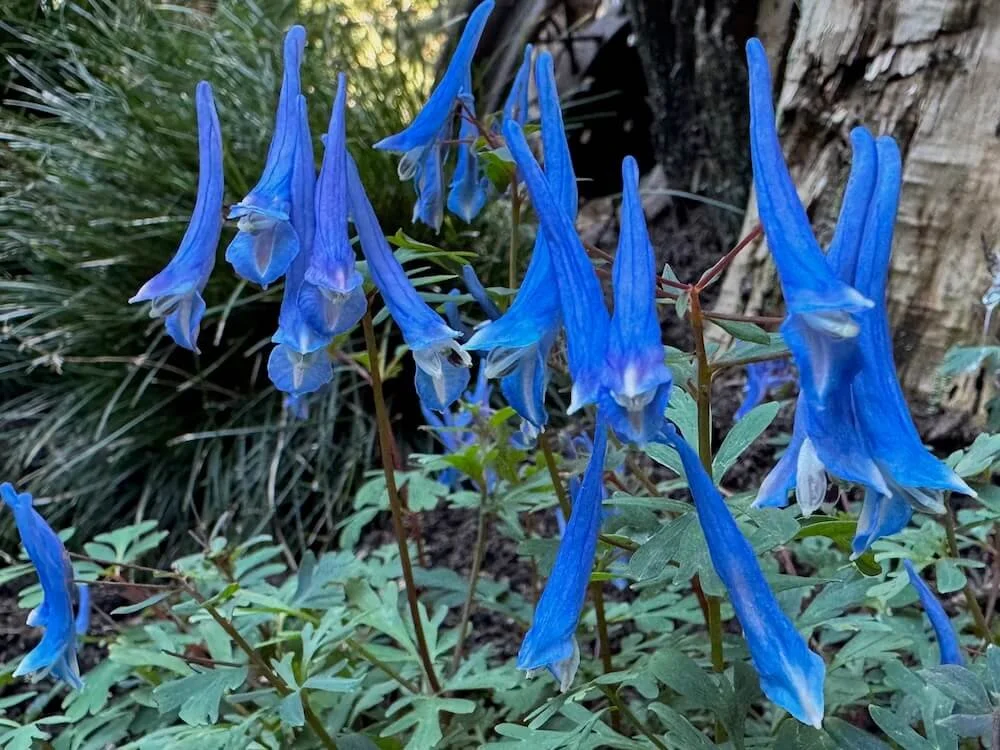
Corydalis adds soft color and finely textured foliage to the spring garden, with clusters of tubular flowers appearing from early to late spring depending on the selection. Corydalis flexuosa ‘Porcelain Blue’ is grown for its vivid sky-blue flowers and blue-green, fern-like foliage that create a cool-toned display in the landscape. Its airy habit and delicate texture bring movement and contrast while extending seasonal interest.
A refined addition to woodland borders, shaded beds, or cottage-style plantings, these perennials blend easily with other spring bloomers while adding distinctive flower color. Corydalis ochroleuca offers creamy white flowers over an extended season, Corydalis curviflora subsp. rosthornii ‘Blue Heron’ (shown here) contributes rich blue blooms, and Corydalis solida subsp. solida ‘Beth Evans’ adds rosy-pink flowers early in spring. Together, these selections provide a graceful presence in spring plantings.
COMFREY (Symphytum)
11
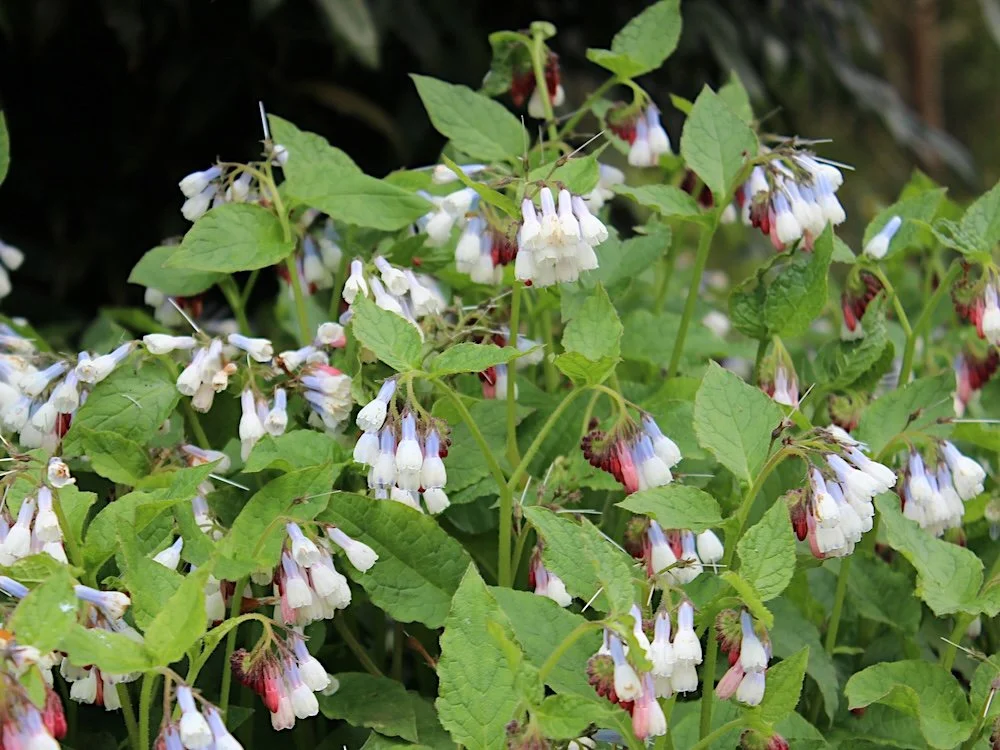
Comfrey brings bold foliage and dangling clusters of flowers to the spring garden, creating an informal, natural look from mid to late spring. Symphytum ‘Hidcote Blue’ (shown here) is grown for its nodding white flowers with lavender and red accents that hang in loose sprays above large, textured leaves, creating a soft display that attracts pollinators. Its substantial foliage quickly forms a dense presence, adding both structure and lush texture to planting areas.
A useful addition to cottage gardens, wildlife plantings, or mixed perennial borders, these perennials provide strong foliage interest alongside their seasonal blooms. Symphytum x uplandicum offers a vigorous habit with bell-shaped flowers in shades of pink to violet-blue that emerge above broad green leaves. Together, these selections provide abundant spring color, bold texture, and a relaxed presence in the garden.
HYACINTH
12
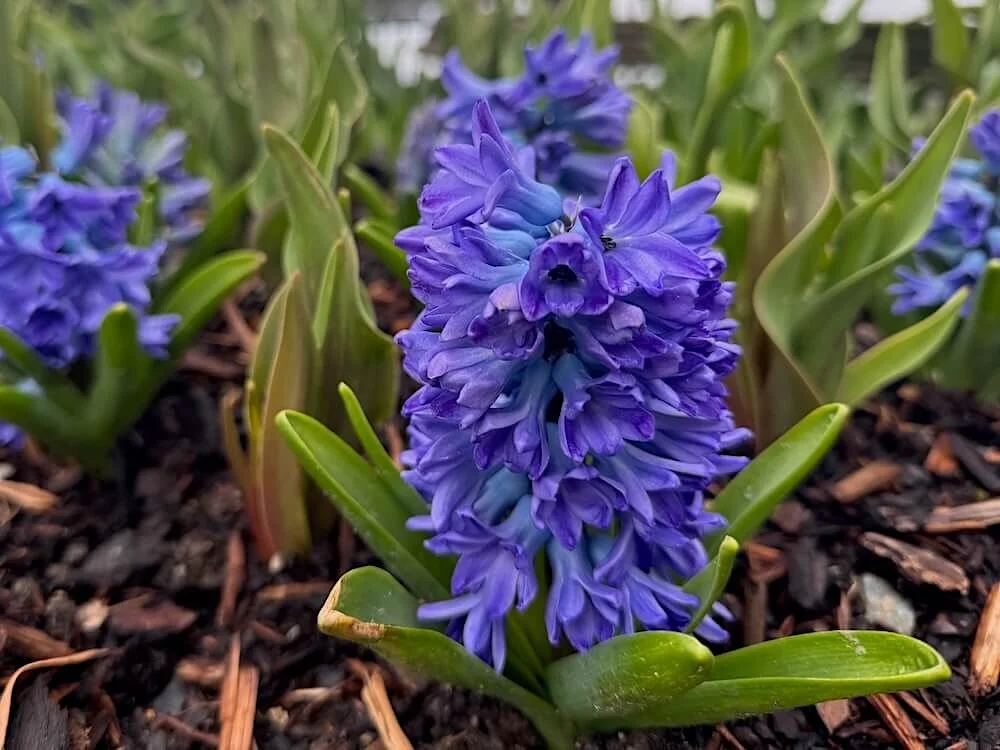
Hyacinths fill the spring garden with dense flower spikes and rich color, creating a vivid display early in the season. Hyacinthus orientalis ‘Gypsy Queen’ is grown for its warm apricot-salmon blooms that bring softer tones to spring plantings while rising above strap-like foliage. Its tightly packed flowers add structure and seasonal color, creating a noticeable presence in borders and mixed displays.
A colorful addition to borders, containers, or naturalized plantings, these perennials contribute both fragrance and varied flower forms during spring. Hyacinthus orientalis ‘Purple Sensation’ offers lavender-purple blooms, Hyacinthus orientalis ‘Blue Star’ adds rich blue flowers, and Muscari aucheri ‘Ocean Magic’ contributes layered flowers in shades of blue and white. Together, these selections provide vibrant color, distinctive flower forms, and a cheerful presence in the spring garden.
DAFFODIL (Narcissus)
13
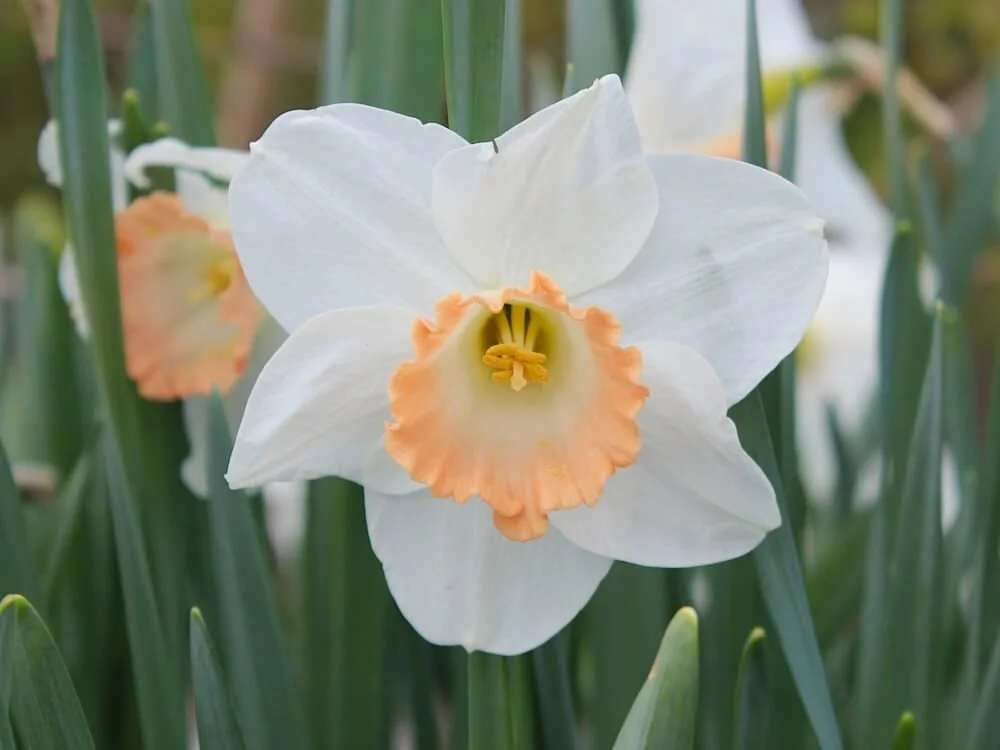
Daffodils announce the arrival of spring with bright flowers that emerge early in the season, bringing color and energy after winter’s quieter months. Narcissus ‘Apricot Whirl’ is grown for its layered petals and softly blended apricot, cream, and peach tones that create a fuller, more intricate display than traditional daffodils. Its graceful flowers rise above narrow blue-green foliage, adding movement and warmth to spring plantings.
A cheerful addition to borders, woodland gardens, or naturalized drifts, these perennials contribute both color and varied flower forms. Narcissus ‘Actaea’ offers elegant white petals with a small yellow cup edged in red, while Narcissus ‘Katie Heath’ (shown here) adds soft cream petals with a delicate peach-toned cup. Together, these selections provide subtle color variation, and a welcoming presence in the spring garden.
Related: Explore All Daffodils ➔
CORNFLOWER (Centaurea)
14
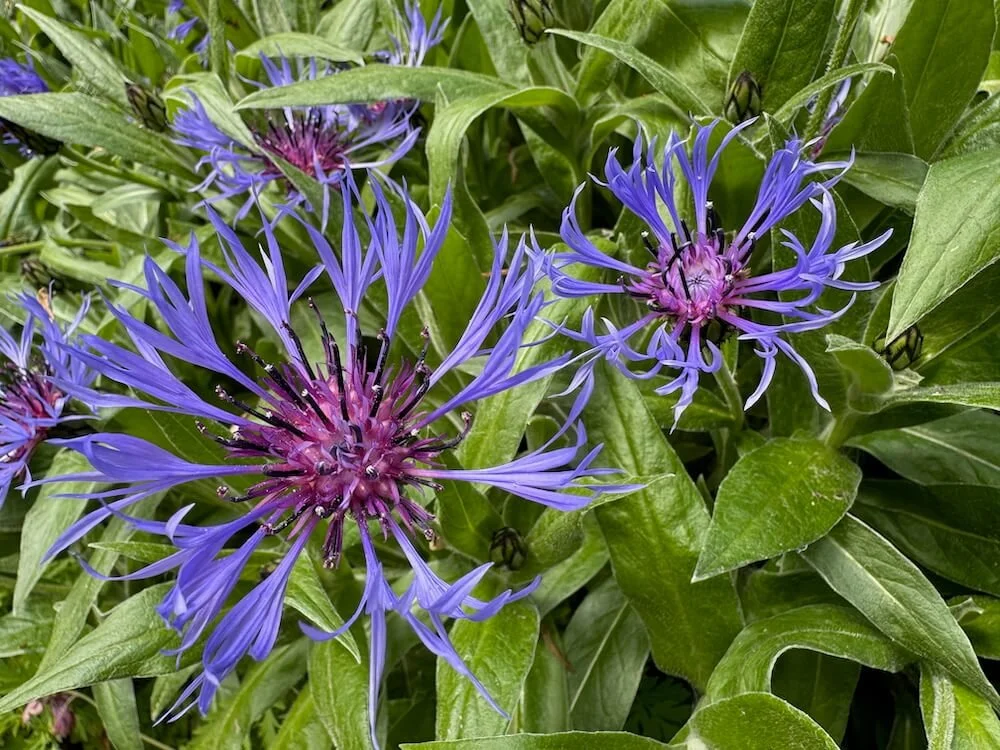
Cornflowers bring vivid shaggy blooms and softly textured foliage into the garden during late spring, creating bold color before many summer perennials begin flowering. Centaurea montana (shown here) is grown for its fringed cobalt-blue flowers with dark central florets that rise above mounding gray-green foliage in spring. The loose flower form and cool-toned coloring stand out clearly among emerging perennials and fresh spring greenery.
Flower color variations expand the visual range of these perennials within cottage-style and naturalistic plantings. Centaurea montana ‘Amethyst Dream’ produces rich amethyst-purple blooms that create deeper tones while maintaining the same fringed flower texture characteristic of the species. Their slightly sprawling habits and softly textured leaves help connect taller spring flowers with lower-growing groundcovers and early season foliage plants.
SPURGE (Euphorbia)
15
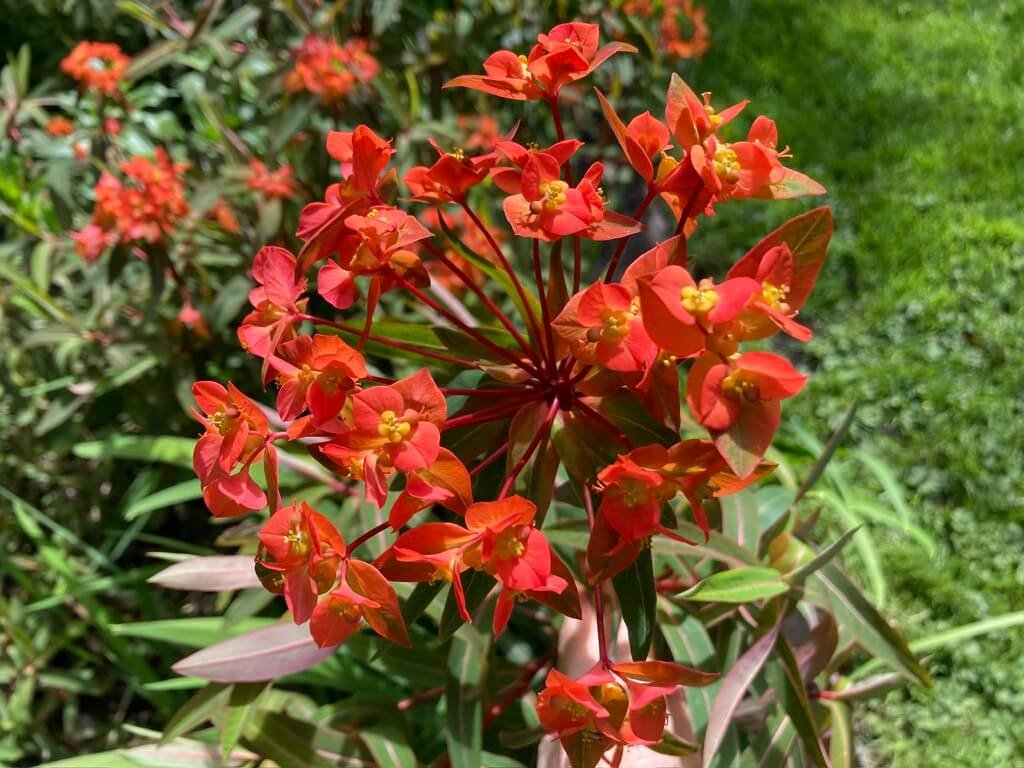
Spurges bring unusual flower structures and bold foliage contrasts into the garden during spring, creating strong color and texture before many summer perennials begin reaching their peak. Euphorbia characias ‘Dwarf’ is grown for its compact blue-green foliage and upright stems topped with chartreuse flower bracts that glow against darker backgrounds in spring. The architectural stems and evergreen foliage give the plant a sculptural quality that remains after flowering has finished.
Foliage color and stem tones broaden the seasonal impact of spurges across mixed plantings. Euphorbia amygdaloides ‘Ruby Glow’ develops deep burgundy-purple foliage that intensifies in cooler weather, while Euphorbia griffithii ‘Fireglow’ (shown here) produces fiery orange-red bracts and stems that introduce warmer tones into spring borders. Their contrasting foliage colors and upright forms help create depth among softer spring-flowering perennials and emerging ornamental grasses.
LENTEN ROSE (Helleborus)
16

Lenten roses bring rich flower color and evergreen foliage when winter is giving way to spring. Helleborus x g. HGC ‘Ice N’ Roses Purple Sunrise’ (shown here) is grown for its outward-facing deep rose-purple flowers held above leathery dark green foliage during the colder months and early spring. The blooms emerge when much of the garden remains dormant, creating strong seasonal contrast against bare branches and early bulbs.
Flower form and foliage color allow hellebores to remain visually prominent well beyond their main blooming season. Helleborus x ballardiae HGC ‘Merlin’ produces soft mauve flowers above marbled evergreen foliage, while Helleborus x hybridus ‘Flower Girl’ adds layered double blooms in soft blush-pink tones that brighten shaded borders and woodland plantings. Their broad evergreen leaves and long-lasting flowers help maintain texture and color through changing spring conditions.
Related: Explore All Lenten Roses ➔
MUKDENIA
17
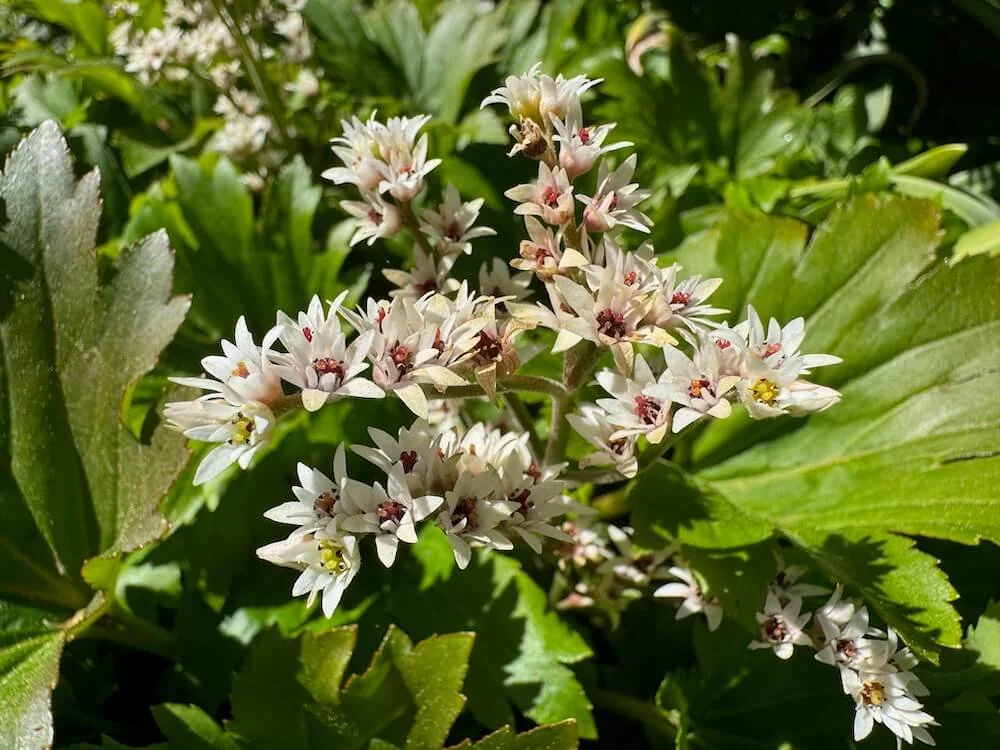
Mukdenias bring finely textured spring flowers and bold maple-like foliage into the garden just as woodland plantings begin emerging from winter dormancy. Mukdenia rossii (shown here) is grown for its sprays of small white star-shaped flowers that appear above low mounds of deeply lobed green leaves in early spring. The delicate blooms create a lighter effect above the foliage while helping bridge the transition between early bulbs and larger developing perennials.
Foliage becomes an increasingly important feature as the season progresses. Mukdenia rossii ‘Crimson Fans’ develops dramatic red to crimson edging across its maple-shaped leaves, especially as temperatures cool later in the season. The broad leaf shape and changing coloration introduce contrast among ferns, hellebores, and finer-textured woodland plants while extending visual interest long after flowering has ended.
UMBRELLA PLANT (Darmera)
18
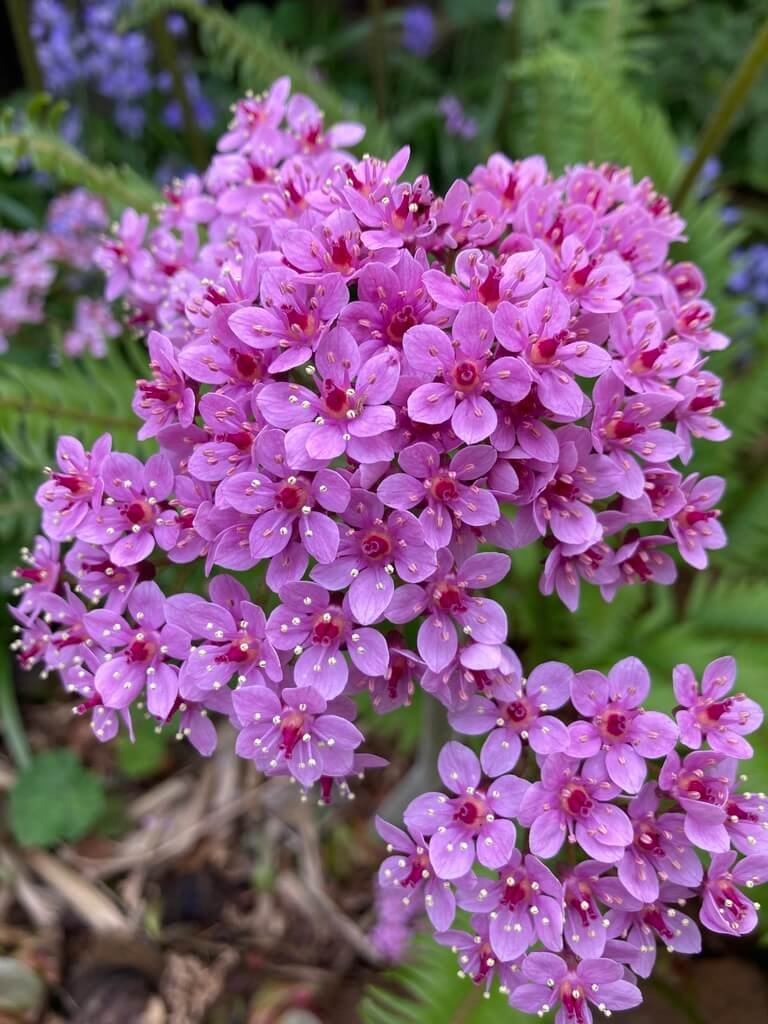
Umbrella plants send up tall clusters of rosy pink flowers before their massive foliage emerges, creating a bold architectural display at the beginning of spring. Darmera peltata (shown here) is grown for its rounded umbrella-like leaves and thick stems that rise from moist soil and streamside plantings after flowering has begun. The flower clusters appear on bare stalks first, allowing the vivid pink blooms with deeper rose centers to stand out clearly before the dramatic foliage unfurls later in the season.
Large leaves quickly become the defining feature of the plant as spring progresses. The broad peltate foliage creates deep texture and a tropical appearance beside ponds, woodland paths, and shaded borders where finer foliage plants can appear visually lost nearby. In autumn, the leaves often develop shades of red and bronze, extending seasonal interest well beyond the spring flowering period.
WALLFLOWER (Erysimum)
19
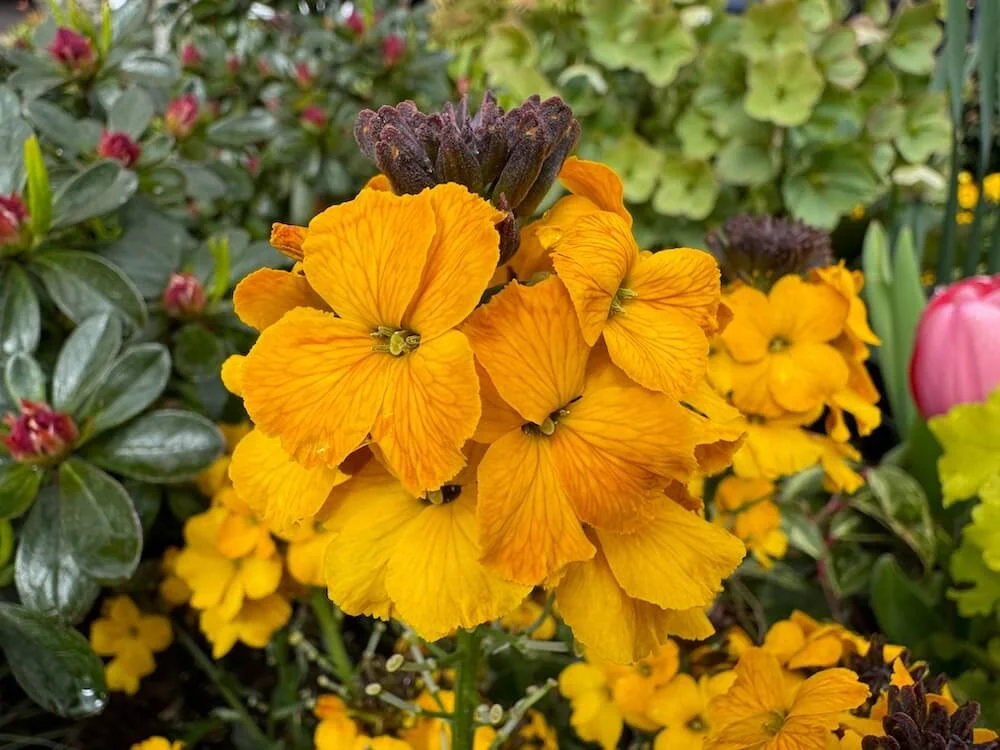
Wallflowers bring vivid color and spicy fragrance into the garden during spring, producing dense clusters of blooms above narrow evergreen foliage as the season begins to warm. Erysimum linifolium ‘Erysistible Yellow’ (shown here) is grown for its bright golden-yellow flowers that cover compact branching stems for an extended period in spring. The slender gray-green foliage provides year-round texture while allowing the saturated flower color to stand out clearly in borders and containers.
Flower color variations give wallflowers a wide range of uses in spring planting combinations. Erysimum x cheiri ‘Color Vibe Purple’ produces rich purple blooms with warmer violet tones that create deeper contrast among tulips, grasses, and silver-foliaged perennials nearby. Their upright flowering stems and compact forms help introduce vertical color without overwhelming neighboring spring bulbs and lower-growing plants.
ALLIUM
20

Alliums emerge in late spring with bold flower forms that bring structure and architectural interest to the garden as the season transitions toward summer. Allium aflatunense 'Purple Sensation’ (shown here) is grown for its large violet-purple flower spheres held high above upright stems, creating a dramatic display that rises above surrounding foliage. Its strong vertical form and geometric blooms provide an eye-catching focal point while adding height to spring plantings.
A distinctive addition to borders or mixed perennial combinations, these perennials contribute unusual flower shapes early in the season. Allium stipitatum ‘Mt. Everest’ offers large white flower globes, Allium unifolium adds looser clusters of rosy-lavender blooms, and Allium siculum subsp. dioscoridis contributes pendulous bell-shaped flowers in muted green, cream, and burgundy tones. Together, these selections provide varied flower forms, and strong structure in the spring garden.